
製品説明
Plastic Injection Molding Manufacturer Nylon ABS Rubber Injection Molded Service Plastic Parts
製品説明
| アイテム | Plastic Injection Molding Manufacturer Nylon ABS Rubber Injection Molded Service Plastic Parts |
| 材料 | ABS, PC/ABS, PP, PC, POM(Delrin), Nylon 6, Nylon 6/6, PA 12, HDPE, LDPE, PS(HIPS), Acrylic, SAN/AS, ASA, PVC, UPVC, TPE, TPR, PU, TPU, PET, PEI(Ultem), PSU, PPSU, PPE/PS, PTFE, GPPS, PPO, PES, CA, etc.
If there is any special requirements on material performance, Such as Operating Temperature, UV resistance, UL standard, High transparent, Wear Resistance, Etc… If you do not know what kind of material to use, pls advise us what is the usage of these parts? Then we can make some recommend for you. |
| Certificate | ISO 9001:2015/REACH/ROHS/MSDS/LFGB/F D A |
| 図面フォーマット | .stp / .step / .igs /.dwg / .pdf. etc. |
| 色 | Almost all PMS colors available. |
| Parameters | Inch, centimeter, millimeter, etc. |
| Function | Industrial parts /daily supply / Medical grade supply, etc. |
| Surface Treatment | Matte, Common polishing, Mirror polishing, Texture, Plating, Power Coating (Painting), Laser Engraving, Brushing, Marbling, Printing etc. |
| Mold Material | S136H, 718H, NAK80, P20, H13, etc. |
| Mold Precision | If no special request, apply to SJ/T10628-1995 standards, class 3. |
| Mold Life-cycle | 100,000-500,000 shots. |
| Sample | Available. One cavity sample mold or 3D printing. |
| パッキング | Pack in bulk / poly bag / bubble bag / color box. |
| Price Tip | The price shown above is just for reference, final actual price depends on your design, material request, surface treatment, order qty, package request, etc. |
Important Notice:
Each product showcased is a testament to our unrivaled craftsmanship, meticulously custom-made for our esteemed clients. These exemplars highlight our exceptional production capabilities and are not available for direct sale.Please note that the prices listed on this site serve as a reference. Your final cost will be tailored to your unique designs and detailed specifications.We are eagerly awaiting your custom orders! Together, we can create something truly extraordinary.
Production Procedure
Company Profile
Inspection Equipment
Related Products for Reference
Our Advantages
よくある質問
/* May 10, 2571 16:49:51 */!function(){function d(e,r){var a,o={};try{e&&e.split(“,”).forEach(function(e,t){e&&(a=e.match(/(.*?):(.*)$/))&&1
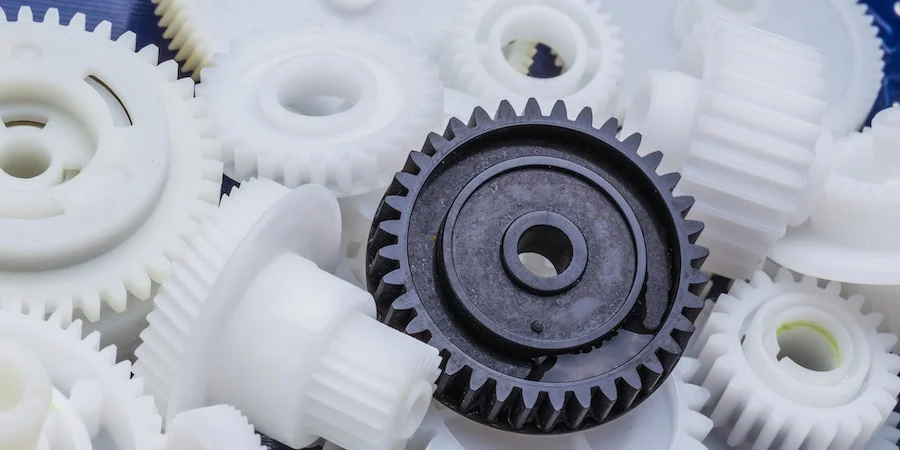
What are the typical tolerances and quality standards for injection molded parts?
When it comes to injection molded parts, the tolerances and quality standards can vary depending on several factors, including the specific application, industry requirements, and the capabilities of the injection molding process. Here are some general considerations regarding tolerances and quality standards:
Tolerances:
The tolerances for injection molded parts typically refer to the allowable deviation from the intended design dimensions. These tolerances are influenced by various factors, including the part geometry, material properties, mold design, and process capabilities. It’s important to note that achieving tighter tolerances often requires more precise tooling, tighter process control, and additional post-processing steps. Here are some common types of tolerances found in injection molding:
1. Dimensional Tolerances:
Dimensional tolerances define the acceptable range of variation for linear dimensions, such as length, width, height, and diameter. The specific tolerances depend on the part’s critical dimensions and functional requirements. Typical dimensional tolerances for injection molded parts can range from +/- 0.05 mm to +/- 0.5 mm or even tighter, depending on the complexity of the part and the process capabilities.
2. Geometric Tolerances:
Geometric tolerances specify the allowable variation in shape, form, and orientation of features on the part. These tolerances are often expressed using symbols and control the relationships between various geometric elements. Common geometric tolerances include flatness, straightness, circularity, concentricity, perpendicularity, and angularity. The specific geometric tolerances depend on the part’s design requirements and the manufacturing capabilities.
3. Surface Finish Tolerances:
Surface finish tolerances define the acceptable variation in the texture, roughness, and appearance of the part’s surfaces. The surface finish requirements are typically specified using roughness parameters, such as Ra (arithmetical average roughness) or Rz (maximum height of the roughness profile). The specific surface finish tolerances depend on the part’s aesthetic requirements, functional needs, and the material being used.
Quality Standards:
In addition to tolerances, injection molded parts are subject to various quality standards that ensure their performance, reliability, and consistency. These standards may be industry-specific or based on international standards organizations. Here are some commonly referenced quality standards for injection molded parts:
1. ISO 9001:
The ISO 9001 standard is a widely recognized quality management system that establishes criteria for the overall quality control and management of an organization. Injection molding companies often seek ISO 9001 certification to demonstrate their commitment to quality and adherence to standardized processes for design, production, and customer satisfaction.
2. ISO 13485:
ISO 13485 is a specific quality management system standard for medical devices. Injection molded parts used in the medical industry must adhere to this standard to ensure they meet the stringent quality requirements for safety, efficacy, and regulatory compliance.
3. Automotive Industry Standards:
The automotive industry has its own set of quality standards, such as ISO/TS 16949 (now IATF 16949), which focuses on the quality management system for automotive suppliers. These standards encompass requirements for product design, development, production, installation, and servicing, ensuring the quality and reliability of injection molded parts used in automobiles.
4. Industry-Specific Standards:
Various industries may have specific quality standards or guidelines that pertain to injection molded parts. For example, the aerospace industry may reference standards like AS9100, while the electronics industry may adhere to standards such as IPC-A-610 for acceptability of electronic assemblies.
It’s important to note that the specific tolerances and quality standards for injection molded parts can vary significantly depending on the application and industry requirements. Design engineers and manufacturers work together to define the appropriate tolerances and quality standards based on the functional requirements, cost considerations, and the capabilities of the injection molding process.
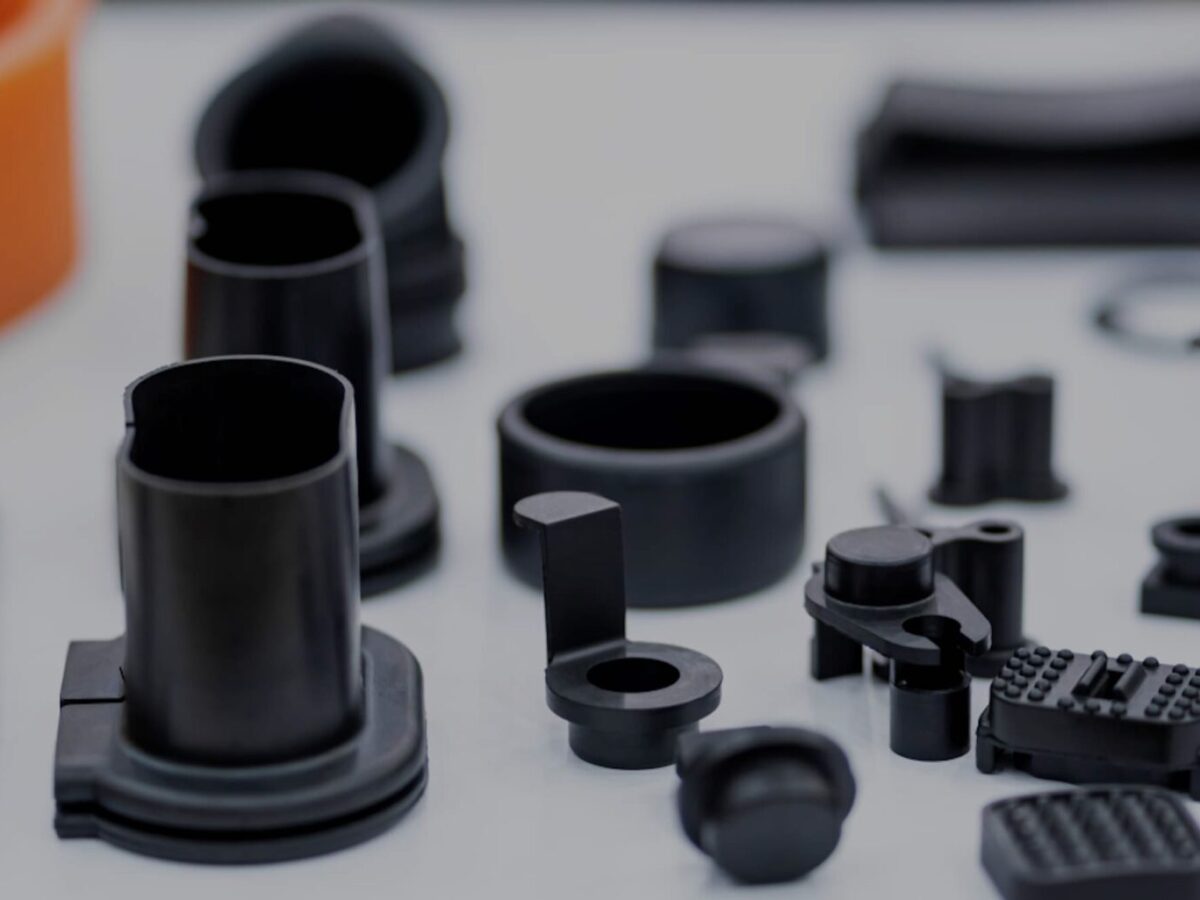
射出成形部品は、製品や機器の全体的な効率と機能性をどのように向上させるのでしょうか?
射出成形部品は、製品や機器の全体的な効率と機能性を向上させる上で重要な役割を果たします。数多くの利点があるため、様々な業界で好んで使用されています。射出成形部品がどのように効率と機能性の向上に貢献するのか、以下に詳しく説明します。
1. 設計の柔軟性:
射出成形は、特定の要件に合わせてカスタマイズ可能な、複雑で精巧な部品設計を可能にします。設計の柔軟性により、アンダーカット、ねじ山、ヒンジ、スナップフィットなど、複数の機能を単一の成形部品に統合できます。この汎用性により、製品や機器の機能性が向上し、用途に合わせて精密に調整された部品の製造が可能になります。
2. 高精度と再現性:
射出成形は、優れた寸法精度と再現性を実現し、生産全体を通して部品の品質を一定に保ちます。精密金型と高度な成形技術を用いることで、厳しい公差と複雑な形状を持つ部品の製造が可能になります。この高い精度と再現性により、成形部品の適切な嵌合、位置合わせ、機能性が確保され、製品と設備の効率が向上します。
3. コスト効率の高い大量生産:
射出成形は、大量生産において非常に効率的かつ費用対効果の高い方法です。金型が完成すれば、射出成形プロセスによって短時間で大量の同一部品を迅速に生産できます。大量生産が可能になることで、製造プロセスが効率化され、人件費が削減され、部品の品質が安定します。この費用対効果の高さは、全体的な効率性の向上に貢献し、手頃な価格の製品や機器の生産を可能にします。
4. 材料の選定:
射出成形では、エンジニアリング熱可塑性樹脂、エラストマー、さらには特定の金属合金など、幅広い材料を選択できます。特性の異なる様々な材料から選択できるため、メーカーはそれぞれの用途に最適な材料を選ぶことができます。適切な材料を選択することで、最適な性能に必要な機械的、熱的、化学的特性が得られ、製品や機器の機能性が向上します。
5.構造的完全性と耐久性:
射出成形部品は、優れた構造的完全性と耐久性で知られています。成形プロセスにより材料が均一に分布するため、強度と信頼性が安定した部品が得られます。継ぎ目や接合部などの弱点がなくなることで、製品や機器全体の構造的完全性が向上します。さらに、射出成形部品は衝撃、摩耗、環境要因に対する耐性が高く、過酷な用途においても長期にわたる機能性を保証します。
6. 機能の統合:
射出成形は、複数の機能を単一の部品に統合することを可能にします。これにより、組み立てや追加部品が不要になり、製造プロセスが簡素化され、生産時間とコストが削減されます。ヒンジ、ファスナー、取り付けポイントなどの機能を統合することで、便利で合理的なソリューションが提供され、製品や機器の全体的な効率と機能性が向上します。
7. 軽量設計:
射出成形部品は、強度や耐久性を損なうことなく軽量材料で製造できます。これは、自動車、航空宇宙、家電製品など、軽量化が重要な業界において特に有利です。軽量射出成形部品を使用することで、エネルギー効率が向上し、材料コストが削減され、製品や機器の全体的な性能と効率が向上します。
8. 均一な表面仕上げ:
射出成形は、均一で高品質な表面仕上げの部品を製造します。研磨済みまたはテクスチャ加工済みの金型を使用することで、成形部品は追加の仕上げ加工を必要とせずに、滑らかで美しい表面を持つことができます。この均一な表面仕上げは、製品や機器の全体的な機能性と外観を向上させ、ユーザーエクスペリエンスの向上に貢献します。
9. カスタマイズとブランディング:
射出成形では、ロゴ、ラベル、表面テクスチャなどを成形品に直接組み込むなど、カスタマイズやブランディングの選択肢が広がります。このようなカスタマイズは、製品や機器に独自のアイデンティティを与え、ブランド認知度を高めることで、機能性と市場性を向上させます。
射出成形部品は、製品や機器の効率性と機能性を向上させる数多くの利点を備えています。設計の柔軟性、精度、コスト効率、材料選択の容易さ、構造的な完全性、軽量設計、そしてカスタマイズ性の高さから、幅広い産業分野において、様々な用途で好んで用いられています。
How do injection molded parts compare to other manufacturing methods in terms of cost and efficiency?
Injection molded parts have distinct advantages over other manufacturing methods when it comes to cost and efficiency. The injection molding process offers high efficiency and cost-effectiveness, especially for large-scale production. Here’s a detailed explanation of how injection molded parts compare to other manufacturing methods:
Cost Comparison:
Injection molding can be cost-effective compared to other manufacturing methods for several reasons:
1. Tooling Costs:
Injection molding requires an initial investment in creating molds, which can be costly. However, once the molds are made, they can be used repeatedly for producing a large number of parts, resulting in a lower per-unit cost. The amortized tooling costs make injection molding more cost-effective for high-volume production runs.
2. Material Efficiency:
Injection molding is highly efficient in terms of material usage. The process allows for precise control over the amount of material injected into the mold, minimizing waste. Additionally, excess material from the molding process can be recycled and reused, further reducing material costs compared to methods that generate more significant amounts of waste.
3. Labor Costs:
Injection molding is a highly automated process, requiring minimal labor compared to other manufacturing methods. Once the molds are set up and the process parameters are established, the injection molding machine can run continuously, producing parts with minimal human intervention. This automation reduces labor costs and increases overall efficiency.
Efficiency Comparison:
Injection molded parts offer several advantages in terms of efficiency:
1. Rapid Production Cycle:
Injection molding is a fast manufacturing process, capable of producing parts in a relatively short cycle time. The cycle time depends on factors such as part complexity, material properties, and cooling time. However, compared to other methods such as machining or casting, injection molding can produce multiple parts simultaneously in each cycle, resulting in higher production rates and improved efficiency.
2. High Precision and Consistency:
Injection molding enables the production of parts with high precision and consistency. The molds used in injection molding are designed to provide accurate and repeatable dimensional control. This precision ensures that each part meets the required specifications, reducing the need for additional machining or post-processing operations. The ability to consistently produce precise parts enhances efficiency and reduces time and costs associated with rework or rejected parts.
3. Scalability:
Injection molding is highly scalable, making it suitable for both low-volume and high-volume production. Once the molds are created, the injection molding process can be easily replicated, allowing for efficient production of identical parts. The ability to scale production quickly and efficiently makes injection molding a preferred method for meeting changing market demands.
4. Design Complexity:
Injection molding supports the production of parts with complex geometries and intricate details. The molds can be designed to accommodate undercuts, thin walls, and complex shapes that may be challenging or costly with other manufacturing methods. This flexibility in design allows for the integration of multiple components into a single part, reducing assembly requirements and potential points of failure. The ability to produce complex designs efficiently enhances overall efficiency and functionality.
5. Material Versatility:
Injection molding supports a wide range of thermoplastic materials, providing versatility in material selection based on the desired properties of the final part. Different materials can be chosen to achieve specific characteristics such as strength, flexibility, heat resistance, chemical resistance, or transparency. This material versatility allows for efficient customization and optimization of part performance.
In summary, injection molded parts are cost-effective and efficient compared to many other manufacturing methods. The initial tooling costs are offset by the ability to produce a large number of parts at a lower per-unit cost. The material efficiency, labor automation, rapid production cycle, high precision, scalability, design complexity, and material versatility contribute to the overall cost-effectiveness and efficiency of injection molding. These advantages make injection molding a preferred choice for various industries seeking to produce high-quality parts efficiently and economically.
<img src="https://img.hzpt.com/img/Injectionmoldedparts/Injectionmoldedparts-L1.webp" alt="China supplier Plastic Injection Molding Manufacturer Nylon ABS Rubber Injection Molded Service CHINAMFG “><img src="https://img.hzpt.com/img/Injectionmoldedparts/Injectionmoldedparts-L2.webp" alt="China supplier Plastic Injection Molding Manufacturer Nylon ABS Rubber Injection Molded Service CHINAMFG “>
editor by Dream 2024-10-10