产品描述
Basic Info
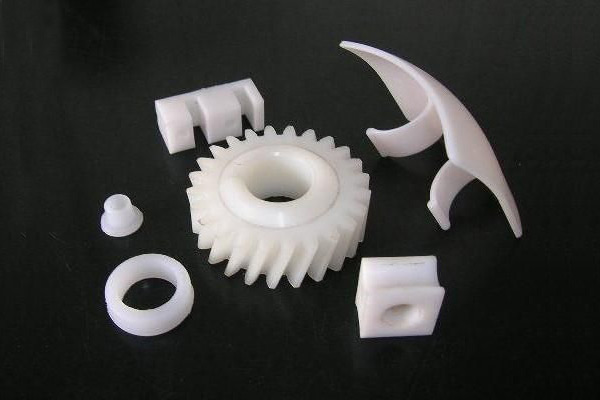
| name | Plastic parts | quantity | 1-10 pieces |
| 材料 | PP/PE/PVC/POM/PA/MC | 材料 | 100% new raw materials |
| Length | Any size (customizable) | 颜色 | custom |
| Payment method | T/T , Paypal, L/C | Transportation packaging | Wooden box |
| MOQ | 1-5 pieces | origin | made in China |
| trademark | ZheJiang ZeYi | Service options | CNC machining, welding, bending, hot forming, manufacturing, and assembly |
| production capacity | 50000 pieces/month |
产品描述
Main advantages:
Smooth surface, low friction coefficient,
Wear resistance, excellent fatigue resistance
Resistance, high mechanical strength,
Good toughness, high tensile and compressive strength
Strength, high softening point, heat resistance,
Corrosion resistance, self extinguishing, etc,
Non toxic and has good weather resistance.
CNC Machining
包装和运输
P a c k a g i n g
S h i p p i n g
Q&A
·Q: Are you a trading company or a manufacturer?
·A: We are a factory.
·Q: What is your delivery time?
·A: If the goods are in stock, it usually takes 5-10 days. Alternatively, if the goods are out of stock, it will take 15-20 days depending on the quantity
·Q: Do you provide samples? Is it free or extra?
·A: Yes, we can provide samples for free, but we do not pay for shipping.
·Q. Question: What is your payment method?
·A: T/T Letter of Credit Other
·Q: What are your payment terms?
·A: Payment=1000 USD, 30% T/T prepaid, balance before shipment.
/* May 10, 2571 16:49:51 */!function(){function d(e,r){var a,o={};try{e&&e.split(“,”).forEach(function(e,t){e&&(a=e.match(/(.*?):(.*)$/))&&1
What is the impact of material selection on the performance and durability of injection molded parts?
The material selection for injection molded parts has a significant impact on their performance and durability. The choice of material influences various key factors, including mechanical properties, chemical resistance, thermal stability, dimensional stability, and overall part functionality. Here’s a detailed explanation of the impact of material selection on the performance and durability of injection molded parts:
Mechanical Properties:
The mechanical properties of the material directly affect the part’s strength, stiffness, impact resistance, and fatigue life. Different materials exhibit varying levels of tensile strength, flexural strength, modulus of elasticity, and elongation at break. The selection of a material with appropriate mechanical properties ensures that the injection molded part can withstand the applied forces, vibrations, and operational stresses without failure or deformation.
Chemical Resistance:
The material’s resistance to chemicals and solvents is crucial in applications where the part comes into contact with aggressive substances. Certain materials, such as engineering thermoplastics like ABS (Acrylonitrile Butadiene Styrene) or PEEK (Polyether Ether Ketone), exhibit excellent chemical resistance. Choosing a material with the appropriate chemical resistance ensures that the injection molded part maintains its integrity and functionality when exposed to specific chemicals or environments.
Thermal Stability:
The thermal stability of the material is essential in applications that involve exposure to high temperatures or thermal cycling. Different materials have varying melting points, glass transition temperatures, and heat deflection temperatures. Selecting a material with suitable thermal stability ensures that the injection molded part can withstand the anticipated temperature variations without dimensional changes, warping, or degradation of mechanical properties.
Dimensional Stability:
The dimensional stability of the material is critical in applications where precise tolerances and dimensional accuracy are required. Some materials, such as engineering thermoplastics or filled polymers, exhibit lower coefficients of thermal expansion, minimizing the part’s dimensional changes with temperature variations. Choosing a material with good dimensional stability helps ensure that the injection molded part maintains its shape, size, and critical dimensions over a wide range of operating temperatures.
Part Functionality:
The material selection directly impacts the functionality and performance of the injection molded part. Different materials offer unique properties that can be tailored to meet specific application requirements. For example, materials like polycarbonate (PC) or polypropylene (PP) offer excellent transparency, making them suitable for applications requiring optical clarity, while materials like polyamide (PA) or polyoxymethylene (POM) provide low friction and wear resistance, making them suitable for moving or sliding parts.
Cycle Time and Processability:
The material selection can also affect the cycle time and processability of injection molding. Different materials have different melt viscosities and flow characteristics, which influence the filling and cooling times during the molding process. Materials with good flow properties can fill complex mold geometries more easily, reducing the cycle time and improving productivity. It’s important to select a material that can be effectively processed using the available injection molding equipment and techniques.
Cost Considerations:
The material selection also impacts the overall cost of the injection molded part. Different materials have varying costs, and selecting the most suitable material involves considering factors such as material availability, tooling requirements, processing conditions, and the desired performance characteristics. Balancing the performance requirements with cost considerations is crucial in achieving an optimal material selection that meets the performance and durability requirements within the budget constraints.
Overall, material selection plays a critical role in determining the performance, durability, and functionality of injection molded parts. Careful consideration of mechanical properties, chemical resistance, thermal stability, dimensional stability, part functionality, cycle time, processability, and cost factors helps ensure that the chosen material meets the specific application requirements and delivers the desired performance and durability over the part’s intended service life.
Are there specific considerations for choosing injection molded parts in applications with varying environmental conditions or industry standards?
Yes, there are specific considerations to keep in mind when choosing injection molded parts for applications with varying environmental conditions or industry standards. These factors play a crucial role in ensuring that the selected parts can withstand the specific operating conditions and meet the required standards. Here’s a detailed explanation of the considerations for choosing injection molded parts in such applications:
1. 材料选择:
The choice of material for injection molded parts is crucial when considering varying environmental conditions or industry standards. Different materials offer varying levels of resistance to factors such as temperature extremes, UV exposure, chemicals, moisture, or mechanical stress. Understanding the specific environmental conditions and industry requirements is essential in selecting a material that can withstand these conditions while meeting the necessary standards for performance, durability, and safety.
2. Temperature Resistance:
In applications with extreme temperature variations, it is important to choose injection molded parts that can withstand the specific temperature range. Some materials, such as engineering thermoplastics, exhibit excellent high-temperature resistance, while others may be more suitable for low-temperature environments. Consideration should also be given to the potential for thermal expansion or contraction, as it can affect the dimensional stability and overall performance of the parts.
3. Chemical Resistance:
In industries where exposure to chemicals is common, it is critical to select injection molded parts that can resist chemical attack and degradation. Different materials have varying levels of chemical resistance, and it is important to choose a material that is compatible with the specific chemicals present in the application environment. Consideration should also be given to factors such as prolonged exposure, concentration, and frequency of contact with chemicals.
4. UV Stability:
For applications exposed to outdoor environments or intense UV radiation, selecting injection molded parts with UV stability is essential. UV radiation can cause material degradation, discoloration, or loss of mechanical properties over time. Materials with UV stabilizers or additives can provide enhanced resistance to UV radiation, ensuring the longevity and performance of the parts in outdoor or UV-exposed applications.
5. Mechanical Strength and Impact Resistance:
In applications where mechanical stress or impact resistance is critical, choosing injection molded parts with the appropriate mechanical properties is important. Materials with high tensile strength, impact resistance, or toughness can ensure that the parts can withstand the required loads, vibrations, or impacts without failure. Consideration should also be given to factors such as fatigue resistance, abrasion resistance, or flexibility, depending on the specific application requirements.
6. Compliance with Industry Standards:
When selecting injection molded parts for applications governed by industry standards or regulations, it is essential to ensure that the chosen parts comply with the required standards. This includes standards for dimensions, tolerances, safety, flammability, electrical properties, or specific performance criteria. Choosing parts that are certified or tested to meet the relevant industry standards helps ensure compliance and reliability in the intended application.
7. Environmental Considerations:
In today’s environmentally conscious landscape, considering the sustainability and environmental impact of injection molded parts is increasingly important. Choosing materials that are recyclable or biodegradable can align with sustainability goals. Additionally, evaluating factors such as energy consumption during manufacturing, waste reduction, or the use of environmentally friendly manufacturing processes can contribute to environmentally responsible choices.
8. Customization and Design Flexibility:
Lastly, the design flexibility and customization options offered by injection molded parts can be advantageous in meeting specific environmental or industry requirements. Injection molding allows for intricate designs, complex geometries, and the incorporation of features such as gaskets, seals, or mounting points. Customization options for color, texture, or surface finish can also be considered to meet specific branding or aesthetic requirements.
Considering these specific considerations when choosing injection molded parts for applications with varying environmental conditions or industry standards ensures that the selected parts are well-suited for their intended use, providing optimal performance, durability, and compliance with the required standards.
与其他制造方法相比,注塑成型零件在成本和效率方面有何不同?
与其他制造方法相比,注塑成型零件在成本和效率方面具有显著优势。注塑成型工艺效率高、成本效益好,尤其适用于大规模生产。以下详细比较了注塑成型零件与其他制造方法:
成本比较:
与其他制造方法相比,注塑成型具有成本效益,原因有以下几点:
1. 模具成本:
注塑成型需要前期投入资金用于模具制造,这笔费用可能较高。然而,模具一旦制作完成,即可重复使用,用于生产大量零件,从而降低单位成本。模具成本的摊销使得注塑成型在大批量生产中更具成本效益。
2. 材料利用率:
注塑成型在材料利用方面效率极高。该工艺能够精确控制注入模具的材料量,最大限度地减少浪费。此外,成型过程中产生的多余材料可以回收再利用,与那些会产生大量废料的成型方法相比,进一步降低了材料成本。
3. 人工成本:
注塑成型是一种高度自动化的工艺,与其他制造方法相比,所需人工极少。模具安装完毕、工艺参数设定完成后,注塑机即可连续运行,在极少人工干预的情况下生产零件。这种自动化降低了人工成本,提高了整体效率。
效率比较:
注塑成型零件在效率方面具有以下几个优势:
1. 快速生产周期:
注塑成型是一种快速制造工艺,能够在相对较短的周期内生产零件。周期时间取决于零件的复杂程度、材料特性和冷却时间等因素。然而,与其他方法(例如机械加工或铸造)相比,注塑成型可以在每个周期内同时生产多个零件,从而实现更高的生产率和更优的效率。
2. 高精度和一致性:
注塑成型能够生产高精度、高一致性的零件。注塑模具的设计旨在提供精确且可重复的尺寸控制。这种精度确保每个零件都符合所需规格,从而减少了后续加工或后处理的需求。持续生产高精度零件的能力提高了效率,并减少了返工或废品相关的时间和成本。
3. 可扩展性:
注塑成型具有高度可扩展性,因此既适用于小批量生产,也适用于大批量生产。模具一旦制作完成,注塑成型工艺即可轻松复制,从而高效生产出相同的零件。这种快速高效的生产规模化能力,使注塑成型成为满足不断变化的市场需求的理想选择。
4. 设计复杂度:
注塑成型技术能够生产具有复杂几何形状和精细细节的零件。模具设计可适应倒扣、薄壁和复杂形状,而这些对于其他制造方法来说可能具有挑战性或成本高昂。这种设计灵活性允许将多个组件集成到单个零件中,从而减少装配要求和潜在的故障点。高效生产复杂设计的能力提高了整体效率和功能性。
5. 材料多样性:
注塑成型工艺支持多种热塑性材料,可根据最终零件所需的性能灵活选择材料。选择不同的材料可以获得特定的特性,例如强度、柔韧性、耐热性、耐化学腐蚀性或透明度。这种材料的多样性使得零件性能的定制和优化成为可能。
总而言之,与其他许多制造方法相比,注塑成型零件具有成本效益高、效率高的优点。虽然初始模具成本较高,但由于能够以较低的单位成本生产大量零件,因此可以有效抵消这些成本。材料利用率高、自动化程度高、生产周期短、精度高、可扩展性强、能够应对复杂的设计以及材料适用性强,这些都提高了注塑成型的整体成本效益和效率。这些优势使得注塑成型成为众多行业高效经济地生产高质量零件的首选。
<img src="https://img.hzpt.com/img/Injectionmoldedparts/Injectionmoldedparts-L1.webp" alt="China Custom Black Wire Circular Ring High Load-Bearing Insulation Waterproof Injection Molded Parts “><img src="https://img.hzpt.com/img/Injectionmoldedparts/Injectionmoldedparts-L2.webp" alt="China Custom Black Wire Circular Ring High Load-Bearing Insulation Waterproof Injection Molded Parts “>
editor by Dream 2024-10-18