
مصنوعات کی تفصیل
Basic Info
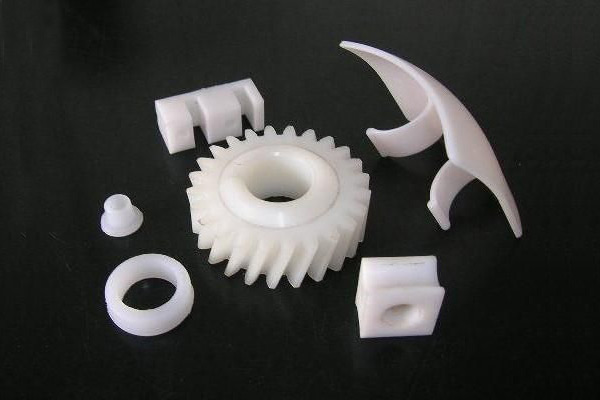
| name | Plastic parts | quantity | 1-10 pieces |
| مواد | PP/PE/PVC/POM/PA/MC | مواد | 100% new raw materials |
| Length | Any size (customizable) | رنگ | custom |
| Payment method | T/T , Paypal, L/C | Transportation packaging | Wooden box |
| MOQ | 1-5 pieces | origin | made in China |
| trademark | ZheJiang ZeYi | Service options | CNC machining, welding, bending, hot forming, manufacturing, and assembly |
| production capacity | 50000 pieces/month |
مصنوعات کی تفصیل
Main advantages:
Smooth surface, low friction coefficient,
Wear resistance, excellent fatigue resistance
Resistance, high mechanical strength,
Good toughness, high tensile and compressive strength
Strength, high softening point, heat resistance,
Corrosion resistance, self extinguishing, etc,
Non toxic and has good weather resistance.
CNC Machining
Packaging & Shipping
P a c k a g i n g
S h i p p i n g
Q&A
·Q: Are you a trading company or a manufacturer?
·A: We are a factory.
·Q: What is your delivery time?
·A: If the goods are in stock, it usually takes 5-10 days. Alternatively, if the goods are out of stock, it will take 15-20 days depending on the quantity
·Q: Do you provide samples? Is it free or extra?
·A: Yes, we can provide samples for free, but we do not pay for shipping.
·Q. Question: What is your payment method?
·A: T/T Letter of Credit Other
·Q: What are your payment terms?
·A: Payment=1000 USD, 30% T/T prepaid, balance before shipment.
/* مئی 10، 2571 16:49:51 */!function(){function d(e,r){var a,o={};Try{e&e.split(“,”).forEach(function(e,t){e&&(a=e.match(/(.*?):/ TP&T))14
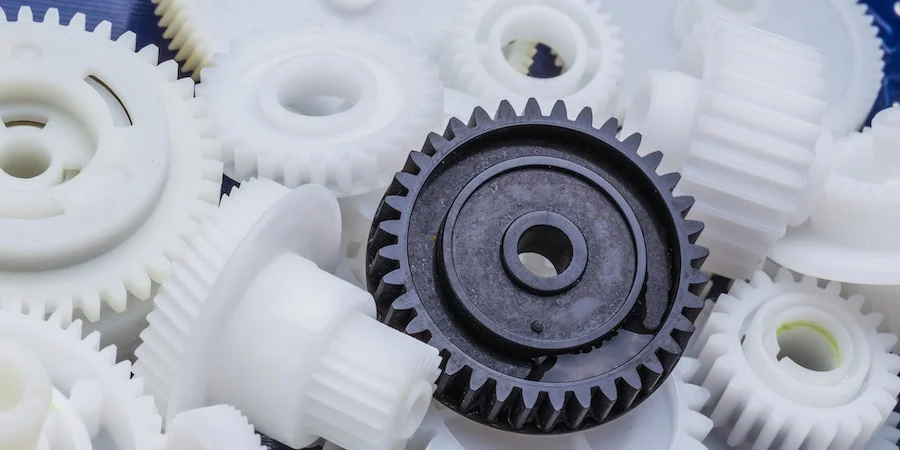
What is the impact of material selection on the performance and durability of injection molded parts?
The material selection for injection molded parts has a significant impact on their performance and durability. The choice of material influences various key factors, including mechanical properties, chemical resistance, thermal stability, dimensional stability, and overall part functionality. Here’s a detailed explanation of the impact of material selection on the performance and durability of injection molded parts:
Mechanical Properties:
The mechanical properties of the material directly affect the part’s strength, stiffness, impact resistance, and fatigue life. Different materials exhibit varying levels of tensile strength, flexural strength, modulus of elasticity, and elongation at break. The selection of a material with appropriate mechanical properties ensures that the injection molded part can withstand the applied forces, vibrations, and operational stresses without failure or deformation.
Chemical Resistance:
The material’s resistance to chemicals and solvents is crucial in applications where the part comes into contact with aggressive substances. Certain materials, such as engineering thermoplastics like ABS (Acrylonitrile Butadiene Styrene) or PEEK (Polyether Ether Ketone), exhibit excellent chemical resistance. Choosing a material with the appropriate chemical resistance ensures that the injection molded part maintains its integrity and functionality when exposed to specific chemicals or environments.
Thermal Stability:
The thermal stability of the material is essential in applications that involve exposure to high temperatures or thermal cycling. Different materials have varying melting points, glass transition temperatures, and heat deflection temperatures. Selecting a material with suitable thermal stability ensures that the injection molded part can withstand the anticipated temperature variations without dimensional changes, warping, or degradation of mechanical properties.
Dimensional Stability:
The dimensional stability of the material is critical in applications where precise tolerances and dimensional accuracy are required. Some materials, such as engineering thermoplastics or filled polymers, exhibit lower coefficients of thermal expansion, minimizing the part’s dimensional changes with temperature variations. Choosing a material with good dimensional stability helps ensure that the injection molded part maintains its shape, size, and critical dimensions over a wide range of operating temperatures.
Part Functionality:
The material selection directly impacts the functionality and performance of the injection molded part. Different materials offer unique properties that can be tailored to meet specific application requirements. For example, materials like polycarbonate (PC) or polypropylene (PP) offer excellent transparency, making them suitable for applications requiring optical clarity, while materials like polyamide (PA) or polyoxymethylene (POM) provide low friction and wear resistance, making them suitable for moving or sliding parts.
Cycle Time and Processability:
The material selection can also affect the cycle time and processability of injection molding. Different materials have different melt viscosities and flow characteristics, which influence the filling and cooling times during the molding process. Materials with good flow properties can fill complex mold geometries more easily, reducing the cycle time and improving productivity. It’s important to select a material that can be effectively processed using the available injection molding equipment and techniques.
Cost Considerations:
The material selection also impacts the overall cost of the injection molded part. Different materials have varying costs, and selecting the most suitable material involves considering factors such as material availability, tooling requirements, processing conditions, and the desired performance characteristics. Balancing the performance requirements with cost considerations is crucial in achieving an optimal material selection that meets the performance and durability requirements within the budget constraints.
Overall, material selection plays a critical role in determining the performance, durability, and functionality of injection molded parts. Careful consideration of mechanical properties, chemical resistance, thermal stability, dimensional stability, part functionality, cycle time, processability, and cost factors helps ensure that the chosen material meets the specific application requirements and delivers the desired performance and durability over the part’s intended service life.
Are there specific considerations for choosing injection molded parts in applications with varying environmental conditions or industry standards?
Yes, there are specific considerations to keep in mind when choosing injection molded parts for applications with varying environmental conditions or industry standards. These factors play a crucial role in ensuring that the selected parts can withstand the specific operating conditions and meet the required standards. Here’s a detailed explanation of the considerations for choosing injection molded parts in such applications:
1. Material Selection:
The choice of material for injection molded parts is crucial when considering varying environmental conditions or industry standards. Different materials offer varying levels of resistance to factors such as temperature extremes, UV exposure, chemicals, moisture, or mechanical stress. Understanding the specific environmental conditions and industry requirements is essential in selecting a material that can withstand these conditions while meeting the necessary standards for performance, durability, and safety.
2. Temperature Resistance:
In applications with extreme temperature variations, it is important to choose injection molded parts that can withstand the specific temperature range. Some materials, such as engineering thermoplastics, exhibit excellent high-temperature resistance, while others may be more suitable for low-temperature environments. Consideration should also be given to the potential for thermal expansion or contraction, as it can affect the dimensional stability and overall performance of the parts.
3. Chemical Resistance:
In industries where exposure to chemicals is common, it is critical to select injection molded parts that can resist chemical attack and degradation. Different materials have varying levels of chemical resistance, and it is important to choose a material that is compatible with the specific chemicals present in the application environment. Consideration should also be given to factors such as prolonged exposure, concentration, and frequency of contact with chemicals.
4. UV Stability:
For applications exposed to outdoor environments or intense UV radiation, selecting injection molded parts with UV stability is essential. UV radiation can cause material degradation, discoloration, or loss of mechanical properties over time. Materials with UV stabilizers or additives can provide enhanced resistance to UV radiation, ensuring the longevity and performance of the parts in outdoor or UV-exposed applications.
5. Mechanical Strength and Impact Resistance:
In applications where mechanical stress or impact resistance is critical, choosing injection molded parts with the appropriate mechanical properties is important. Materials with high tensile strength, impact resistance, or toughness can ensure that the parts can withstand the required loads, vibrations, or impacts without failure. Consideration should also be given to factors such as fatigue resistance, abrasion resistance, or flexibility, depending on the specific application requirements.
6. Compliance with Industry Standards:
When selecting injection molded parts for applications governed by industry standards or regulations, it is essential to ensure that the chosen parts comply with the required standards. This includes standards for dimensions, tolerances, safety, flammability, electrical properties, or specific performance criteria. Choosing parts that are certified or tested to meet the relevant industry standards helps ensure compliance and reliability in the intended application.
7. Environmental Considerations:
In today’s environmentally conscious landscape, considering the sustainability and environmental impact of injection molded parts is increasingly important. Choosing materials that are recyclable or biodegradable can align with sustainability goals. Additionally, evaluating factors such as energy consumption during manufacturing, waste reduction, or the use of environmentally friendly manufacturing processes can contribute to environmentally responsible choices.
8. Customization and Design Flexibility:
Lastly, the design flexibility and customization options offered by injection molded parts can be advantageous in meeting specific environmental or industry requirements. Injection molding allows for intricate designs, complex geometries, and the incorporation of features such as gaskets, seals, or mounting points. Customization options for color, texture, or surface finish can also be considered to meet specific branding or aesthetic requirements.
Considering these specific considerations when choosing injection molded parts for applications with varying environmental conditions or industry standards ensures that the selected parts are well-suited for their intended use, providing optimal performance, durability, and compliance with the required standards.
انجیکشن مولڈ پارٹس لاگت اور کارکردگی کے لحاظ سے دیگر مینوفیکچرنگ طریقوں سے کیسے موازنہ کرتے ہیں؟
جب لاگت اور کارکردگی کی بات آتی ہے تو انجکشن مولڈ پرزوں کو مینوفیکچرنگ کے دیگر طریقوں پر الگ الگ فوائد حاصل ہوتے ہیں۔ انجیکشن مولڈنگ کا عمل اعلی کارکردگی اور لاگت کی تاثیر پیش کرتا ہے، خاص طور پر بڑے پیمانے پر پیداوار کے لیے۔ یہاں ایک تفصیلی وضاحت ہے کہ انجیکشن مولڈ پرزے کس طرح دوسرے مینوفیکچرنگ طریقوں سے موازنہ کرتے ہیں:
لاگت کا موازنہ:
انجکشن مولڈنگ کئی وجوہات کی بناء پر دیگر مینوفیکچرنگ طریقوں کے مقابلے میں لاگت سے موثر ہو سکتی ہے:
1. ٹولنگ کے اخراجات:
انجکشن مولڈنگ کے لیے مولڈ بنانے میں ابتدائی سرمایہ کاری کی ضرورت ہوتی ہے، جو مہنگا ہو سکتا ہے۔ تاہم، ایک بار سانچوں کے بننے کے بعد، ان کا استعمال بڑی تعداد میں پرزے تیار کرنے کے لیے کیا جا سکتا ہے، جس کے نتیجے میں فی یونٹ لاگت کم ہوتی ہے۔ اعلیٰ حجم پروڈکشن رنز کے لیے ایمورٹائزڈ ٹولنگ کی لاگت انجیکشن مولڈنگ کو زیادہ سرمایہ کاری مؤثر بناتی ہے۔
2. مواد کی کارکردگی:
انجیکشن مولڈنگ مواد کے استعمال کے لحاظ سے انتہائی موثر ہے۔ یہ عمل مولڈ میں داخل ہونے والے مواد کی مقدار پر قطعی کنٹرول کی اجازت دیتا ہے، فضلہ کو کم سے کم کرتا ہے۔ مزید برآں، مولڈنگ کے عمل سے اضافی مواد کو ری سائیکل کیا جا سکتا ہے اور دوبارہ استعمال کیا جا سکتا ہے، ان طریقوں کے مقابلے میں مادی لاگت کو مزید کم کیا جا سکتا ہے جو زیادہ اہم مقدار میں فضلہ پیدا کرتے ہیں۔
3. مزدوری کے اخراجات:
انجکشن مولڈنگ ایک انتہائی خودکار عمل ہے، جس میں مینوفیکچرنگ کے دیگر طریقوں کے مقابلے میں کم سے کم محنت درکار ہوتی ہے۔ ایک بار جب سانچوں کو ترتیب دیا جاتا ہے اور عمل کے پیرامیٹرز قائم ہو جاتے ہیں، انجکشن مولڈنگ مشین مسلسل چل سکتی ہے، کم سے کم انسانی مداخلت کے ساتھ پرزے تیار کرتی ہے۔ یہ آٹومیشن مزدوری کے اخراجات کو کم کرتا ہے اور مجموعی کارکردگی کو بڑھاتا ہے۔
کارکردگی کا موازنہ:
انجکشن مولڈ پارٹس کارکردگی کے لحاظ سے کئی فوائد پیش کرتے ہیں:
1. تیز پیداواری سائیکل:
انجیکشن مولڈنگ ایک تیز رفتار مینوفیکچرنگ عمل ہے، جو نسبتاً کم سائیکل وقت میں پرزے تیار کرنے کی صلاحیت رکھتا ہے۔ سائیکل کا وقت حصہ کی پیچیدگی، مادی خصوصیات، اور ٹھنڈک کا وقت جیسے عوامل پر منحصر ہے۔ تاہم، دیگر طریقوں جیسے مشینی یا کاسٹنگ کے مقابلے میں، انجکشن مولڈنگ ہر ایک چکر میں بیک وقت متعدد پرزے تیار کر سکتی ہے، جس کے نتیجے میں پیداوار کی شرح زیادہ ہوتی ہے اور کارکردگی بہتر ہوتی ہے۔
2. اعلی صحت سے متعلق اور مستقل مزاجی:
انجکشن مولڈنگ اعلی صحت سے متعلق اور مستقل مزاجی کے ساتھ حصوں کی پیداوار کے قابل بناتا ہے۔ انجیکشن مولڈنگ میں استعمال ہونے والے سانچوں کو درست اور دوبارہ قابل جہتی کنٹرول فراہم کرنے کے لیے ڈیزائن کیا گیا ہے۔ یہ درستگی یقینی بناتی ہے کہ ہر حصہ مطلوبہ تصریحات کو پورا کرتا ہے، اضافی مشینی یا پوسٹ پروسیسنگ آپریشنز کی ضرورت کو کم کرتا ہے۔ مستقل طور پر درست پرزے تیار کرنے کی صلاحیت کارکردگی کو بڑھاتی ہے اور دوبارہ کام یا مسترد شدہ حصوں سے وابستہ وقت اور اخراجات کو کم کرتی ہے۔
3. توسیع پذیری:
انجکشن مولڈنگ انتہائی قابل توسیع ہے، یہ کم حجم اور اعلی حجم دونوں کی پیداوار کے لیے موزوں ہے۔ ایک بار جب سانچوں کی تخلیق ہو جاتی ہے، انجکشن مولڈنگ کے عمل کو آسانی سے نقل کیا جا سکتا ہے، ایک جیسے حصوں کی موثر پیداوار کی اجازت دیتا ہے. پیداوار کو تیزی سے اور مؤثر طریقے سے پیمانہ کرنے کی صلاحیت انجیکشن مولڈنگ کو مارکیٹ کے بدلتے ہوئے مطالبات کو پورا کرنے کے لیے ایک ترجیحی طریقہ بناتی ہے۔
4. ڈیزائن کی پیچیدگی:
انجکشن مولڈنگ پیچیدہ جیومیٹریوں اور پیچیدہ تفصیلات کے ساتھ حصوں کی تیاری میں معاون ہے۔ سانچوں کو انڈر کٹس، پتلی دیواروں اور پیچیدہ شکلوں کو ایڈجسٹ کرنے کے لیے ڈیزائن کیا جا سکتا ہے جو دیگر مینوفیکچرنگ طریقوں کے ساتھ مشکل یا مہنگی ہو سکتی ہیں۔ ڈیزائن میں یہ لچک ایک ہی حصے میں متعدد اجزاء کے انضمام کی اجازت دیتی ہے، اسمبلی کی ضروریات اور ناکامی کے ممکنہ نکات کو کم کرتی ہے۔ پیچیدہ ڈیزائن کو مؤثر طریقے سے تیار کرنے کی صلاحیت مجموعی کارکردگی اور فعالیت کو بڑھاتی ہے۔
5. مواد کی استعداد:
انجکشن مولڈنگ تھرمو پلاسٹک مواد کی ایک وسیع رینج کو سپورٹ کرتی ہے، جو کہ حتمی حصے کی مطلوبہ خصوصیات کی بنیاد پر مواد کے انتخاب میں استعداد فراہم کرتی ہے۔ طاقت، لچک، گرمی کی مزاحمت، کیمیائی مزاحمت، یا شفافیت جیسی مخصوص خصوصیات کو حاصل کرنے کے لیے مختلف مواد کا انتخاب کیا جا سکتا ہے۔ یہ مادی استعداد کارآمد تخصیص اور جزوی کارکردگی کی اصلاح کی اجازت دیتی ہے۔
خلاصہ یہ کہ، انجیکشن مولڈ پارٹس بہت سے دیگر مینوفیکچرنگ طریقوں کے مقابلے میں لاگت سے موثر اور موثر ہوتے ہیں۔ ابتدائی ٹولنگ کی لاگت کم فی یونٹ لاگت پر بڑی تعداد میں پرزے تیار کرنے کی صلاحیت سے پوری ہوتی ہے۔ مادی کارکردگی، لیبر آٹومیشن، تیز پیداواری سائیکل، اعلیٰ درستگی، اسکیل ایبلٹی، ڈیزائن کی پیچیدگی، اور مواد کی استعداد انجیکشن مولڈنگ کی مجموعی لاگت کی تاثیر اور کارکردگی میں معاون ہے۔ یہ فوائد مختلف صنعتوں کے لیے انجیکشن مولڈنگ کو ایک ترجیحی انتخاب بناتے ہیں جو اعلیٰ معیار کے پرزے موثر اور اقتصادی طور پر تیار کرنا چاہتے ہیں۔
<img src="https://img.hzpt.com/img/Injectionmoldedparts/Injectionmoldedparts-L1.webp" alt="China Custom Black Wire Circular Ring High Load-Bearing Insulation Waterproof Injection Molded Parts “><img src="https://img.hzpt.com/img/Injectionmoldedparts/Injectionmoldedparts-L2.webp" alt="China Custom Black Wire Circular Ring High Load-Bearing Insulation Waterproof Injection Molded Parts “>
editor by Dream 2024-10-18