
Descrição do produto
Basic Info
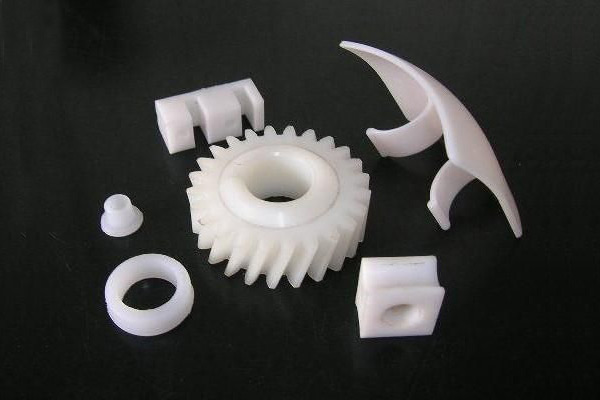
| name | Plastic parts | quantity | 1-10 pieces |
| Material | PP/PE/PVC/POM/PA/MC | Material | 100% new raw materials |
| Length | Any size (customizable) | colour | custom |
| Payment method | T/T , Paypal, L/C | Transportation packaging | Wooden box |
| MOQ | 1-5 pieces | origin | made in China |
| trademark | ZheJiang ZeYi | Service options | CNC machining, welding, bending, hot forming, manufacturing, and assembly |
| production capacity | 50000 pieces/month |
Descrição do produto
Main advantages:
Smooth surface, low friction coefficient,
Wear resistance, excellent fatigue resistance
Resistance, high mechanical strength,
Good toughness, high tensile and compressive strength
Strength, high softening point, heat resistance,
Corrosion resistance, self extinguishing, etc,
Non toxic and has good weather resistance.
CNC Machining
Packaging & Shipping
P a c k a g i n g
S h i p p i n g
Q&A
·Q: Are you a trading company or a manufacturer?
·A: We are a factory.
·Q: What is your delivery time?
·A: If the goods are in stock, it usually takes 5-10 days. Alternatively, if the goods are out of stock, it will take 15-20 days depending on the quantity
·Q: Do you provide samples? Is it free or extra?
·A: Yes, we can provide samples for free, but we do not pay for shipping.
·Q. Question: What is your payment method?
·A: T/T Letter of Credit Other
·Q: What are your payment terms?
·A: Payment=1000 USD, 30% T/T prepaid, balance before shipment.
/* May 10, 2571 16:49:51 */!function(){function d(e,r){var a,o={};try{e&&e.split(“,”).forEach(function(e,t){e&&(a=e.match(/(.*?):(.*)$/))&&1
What is the impact of material selection on the performance and durability of injection molded parts?
The material selection for injection molded parts has a significant impact on their performance and durability. The choice of material influences various key factors, including mechanical properties, chemical resistance, thermal stability, dimensional stability, and overall part functionality. Here’s a detailed explanation of the impact of material selection on the performance and durability of injection molded parts:
Mechanical Properties:
The mechanical properties of the material directly affect the part’s strength, stiffness, impact resistance, and fatigue life. Different materials exhibit varying levels of tensile strength, flexural strength, modulus of elasticity, and elongation at break. The selection of a material with appropriate mechanical properties ensures that the injection molded part can withstand the applied forces, vibrations, and operational stresses without failure or deformation.
Chemical Resistance:
The material’s resistance to chemicals and solvents is crucial in applications where the part comes into contact with aggressive substances. Certain materials, such as engineering thermoplastics like ABS (Acrylonitrile Butadiene Styrene) or PEEK (Polyether Ether Ketone), exhibit excellent chemical resistance. Choosing a material with the appropriate chemical resistance ensures that the injection molded part maintains its integrity and functionality when exposed to specific chemicals or environments.
Thermal Stability:
The thermal stability of the material is essential in applications that involve exposure to high temperatures or thermal cycling. Different materials have varying melting points, glass transition temperatures, and heat deflection temperatures. Selecting a material with suitable thermal stability ensures that the injection molded part can withstand the anticipated temperature variations without dimensional changes, warping, or degradation of mechanical properties.
Dimensional Stability:
The dimensional stability of the material is critical in applications where precise tolerances and dimensional accuracy are required. Some materials, such as engineering thermoplastics or filled polymers, exhibit lower coefficients of thermal expansion, minimizing the part’s dimensional changes with temperature variations. Choosing a material with good dimensional stability helps ensure that the injection molded part maintains its shape, size, and critical dimensions over a wide range of operating temperatures.
Part Functionality:
The material selection directly impacts the functionality and performance of the injection molded part. Different materials offer unique properties that can be tailored to meet specific application requirements. For example, materials like polycarbonate (PC) or polypropylene (PP) offer excellent transparency, making them suitable for applications requiring optical clarity, while materials like polyamide (PA) or polyoxymethylene (POM) provide low friction and wear resistance, making them suitable for moving or sliding parts.
Cycle Time and Processability:
The material selection can also affect the cycle time and processability of injection molding. Different materials have different melt viscosities and flow characteristics, which influence the filling and cooling times during the molding process. Materials with good flow properties can fill complex mold geometries more easily, reducing the cycle time and improving productivity. It’s important to select a material that can be effectively processed using the available injection molding equipment and techniques.
Cost Considerations:
The material selection also impacts the overall cost of the injection molded part. Different materials have varying costs, and selecting the most suitable material involves considering factors such as material availability, tooling requirements, processing conditions, and the desired performance characteristics. Balancing the performance requirements with cost considerations is crucial in achieving an optimal material selection that meets the performance and durability requirements within the budget constraints.
Overall, material selection plays a critical role in determining the performance, durability, and functionality of injection molded parts. Careful consideration of mechanical properties, chemical resistance, thermal stability, dimensional stability, part functionality, cycle time, processability, and cost factors helps ensure that the chosen material meets the specific application requirements and delivers the desired performance and durability over the part’s intended service life.
Are there specific considerations for choosing injection molded parts in applications with varying environmental conditions or industry standards?
Yes, there are specific considerations to keep in mind when choosing injection molded parts for applications with varying environmental conditions or industry standards. These factors play a crucial role in ensuring that the selected parts can withstand the specific operating conditions and meet the required standards. Here’s a detailed explanation of the considerations for choosing injection molded parts in such applications:
1. Material Selection:
The choice of material for injection molded parts is crucial when considering varying environmental conditions or industry standards. Different materials offer varying levels of resistance to factors such as temperature extremes, UV exposure, chemicals, moisture, or mechanical stress. Understanding the specific environmental conditions and industry requirements is essential in selecting a material that can withstand these conditions while meeting the necessary standards for performance, durability, and safety.
2. Temperature Resistance:
In applications with extreme temperature variations, it is important to choose injection molded parts that can withstand the specific temperature range. Some materials, such as engineering thermoplastics, exhibit excellent high-temperature resistance, while others may be more suitable for low-temperature environments. Consideration should also be given to the potential for thermal expansion or contraction, as it can affect the dimensional stability and overall performance of the parts.
3. Chemical Resistance:
In industries where exposure to chemicals is common, it is critical to select injection molded parts that can resist chemical attack and degradation. Different materials have varying levels of chemical resistance, and it is important to choose a material that is compatible with the specific chemicals present in the application environment. Consideration should also be given to factors such as prolonged exposure, concentration, and frequency of contact with chemicals.
4. UV Stability:
For applications exposed to outdoor environments or intense UV radiation, selecting injection molded parts with UV stability is essential. UV radiation can cause material degradation, discoloration, or loss of mechanical properties over time. Materials with UV stabilizers or additives can provide enhanced resistance to UV radiation, ensuring the longevity and performance of the parts in outdoor or UV-exposed applications.
5. Mechanical Strength and Impact Resistance:
In applications where mechanical stress or impact resistance is critical, choosing injection molded parts with the appropriate mechanical properties is important. Materials with high tensile strength, impact resistance, or toughness can ensure that the parts can withstand the required loads, vibrations, or impacts without failure. Consideration should also be given to factors such as fatigue resistance, abrasion resistance, or flexibility, depending on the specific application requirements.
6. Compliance with Industry Standards:
When selecting injection molded parts for applications governed by industry standards or regulations, it is essential to ensure that the chosen parts comply with the required standards. This includes standards for dimensions, tolerances, safety, flammability, electrical properties, or specific performance criteria. Choosing parts that are certified or tested to meet the relevant industry standards helps ensure compliance and reliability in the intended application.
7. Environmental Considerations:
In today’s environmentally conscious landscape, considering the sustainability and environmental impact of injection molded parts is increasingly important. Choosing materials that are recyclable or biodegradable can align with sustainability goals. Additionally, evaluating factors such as energy consumption during manufacturing, waste reduction, or the use of environmentally friendly manufacturing processes can contribute to environmentally responsible choices.
8. Customization and Design Flexibility:
Lastly, the design flexibility and customization options offered by injection molded parts can be advantageous in meeting specific environmental or industry requirements. Injection molding allows for intricate designs, complex geometries, and the incorporation of features such as gaskets, seals, or mounting points. Customization options for color, texture, or surface finish can also be considered to meet specific branding or aesthetic requirements.
Considering these specific considerations when choosing injection molded parts for applications with varying environmental conditions or industry standards ensures that the selected parts are well-suited for their intended use, providing optimal performance, durability, and compliance with the required standards.
Como as peças moldadas por injeção se comparam a outros métodos de fabricação em termos de custo e eficiência?
As peças moldadas por injeção apresentam vantagens distintas em relação a outros métodos de fabricação no que diz respeito a custo e eficiência. O processo de moldagem por injeção oferece alta eficiência e custo-benefício, especialmente para produção em larga escala. Aqui está uma explicação detalhada de como as peças moldadas por injeção se comparam a outros métodos de fabricação:
Comparação de custos:
A moldagem por injeção pode ser economicamente vantajosa em comparação com outros métodos de fabricação por diversos motivos:
1. Custos de ferramental:
A moldagem por injeção requer um investimento inicial na criação de moldes, o que pode ser dispendioso. No entanto, uma vez fabricados, os moldes podem ser reutilizados repetidamente para a produção de um grande número de peças, resultando em um custo unitário menor. Os custos amortizados das ferramentas tornam a moldagem por injeção mais rentável para produções em larga escala.
2. Eficiência de Materiais:
A moldagem por injeção é altamente eficiente em termos de aproveitamento de materiais. O processo permite um controle preciso da quantidade de material injetado no molde, minimizando o desperdício. Além disso, o excesso de material proveniente do processo de moldagem pode ser reciclado e reutilizado, reduzindo ainda mais os custos de material em comparação com métodos que geram quantidades mais significativas de resíduos.
3. Custos de mão de obra:
A moldagem por injeção é um processo altamente automatizado, que requer mão de obra mínima em comparação com outros métodos de fabricação. Uma vez que os moldes são configurados e os parâmetros do processo são definidos, a máquina de moldagem por injeção pode funcionar continuamente, produzindo peças com mínima intervenção humana. Essa automação reduz os custos de mão de obra e aumenta a eficiência geral.
Comparação de Eficiência:
As peças moldadas por injeção oferecem diversas vantagens em termos de eficiência:
1. Ciclo de produção rápido:
A moldagem por injeção é um processo de fabricação rápido, capaz de produzir peças em um tempo de ciclo relativamente curto. O tempo de ciclo depende de fatores como a complexidade da peça, as propriedades do material e o tempo de resfriamento. No entanto, em comparação com outros métodos, como usinagem ou fundição, a moldagem por injeção pode produzir várias peças simultaneamente em cada ciclo, resultando em taxas de produção mais altas e maior eficiência.
2. Alta precisão e consistência:
A moldagem por injeção permite a produção de peças com alta precisão e consistência. Os moldes utilizados na moldagem por injeção são projetados para proporcionar um controle dimensional preciso e repetível. Essa precisão garante que cada peça atenda às especificações exigidas, reduzindo a necessidade de usinagem adicional ou operações de pós-processamento. A capacidade de produzir peças precisas de forma consistente aumenta a eficiência e reduz o tempo e os custos associados a retrabalho ou peças rejeitadas.
3. Escalabilidade:
A moldagem por injeção é altamente escalável, tornando-a adequada tanto para produção em baixo quanto em alto volume. Uma vez criados os moldes, o processo de moldagem por injeção pode ser facilmente replicado, permitindo a produção eficiente de peças idênticas. A capacidade de escalar a produção de forma rápida e eficiente faz da moldagem por injeção um método preferencial para atender às demandas de um mercado em constante mudança.
4. Complexidade do projeto:
A moldagem por injeção permite a produção de peças com geometrias complexas e detalhes intrincados. Os moldes podem ser projetados para acomodar reentrâncias, paredes finas e formatos complexos que seriam desafiadores ou dispendiosos com outros métodos de fabricação. Essa flexibilidade de projeto possibilita a integração de múltiplos componentes em uma única peça, reduzindo as necessidades de montagem e os potenciais pontos de falha. A capacidade de produzir designs complexos com eficiência aumenta a produtividade e a funcionalidade geral.
5. Versatilidade de Materiais:
A moldagem por injeção suporta uma ampla gama de materiais termoplásticos, proporcionando versatilidade na seleção de materiais com base nas propriedades desejadas da peça final. Diferentes materiais podem ser escolhidos para atingir características específicas, como resistência, flexibilidade, resistência ao calor, resistência química ou transparência. Essa versatilidade de materiais permite a personalização eficiente e a otimização do desempenho da peça.
Em resumo, as peças moldadas por injeção são econômicas e eficientes em comparação com muitos outros métodos de fabricação. Os custos iniciais de ferramental são compensados pela capacidade de produzir um grande número de peças a um custo unitário menor. A eficiência no uso de materiais, a automação da mão de obra, o ciclo de produção rápido, a alta precisão, a escalabilidade, a complexidade do projeto e a versatilidade dos materiais contribuem para a relação custo-benefício e a eficiência geral da moldagem por injeção. Essas vantagens fazem da moldagem por injeção a escolha preferida para diversos setores que buscam produzir peças de alta qualidade de forma eficiente e econômica.
<img src="https://img.hzpt.com/img/Injectionmoldedparts/Injectionmoldedparts-L1.webp" alt="China Custom Black Wire Circular Ring High Load-Bearing Insulation Waterproof Injection Molded Parts “><img src="https://img.hzpt.com/img/Injectionmoldedparts/Injectionmoldedparts-L2.webp" alt="China Custom Black Wire Circular Ring High Load-Bearing Insulation Waterproof Injection Molded Parts “>
editor by Dream 2024-10-18