
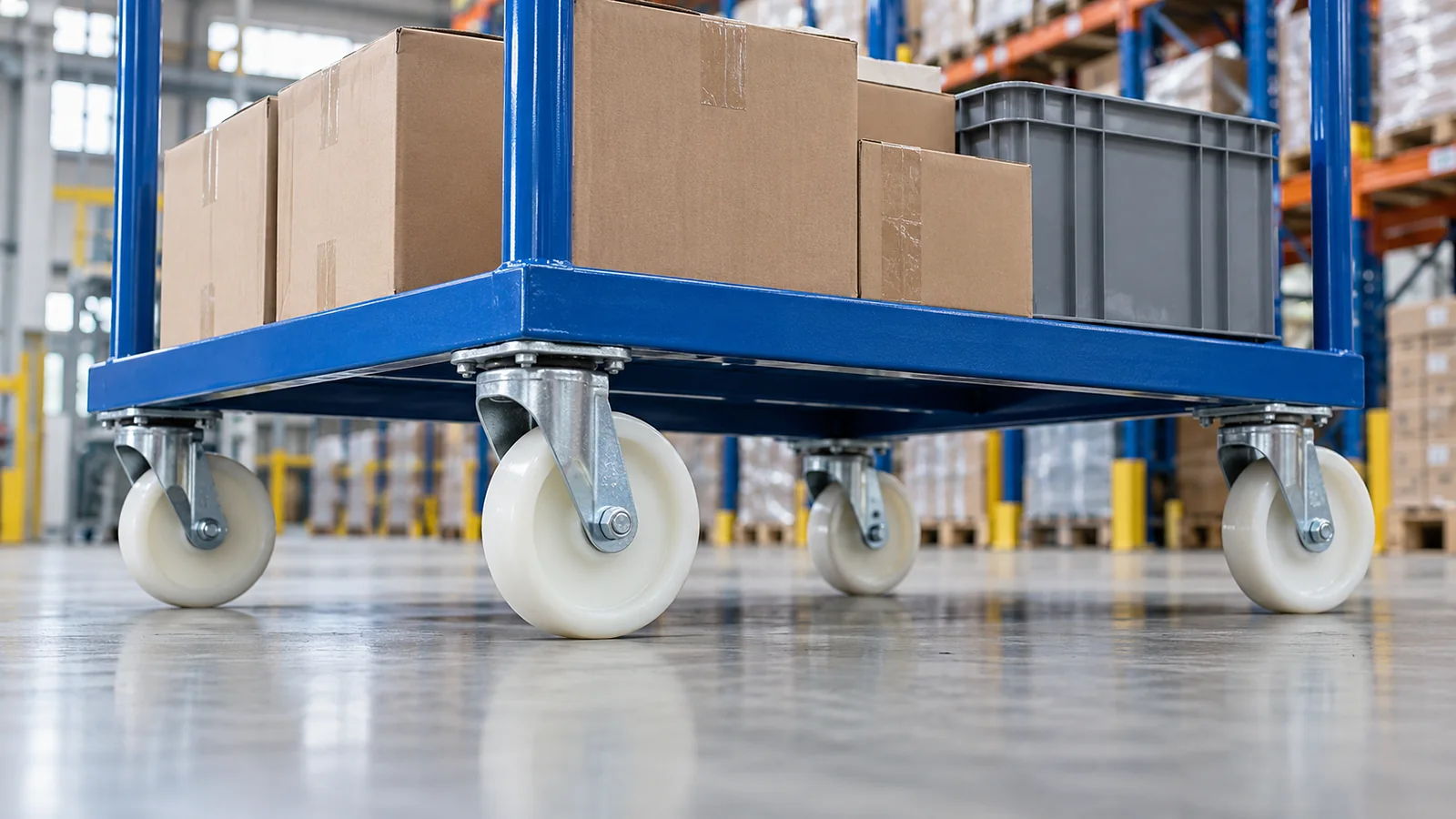
カタログ名ではなく、機器そのものから始めましょう ― 工業用トロリーホイール
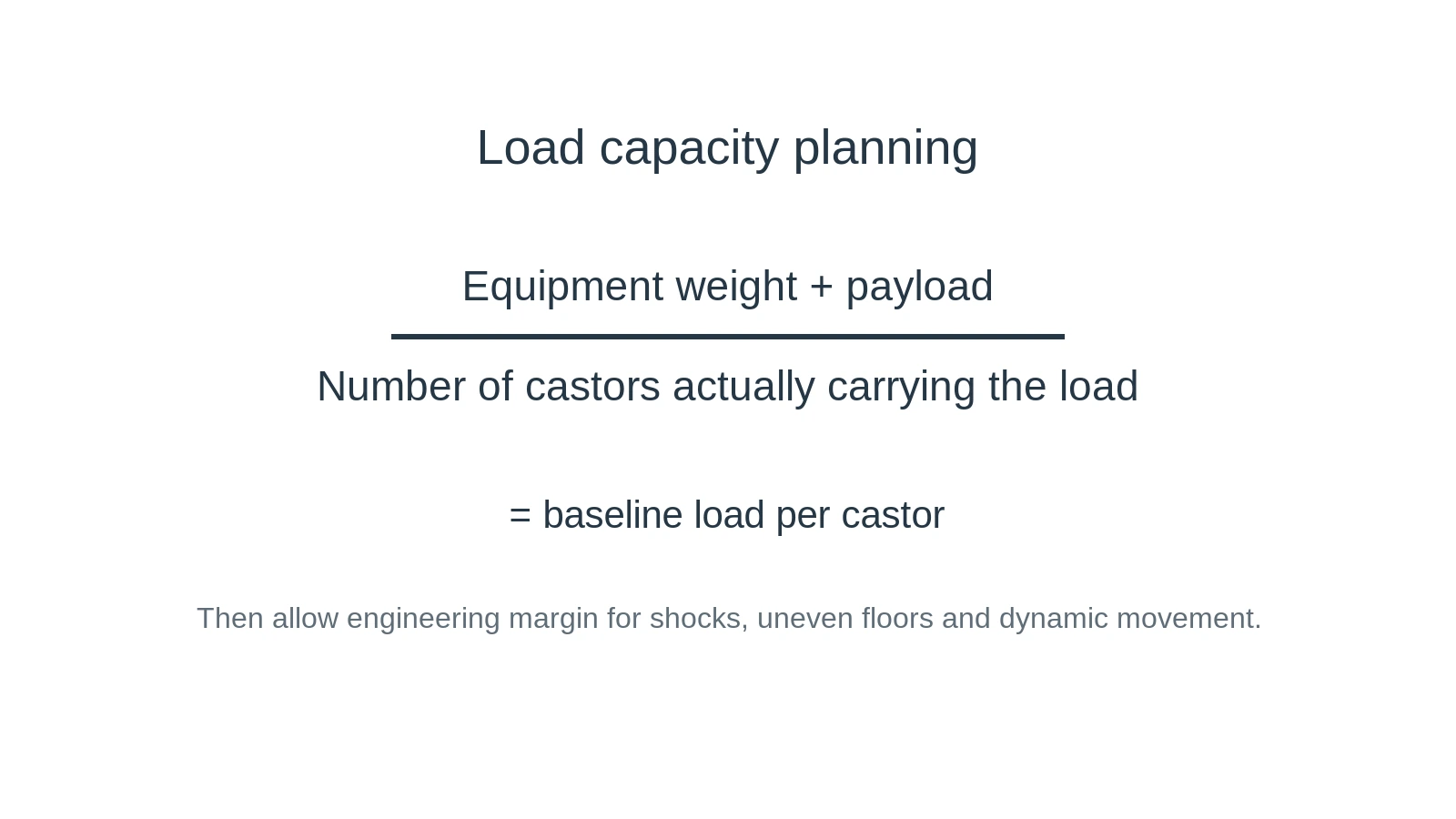
調達チームはカタログ用語として「産業用トロリーホイール」を目にすることが多いが、その用語を測定可能な運用要件に変換することで、購入決定がより明確になる。
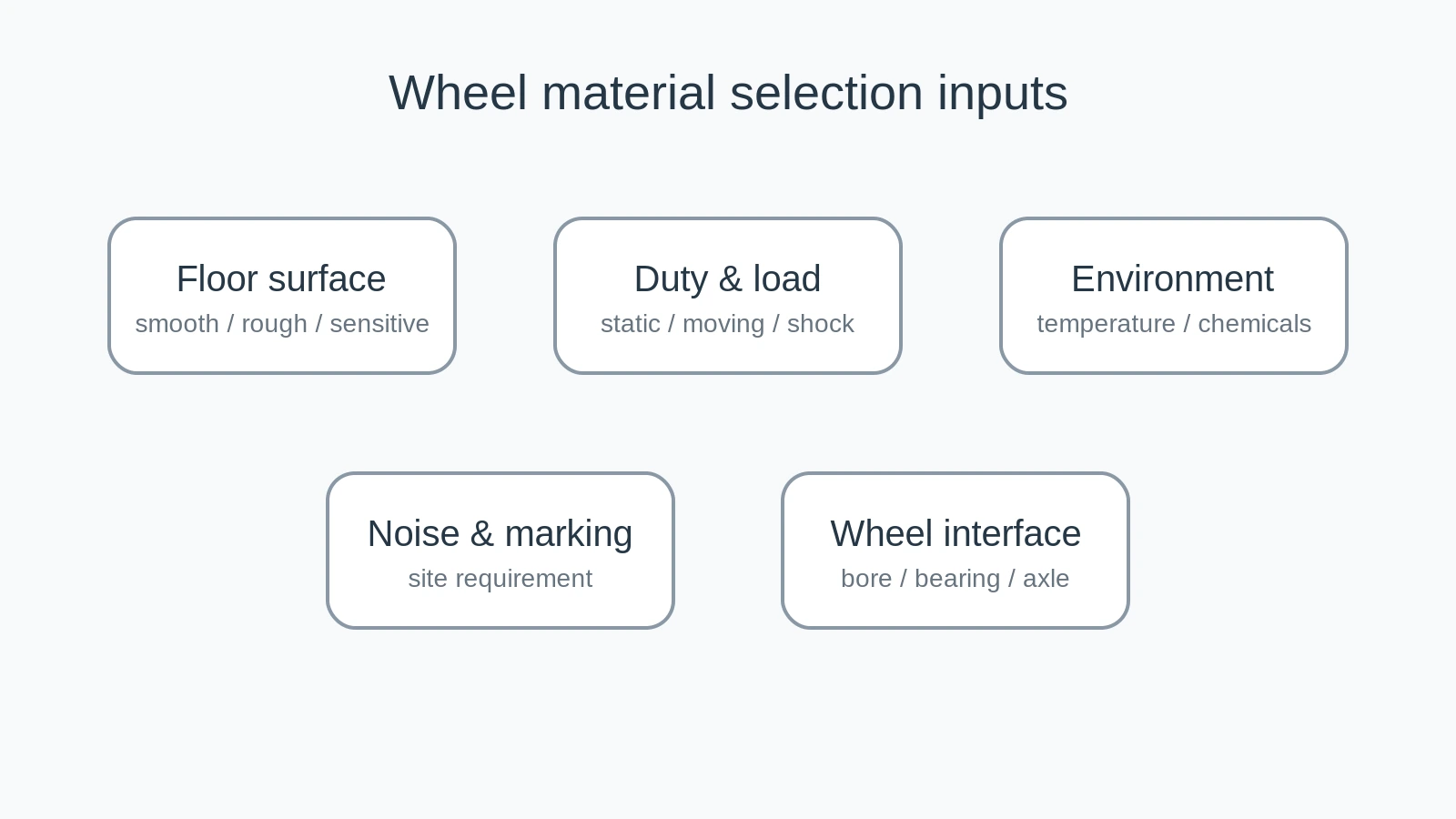
産業用台車の車輪を選ぶ際には、まず自重、最大積載量、支持点の数から始めるべきです。そうすることで、寸法や材質の選択が、一般的な製品説明ではなく、実際に使用される用途に結びつくようになります。
よくある失敗は、魅力的なパラメータの一つを仕様全体とみなしてしまうことです。動的な衝撃、床面との接触の不均一性、フレームのねじれなどによって、予想よりも少ない車輪に荷重が集中する可能性があります。より良い購入メモには、機器の重量、積載量、車輪数、走行速度、床面の遷移、旋回パターンを記載し、サプライヤーが同等の製品を比較し、寸法が不足している場合は推測するのではなく指摘できるようにする必要があります。産業用トロリーの車輪については、この点を活用してファミリーレベルの選択肢を絞り込み、個々の構成が機器に適合するかどうかを判断してください。
床面と移動パターン ― 工業用トロリーの車輪
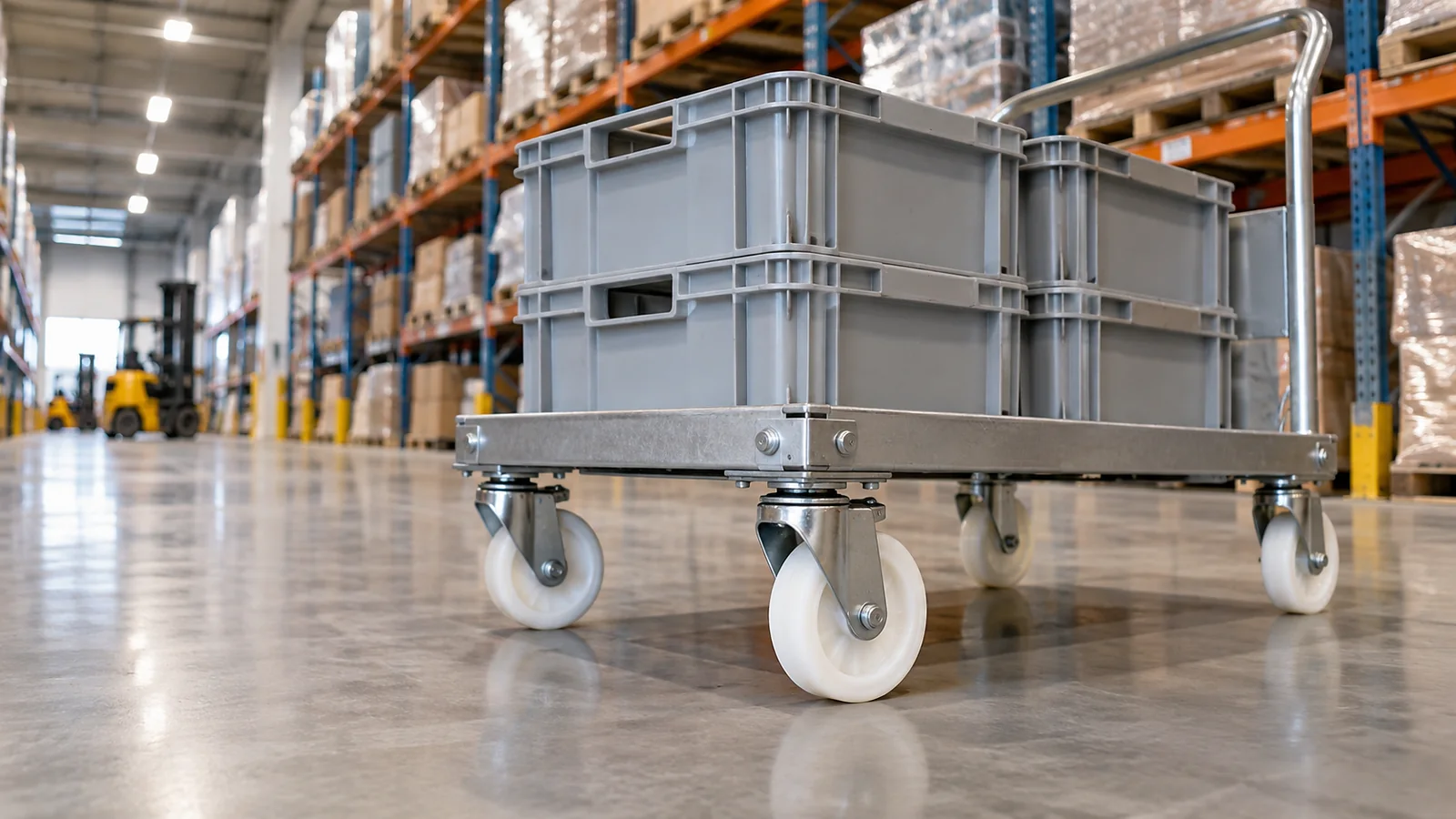
同じ台車でも、研磨コンクリート、樹脂床、アスファルト、舗装路、または締固められた地面では動作が異なる場合があります。最長走行距離、標準的な旋回半径、敷居、および傾斜路を記録してください。硬質の車輪は適切な滑らかな床面では効率的に転がりますが、騒音、衝撃、または表面保護がより重要な場合は、他の材質や形状の選択肢を検討する必要があります。産業用台車の車輪については、この点を参考に、個々の構成が機器に適しているかどうかを判断する前に、ファミリーレベルの選択肢を絞り込んでください。
床面の凹凸を、楽観的な荷重計算で隠蔽してはいけません。フレームが接合部で揺れる可能性がある場合は、荷重の分散が不完全であることを考慮し、ブラケットと車輪が想定された耐荷重範囲内にあることを確認してください。産業用トロリーの車輪については、この点を参考に、個々の構成を機器に適合させる前に、ファミリーレベルでの選択肢を絞り込んでください。
取り付けとクリアランス ― 工業用トロリーの車輪
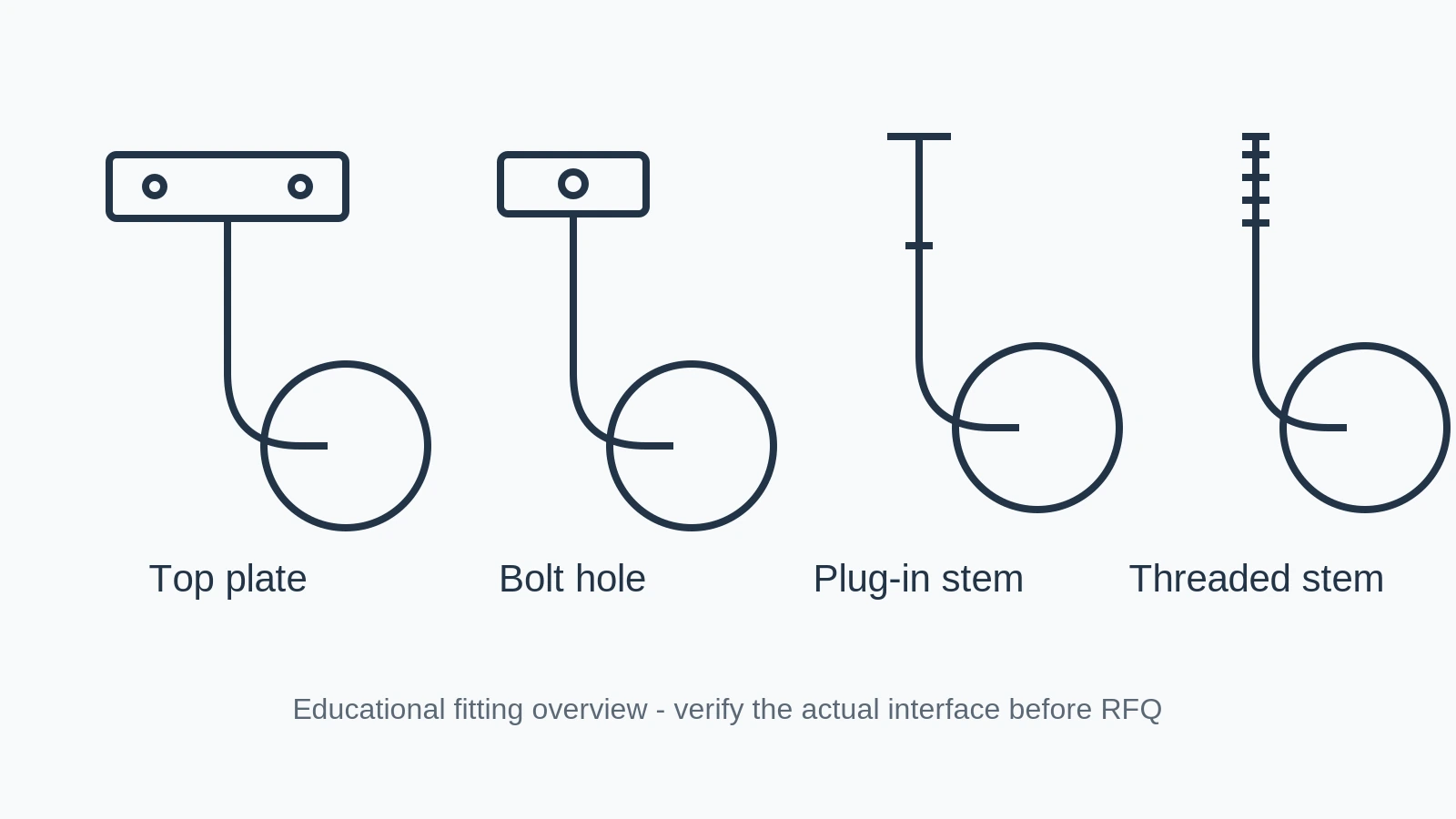
ホイールまたはサポートアセンブリと機器を接続するインターフェースを測定します。プレートの穴間隔、ボルト穴の直径、ねじ付きステムの寸法、チューブクランプのサイズ、車軸/ボアの適合性、および取り付け高さによって互換性が判断できます。また、ホイールが旋回したり、ジャッキが折り畳まれたりしたときのスイープ範囲も確認してください。産業用トロリーホイールの場合、この点を利用して、個々の構成が機器に適合するかどうかを検討する前に、ファミリーレベルの選択肢を絞り込んでください。
図面または写真には、近くにあるガード、ケーブルトレイ、トレーラー連結部、構造部材を示す必要があります。ベンチ上で適合する部品でも、機器が旋回、格納、またはスロープを通過する際に衝突する可能性があります。産業用トロリーホイールの場合、個々の構成を機器に適合させる前に、この点を利用してファミリーレベルの選択肢を絞り込んでください。
車輪の材質と直径 ― 工業用台車の車輪
材質の選定は、車輪と実際の床面および環境との適合性を考慮する必要があります。ナイロンとポリプロピレンは硬質熱可塑性樹脂の一種ですが、グレード、ベアリング配置、汚染、温度によって適合性が変化する場合があります。一般的に、直径が大きいほど障害物越えの形状と地上高は向上しますが、設置高さが高くなったり、より大きなフォークが必要になる場合があります。産業用トロリーホイールの場合、この点を考慮して材質の選択肢を絞り込み、個々の構成が機器に適合するかどうかを検討してください。
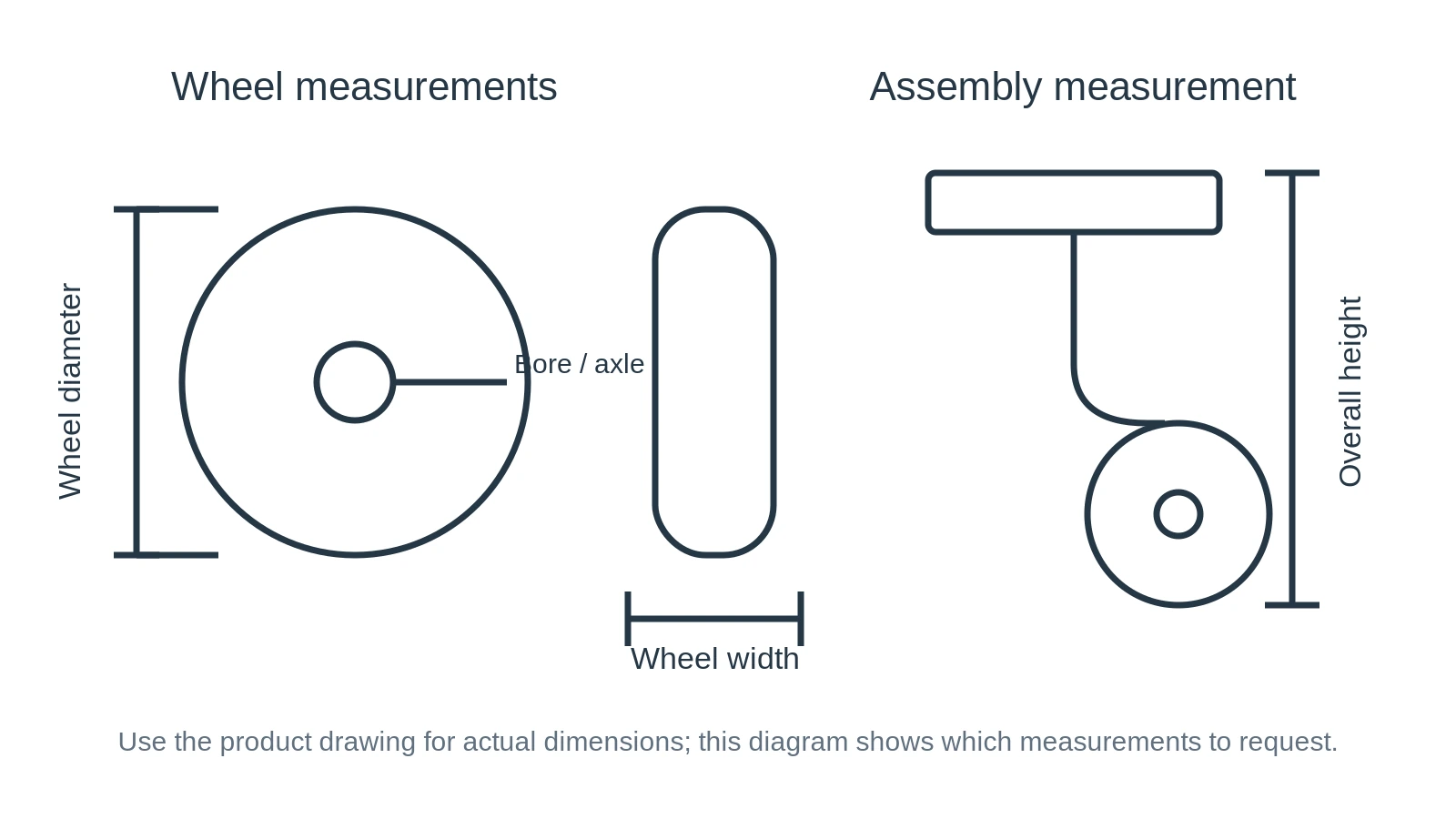
2つの直径を比較する際は、ホイールサイズだけでなく、アセンブリ全体のサイズ範囲を確認してください。
統合レビュー ― 産業用トロリーホイール
| チェック | 答えるべき質問 |
|---|---|
| 負荷 | 1つの支持点が現実的にどれだけの質量を捉えることができるだろうか? |
| 旅行 | その機器は、主に固定式ですか、手押し式ですか、牽引式ですか、それとも頻繁に位置変更されますか? |
| 床 | どのような継ぎ目、破片、傾斜路、水、または化学物質が存在しますか? |
| インタフェース | 取り付け高さと設置高さは、どの寸法によって決まりますか? |
| コントロール | 車輪ブレーキ、旋回ロック、方向ロック、または自由な動きが必要ですか? |
| サービス | ホイール、ベアリング、またはアセンブリの点検と交換はどのように行うのですか? |
見積依頼書作成準備 ― 産業用トロリーホイール
- 総装備重量および積載重量
- ホイール/アセンブリの数とレイアウト
- 既存のホイールの直径、幅、および取り付け高さ
- 取り付け寸法または図面
- 床面/地面の説明および障害物の高さ
- 動作パターンとブレーキの必要性
- 数量と配送先
レビューする 選択ガイド比較可能 プラスチック製の車輪または、詳細を RFQページ.
よくある質問 — 産業用トロリーの車輪
なぜ4輪フレームが3輪しか支えないことがあるのでしょうか?
床の凹凸やフレームの剛性によって、ある角への負荷が軽減され、他の角への負荷が増加する可能性がある。
車輪が大きいほど、押す力は必ず軽減されるのでしょうか?
直径が大きいほど障害物を乗り越えやすくなるが、ベアリング、材質、床面、荷重、アライメントも動作に影響を与える。
差し替え写真には何を写すべきでしょうか?
機器の角、車輪、またはアセンブリを側面から見た図、取り付け面、および重要な寸法を示す目盛りを表示してください。
ツインホイールはどのような場合に役立ちますか?
ツインホイールレイアウトは接地面とパッケージ形状を変化させますが、必ずしも優れているとは限りません。荷重、路面状況、操舵性などを考慮してください。
試運転および保守の観点から ― 産業用トロリーホイール
設置後、定期点検の前に、低速かつ制御された負荷で機器を点検してください。ステアリングの応答性、ホイールのトラッキング、ファスナーの着座状態、および周囲の構造物との接触状態を確認してください。メンテナンス記録には、ホイールの位置、構成、および交換理由を記載し、通常の摩耗と繰り返し発生する過負荷またはアライメントの問題を区別できるようにしてください。産業用トロリーホイールの場合は、この点を利用して、個々の構成を機器に適合させる前に、ファミリーレベルの選択肢を絞り込んでください。
アプリケーションを測定可能な入力に変換する — 工業用トロリーホイール
産業用トロリーの車輪を選ぶ際には、操舵力、旋回スペース、車輪配置、および操作性に注目してください。これらは、たとえ2つの機器が似ていても、実際の選定に影響を与える要素です。最も容易な走行経路だけでなく、最悪の通常運転条件も記録し、機器が連続的に移動するのか、断続的に移動するのか、あるいはメンテナンス時のみ移動するのかをメモしておきましょう。
複数の車輪がフレームを共有する場合、フレームと床が荷重を均等に分散できるかどうかを確認してください。公称車輪数だけでは、荷重の均等化は保証されません。取り付け面、フレームの剛性、床面の高さによっては、荷重が少数の支持点に集中する可能性があります。産業用トロリーの車輪については、この点を考慮して、個々の構成が機器に適しているかどうかを判断する前に、ファミリーレベルでの選択肢を絞り込んでください。
選定した車輪を実際の路線に導入する ― 産業用トロリー車輪
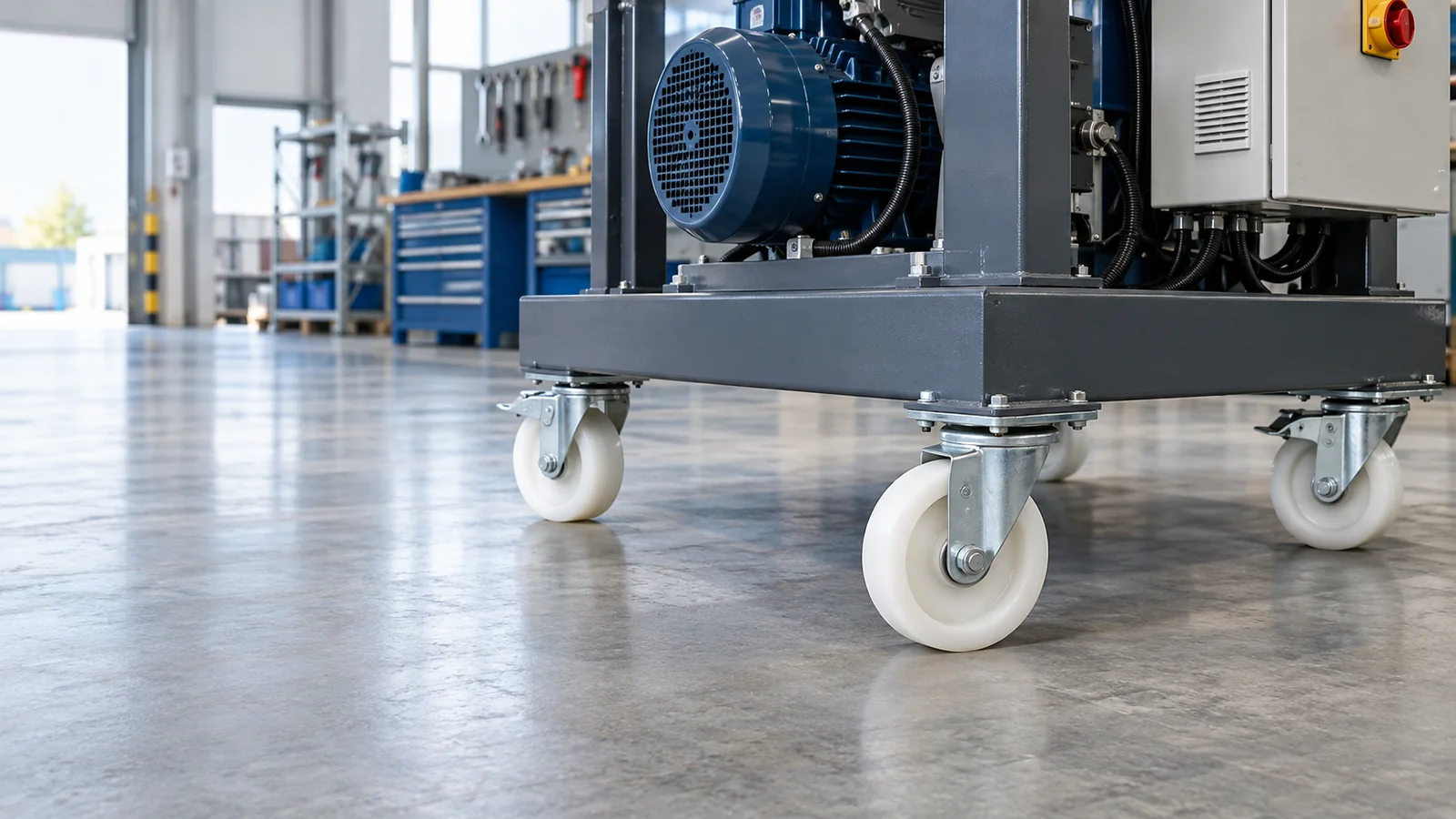
最初の設置は、低速かつ制御された負荷下で行ってください。直進走行、旋回、クリアランス、ホイールトラッキング、ファスナーの着座状態、および周囲の構造物との接触を確認してください。最も負荷のかかる通常の敷居、スロープ、または床の継ぎ目も試運転に含めてください。トレーラーサポートの場合は、駐車時および手動操作時に使用する表面を含めてください。産業用トロリーホイールの場合、この点を利用して、個々の構成が機器に適合するかどうかを検討する前に、ファミリーレベルの選択肢を絞り込んでください。
通常の使用開始前に調整が必要な事項はすべて記録してください。これにより、実用的な受入記録が作成され、使用寿命後半における用途の不適合と通常の摩耗を区別するのに役立ちます。産業用トロリーホイールの場合、個々の構成を機器に適合させる前に、この点を利用してファミリーレベルの選択肢を絞り込んでください。
申請記録と購入記録を同期させておく ― 工業用台車用車輪
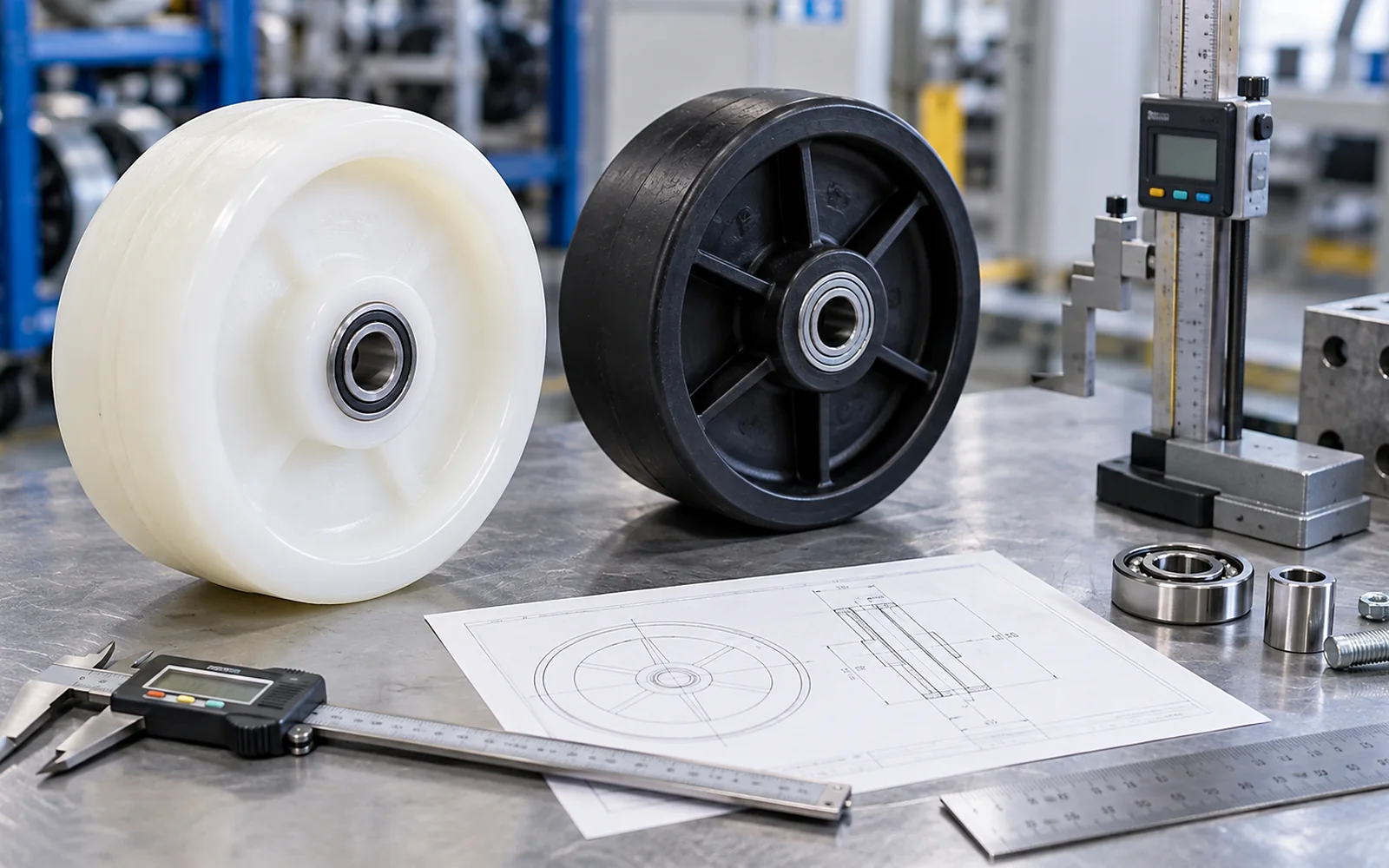
ホイールのサイズ、材質、取り付け方法、または制御機能に変更が生じた場合は、見積依頼書(RFQ)の明細と機器記録を一緒に更新してください。新しい構成の説明を、修正した写真だけに頼らないようにしてください。寸法、用途、数量を簡潔にまとめたメモがあれば、その後の注文の確認がはるかに容易になり、機器の動作条件が変更された後も古い想定が引き継がれるのを防ぐことができます。産業用トロリーホイールの場合、個々の構成を機器に適合させる前に、この点を利用してファミリーレベルの選択肢を絞り込んでください。
産業用トロリーホイールの再現可能な引き渡し手順を作成する
産業用トロリーの車輪に選定された車輪または支持アセンブリを出荷する前に、承認されたインターフェース寸法、荷重条件、動作面、数量、および適用写真などを機器記録とともに保管してください。交換設置の場合は、最初のサンプルが機械上で確認されるまで元の部品も保管してください。これにより、後々の購入決定が容易になり、通常の摩耗と機器または動作経路の変更による摩耗を区別しやすくなります。
試運転後、クリアランスの制限、操舵特性、異常な衝撃点、または後続の注文に影響する可能性のあるメンテナンス上の観察事項を記録してください。目的は、長大な検査文書を作成することではなく、承認された構成がこの機器に適合する理由と、将来の代替品で再検討が必要となる箇所を説明する、いくつかの適用上の事実を保存することです。産業用トロリーホイールの場合、この点を利用して、個々の構成が機器に適合するかどうかを検討する前に、ファミリーレベルの選択肢を絞り込んでください。
工業用トロリーホイールの見積依頼書を作成する
既にお分かりの仕様、数量、寸法をお送りください。適合性に関わる詳細情報が不足している場合は、お見積もり前に確認させていただきます。