
Descripción del Producto
| Material | Stainless Steel |
| Proceso | Bending |
| Tratamiento de superficies | Painting\Powder Coating\Plating |
| Product name | Sheet Metal Fabrication |
| Servicio | Customized OEM |
| Solicitud | Industry |
| Tamaño | Customized Size |
| Tipo | OEM Sheet Metal Fabrication Part |
| Cantidad mínima de pedido | 1 PCS |
| Color |
Customized Color |
Our Equipment &Advantage
• We support fast quotes within 2 hours
• We have a project plan and schedule, a lead time of three days, and the ability to handle urgent orders.
• More than 15 years of CNC machining experience.
• Production averages 5,000 deliveries per week.
• Producción equipment 75 sets.
• Plant area of 3000 square meters.
• El tolerance is controlled within 0.02mm.
Detailed Photos
Preguntas frecuentes
Q:Is your company a factory or a trader?
A:We are an independent production and sales factory.
Q:Do you provide samples? How about the sample cost?
A: Yes, we could offer samples. Sample cost will be negotiated.
Q: How long is your delivery time?
A: The parts are usually ready to ship in about 3 days.
Q:Do you have your own factory? What is the area?
A:We have our own factory with an area of 3000 square meters.
Q:What is your terms of payment? How to pay?
A:You can pay us by any means, 50% in advance by telegraphic transfer and the balance before shipment. If you have any questions, please feel free to contact us.
Q: What if we do not have drawing?
A: Samples and drawings are available.
Q:How to ship? What about the packing details?
A:Generally according to customer requirements, order amount, number of parts, freight price decision.
P: ¿Cómo obtener un presupuesto?
A:Please send your drawings to us in Jpg, Pdf, Png, Bmp, Doc, Zip, Rar, Dwg, Xisx, Excel and other formats. If you have any requirements, please indicate, we can provide professional advice to you.
Q:What’your MOQ?
A:Our usual minimum order quantity is 1 piece per color per design and we are happy to customize samples for you to test the quality before ordering in bulk.
P:May I visit your factory?
A:Sure, welcome any time. We can also pick you up at the airport and station.
/* 10 de mayo de 2571 16:49:51 */!function(){function d(e,r){var a,o={};try{e&&e.split(“,”).forEach(function(e,t){e&&(a=e.match(/(.*?):(.*)$/))&&1
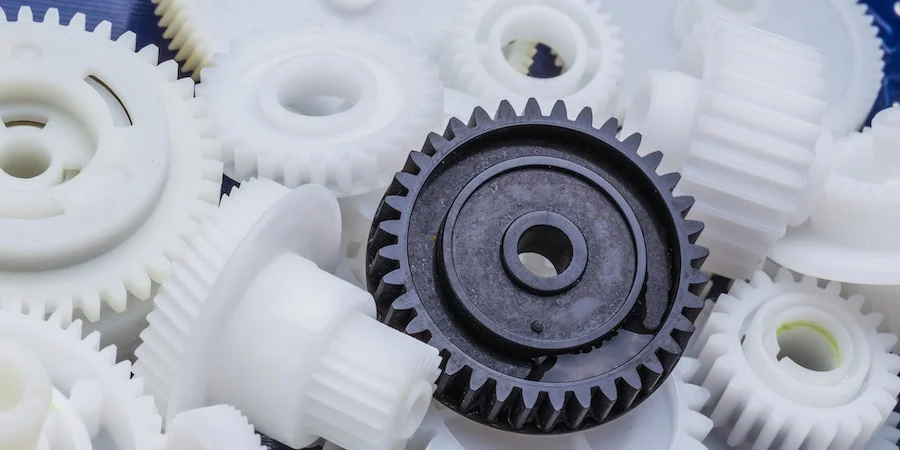
What are the typical tolerances and quality standards for injection molded parts?
When it comes to injection molded parts, the tolerances and quality standards can vary depending on several factors, including the specific application, industry requirements, and the capabilities of the injection molding process. Here are some general considerations regarding tolerances and quality standards:
Tolerances:
The tolerances for injection molded parts typically refer to the allowable deviation from the intended design dimensions. These tolerances are influenced by various factors, including the part geometry, material properties, mold design, and process capabilities. It’s important to note that achieving tighter tolerances often requires more precise tooling, tighter process control, and additional post-processing steps. Here are some common types of tolerances found in injection molding:
1. Dimensional Tolerances:
Dimensional tolerances define the acceptable range of variation for linear dimensions, such as length, width, height, and diameter. The specific tolerances depend on the part’s critical dimensions and functional requirements. Typical dimensional tolerances for injection molded parts can range from +/- 0.05 mm to +/- 0.5 mm or even tighter, depending on the complexity of the part and the process capabilities.
2. Geometric Tolerances:
Geometric tolerances specify the allowable variation in shape, form, and orientation of features on the part. These tolerances are often expressed using symbols and control the relationships between various geometric elements. Common geometric tolerances include flatness, straightness, circularity, concentricity, perpendicularity, and angularity. The specific geometric tolerances depend on the part’s design requirements and the manufacturing capabilities.
3. Surface Finish Tolerances:
Surface finish tolerances define the acceptable variation in the texture, roughness, and appearance of the part’s surfaces. The surface finish requirements are typically specified using roughness parameters, such as Ra (arithmetical average roughness) or Rz (maximum height of the roughness profile). The specific surface finish tolerances depend on the part’s aesthetic requirements, functional needs, and the material being used.
Quality Standards:
In addition to tolerances, injection molded parts are subject to various quality standards that ensure their performance, reliability, and consistency. These standards may be industry-specific or based on international standards organizations. Here are some commonly referenced quality standards for injection molded parts:
1. ISO 9001:
The ISO 9001 standard is a widely recognized quality management system that establishes criteria for the overall quality control and management of an organization. Injection molding companies often seek ISO 9001 certification to demonstrate their commitment to quality and adherence to standardized processes for design, production, and customer satisfaction.
2. ISO 13485:
ISO 13485 is a specific quality management system standard for medical devices. Injection molded parts used in the medical industry must adhere to this standard to ensure they meet the stringent quality requirements for safety, efficacy, and regulatory compliance.
3. Automotive Industry Standards:
The automotive industry has its own set of quality standards, such as ISO/TS 16949 (now IATF 16949), which focuses on the quality management system for automotive suppliers. These standards encompass requirements for product design, development, production, installation, and servicing, ensuring the quality and reliability of injection molded parts used in automobiles.
4. Industry-Specific Standards:
Various industries may have specific quality standards or guidelines that pertain to injection molded parts. For example, the aerospace industry may reference standards like AS9100, while the electronics industry may adhere to standards such as IPC-A-610 for acceptability of electronic assemblies.
It’s important to note that the specific tolerances and quality standards for injection molded parts can vary significantly depending on the application and industry requirements. Design engineers and manufacturers work together to define the appropriate tolerances and quality standards based on the functional requirements, cost considerations, and the capabilities of the injection molding process.
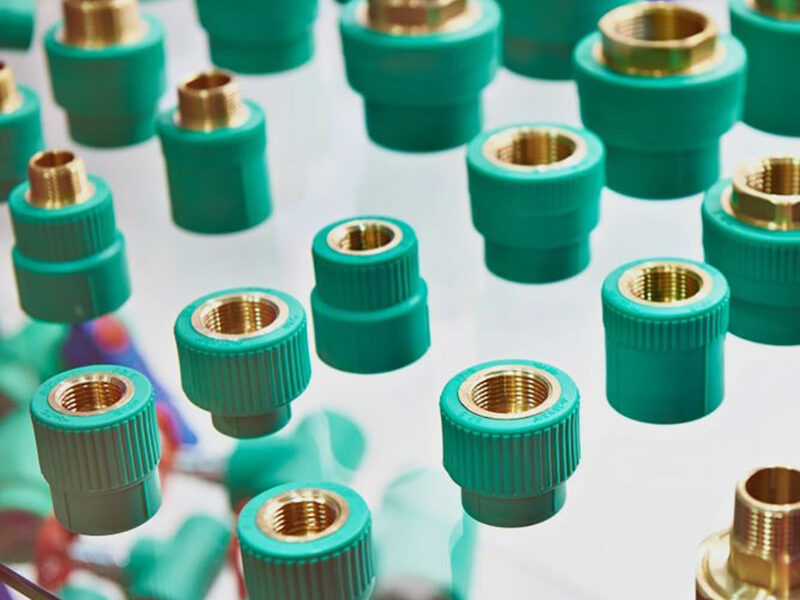
How do innovations and advancements in injection molding technology influence part design and production?
Innovations and advancements in injection molding technology have a significant influence on part design and production. These advancements introduce new capabilities, enhance process efficiency, improve part quality, and expand the range of applications for injection molded parts. Here’s a detailed explanation of how innovations and advancements in injection molding technology influence part design and production:
Design Freedom:
Advancements in injection molding technology have expanded the design freedom for part designers. With the introduction of advanced software tools, such as computer-aided design (CAD) and simulation software, designers can create complex geometries, intricate features, and highly optimized designs. The use of 3D modeling and simulation allows for the identification and resolution of potential design issues before manufacturing. This design freedom enables the production of innovative and highly functional parts that were previously challenging or impossible to manufacture using conventional techniques.
Improved Precision and Accuracy:
Innovations in injection molding technology have led to improved precision and accuracy in part production. High-precision molds, advanced control systems, and closed-loop feedback mechanisms ensure precise control over the molding process variables, such as temperature, pressure, and cooling. This level of control results in parts with tight tolerances, consistent dimensions, and improved surface finishes. Enhanced precision and accuracy enable the production of parts that meet strict quality requirements, fit seamlessly with other components, and perform reliably in their intended applications.
Material Advancements:
The development of new materials and material combinations specifically formulated for injection molding has expanded the range of properties available to part designers. Innovations in materials include high-performance engineering thermoplastics, bio-based polymers, reinforced composites, and specialty materials with unique properties. These advancements allow for the production of parts with enhanced mechanical strength, improved chemical resistance, superior heat resistance, and customized performance characteristics. Material advancements in injection molding technology enable the creation of parts that can withstand demanding operating conditions and meet the specific requirements of various industries.
Process Efficiency:
Innovations in injection molding technology have introduced process optimizations that improve efficiency and productivity. Advanced automation, robotics, and real-time monitoring systems enable faster cycle times, reduced scrap rates, and increased production throughput. Additionally, innovations like multi-cavity molds, hot-runner systems, and micro-injection molding techniques improve material utilization and reduce production costs. Increased process efficiency allows for the economical production of high-quality parts in larger quantities, meeting the demands of industries that require high-volume production.
Overmolding and Multi-Material Molding:
Advancements in injection molding technology have enabled the integration of multiple materials or components into a single part through overmolding or multi-material molding processes. Overmolding allows for the encapsulation of inserts, such as metal components or electronics, with a thermoplastic material in a single molding cycle. This enables the creation of parts with improved functionality, enhanced aesthetics, and simplified assembly. Multi-material molding techniques, such as co-injection molding or sequential injection molding, enable the production of parts with multiple colors, varying material properties, or complex material combinations. These capabilities expand the design possibilities and allow for the creation of innovative parts with unique features and performance characteristics.
Additive Manufacturing Integration:
The integration of additive manufacturing, commonly known as 3D printing, with injection molding technology has opened up new possibilities for part design and production. Additive manufacturing can be used to create complex mold geometries, conformal cooling channels, or custom inserts, which enhance part quality, reduce cycle times, and improve part performance. By combining additive manufacturing and injection molding, designers can explore new design concepts, produce rapid prototypes, and efficiently manufacture customized or low-volume production runs.
Sustainability and Eco-Friendly Solutions:
Advancements in injection molding technology have also focused on sustainability and eco-friendly solutions. This includes the development of biodegradable and compostable materials, recycling technologies for post-consumer and post-industrial waste, and energy-efficient molding processes. These advancements enable the production of environmentally friendly parts that contribute to reducing the carbon footprint and meeting sustainability goals.
Overall, innovations and advancements in injection molding technology have revolutionized part design and production. They have expanded design possibilities, improved precision and accuracy, introduced new materials, enhanced process efficiency, enabled overmolding and multi-material molding, integrated additive manufacturing, and promoted sustainability. These advancements empower part designers and manufacturers to create highly functional, complex, and customized parts that meet the demands of various industries and contribute to overall process efficiency and sustainability.
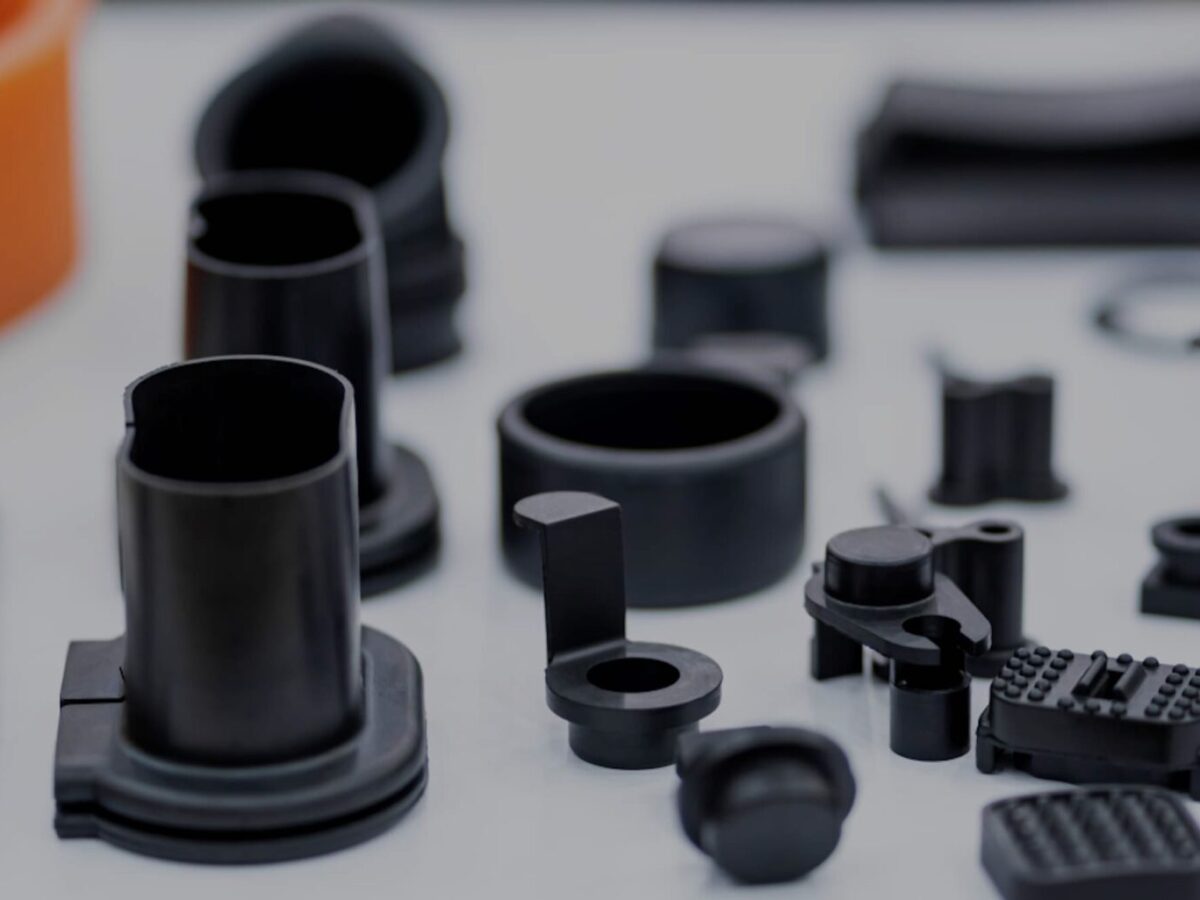
¿Qué son las piezas moldeadas por inyección y cómo se fabrican?
Las piezas moldeadas por inyección son componentes o productos que se fabrican mediante el proceso de moldeo por inyección. Este proceso es una técnica de fabricación muy utilizada para crear piezas de plástico con alta precisión, complejidad y eficiencia. A continuación, se ofrece una explicación detallada de las piezas moldeadas por inyección y su proceso de fabricación:
Proceso de moldeo por inyección:
El proceso de moldeo por inyección comprende los siguientes pasos:
1. Diseño del molde:
El primer paso en la fabricación de piezas moldeadas por inyección es el diseño del molde. El molde es una herramienta hecha a medida que define la forma y las características de la pieza final. Generalmente está hecho de acero o aluminio y consta de dos mitades: la cavidad y el núcleo. El diseño del molde tiene en cuenta factores como la geometría de la pieza, la selección del material, los requisitos de refrigeración y el mecanismo de eyección.
2. Selección de materiales:
El siguiente paso consiste en seleccionar el material adecuado para el proceso de moldeo por inyección. Los polímeros termoplásticos se utilizan comúnmente debido a su capacidad para fundirse y solidificarse repetidamente sin una degradación significativa. La elección del material depende de las propiedades deseadas para la pieza final, como resistencia, flexibilidad, transparencia o resistencia química.
3. Fusión e inyección:
En la máquina de moldeo por inyección, el material termoplástico seleccionado se funde hasta alcanzar un estado líquido. Este material fundido, denominado masa fundida, se inyecta en el molde a alta presión. La inyección se realiza mediante una boquilla y un sistema de canales que transporta el material fundido a la cavidad del molde.
4. Refrigeración:
Tras inyectar el material fundido en el molde, este comienza a enfriarse y solidificarse. El enfriamiento es una fase crucial del proceso de moldeo por inyección, ya que determina la precisión dimensional, la resistencia y otras propiedades de la pieza final. El molde está diseñado con canales o insertos de enfriamiento para facilitar un enfriamiento eficiente y uniforme de la pieza. El tiempo de enfriamiento puede variar según factores como el grosor de la pieza, las propiedades del material y el diseño del molde.
5. Apertura y expulsión del molde:
Una vez que el material inyectado se ha enfriado y solidificado lo suficiente, el molde se abre, separando las dos mitades. Se utilizan pasadores eyectores u otros mecanismos para empujar o liberar la pieza de la cavidad del molde. El sistema de eyección debe diseñarse cuidadosamente para evitar dañar la pieza durante el proceso.
6. Acabado:
Tras la eyección, la pieza moldeada por inyección puede someterse a procesos de acabado adicionales, como el recorte del material sobrante, la eliminación de bebederos o canales de alimentación y la aplicación de tratamientos o texturas superficiales. Estos procesos contribuyen a lograr el aspecto y la funcionalidad finales deseados de la pieza.
Ventajas de las piezas moldeadas por inyección:
Las piezas moldeadas por inyección ofrecen varias ventajas:
1. Alta precisión y complejidad:
El moldeo por inyección permite crear piezas con alta precisión y detalles intrincados. Los moldes pueden producir formas complejas, características finas y dimensiones precisas, lo que posibilita la fabricación de piezas con tolerancias muy ajustadas.
2. Producción en masa rentable:
El moldeo por inyección es un proceso altamente eficiente, ideal para la producción a gran escala. Una vez creado el molde, el proceso de fabricación se puede automatizar, lo que permite una producción rápida y rentable de piezas idénticas. Los altos volúmenes de producción contribuyen a reducir los costos unitarios.
3. Versatilidad del material:
El moldeo por inyección admite una amplia gama de materiales termoplásticos, lo que permite una gran versatilidad en la selección del material según las características deseadas de la pieza final. Se pueden utilizar diferentes materiales para lograr propiedades específicas como resistencia, flexibilidad, resistencia al calor o resistencia química.
4. Resistencia y durabilidad:
Las piezas moldeadas por inyección ofrecen una excelente resistencia y durabilidad. El proceso de moldeo garantiza una distribución uniforme del material, lo que se traduce en propiedades mecánicas consistentes en toda la pieza. Esto hace que las piezas moldeadas por inyección sean idóneas para diversas aplicaciones que requieren integridad estructural y larga vida útil.
5. Procesamiento posterior mínimo:
Las piezas moldeadas por inyección suelen requerir un procesamiento posterior mínimo. La alta precisión y calidad que se logran durante el proceso de moldeo reducen la necesidad de realizar operaciones de mecanizado o acabado adicionales, lo que ahorra tiempo y costes.
6. Flexibilidad de diseño:
Con el moldeo por inyección, los diseñadores disponen de una gran flexibilidad en el diseño de las piezas. El proceso permite crear geometrías complejas, socavados, paredes delgadas y otras características de diseño que podrían resultar difíciles o costosas con otros métodos de fabricación. Esta flexibilidad posibilita la innovación y la optimización de la funcionalidad de las piezas.
En resumen, las piezas moldeadas por inyección son componentes o productos fabricados mediante el proceso de moldeo por inyección. Este proceso comprende el diseño del molde, la selección del material adecuado, la fusión e inyección del material en el molde, el enfriamiento y la solidificación de la pieza, la apertura del molde y la expulsión de la pieza, y la aplicación de los procesos de acabado necesarios. Las piezas moldeadas por inyección ofrecen ventajas como alta precisión, complejidad, producción en masa rentable, versatilidad de materiales, resistencia y durabilidad, mínimo posprocesamiento y flexibilidad de diseño. Estos factores contribuyen al uso generalizado del moldeo por inyección en diversas industrias para la producción de piezas de plástico de alta calidad.
<img src="https://img.hzpt.com/img/Injectionmoldedparts/Injectionmoldedparts-L1.webp" alt="China Custom Professional Customization Injection Mold Manufacturer Processing Injection Molded Parts Plastic Injection Molding Parts “><img src="https://img.hzpt.com/img/Injectionmoldedparts/Injectionmoldedparts-L2.webp" alt="China Custom Professional Customization Injection Mold Manufacturer Processing Injection Molded Parts Plastic Injection Molding Parts “>
editor by Dream 2024-10-11