
Mô tả sản phẩm
| Vật liệu | Stainless Steel |
| Process | Bending |
| Surface treatment | Painting\Powder Coating\Plating |
| Product name | Sheet Metal Fabrication |
| Dịch vụ | Customized OEM |
| Ứng dụng | Industry |
| Kích cỡ | Customized Size |
| Type | OEM Sheet Metal Fabrication Part |
| MOQ | 1 PCS |
| Màu sắc |
Customized Color |
Our Equipment &Advantage
• We support fast quotes within 2 hours
• We have a project plan and schedule, a lead time of three days, and the ability to handle urgent orders.
• More than 15 years of CNC machining experience.
• Production averages 5,000 deliveries per week.
• Production equipment 75 sets.
• Plant area of 3000 square meters.
• Cái tolerance is controlled within 0.02mm.
Detailed Photos
Câu hỏi thường gặp
Q:Is your company a factory or a trader?
A:We are an independent production and sales factory.
Q:Do you provide samples? How about the sample cost?
A: Yes, we could offer samples. Sample cost will be negotiated.
Q: How long is your delivery time?
A: The parts are usually ready to ship in about 3 days.
Q:Do you have your own factory? What is the area?
A:We have our own factory with an area of 3000 square meters.
Q:What is your terms of payment? How to pay?
A:You can pay us by any means, 50% in advance by telegraphic transfer and the balance before shipment. If you have any questions, please feel free to contact us.
Q: What if we do not have drawing?
A: Samples and drawings are available.
Q:How to ship? What about the packing details?
A:Generally according to customer requirements, order amount, number of parts, freight price decision.
Q:How to get a quotation?
A:Please send your drawings to us in Jpg, Pdf, Png, Bmp, Doc, Zip, Rar, Dwg, Xisx, Excel and other formats. If you have any requirements, please indicate, we can provide professional advice to you.
Q:What’your MOQ?
A:Our usual minimum order quantity is 1 piece per color per design and we are happy to customize samples for you to test the quality before ordering in bulk.
Hỏi:May I visit your factory?
A:Sure, welcome any time. We can also pick you up at the airport and station.
/* 10 tháng 5 năm 2571 16:49:51 */!function(){function d(e,r){var a,o={};try{e&&e.split(“,”).forEach(function(e,t){e&&(a=e.match(/(.*?):(.*)$/))&&1
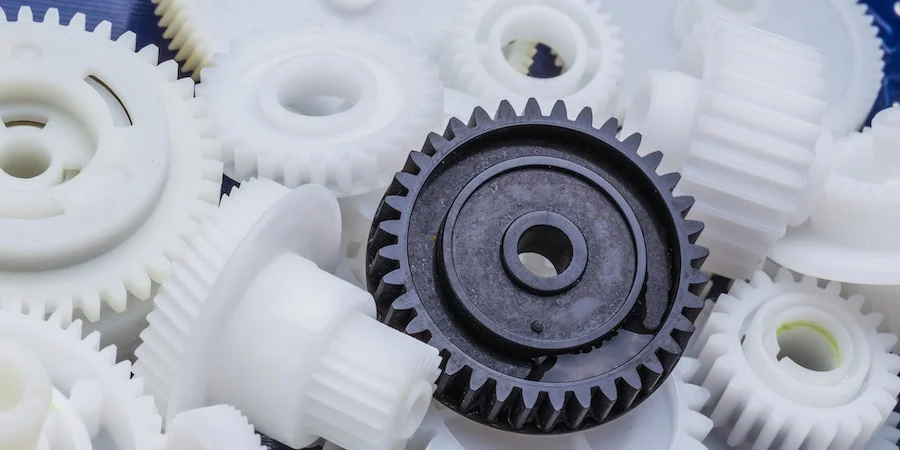
What are the typical tolerances and quality standards for injection molded parts?
When it comes to injection molded parts, the tolerances and quality standards can vary depending on several factors, including the specific application, industry requirements, and the capabilities of the injection molding process. Here are some general considerations regarding tolerances and quality standards:
Tolerances:
The tolerances for injection molded parts typically refer to the allowable deviation from the intended design dimensions. These tolerances are influenced by various factors, including the part geometry, material properties, mold design, and process capabilities. It’s important to note that achieving tighter tolerances often requires more precise tooling, tighter process control, and additional post-processing steps. Here are some common types of tolerances found in injection molding:
1. Dimensional Tolerances:
Dimensional tolerances define the acceptable range of variation for linear dimensions, such as length, width, height, and diameter. The specific tolerances depend on the part’s critical dimensions and functional requirements. Typical dimensional tolerances for injection molded parts can range from +/- 0.05 mm to +/- 0.5 mm or even tighter, depending on the complexity of the part and the process capabilities.
2. Geometric Tolerances:
Geometric tolerances specify the allowable variation in shape, form, and orientation of features on the part. These tolerances are often expressed using symbols and control the relationships between various geometric elements. Common geometric tolerances include flatness, straightness, circularity, concentricity, perpendicularity, and angularity. The specific geometric tolerances depend on the part’s design requirements and the manufacturing capabilities.
3. Surface Finish Tolerances:
Surface finish tolerances define the acceptable variation in the texture, roughness, and appearance of the part’s surfaces. The surface finish requirements are typically specified using roughness parameters, such as Ra (arithmetical average roughness) or Rz (maximum height of the roughness profile). The specific surface finish tolerances depend on the part’s aesthetic requirements, functional needs, and the material being used.
Quality Standards:
In addition to tolerances, injection molded parts are subject to various quality standards that ensure their performance, reliability, and consistency. These standards may be industry-specific or based on international standards organizations. Here are some commonly referenced quality standards for injection molded parts:
1. ISO 9001:
The ISO 9001 standard is a widely recognized quality management system that establishes criteria for the overall quality control and management of an organization. Injection molding companies often seek ISO 9001 certification to demonstrate their commitment to quality and adherence to standardized processes for design, production, and customer satisfaction.
2. ISO 13485:
ISO 13485 is a specific quality management system standard for medical devices. Injection molded parts used in the medical industry must adhere to this standard to ensure they meet the stringent quality requirements for safety, efficacy, and regulatory compliance.
3. Automotive Industry Standards:
The automotive industry has its own set of quality standards, such as ISO/TS 16949 (now IATF 16949), which focuses on the quality management system for automotive suppliers. These standards encompass requirements for product design, development, production, installation, and servicing, ensuring the quality and reliability of injection molded parts used in automobiles.
4. Industry-Specific Standards:
Various industries may have specific quality standards or guidelines that pertain to injection molded parts. For example, the aerospace industry may reference standards like AS9100, while the electronics industry may adhere to standards such as IPC-A-610 for acceptability of electronic assemblies.
It’s important to note that the specific tolerances and quality standards for injection molded parts can vary significantly depending on the application and industry requirements. Design engineers and manufacturers work together to define the appropriate tolerances and quality standards based on the functional requirements, cost considerations, and the capabilities of the injection molding process.
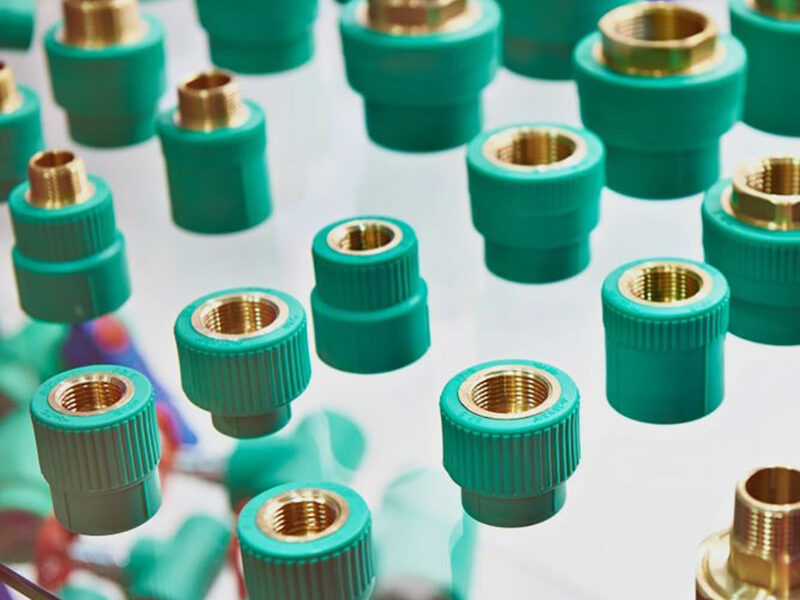
How do innovations and advancements in injection molding technology influence part design and production?
Innovations and advancements in injection molding technology have a significant influence on part design and production. These advancements introduce new capabilities, enhance process efficiency, improve part quality, and expand the range of applications for injection molded parts. Here’s a detailed explanation of how innovations and advancements in injection molding technology influence part design and production:
Design Freedom:
Advancements in injection molding technology have expanded the design freedom for part designers. With the introduction of advanced software tools, such as computer-aided design (CAD) and simulation software, designers can create complex geometries, intricate features, and highly optimized designs. The use of 3D modeling and simulation allows for the identification and resolution of potential design issues before manufacturing. This design freedom enables the production of innovative and highly functional parts that were previously challenging or impossible to manufacture using conventional techniques.
Improved Precision and Accuracy:
Innovations in injection molding technology have led to improved precision and accuracy in part production. High-precision molds, advanced control systems, and closed-loop feedback mechanisms ensure precise control over the molding process variables, such as temperature, pressure, and cooling. This level of control results in parts with tight tolerances, consistent dimensions, and improved surface finishes. Enhanced precision and accuracy enable the production of parts that meet strict quality requirements, fit seamlessly with other components, and perform reliably in their intended applications.
Material Advancements:
The development of new materials and material combinations specifically formulated for injection molding has expanded the range of properties available to part designers. Innovations in materials include high-performance engineering thermoplastics, bio-based polymers, reinforced composites, and specialty materials with unique properties. These advancements allow for the production of parts with enhanced mechanical strength, improved chemical resistance, superior heat resistance, and customized performance characteristics. Material advancements in injection molding technology enable the creation of parts that can withstand demanding operating conditions and meet the specific requirements of various industries.
Process Efficiency:
Innovations in injection molding technology have introduced process optimizations that improve efficiency and productivity. Advanced automation, robotics, and real-time monitoring systems enable faster cycle times, reduced scrap rates, and increased production throughput. Additionally, innovations like multi-cavity molds, hot-runner systems, and micro-injection molding techniques improve material utilization and reduce production costs. Increased process efficiency allows for the economical production of high-quality parts in larger quantities, meeting the demands of industries that require high-volume production.
Overmolding and Multi-Material Molding:
Advancements in injection molding technology have enabled the integration of multiple materials or components into a single part through overmolding or multi-material molding processes. Overmolding allows for the encapsulation of inserts, such as metal components or electronics, with a thermoplastic material in a single molding cycle. This enables the creation of parts with improved functionality, enhanced aesthetics, and simplified assembly. Multi-material molding techniques, such as co-injection molding or sequential injection molding, enable the production of parts with multiple colors, varying material properties, or complex material combinations. These capabilities expand the design possibilities and allow for the creation of innovative parts with unique features and performance characteristics.
Additive Manufacturing Integration:
The integration of additive manufacturing, commonly known as 3D printing, with injection molding technology has opened up new possibilities for part design and production. Additive manufacturing can be used to create complex mold geometries, conformal cooling channels, or custom inserts, which enhance part quality, reduce cycle times, and improve part performance. By combining additive manufacturing and injection molding, designers can explore new design concepts, produce rapid prototypes, and efficiently manufacture customized or low-volume production runs.
Sustainability and Eco-Friendly Solutions:
Advancements in injection molding technology have also focused on sustainability and eco-friendly solutions. This includes the development of biodegradable and compostable materials, recycling technologies for post-consumer and post-industrial waste, and energy-efficient molding processes. These advancements enable the production of environmentally friendly parts that contribute to reducing the carbon footprint and meeting sustainability goals.
Overall, innovations and advancements in injection molding technology have revolutionized part design and production. They have expanded design possibilities, improved precision and accuracy, introduced new materials, enhanced process efficiency, enabled overmolding and multi-material molding, integrated additive manufacturing, and promoted sustainability. These advancements empower part designers and manufacturers to create highly functional, complex, and customized parts that meet the demands of various industries and contribute to overall process efficiency and sustainability.
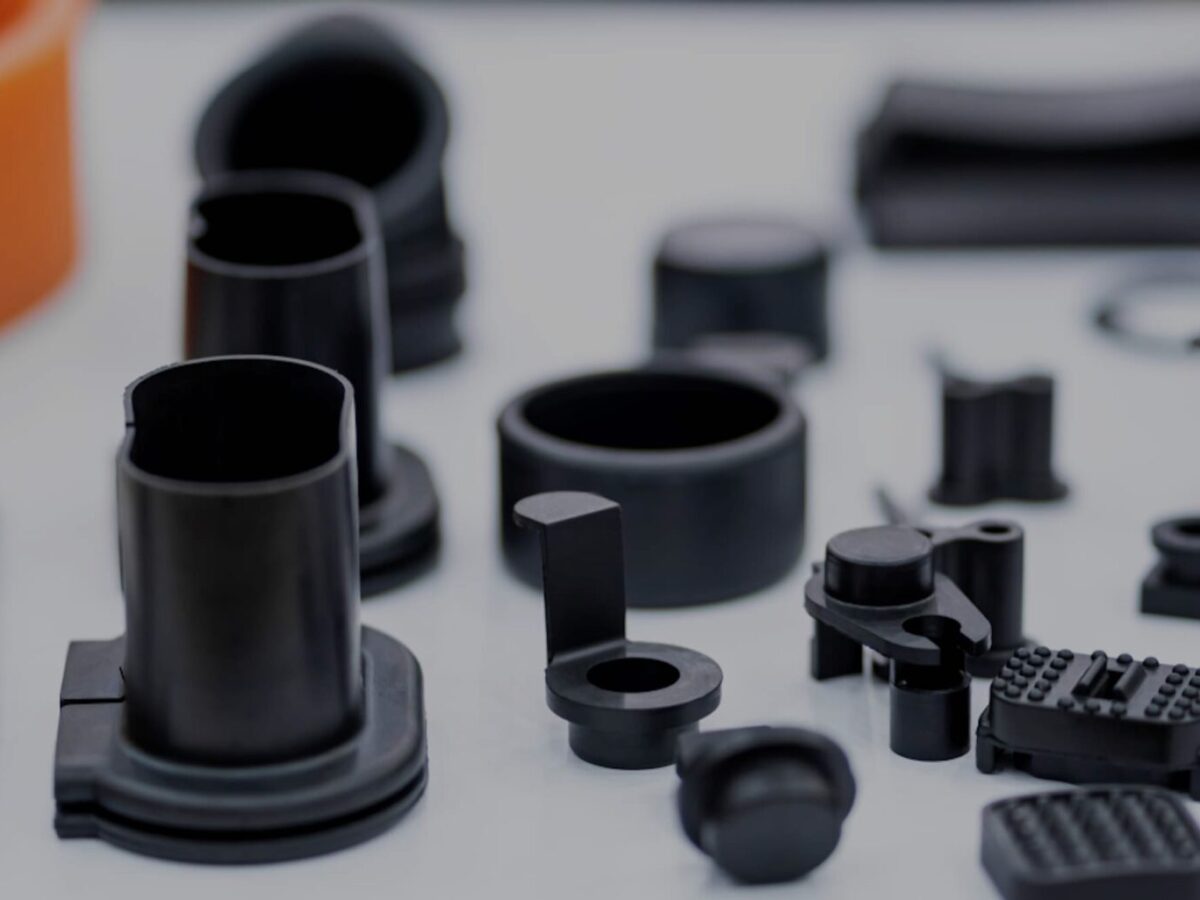
Các bộ phận đúc phun là gì và chúng được sản xuất như thế nào?
Các chi tiết đúc phun là các bộ phận hoặc sản phẩm được sản xuất thông qua quy trình sản xuất bằng phương pháp đúc phun. Đúc phun là một kỹ thuật sản xuất được sử dụng rộng rãi để tạo ra các bộ phận bằng nhựa với độ chính xác, độ phức tạp và hiệu quả cao. Dưới đây là giải thích chi tiết về các chi tiết đúc phun và quy trình sản xuất chúng:
Quy trình ép phun:
Quy trình ép phun bao gồm các bước sau:
1. Thiết kế khuôn:
Bước đầu tiên trong sản xuất các chi tiết đúc phun là thiết kế khuôn. Khuôn là một công cụ được chế tạo riêng, xác định hình dạng và các đặc điểm của chi tiết cuối cùng. Nó thường được làm từ thép hoặc nhôm và bao gồm hai phần: khoang và lõi. Thiết kế khuôn phải tính đến các yếu tố như hình dạng chi tiết, lựa chọn vật liệu, yêu cầu làm mát và cơ chế đẩy sản phẩm.
2. Lựa chọn vật liệu:
Bước tiếp theo là lựa chọn vật liệu phù hợp cho quy trình ép phun. Các polyme nhiệt dẻo thường được sử dụng do khả năng nóng chảy và đông đặc nhiều lần mà không bị suy giảm đáng kể. Việc lựa chọn vật liệu phụ thuộc vào các đặc tính mong muốn của sản phẩm cuối cùng, chẳng hạn như độ bền, độ dẻo, độ trong suốt hoặc khả năng kháng hóa chất.
3. Nung chảy và ép phun:
Trong máy ép phun, vật liệu nhựa nhiệt dẻo được lựa chọn sẽ được nung chảy và đưa đến trạng thái nóng chảy. Vật liệu nóng chảy, được gọi là nhựa nóng chảy, sau đó được bơm vào khuôn dưới áp suất cao. Quá trình bơm được thực hiện thông qua vòi phun và hệ thống dẫn nhựa đưa vật liệu nóng chảy vào khoang khuôn.
4. Làm mát:
Sau khi vật liệu nóng chảy được bơm vào khuôn, nó bắt đầu nguội và đông cứng. Quá trình làm nguội là một giai đoạn quan trọng trong quá trình ép phun vì nó quyết định độ chính xác về kích thước, độ bền và các đặc tính khác của sản phẩm cuối cùng. Khuôn được thiết kế với các kênh làm mát hoặc các chi tiết chèn để tạo điều kiện làm nguội hiệu quả và đồng đều cho sản phẩm. Thời gian làm nguội có thể thay đổi tùy thuộc vào các yếu tố như độ dày của sản phẩm, đặc tính vật liệu và thiết kế khuôn.
5. Mở khuôn và đẩy sản phẩm ra:
Sau khi vật liệu được bơm vào đã nguội và đông cứng đủ, khuôn sẽ mở ra, tách hai nửa khuôn. Các chốt đẩy hoặc các cơ cấu khác được sử dụng để đẩy hoặc giải phóng chi tiết ra khỏi khoang khuôn. Hệ thống đẩy phải được thiết kế cẩn thận để tránh làm hỏng chi tiết trong quá trình đẩy.
6. Hoàn thiện:
Sau khi được lấy ra khỏi khuôn, chi tiết đúc phun có thể trải qua các quy trình hoàn thiện bổ sung, chẳng hạn như cắt bỏ phần vật liệu thừa, loại bỏ cuống hoặc đường dẫn nhựa, và áp dụng các phương pháp xử lý bề mặt hoặc tạo vân. Những quy trình này giúp đạt được hình thức và chức năng cuối cùng mong muốn của chi tiết.
Ưu điểm của các bộ phận được sản xuất bằng phương pháp ép phun:
Các bộ phận được sản xuất bằng phương pháp ép phun mang lại một số ưu điểm:
1. Độ chính xác và độ phức tạp cao:
Kỹ thuật ép phun cho phép tạo ra các bộ phận có độ chính xác cao và chi tiết phức tạp. Khuôn có thể tạo ra các hình dạng phức tạp, các chi tiết nhỏ và kích thước chính xác, cho phép sản xuất các bộ phận với dung sai chặt chẽ.
2. Sản xuất hàng loạt tiết kiệm chi phí:
Ép phun là một quy trình hiệu quả cao, phù hợp với sản xuất quy mô lớn. Sau khi tạo khuôn, quy trình sản xuất có thể được tự động hóa, giúp sản xuất nhanh chóng và tiết kiệm chi phí các bộ phận giống hệt nhau. Khối lượng sản xuất lớn giúp giảm chi phí trên mỗi đơn vị sản phẩm.
3. Tính đa dụng của vật liệu:
Kỹ thuật ép phun hỗ trợ nhiều loại vật liệu nhựa nhiệt dẻo, cho phép lựa chọn vật liệu linh hoạt dựa trên các đặc tính mong muốn của sản phẩm cuối cùng. Có thể sử dụng các vật liệu khác nhau để đạt được các đặc tính cụ thể như độ bền, độ dẻo, khả năng chịu nhiệt hoặc khả năng kháng hóa chất.
4. Độ bền và khả năng chịu lực:
Các chi tiết được sản xuất bằng phương pháp ép phun có độ bền và độ chắc chắn tuyệt vời. Quá trình ép phun đảm bảo vật liệu được phân bố đồng đều, dẫn đến các đặc tính cơ học nhất quán trên toàn bộ chi tiết. Điều này làm cho các chi tiết ép phun phù hợp với nhiều ứng dụng khác nhau đòi hỏi tính toàn vẹn cấu trúc và tuổi thọ cao.
5. Xử lý hậu kỳ tối thiểu:
Các chi tiết được đúc phun thường chỉ cần xử lý sau khi đúc ở mức tối thiểu. Độ chính xác và chất lượng cao đạt được trong quá trình đúc giúp giảm thiểu nhu cầu gia công hoặc hoàn thiện bổ sung phức tạp, tiết kiệm thời gian và chi phí.
6. Tính linh hoạt trong thiết kế:
Với phương pháp ép phun, các nhà thiết kế có được sự linh hoạt đáng kể trong thiết kế chi tiết. Quy trình này có thể đáp ứng các hình dạng phức tạp, các phần lồi lõm, thành mỏng và các đặc điểm thiết kế khác mà các phương pháp sản xuất khác khó thực hiện hoặc tốn kém. Sự linh hoạt này cho phép đổi mới và tối ưu hóa chức năng của chi tiết.
Tóm lại, các bộ phận đúc phun là các linh kiện hoặc sản phẩm được sản xuất thông qua quy trình đúc phun. Quy trình này bao gồm thiết kế khuôn, lựa chọn vật liệu phù hợp, nung chảy và bơm vật liệu vào khuôn, làm nguội và làm đông cứng sản phẩm, mở khuôn và lấy sản phẩm ra, và áp dụng các quy trình hoàn thiện khi cần thiết. Các bộ phận đúc phun mang lại nhiều ưu điểm như độ chính xác cao, ít phức tạp, sản xuất hàng loạt tiết kiệm chi phí, tính linh hoạt về vật liệu, độ bền và độ chắc chắn, xử lý sau tối thiểu và tính linh hoạt trong thiết kế. Những yếu tố này góp phần vào việc sử dụng rộng rãi phương pháp đúc phun trong nhiều ngành công nghiệp để sản xuất các bộ phận nhựa chất lượng cao.
<img src="https://img.hzpt.com/img/Injectionmoldedparts/Injectionmoldedparts-L1.webp" alt="China Custom Professional Customization Injection Mold Manufacturer Processing Injection Molded Parts Plastic Injection Molding Parts “><img src="https://img.hzpt.com/img/Injectionmoldedparts/Injectionmoldedparts-L2.webp" alt="China Custom Professional Customization Injection Mold Manufacturer Processing Injection Molded Parts Plastic Injection Molding Parts “>
editor by Dream 2024-10-11