产品描述
| 材料 | Stainless Steel |
| Process | Bending |
| Surface treatment | Painting\Powder Coating\Plating |
| Product name | Sheet Metal Fabrication |
| 服务 | Customized OEM |
| 应用 | Industry |
| 尺寸 | Customized Size |
| Type | OEM Sheet Metal Fabrication Part |
| MOQ | 1 PCS |
| 颜色 |
Customized Color |
Our Equipment &Advantage
• We support fast quotes within 2 hours
• We have a project plan and schedule, a lead time of three days, and the ability to handle urgent orders.
• More than 15 years of CNC machining experience.
• Production averages 5,000 deliveries per week.
• Production equipment 75 sets.
• Plant area of 3000 square meters.
• 这 tolerance is controlled within 0.02mm.
Detailed Photos
常问问题
Q:Is your company a factory or a trader?
A:We are an independent production and sales factory.
Q:Do you provide samples? How about the sample cost?
A: Yes, we could offer samples. Sample cost will be negotiated.
Q: How long is your delivery time?
A: The parts are usually ready to ship in about 3 days.
Q:Do you have your own factory? What is the area?
A:We have our own factory with an area of 3000 square meters.
Q:What is your terms of payment? How to pay?
A:You can pay us by any means, 50% in advance by telegraphic transfer and the balance before shipment. If you have any questions, please feel free to contact us.
Q: What if we do not have drawing?
A: Samples and drawings are available.
Q:How to ship? What about the packing details?
A:Generally according to customer requirements, order amount, number of parts, freight price decision.
Q:How to get a quotation?
A:Please send your drawings to us in Jpg, Pdf, Png, Bmp, Doc, Zip, Rar, Dwg, Xisx, Excel and other formats. If you have any requirements, please indicate, we can provide professional advice to you.
Q:What’your MOQ?
A:Our usual minimum order quantity is 1 piece per color per design and we are happy to customize samples for you to test the quality before ordering in bulk.
问:May I visit your factory?
A:Sure, welcome any time. We can also pick you up at the airport and station.
/* May 10, 2571 16:49:51 */!function(){function d(e,r){var a,o={};try{e&&e.split(“,”).forEach(function(e,t){e&&(a=e.match(/(.*?):(.*)$/))&&1
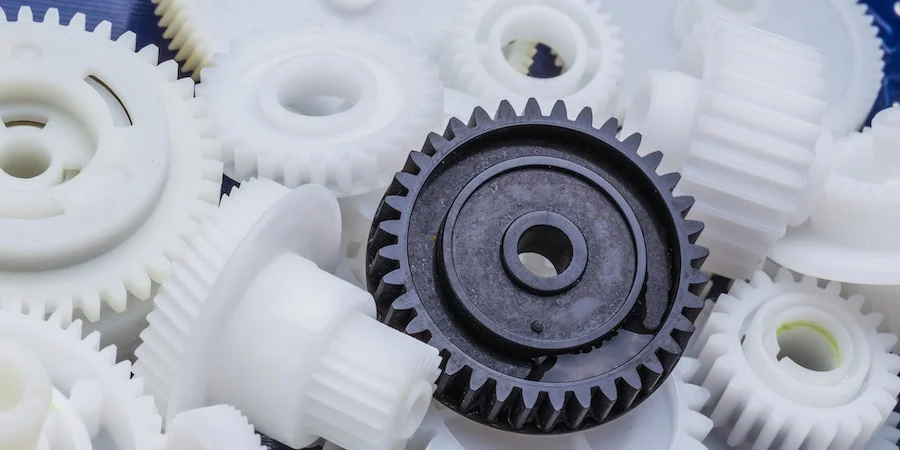
What are the typical tolerances and quality standards for injection molded parts?
When it comes to injection molded parts, the tolerances and quality standards can vary depending on several factors, including the specific application, industry requirements, and the capabilities of the injection molding process. Here are some general considerations regarding tolerances and quality standards:
Tolerances:
The tolerances for injection molded parts typically refer to the allowable deviation from the intended design dimensions. These tolerances are influenced by various factors, including the part geometry, material properties, mold design, and process capabilities. It’s important to note that achieving tighter tolerances often requires more precise tooling, tighter process control, and additional post-processing steps. Here are some common types of tolerances found in injection molding:
1. Dimensional Tolerances:
Dimensional tolerances define the acceptable range of variation for linear dimensions, such as length, width, height, and diameter. The specific tolerances depend on the part’s critical dimensions and functional requirements. Typical dimensional tolerances for injection molded parts can range from +/- 0.05 mm to +/- 0.5 mm or even tighter, depending on the complexity of the part and the process capabilities.
2. Geometric Tolerances:
Geometric tolerances specify the allowable variation in shape, form, and orientation of features on the part. These tolerances are often expressed using symbols and control the relationships between various geometric elements. Common geometric tolerances include flatness, straightness, circularity, concentricity, perpendicularity, and angularity. The specific geometric tolerances depend on the part’s design requirements and the manufacturing capabilities.
3. Surface Finish Tolerances:
Surface finish tolerances define the acceptable variation in the texture, roughness, and appearance of the part’s surfaces. The surface finish requirements are typically specified using roughness parameters, such as Ra (arithmetical average roughness) or Rz (maximum height of the roughness profile). The specific surface finish tolerances depend on the part’s aesthetic requirements, functional needs, and the material being used.
Quality Standards:
In addition to tolerances, injection molded parts are subject to various quality standards that ensure their performance, reliability, and consistency. These standards may be industry-specific or based on international standards organizations. Here are some commonly referenced quality standards for injection molded parts:
1. ISO 9001:
The ISO 9001 standard is a widely recognized quality management system that establishes criteria for the overall quality control and management of an organization. Injection molding companies often seek ISO 9001 certification to demonstrate their commitment to quality and adherence to standardized processes for design, production, and customer satisfaction.
2. ISO 13485:
ISO 13485 is a specific quality management system standard for medical devices. Injection molded parts used in the medical industry must adhere to this standard to ensure they meet the stringent quality requirements for safety, efficacy, and regulatory compliance.
3. Automotive Industry Standards:
The automotive industry has its own set of quality standards, such as ISO/TS 16949 (now IATF 16949), which focuses on the quality management system for automotive suppliers. These standards encompass requirements for product design, development, production, installation, and servicing, ensuring the quality and reliability of injection molded parts used in automobiles.
4. Industry-Specific Standards:
Various industries may have specific quality standards or guidelines that pertain to injection molded parts. For example, the aerospace industry may reference standards like AS9100, while the electronics industry may adhere to standards such as IPC-A-610 for acceptability of electronic assemblies.
It’s important to note that the specific tolerances and quality standards for injection molded parts can vary significantly depending on the application and industry requirements. Design engineers and manufacturers work together to define the appropriate tolerances and quality standards based on the functional requirements, cost considerations, and the capabilities of the injection molding process.
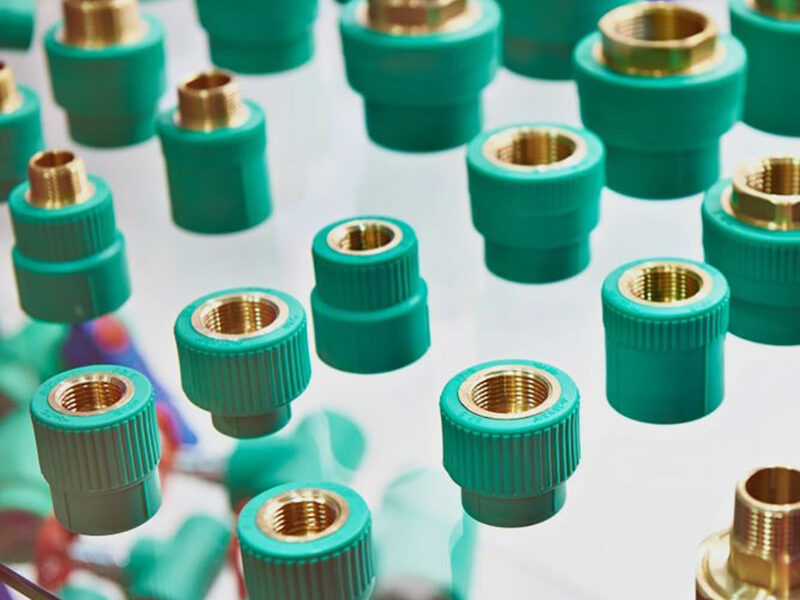
注塑成型技术的创新和进步如何影响零件设计和生产?
注塑成型技术的创新与进步对零件设计和生产有着显著的影响。这些进步带来了新的功能,提高了工艺效率,改善了零件质量,并拓展了注塑成型零件的应用范围。以下详细阐述了注塑成型技术的创新与进步如何影响零件设计和生产:
设计自由:
注塑成型技术的进步极大地拓展了零件设计师的设计自由度。随着计算机辅助设计 (CAD) 和仿真软件等先进软件工具的引入,设计师能够创建复杂的几何形状、精细的特征以及高度优化的设计。利用三维建模和仿真技术,可以在制造前识别并解决潜在的设计问题。这种设计自由度使得生产创新且功能强大的零件成为可能,而这些零件在以前使用传统技术难以甚至无法制造。
精度和准确度提高:
注塑成型技术的创新显著提高了零件生产的精度和准确度。高精度模具、先进的控制系统和闭环反馈机制确保了对成型工艺变量(例如温度、压力和冷却)的精确控制。这种高水平的控制使得零件具有严格的公差、一致的尺寸和更佳的表面光洁度。更高的精度和准确度使得生产的零件能够满足严格的质量要求,与其他组件无缝配合,并在其预期应用中可靠运行。
材料进步:
专为注塑成型而研发的新型材料和材料组合,拓展了零件设计人员可选择的性能范围。材料创新包括高性能工程热塑性塑料、生物基聚合物、增强复合材料以及具有独特性能的特种材料。这些进步使得生产出机械强度更高、耐化学性更强、耐热性更佳且性能可定制的零件成为可能。注塑成型技术的材料进步,使得制造出能够承受严苛工况并满足各行业特定需求的零件成为可能。
流程效率:
注塑成型技术的创新带来了工艺优化,提高了效率和生产力。先进的自动化、机器人技术和实时监控系统能够缩短生产周期、降低废品率并提高生产效率。此外,多腔模具、热流道系统和微注塑成型技术等创新提高了材料利用率并降低了生产成本。更高的工艺效率使得高质量零件能够以更低的成本批量生产,从而满足需要大批量生产的行业的需求。
包覆成型和多材料成型:
注塑成型技术的进步使得通过包覆成型或多材料成型工艺将多种材料或组件集成到单个零件中成为可能。包覆成型可以在一次成型周期内将金属部件或电子元件等嵌件用热塑性材料包裹起来。这使得零件的功能性、美观性和装配性都得到了提升。多材料成型技术,例如共注塑成型或顺序注塑成型,能够生产具有多种颜色、不同材料特性或复杂材料组合的零件。这些能力拓展了设计的可能性,并使得创造具有独特功能和性能特征的创新零件成为可能。
增材制造集成:
增材制造(通常称为 3D 打印)与注塑成型技术的融合,为零件设计和生产开辟了新的可能性。增材制造可用于创建复杂的模具几何形状、随形冷却通道或定制嵌件,从而提高零件质量、缩短生产周期并改善零件性能。通过结合增材制造和注塑成型,设计人员可以探索新的设计理念、快速制作原型,并高效地进行定制或小批量生产。
可持续性和环保解决方案:
注塑成型技术的进步也着重于可持续性和环保解决方案。这包括开发可生物降解和可堆肥材料、消费后和工业后废弃物的回收利用技术,以及节能型成型工艺。这些进步使得生产环保部件成为可能,有助于减少碳足迹并实现可持续发展目标。
总体而言,注塑成型技术的创新和进步彻底改变了零件的设计和生产。它们拓展了设计可能性,提高了精度和准确度,引入了新材料,提升了工艺效率,实现了包覆成型和多材料成型,集成了增材制造技术,并促进了可持续发展。这些进步使零件设计师和制造商能够创造出功能强大、结构复杂且高度定制化的零件,满足各行各业的需求,并有助于提高整体工艺效率和可持续性。
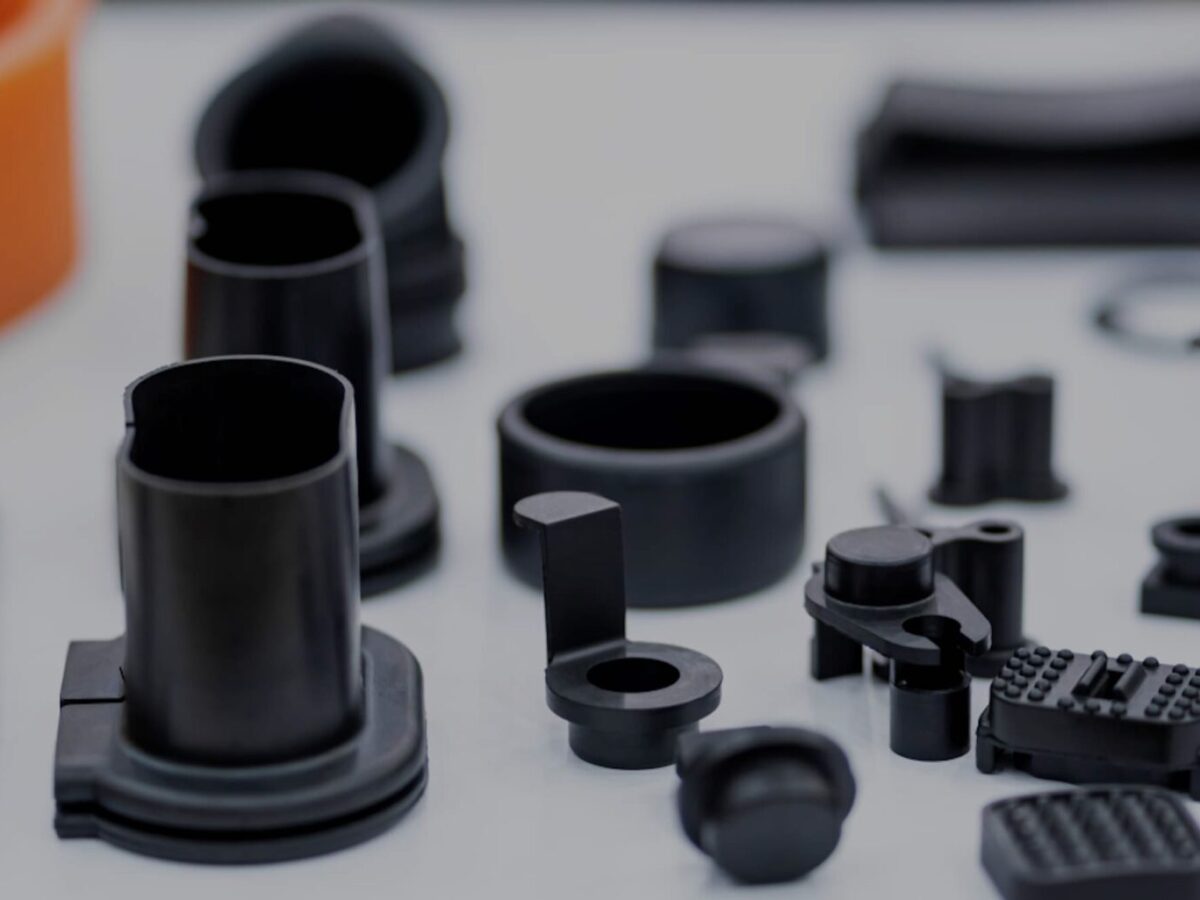
什么是注塑成型零件?它们是如何制造的?
注塑成型零件是指通过注塑成型工艺生产的零部件或产品。注塑成型是一种广泛应用的制造技术,能够以高精度、高复杂度和高效率制造塑料零件。以下是对注塑成型零件及其制造工艺的详细说明:
注塑成型工艺:
注塑成型工艺包括以下步骤:
1. 模具设计:
注塑成型零件制造的第一步是模具设计。模具是定制的工具,用于确定最终零件的形状和特征。它通常由钢或铝制成,由两部分组成:型腔和型芯。模具设计需要考虑诸多因素,例如零件几何形状、材料选择、冷却要求和顶出机构。
2. 材料选择:
下一步是选择适合注塑成型工艺的材料。热塑性聚合物因其能够反复熔化和固化而不会发生显著性能退化而被广泛应用。材料的选择取决于最终零件所需的性能,例如强度、柔韧性、透明度或耐化学性。
3. 熔化和注射:
在注塑机中,选定的热塑性材料被熔化成熔融状态。然后,这种熔融材料(称为熔体)在高压下被注入模具。注射过程通过喷嘴和流道系统完成,流道系统将熔融材料输送到模腔。
4. 冷却:
熔融材料注入模具后,便开始冷却凝固。冷却是注塑成型工艺的关键阶段,因为它决定了最终零件的尺寸精度、强度和其他性能。模具设计有冷却通道或嵌件,以促进零件高效均匀冷却。冷却时间会因零件厚度、材料特性和模具设计等因素而异。
5. 开模和脱模:
待注入的材料充分冷却凝固后,模具打开,将两半模具分离。顶针或其他机构用于将零件从模腔中推出或释放。顶出系统必须经过精心设计,以避免在顶出过程中损坏零件。
6. 完成:
注塑成型后的零件脱模后,可能还需要进行一些后续的精加工工序,例如去除多余材料、去除浇口或流道以及进行表面处理或纹理化。这些工序有助于零件达到所需的最终外观和功能。
注塑成型零件的优点:
注塑成型零件具有以下几个优点:
1. 高精度和高复杂度:
注塑成型技术能够制造出精度高、细节复杂的零件。模具可以生产出形状复杂、特征精细、尺寸精确的零件,从而实现对公差要求极高的零件制造。
2. 成本效益高的批量生产:
注塑成型是一种高效的工艺,适用于大规模生产。模具制作完成后,即可实现生产过程自动化,从而快速、经济高效地生产出相同的零件。高产量有助于降低单位成本。
3. 材料多样性:
注塑成型工艺支持多种热塑性材料,可根据最终零件所需的特性灵活选择材料。不同的材料可用于实现特定的性能,例如强度、柔韧性、耐热性或耐化学腐蚀性。
4. 强度和耐久性:
注塑成型零件具有优异的强度和耐久性。成型工艺确保材料均匀分布,从而使零件整体具有一致的机械性能。这使得注塑成型零件适用于各种需要结构完整性和长寿命的应用。
5. 尽量减少后期处理:
注塑成型的零件通常只需极少的后处理。成型过程中实现的高精度和高质量减少了后续大量机械加工或精加工工序的需求,从而节省了时间和成本。
6. 设计灵活性:
注塑成型工艺为设计人员提供了极大的零件设计灵活性。该工艺能够实现复杂的几何形状、倒扣、薄壁以及其他采用其他制造方法可能难以实现或成本高昂的设计特征。这种灵活性使得零件功能的创新和优化成为可能。
总而言之,注塑成型零件是指通过注塑成型工艺制造的组件或产品。该工艺包括设计模具、选择合适的材料、将材料熔化并注入模具、冷却固化、打开模具并取出零件,以及根据需要进行后续加工。注塑成型零件具有诸多优势,例如精度高、结构复杂、可经济高效地进行大规模生产、材料选择多样、强度高、耐久性好、后处理工序少以及设计灵活。这些优势促使注塑成型技术在各行各业被广泛用于生产高质量的塑料零件。
<img src="https://img.hzpt.com/img/Injectionmoldedparts/Injectionmoldedparts-L1.webp" alt="China Custom Professional Customization Injection Mold Manufacturer Processing Injection Molded Parts Plastic Injection Molding Parts “><img src="https://img.hzpt.com/img/Injectionmoldedparts/Injectionmoldedparts-L2.webp" alt="China Custom Professional Customization Injection Mold Manufacturer Processing Injection Molded Parts Plastic Injection Molding Parts “>
editor by Dream 2024-10-11