
제품 설명
| 재료 | Stainless Steel |
| Process | Bending |
| Surface treatment | Painting\Powder Coating\Plating |
| Product name | Sheet Metal Fabrication |
| 서비스 | Customized OEM |
| 애플리케이션 | Industry |
| 크기 | Customized Size |
| Type | OEM Sheet Metal Fabrication Part |
| MOQ | 1 PCS |
| 색상 |
Customized Color |
Our Equipment &Advantage
• We support fast quotes within 2 hours
• We have a project plan and schedule, a lead time of three days, and the ability to handle urgent orders.
• More than 15 years of CNC machining experience.
• Production averages 5,000 deliveries per week.
• Production equipment 75 sets.
• Plant area of 3000 square meters.
• 그만큼 tolerance is controlled within 0.02mm.
Detailed Photos
자주 묻는 질문
Q:Is your company a factory or a trader?
A:We are an independent production and sales factory.
Q:Do you provide samples? How about the sample cost?
A: Yes, we could offer samples. Sample cost will be negotiated.
Q: How long is your delivery time?
A: The parts are usually ready to ship in about 3 days.
Q:Do you have your own factory? What is the area?
A:We have our own factory with an area of 3000 square meters.
Q:What is your terms of payment? How to pay?
A:You can pay us by any means, 50% in advance by telegraphic transfer and the balance before shipment. If you have any questions, please feel free to contact us.
Q: What if we do not have drawing?
A: Samples and drawings are available.
Q:How to ship? What about the packing details?
A:Generally according to customer requirements, order amount, number of parts, freight price decision.
Q:How to get a quotation?
A:Please send your drawings to us in Jpg, Pdf, Png, Bmp, Doc, Zip, Rar, Dwg, Xisx, Excel and other formats. If you have any requirements, please indicate, we can provide professional advice to you.
Q:What’your MOQ?
A:Our usual minimum order quantity is 1 piece per color per design and we are happy to customize samples for you to test the quality before ordering in bulk.
큐:May I visit your factory?
A:Sure, welcome any time. We can also pick you up at the airport and station.
/* May 10, 2571 16:49:51 */!function(){function d(e,r){var a,o={};try{e&&e.split(“,”).forEach(function(e,t){e&&(a=e.match(/(.*?):(.*)$/))&&1
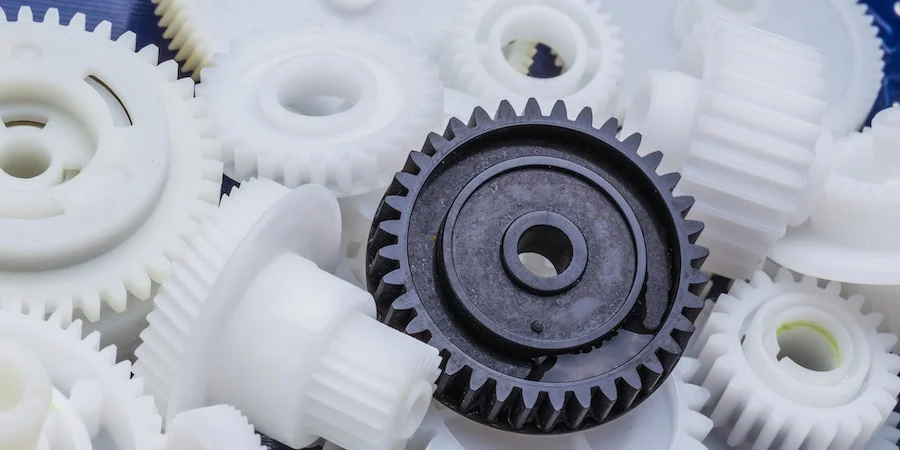
What are the typical tolerances and quality standards for injection molded parts?
When it comes to injection molded parts, the tolerances and quality standards can vary depending on several factors, including the specific application, industry requirements, and the capabilities of the injection molding process. Here are some general considerations regarding tolerances and quality standards:
Tolerances:
The tolerances for injection molded parts typically refer to the allowable deviation from the intended design dimensions. These tolerances are influenced by various factors, including the part geometry, material properties, mold design, and process capabilities. It’s important to note that achieving tighter tolerances often requires more precise tooling, tighter process control, and additional post-processing steps. Here are some common types of tolerances found in injection molding:
1. Dimensional Tolerances:
Dimensional tolerances define the acceptable range of variation for linear dimensions, such as length, width, height, and diameter. The specific tolerances depend on the part’s critical dimensions and functional requirements. Typical dimensional tolerances for injection molded parts can range from +/- 0.05 mm to +/- 0.5 mm or even tighter, depending on the complexity of the part and the process capabilities.
2. Geometric Tolerances:
Geometric tolerances specify the allowable variation in shape, form, and orientation of features on the part. These tolerances are often expressed using symbols and control the relationships between various geometric elements. Common geometric tolerances include flatness, straightness, circularity, concentricity, perpendicularity, and angularity. The specific geometric tolerances depend on the part’s design requirements and the manufacturing capabilities.
3. Surface Finish Tolerances:
Surface finish tolerances define the acceptable variation in the texture, roughness, and appearance of the part’s surfaces. The surface finish requirements are typically specified using roughness parameters, such as Ra (arithmetical average roughness) or Rz (maximum height of the roughness profile). The specific surface finish tolerances depend on the part’s aesthetic requirements, functional needs, and the material being used.
Quality Standards:
In addition to tolerances, injection molded parts are subject to various quality standards that ensure their performance, reliability, and consistency. These standards may be industry-specific or based on international standards organizations. Here are some commonly referenced quality standards for injection molded parts:
1. ISO 9001:
The ISO 9001 standard is a widely recognized quality management system that establishes criteria for the overall quality control and management of an organization. Injection molding companies often seek ISO 9001 certification to demonstrate their commitment to quality and adherence to standardized processes for design, production, and customer satisfaction.
2. ISO 13485:
ISO 13485 is a specific quality management system standard for medical devices. Injection molded parts used in the medical industry must adhere to this standard to ensure they meet the stringent quality requirements for safety, efficacy, and regulatory compliance.
3. Automotive Industry Standards:
The automotive industry has its own set of quality standards, such as ISO/TS 16949 (now IATF 16949), which focuses on the quality management system for automotive suppliers. These standards encompass requirements for product design, development, production, installation, and servicing, ensuring the quality and reliability of injection molded parts used in automobiles.
4. Industry-Specific Standards:
Various industries may have specific quality standards or guidelines that pertain to injection molded parts. For example, the aerospace industry may reference standards like AS9100, while the electronics industry may adhere to standards such as IPC-A-610 for acceptability of electronic assemblies.
It’s important to note that the specific tolerances and quality standards for injection molded parts can vary significantly depending on the application and industry requirements. Design engineers and manufacturers work together to define the appropriate tolerances and quality standards based on the functional requirements, cost considerations, and the capabilities of the injection molding process.
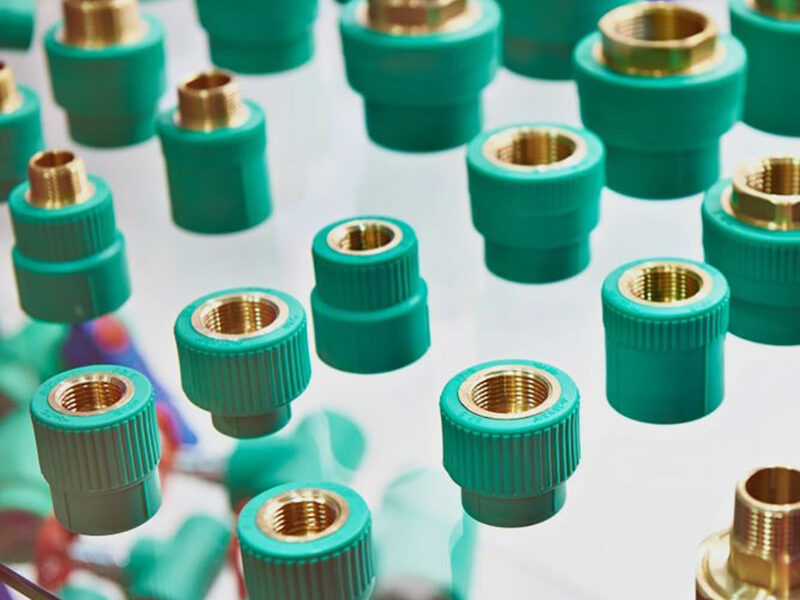
How do innovations and advancements in injection molding technology influence part design and production?
Innovations and advancements in injection molding technology have a significant influence on part design and production. These advancements introduce new capabilities, enhance process efficiency, improve part quality, and expand the range of applications for injection molded parts. Here’s a detailed explanation of how innovations and advancements in injection molding technology influence part design and production:
Design Freedom:
Advancements in injection molding technology have expanded the design freedom for part designers. With the introduction of advanced software tools, such as computer-aided design (CAD) and simulation software, designers can create complex geometries, intricate features, and highly optimized designs. The use of 3D modeling and simulation allows for the identification and resolution of potential design issues before manufacturing. This design freedom enables the production of innovative and highly functional parts that were previously challenging or impossible to manufacture using conventional techniques.
Improved Precision and Accuracy:
Innovations in injection molding technology have led to improved precision and accuracy in part production. High-precision molds, advanced control systems, and closed-loop feedback mechanisms ensure precise control over the molding process variables, such as temperature, pressure, and cooling. This level of control results in parts with tight tolerances, consistent dimensions, and improved surface finishes. Enhanced precision and accuracy enable the production of parts that meet strict quality requirements, fit seamlessly with other components, and perform reliably in their intended applications.
Material Advancements:
The development of new materials and material combinations specifically formulated for injection molding has expanded the range of properties available to part designers. Innovations in materials include high-performance engineering thermoplastics, bio-based polymers, reinforced composites, and specialty materials with unique properties. These advancements allow for the production of parts with enhanced mechanical strength, improved chemical resistance, superior heat resistance, and customized performance characteristics. Material advancements in injection molding technology enable the creation of parts that can withstand demanding operating conditions and meet the specific requirements of various industries.
Process Efficiency:
Innovations in injection molding technology have introduced process optimizations that improve efficiency and productivity. Advanced automation, robotics, and real-time monitoring systems enable faster cycle times, reduced scrap rates, and increased production throughput. Additionally, innovations like multi-cavity molds, hot-runner systems, and micro-injection molding techniques improve material utilization and reduce production costs. Increased process efficiency allows for the economical production of high-quality parts in larger quantities, meeting the demands of industries that require high-volume production.
Overmolding and Multi-Material Molding:
Advancements in injection molding technology have enabled the integration of multiple materials or components into a single part through overmolding or multi-material molding processes. Overmolding allows for the encapsulation of inserts, such as metal components or electronics, with a thermoplastic material in a single molding cycle. This enables the creation of parts with improved functionality, enhanced aesthetics, and simplified assembly. Multi-material molding techniques, such as co-injection molding or sequential injection molding, enable the production of parts with multiple colors, varying material properties, or complex material combinations. These capabilities expand the design possibilities and allow for the creation of innovative parts with unique features and performance characteristics.
Additive Manufacturing Integration:
The integration of additive manufacturing, commonly known as 3D printing, with injection molding technology has opened up new possibilities for part design and production. Additive manufacturing can be used to create complex mold geometries, conformal cooling channels, or custom inserts, which enhance part quality, reduce cycle times, and improve part performance. By combining additive manufacturing and injection molding, designers can explore new design concepts, produce rapid prototypes, and efficiently manufacture customized or low-volume production runs.
Sustainability and Eco-Friendly Solutions:
Advancements in injection molding technology have also focused on sustainability and eco-friendly solutions. This includes the development of biodegradable and compostable materials, recycling technologies for post-consumer and post-industrial waste, and energy-efficient molding processes. These advancements enable the production of environmentally friendly parts that contribute to reducing the carbon footprint and meeting sustainability goals.
Overall, innovations and advancements in injection molding technology have revolutionized part design and production. They have expanded design possibilities, improved precision and accuracy, introduced new materials, enhanced process efficiency, enabled overmolding and multi-material molding, integrated additive manufacturing, and promoted sustainability. These advancements empower part designers and manufacturers to create highly functional, complex, and customized parts that meet the demands of various industries and contribute to overall process efficiency and sustainability.
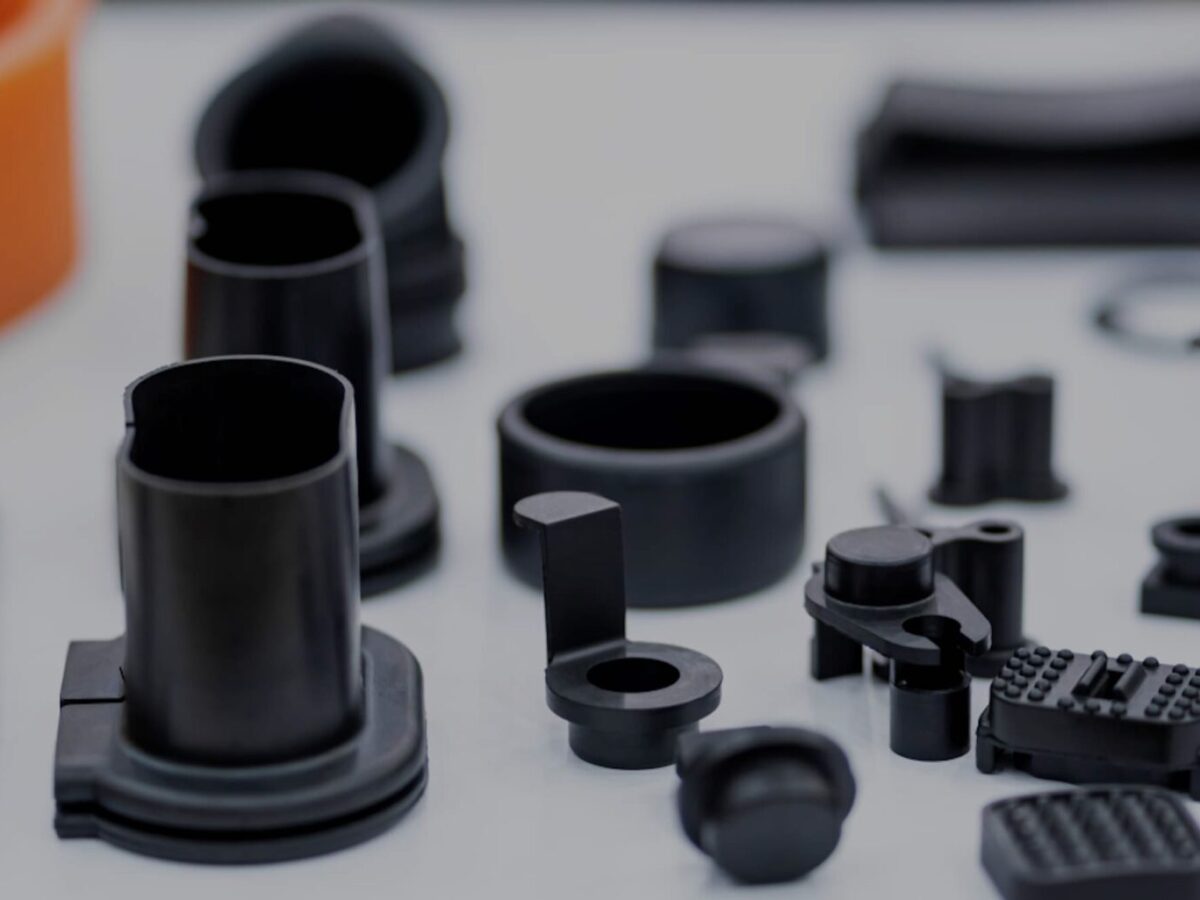
사출 성형 부품이란 무엇이며, 어떻게 제조됩니까?
사출 성형 부품은 사출 성형 제조 공정을 통해 생산되는 부품 또는 제품입니다. 사출 성형은 높은 정밀도, 복잡성 및 효율성을 갖춘 플라스틱 부품을 제작하는 데 널리 사용되는 제조 기술입니다. 사출 성형 부품과 그 제조 공정에 대한 자세한 설명은 다음과 같습니다.
사출 성형 공정:
사출 성형 공정은 다음과 같은 단계를 포함합니다.
1. 금형 설계:
사출 성형 부품 제조의 첫 번째 단계는 금형 설계입니다. 금형은 최종 부품의 모양과 특징을 정의하는 맞춤형 도구입니다. 일반적으로 강철이나 알루미늄으로 만들어지며, 캐비티와 코어의 두 부분으로 구성됩니다. 금형 설계 시에는 부품 형상, 재료 선택, 냉각 요구 사항, 배출 메커니즘 등의 요소를 고려해야 합니다.
2. 재료 선택:
다음 단계는 사출 성형 공정에 적합한 재료를 선택하는 것입니다. 열가소성 폴리머는 용융과 응고를 반복적으로 수행해도 큰 성능 저하가 없기 때문에 일반적으로 사용됩니다. 재료 선택은 강도, 유연성, 투명성 또는 내화학성 등 최종 부품의 원하는 특성에 따라 달라집니다.
3. 용융 및 주입:
사출 성형기에서는 선택된 열가소성 재료를 녹여 용융 상태로 만듭니다. 용융된 재료(멜트)는 고압으로 금형에 주입됩니다. 주입은 노즐과 러너 시스템을 통해 이루어지며, 이 시스템은 용융된 재료를 금형 캐비티로 전달합니다.
4. 냉각:
용융된 재료가 금형에 주입되면 냉각되어 굳어지기 시작합니다. 냉각은 사출 성형 공정에서 매우 중요한 단계로, 최종 제품의 치수 정확도, 강도 및 기타 특성을 결정합니다. 금형은 부품의 효율적이고 균일한 냉각을 위해 냉각 채널 또는 인서트가 설계되어 있습니다. 냉각 시간은 부품 두께, 재료 특성 및 금형 설계와 같은 요소에 따라 달라질 수 있습니다.
5. 금형 개방 및 배출:
사출된 재료가 충분히 냉각되어 굳어지면 금형이 열리면서 두 부분이 분리됩니다. 이젝터 핀이나 다른 메커니즘을 사용하여 부품을 금형 캐비티에서 밀어내거나 분리합니다. 이젝션 과정에서 부품이 손상되지 않도록 이젝션 시스템을 신중하게 설계해야 합니다.
6. 마무리:
사출 성형된 부품은 사출 후 과도한 재료를 다듬거나, 사출 돌출부(스프루)를 제거하고, 표면 처리 또는 질감을 적용하는 등의 추가적인 후가공 공정을 거칠 수 있습니다. 이러한 공정을 통해 부품의 원하는 최종 외관과 기능을 구현할 수 있습니다.
사출 성형 부품의 장점:
사출 성형 부품은 다음과 같은 여러 가지 장점을 제공합니다.
1. 높은 정밀도와 복잡성:
사출 성형은 높은 정밀도와 복잡한 디테일을 가진 부품을 제작할 수 있게 해줍니다. 금형은 복잡한 형상, 미세한 특징, 정확한 치수를 구현할 수 있어 엄격한 공차를 가진 부품 생산이 가능합니다.
2. 비용 효율적인 대량 생산:
사출 성형은 대규모 생산에 적합한 매우 효율적인 공정입니다. 금형이 제작되면 제조 공정을 자동화할 수 있어 동일한 부품을 빠르고 경제적으로 생산할 수 있습니다. 높은 생산량은 단가 절감에 도움이 됩니다.
3. 소재의 다용성:
사출 성형은 다양한 열가소성 소재를 지원하므로 최종 부품의 원하는 특성에 따라 소재를 다양하게 선택할 수 있습니다. 강도, 유연성, 내열성 또는 내화학성과 같은 특정 특성을 구현하기 위해 다양한 소재를 사용할 수 있습니다.
4. 강도 및 내구성:
사출 성형 부품은 뛰어난 강도와 내구성을 나타낼 수 있습니다. 성형 공정을 통해 재료가 고르게 분포되어 부품 전체에 걸쳐 일관된 기계적 특성을 갖게 됩니다. 따라서 사출 성형 부품은 구조적 안정성과 긴 수명이 요구되는 다양한 용도에 적합합니다.
5. 최소한의 후처리:
사출 성형 부품은 대개 후가공이 최소화됩니다. 성형 공정에서 달성되는 높은 정밀도와 품질 덕분에 광범위한 추가 가공이나 후가공 작업이 필요 없어 시간과 비용을 절감할 수 있습니다.
6. 디자인 유연성:
사출 성형을 사용하면 설계자는 부품 설계에 있어 상당한 유연성을 확보할 수 있습니다. 이 공정은 복잡한 형상, 언더컷, 얇은 벽 등 다른 제조 방식으로는 구현하기 어렵거나 비용이 많이 드는 설계 특징을 수용할 수 있습니다. 이러한 유연성 덕분에 부품 기능의 혁신과 최적화가 가능해집니다.
요약하자면, 사출 성형 부품은 사출 성형 공정을 통해 제조되는 부품 또는 제품입니다. 이 공정은 금형 설계, 적절한 재료 선택, 재료 용융 및 금형 주입, 냉각 및 응고, 금형 개방 및 부품 배출, 그리고 필요에 따른 후가공을 포함합니다. 사출 성형 부품은 높은 정밀도, 복잡한 형상 구현, 비용 효율적인 대량 생산, 다양한 재료 사용, 강도 및 내구성, 최소한의 후가공, 그리고 설계 유연성과 같은 장점을 제공합니다. 이러한 요소들 덕분에 사출 성형은 다양한 산업 분야에서 고품질 플라스틱 부품 생산에 널리 사용되고 있습니다.
<img src="https://img.hzpt.com/img/Injectionmoldedparts/Injectionmoldedparts-L1.webp" alt="China Custom Professional Customization Injection Mold Manufacturer Processing Injection Molded Parts Plastic Injection Molding Parts “><img src="https://img.hzpt.com/img/Injectionmoldedparts/Injectionmoldedparts-L2.webp" alt="China Custom Professional Customization Injection Mold Manufacturer Processing Injection Molded Parts Plastic Injection Molding Parts “>
editor by Dream 2024-10-11