
उत्पाद वर्णन
Product Parameters
| Item | Professional Custom Injection Molded CHINAMFG ABS/PP Plastic Injection Part |
| प्लास्टिक सामग्री | ABS, PC/ABS, PP, PC, POM(Acetal/Delrin), Nylon 6, Nylon 6/6, PA 12, HDPE, LDPE, PS(HIPS), PMMA(Acrylic), SAN/AS, ASA, PVC, UPVC,TPE, TPR, PU, TPU, PET, PEI(Ultem), PSU, PPSU, PPE/PS, GPPS,PPO, PES, CA, etc. |
| मोल्ड सामग्री | S136H, 718H, NAK80, P20, H13, etc. |
| सतह का उपचार | Matte, Common polishing, Mirror polishing, Texture, Plating, Power Coating (Painting), Laser Engraving, Brushing, Marbling,Printing etc. |
| Drawing Format | .stp / .step / .igs /.CHINAMFG /.dwg / .pdf |
| रंग | Almost all PMS colors available. |
| पैरामीटर | Inch, centimeter, millimeter, etc. |
| Mold Precision | If no special request, apply to SJ/T10628-1995 standards, class 3. |
| Mold Life-cycle | 100,000-500,000 shots. |
| आवेदन | Electronics/Auto Parts/Industrial parts /daily supply / Medical grade supply, etc. |
| Sample | Available. One cavity sample mold or 3D printing. |
| पैकिंग | Carton, Pallet, Wooden Case |
| Certificate | IATF 16949:2016 / ISO 9001:2015 / ISO 45001:2018 / ISO 14001:2015 /REACH/ROHS/MSDS/LFGB/F D A |
कंपनी प्रोफाइल
अक्सर पूछे जाने वाले प्रश्न
1. Are you a manufacturer or a trading company?
We are a mould manufacturer located in HangZhou City, China, with 20 years of rich experience, professional mould design and mould manufacturing team, design-mould making-production-assembly-shipping, providing you one-stop custom injection mould service.
2.How many kinds of moulds can you make?
We can make many kinds of moulds, such as: plastic injection moulds,rubber moulds, two-color moulds, etc.
3.How to get a quote?
Detailed 2D Product Drawing&3D File (PDF/STEP/IGS/DWG…), including quality, delivery date, materials, quality, quantity, surface treatment and other information.
4.Can I get a quotation without drawings?
Of course, we are also glad to receive your samples, pictures or detailed size drafts for accurate quotation.
5. How long is the lead-time for mold?
It all depends on the products’ size and complexity. Normally, the lead time is 15-25 days.
6.Can you provide samples before mass production?
Of course, the sample fee is necessary. If possible, it will be returned during mass production.
7. How do you control quality?
(1) Material Inspection – Check material surfaces and approximate dimensions.
(2) First inspection of production – ensure critical dimensions in mass production.
(3) Sampling inspection – check the quality before delivery to the warehouse.
(4) Preshipment inspection – 100% inspection by QC assistant before shipment.
8. How to pack the moulds and products?
For moulds, we will be coated one-layer anti-rust oil first, and then also will be covered thin films on themould, finally pack
into non-fumigation wooden caseAnd as to products, we will pack into standard export cartons or as per customers request to pack /* March 10, 2571 17:59:20 */!function(){function s(e,r){var a,o={};try{e&&e.split(“,”).forEach(function(e,t){e&&(a=e.match(/(.*?):(.*)$/))&&1
| सामग्री: | ABS |
|---|---|
| आवेदन पत्र: | चिकित्सा, घरेलू सामान, इलेक्ट्रॉनिक्स, ऑटोमोटिव, कृषि |
| प्रमाणन: | TS16949, RoHS, ISO |
| अनुकूलन: |
उपलब्ध
|
|
|---|
.shipping-cost-tm .tm-status-off{background: none;padding:0;color: #1470cc}
|
शिपिंग लागत:
प्रति यूनिट अनुमानित माल ढुलाई शुल्क। |
शिपिंग लागत और अनुमानित डिलीवरी समय के बारे में जानकारी। |
|---|
| भुगतान विधि: |
|
|---|---|
|
प्रारंभिक भुगतान पूर्ण भुगतान |
| मुद्रा: | यूएस1टीपी4टी |
|---|
| वापसी एवं धनवापसी: | आप उत्पाद प्राप्त होने के 30 दिनों तक रिफंड के लिए आवेदन कर सकते हैं। |
|---|
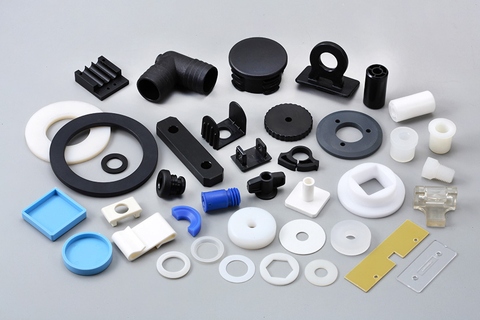
क्या आप इंजेक्शन मोल्डिंग गुणवत्ता नियंत्रण में तापमान और दबाव की भूमिका समझा सकते हैं?
इंजेक्शन मोल्डिंग में तापमान और दबाव दो महत्वपूर्ण पैरामीटर हैं जो प्रक्रिया के गुणवत्ता नियंत्रण को काफी हद तक प्रभावित करते हैं। आइए इनकी भूमिकाओं को और विस्तार से जानें:
तापमान:
इंजेक्शन मोल्डिंग में तापमान गुणवत्ता नियंत्रण सुनिश्चित करने में कई महत्वपूर्ण भूमिका निभाता है:
1. सामग्री प्रवाह और भराई:
पिघले हुए प्लास्टिक पदार्थ का तापमान उसकी श्यानता या प्रवाह क्षमता को प्रभावित करता है। उच्च तापमान पदार्थ की श्यानता को कम करता है, जिससे इंजेक्शन के दौरान यह सांचे की गुहाओं में आसानी से प्रवाहित हो पाता है। उचित तापमान नियंत्रण से पदार्थ का इष्टतम प्रवाह और भराव सुनिश्चित होता है, जिससे शॉर्ट शॉट्स, फ्लो मार्क्स या अपूर्ण पार्ट फिलिंग जैसी समस्याओं से बचा जा सकता है। तापमान नियंत्रण अंतिम पार्ट्स में पदार्थ के गुणों की स्थिरता और आयामी सटीकता सुनिश्चित करने में भी सहायक होता है।
2. पिघलना और समरूपीकरण:
प्लास्टिक सामग्री के पूर्ण रूप से पिघलने और समरूपीकरण को सुनिश्चित करने के लिए पिघलने की प्रक्रिया के दौरान तापमान को सावधानीपूर्वक नियंत्रित करना आवश्यक है। अपर्याप्त पिघलने से अविलीन कण या सामग्री के गुणों में असंगति हो सकती है, जिससे ढाले गए भागों में दोष उत्पन्न हो सकते हैं। पिघलने की अवस्था में उचित तापमान नियंत्रण से योजक पदार्थों का एकसमान पिघलना और मिश्रण सुनिश्चित होता है, जिससे सामग्री की समरूपता और ढाले गए भागों की समग्र गुणवत्ता में सुधार होता है।
3. शीतलन और ठोसकरण:
पिघले हुए प्लास्टिक को सांचे में डालने के बाद, ठंडा होने और जमने की प्रक्रिया के दौरान तापमान नियंत्रण अत्यंत महत्वपूर्ण है। उचित शीतलन दर और एकसमान शीतलन से विकृति, सिकुड़न या पुर्जे के विरूपण जैसी समस्याओं को रोकने में मदद मिलती है। तापमान को नियंत्रित करने से पुर्जे में एकसमान ठोसकरण सुनिश्चित होता है, जिससे आयामी स्थिरता बनी रहती है और आंतरिक तनाव कम होता है। तापमान नियंत्रण पुर्जे की क्रिस्टलीयता और सूक्ष्म संरचना को भी प्रभावित करता है, जिससे इसके यांत्रिक गुणों पर असर पड़ सकता है।
दबाव:
इंजेक्शन मोल्डिंग में गुणवत्ता नियंत्रण प्राप्त करने के लिए दबाव नियंत्रण भी उतना ही महत्वपूर्ण है:
1. सामग्री पैकिंग:
इंजेक्शन मोल्डिंग के पैकिंग चरण के दौरान, पिघले हुए प्लास्टिक पदार्थ पर दबाव डाला जाता है ताकि ठंडा होने और जमने पर होने वाले संकुचन की भरपाई की जा सके। उचित दबाव नियंत्रण यह सुनिश्चित करता है कि पदार्थ मोल्ड कैविटी में ठीक से पैक हो जाए, जिससे रिक्त स्थान, धंसाव या पुर्जे का विरूपण कम से कम हो। अपर्याप्त पैकिंग दबाव से अपूर्ण भराई और पुर्जे की खराब गुणवत्ता हो सकती है, जबकि अत्यधिक दबाव से अत्यधिक तनाव, पुर्जे का विरूपण या फ्लैश हो सकता है।
2. गेट और प्रवाह नियंत्रण:
इंजेक्शन मोल्डिंग में दबाव मोल्ड के माध्यम से सामग्री के प्रवाह व्यवहार को प्रभावित करता है। गेट पर दबाव, जहाँ पिघला हुआ प्लास्टिक मोल्ड कैविटी में प्रवेश करता है, को सावधानीपूर्वक नियंत्रित करना आवश्यक है। गेट का दबाव सामग्री की प्रवाह दर, भरने के पैटर्न और पैकिंग दक्षता को प्रभावित करता है। इष्टतम गेट दबाव एकसमान प्रवाह और भराई सुनिश्चित करता है, जिससे प्रवाह रेखाओं, वेल्ड रेखाओं या वायु अवरोधों जैसी समस्याओं को रोका जा सकता है जो पुर्जे की गुणवत्ता को प्रभावित कर सकती हैं।
3. निष्कासन और भाग रिलीज:
मोल्ड से ढाले गए हिस्से को आसानी से निकालने के लिए इजेक्शन चरण के दौरान दबाव नियंत्रण आवश्यक है। पर्याप्त इजेक्शन दबाव हिस्से और मोल्ड की सतहों के बीच किसी भी तरह के आसंजन या घर्षण को दूर करने में मदद करता है, जिससे हिस्सा सुचारू रूप से और बिना किसी क्षति के निकल जाता है। अनुचित इजेक्शन दबाव के कारण हिस्सा चिपक सकता है, विकृत हो सकता है या मोल्ड को नुकसान हो सकता है।
4. प्रक्रिया निगरानी और प्रतिक्रिया:
गुणवत्ता नियंत्रण के लिए तापमान और दबाव के मापदंडों की वास्तविक समय में निगरानी और नियंत्रण अत्यंत महत्वपूर्ण है। उन्नत इंजेक्शन मोल्डिंग मशीनें सेंसर और नियंत्रण प्रणालियों से सुसज्जित होती हैं जो तापमान और दबाव की निरंतर निगरानी करती हैं। ये प्रणालियाँ प्रतिक्रिया प्रदान करती हैं और प्रक्रिया के दौरान समायोजन की अनुमति देती हैं ताकि इष्टतम स्थितियाँ बनी रहें और पुर्जों की गुणवत्ता में निरंतरता सुनिश्चित हो सके।
कुल मिलाकर, इंजेक्शन मोल्डिंग में तापमान और दबाव का नियंत्रण गुणवत्ता नियंत्रण के लिए अत्यंत महत्वपूर्ण है। उचित तापमान नियंत्रण से सामग्री का इष्टतम प्रवाह, पिघलना, समरूपीकरण, शीतलन और जमना सुनिश्चित होता है, जबकि दबाव नियंत्रण से सामग्री की उचित पैकिंग, गेट और प्रवाह नियंत्रण, निष्कासन और पुर्जे की सुचारू निकासी सुनिश्चित होती है। इंजेक्शन मोल्डिंग प्रक्रिया के दौरान इन मापदंडों की निगरानी और नियंत्रण से एकसमान आयाम, यांत्रिक गुण और सतह की गुणवत्ता वाले उच्च-गुणवत्ता वाले पुर्जों का उत्पादन संभव होता है।
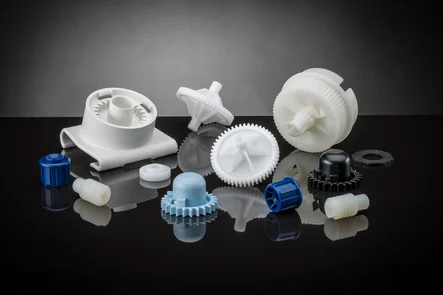
Can you provide guidance on the selection of injection molded materials based on application requirements?
Yes, I can provide guidance on the selection of injection molded materials based on application requirements. The choice of material for injection molding plays a critical role in determining the performance, durability, and functionality of the molded parts. Here’s a detailed explanation of the factors to consider and the guidance for selecting the appropriate material:
1. Mechanical Properties:
Consider the mechanical properties required for the application, such as strength, stiffness, impact resistance, and wear resistance. Different materials have varying mechanical characteristics, and selecting a material with suitable properties is crucial. For example, engineering thermoplastics like ABS, PC, or nylon offer high strength and impact resistance, while materials like PEEK or ULTEM provide exceptional mechanical performance at elevated temperatures.
2. Chemical Resistance:
If the part will be exposed to chemicals, consider the chemical resistance of the material. Some materials, like PVC or PTFE, exhibit excellent resistance to a wide range of chemicals, while others may be susceptible to degradation or swelling. Ensure that the selected material can withstand the specific chemicals it will encounter in the application environment.
3. Thermal Properties:
Evaluate the operating temperature range of the application and choose a material with suitable thermal properties. Materials like PPS, PEEK, or LCP offer excellent heat resistance, while others may have limited temperature capabilities. Consider factors such as the maximum temperature, thermal stability, coefficient of thermal expansion, and heat transfer requirements of the part.
4. Electrical Properties:
For electrical or electronic applications, consider the electrical properties of the material. Materials like PBT or PPS offer good electrical insulation properties, while others may have conductive or dissipative characteristics. Determine the required dielectric strength, electrical conductivity, surface resistivity, and other relevant electrical properties for the application.
5. Environmental Conditions:
Assess the environmental conditions the part will be exposed to, such as humidity, UV exposure, outdoor weathering, or extreme temperatures. Some materials, like ASA or HDPE, have excellent weatherability and UV resistance, while others may degrade or become brittle under harsh conditions. Choose a material that can withstand the specific environmental factors to ensure long-term performance and durability.
6. Regulatory Compliance:
Consider any regulatory requirements or industry standards that the material must meet. Certain applications, such as those in the medical or food industries, may require materials that are FDA-approved or comply with specific certifications. Ensure that the selected material meets the necessary regulatory and safety standards for the intended application.
7. Cost Considerations:
Evaluate the cost implications associated with the material selection. Different materials have varying costs, and the material choice should align with the project budget. Consider not only the material cost per unit but also factors like tooling expenses, production efficiency, and the overall lifecycle cost of the part.
8. Material Availability and Processing:
Check the availability of the material and consider its processability in injection molding. Ensure that the material is readily available from suppliers and suitable for the specific injection molding process parameters, such as melt flow rate, moldability, and compatibility with the chosen molding equipment.
9. Material Testing and Validation:
Perform material testing and validation to ensure that the selected material meets the required specifications and performance criteria. Conduct mechanical, thermal, chemical, and electrical tests to verify the material’s properties and behavior under application-specific conditions.
Consider consulting with material suppliers, engineers, or experts in injection molding to get further guidance and recommendations based on the specific application requirements. They can provide valuable insights into material selection based on their expertise and knowledge of industry standards and best practices.
By carefully considering these factors and guidance, you can select the most appropriate material for injection molding that meets the specific application requirements, ensuring optimal performance, durability, and functionality of the molded parts.
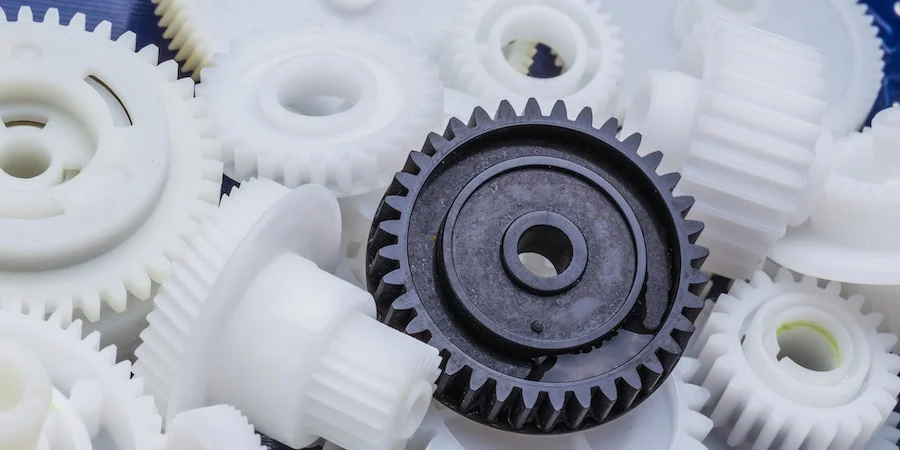
लागत और दक्षता के संदर्भ में इंजेक्शन मोल्डिंग द्वारा निर्मित पुर्जे अन्य विनिर्माण विधियों की तुलना में कैसे हैं?
लागत और दक्षता के मामले में, इंजेक्शन मोल्डिंग द्वारा निर्मित पुर्जों के अन्य विनिर्माण विधियों की तुलना में स्पष्ट लाभ हैं। इंजेक्शन मोल्डिंग प्रक्रिया उच्च दक्षता और लागत-प्रभावशीलता प्रदान करती है, विशेष रूप से बड़े पैमाने पर उत्पादन के लिए। इंजेक्शन मोल्डिंग द्वारा निर्मित पुर्जों की अन्य विनिर्माण विधियों से तुलना का विस्तृत विवरण यहाँ दिया गया है:
लागत तुलना:
कई कारणों से इंजेक्शन मोल्डिंग अन्य विनिर्माण विधियों की तुलना में लागत प्रभावी हो सकती है:
1. औजारों की लागत:
इंजेक्शन मोल्डिंग में मोल्ड बनाने के लिए शुरुआती निवेश की आवश्यकता होती है, जो महंगा हो सकता है। हालांकि, एक बार मोल्ड बन जाने के बाद, उनका उपयोग बड़ी संख्या में पुर्जों के उत्पादन के लिए बार-बार किया जा सकता है, जिसके परिणामस्वरूप प्रति यूनिट लागत कम हो जाती है। टूलिंग की लागत में समय के साथ होने वाले बदलाव के कारण, इंजेक्शन मोल्डिंग बड़े पैमाने पर उत्पादन के लिए अधिक लागत प्रभावी साबित होती है।
2. सामग्री दक्षता:
इंजेक्शन मोल्डिंग सामग्री के उपयोग के मामले में अत्यधिक कुशल है। यह प्रक्रिया मोल्ड में डाली जाने वाली सामग्री की मात्रा पर सटीक नियंत्रण की अनुमति देती है, जिससे बर्बादी कम से कम होती है। इसके अलावा, मोल्डिंग प्रक्रिया से प्राप्त अतिरिक्त सामग्री को पुनर्चक्रित और पुनः उपयोग किया जा सकता है, जिससे उन विधियों की तुलना में सामग्री की लागत और भी कम हो जाती है जिनमें अधिक मात्रा में अपशिष्ट उत्पन्न होता है।
3. श्रम लागत:
इंजेक्शन मोल्डिंग एक अत्यधिक स्वचालित प्रक्रिया है, जिसमें अन्य विनिर्माण विधियों की तुलना में न्यूनतम श्रम की आवश्यकता होती है। मोल्ड तैयार हो जाने और प्रक्रिया मापदंड निर्धारित हो जाने के बाद, इंजेक्शन मोल्डिंग मशीन निरंतर चलती रहती है और न्यूनतम मानवीय हस्तक्षेप के साथ पुर्जे बनाती है। यह स्वचालन श्रम लागत को कम करता है और समग्र दक्षता को बढ़ाता है।
दक्षता तुलना:
इंजेक्शन मोल्डिंग द्वारा निर्मित पुर्जे दक्षता के मामले में कई लाभ प्रदान करते हैं:
1. तीव्र उत्पादन चक्र:
इंजेक्शन मोल्डिंग एक तीव्र विनिर्माण प्रक्रिया है, जो अपेक्षाकृत कम समय में पुर्जे तैयार करने में सक्षम है। यह समय पुर्जे की जटिलता, सामग्री के गुणधर्म और शीतलन समय जैसे कारकों पर निर्भर करता है। हालांकि, मशीनिंग या ढलाई जैसी अन्य विधियों की तुलना में, इंजेक्शन मोल्डिंग प्रत्येक चक्र में एक साथ कई पुर्जे बना सकती है, जिसके परिणामस्वरूप उत्पादन दर अधिक होती है और दक्षता में सुधार होता है।
2. उच्च परिशुद्धता और एकरूपता:
इंजेक्शन मोल्डिंग से उच्च परिशुद्धता और एकरूपता वाले पुर्जों का उत्पादन संभव होता है। इंजेक्शन मोल्डिंग में उपयोग किए जाने वाले मोल्ड सटीक और दोहराव योग्य आयामी नियंत्रण प्रदान करने के लिए डिज़ाइन किए गए हैं। यह परिशुद्धता सुनिश्चित करती है कि प्रत्येक पुर्जा आवश्यक विशिष्टताओं को पूरा करे, जिससे अतिरिक्त मशीनिंग या पोस्ट-प्रोसेसिंग कार्यों की आवश्यकता कम हो जाती है। सटीक पुर्जों का निरंतर उत्पादन करने की क्षमता दक्षता बढ़ाती है और पुनः कार्य या अस्वीकृत पुर्जों से जुड़े समय और लागत को कम करती है।
3. स्केलेबिलिटी:
इंजेक्शन मोल्डिंग अत्यधिक स्केलेबल है, जो इसे कम और अधिक मात्रा दोनों तरह के उत्पादन के लिए उपयुक्त बनाती है। मोल्ड तैयार हो जाने के बाद, इंजेक्शन मोल्डिंग प्रक्रिया को आसानी से दोहराया जा सकता है, जिससे एक जैसे पुर्जों का कुशल उत्पादन संभव हो पाता है। उत्पादन को तेजी से और कुशलतापूर्वक बढ़ाने की क्षमता के कारण, इंजेक्शन मोल्डिंग बदलती बाजार मांगों को पूरा करने के लिए एक पसंदीदा विधि बन गई है।
4. डिजाइन की जटिलता:
इंजेक्शन मोल्डिंग जटिल ज्यामिति और बारीक विवरण वाले पुर्जों के उत्पादन में सहायक होती है। मोल्ड को अंडरकट, पतली दीवारों और जटिल आकृतियों के अनुरूप डिज़ाइन किया जा सकता है, जो अन्य निर्माण विधियों से चुनौतीपूर्ण या खर्चीले हो सकते हैं। डिज़ाइन में यह लचीलापन कई घटकों को एक ही पुर्जे में एकीकृत करने की अनुमति देता है, जिससे असेंबली की आवश्यकताएं और विफलता की संभावना कम हो जाती है। जटिल डिज़ाइनों को कुशलतापूर्वक बनाने की क्षमता समग्र दक्षता और कार्यक्षमता को बढ़ाती है।
5. सामग्री की बहुमुखी प्रतिभा:
इंजेक्शन मोल्डिंग विभिन्न प्रकार के थर्मोप्लास्टिक पदार्थों को सपोर्ट करती है, जिससे अंतिम उत्पाद के वांछित गुणों के आधार पर सामग्री चयन में विविधता मिलती है। मजबूती, लचीलापन, ताप प्रतिरोध, रासायनिक प्रतिरोध या पारदर्शिता जैसी विशिष्ट विशेषताओं को प्राप्त करने के लिए विभिन्न सामग्रियों का चयन किया जा सकता है। सामग्री की यह विविधता उत्पाद के प्रदर्शन को कुशलतापूर्वक अनुकूलित और बेहतर बनाने में सहायक होती है।
संक्षेप में, इंजेक्शन मोल्डिंग द्वारा निर्मित पुर्जे कई अन्य विनिर्माण विधियों की तुलना में लागत-प्रभावी और अधिक कुशल होते हैं। प्रारंभिक टूलिंग लागत कम प्रति इकाई लागत पर बड़ी संख्या में पुर्जे बनाने की क्षमता से संतुलित हो जाती है। सामग्री की दक्षता, श्रम स्वचालन, तीव्र उत्पादन चक्र, उच्च परिशुद्धता, विस्तारशीलता, डिज़ाइन की जटिलता और सामग्री की विविधता इंजेक्शन मोल्डिंग की समग्र लागत-प्रभावशीलता और दक्षता में योगदान करती हैं। ये लाभ इंजेक्शन मोल्डिंग को विभिन्न उद्योगों के लिए एक पसंदीदा विकल्प बनाते हैं जो उच्च गुणवत्ता वाले पुर्जों का कुशलतापूर्वक और किफायती रूप से उत्पादन करना चाहते हैं।


editor by CX 2024-02-19