
製品説明
Product Parameters
| アイテム | Professional Custom Injection Molded CHINAMFG ABS/PP Plastic Injection Part |
| Plastic Material | ABS, PC/ABS, PP, PC, POM(Acetal/Delrin), Nylon 6, Nylon 6/6, PA 12, HDPE, LDPE, PS(HIPS), PMMA(Acrylic), SAN/AS, ASA, PVC, UPVC,TPE, TPR, PU, TPU, PET, PEI(Ultem), PSU, PPSU, PPE/PS, GPPS,PPO, PES, CA, etc. |
| Mold Material | S136H, 718H, NAK80, P20, H13, etc. |
| Surface Treatment | Matte, Common polishing, Mirror polishing, Texture, Plating, Power Coating (Painting), Laser Engraving, Brushing, Marbling,Printing etc. |
| 図面フォーマット | .stp / .step / .igs /.CHINAMFG /.dwg / .pdf |
| 色 | Almost all PMS colors available. |
| パラメータ | Inch, centimeter, millimeter, etc. |
| Mold Precision | If no special request, apply to SJ/T10628-1995 standards, class 3. |
| Mold Life-cycle | 100,000-500,000 shots. |
| 応用 | Electronics/Auto Parts/Industrial parts /daily supply / Medical grade supply, etc. |
| Sample | Available. One cavity sample mold or 3D printing. |
| パッキング | Carton, Pallet, Wooden Case |
| Certificate | IATF 16949:2016 / ISO 9001:2015 / ISO 45001:2018 / ISO 14001:2015 /REACH/ROHS/MSDS/LFGB/F D A |
Company Profile
よくある質問
1. Are you a manufacturer or a trading company?
We are a mould manufacturer located in HangZhou City, China, with 20 years of rich experience, professional mould design and mould manufacturing team, design-mould making-production-assembly-shipping, providing you one-stop custom injection mould service.
2.How many kinds of moulds can you make?
We can make many kinds of moulds, such as: plastic injection moulds,rubber moulds, two-color moulds, etc.
3.How to get a quote?
Detailed 2D Product Drawing&3D File (PDF/STEP/IGS/DWG…), including quality, delivery date, materials, quality, quantity, surface treatment and other information.
4.Can I get a quotation without drawings?
Of course, we are also glad to receive your samples, pictures or detailed size drafts for accurate quotation.
5. How long is the lead-time for mold?
It all depends on the products’ size and complexity. Normally, the lead time is 15-25 days.
6.Can you provide samples before mass production?
Of course, the sample fee is necessary. If possible, it will be returned during mass production.
7. How do you control quality?
(1) Material Inspection – Check material surfaces and approximate dimensions.
(2) First inspection of production – ensure critical dimensions in mass production.
(3) Sampling inspection – check the quality before delivery to the warehouse.
(4) Preshipment inspection – 100% inspection by QC assistant before shipment.
8. How to pack the moulds and products?
For moulds, we will be coated one-layer anti-rust oil first, and then also will be covered thin films on themould, finally pack
into non-fumigation wooden caseAnd as to products, we will pack into standard export cartons or as per customers request to pack /* March 10, 2571 17:59:20 */!function(){function s(e,r){var a,o={};try{e&&e.split(“,”).forEach(function(e,t){e&&(a=e.match(/(.*?):(.*)$/))&&1
| 材料: | ABS |
|---|---|
| 応用: | Medical, Household, Electronics, Automotive, Agricultural |
| Certification: | TS16949, RoHS, ISO |
| カスタマイズ: |
利用可能
|
|
|---|
.shipping-cost-tm .tm-status-off{background: none;padding:0;color: #1470cc}
|
Shipping Cost:
Estimated freight per unit. |
about shipping cost and estimated delivery time. |
|---|
| Payment Method: |
|
|---|---|
|
Initial Payment Full Payment |
| Currency: | US$ |
|---|
| Return&refunds: | You can apply for a refund up to 30 days after receipt of the products. |
|---|
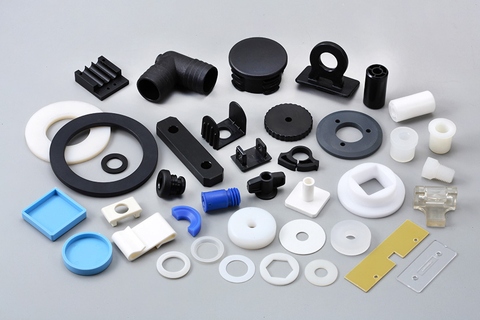
射出成形における品質管理において、温度と圧力はどのような役割を果たすのでしょうか?
射出成形において、温度と圧力はプロセスの品質管理に大きな影響を与える重要なパラメータです。それぞれの役割について、さらに詳しく見ていきましょう。
温度:
射出成形における温度は、品質管理を確保する上でいくつかの重要な役割を果たします。
1. 材料の流れと充填:
溶融プラスチック材料の温度は、その粘度、つまり流動性に影響を与えます。温度が高いほど材料の粘度は低下し、射出成形時に金型キャビティへの流れが容易になります。適切な温度制御は、最適な材料の流れと充填を確保し、ショートショット、フローマーク、部品の充填不足といった問題を防止します。また、温度制御は、最終部品の材料特性と寸法精度を一定に保つためにも役立ちます。
2. 融解と均質化:
溶融工程では、プラスチック材料の完全な溶融と均質化を確保するために、温度を厳密に制御する必要があります。溶融が不十分だと、未溶融粒子や材料特性のばらつきが生じ、成形品の欠陥につながる可能性があります。溶融段階における適切な温度制御は、添加剤の均一な溶融と混合を保証し、材料の均質性と成形品の全体的な品質を向上させます。
3. 冷却と凝固:
溶融プラスチックが金型に注入された後、冷却および凝固段階における温度制御は非常に重要です。適切な冷却速度と均一な冷却は、反り、収縮、部品の歪みといった問題を防止するのに役立ちます。温度を制御することで、部品全体にわたって均一な凝固が可能になり、寸法安定性が確保され、内部応力が最小限に抑えられます。また、温度制御は部品の結晶構造や微細構造にも影響を与え、機械的特性にも影響を及ぼす可能性があります。
プレッシャー:
射出成形における品質管理を実現するには、圧力制御も同様に重要です。
1. 材料の梱包:
射出成形における充填工程では、溶融したプラスチック材料に圧力を加え、冷却・固化に伴う収縮を補償します。適切な圧力制御により、材料が金型キャビティ内に適切に充填され、空隙、ヒケ、または部品の変形を最小限に抑えることができます。充填圧力が不十分だと、充填不良や部品品質の低下につながる一方、圧力が過剰だと、過度の応力、部品の歪み、またはバリが発生する可能性があります。
2. ゲートおよび流量制御:
射出成形における圧力は、金型内での材料の流れ挙動に影響を与えます。溶融プラスチックが金型キャビティに流入するゲート部の圧力は、慎重に制御する必要があります。ゲート圧力は、材料の流量、充填パターン、および充填効率に影響します。最適なゲート圧力は、均一な流れと充填を確保し、成形品の品質を損なう可能性のあるフローライン、ウェルドライン、エアトラップなどの問題を防止します。
3. 排出および部品解放:
射出工程における圧力制御は、成形品を金型から容易に取り出すために不可欠です。適切な射出圧力は、成形品と金型表面間の付着や摩擦を克服し、スムーズで損傷のない成形品の取り出しを保証します。射出圧力が不適切だと、成形品の固着、変形、または金型の損傷につながる可能性があります。
4. プロセス監視とフィードバック:
温度と圧力のパラメータをリアルタイムで監視・制御することは、品質管理において非常に重要です。最新の射出成形機には、温度と圧力を継続的に監視するセンサーと制御システムが搭載されています。これらのシステムはフィードバックを提供し、成形プロセス中に調整を行うことで、最適な状態を維持し、部品の品質を一定に保ちます。
射出成形における温度と圧力の制御は、品質管理において極めて重要です。適切な温度制御は、材料の流れ、溶融、均質化、冷却、凝固を最適に確保し、圧力制御は、材料の充填、ゲートおよび流量制御、射出、部品の離型を確実にします。射出成形プロセス全体を通してこれらのパラメータを監視および制御することで、寸法、機械的特性、表面仕上げが均一な高品質の部品を生産することができます。
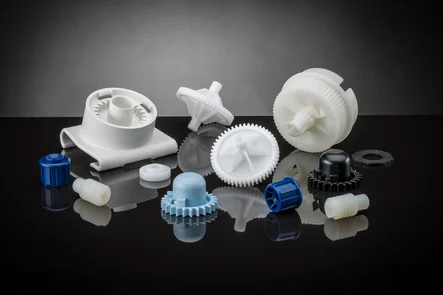
用途要件に基づいた射出成形材料の選定について、アドバイスをいただけますか?
はい、用途要件に基づいた射出成形材料の選定についてアドバイスを提供できます。射出成形材料の選択は、成形部品の性能、耐久性、機能性を決定する上で非常に重要な役割を果たします。以下に、考慮すべき要素と適切な材料を選択するためのガイダンスを詳しく説明します。
1. 機械的特性:
強度、剛性、耐衝撃性、耐摩耗性など、用途に必要な機械的特性を考慮してください。材料によって機械的特性は異なるため、適切な特性を持つ材料を選択することが重要です。例えば、ABS、PC、ナイロンなどのエンジニアリング熱可塑性樹脂は高い強度と耐衝撃性を備えており、PEEKやULTEMなどの材料は高温下でも優れた機械的性能を発揮します。
2. 耐薬品性:
部品が化学物質にさらされる場合は、材料の耐薬品性を考慮してください。PVCやPTFEなどの一部の材料は、幅広い化学物質に対して優れた耐性を示しますが、他の材料は劣化や膨張を起こしやすい場合があります。選択した材料が、使用環境で遭遇する特定の化学物質に耐えられることを確認してください。
3. 熱特性:
用途における動作温度範囲を評価し、適切な熱特性を持つ材料を選択してください。PPS、PEEK、LCPなどの材料は優れた耐熱性を備えていますが、その他の材料は耐熱温度に制限がある場合があります。部品の最高使用温度、熱安定性、熱膨張係数、熱伝達要件などの要素を考慮してください。
4. 電気的特性:
電気・電子用途においては、材料の電気的特性を考慮する必要があります。PBTやPPSなどの材料は優れた電気絶縁性を示しますが、導電性や誘電損失性を持つ材料もあります。用途に応じて、必要な絶縁耐力、電気伝導率、表面抵抗率、その他の関連する電気的特性を決定してください。
5.環境条件:
部品がさらされる環境条件(湿度、紫外線、屋外での風雨、極端な温度など)を評価してください。ASAやHDPEなどの一部の材料は優れた耐候性と耐紫外線性を備えていますが、他の材料は過酷な条件下では劣化したり脆くなったりする可能性があります。長期的な性能と耐久性を確保するためには、特定の環境要因に耐えられる材料を選択してください。
6. 法令遵守:
材料が満たすべき規制要件や業界標準を考慮してください。医療業界や食品業界など、特定の用途では、FDA承認済みの材料や特定の認証に準拠した材料が必要となる場合があります。選択した材料が、意図する用途に必要な規制基準および安全基準を満たしていることを確認してください。
7.費用に関する考慮事項:
材料選定に伴うコストへの影響を評価してください。材料によってコストは異なるため、材料の選択はプロジェクト予算に合致している必要があります。単位あたりの材料費だけでなく、工具費用、生産効率、部品のライフサイクルコストといった要素も考慮してください。
8.材料の入手可能性と加工:
材料の入手可能性を確認し、射出成形における加工性を検討してください。材料が供給業者から容易に入手可能であり、溶融流動性、成形性、選択した成形装置との適合性など、特定の射出成形プロセスパラメータに適していることを確認してください。
9. 材料試験および検証:
選定した材料が要求仕様および性能基準を満たしていることを確認するため、材料試験および検証を実施する。用途固有の条件下における材料の特性および挙動を検証するため、機械的、熱的、化学的、電気的試験を実施する。
具体的な用途要件に基づいたさらなるガイダンスや推奨事項を得るには、材料サプライヤー、エンジニア、または射出成形の専門家に相談することを検討してください。彼らは、専門知識と業界標準およびベストプラクティスに関する知識に基づき、材料選定に関する貴重な洞察を提供してくれるでしょう。
これらの要素と指針を慎重に検討することで、特定の用途要件を満たす射出成形に最適な材料を選択し、成形部品の最適な性能、耐久性、機能性を確保することができます。
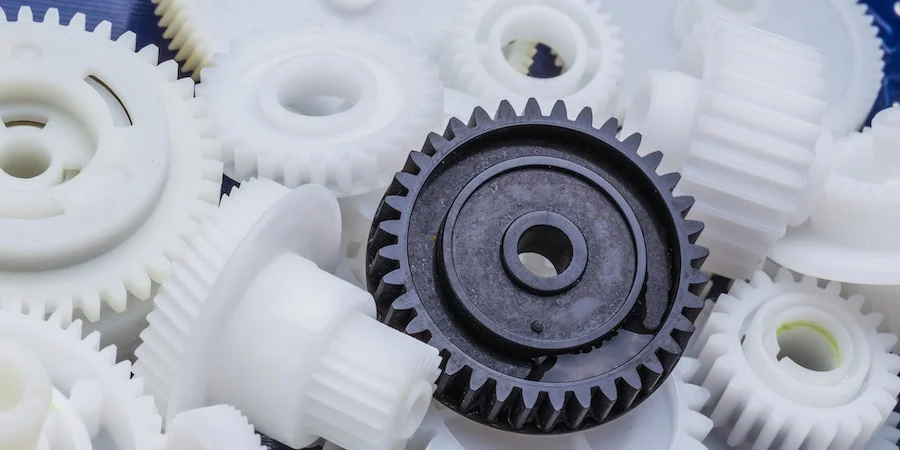
How do injection molded parts compare to other manufacturing methods in terms of cost and efficiency?
Injection molded parts have distinct advantages over other manufacturing methods when it comes to cost and efficiency. The injection molding process offers high efficiency and cost-effectiveness, especially for large-scale production. Here’s a detailed explanation of how injection molded parts compare to other manufacturing methods:
Cost Comparison:
Injection molding can be cost-effective compared to other manufacturing methods for several reasons:
1. Tooling Costs:
Injection molding requires an initial investment in creating molds, which can be costly. However, once the molds are made, they can be used repeatedly for producing a large number of parts, resulting in a lower per-unit cost. The amortized tooling costs make injection molding more cost-effective for high-volume production runs.
2. Material Efficiency:
Injection molding is highly efficient in terms of material usage. The process allows for precise control over the amount of material injected into the mold, minimizing waste. Additionally, excess material from the molding process can be recycled and reused, further reducing material costs compared to methods that generate more significant amounts of waste.
3. Labor Costs:
Injection molding is a highly automated process, requiring minimal labor compared to other manufacturing methods. Once the molds are set up and the process parameters are established, the injection molding machine can run continuously, producing parts with minimal human intervention. This automation reduces labor costs and increases overall efficiency.
Efficiency Comparison:
Injection molded parts offer several advantages in terms of efficiency:
1. Rapid Production Cycle:
Injection molding is a fast manufacturing process, capable of producing parts in a relatively short cycle time. The cycle time depends on factors such as part complexity, material properties, and cooling time. However, compared to other methods such as machining or casting, injection molding can produce multiple parts simultaneously in each cycle, resulting in higher production rates and improved efficiency.
2. High Precision and Consistency:
Injection molding enables the production of parts with high precision and consistency. The molds used in injection molding are designed to provide accurate and repeatable dimensional control. This precision ensures that each part meets the required specifications, reducing the need for additional machining or post-processing operations. The ability to consistently produce precise parts enhances efficiency and reduces time and costs associated with rework or rejected parts.
3. Scalability:
Injection molding is highly scalable, making it suitable for both low-volume and high-volume production. Once the molds are created, the injection molding process can be easily replicated, allowing for efficient production of identical parts. The ability to scale production quickly and efficiently makes injection molding a preferred method for meeting changing market demands.
4. Design Complexity:
Injection molding supports the production of parts with complex geometries and intricate details. The molds can be designed to accommodate undercuts, thin walls, and complex shapes that may be challenging or costly with other manufacturing methods. This flexibility in design allows for the integration of multiple components into a single part, reducing assembly requirements and potential points of failure. The ability to produce complex designs efficiently enhances overall efficiency and functionality.
5. Material Versatility:
Injection molding supports a wide range of thermoplastic materials, providing versatility in material selection based on the desired properties of the final part. Different materials can be chosen to achieve specific characteristics such as strength, flexibility, heat resistance, chemical resistance, or transparency. This material versatility allows for efficient customization and optimization of part performance.
In summary, injection molded parts are cost-effective and efficient compared to many other manufacturing methods. The initial tooling costs are offset by the ability to produce a large number of parts at a lower per-unit cost. The material efficiency, labor automation, rapid production cycle, high precision, scalability, design complexity, and material versatility contribute to the overall cost-effectiveness and efficiency of injection molding. These advantages make injection molding a preferred choice for various industries seeking to produce high-quality parts efficiently and economically.


editor by CX 2024-02-19