
Cara Memilih Roda Penopang (Jockey Wheel)
Metode yang berfokus pada pembeli untuk memilih roda penopang (jockey wheel), dengan menekankan data aplikasi yang terukur daripada pencocokan visual.
Memilih Roda Penggerak: keputusan inti
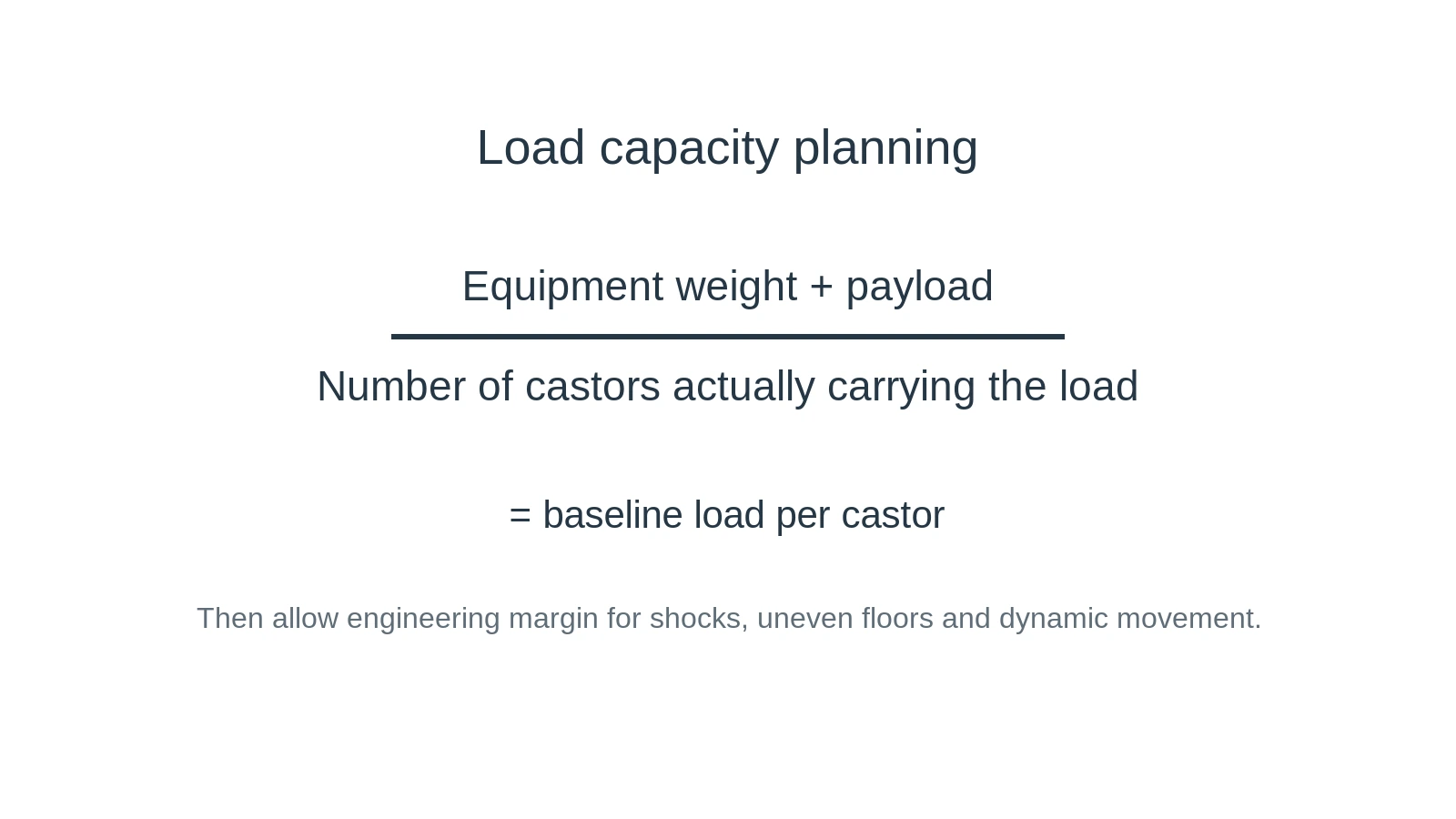
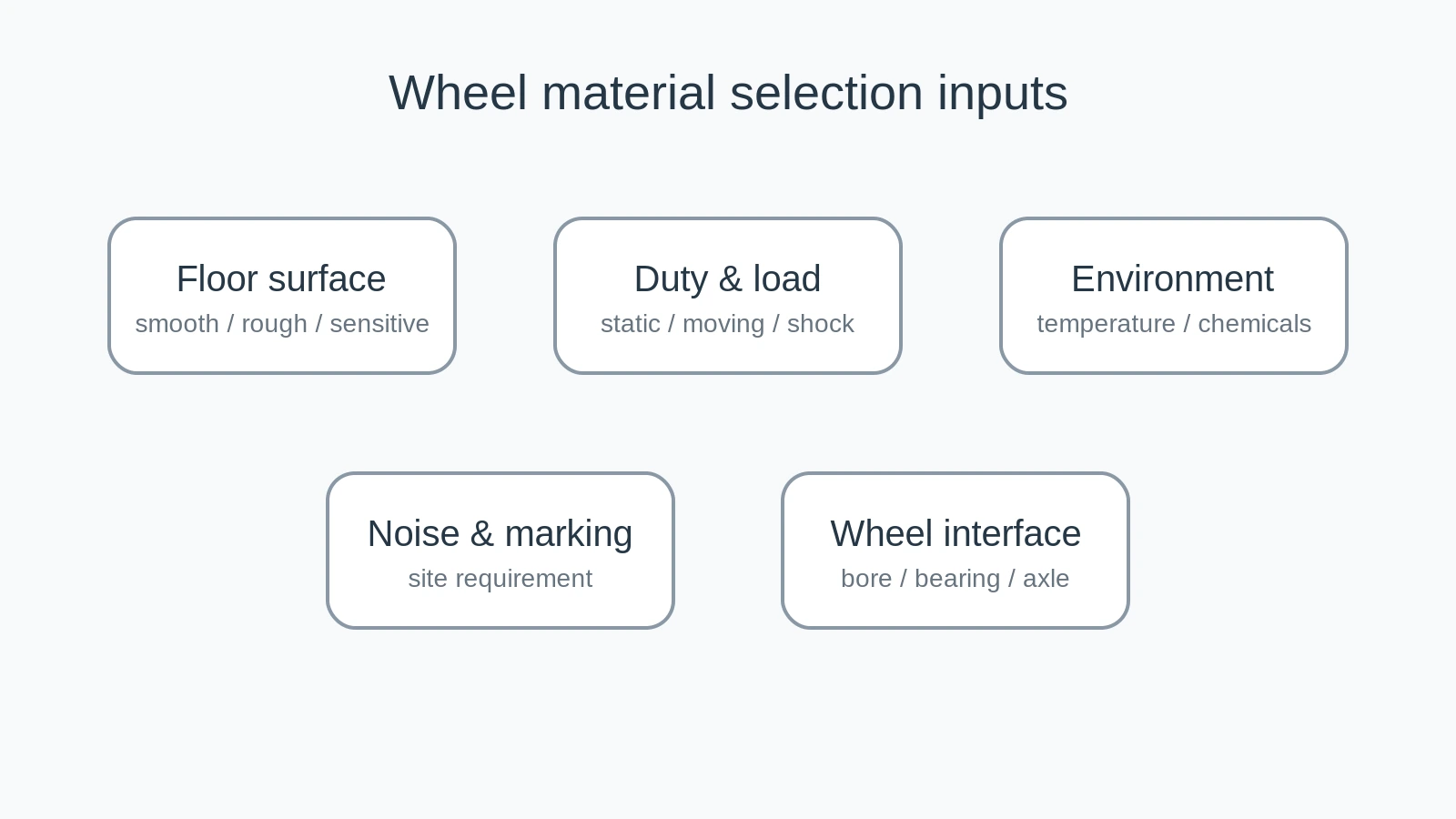
Cara memilih roda penopang (jockey wheel) menjadi lebih mudah jika Anda mulai dengan mempertimbangkan beban batang penarik, kondisi tanah, ukuran/lebar roda, kecocokan tabung/penjepit, jarak tempuh, dan jarak bebas saat terlipat. Tujuannya bukanlah untuk menemukan produk dengan spesifikasi tunggal yang paling mengesankan; melainkan untuk memilih konfigurasi yang beban, geometri, dan lingkungan operasinya sesuai.
Nilai praktis dari cara memilih roda penopang (jockey wheel) hanya terlihat ketika spesifikasi tersebut dikaitkan dengan peralatan yang harus dipindahkan, lantai tempat peralatan tersebut berjalan, dan antarmuka yang menopang beban.
Dalam gerobak industri, alas peralatan, dan sistem penyangga trailer, beban batang penarik, kondisi tanah, ukuran/lebar roda, kesesuaian tabung/penjepit, jarak tempuh, dan jarak bebas saat disimpan harus dianggap sebagai titik pemeriksaan teknik pertama. Setelah itu diketahui, diameter roda, lebar, material, susunan bantalan, dan detail pemasangan dapat ditinjau secara berurutan.
Hindari berasumsi bahwa roda yang lebih besar, polimer yang lebih keras, atau braket yang lebih berat secara otomatis menyelesaikan masalah. Peringkat atau dimensi nominal kehilangan maknanya ketika kondisi pemasangan atau penggunaan berbeda. Oleh karena itu, RFQ (Permintaan Penawaran) yang paling aman mencatat berat, tata letak, lantai, pola pergerakan, dimensi, lingkungan, dan kuantitas sebelum konfigurasi dirilis untuk penawaran. Pada bagian Cara Memilih Roda Penyangga, gunakan poin ini untuk mempersempit pilihan di tingkat keluarga sebelum menganggap konfigurasi individual apa pun sebagai yang sesuai untuk peralatan tersebut.
Pengukuran yang mengontrol pemilihan roda penopang
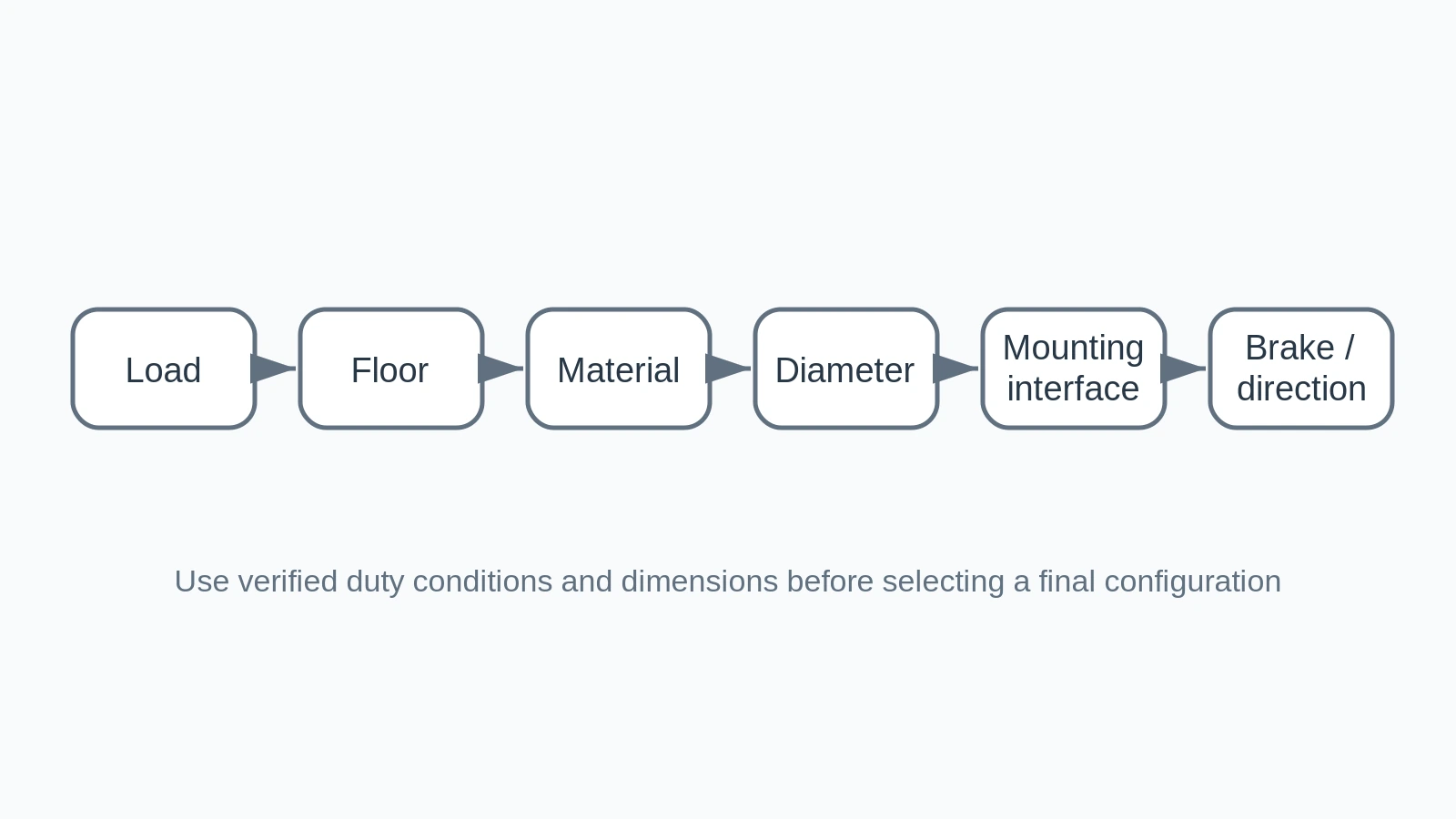
Untuk roda lepas, catat diameter roda, lebar, jenis lubang atau bantalan, diameter poros, panjang hub, dan spacer. Untuk rakitan kastor atau penyangga lengkap, tambahkan tinggi terpasang, dimensi pelat atau diameter tabung, jarak lubang baut, offset, dan ruang untuk gerakan putar, rem, atau lipat. Pada Cara Memilih Roda Penyangga, gunakan poin ini untuk mempersempit pilihan di tingkat keluarga sebelum menganggap konfigurasi individual apa pun cocok untuk peralatan tersebut.
Lakukan pengukuran dari acuan logam yang stabil jika memungkinkan. Tapak yang aus, braket yang bengkok, dan ring improvisasi dapat mengubah dimensi yang tampak dari rakitan lama.
Asumsi beban untuk memilih roda penopang
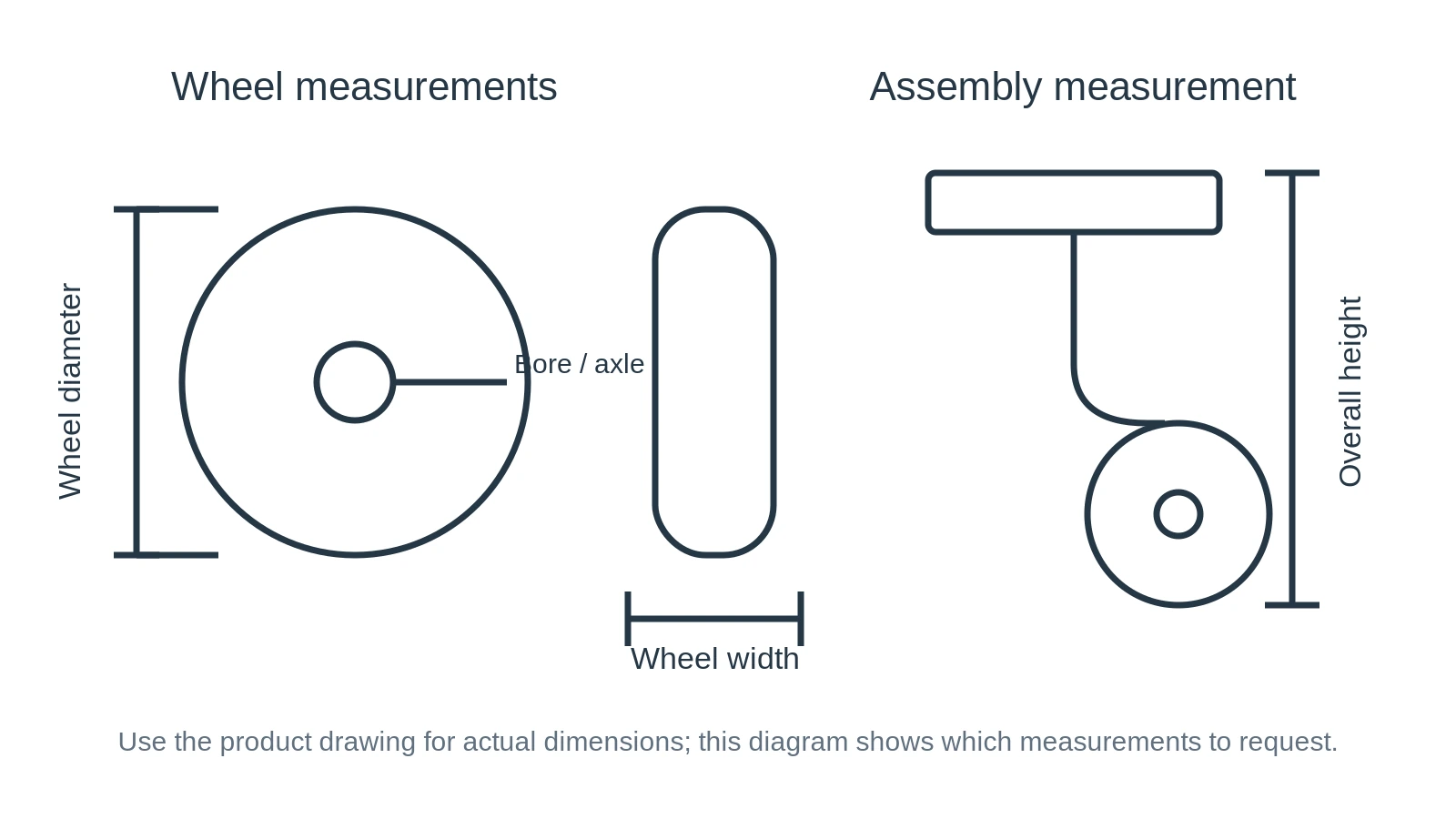
Perhitungan beban awal menggunakan berat mati peralatan ditambah muatan maksimum dan dibagi dengan jumlah roda penopang yang andal. Pada peralatan sebenarnya, lantai dan rangka dapat mencegah pembagian beban yang merata, sehingga biasanya diperlukan toleransi keselamatan. Benturan pada sambungan, tanjakan, atau ambang batas dapat meningkatkan beban sesaat di atas kondisi statis yang tenang. Pada bagian Cara Memilih Roda Penopang, gunakan poin ini untuk mempersempit pilihan di tingkat keluarga sebelum menganggap konfigurasi individual apa pun sebagai yang sesuai untuk peralatan tersebut.
Untuk roda penopang (jockey wheels), jangan sampai Anda salah mengartikan berat kotor trailer dengan beban yang ditanggung pada titik penopang batang penarik.
Interaksi material dan lantai dalam memilih roda penopang.
Roda termoplastik keras seperti nilon dan polipropilen dapat digunakan untuk banyak tugas industri, tetapi tidak dapat saling menggantikan di setiap lingkungan. Jenis polimer yang tepat, jenis permukaan lantai, kontaminasi, bahan kimia, suhu, dan tingkat kebisingan sangat penting. Jika sifat tidak meninggalkan bekas atau ketahanan terhadap pencucian merupakan hal penting, sertakan sebagai persyaratan daripada hanya berasumsi berdasarkan warna. Pada bagian Cara Memilih Roda Penopang, gunakan poin ini untuk mempersempit pilihan di tingkat keluarga sebelum menganggap konfigurasi individual apa pun cocok untuk peralatan tersebut.
Faktor pemasangan dan kontrol untuk memilih roda penopang (jockey wheel).
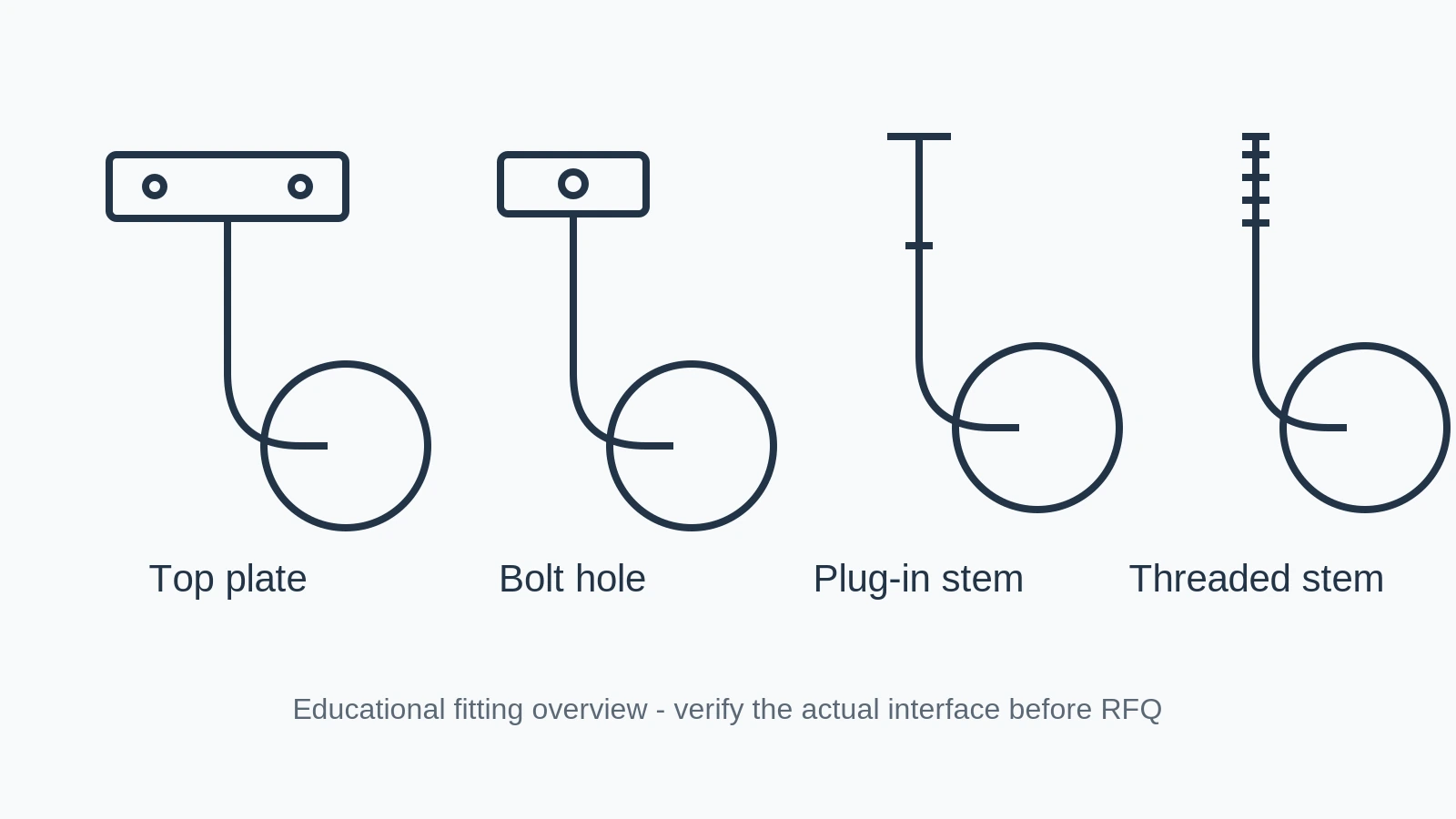
Produk roda saja, roda kastor tetap, roda kastor putar, roda kastor yang dapat direm, dan rakitan dongkrak trailer memecahkan berbagai masalah pergerakan. Gaya pemasangan harus sesuai dengan rangka dan fungsi kontrol harus sesuai dengan cara pengoperasian peralatan. Rem roda, kunci putar, dan kunci total bukanlah fungsi yang setara. Pada bagian Cara Memilih Roda Penopang, gunakan poin ini untuk mempersempit pilihan di tingkat keluarga sebelum menganggap konfigurasi individual apa pun sebagai yang sesuai untuk peralatan tersebut.
Lembar kerja perbandingan untuk memilih roda penggerak
| Bidang | Rekam sebelum meminta penawaran |
|---|---|
| Peralatan | Jenis, berat mati, dan muatan maksimum. |
| Tata Letak | Jumlah dan posisi roda penopang |
| Roda | Diameter, lebar, dan material (jika diketahui). |
| Antarmuka | Dimensi lubang/bantalan/poros atau pelat/tabung/batang |
| Pergerakan | Jarak tempuh, pola belok, kecepatan, dan frekuensi |
| Lantai | Permukaan, sambungan, tanjakan, puing-puing, air/bahan kimia |
| Kontrol | Fungsi rem atau kunci |
| Komersial | Jumlah, tujuan, dan tujuan sampel |
Masukkan pilihan roda penggerak ke dalam RFQ.
Cantumkan satu konfigurasi pada setiap baris RFQ dan lampirkan foto atau gambar yang sesuai dengan baris tersebut. Hindari mengirimkan satu set gambar campuran untuk beberapa roda yang berbeda kecuali setiap item diberi label dengan jelas. Jika dimensi yang tidak diketahui memengaruhi kecocokan, tandai sebagai "perlu dikonfirmasi" daripada memasukkan asumsi. Pada bagian Cara Memilih Roda Penyangga, gunakan poin ini untuk mempersempit pilihan di tingkat keluarga sebelum menganggap konfigurasi individual apa pun cocok untuk peralatan tersebut.
Gunakan pusat produk, tinjauan panduan aplikasiatau pergi ke formulir penawaran ketika dimensi dasar sudah siap.
Pilih pertanyaan Roda Penggerak
Apakah saya harus memilih berdasarkan jenis material atau muatan terlebih dahulu?
Mulailah dengan tugas dan beban, kemudian periksa material terhadap lantai dan lingkungan sekitar.
Apakah diameter roda sama dengan tinggi terpasang?
Tidak. Tinggi terpasang sudah termasuk braket atau garpu dan berpengaruh pada kerataan dan jarak bebas peralatan.
Bagaimana jika saya hanya memiliki sampel lama?
Foto komponen tersebut sebelum dibongkar dan ukur dimensi yang mengontrol kecocokan, catat keausan atau modifikasi yang ada.
Bisakah pemasok menentukan dimensi yang hilang?
Pemasok dapat menyarankan beberapa opsi, tetapi dimensi yang sangat penting untuk kesesuaian produk harus diukur atau disetujui oleh pembeli.
Merekam keputusan memilih roda jockey
Jaga agar keputusan teknis dan komersial tetap sinkron. Jika rekayasa mengubah diameter roda, material, atau pemasangan, perbarui deskripsi baris RFQ serta gambarnya. Jika pembelian menggabungkan model, simpan dimensi dan kuantitas setiap model secara terpisah. Ini mengurangi kesalahan antar model selama penawaran dan revisi selanjutnya. Pada bagian Cara Memilih Roda Penyangga, gunakan poin ini untuk mempersempit pilihan tingkat keluarga sebelum menganggap konfigurasi individual apa pun cocok untuk peralatan tersebut.
Untuk pesanan selanjutnya, bandingkan persyaratan baru dengan konfigurasi yang telah disetujui sebelumnya, alih-alih mengandalkan nama produk yang sama.
Buat lembar kerja pilih roda penopang yang dapat diulang.
Gunakan panduan cara memilih roda penopang sebagai lembar kerja, bukan sebagai latihan membaca sekali saja. Tempatkan setiap konfigurasi kandidat dalam satu kolom dan simpan asumsi aplikasi dalam blok tetap di atas perbandingan: berat peralatan atau beban penopang, titik penopang, lantai atau tanah, pola perjalanan, area pemasangan, dan fungsi kontrol yang dibutuhkan. Hal ini membuat informasi yang hilang terlihat dan mencegah satu kandidat dievaluasi berdasarkan deskripsi tugas yang lebih mudah daripada kandidat lainnya.
Jika suatu nilai tidak diketahui, tandai untuk konfirmasi. Item terbuka yang eksplisit lebih bermanfaat daripada dimensi perkiraan yang kemudian tertanam dalam pesanan pembelian. Pada bagian Cara Memilih Roda Penggerak, gunakan poin ini untuk mempersempit pilihan tingkat keluarga sebelum memperlakukan konfigurasi individual apa pun sebagai yang sesuai untuk peralatan tersebut.
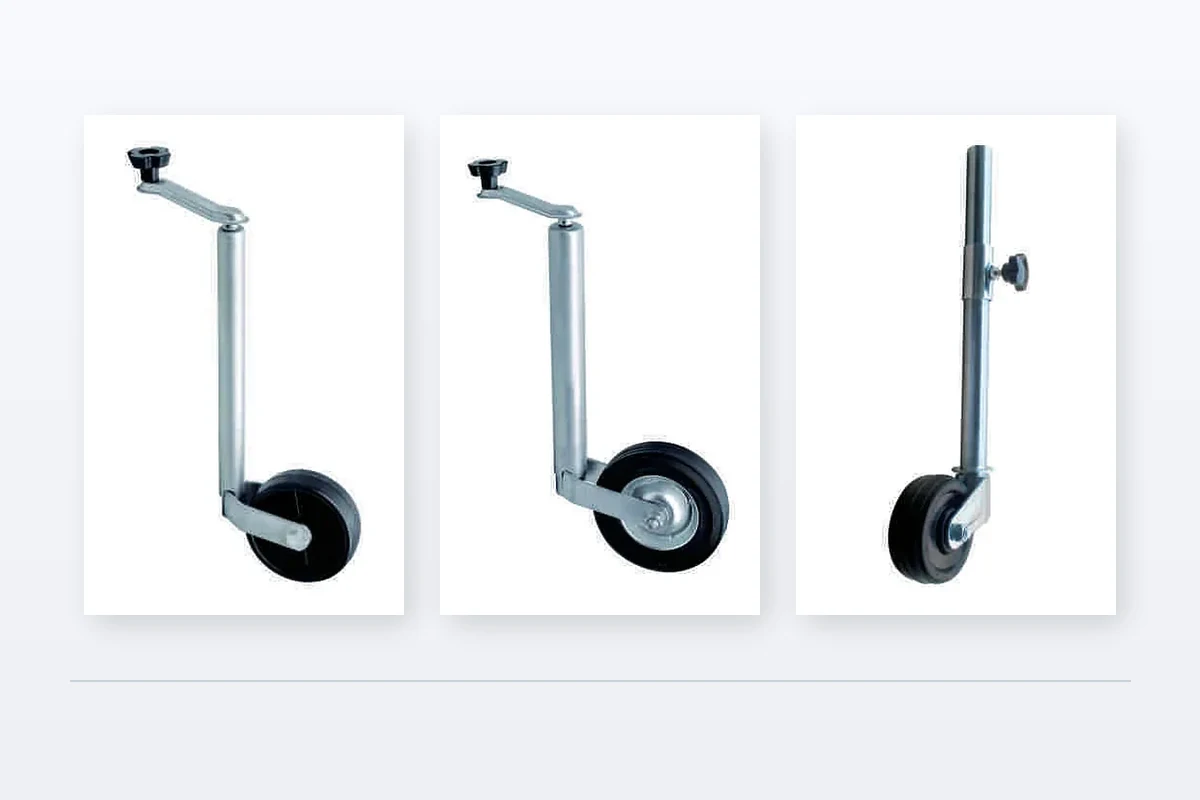
Konfirmasikan antarmuka sebelum memilih fitur roda pemandu opsional.
Material, lapisan akhir, dan fungsi rem opsional tidak dapat menyelamatkan antarmuka pemasangan yang salah. Ukur dimensi lubang, hub, poros, pelat, batang, tabung, atau klem yang sebenarnya menempatkan bagian tersebut pada peralatan. Catat juga tinggi terpasang dan jarak bebas di dekatnya di mana roda atau rakitan bergerak melalui jalur putar, lipat, atau angkat. Pada Cara Memilih Roda Penyangga, gunakan poin ini untuk mempersempit pilihan di tingkat keluarga sebelum menganggap konfigurasi individual apa pun cocok untuk peralatan tersebut.
Untuk pekerjaan penggantian, foto bagian lama saat masih terpasang. Hubungan antara roda, rangka, dan pengencang seringkali lebih informatif daripada bagian yang terlepas yang difoto di atas meja. Pada Cara Memilih Roda Penyangga, gunakan poin ini untuk mempersempit pilihan di tingkat keluarga sebelum menganggap konfigurasi individual apa pun cocok untuk peralatan tersebut.
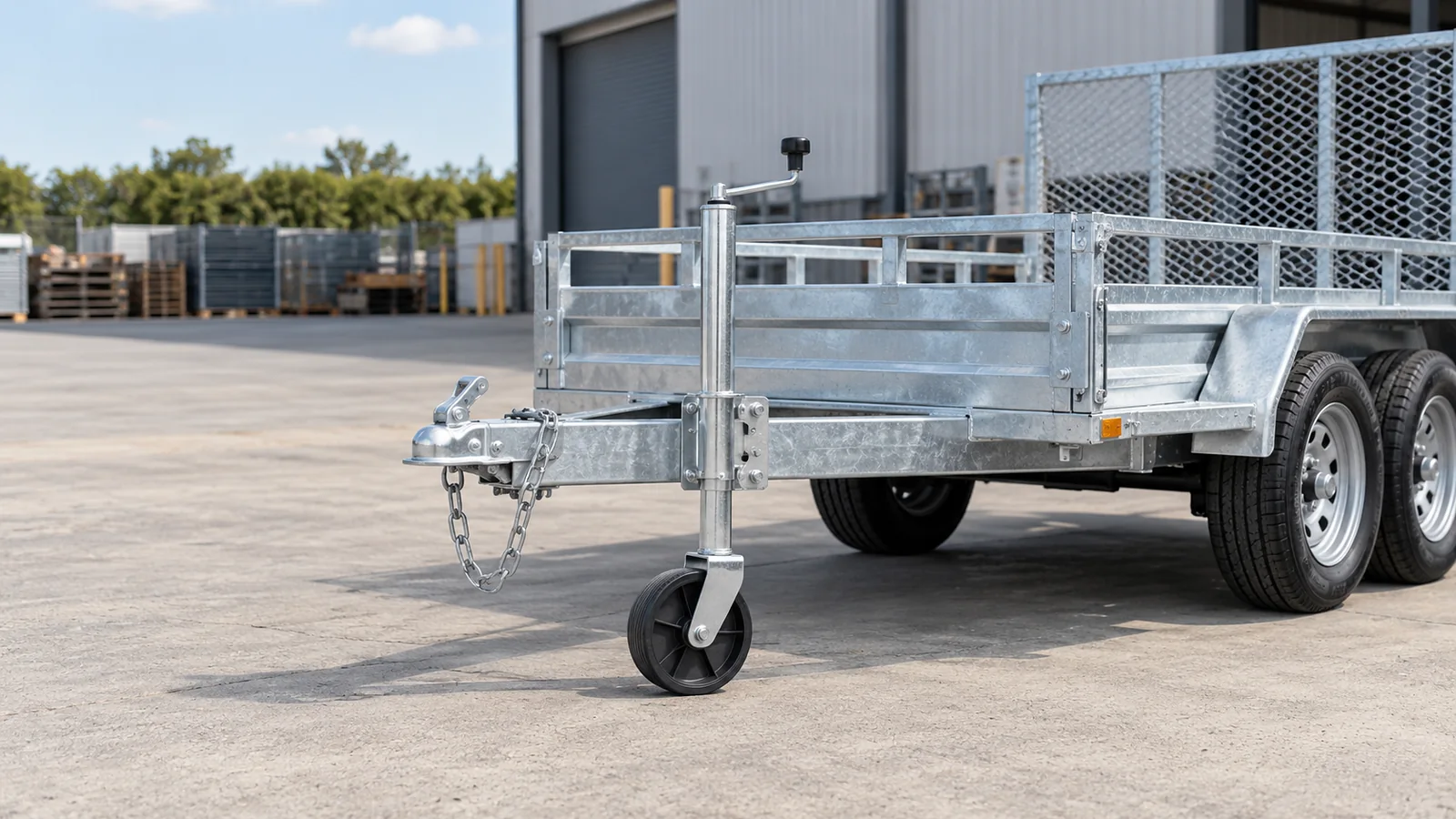
Validasi asumsi pemilihan roda penopang selama proses komisioning.
Setelah pemasangan, amati pergerakan pertama di bawah beban terkontrol. Perhatikan adanya hambatan, goyangan roda, upaya kemudi yang tidak terduga, pergerakan braket, gesekan, dan gangguan. Lakukan pengujian pada sambungan lantai atau transisi tanah yang relevan dengan aplikasi, bukan hanya pada area datar yang bersih. Pada bagian Cara Memilih Roda Penyangga, gunakan poin ini untuk mempersempit pilihan di tingkat keluarga sebelum menganggap konfigurasi individual apa pun cocok untuk peralatan tersebut.
Dokumentasikan setiap penyesuaian dan simpan konfigurasi yang diterima bersama catatan peralatan. Hal itu memberikan referensi yang berguna bagi bagian perawatan dan pembelian ketika terjadi keausan atau suku cadang yang sama diminta lagi. Pada bagian Cara Memilih Roda Penyangga (Jockey Wheel), gunakan poin ini untuk mempersempit pilihan di tingkat keluarga sebelum menganggap konfigurasi individual apa pun sebagai yang sesuai untuk peralatan tersebut.
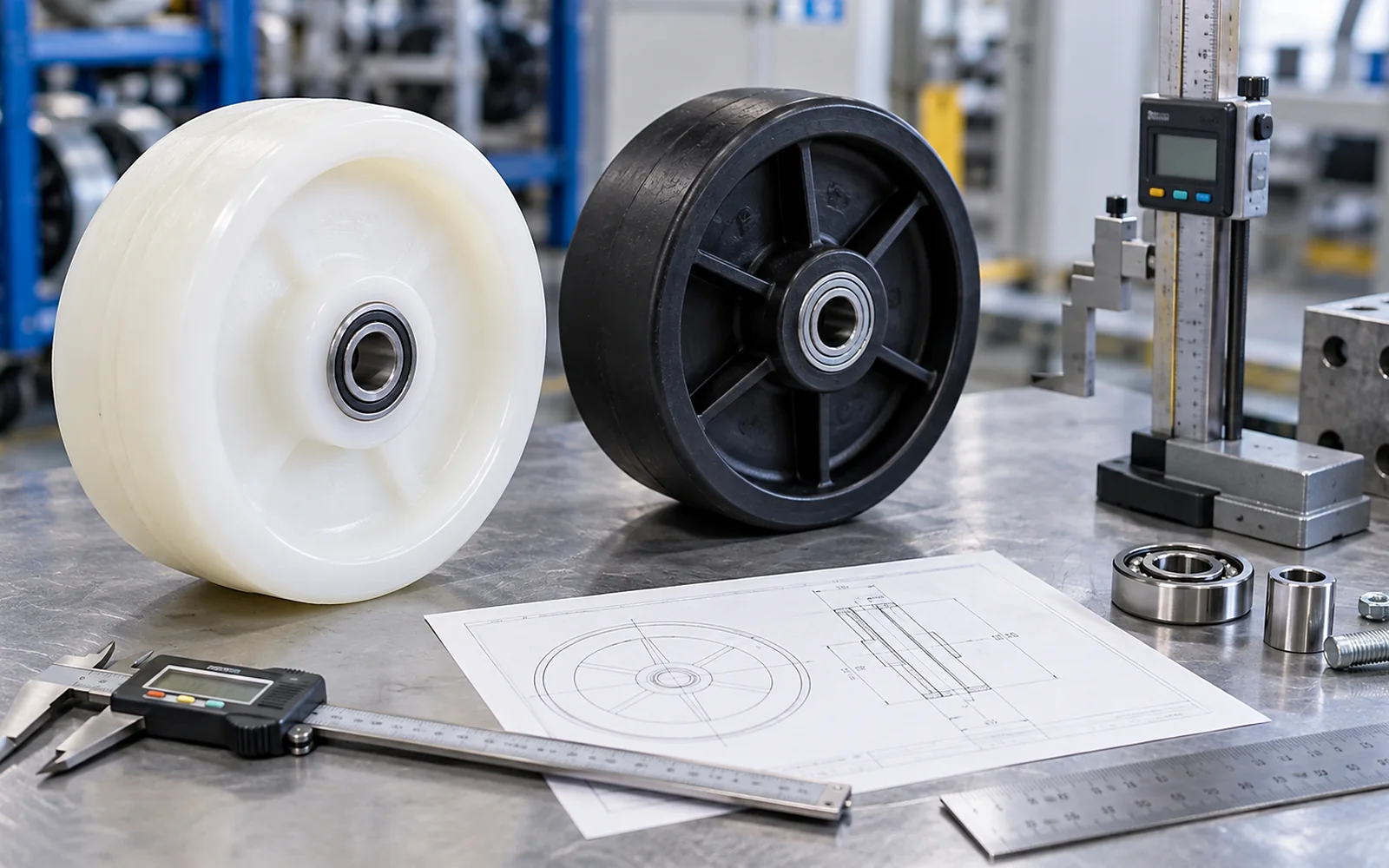
Gunakan daftar periksa cara memilih roda penopang ini dalam RFQ Anda.
Kirimkan beban, dimensi, kondisi pengoperasian, dan kuantitas yang relevan dengan cara memilih roda penopang agar tinjauan produk dapat dimulai dari masukan yang terukur.