
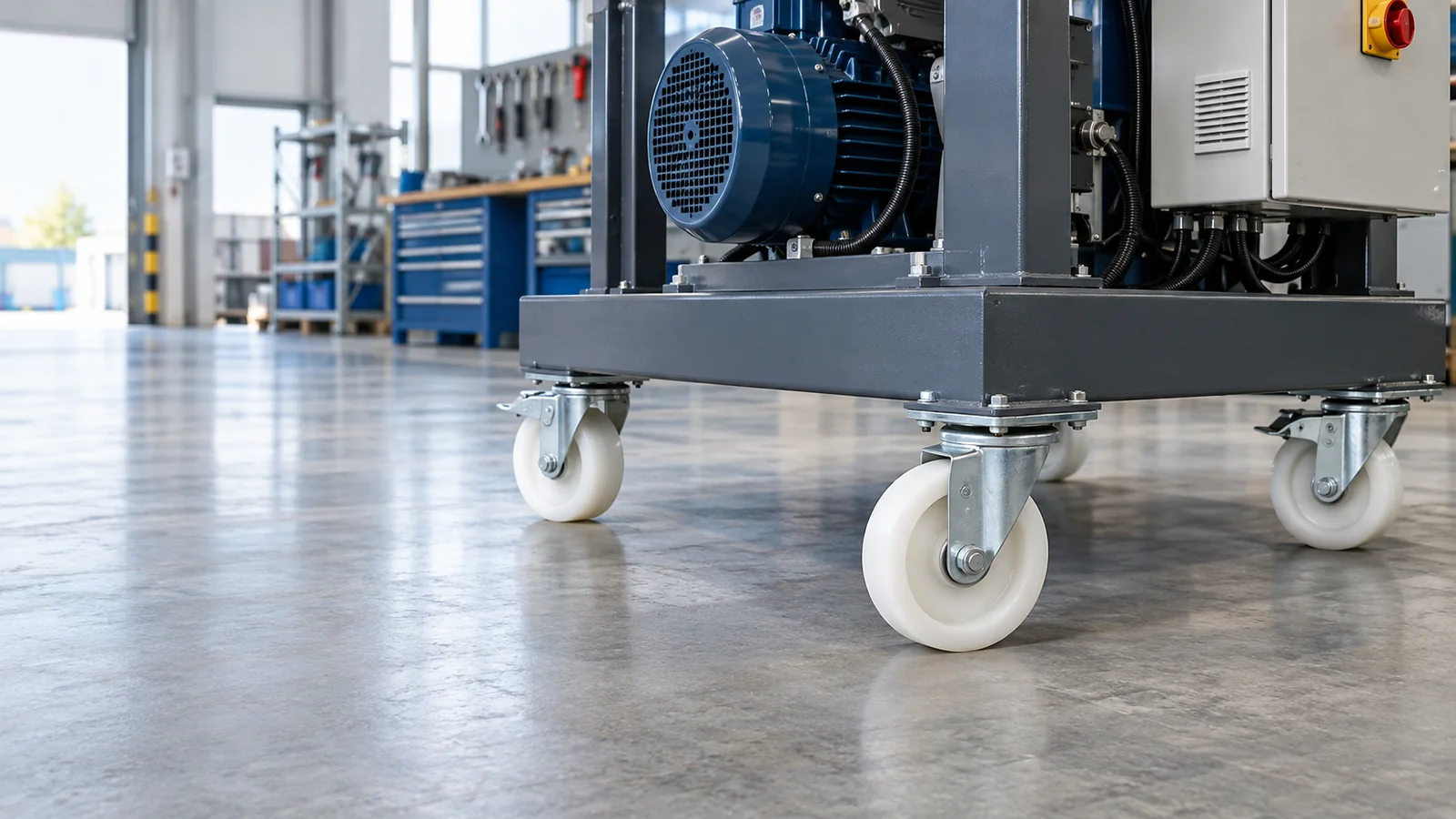
Roda Dasar Mesin
Pemilihan roda untuk alas mesin memerlukan pertimbangan bersama terhadap detail beban, lantai, pemasangan, dan manuver.
Mulailah dari peralatannya, bukan nama katalognya — Roda Dasar Mesin
Tim pengadaan sering kali menemukan istilah Roda Dasar Mesin dalam katalog, tetapi keputusan pembelian menjadi lebih jelas ketika istilah tersebut diubah menjadi persyaratan operasional yang terukur.
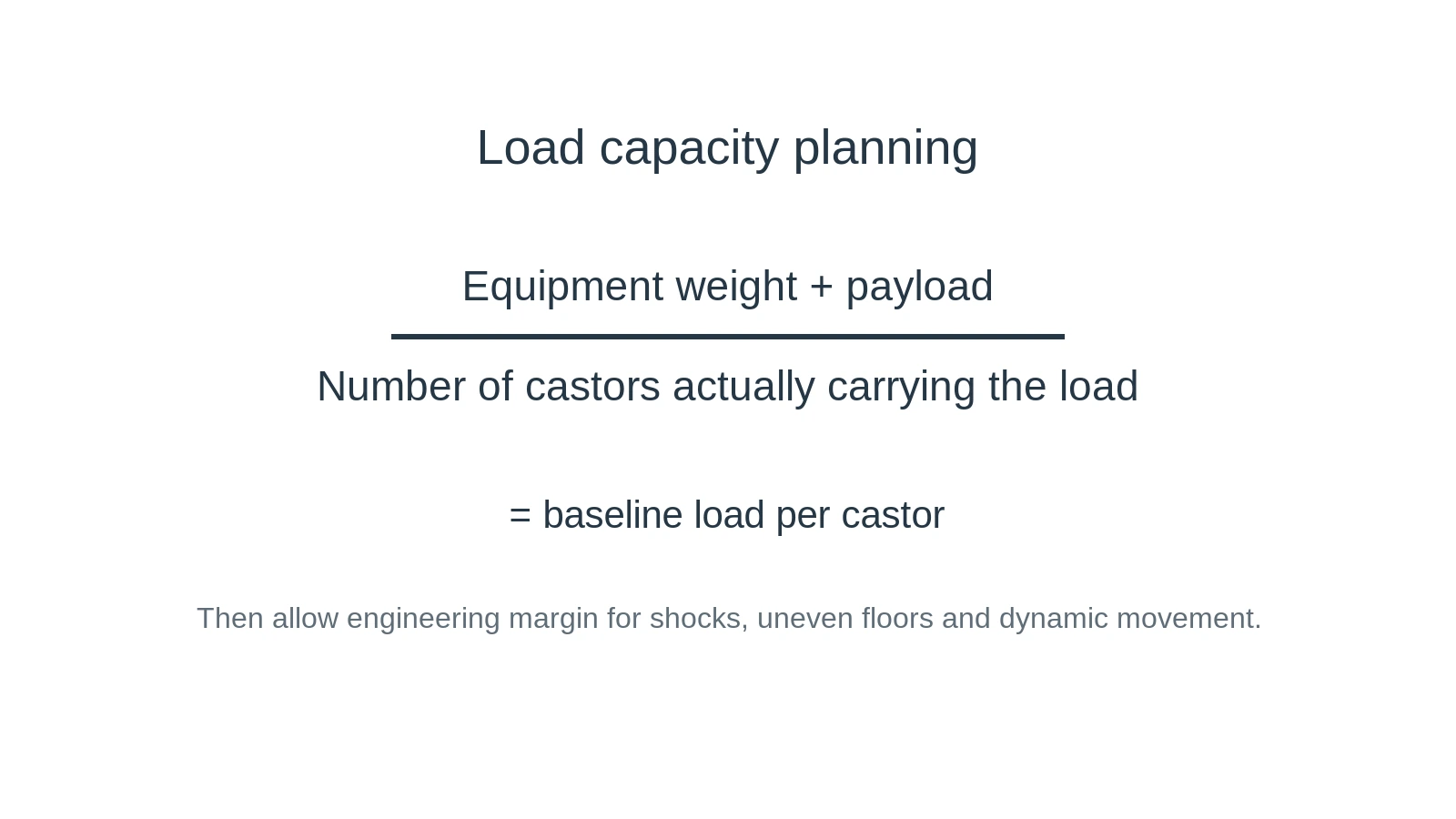
Oleh karena itu, dalam pemilihan roda dasar mesin, pemilihan harus dimulai dengan berat mati, beban maksimum yang dapat ditanggung, dan jumlah titik tumpu. Hal ini memastikan bahwa pilihan dimensi atau material tetap terhubung dengan pekerjaan yang harus dilakukan, bukan dengan deskripsi produk yang umum.
Kesalahan umum adalah memperlakukan satu parameter yang menarik sebagai keseluruhan spesifikasi. Dampak dinamis, kontak lantai yang tidak rata, atau puntiran rangka dapat memusatkan beban pada lebih sedikit roda daripada yang diharapkan. Catatan pembelian yang lebih baik mencakup berat peralatan, muatan, jumlah roda, kecepatan perjalanan, transisi lantai, dan pola belok, sehingga pemasok dapat membandingkan hal yang serupa dan menandai dimensi yang hilang daripada menebak-nebak. Pada Roda Dasar Mesin, gunakan poin ini untuk mempersempit pilihan tingkat keluarga sebelum memperlakukan konfigurasi individual apa pun sebagai yang sesuai untuk peralatan tersebut.
Pola lantai dan pergerakan — Roda Dasar Mesin
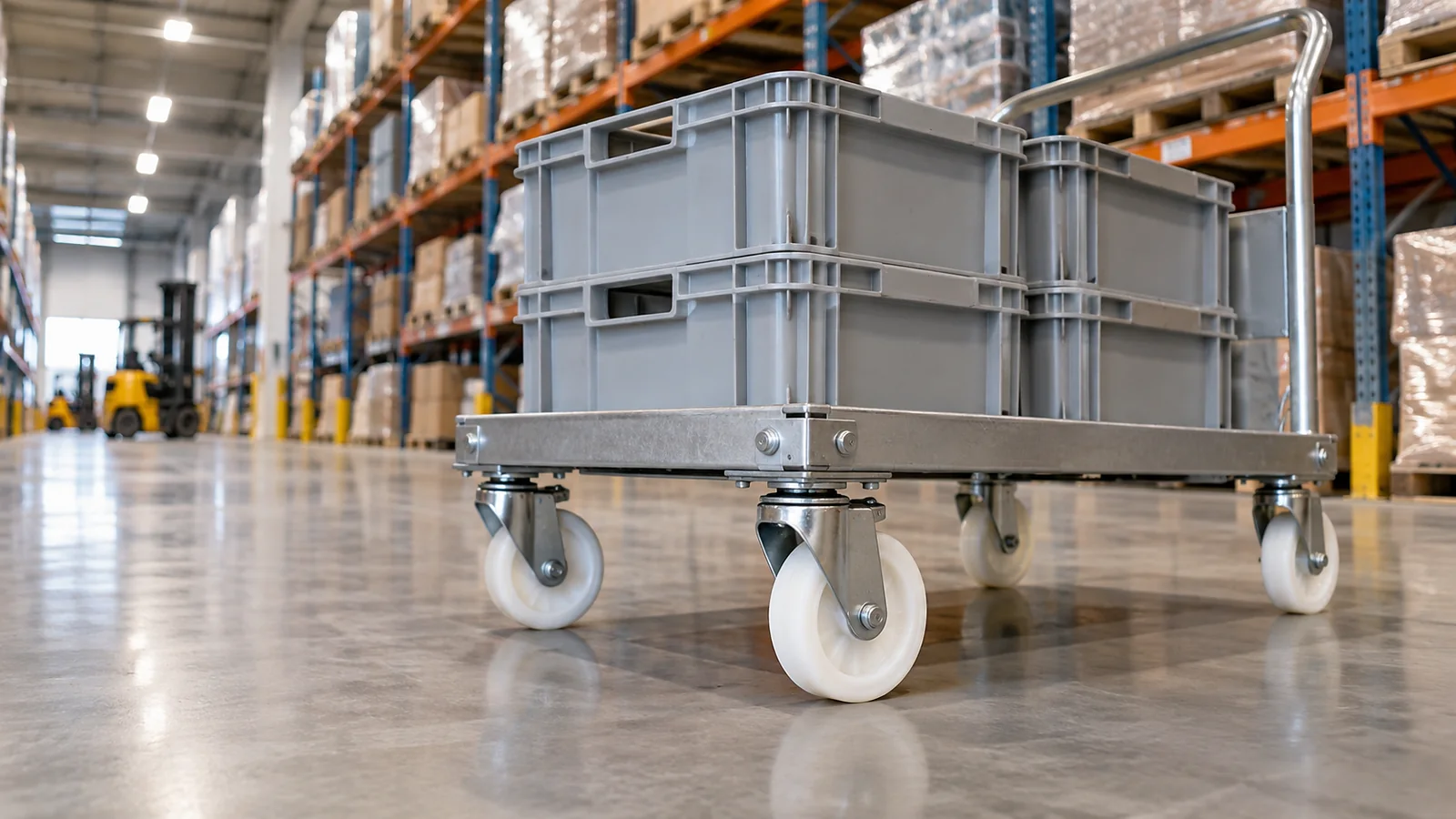
Kereta dorong yang sama dapat berperilaku berbeda di atas beton poles, lantai resin, aspal, paving, atau tanah yang dipadatkan. Catat jarak tempuh terpanjang, radius putar tipikal, ambang batas, dan tanjakan. Roda keras dapat bergulir secara efisien di lantai halus yang sesuai, sementara pilihan material atau geometri lain dapat dipertimbangkan ketika kebisingan, guncangan, atau perlindungan permukaan lebih penting. Pada Roda Dasar Mesin, gunakan poin ini untuk mempersempit pilihan tingkat keluarga sebelum menganggap konfigurasi individual apa pun cocok untuk peralatan tersebut.
Jangan sembunyikan lantai yang tidak rata di balik perhitungan beban yang optimis. Jika rangka dapat bergoyang di sepanjang sambungan, perhitungkan pembagian beban yang tidak sempurna dan pastikan bahwa braket dan roda tetap berada dalam kapasitas beban yang dimaksudkan. Pada Roda Dasar Mesin, gunakan poin ini untuk mempersempit pilihan di tingkat keluarga sebelum menganggap konfigurasi individual apa pun cocok untuk peralatan tersebut.
Pemasangan dan jarak bebas — Roda Dasar Mesin
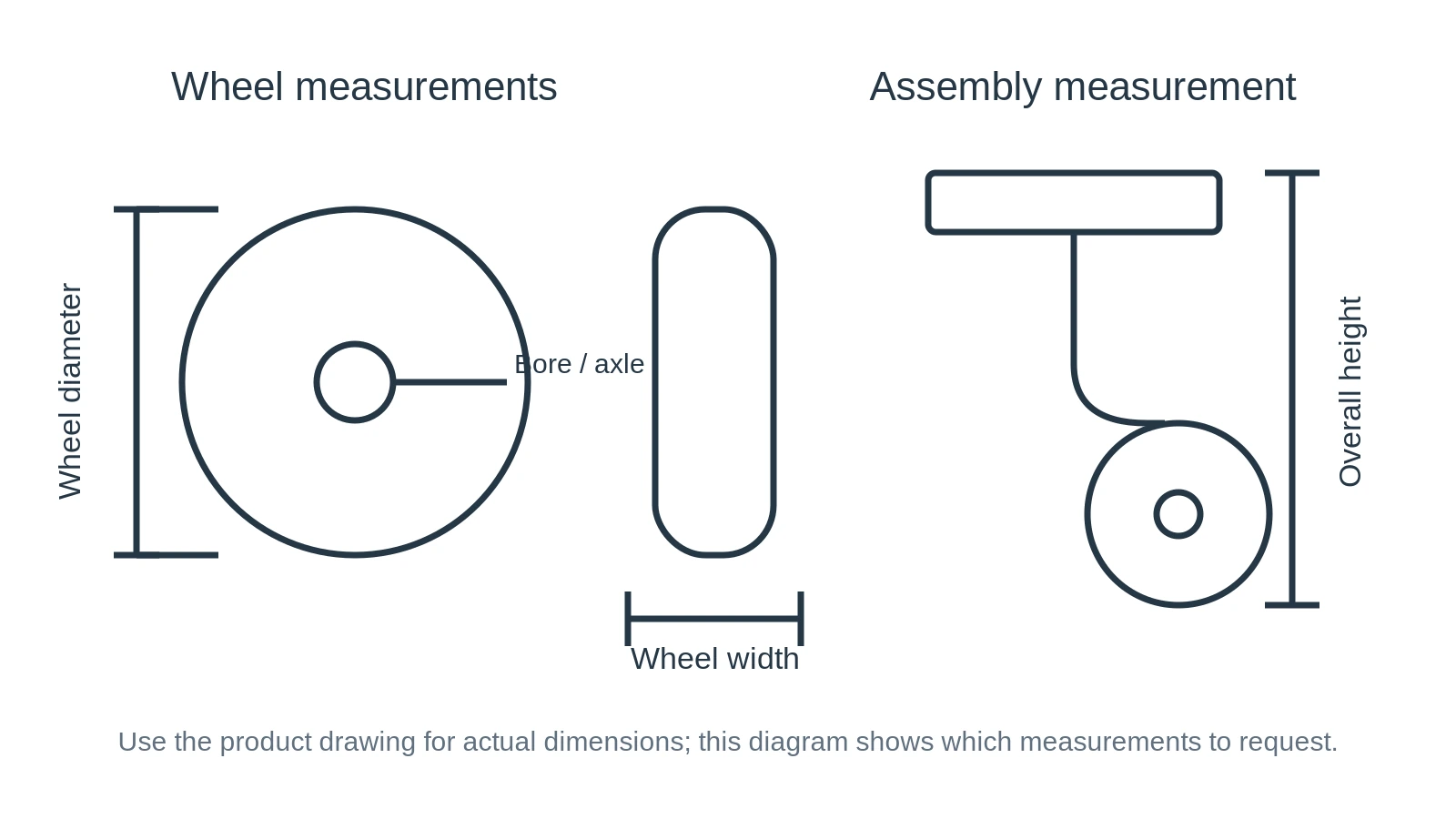
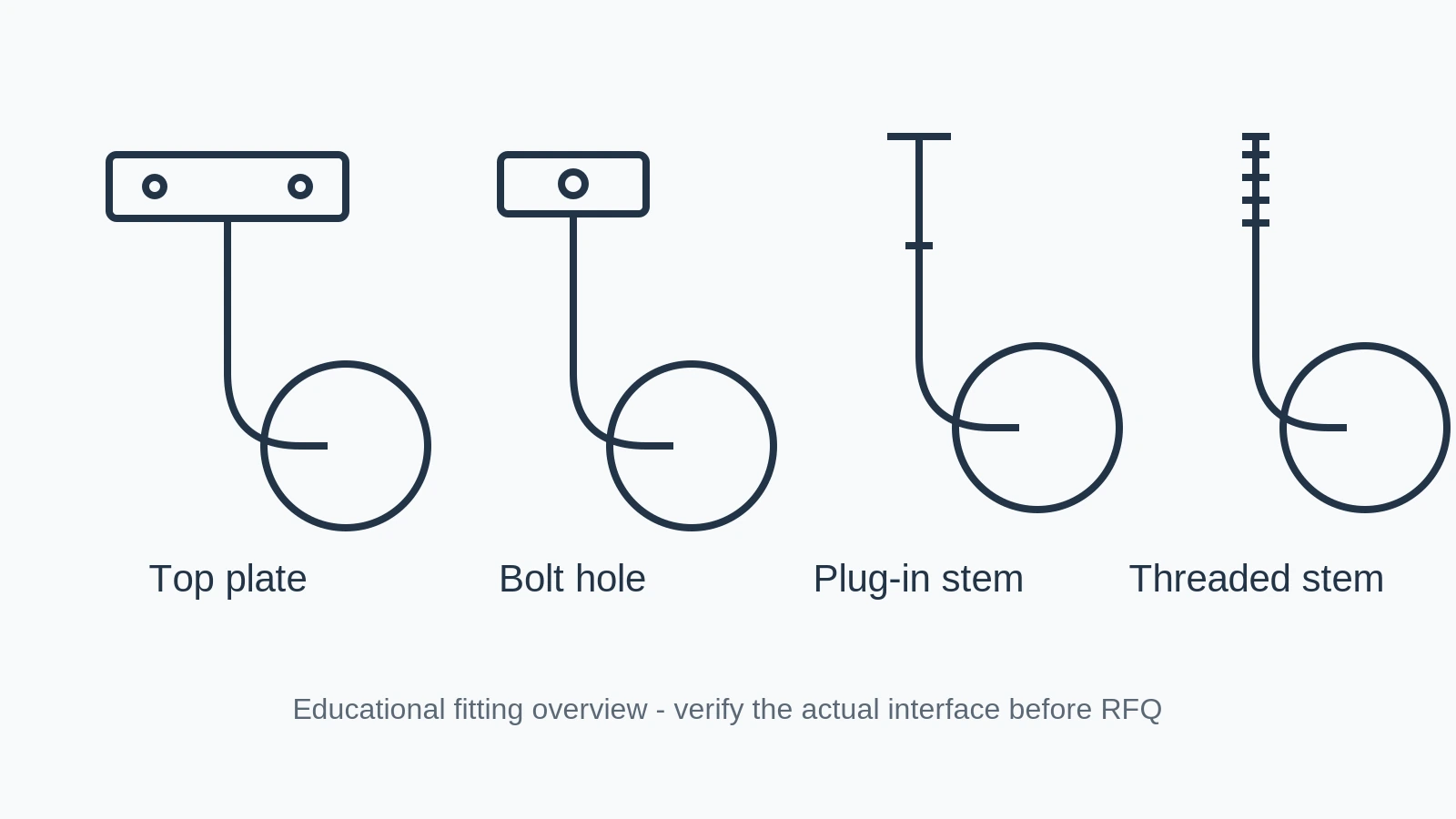
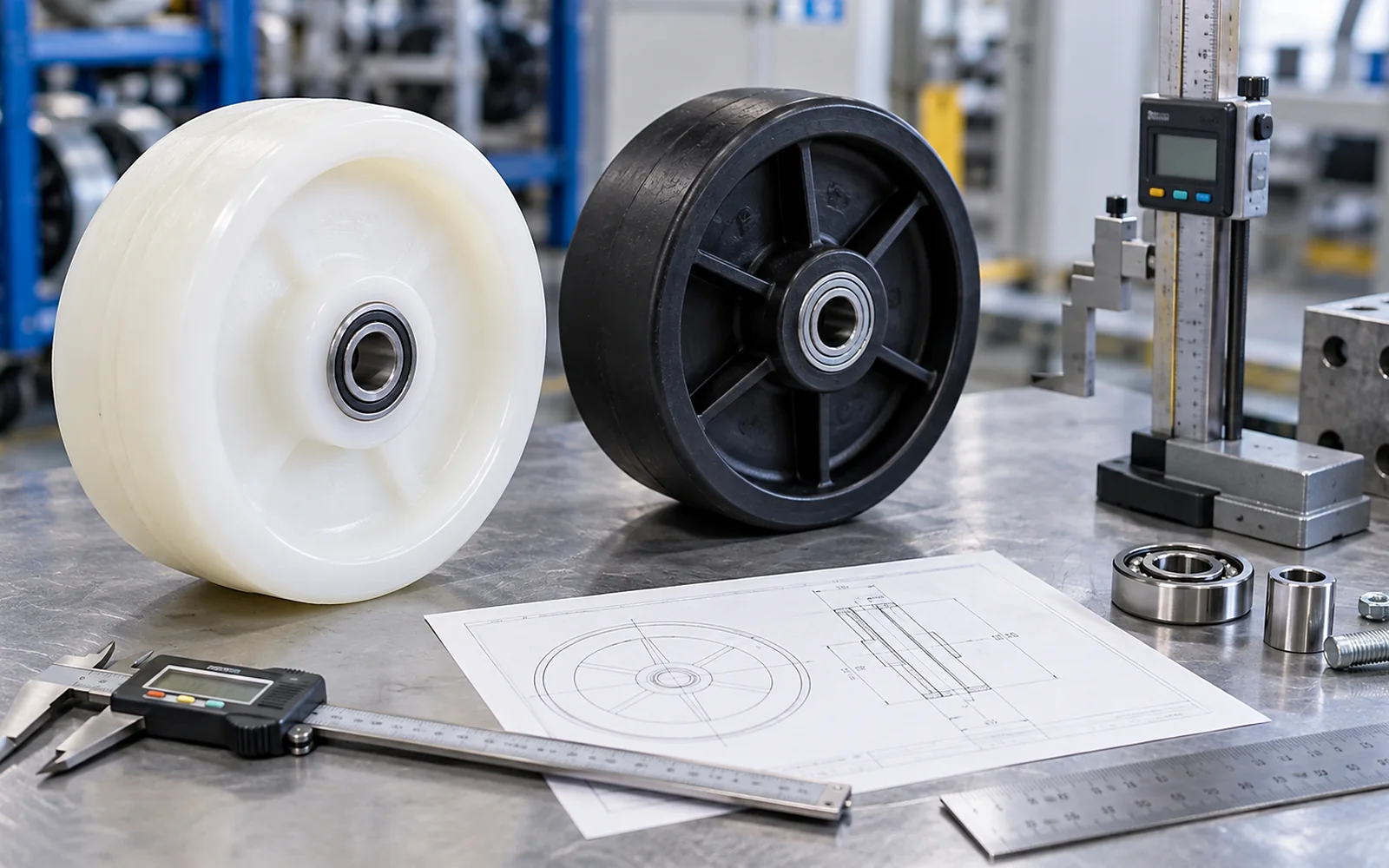
Ukur antarmuka yang menghubungkan roda atau rakitan penyangga ke peralatan. Jarak lubang pelat, diameter lubang baut, dimensi batang berulir, ukuran klem tabung, kesesuaian poros/lubang, dan tinggi pemasangan dapat menentukan kompatibilitas. Periksa juga area yang dilalui saat roda berputar atau dongkrak dilipat. Pada Roda Dasar Mesin, gunakan poin ini untuk mempersempit pilihan tingkat keluarga sebelum menganggap konfigurasi individual apa pun cocok untuk peralatan tersebut.
Pelindung di dekatnya, baki kabel, sambungan trailer, dan elemen struktural harus ditunjukkan pada gambar atau foto. Komponen yang pas di bangku mungkin masih bertabrakan saat peralatan berbelok, menarik diri, atau melewati tanjakan. Pada Roda Dasar Mesin, gunakan poin ini untuk mempersempit pilihan tingkat keluarga sebelum menganggap konfigurasi individual apa pun cocok untuk peralatan tersebut.
Bahan dan diameter roda — Roda Dasar Mesin
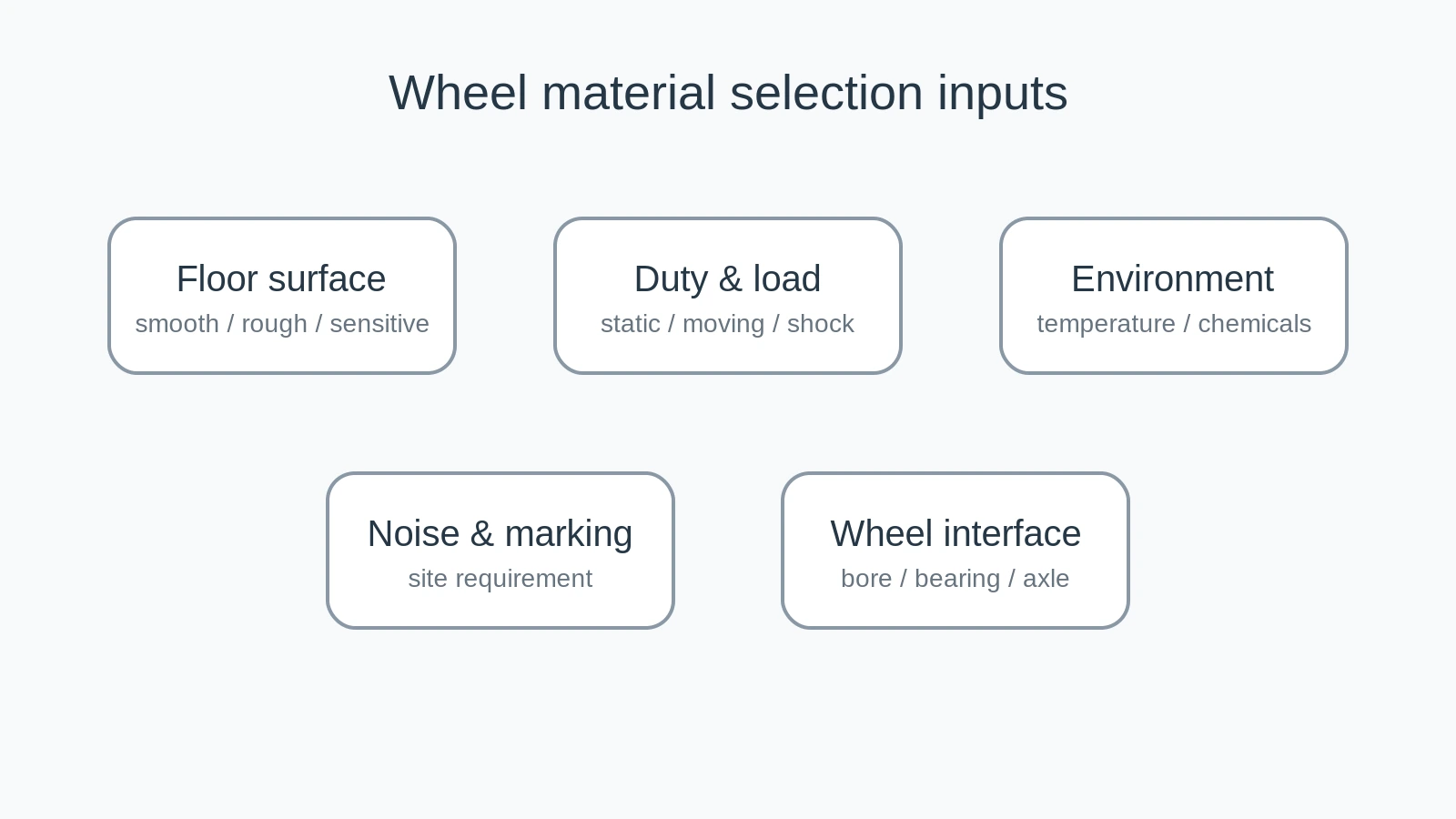
Pemilihan material harus menghubungkan roda dengan lantai dan lingkungan sebenarnya. Nilon dan polipropilen adalah keluarga termoplastik keras, tetapi tingkatan, susunan bantalan, kontaminasi, dan suhu dapat mengubah kesesuaiannya. Diameter yang lebih besar umumnya meningkatkan geometri penyeberangan rintangan dan jarak bebas ke tanah, tetapi dapat meningkatkan tinggi pemasangan atau memerlukan garpu yang lebih besar. Pada Roda Dasar Mesin, gunakan poin ini untuk mempersempit pilihan tingkat keluarga sebelum menganggap konfigurasi individual apa pun cocok untuk peralatan tersebut.
Saat membandingkan dua diameter, periksa keseluruhan area pemasangan, bukan hanya ukuran roda saja.
Tinjauan integrasi — Roda Dasar Mesin
| Memeriksa | Pertanyaan untuk dijawab |
|---|---|
| Memuat | Berapa massa yang secara realistis dapat dilihat oleh satu titik penopang? |
| Bepergian | Apakah peralatan tersebut sebagian besar diam di tempat, didorong dengan tangan, ditarik, atau sering dipindahkan? |
| Lantai | Apa saja sambungan, puing, tanjakan, air, atau bahan kimia yang ada? |
| Antarmuka | Dimensi mana yang mengontrol pemasangan dan tinggi instalasi? |
| Kontrol | Apakah diperlukan rem roda, kunci putar, kunci arah, atau gerakan bebas? |
| Melayani | Bagaimana cara memeriksa dan mengganti roda, bantalan, atau rakitannya? |
Persiapan RFQ — Roda Dasar Mesin
- Massa keseluruhan peralatan dan muatan
- Jumlah dan tata letak roda/rakitan
- Diameter, lebar, dan tinggi pemasangan roda yang ada
- Dimensi atau gambar pemasangan
- Deskripsi lantai/tanah dan ketinggian rintangan
- Pola pergerakan dan kebutuhan pengereman
- Jumlah dan tujuan
Tinjau kembali panduan seleksibandingkan yang tersedia roda plastikatau kirim detailnya melalui Halaman Permintaan Penawaran (RFQ).
Pertanyaan umum — Roda Alas Mesin
Mengapa rangka roda empat terkadang hanya membebani tiga roda?
Ketidakrataan lantai dan kekakuan rangka dapat mengurangi beban pada salah satu sudut, sehingga meningkatkan beban pada sudut lainnya.
Apakah roda yang lebih besar selalu mengurangi gaya dorong?
Diameter yang lebih besar dapat membantu mengatasi hambatan, tetapi bantalan, material, lantai, beban, dan penyelarasan juga memengaruhi upaya yang dibutuhkan.
Apa yang seharusnya ditampilkan pada foto pengganti?
Tunjukkan sudut peralatan, roda, atau rakitan dari samping, permukaan pemasangan, dan skala pada dimensi-dimensi penting.
Kapan roda ganda berguna?
Tata letak roda ganda mengubah kontak dengan permukaan tanah dan geometri paket, tetapi tidak otomatis lebih baik; periksa beban, permukaan, dan kebutuhan kemudi.
Perspektif pengoperasian dan pemeliharaan — Roda Dasar Mesin
Setelah pemasangan, periksa peralatan pada kecepatan rendah dan di bawah beban terkontrol sebelum servis rutin. Amati respons kemudi, pelacakan roda, dudukan pengencang, dan kontak apa pun dengan struktur di sekitarnya. Catatan perawatan harus mencantumkan posisi roda, konfigurasi, dan alasan penggantian sehingga keausan normal dapat dipisahkan dari masalah kelebihan beban atau penyelarasan yang berulang. Pada Roda Dasar Mesin, gunakan poin ini untuk mempersempit pilihan tingkat keluarga sebelum menganggap konfigurasi individual apa pun cocok untuk peralatan tersebut.
Terjemahkan aplikasi ke dalam input yang terukur — Roda Dasar Mesin
Untuk roda dasar mesin, fokuslah pada tinggi pemasangan, kekakuan pemasangan, akses, dan stabilitas. Variabel-variabel inilah yang mengubah pilihan praktis bahkan ketika dua peralatan tampak serupa. Catat kondisi operasi normal terburuk, bukan hanya jalur perjalanan termudah, dan catat apakah peralatan tersebut dipindahkan terus menerus, sesekali, atau hanya selama perawatan.
Jika beberapa roda berbagi rangka, pastikan apakah rangka dan lantai memungkinkan beban terdistribusi secara merata. Jumlah roda nominal tidak menjamin pembebanan yang sama. Permukaan pemasangan, kekakuan rangka, dan ketinggian lantai dapat memusatkan beban pada lebih sedikit titik tumpuan. Pada Roda Dasar Mesin, gunakan poin ini untuk mempersempit pilihan di tingkat keluarga sebelum menganggap konfigurasi individual apa pun cocok untuk peralatan tersebut.
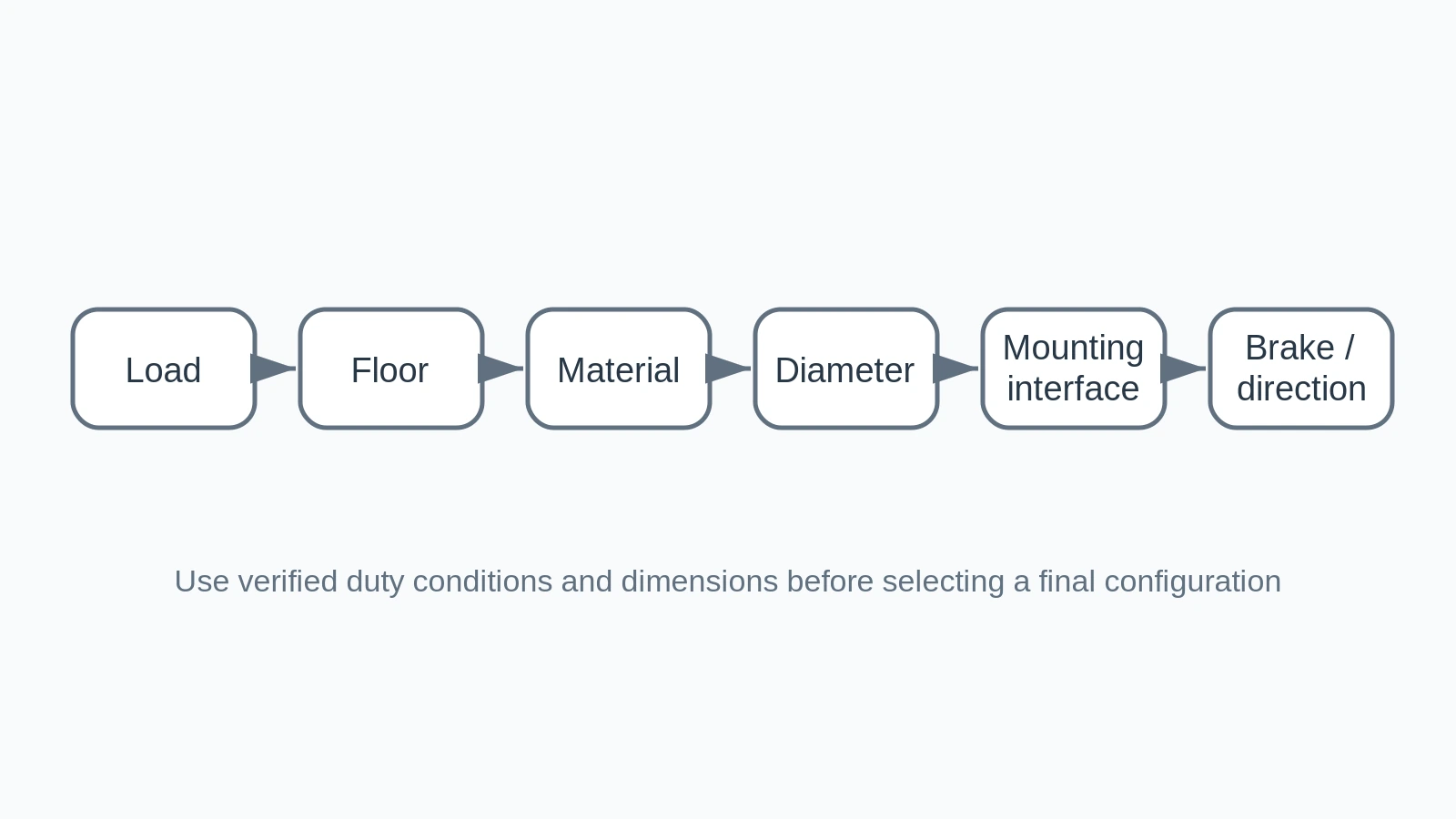
Lakukan pemasangan roda yang dipilih pada rute sebenarnya — Roda Basis Mesin
Pemasangan pertama harus diamati pada kecepatan rendah dan di bawah beban terkontrol. Periksa pergerakan lurus, belokan, jarak bebas, pelacakan roda, dudukan pengencang, dan kontak apa pun dengan struktur di sekitarnya. Sertakan ambang batas, tanjakan, atau sambungan lantai normal yang paling menantang dalam pengujian. Untuk penyangga trailer, sertakan permukaan yang digunakan selama parkir dan manuver manual. Pada Roda Dasar Mesin, gunakan poin ini untuk mempersempit pilihan tingkat keluarga sebelum menganggap konfigurasi individual apa pun cocok untuk peralatan tersebut.
Catat semua hal yang memerlukan penyesuaian sebelum penggunaan normal. Ini akan menciptakan catatan penerimaan yang praktis dan membantu membedakan ketidaksesuaian aplikasi dari keausan biasa di kemudian hari selama masa pakai. Pada Roda Dasar Mesin, gunakan poin ini untuk mempersempit pilihan di tingkat keluarga sebelum menganggap konfigurasi individual apa pun cocok untuk peralatan tersebut.
Jaga agar catatan aplikasi dan pembelian tetap sinkron — Roda Dasar Mesin
Ketika ukuran roda, material, detail pemasangan, atau fitur kontrol berubah, perbarui baris RFQ dan catatan peralatan secara bersamaan. Jangan biarkan foto yang direvisi menjadi satu-satunya deskripsi konfigurasi baru. Catatan singkat dan terkontrol tentang dimensi, beban kerja, dan kuantitas akan mempermudah peninjauan pesanan selanjutnya dan mencegah asumsi lama mengikuti peralatan setelah kondisi operasinya berubah. Pada Roda Dasar Mesin, gunakan poin ini untuk mempersempit pilihan tingkat keluarga sebelum menganggap konfigurasi individual apa pun cocok untuk peralatan tersebut.
Buat proses serah terima yang dapat diulang untuk Roda Dasar Mesin.
Sebelum roda atau rakitan penyangga yang dipilih dipasang pada roda dasar mesin, simpan dimensi antarmuka yang disetujui, kasus beban, permukaan operasi, jumlah, dan foto aplikasi bersama dengan catatan peralatan. Jika pemasangan merupakan penggantian, simpan juga bagian aslinya hingga sampel pertama diperiksa pada mesin. Hal ini mempermudah pengambilan keputusan pembelian di kemudian hari dan membantu membedakan keausan normal dari perubahan pada peralatan atau jalur operasi.
Setelah pemasangan, catat setiap batasan jarak bebas, perilaku kemudi, titik benturan yang tidak biasa, atau pengamatan perawatan yang penting untuk pesanan selanjutnya. Tujuannya bukan untuk membuat dokumen inspeksi yang panjang; melainkan untuk menyimpan beberapa fakta aplikasi yang menjelaskan mengapa konfigurasi yang diterima sesuai dengan peralatan ini dan di mana penggantian di masa mendatang perlu ditinjau ulang. Pada Roda Dasar Mesin, gunakan poin ini untuk mempersempit pilihan tingkat keluarga sebelum menganggap konfigurasi individual apa pun sesuai untuk peralatan tersebut.
Siapkan basis mesin, roda, roda, RFQ
Kirimkan formulir aplikasi, jumlah, dan dimensi yang sudah Anda ketahui. Detail penting yang mungkin kurang dapat ditinjau sebelum penawaran harga.