Korea Ever-Power Plastic Castor Co., Ltd. · Sandan-ro | Danwon-gu | Ansan-si | Gyeonggi-do | Korea[email protected]
Permintaan Penawaran

Product Catalogue

Industrial Plastic Wheels & Support Assemblies

Browse plastic wheel, jockey-wheel, guide-wheel, brakeable and twin-wheel families through buyer-focused selection routes.

Browse by product family

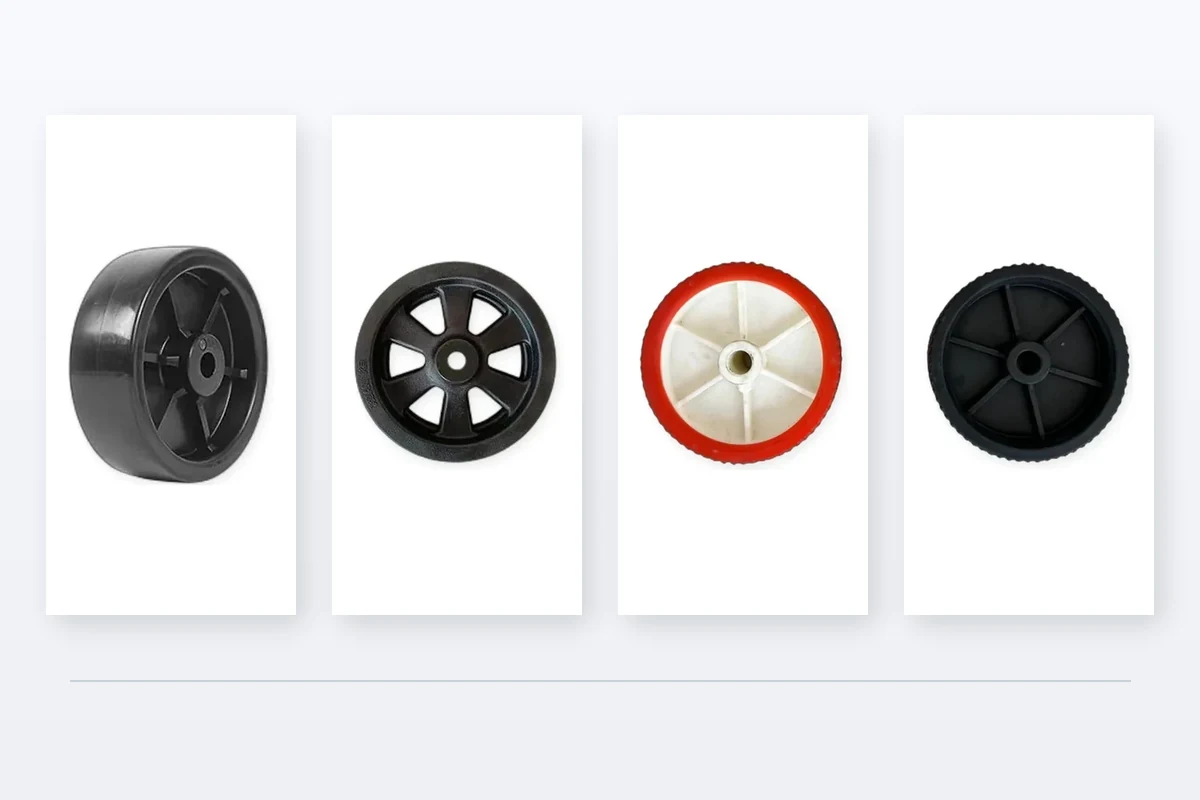
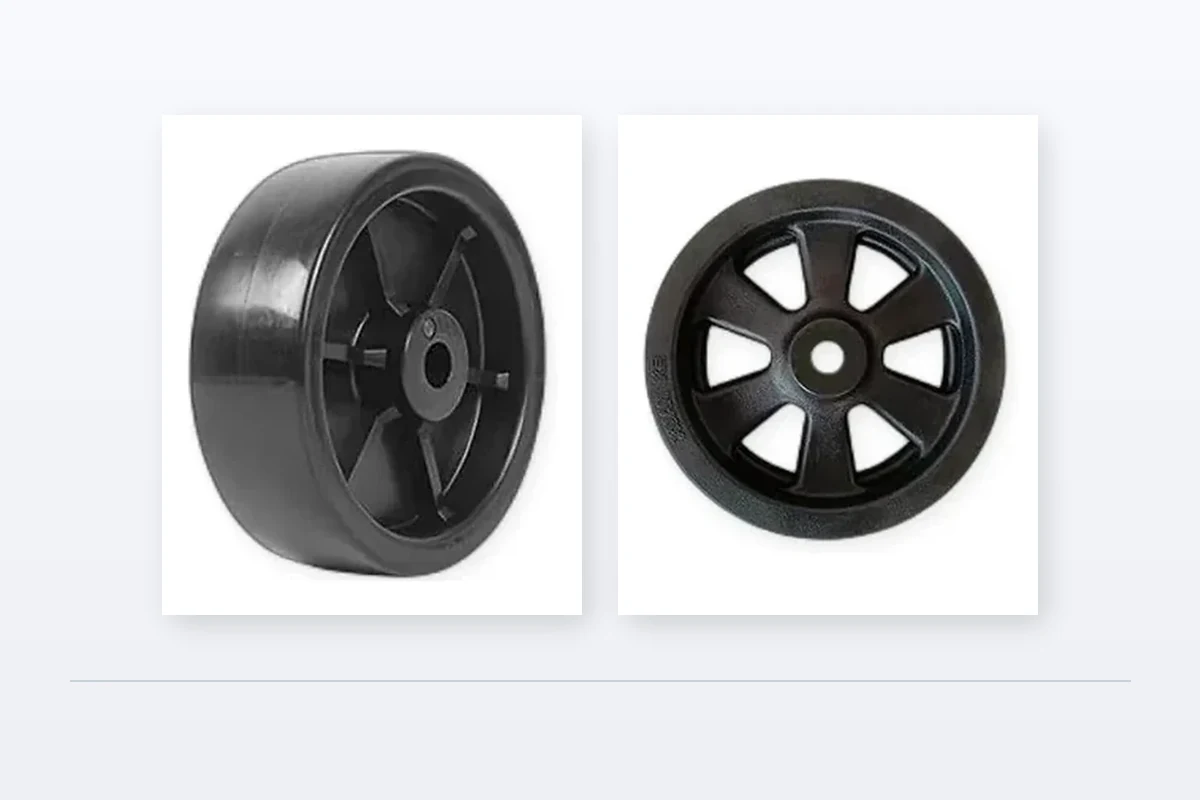
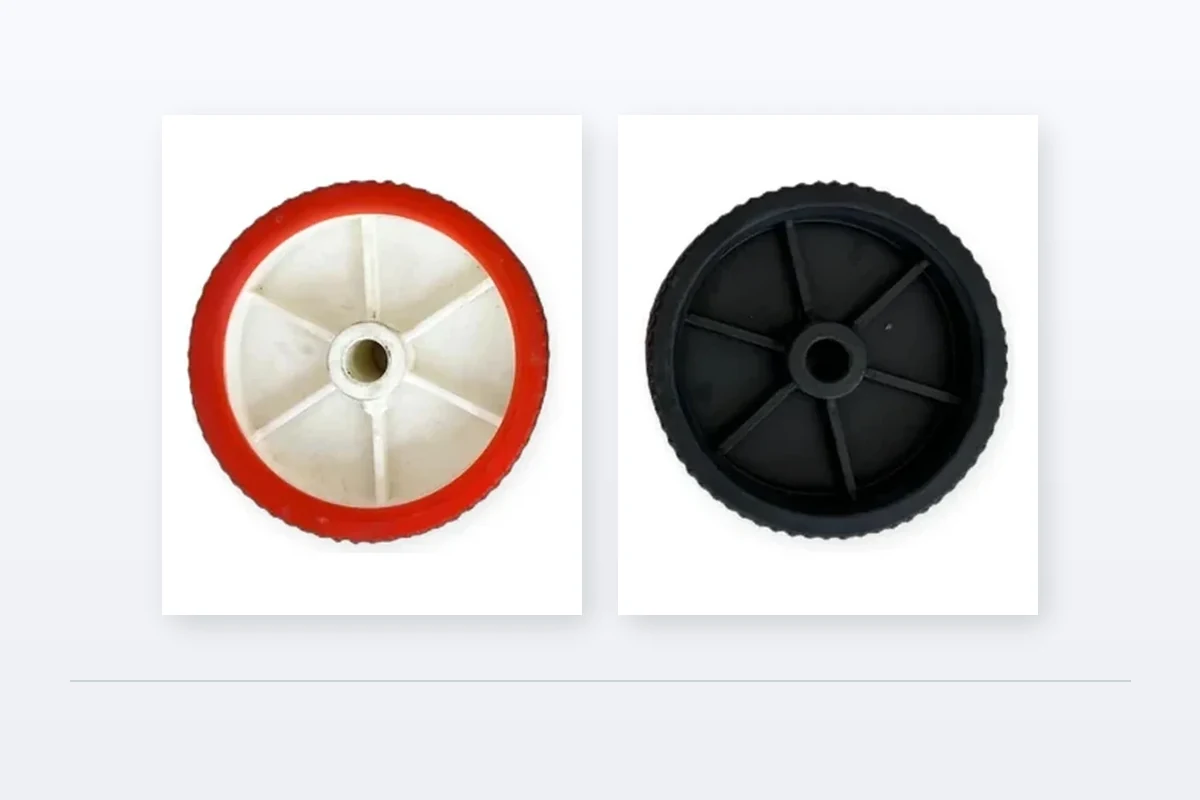
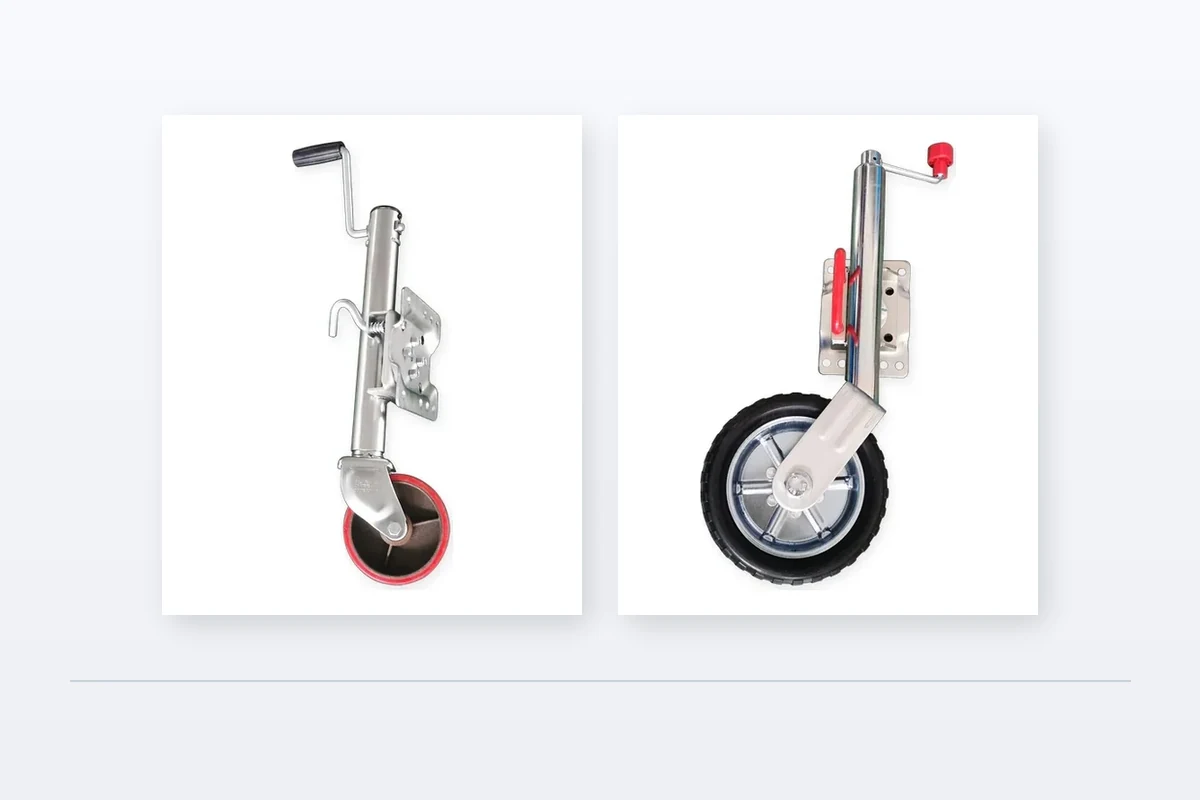
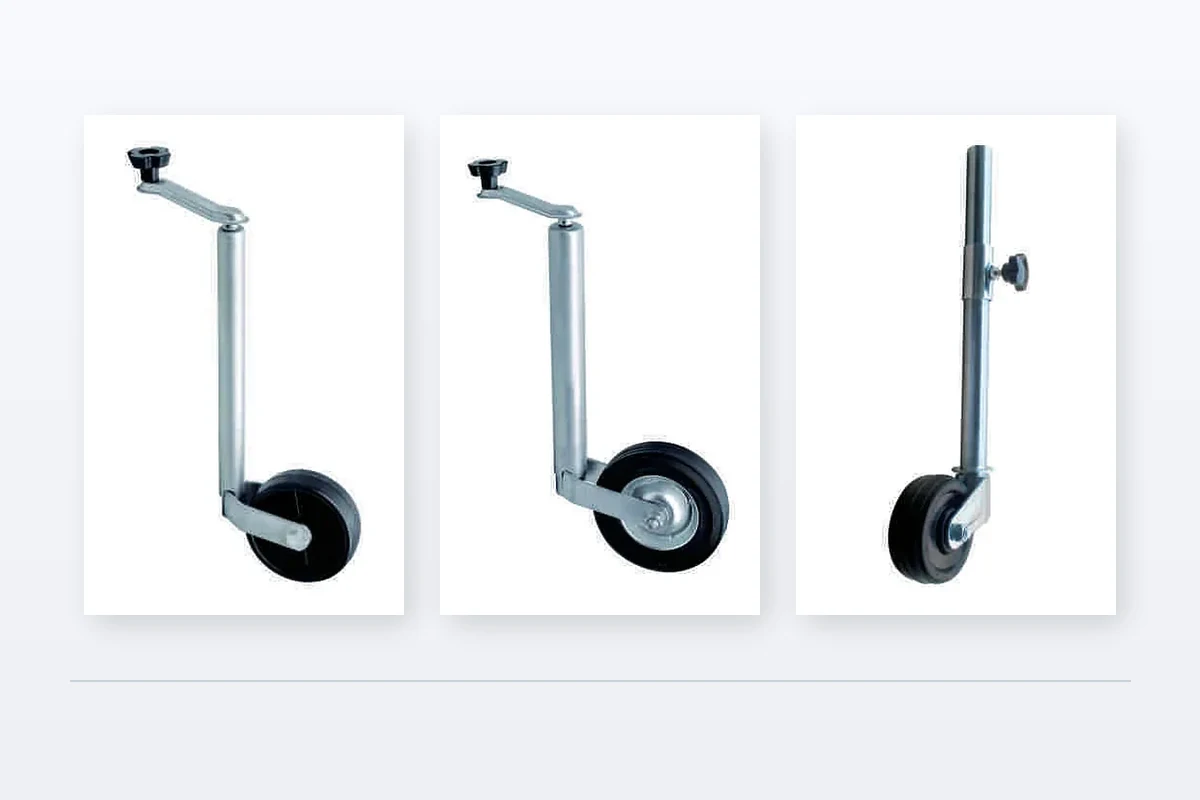
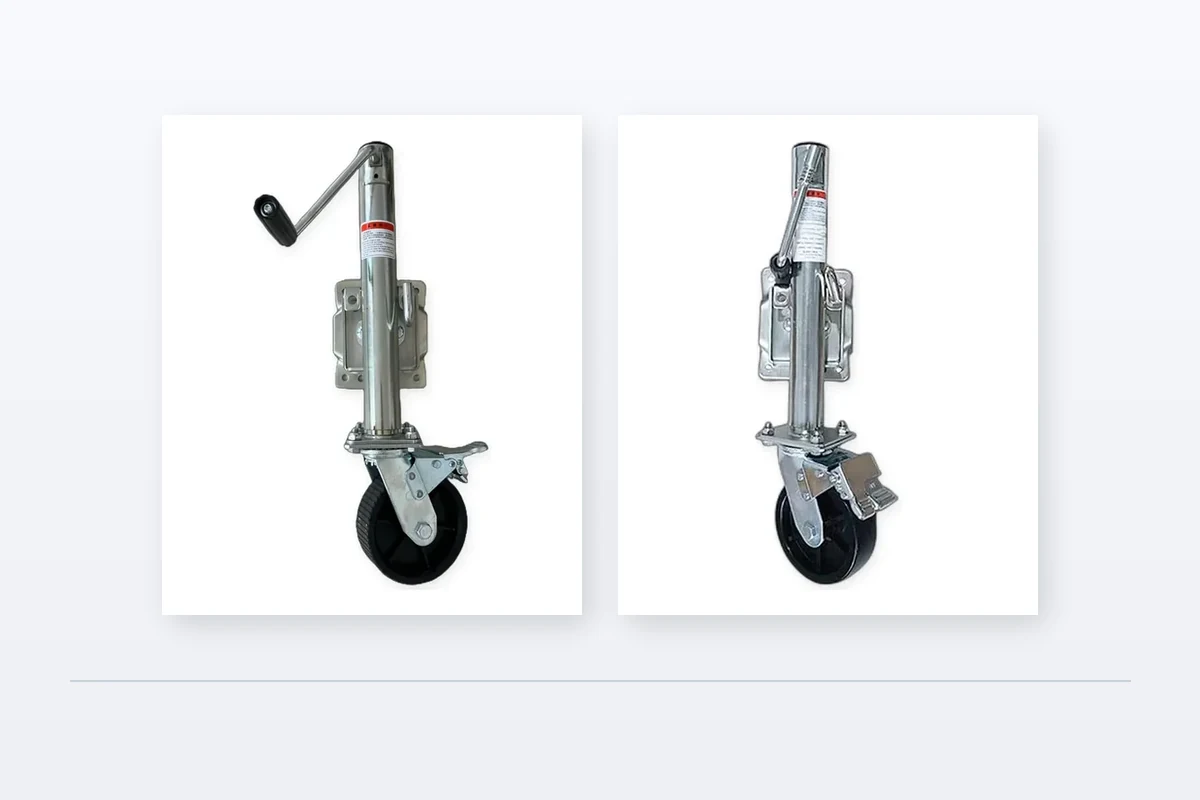
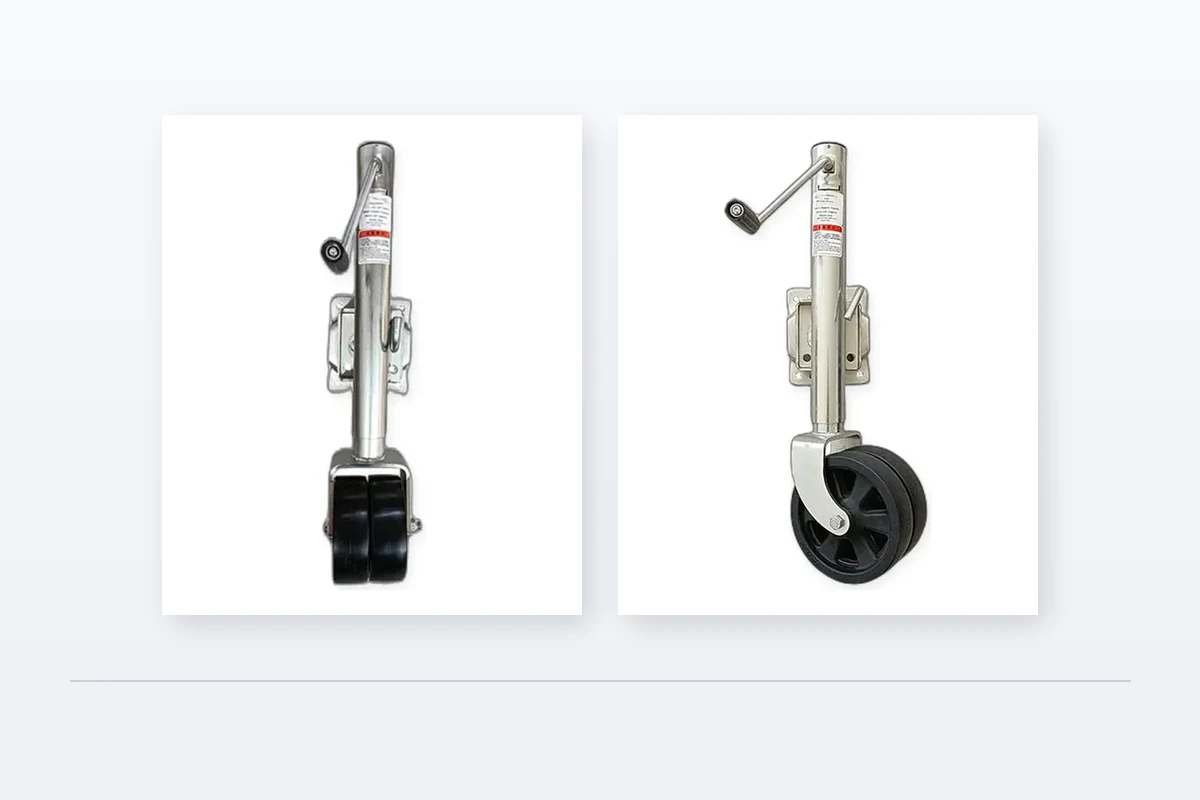
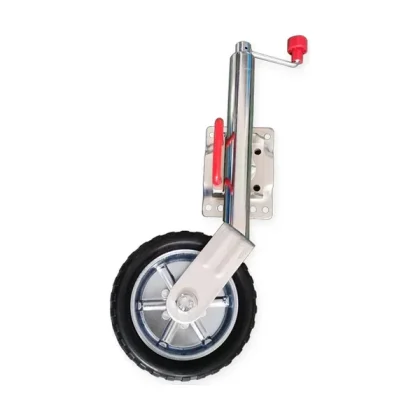
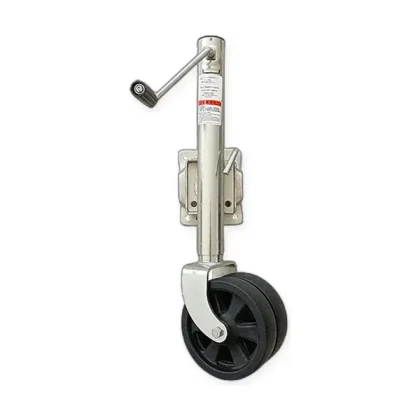
The catalogue is organized by function and material so buyers can reach the relevant technical questions before comparing individual products. Current entries include nylon and polypropylene wheels, trailer guide/jockey wheels, brakeable support assemblies and twin-wheel arrangements.

For replacements, begin with measurements; for new designs, begin with load, floor/ground and mounting envelope.

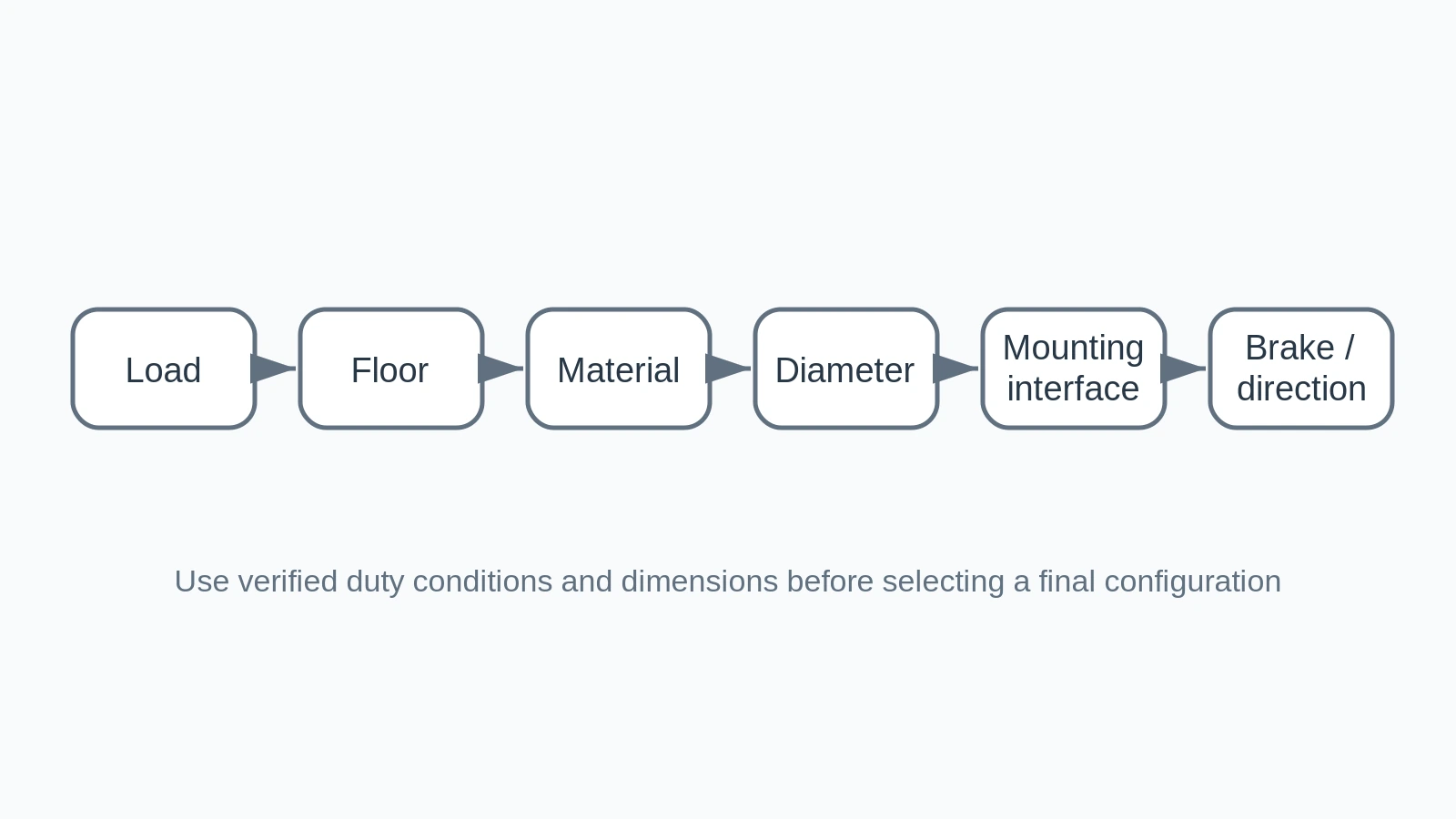
Selection sequence

For an industrial buyer, industrial plastic wheels is not a label to choose in isolation. The useful question is how it behaves inside the complete wheel, mounting and duty-cycle decision.

For material handling, equipment bases and trailer support, begin by confirming load, floor and fit-controlling dimensions. This is usually more useful than comparing nominal product names because two visually similar wheels can behave differently once mounting, floor condition and real load distribution are considered.

This also prevents a frequent sourcing error: choosing from appearance alone. A family name alone does not establish axle, bracket or load compatibility. Record load, wheel size, interface, environment, quantity and drawing/photo in the enquiry so the commercial discussion starts from a technically meaningful baseline.

Product selection sequence

Compare current products

Before you select a model

  • Define maximum equipment and payload mass.
  • Identify how many wheels actually support the frame.
  • Describe floor/ground, joints and obstacles.
  • Measure wheel and mounting interface.
  • State brake, folding or steering requirement.
  • Keep model-specific quantities separate.

Gunakan selection guide, application pages, or the RFQ checklist.

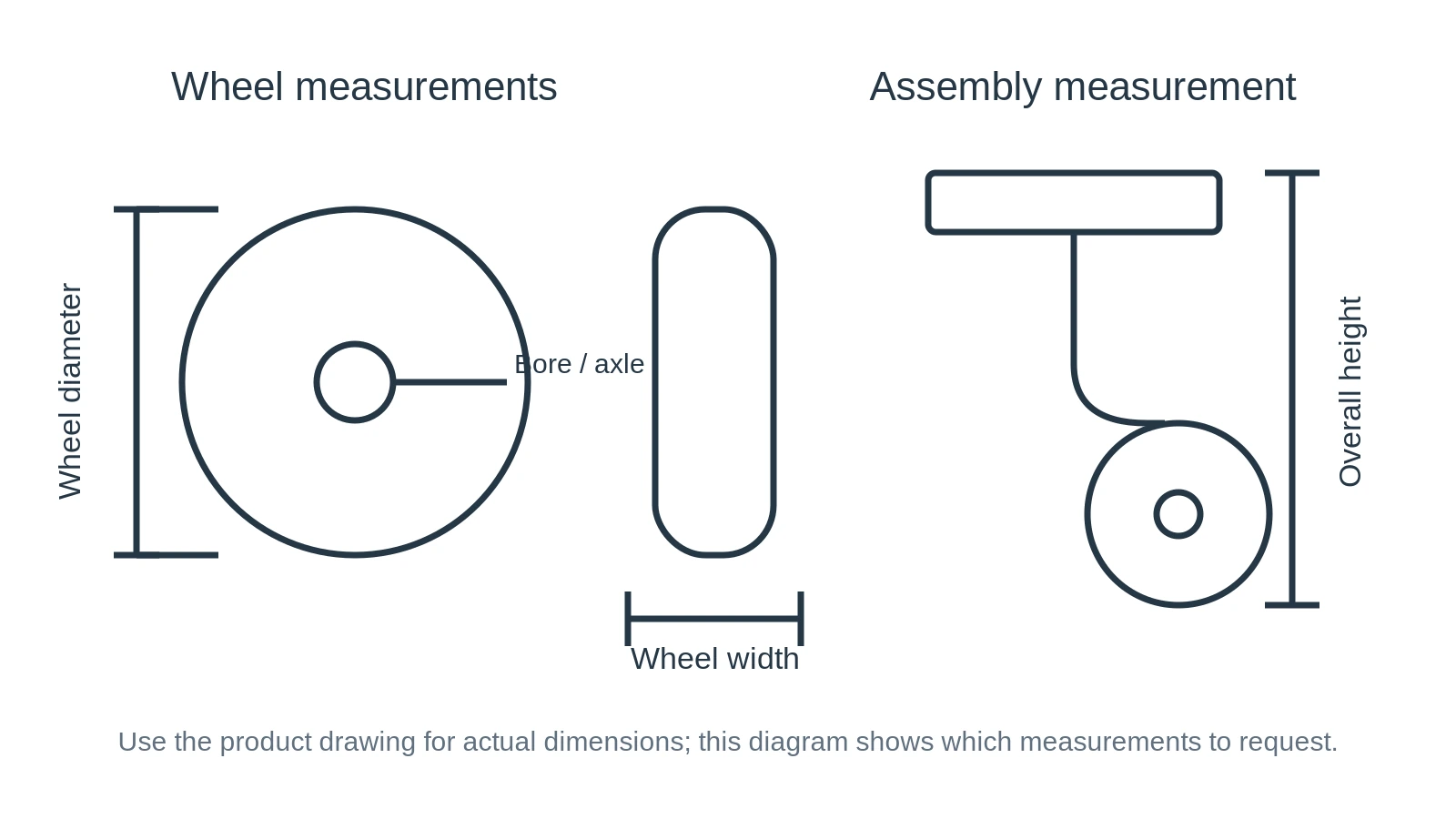
Wheel measurement guide

Product questions

Do you sell only complete castors?

No. The current site includes loose plastic wheels and trailer support/jockey assemblies as well as castor interface guidance.

Can I order by wheel colour?

No. Colour is not a reliable material specification.

Are all dimensions shown on each product?

Only current configuration dimensions are shown. Missing fit-critical values must be confirmed.

Can mixed models be combined?

Mixed-model B2B orders can be reviewed; keep each model and quantity separate.

Product comparison discipline

When comparing products, keep wheel diameter, width, material and interface separate from complete-assembly load and finish. A controlled comparison sheet is especially useful when several sizes are sourced for the same fleet.


Fit First

Build the shortlist around the dimensions that control fit

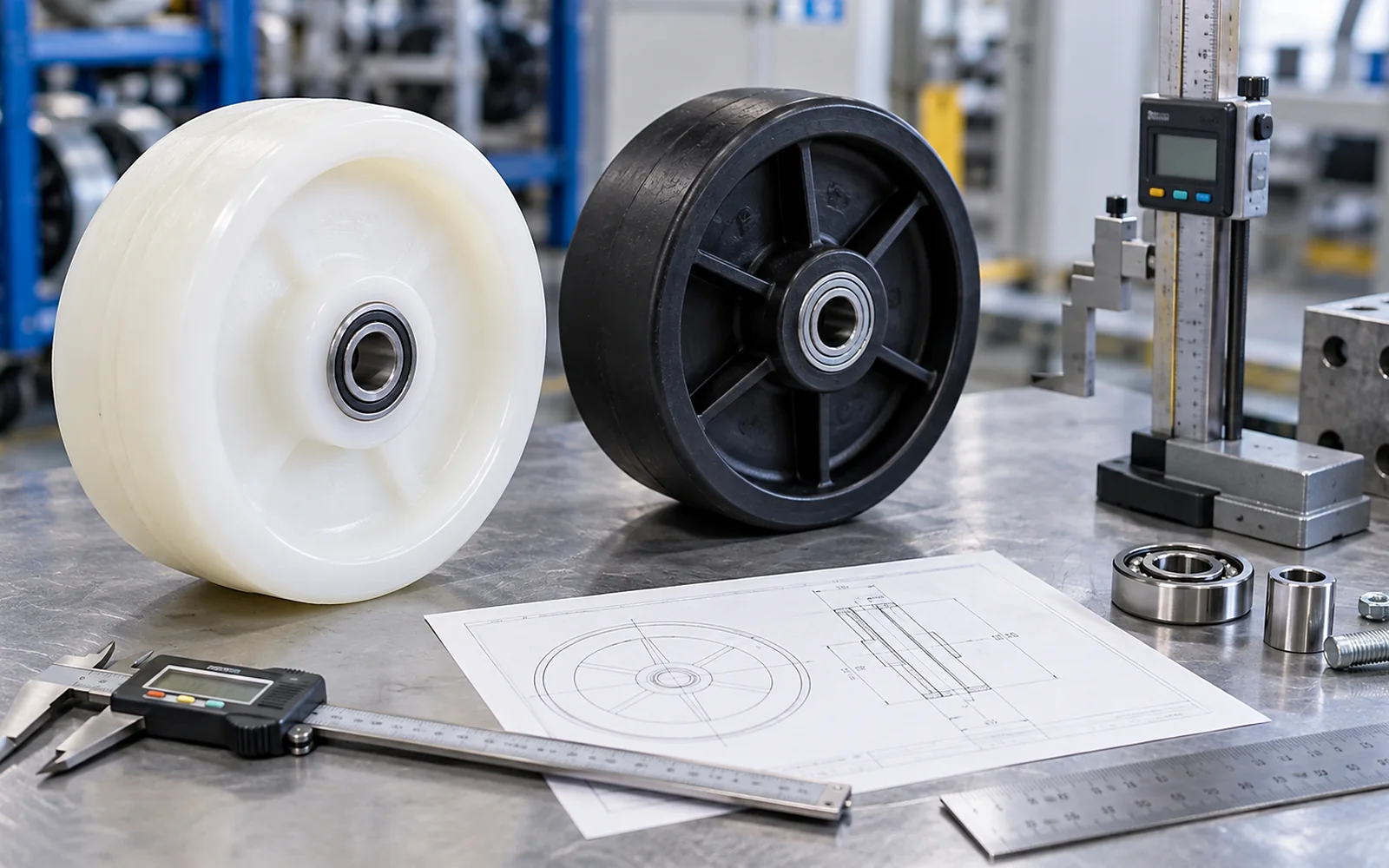
For industrial plastic wheels & support assemblies, the fastest way to narrow the range is to record product family, wheel diameter, wheel material, mounting interface, duty and quantity. These fields describe the physical and operating boundary of the part rather than only its appearance. They also help separate a wheel-only replacement from a complete support or castor assembly.

If the existing part is worn, measure from stable metal datums where possible and note which dimensions may have changed through service. A worn outside diameter or elongated hole should not automatically become the target size for the replacement. Keep the old component or a dimensioned drawing available until the first sample or approved configuration has been checked on the equipment.

Build the shortlist around the dimensions that control fit
Comparison

Compare configurations on the same operating assumptions

A fair product comparison uses one duty description for every candidate: the same equipment weight, payload, supporting points, floor or ground, travel pattern and environmental conditions. Changing those assumptions between options makes nominal ratings and wheel sizes difficult to compare. Where shock, thresholds or uneven load sharing are relevant, include them explicitly rather than treating the application as a static laboratory condition.

For procurement, keep material, finish and interface requirements in separate fields from the load or size description. This makes it clear which characteristics are mandatory and which can be proposed as alternatives. It also prevents a finish or material from being copied to a similar model simply because the photographs look alike.

Compare configurations on the same operating assumptions
Pengoperasian

Plan the first installation as part of the purchase decision

Before a production order for industrial plastic wheels & support assemblies is released, plan how the first unit will be checked. Confirm physical fit, wheel rotation, clearance through the expected motion, fastener seating and behaviour on the real floor or ground. For braked, folding or lifting assemblies, operate the mechanism through its usable range before placing it into routine service.

Record the accepted dimensions and configuration with the purchasing reference. That gives repeat orders a stable baseline while still allowing the application to be rechecked if the load, floor, equipment frame or operating environment changes.

Plan the first installation as part of the purchase decision
Application Match

Use the application to eliminate unsuitable configurations

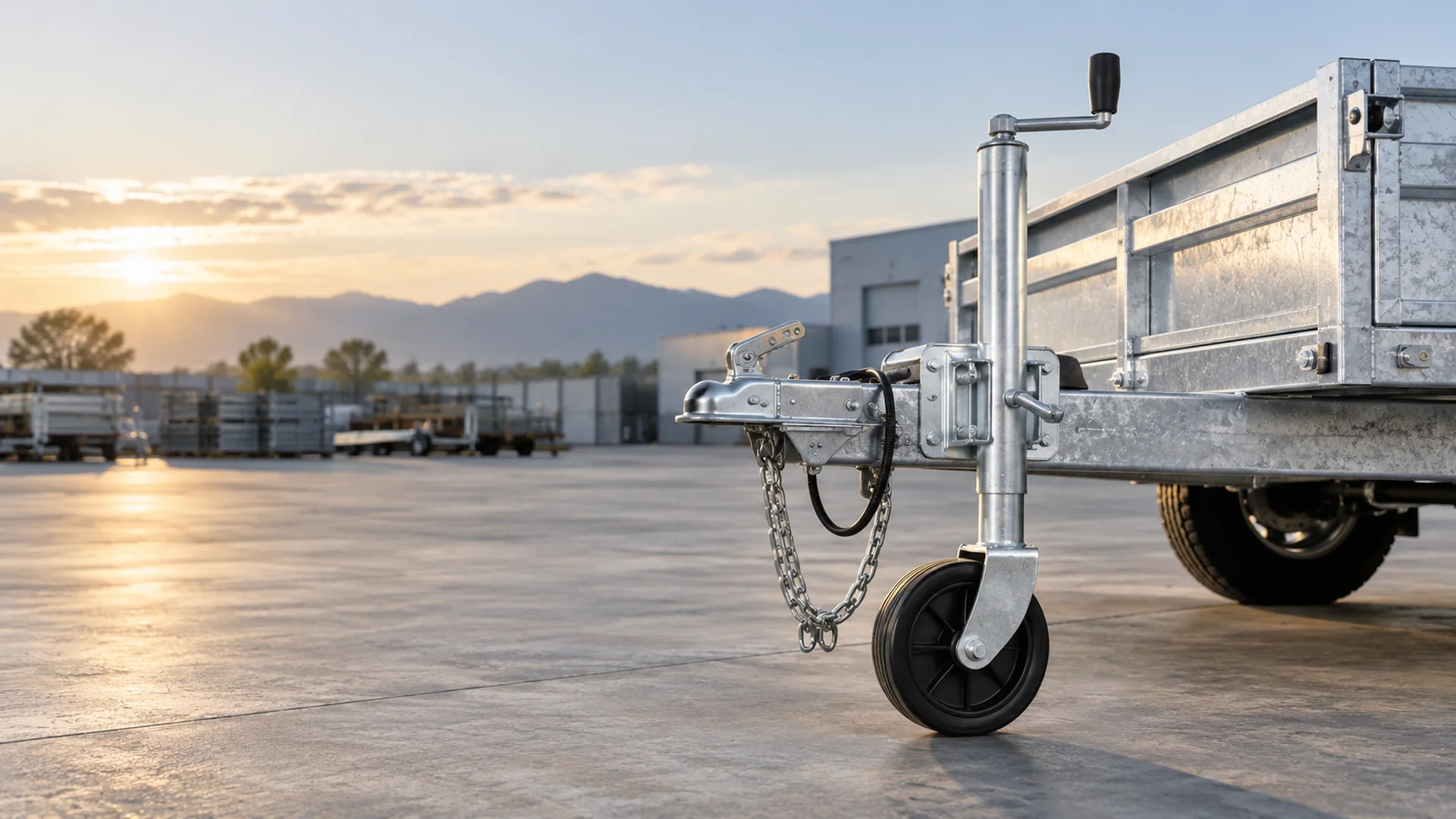
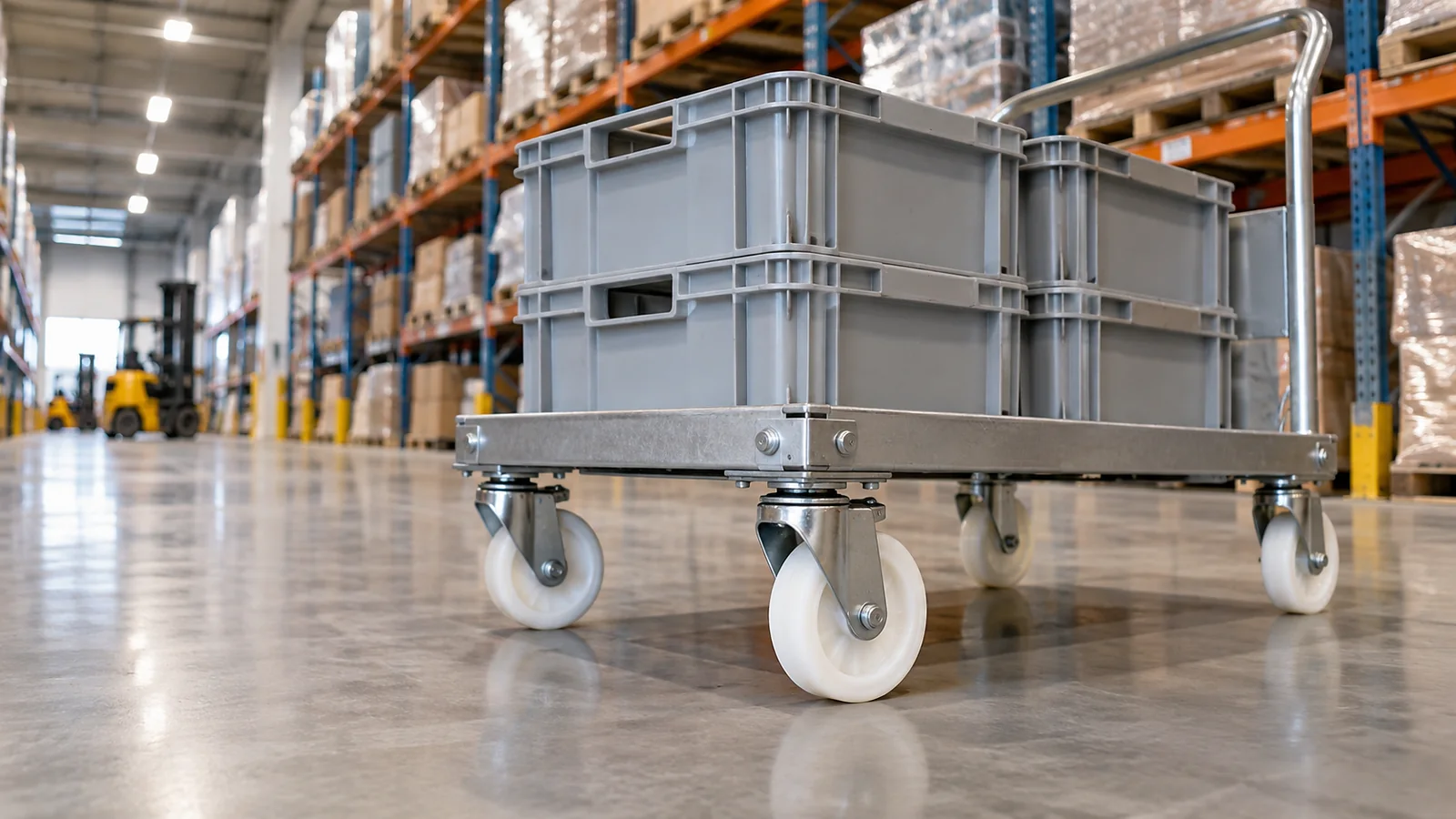
A material-handling cart, machine base and trailer jockey wheel create different requirements even when their wheel diameters overlap. Indoor carts may place emphasis on repeated travel, steering and thresholds; equipment bases may be constrained by installed height and service access; trailer support assemblies must also fit the drawbar or clamp and operate on the expected outdoor surface.

Use the application pages as a second filter after product family. The goal is not to multiply catalogue pages, but to connect each configuration with the operating variables that a buyer should confirm before requesting a quotation.

Use the application to eliminate unsuitable configurations
Shortlisting

Build a shortlist from fit-controlling variables

A useful product shortlist begins with dimensions and duty rather than appearance. For loose wheels, record diameter, width, bore or bearing arrangement and hub length. For complete support assemblies, add tube, clamp or bracket geometry, closed height, travel, brake requirement and clearance. Then place those dimensions beside the actual load, floor or ground condition and movement pattern.

This method makes similar-looking products easier to compare and exposes missing information early. If a parameter is not listed for a product, include it as an RFQ question instead of assuming that a value from another size or family carries across.

Build a shortlist from fit-controlling variables

Start with the product family, finish with the dimensions

Send the application, quantity and the dimensions you already know. Missing fit-critical details can be reviewed before quotation.

Permintaan Penawaran