
Descrizione del prodotto
Customized Homeware Plastic Items Folding Chair Plastic Injection Mould Parts Plastic Mold Design Mold Development Mold Processing Mold Injection
Plastic Injection Molds Parts Service
HangZhou CHINAMFG offers more injection molds parts design and manufacturing service,; we have more 10+ experience in injection molds field.; All of projects we will put them from DFM to PFM working flow to ensure products quality,; from molds design,; mold flow analysis,; per-mold machining review a series of testing reports to make sure mold production running smoothly.; We are proud of our mold producing flowing,; product quality guarantee,; delivery on time and we have professional engineer team to support your projects,; make it so easy,; make you so comfortable.;
Molds and Injection Parts Materials
We offers a range of materials in standard mold steel such as LKM,; Finkl Daido steel and our Chinese material like P20,; H13 etc.;
Product materials including ABS,; Nylon,; Acetal,; Polystyrene,; Polypropylene,; PC,; PVC,; UPE etc and relative composite material ABS with Glass filling,; Nylon with Glass filling,; PC with glass filling etc,;
Any special materials or requirement,; our engineer team will consult with you before production,; we will order these material from Chinese open marketing.;
Injection Molds Design Manufacturing
Our injection molds design from a few thousands to 10 thousands production or more,; from automotive,; medical,; electronics,; PC and consumer products etc,; our engineer team will customized products to you from mold design to production,; choice appropriate mold materials and optimized machining process to reduce lead time and costs,; as usual,; these local molds will be injected in our house.;
There is high standard export molds to oversea ( USA or Canada currently);,; we used DME and HASCO international mold standard to design and manufacturing.;
Molds and CHINAMFG Quality
Our engineers uses DFM/PFM for all of parts from molds to production,; the molds design we will usually uses Mold flow simulation review,; from mold base,; steel,; electrode,; runner system the whole process inspection and report.; Especially,; the mold base,; steel,; runner system we asked details certificated before machining,; during machining,; our engineer is strictly check the process to ensure each of stages parts perfect.;
Plastic injection parts we will inspect them from raw materials certification to sample,; pre-production till final production,; our quality team is more attention to check them and report relative data to make sure all of parts meet requirement.;
Injection Molds and Injection Parts Tolerances
Our quality team is strictly complying with ISO system procedure to control each of stages process,; based on DIN 16742 standard to implement,; If our customers have any special requirement,; our engineer team will consult with you priority to fix agreement specification to ensure product tolerance meet you.;
Secondary Machining Process
Creatingway offers more secondary finishing service to meet customers needs like painting,; silk-screen,;Ultrasonic welding,; packaging,; assembly etc in order to make the product aesthetic as customers needs,; and provide more good solutions for good quality.; please kindly visit our product finishing service in details.;
Please kindly contact us now if you have special requests on your product finishing process.;
| Modalità di modellazione: | Stampaggio a iniezione |
|---|---|
| Processo di finitura superficiale: | Painting |
| Cavità di muffa: | Multi Cavity |
| Materiale plastico: | ABS |
| Tipo di combinazione di processi: | Single-Process Mode |
| Applicazione: | Car, Household Appliances, Furniture, Commodity, Electronic, Home Use, Hardware |
| Esempi: |
US$ 10/Pezzo
1 pezzo (ordine minimo) | |
|---|
| Personalizzazione: |
Disponibile
|
|
|---|
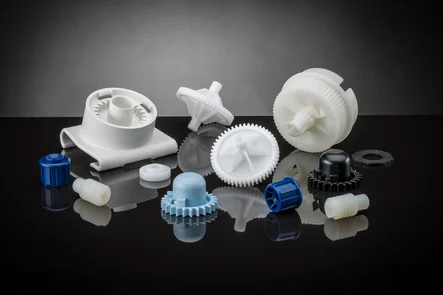
Can you provide examples of products or equipment that incorporate injection molded parts?
Yes, there are numerous products and equipment across various industries that incorporate injection molded parts. Injection molding is a widely used manufacturing process that enables the production of complex and precise components. Here are some examples of products and equipment that commonly incorporate injection molded parts:
1. Electronics and Consumer Devices:
– Mobile phones and smartphones: These devices typically have injection molded plastic casings, buttons, and connectors.
– Computers and laptops: Injection molded parts are used for computer cases, keyboard keys, connectors, and peripheral device housings.
– Appliances: Products such as televisions, refrigerators, washing machines, and vacuum cleaners often incorporate injection molded components for their casings, handles, buttons, and control panels.
– Audio equipment: Speakers, headphones, and audio players often use injection molded parts for their enclosures and buttons.
2. Automotive Industry:
– Cars and Trucks: Injection molded parts are extensively used in the automotive industry. Examples include dashboard panels, door handles, interior trim, steering wheel components, air vents, and various under-the-hood components.
– Motorcycle and Bicycle Parts: Many motorcycle and bicycle components are manufactured using injection molding, including fairings, handle grips, footrests, instrument panels, and engine covers.
– Automotive Lighting: Headlights, taillights, turn signals, and other automotive lighting components often incorporate injection molded lenses, housings, and mounts.
3. Medicina e assistenza sanitaria:
– Medical Devices: Injection molding is widely used in the production of medical devices such as syringes, IV components, surgical instruments, respiratory masks, implantable devices, and diagnostic equipment.
– Laboratory Equipment: Many laboratory consumables, such as test tubes, petri dishes, pipette tips, and specimen containers, are manufactured using injection molding.
– Dental Equipment: Dental tools, orthodontic devices, and dental prosthetics often incorporate injection molded components.
4. Packaging Industry:
– Bottles and Containers: Plastic bottles and containers used for food, beverages, personal care products, and household chemicals are commonly produced using injection molding.
– Caps and Closures: Injection molded caps and closures are widely used in the packaging industry for bottles, jars, and tubes.
– Thin-Walled Packaging: Injection molding is used to produce thin-walled packaging products such as trays, cups, and lids for food and other consumer goods.
5. Toys and Games:
– Many toys and games incorporate injection molded parts. Examples include action figures, building blocks, puzzles, board game components, and remote-controlled vehicles.
6. Industrial Equipment and Tools:
– Industrial machinery: Injection molded parts are used in various industrial equipment and machinery, including components for manufacturing machinery, conveyor systems, and robotic systems.
– Power tools: Many components of power tools, such as housing, handles, switches, and guards, are manufactured using injection molding.
– Hand tools: Injection molded parts are incorporated into a wide range of hand tools, including screwdrivers, wrenches, pliers, and cutting tools.
These are just a few examples of products and equipment that incorporate injection molded parts. The versatility of injection molding allows for its application in a wide range of industries, enabling the production of high-quality components with complex geometries and precise specifications.
Potete fornirci indicazioni sulla selezione dei materiali per lo stampaggio a iniezione in base ai requisiti dell'applicazione?
Sì, posso fornire indicazioni sulla scelta dei materiali per lo stampaggio a iniezione in base ai requisiti dell'applicazione. La scelta del materiale per lo stampaggio a iniezione gioca un ruolo fondamentale nel determinare le prestazioni, la durata e la funzionalità dei pezzi stampati. Ecco una spiegazione dettagliata dei fattori da considerare e una guida per la selezione del materiale appropriato:
1. Proprietà meccaniche:
Bisogna considerare le proprietà meccaniche richieste per l'applicazione, come resistenza, rigidità, resistenza agli urti e resistenza all'usura. Materiali diversi presentano caratteristiche meccaniche diverse, ed è fondamentale scegliere un materiale con proprietà adeguate. Ad esempio, i termoplastici tecnici come ABS, PC o nylon offrono elevata resistenza e resistenza agli urti, mentre materiali come PEEK o ULTEM garantiscono prestazioni meccaniche eccezionali ad alte temperature.
2. Resistenza chimica:
Se il componente sarà esposto a sostanze chimiche, è necessario valutare la resistenza chimica del materiale. Alcuni materiali, come il PVC o il PTFE, presentano un'eccellente resistenza a un'ampia gamma di sostanze chimiche, mentre altri possono essere soggetti a degradazione o rigonfiamento. Assicurarsi che il materiale selezionato sia in grado di resistere alle specifiche sostanze chimiche che incontrerà nell'ambiente di applicazione.
3. Proprietà termiche:
Valutare l'intervallo di temperatura di esercizio dell'applicazione e scegliere un materiale con proprietà termiche adeguate. Materiali come PPS, PEEK o LCP offrono un'eccellente resistenza al calore, mentre altri potrebbero avere capacità termiche limitate. Considerare fattori quali la temperatura massima, la stabilità termica, il coefficiente di dilatazione termica e i requisiti di trasferimento del calore del componente.
4. Proprietà elettriche:
Per le applicazioni elettriche o elettroniche, è necessario considerare le proprietà elettriche del materiale. Materiali come il PBT o il PPS offrono buone proprietà di isolamento elettrico, mentre altri possono presentare caratteristiche conduttive o dissipative. Determinare la rigidità dielettrica, la conduttività elettrica, la resistività superficiale e altre proprietà elettriche rilevanti per l'applicazione.
5. Condizioni ambientali:
Valuta le condizioni ambientali a cui il componente sarà esposto, come umidità, raggi UV, agenti atmosferici o temperature estreme. Alcuni materiali, come l'ASA o l'HDPE, presentano un'eccellente resistenza agli agenti atmosferici e ai raggi UV, mentre altri possono degradarsi o diventare fragili in condizioni difficili. Scegli un materiale in grado di resistere ai fattori ambientali specifici per garantire prestazioni e durata nel tempo.
6. Conformità normativa:
È necessario tenere conto di eventuali requisiti normativi o standard di settore che il materiale deve soddisfare. Alcune applicazioni, come quelle nei settori medico o alimentare, possono richiedere materiali approvati dalla FDA o conformi a certificazioni specifiche. Assicurarsi che il materiale selezionato soddisfi i necessari standard normativi e di sicurezza per l'applicazione prevista.
7. Considerazioni sui costi:
Valutare le implicazioni di costo associate alla scelta del materiale. Materiali diversi hanno costi diversi e la scelta del materiale deve essere in linea con il budget del progetto. Considerare non solo il costo unitario del materiale, ma anche fattori come le spese di attrezzaggio, l'efficienza produttiva e il costo complessivo del ciclo di vita del componente.
8. Disponibilità e lavorazione dei materiali:
Verificate la disponibilità del materiale e valutatene la lavorabilità mediante stampaggio a iniezione. Assicuratevi che il materiale sia facilmente reperibile dai fornitori e adatto ai parametri specifici del processo di stampaggio a iniezione, come l'indice di fluidità, la formabilità e la compatibilità con l'attrezzatura di stampaggio scelta.
9. Prove e validazione dei materiali:
Eseguire test e validazioni sui materiali per garantire che il materiale selezionato soddisfi le specifiche e i criteri di prestazione richiesti. Condurre test meccanici, termici, chimici ed elettrici per verificare le proprietà e il comportamento del materiale in condizioni specifiche di applicazione.
Valuta la possibilità di consultare fornitori di materiali, ingegneri o esperti di stampaggio a iniezione per ottenere ulteriori indicazioni e raccomandazioni in base ai requisiti specifici dell'applicazione. Essi possono fornire preziosi spunti sulla selezione dei materiali grazie alla loro esperienza e alla conoscenza degli standard di settore e delle migliori pratiche.
Valutando attentamente questi fattori e seguendo queste linee guida, è possibile selezionare il materiale più adatto per lo stampaggio a iniezione, in grado di soddisfare i requisiti specifici dell'applicazione, garantendo prestazioni, durata e funzionalità ottimali dei pezzi stampati.
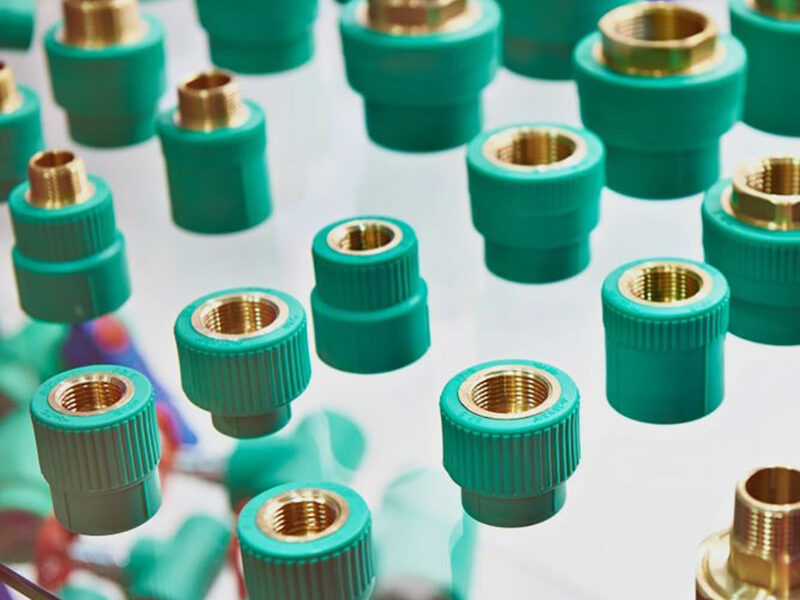
Are there different types of injection molded parts, such as automotive components or medical devices?
Yes, there are various types of injection molded parts that are specifically designed for different industries and applications. Injection molding is a versatile manufacturing process capable of producing complex and precise parts with high efficiency and repeatability. Here are some examples of different types of injection molded parts:
1. Automotive Components:
Injection molding plays a critical role in the automotive industry, where it is used to manufacture a wide range of components. Some common injection molded automotive parts include:
- Interior components: Dashboard panels, door handles, trim pieces, instrument clusters, and center consoles.
- Exterior components: Bumpers, grilles, body panels, mirror housings, and wheel covers.
- Under-the-hood components: Engine covers, air intake manifolds, cooling system parts, and battery housings.
- Electrical components: Connectors, switches, sensor housings, and wiring harnesses.
- Seating components: Seat frames, headrests, armrests, and seatbelt components.
2. Medical Devices:
The medical industry relies on injection molding for the production of a wide range of medical devices and components. These parts often require high precision, biocompatibility, and sterilizability. Examples of injection molded medical devices include:
- Syringes and injection pens
- Implantable devices: Catheters, pacemaker components, orthopedic implants, and surgical instruments.
- Diagnostic equipment: Test tubes, specimen containers, and laboratory consumables.
- Disposable medical products: IV components, respiratory masks, blood collection tubes, and wound care products.
3. Consumer Products:
Injection molding is widely used in the production of consumer products due to its ability to mass-produce parts with high efficiency. Examples of injection molded consumer products include:
- Household appliances: Television and audio equipment components, refrigerator parts, and vacuum cleaner components.
- Electronics: Mobile phone cases, computer keyboard and mouse, camera components, and power adapters.
- Toys and games: Action figures, building blocks, puzzles, and board game components.
- Personal care products: Toothbrushes, razor handles, cosmetic containers, and hairdryer components.
- Home improvement products: Light switch covers, door handles, power tool housings, and storage containers.
4. Packaging:
Injection molding is widely used in the packaging industry to produce a wide variety of plastic containers, caps, closures, and packaging components. Some examples include:
- Bottles and containers for food, beverages, personal care products, and household chemicals.
- Caps and closures for bottles and jars.
- Thin-walled packaging for food products such as trays, cups, and lids.
- Blister packs and clamshell packaging for retail products.
- Packaging inserts and protective foam components.
5. Electronics and Electrical Components:
Injection molding is widely used in the electronics industry for the production of various components and enclosures. Examples include:
- Connectors and housings for electrical and electronic devices.
- Switches, buttons, and control panels.
- PCB (Printed Circuit Board) components and enclosures.
- LED (Light-Emitting Diode) components and light fixtures.
- Power adapters and chargers.
These are just a few examples of the different types of injection molded parts. The versatility of injection molding allows for the production of parts in various industries, ranging from automotive and medical to consumer products, packaging, electronics, and more. The specific design requirements and performance characteristics of each part determine the choice of materials, tooling, and manufacturing processes for injection molding.


editor by CX 2024-02-19