韓国エバーパワープラスチックキャスター株式会社 · 京畿道安山市檀園区三段路 | 韓国[email protected]
見積もりを依頼する

エンジニアリング

Castor & Wheel Selection Guides

Practical engineering guides for load, material, diameter, mounting, measurement and jockey-wheel selection.

Use guides as decision tools

These guides are organized around questions that appear before quotation: what load each wheel may see, which dimensions control fit, which mounting style the equipment uses, how the floor affects wheel choice and how trailer support assemblies should be measured.

A consistent measurement language

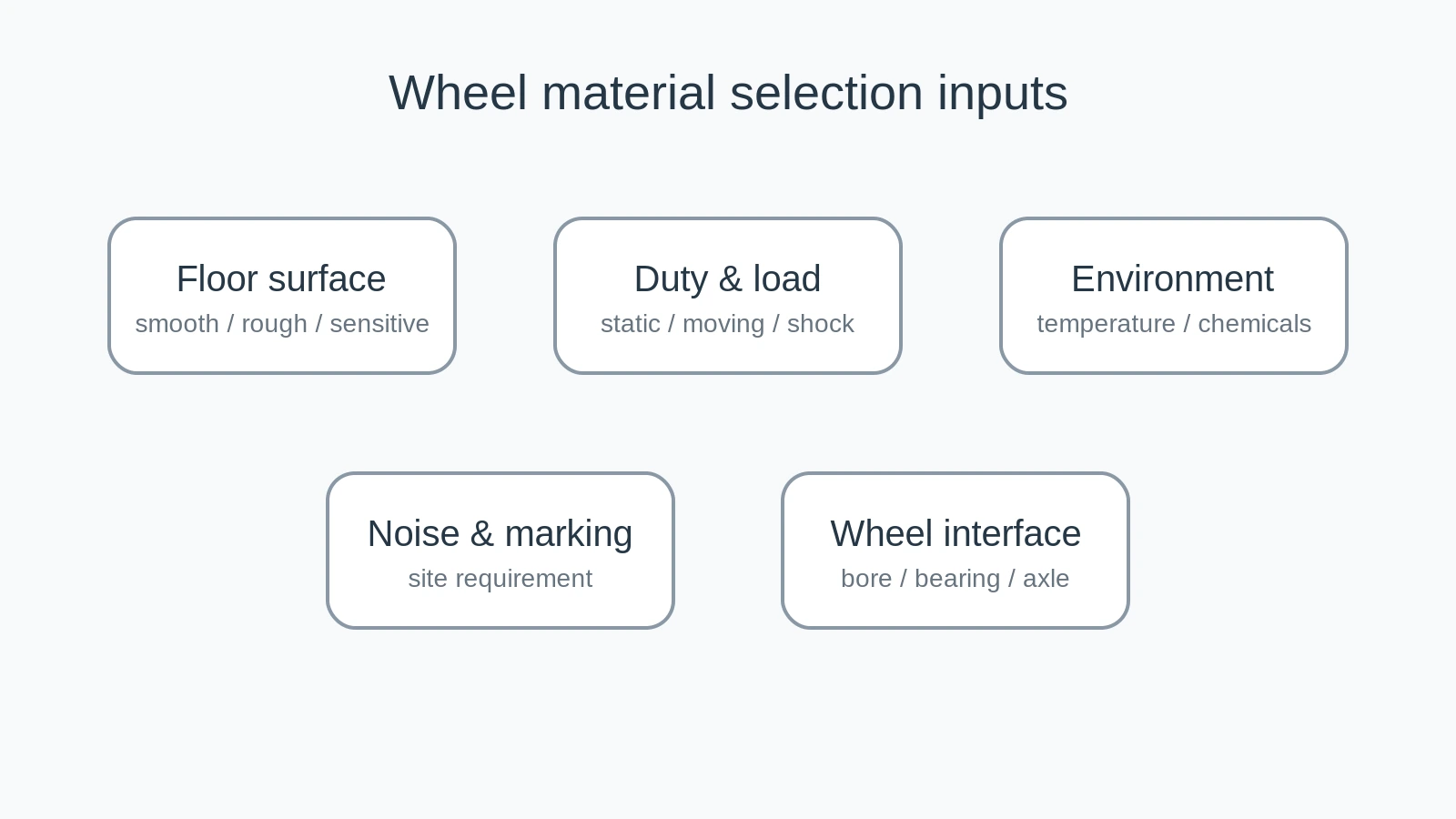
Procurement teams often encounter castor wheel selection guides as a catalogue term, but the purchasing decision becomes clearer when the term is converted into measurable operating requirements.

In industrial procurement, the selection should therefore start with load, dimensions and operating environment. That keeps a dimensional or material choice connected to the job it must perform rather than to a generic product description.

The common failure is to treat one attractive parameter as the whole specification. Different teams may use the same product word for different assemblies. A better purchasing note captures one drawing or photo set, named dimensions and model-specific quantities, so suppliers can compare like with like and flag missing dimensions instead of guessing.

Measurement language for wheel RFQs

Use the guides with the catalogue

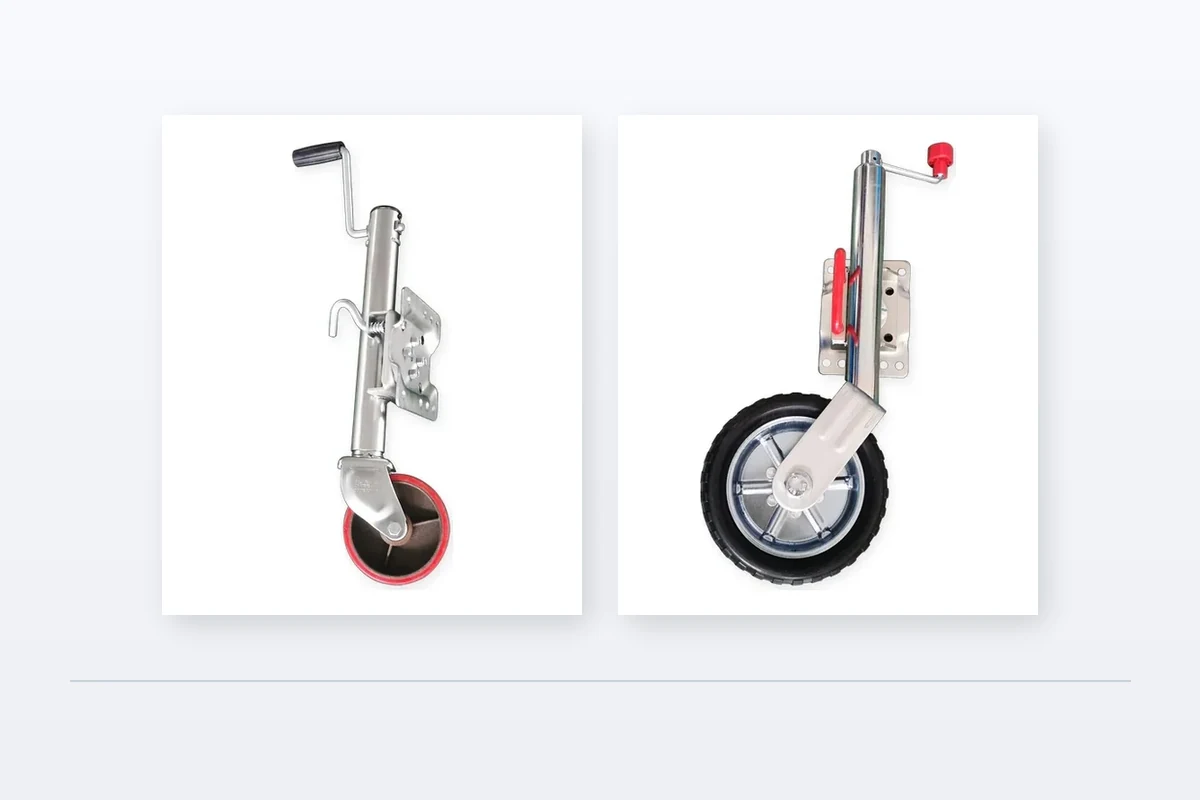
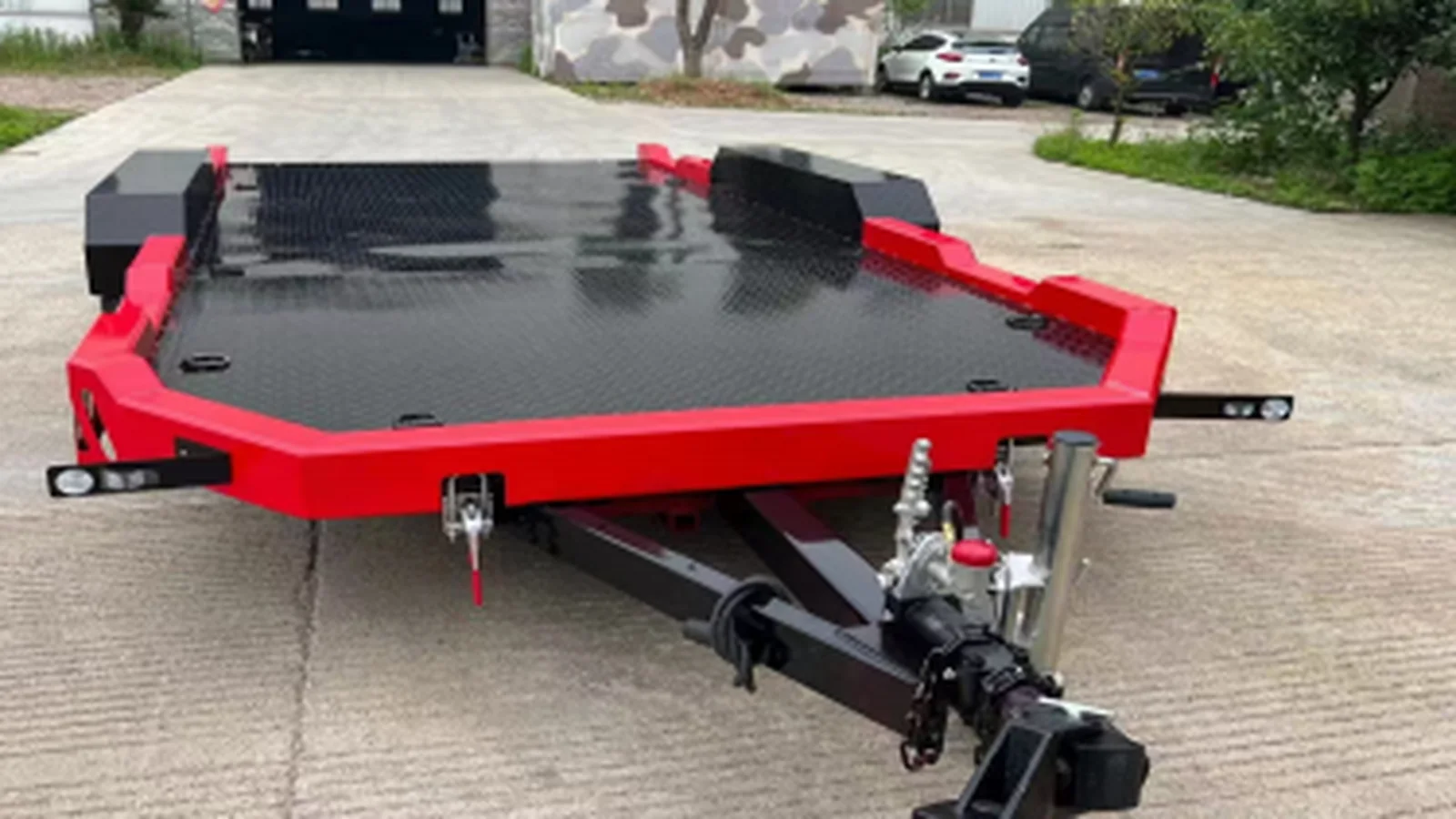
Once the application is defined, compare product families. If the issue is replacement, use the 測定ガイド. For trailers, combine the application guide with the jockey-wheel checklist.

Selection sequence

Keep assumptions visible

When a dimension or load is not known, leave it explicitly open. A blank marked “confirm” is safer than a guessed value and gives engineering and purchasing a clear action before order release.

How to Use the Hub

Start with measurements, then use the guide that answers the next decision

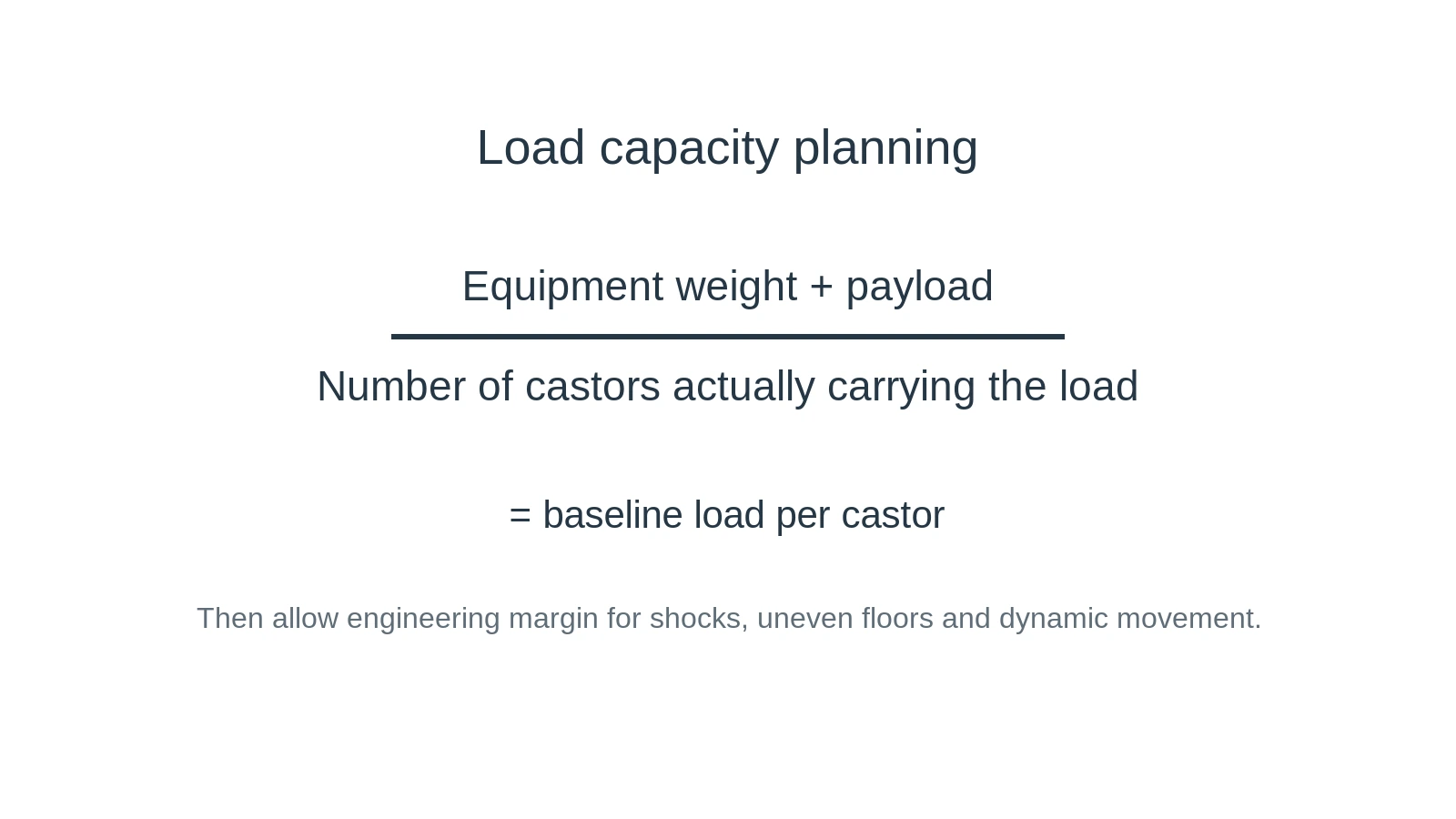
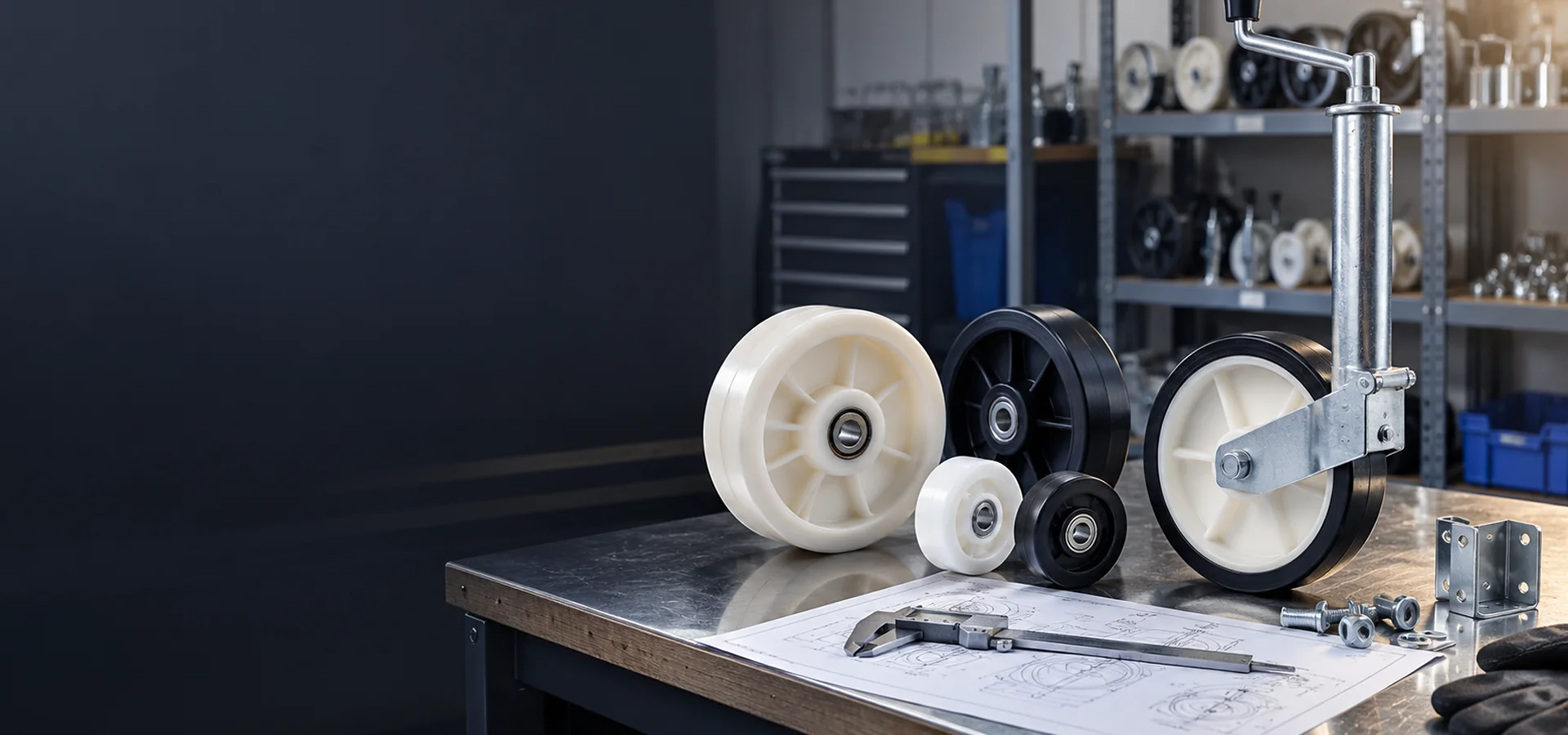
A selection guide is most useful when it reduces one uncertainty at a time. If the existing part must be replaced, begin with measurement. If the equipment is new, start with load and supporting points. Once the physical envelope is known, material, wheel diameter, mounting type and control functions can be compared without mixing unrelated decisions.

Keep the measurement sheet next to the guide notes. This prevents a general recommendation from being mistaken for a dimension or rating of a specific product.

Start with measurements, then use the guide that answers the next decision
Measurement Language

Use the same terminology across engineering and purchasing

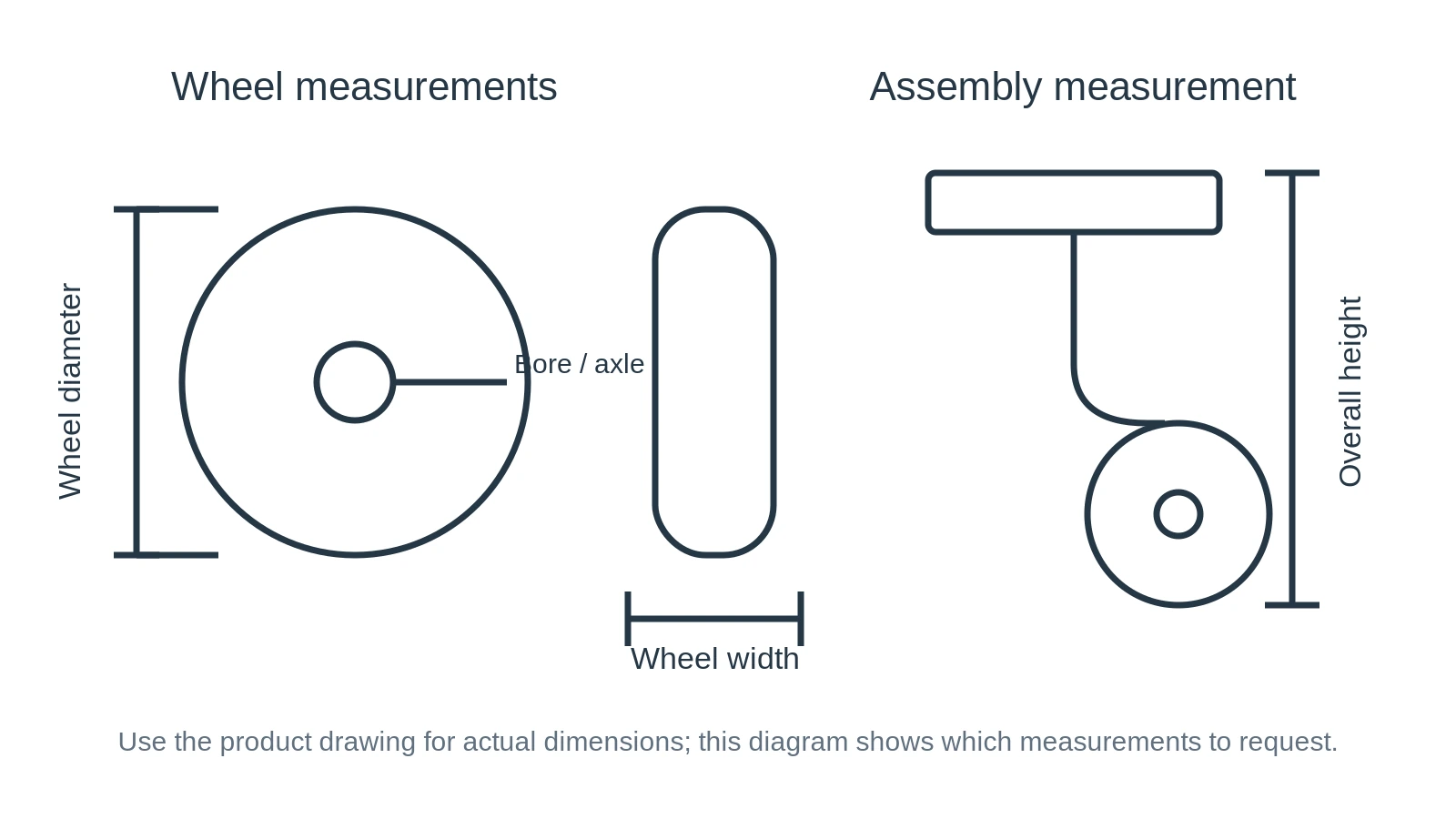
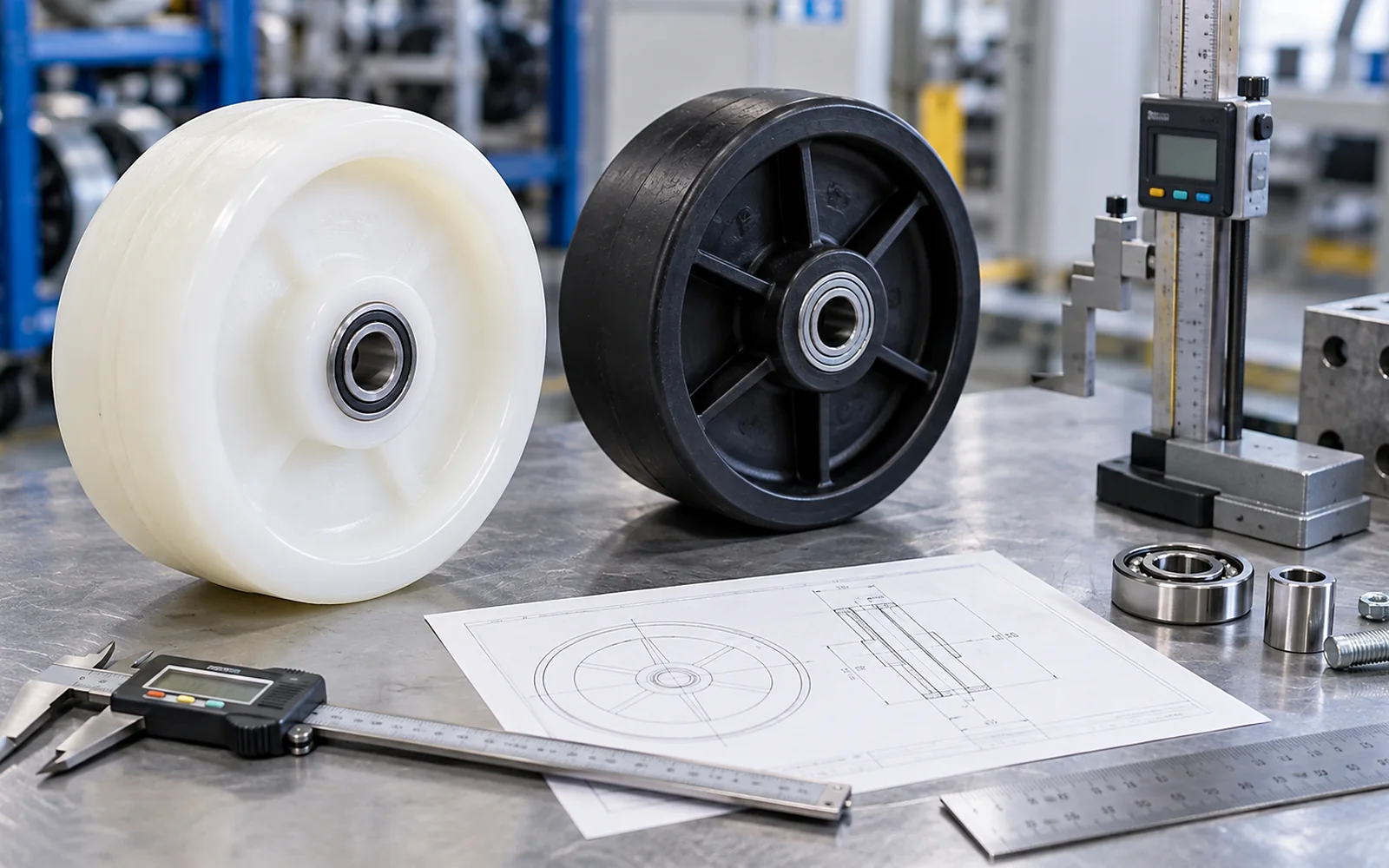
Terms such as wheel diameter, wheel width, hub length, bore, mounting height, plate size, hole spacing, tube diameter and travel should mean the same thing in the drawing, RFQ and purchase order. Where inch trade sizes are common, keep the metric measurement alongside the nominal inch description rather than converting back and forth without a reference value.

Clear terminology is especially important in replacement work because worn parts and improvised repairs can distort the dimension that an operator casually calls the size.

Use the same terminology across engineering and purchasing
Technical Boundary

Separate guidance from product-specific ratings

The guides explain how to ask the right questions; they do not turn a generic wheel family into a rated assembly. Load capacity, material grade, mounting dimensions and compatibility should be confirmed for the actual configuration being quoted. This distinction lets the engineering pages remain useful without forcing unlisted values into product pages.

When a required value is not shown on a product page, include it in the RFQ rather than guessing. That keeps the technical discussion tied to the real equipment.

Separate guidance from product-specific ratings
Repeatability

Build a reusable selection record

For fleets or repeat purchasing, keep the accepted wheel or assembly together with its application notes: equipment family, load assumption, floor or ground, mounting interface, dimensional drawing, material, finish and any brake or folding requirement. This small record often saves more time than starting from a product photograph for every reorder.

Recheck the record when the payload, route, floor, equipment frame or cleaning environment changes. A repeat part number should be a controlled baseline, not a substitute for reviewing a changed application.

Build a reusable selection record
Engineering Workflow

Use the guides in the order a real sourcing decision is made

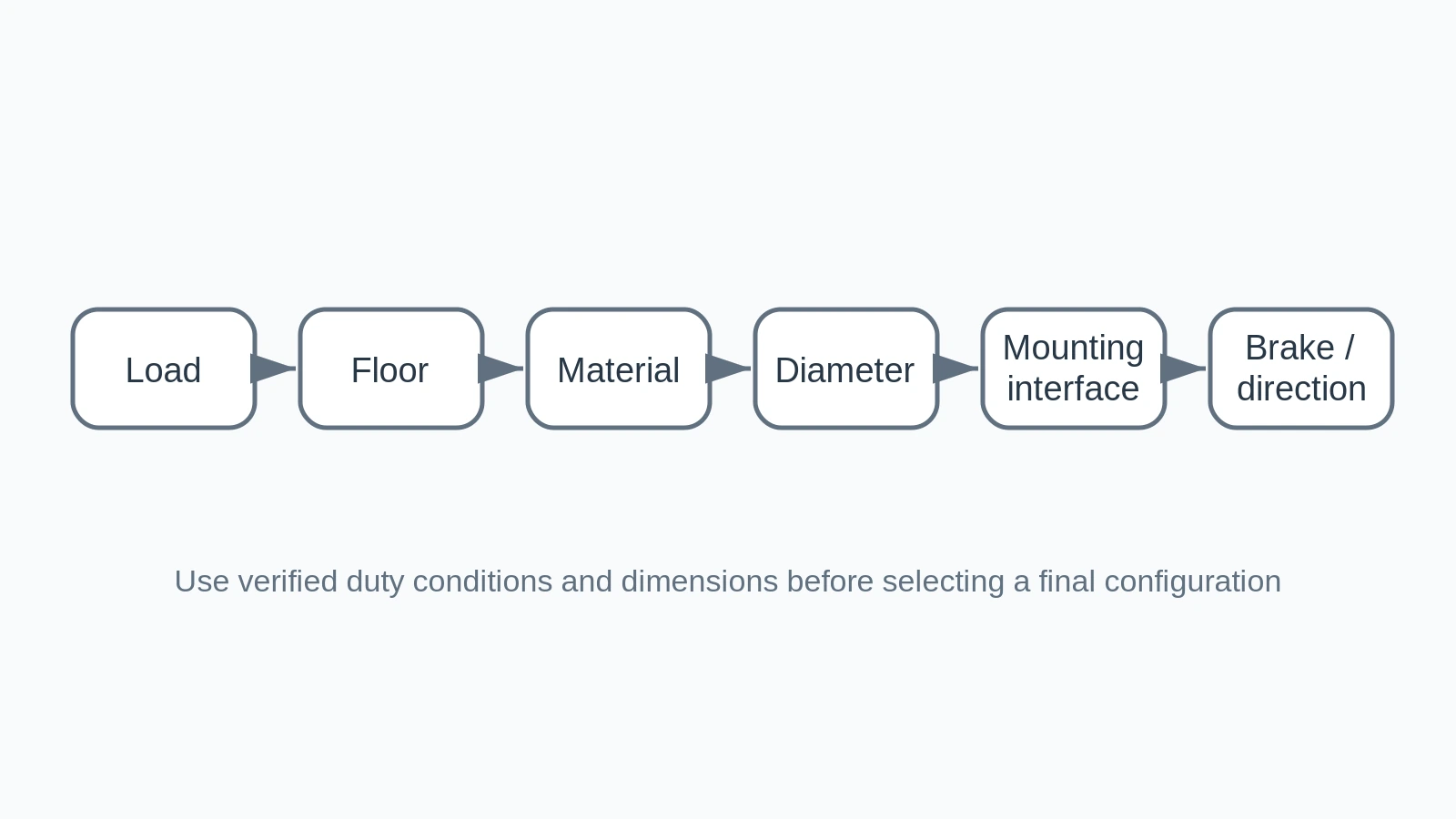
Start with the problem the equipment must solve, then move through load, floor or ground, wheel diameter, material, mounting interface and steering or braking function. That order prevents a common sourcing error: selecting a familiar product family first and then trying to make the application fit it. The guides are designed as decision aids, so each one identifies the measurements or operating facts that should be confirmed before a quotation is treated as technically complete.

For an existing installation, measurement comes before comparison. Capture the wheel diameter and width, bore or bearing arrangement, hub length, overall or installed height, mounting plate or tube dimensions and nearby clearance as applicable. Photograph both sides and the mounting area. If the original component is worn or deformed, distinguish the measured condition from the intended fit so that wear is not copied into the new specification.

For new equipment, keep uncertainty visible. Use preliminary load and envelope calculations to define a minimum requirement, but leave catalogue ratings, material grades, compatibility and special process claims to the product data that supports them. A good RFQ can contain explicit confirmation points. That is preferable to a neat specification sheet that silently mixes confirmed dimensions with assumptions.

決定記録

Close the guide with measurable RFQ inputs

Before sending an enquiry, convert the guide conclusions into a short list of measurable inputs: product or equipment type, wheel diameter and width, bore or bearing, mounting interface, overall height or travel where relevant, working load, surface condition and quantity. Add a drawing or photographs for replacement work. If a value is unknown, mark it for confirmation rather than using a number copied from a different model or application.

This approach keeps the technical discussion focused. Suppliers can respond to the actual installation constraints, while purchasing teams can compare quotations against the same requirement instead of comparing descriptions that use similar product names but different assumptions.

Turn the guide notes into a quote request

既にお分かりの仕様、数量、寸法をお送りください。適合性に関わる詳細情報が不足している場合は、お見積もり前に確認させていただきます。

見積もりを依頼する