
製品説明
|
製品説明 |
||||
|
Quotation |
According to your drawing(size, material, thickness, processing content, and required technology, etc) |
|||
|
Mold Material |
Aluminum,45#, P20, H13, 718, 1.2344, 1.2738 and so on |
|||
|
Plastic Material |
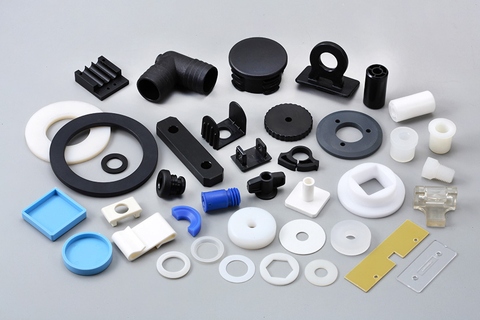
PC/ABS, ABS, PC, PVC, PA66, POM or other you want |
|||
|
Silicon rubber Material |
NR, NBR, SBR, EPDM, IIR, CR, SILICONE, |
|||
|
Plastic Surface finish |
Polishing finish,Texture Finish,Glossy Finish,Painting,Slik print,Rubber Painting etc |
|||
|
Drawing format |
IGES, STEP, AutoCAD, Solidworks, STL, PTC Creo, DWG, PDF, etc.. |
|||
|
The Way of Color Contrast for Plastic |
RAL PANTONE |
|||
|
Certificated |
ISO 9001:2015 Certificated, SGS Certificated |
|||
|
Service Project |
To provide production design, production and technical service, mould development and processing, product assembly and packaging,etc |
|||
|
Range of markets |
industrial, consumer, food processing, aviation, seals/gaskets, lighting, packaging, filter, healthcare, telecommunications, mechanical, water treatment, appliance, recreation, lawn and garden, educational, oil and gas, government, construction, plumbing, surveillance, pumps,marine,motors,gears, RFID tags, electronics, and fasteners. |
|||
|
One-stop Service |
Custom Design, Fabrication, Assembly And Delivery |
|||
QIDI is located in the famous “hometown of Bayberry”, which is the port city location of HangZhou City, ZHangZhoug
Province, and the transportation is very convenient. In the process of development, we respect the integrity and
professionalism, follow only its integrity can be based on, but also to its professional competition for the purpose
of the company. The company specializes in product development and manufacturing, including custom plastic
parts; Plastic mold, CNC machining, metal stamping, manufacturing and assembly. Our products sell well in overseas
markets, and we have established long-term and stable cooperative relations with many companies, which are well
received by our customers. The company has 14 years of production experience, with advanced equipment and
perfect production technology, high production efficiency, product quality is stable and reliable. At the same time,
we have a professional team, customers of any design; Drawings; Ideas, etc., to maximize work efficiency and
meet customer needs. All along, we sincerely believe that product quality is the soul of the company, and we will
continue to cooperate with you with better product quality, better cost performance and more perfect service. For
customization, please feel free to leave a message.
Q1. Are you a trading company or a manufacturer ?
A: we are manufacturer .
Q2. What information is required for the quotation ?
A: Product image or 2D/3D design drawings/samples or as your ideas
Q3. I have an idea for a new product , I don’t know if it can be made?
A: We will assess the technical feasibility of your ideas and design ,and we can provide advice on materials and design to reduce your cost
Q4. How long will it take to deliver ?
A: It depends on mold and quantity , Generally,It takes 40 days ( 30days for mold and 10 days for mass production )
/* May 10, 2571 16:49:51 */!function(){function d(e,r){var a,o={};try{e&&e.split(“,”).forEach(function(e,t){e&&(a=e.match(/(.*?):(.*)$/))&&1
射出成形における品質管理において、温度と圧力はどのような役割を果たすのでしょうか?
射出成形において、温度と圧力はプロセスの品質管理に大きな影響を与える重要なパラメータです。それぞれの役割について、さらに詳しく見ていきましょう。
温度:
射出成形における温度は、品質管理を確保する上でいくつかの重要な役割を果たします。
1. 材料の流れと充填:
溶融プラスチック材料の温度は、その粘度、つまり流動性に影響を与えます。温度が高いほど材料の粘度は低下し、射出成形時に金型キャビティへの流れが容易になります。適切な温度制御は、最適な材料の流れと充填を確保し、ショートショット、フローマーク、部品の充填不足といった問題を防止します。また、温度制御は、最終部品の材料特性と寸法精度を一定に保つためにも役立ちます。
2. 融解と均質化:
溶融工程では、プラスチック材料の完全な溶融と均質化を確保するために、温度を厳密に制御する必要があります。溶融が不十分だと、未溶融粒子や材料特性のばらつきが生じ、成形品の欠陥につながる可能性があります。溶融段階における適切な温度制御は、添加剤の均一な溶融と混合を保証し、材料の均質性と成形品の全体的な品質を向上させます。
3. 冷却と凝固:
溶融プラスチックが金型に注入された後、冷却および凝固段階における温度制御は非常に重要です。適切な冷却速度と均一な冷却は、反り、収縮、部品の歪みといった問題を防止するのに役立ちます。温度を制御することで、部品全体にわたって均一な凝固が可能になり、寸法安定性が確保され、内部応力が最小限に抑えられます。また、温度制御は部品の結晶構造や微細構造にも影響を与え、機械的特性にも影響を及ぼす可能性があります。
プレッシャー:
射出成形における品質管理を実現するには、圧力制御も同様に重要です。
1. 材料の梱包:
射出成形における充填工程では、溶融したプラスチック材料に圧力を加え、冷却・固化に伴う収縮を補償します。適切な圧力制御により、材料が金型キャビティ内に適切に充填され、空隙、ヒケ、または部品の変形を最小限に抑えることができます。充填圧力が不十分だと、充填不良や部品品質の低下につながる一方、圧力が過剰だと、過度の応力、部品の歪み、またはバリが発生する可能性があります。
2. ゲートおよび流量制御:
射出成形における圧力は、金型内での材料の流れ挙動に影響を与えます。溶融プラスチックが金型キャビティに流入するゲート部の圧力は、慎重に制御する必要があります。ゲート圧力は、材料の流量、充填パターン、および充填効率に影響します。最適なゲート圧力は、均一な流れと充填を確保し、成形品の品質を損なう可能性のあるフローライン、ウェルドライン、エアトラップなどの問題を防止します。
3. 排出および部品解放:
射出工程における圧力制御は、成形品を金型から容易に取り出すために不可欠です。適切な射出圧力は、成形品と金型表面間の付着や摩擦を克服し、スムーズで損傷のない成形品の取り出しを保証します。射出圧力が不適切だと、成形品の固着、変形、または金型の損傷につながる可能性があります。
4. プロセス監視とフィードバック:
温度と圧力のパラメータをリアルタイムで監視・制御することは、品質管理において非常に重要です。最新の射出成形機には、温度と圧力を継続的に監視するセンサーと制御システムが搭載されています。これらのシステムはフィードバックを提供し、成形プロセス中に調整を行うことで、最適な状態を維持し、部品の品質を一定に保ちます。
射出成形における温度と圧力の制御は、品質管理において極めて重要です。適切な温度制御は、材料の流れ、溶融、均質化、冷却、凝固を最適に確保し、圧力制御は、材料の充填、ゲートおよび流量制御、射出、部品の離型を確実にします。射出成形プロセス全体を通してこれらのパラメータを監視および制御することで、寸法、機械的特性、表面仕上げが均一な高品質の部品を生産することができます。
What is the role of design software and CAD/CAM technology in optimizing injection molded parts?
Design software and CAD/CAM (Computer-Aided Design/Computer-Aided Manufacturing) technology play a crucial role in optimizing injection molded parts. They provide powerful tools and capabilities that enable designers and engineers to improve the efficiency, functionality, and quality of the parts. Here’s a detailed explanation of the role of design software and CAD/CAM technology in optimizing injection molded parts:
1. Design Visualization and Validation:
Design software and CAD tools allow designers to create 3D models of injection molded parts, providing a visual representation of the product before manufacturing. These tools enable designers to validate and optimize the part design by simulating its behavior under various conditions, such as stress analysis, fluid flow, or thermal performance. This visualization and validation process help identify potential issues or areas for improvement, leading to optimized part designs.
2. Design Optimization:
Design software and CAD/CAM technology provide powerful optimization tools that enable designers to refine and improve the performance of injection molded parts. These tools include features such as parametric modeling, shape optimization, and topology optimization. Parametric modeling allows for quick iteration and exploration of design variations, while shape and topology optimization algorithms help identify the most efficient and lightweight designs that meet the required functional and structural criteria.
3. Mold Design:
Design software and CAD/CAM technology are instrumental in the design of injection molds used to produce the molded parts. Mold design involves creating the 3D geometry of the mold components, such as the core, cavity, runner system, and cooling channels. CAD/CAM tools provide specialized features for mold design, including mold flow analysis, which simulates the injection molding process to optimize mold filling, cooling, and part ejection. This ensures the production of high-quality parts with minimal defects and cycle time.
4. Design for Manufacturability:
Design software and CAD/CAM technology facilitate the implementation of Design for Manufacturability (DFM) principles in the design process. DFM focuses on designing parts that are optimized for efficient and cost-effective manufacturing. CAD tools provide features that help identify and address potential manufacturing issues early in the design stage, such as draft angles, wall thickness variations, or parting line considerations. By considering manufacturing constraints during the design phase, injection molded parts can be optimized for improved manufacturability, reduced production costs, and shorter lead times.
5. Prototyping and Iterative Design:
Design software and CAD/CAM technology enable the rapid prototyping of injection molded parts through techniques such as 3D printing or CNC machining. This allows designers to physically test and evaluate the functionality, fit, and aesthetics of the parts before committing to mass production. CAD/CAM tools support iterative design processes by facilitating quick modifications and adjustments based on prototyping feedback, resulting in optimized part designs and reduced development cycles.
6. Collaboration and Communication:
Design software and CAD/CAM technology provide a platform for collaboration and communication among designers, engineers, and other stakeholders involved in the development of injection molded parts. These tools allow for easy sharing, reviewing, and commenting on designs, ensuring effective collaboration and streamlining the decision-making process. By facilitating clear communication and feedback exchange, design software and CAD/CAM technology contribute to optimized part designs and efficient development workflows.
7. Documentation and Manufacturing Instructions:
Design software and CAD/CAM technology assist in generating comprehensive documentation and manufacturing instructions for the production of injection molded parts. These tools enable the creation of detailed drawings, specifications, and assembly instructions that guide the manufacturing process. Accurate and well-documented designs help ensure consistency, quality, and repeatability in the production of injection molded parts.
Overall, design software and CAD/CAM technology are instrumental in optimizing injection molded parts. They enable designers and engineers to visualize, validate, optimize, and communicate designs, leading to improved part performance, manufacturability, and overall quality.
Are there different types of injection molded parts, such as automotive components or medical devices?
Yes, there are various types of injection molded parts that are specifically designed for different industries and applications. Injection molding is a versatile manufacturing process capable of producing complex and precise parts with high efficiency and repeatability. Here are some examples of different types of injection molded parts:
1. Automotive Components:
Injection molding plays a critical role in the automotive industry, where it is used to manufacture a wide range of components. Some common injection molded automotive parts include:
- Interior components: Dashboard panels, door handles, trim pieces, instrument clusters, and center consoles.
- Exterior components: Bumpers, grilles, body panels, mirror housings, and wheel covers.
- Under-the-hood components: Engine covers, air intake manifolds, cooling system parts, and battery housings.
- Electrical components: Connectors, switches, sensor housings, and wiring harnesses.
- Seating components: Seat frames, headrests, armrests, and seatbelt components.
2. Medical Devices:
The medical industry relies on injection molding for the production of a wide range of medical devices and components. These parts often require high precision, biocompatibility, and sterilizability. Examples of injection molded medical devices include:
- Syringes and injection pens
- Implantable devices: Catheters, pacemaker components, orthopedic implants, and surgical instruments.
- Diagnostic equipment: Test tubes, specimen containers, and laboratory consumables.
- Disposable medical products: IV components, respiratory masks, blood collection tubes, and wound care products.
3. Consumer Products:
Injection molding is widely used in the production of consumer products due to its ability to mass-produce parts with high efficiency. Examples of injection molded consumer products include:
- Household appliances: Television and audio equipment components, refrigerator parts, and vacuum cleaner components.
- Electronics: Mobile phone cases, computer keyboard and mouse, camera components, and power adapters.
- Toys and games: Action figures, building blocks, puzzles, and board game components.
- Personal care products: Toothbrushes, razor handles, cosmetic containers, and hairdryer components.
- Home improvement products: Light switch covers, door handles, power tool housings, and storage containers.
4. Packaging:
Injection molding is widely used in the packaging industry to produce a wide variety of plastic containers, caps, closures, and packaging components. Some examples include:
- Bottles and containers for food, beverages, personal care products, and household chemicals.
- Caps and closures for bottles and jars.
- Thin-walled packaging for food products such as trays, cups, and lids.
- Blister packs and clamshell packaging for retail products.
- Packaging inserts and protective foam components.
5. Electronics and Electrical Components:
Injection molding is widely used in the electronics industry for the production of various components and enclosures. Examples include:
- Connectors and housings for electrical and electronic devices.
- Switches, buttons, and control panels.
- PCB (Printed Circuit Board) components and enclosures.
- LED (Light-Emitting Diode) components and light fixtures.
- Power adapters and chargers.
These are just a few examples of the different types of injection molded parts. The versatility of injection molding allows for the production of parts in various industries, ranging from automotive and medical to consumer products, packaging, electronics, and more. The specific design requirements and performance characteristics of each part determine the choice of materials, tooling, and manufacturing processes for injection molding.
<img src="https://img.hzpt.com/img/Injectionmoldedparts/Injectionmoldedparts-L1.webp" alt="China best Manufacturers Direct Selling Plastic Molding Injection Molded Parts “><img src="https://img.hzpt.com/img/Injectionmoldedparts/Injectionmoldedparts-L2.webp" alt="China best Manufacturers Direct Selling Plastic Molding Injection Molded Parts “>
editor by Dream 2024-10-14