製品説明
High quality custom plastic injection molding parts for Toys
| カスタム成形射出成形プラスチック部品 | |
| 材料: | ABS, PP, PS,PE, POM,PVC, PC, PA66, Nylon, Urethane, Santoprene, TPR, TPE ,PMMA etc |
| 色 | パントンカラーごとに異なります。 |
| サイズ | お客様のデザインに合わせてカスタマイズ |
| 重さ | 0.1グラムから12,000グラムまで |
| 許容範囲 | 国際規格、またはお客様のご要望に応じて。 |
| 工具材料 | アセブ、H13、718H、S136H、NAK80、P20 |
| 仕上げる | 平滑、マット、クロメートメッキ、その他必要な仕上げ |
| カスタムロゴ | 金型にエンボス加工またはデボス加工されたロゴ、あるいは部品にシルク印刷されたロゴ |
| 産業 | 家電/自動車/農業/電子機器/産業/海洋/鉱業/油圧/バルブ/石油・ガス/電気/建設 |
| 図面フォーマット | Pro-E(Igs、step、stpなど)、SolidWorks、AutoCAD |
| 金型キャビティ | 単孔または多孔 |
| リードタイム | 金型製作期間は図面の構造によって25~35日です。 |
| サンプル:金型製作後1~2日 | |
| 生産期間:サンプル承認後10日間(注文数量によっても異なります) | |
| 品質 | ISO9001:2008認証取得工場 |
| 報告書 | RoHS、FDA、UL、REACH、MDS、MSDS |
| パッキング | 内側PP袋+段ボール箱+パレット(必要な場合)、または特別な梱包 |
| 配送方法 | DHL、UPS、FedEx、TNTなどの速達便、または航空便や海上便 |
私たちについて
HangZhou CZPT Rubber&Plastic Co. Ltd was founded in 1985, in HangZhou City, ZheJiang Province, China. Our main products are custom rubber and CZPT which for varous industres CZPT has 14sets vulcanizing machines, and 15set plastic injection machines from 50Tons to 1800tons. And 12 production lines for rubber and plastic extrusions. These support to provide the rubber plastic seals, o rings, rubber plastic covers, custom rubber CZPT and rubber plastic extruded seals etc.
よくある質問
Q1.理想の商品を購入するにはどうすればよいですか?
A. 仕様書付きの図面をご提供いただければ、その図面に基づいて製作いたします。明確な設計図がない場合は、お客様のご要望に合わせて設計することも可能です。
Q2.OEM/ODMサービスは提供していますか?
A. はい、弊社はOEM/ODMサービスの提供において豊富な経験を有しております。
Q3. 梱包/パッケージはどのようなものですか?
A. 標準輸出梱包、またはご要望に応じたカスタマイズ梱包。
Q4.通常、どの配送方法を使用していますか?
A.配送方法は、価格と配送時間に応じてお客様が選択できます。
Q5.他に何かお手伝いできることはありますか?
A. Our salesmen will reply your inquiry within 24 hours. We can give you any support on the technique & other aspects.
| 材料: | ABS, PP, PS, PE, POM, PVC, PC, PA66, Pet |
|---|---|
| Tolerance: | International Standard, or Per Your Required |
| 特徴: | 紫外線、油、熱に強く、耐摩耗性、耐老化性に優れています。 |
| Custom Logo: | Embossed or Debossed Logo on Tooling or Silk Print |
| Finish: | Finish: Smooth, Matt, Chromate Plating or Any Oth |
| 重さ: | 0.1グラムから12,000グラムまで |
| サンプル: |
US$ 0/個
1個(最小注文数) | |
|---|
| カスタマイズ: |
利用可能
| カスタマイズされたリクエスト |
|---|
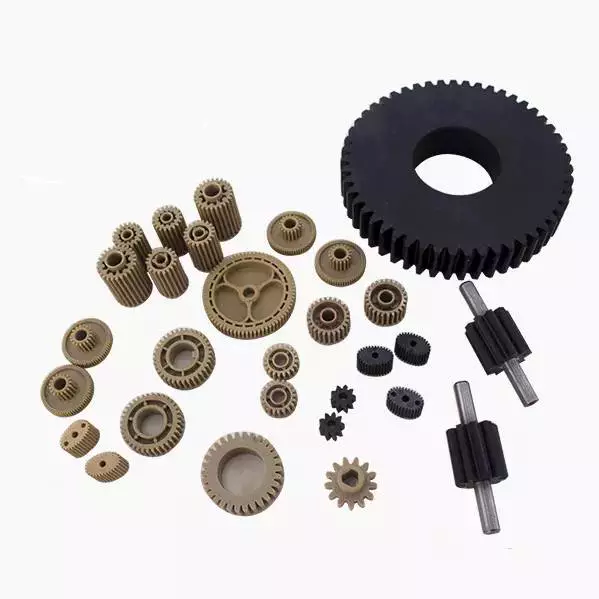
射出成形部品の設計
Designing injection molded parts involves careful consideration of various parameters, including the wall thickness and draft angle. These factors are essential for a strong, durable part. Improper wall thickness can lead to sinking and warping defects. To avoid these issues, ensure that the walls of your injection-molded parts have a uniform thickness that does not vary too much from the rest of the part.
Designing out sharp corners in injection molded parts
When designing an injection molded part, it’s important to consider the corner radius. Sharp corners will create more stress, and this will lead to weak spots and cracks. Creating a radius around the corner helps distribute stress evenly and allows easier material flow and part ejection. Additionally, sharp corners in a mold can collect contaminants and create defects, including surface delamination.
Sharp corners in injection molded parts are a common source of stress and can cause the part to become damaged during the manufacturing process. In addition to trapping air, sharp corners may also lead to localized high temperatures that degrade the part. To reduce these risks, consider adding radii to all sharp corners.
Another important design factor to consider is wall thickness. Parts that have a smooth transition between sections should be designed with a minimum of five millimeters of wall thickness. Anything thicker will increase production cycle time and may also negatively impact mechanical properties. The use of fillets and chamfers can also help avoid these problems.
Designing out sharp corners in injection molded components can prevent costly problems from occurring during the manufacturing process. While the process is simple and straightforward, it needs to be done correctly to ensure quality. By following best practices, designers can ensure their parts won’t develop any problems or sink, warp, or voids. A poor design can also cause damage to the mold, which can cost thousands of dollars and hundreds of hours to redesign.
When designing injection molded parts, designers should consider the following guidelines. Incorporate internal and external radiuses. The internal radius (also called a fillet radius) is designed into the mold for improved quality and strength during the molding process. This radius is typically located on the inside corners or the bottom of a compartment. It can also be used for connecting walls and ribs. An external radius, on the other hand, is known as a round radius.
A right-angled part with sharp corners has a tendency to be loaded by pushing the vertical wall to the left. This creates a high-level of molded-in stress in the part. The resulting part may be weaker than expected because of the increased stress on the corner.
均一な壁厚の重要性
Uniform wall thickness is a critical factor when designing injection-molded parts. This ensures that molten polymers can flow efficiently throughout the part. Additionally, it facilitates ideal processing. Varying wall thickness can cause problems during molding, such as air trapping, unbalanced filling, and weld lines. To ensure that your injection-molded parts are uniform, consult a plastic injection molding company that specializes in uniform wall thickness.
Injection-molded parts are more durable when the walls are uniform. A thin wall reduces the volume of material used in the part. However, thin walls can break during ejection. In addition, thin walls increase the possibility of voids. To prevent such problems, use larger machines that can produce parts with uniform wall thickness. This way, parts are easier to handle and ship.
Another important factor is the presence of gussets. These are support structures that stick out from a part’s surface. Gussets are useful for preventing warping, because they provide rigidity to thin unsupported sections. For this reason, gussets are essential when designing an injection-molded part.
Uniform wall thickness is especially critical in parts that have bends or rims. A uniform thickness helps maintain the mechanical strength and appearance of a part. However, this can be tricky as you may need to balance optical properties with mechanical ones. At Providence, we have the experience to help you navigate these challenges and produce quality parts.
Proper wall thickness is important for many reasons. It can affect both cost and production speed. The minimum wall thickness for injection molded parts depends on the part size, structural requirements, and flow behavior of the resin. Typically, injection molded parts have walls that are 2mm to 4mm thick. However, thin wall injection molding produces parts with walls as thin as 0.5mm. If you’re having trouble choosing the right wall thickness, consult an experienced injection molding company that can help you determine the appropriate wall thickness for your part.
Uneven wall thickness causes problems during injection molding. The uneven wall thickness may make the material flow through the part too quickly, or it may cause it to cool too slowly. This can lead to warping, twisting, or cracks. Even worse, uneven wall thickness can cause parts to become permanently damaged when they are ejected from the mold.
Importance of draft angle
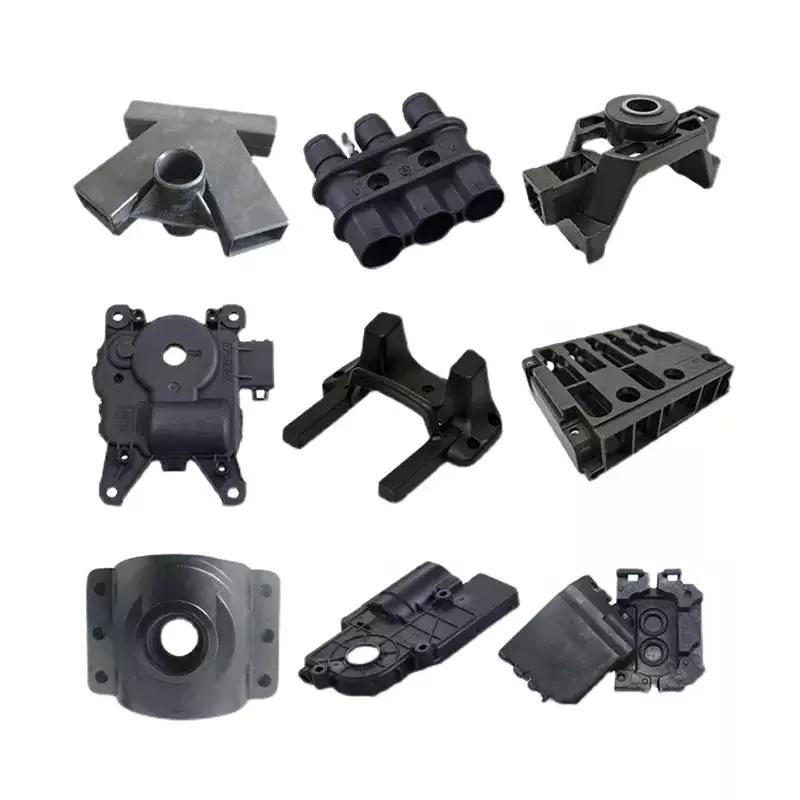 Draft angles are an important part of design for injection molded parts. These angles are necessary because friction occurs on surfaces that come into contact with the mold during the molding process. A part with a simple geometry would only require a single degree of draft, but larger parts would need at least two degrees.
Almost all parts requiring injection molding will require some amount of draft. The better the draft, the less likely the parts will have a poor finish and may bend or break. Furthermore, parts with inadequate draft will take longer to cool, extending cycle times. Moreover, if the parts are too thick or have too little draft, they may become warped.
Having a draft angle in injection molding is very important, especially if the mold has sharp corners. Without it, parts will come out scratched and will shorten the life of the mold. In some cases, parts may even not be able to eject from the mold at all. To prevent this, air needs to be allowed to get between the plastic and metal. This allows air to escape and prevents warping during ejection.
The importance of draft angle is often overlooked in the design process. Adding this angle to the mold can help prevent problems with mold release and reduce production costs. A draft angle will also allow parts to release from the mold more easily and will lead to better cosmetic finishes and fewer rejected parts. Additionally, it will reduce the need for costly elaborate ejection setups.
Draft angle should be added to the design as early as possible. It’s crucial for the success of the injection molding process, so it is best to incorporate it early in the design process. Even 3D printed parts can benefit from this detail. The size of the draft angle is also important, especially for core surfaces.
A draft angle can be large or small. The larger the draft angle, the easier it is to release the mold after the mold is completed. However, if the draft angle is too small, it can lead to scrapes on the edges or large ejector pin marks. Draft angles that are too small can lead to cracks and increase mold expenses.
料金
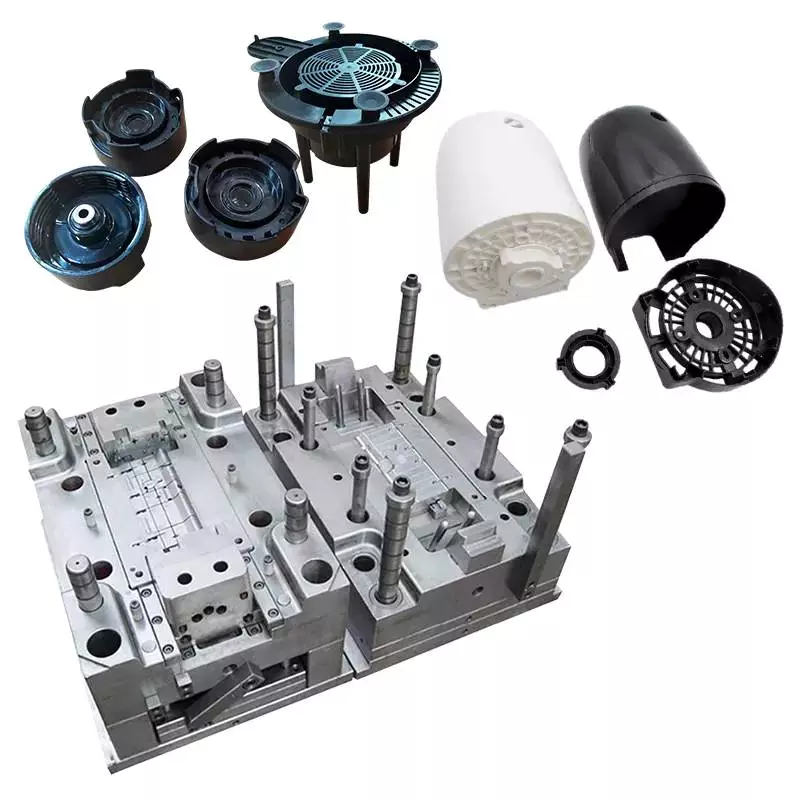 There are many factors that contribute to the cost of injection-molded parts, including the material used for the mold and the complexity of the design. For example, larger parts will require a larger injection mold, which will cost more to manufacture. Additionally, more complex parts may require a mold with special features. Mold makers can advise you on how to design your part in order to reduce the overall cost of an injection-molded part.
One of the biggest costs related to the production of injection molded parts is the cost of the tooling. Tooling costs can reach $1,000 or more, depending on the design, materials, and finishing options. Tooling costs are less if the part quantity is small and repeatable. Higher part volumes may require a new mold and tooling.
Injection-molded parts’ cost depends on the material used and the price of procuring the material. The type of material also influences how long the part will last. Plastics that contain high percentages of glass fibers are abrasive and can damage an injection mold. Therefore, they are more expensive but may not be necessary for certain applications. Additionally, the material’s thermal properties may also affect the cycle time.
Mold size is another factor that impacts the cost. Larger molds require more CNC machinery and building space than smaller molds. Additionally, the complexity of the part will also impact the cost. Injection molds with sharp corners and complex ribs will cost more than small injection molds without intricate designs.
Injection molding is a complex process that requires a variety of moving parts. During the process, a critical piece of equipment is the injection die. This machine is a large part of the process, and comes in different sizes and shapes. Its purpose is to accept the hot plastic and machine it to extremely precise tolerances.
If your project requires a complex product with a high degree of complexity, injection molding is an excellent choice. It is ideal for initial product development, crowdfunding campaigns, and on-demand production. Mold modifications can also lower the cost of injection molding.

editor by CX 2023-10-19