
製品説明
製品説明
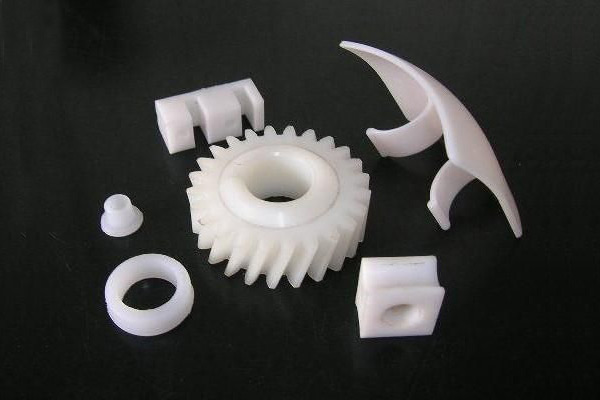
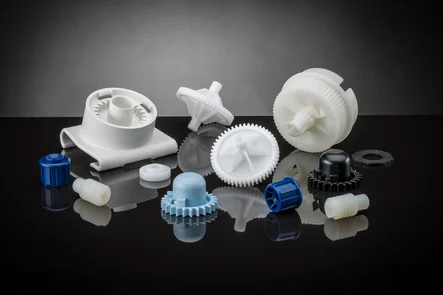
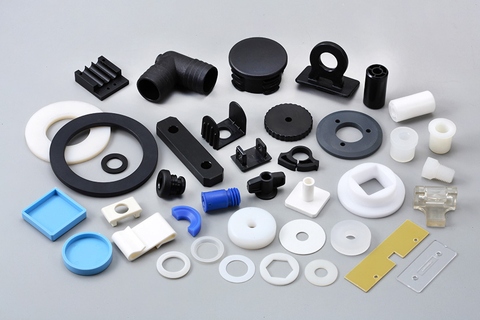
| Product name | Custom Nylon/Pom/Abs Plastic Injection Moulded Parts Molding Product | |
| Product material | ABS, PC, PP, PS, POM,PBT,PVC,PA6,PA66,PA66+30%GF, PTFE,PC+ABS,TPE,etc |
|
| 色 | any colour available,will according customer’s request | |
| サイズ | as per your drawing or the sample | |
| surface finish | Color painting,Texture,Silk-printing,Vacuum coating,rubber coating, etc. | |
| Logo | accept customized | |
| Application field | Various plastic injection molded parts for various industrial and automotive applications | |
| Mold Cavity | Single or Multi-cavity | |
| Mold life | 5 shots | |
| runner system | hot runner and cold runner | |
| package | standard export carton packing ,or according your request. | |
| lead time |
|
Detailed Photos
Company Profile
Our company was founded in 2003.covers an area of 3000sqm,located in Xihu (West Lake) Dis. county,ZHangZhoug,China
we are manufacturer specialized in customized injection molding service and plastic extrusion profiles as customer’s design or sample.
We provide 1 stop Service including prototyping of preprodcution parts,tool design and build,parts production and assembly.We have professional engineering team over 10 years experience of plastic injection mold design and plastic injection molding process.
The products made by us widely used in household electrical appliances,gym equipment ,led lamps,automotive industry,packing industry and other fields.We can customize all kinds of Engineering plastics products according to our customers’ drawings or samples.
with Professional technicians and rich experience we have established CHINAMFG business relationships with customers spread worldwidely,Mainly in Europe,South America and North America.
We are looking CHINAMFG to forming successful business relationships with new clients in the near future.
Please feel free to contact us,We believe we will be your good business partner !
よくある質問
1. Are you a trading company or a manufacturer?
We are a manufacturer.
2. What kind of trade terms can you do?
EX-WORKS,FOB,CIF,DDP, DDU
3. Can I test my idea/component before committing to mould tool manufacture?
Yes, we can make 3D samples for test functional evaluations.
4. Can you assure the quality ?
Yes ,We have a professional quality inspection department,the mold is strickly tested before shipment.also send the plastic products sample to you before mass production.
5. Do you support OEM ?
Yes, we can produce by technical drawings or samples.
6.What type of plastic is best for my design/component?
Materials selection depends on the application of your design and the environment in which it will function. We are very glad to discuss the alternatives and give you best suggestions .
7. How about your delivery time?
Generally, it take 25 days for make mold.mass production depending on order qty.
/* 2571年3月10日 17:59:20 */!function(){function s(e,r){var a,o={};try{e&&e.split(“,”).forEach(function(e,t){e&&(a=e.match(/(.*?):(.*)$/))&&1
| 材料: | ABS/PP/PA6/PC/POM |
|---|---|
| 応用: | Medical, Household, Electronics, Automotive, Agricultural |
| Drawing Format: | Dwg .Step .Igs |
| Mold Material: | P20/S50c/H13/Nak80/718/738h/S136 |
| サイズ: | as Customer′s Design File |
| Logo: | Accept Custom |
| サンプル: |
US$ 2/Piece
1個(最小注文数) | |
|---|
| カスタマイズ: |
利用可能
|
|
|---|
What is the impact of material selection on the performance and durability of injection molded parts?
The material selection for injection molded parts has a significant impact on their performance and durability. The choice of material influences various key factors, including mechanical properties, chemical resistance, thermal stability, dimensional stability, and overall part functionality. Here’s a detailed explanation of the impact of material selection on the performance and durability of injection molded parts:
Mechanical Properties:
The mechanical properties of the material directly affect the part’s strength, stiffness, impact resistance, and fatigue life. Different materials exhibit varying levels of tensile strength, flexural strength, modulus of elasticity, and elongation at break. The selection of a material with appropriate mechanical properties ensures that the injection molded part can withstand the applied forces, vibrations, and operational stresses without failure or deformation.
Chemical Resistance:
The material’s resistance to chemicals and solvents is crucial in applications where the part comes into contact with aggressive substances. Certain materials, such as engineering thermoplastics like ABS (Acrylonitrile Butadiene Styrene) or PEEK (Polyether Ether Ketone), exhibit excellent chemical resistance. Choosing a material with the appropriate chemical resistance ensures that the injection molded part maintains its integrity and functionality when exposed to specific chemicals or environments.
Thermal Stability:
The thermal stability of the material is essential in applications that involve exposure to high temperatures or thermal cycling. Different materials have varying melting points, glass transition temperatures, and heat deflection temperatures. Selecting a material with suitable thermal stability ensures that the injection molded part can withstand the anticipated temperature variations without dimensional changes, warping, or degradation of mechanical properties.
Dimensional Stability:
The dimensional stability of the material is critical in applications where precise tolerances and dimensional accuracy are required. Some materials, such as engineering thermoplastics or filled polymers, exhibit lower coefficients of thermal expansion, minimizing the part’s dimensional changes with temperature variations. Choosing a material with good dimensional stability helps ensure that the injection molded part maintains its shape, size, and critical dimensions over a wide range of operating temperatures.
Part Functionality:
The material selection directly impacts the functionality and performance of the injection molded part. Different materials offer unique properties that can be tailored to meet specific application requirements. For example, materials like polycarbonate (PC) or polypropylene (PP) offer excellent transparency, making them suitable for applications requiring optical clarity, while materials like polyamide (PA) or polyoxymethylene (POM) provide low friction and wear resistance, making them suitable for moving or sliding parts.
Cycle Time and Processability:
The material selection can also affect the cycle time and processability of injection molding. Different materials have different melt viscosities and flow characteristics, which influence the filling and cooling times during the molding process. Materials with good flow properties can fill complex mold geometries more easily, reducing the cycle time and improving productivity. It’s important to select a material that can be effectively processed using the available injection molding equipment and techniques.
Cost Considerations:
The material selection also impacts the overall cost of the injection molded part. Different materials have varying costs, and selecting the most suitable material involves considering factors such as material availability, tooling requirements, processing conditions, and the desired performance characteristics. Balancing the performance requirements with cost considerations is crucial in achieving an optimal material selection that meets the performance and durability requirements within the budget constraints.
Overall, material selection plays a critical role in determining the performance, durability, and functionality of injection molded parts. Careful consideration of mechanical properties, chemical resistance, thermal stability, dimensional stability, part functionality, cycle time, processability, and cost factors helps ensure that the chosen material meets the specific application requirements and delivers the desired performance and durability over the part’s intended service life.
用途要件に基づいた射出成形材料の選定について、アドバイスをいただけますか?
はい、用途要件に基づいた射出成形材料の選定についてアドバイスを提供できます。射出成形材料の選択は、成形部品の性能、耐久性、機能性を決定する上で非常に重要な役割を果たします。以下に、考慮すべき要素と適切な材料を選択するためのガイダンスを詳しく説明します。
1. 機械的特性:
強度、剛性、耐衝撃性、耐摩耗性など、用途に必要な機械的特性を考慮してください。材料によって機械的特性は異なるため、適切な特性を持つ材料を選択することが重要です。例えば、ABS、PC、ナイロンなどのエンジニアリング熱可塑性樹脂は高い強度と耐衝撃性を備えており、PEEKやULTEMなどの材料は高温下でも優れた機械的性能を発揮します。
2. 耐薬品性:
部品が化学物質にさらされる場合は、材料の耐薬品性を考慮してください。PVCやPTFEなどの一部の材料は、幅広い化学物質に対して優れた耐性を示しますが、他の材料は劣化や膨張を起こしやすい場合があります。選択した材料が、使用環境で遭遇する特定の化学物質に耐えられることを確認してください。
3. 熱特性:
用途における動作温度範囲を評価し、適切な熱特性を持つ材料を選択してください。PPS、PEEK、LCPなどの材料は優れた耐熱性を備えていますが、その他の材料は耐熱温度に制限がある場合があります。部品の最高使用温度、熱安定性、熱膨張係数、熱伝達要件などの要素を考慮してください。
4. 電気的特性:
電気・電子用途においては、材料の電気的特性を考慮する必要があります。PBTやPPSなどの材料は優れた電気絶縁性を示しますが、導電性や誘電損失性を持つ材料もあります。用途に応じて、必要な絶縁耐力、電気伝導率、表面抵抗率、その他の関連する電気的特性を決定してください。
5.環境条件:
部品がさらされる環境条件(湿度、紫外線、屋外での風雨、極端な温度など)を評価してください。ASAやHDPEなどの一部の材料は優れた耐候性と耐紫外線性を備えていますが、他の材料は過酷な条件下では劣化したり脆くなったりする可能性があります。長期的な性能と耐久性を確保するためには、特定の環境要因に耐えられる材料を選択してください。
6. 法令遵守:
材料が満たすべき規制要件や業界標準を考慮してください。医療業界や食品業界など、特定の用途では、FDA承認済みの材料や特定の認証に準拠した材料が必要となる場合があります。選択した材料が、意図する用途に必要な規制基準および安全基準を満たしていることを確認してください。
7.費用に関する考慮事項:
材料選定に伴うコストへの影響を評価してください。材料によってコストは異なるため、材料の選択はプロジェクト予算に合致している必要があります。単位あたりの材料費だけでなく、工具費用、生産効率、部品のライフサイクルコストといった要素も考慮してください。
8.材料の入手可能性と加工:
材料の入手可能性を確認し、射出成形における加工性を検討してください。材料が供給業者から容易に入手可能であり、溶融流動性、成形性、選択した成形装置との適合性など、特定の射出成形プロセスパラメータに適していることを確認してください。
9. 材料試験および検証:
選定した材料が要求仕様および性能基準を満たしていることを確認するため、材料試験および検証を実施する。用途固有の条件下における材料の特性および挙動を検証するため、機械的、熱的、化学的、電気的試験を実施する。
具体的な用途要件に基づいたさらなるガイダンスや推奨事項を得るには、材料サプライヤー、エンジニア、または射出成形の専門家に相談することを検討してください。彼らは、専門知識と業界標準およびベストプラクティスに関する知識に基づき、材料選定に関する貴重な洞察を提供してくれるでしょう。
これらの要素と指針を慎重に検討することで、特定の用途要件を満たす射出成形に最適な材料を選択し、成形部品の最適な性能、耐久性、機能性を確保することができます。
Can you explain the advantages of using injection molding for producing parts?
Injection molding offers several advantages as a manufacturing process for producing parts. It is a widely used technique for creating plastic components with high precision, efficiency, and scalability. Here’s a detailed explanation of the advantages of using injection molding:
1. 高精度と複雑性:
Injection molding allows for the production of parts with high precision and intricate details. The molds used in injection molding are capable of creating complex shapes, fine features, and precise dimensions. This level of precision enables the manufacturing of parts with tight tolerances, ensuring consistent quality and fit.
2. コスト効率の高い大量生産:
Injection molding is a highly efficient process suitable for large-scale production. Once the initial setup, including mold design and fabrication, is completed, the manufacturing process can be automated. Injection molding machines can produce parts rapidly and continuously, resulting in fast and cost-effective production of identical parts. The ability to produce parts in high volumes helps reduce per-unit costs, making injection molding economically advantageous for mass production.
3. 素材の多様性:
Injection molding supports a wide range of thermoplastic materials, providing versatility in material selection based on the desired properties of the final part. Various types of plastics can be used in injection molding, including commodity plastics, engineering plastics, and high-performance plastics. Different materials can be chosen to achieve specific characteristics such as strength, flexibility, heat resistance, chemical resistance, or transparency.
4. 強度と耐久性:
Injection molded parts can exhibit excellent strength and durability. During the injection molding process, the molten material is uniformly distributed within the mold, resulting in consistent mechanical properties throughout the part. This uniformity enhances the structural integrity of the part, making it suitable for applications that require strength and longevity.
5. 最小限の後処理:
Injection molded parts often require minimal post-processing. The high precision and quality achieved during the molding process reduce the need for extensive additional machining or finishing operations. The parts typically come out of the mold with the desired shape, surface finish, and dimensional accuracy, reducing time and costs associated with post-processing activities.
6. 設計の柔軟性:
Injection molding offers significant design flexibility. The process can accommodate complex geometries, intricate details, undercuts, thin walls, and other design features that may be challenging or costly with other manufacturing methods. Designers have the freedom to create parts with unique shapes and functional requirements. Injection molding also allows for the integration of multiple components or features into a single part, reducing assembly requirements and potential points of failure.
7. Rapid Prototyping:
Injection molding is also used for rapid prototyping. By quickly producing functional prototypes using the same process and materials as the final production parts, designers and engineers can evaluate the part’s form, fit, and function early in the development cycle. Rapid prototyping with injection molding enables faster iterations, reduces development time, and helps identify and address design issues before committing to full-scale production.
8. Environmental Considerations:
Injection molding can have environmental advantages compared to other manufacturing processes. The process generates minimal waste as the excess material can be recycled and reused. Injection molded parts also tend to be lightweight, which can contribute to energy savings during transportation and reduce the overall environmental impact.
In summary, injection molding offers several advantages for producing parts. It provides high precision and complexity, cost-effective mass production, material versatility, strength and durability, minimal post-processing requirements, design flexibility, rapid prototyping capabilities, and environmental considerations. These advantages make injection molding a highly desirable manufacturing process for a wide range of industries, enabling the production of high-quality plastic parts efficiently and economically.


editor by CX 2024-02-24