
Penerangan Produk
Medical Plastic Injection Molding Molded Plastic Hook Parts
Parameter Produk
|
Bahan |
PA, POM, ABS, PP, PET, PC, PE, HDPE, PA66+GF, PVC, TPFE…. |
|
Warna |
Depends on customer’s requirements. |
|
Support Software: |
Pro-E , UGS , SolidWorks ,AutoCAD |
|
Soft ware |
CAD/IGS /STEP/STP /PDF |
|
A surface request |
glossy ,texture |
|
Mold life |
50,000-3000,000 times |
|
Smaple : |
Free sample ! |
|
Delivery time : |
15 days production, if opening mould, plus 15-20 days. |
|
MIN Quantity: |
1000pcs |
|
Package : |
Carton and Pallet , exact part with package every pc . |
Detailed Photos
About Injection Molding
Injection molding is the most common modern method of manufacturing plastic parts. It is used to create a variety of parts with different shapes and sizes, and it is ideal for producing high volumes of the same plastic part. Injection molding is widely used for manufacturing a variety of parts, from the smallest medical device component to entire body panels of cars. A manufacturing process for producing CHINAMFG from both thermoplastic and thermosetting materials, injection molding can create parts with complex geometries that many other processes cannot.
Other products
Production process
Profil Syarikat
ZheJiang (HangZhou) Xihu (West Lake) Dis.xin Metal Products Co., Ltd is specialized in the production of aluminum die casting, zinc alloy die casting, and aluminum lightweight production. Since establish of 2006, we always provide the best die casting parts to customers, and now we also develop the lightweight process successfully and obtain many national patents. Our products are widely used in automobile, medical, power Industry, electrical appliance, construction, high-speed railway and so on. And we have exported to Japan, Germany, USA, Canada, Australia and many countries.
Environmental Impact Assessment & ISO 9001 Certied
Selecting a reliable and qualified partner is more different & difficult than just choosing a supplier. We have obtained the license of EIA from government and get certied of ISO 9001, and we will always process our production per as EIA & ISO requirement strictly, to guarantee the stable production, to supply the qualified parts to you and enlarge your business finally. We sincerely hope we can become your faithful partner and develop a flouring future with you.
Pensijilan
Packaging & Shipping
Soalan Lazim
1.Are you a manufacturer or a trading company?
We are a 3000-square-meter factory located in ZheJiang , China.
2.How can I get a quote?
Detailed drawings(PDF/STEP/IGS/DWG…) with material, quantity and surface treatment information.
3. Can I get a quote without drawings?
Sure, we appreciate to receive your samples, pictures or drafts with detailed dimensions for accurate quotation.
4.Will my drawings be divulged if you benefit?
No, we pay much attention to protect our customers’ privacy of drawings, signing NDA is also accepted if need.
5. Can you provide samples before mass production?
Sure, sample fee is needed, will be returned when mass production if possible.
6. How about the lead time?
Generally, 1-2 weeks for samples, 3-4 weeks for mass production.
7. How do you control the quality?
(1)Material inspection–Check the material surface and roughly dimension
(2) Production first inspection–To ensure the critical dimension in mass production
(3)Sampling inspection–Check the quality before sending to the warehouse
(4)Pre-shipment inspection–100% inspected by QC assistants before shipment
8. What will you do if we receive poor quality parts?
Please kindly send us the pictures, our engineers will find the solutions and remake them for you asap. /* March 10, 2571 17:59:20 */!function(){function s(e,r){var a,o={};try{e&&e.split(“,”).forEach(function(e,t){e&&(a=e.match(/(.*?):(.*)$/))&&1
| Bahan: | Plastic |
|---|---|
| Permohonan: | Perubatan, Isi Rumah, Elektronik, Automotif, Pertanian |
| Name: | Plastic Injection Molded Products |
| Product: | Household Product |
| Material Available: | ABS, PC, PA, PP, POM.Nylon66, etc |
| Warna: | Customize Color |
| Sampel: |
US$ 3/Piece
1 Keping (Pesanan Minimum) | |
|---|
| Penyesuaian: |
Tersedia
|
|
|---|
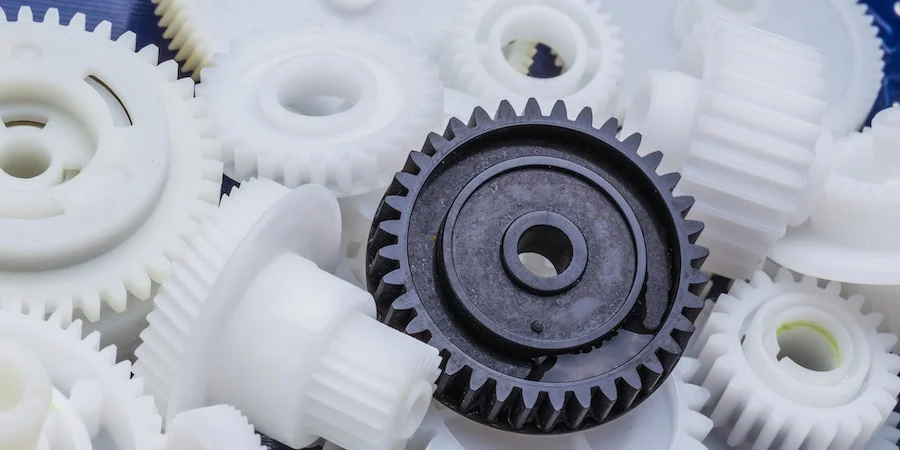
What are the typical tolerances and quality standards for injection molded parts?
When it comes to injection molded parts, the tolerances and quality standards can vary depending on several factors, including the specific application, industry requirements, and the capabilities of the injection molding process. Here are some general considerations regarding tolerances and quality standards:
Tolerances:
The tolerances for injection molded parts typically refer to the allowable deviation from the intended design dimensions. These tolerances are influenced by various factors, including the part geometry, material properties, mold design, and process capabilities. It’s important to note that achieving tighter tolerances often requires more precise tooling, tighter process control, and additional post-processing steps. Here are some common types of tolerances found in injection molding:
1. Dimensional Tolerances:
Dimensional tolerances define the acceptable range of variation for linear dimensions, such as length, width, height, and diameter. The specific tolerances depend on the part’s critical dimensions and functional requirements. Typical dimensional tolerances for injection molded parts can range from +/- 0.05 mm to +/- 0.5 mm or even tighter, depending on the complexity of the part and the process capabilities.
2. Geometric Tolerances:
Geometric tolerances specify the allowable variation in shape, form, and orientation of features on the part. These tolerances are often expressed using symbols and control the relationships between various geometric elements. Common geometric tolerances include flatness, straightness, circularity, concentricity, perpendicularity, and angularity. The specific geometric tolerances depend on the part’s design requirements and the manufacturing capabilities.
3. Surface Finish Tolerances:
Surface finish tolerances define the acceptable variation in the texture, roughness, and appearance of the part’s surfaces. The surface finish requirements are typically specified using roughness parameters, such as Ra (arithmetical average roughness) or Rz (maximum height of the roughness profile). The specific surface finish tolerances depend on the part’s aesthetic requirements, functional needs, and the material being used.
Quality Standards:
In addition to tolerances, injection molded parts are subject to various quality standards that ensure their performance, reliability, and consistency. These standards may be industry-specific or based on international standards organizations. Here are some commonly referenced quality standards for injection molded parts:
1. ISO 9001:
The ISO 9001 standard is a widely recognized quality management system that establishes criteria for the overall quality control and management of an organization. Injection molding companies often seek ISO 9001 certification to demonstrate their commitment to quality and adherence to standardized processes for design, production, and customer satisfaction.
2. ISO 13485:
ISO 13485 is a specific quality management system standard for medical devices. Injection molded parts used in the medical industry must adhere to this standard to ensure they meet the stringent quality requirements for safety, efficacy, and regulatory compliance.
3. Automotive Industry Standards:
The automotive industry has its own set of quality standards, such as ISO/TS 16949 (now IATF 16949), which focuses on the quality management system for automotive suppliers. These standards encompass requirements for product design, development, production, installation, and servicing, ensuring the quality and reliability of injection molded parts used in automobiles.
4. Industry-Specific Standards:
Various industries may have specific quality standards or guidelines that pertain to injection molded parts. For example, the aerospace industry may reference standards like AS9100, while the electronics industry may adhere to standards such as IPC-A-610 for acceptability of electronic assemblies.
It’s important to note that the specific tolerances and quality standards for injection molded parts can vary significantly depending on the application and industry requirements. Design engineers and manufacturers work together to define the appropriate tolerances and quality standards based on the functional requirements, cost considerations, and the capabilities of the injection molding process.
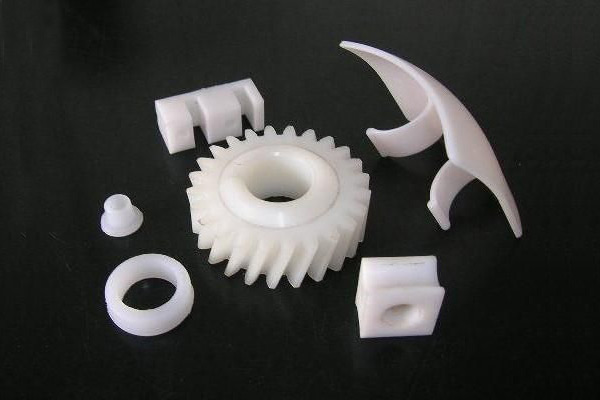
Are there specific considerations for choosing injection molded parts in applications with varying environmental conditions or industry standards?
Yes, there are specific considerations to keep in mind when choosing injection molded parts for applications with varying environmental conditions or industry standards. These factors play a crucial role in ensuring that the selected parts can withstand the specific operating conditions and meet the required standards. Here’s a detailed explanation of the considerations for choosing injection molded parts in such applications:
1. Material Selection:
The choice of material for injection molded parts is crucial when considering varying environmental conditions or industry standards. Different materials offer varying levels of resistance to factors such as temperature extremes, UV exposure, chemicals, moisture, or mechanical stress. Understanding the specific environmental conditions and industry requirements is essential in selecting a material that can withstand these conditions while meeting the necessary standards for performance, durability, and safety.
2. Temperature Resistance:
In applications with extreme temperature variations, it is important to choose injection molded parts that can withstand the specific temperature range. Some materials, such as engineering thermoplastics, exhibit excellent high-temperature resistance, while others may be more suitable for low-temperature environments. Consideration should also be given to the potential for thermal expansion or contraction, as it can affect the dimensional stability and overall performance of the parts.
3. Chemical Resistance:
In industries where exposure to chemicals is common, it is critical to select injection molded parts that can resist chemical attack and degradation. Different materials have varying levels of chemical resistance, and it is important to choose a material that is compatible with the specific chemicals present in the application environment. Consideration should also be given to factors such as prolonged exposure, concentration, and frequency of contact with chemicals.
4. UV Stability:
For applications exposed to outdoor environments or intense UV radiation, selecting injection molded parts with UV stability is essential. UV radiation can cause material degradation, discoloration, or loss of mechanical properties over time. Materials with UV stabilizers or additives can provide enhanced resistance to UV radiation, ensuring the longevity and performance of the parts in outdoor or UV-exposed applications.
5. Mechanical Strength and Impact Resistance:
In applications where mechanical stress or impact resistance is critical, choosing injection molded parts with the appropriate mechanical properties is important. Materials with high tensile strength, impact resistance, or toughness can ensure that the parts can withstand the required loads, vibrations, or impacts without failure. Consideration should also be given to factors such as fatigue resistance, abrasion resistance, or flexibility, depending on the specific application requirements.
6. Compliance with Industry Standards:
When selecting injection molded parts for applications governed by industry standards or regulations, it is essential to ensure that the chosen parts comply with the required standards. This includes standards for dimensions, tolerances, safety, flammability, electrical properties, or specific performance criteria. Choosing parts that are certified or tested to meet the relevant industry standards helps ensure compliance and reliability in the intended application.
7. Environmental Considerations:
In today’s environmentally conscious landscape, considering the sustainability and environmental impact of injection molded parts is increasingly important. Choosing materials that are recyclable or biodegradable can align with sustainability goals. Additionally, evaluating factors such as energy consumption during manufacturing, waste reduction, or the use of environmentally friendly manufacturing processes can contribute to environmentally responsible choices.
8. Customization and Design Flexibility:
Lastly, the design flexibility and customization options offered by injection molded parts can be advantageous in meeting specific environmental or industry requirements. Injection molding allows for intricate designs, complex geometries, and the incorporation of features such as gaskets, seals, or mounting points. Customization options for color, texture, or surface finish can also be considered to meet specific branding or aesthetic requirements.
Considering these specific considerations when choosing injection molded parts for applications with varying environmental conditions or industry standards ensures that the selected parts are well-suited for their intended use, providing optimal performance, durability, and compliance with the required standards.
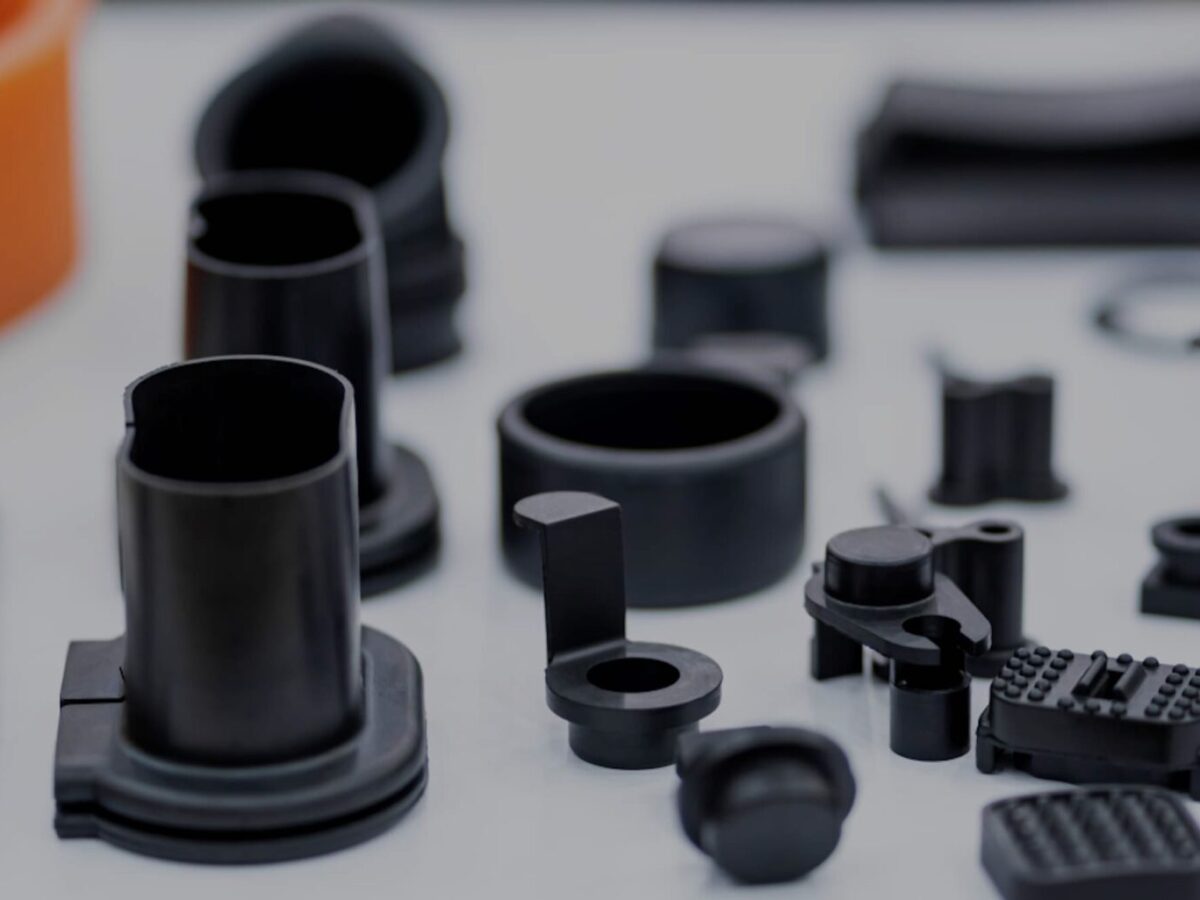
Apakah bahagian yang dibentuk dengan suntikan, dan bagaimana ia dihasilkan?
Bahagian yang dibentuk melalui suntikan ialah komponen atau produk yang dihasilkan melalui proses pembuatan acuan suntikan. Acuan suntikan ialah teknik pembuatan yang digunakan secara meluas untuk menghasilkan bahagian plastik dengan ketepatan, kerumitan dan kecekapan yang tinggi. Berikut ialah penjelasan terperinci tentang bahagian yang dibentuk melalui suntikan dan proses pembuatannya:
Proses Pengacuan Suntikan:
Proses pengacuan suntikan melibatkan langkah-langkah berikut:
1. Reka Bentuk Acuan:
Langkah pertama dalam pembuatan bahagian yang dibentuk dengan suntikan ialah mereka bentuk acuan. Acuan ialah alat buatan khas yang menentukan bentuk dan ciri-ciri bahagian akhir. Ia biasanya diperbuat daripada keluli atau aluminium dan terdiri daripada dua bahagian: rongga dan teras. Reka bentuk acuan mengambil kira faktor-faktor seperti geometri bahagian, pemilihan bahan, keperluan penyejukan dan mekanisme lontaran.
2. Pemilihan Bahan:
Langkah seterusnya ialah memilih bahan yang sesuai untuk proses pengacuan suntikan. Polimer termoplastik biasanya digunakan kerana keupayaannya untuk mencairkan dan memejal berulang kali tanpa degradasi yang ketara. Pilihan bahan bergantung pada sifat yang diingini pada bahagian akhir, seperti kekuatan, fleksibiliti, ketelusan atau rintangan kimia.
3. Peleburan dan Suntikan:
Dalam mesin pengacuan suntikan, bahan termoplastik yang dipilih dicairkan dan dibawa ke keadaan lebur. Bahan lebur, yang dipanggil lebur, kemudiannya disuntik ke dalam acuan di bawah tekanan tinggi. Suntikan dilakukan melalui muncung dan sistem pelari yang menghantar bahan lebur ke rongga acuan.
4. Penyejukan:
Selepas bahan cair disuntik ke dalam acuan, ia mula menyejuk dan memejal. Penyejukan merupakan fasa kritikal dalam proses pengacuan suntikan kerana ia menentukan ketepatan dimensi, kekuatan dan sifat-sifat lain bahagian akhir. Acuan direka bentuk dengan saluran atau sisipan penyejukan untuk memudahkan penyejukan bahagian yang cekap dan seragam. Masa penyejukan boleh berbeza-beza bergantung pada faktor seperti ketebalan bahagian, sifat bahan dan reka bentuk acuan.
5. Pembukaan dan Pelontaran Acuan:
Sebaik sahaja bahan yang disuntik telah cukup sejuk dan memejal, acuan akan terbuka, memisahkan kedua-dua bahagian tersebut. Pin ejektor atau mekanisme lain digunakan untuk menolak atau melepaskan bahagian dari rongga acuan. Sistem ejeksi mesti direka bentuk dengan teliti untuk mengelakkan kerosakan pada bahagian semasa proses ejeksi.
6. Penamat:
Selepas lontaran, bahagian yang dibentuk melalui suntikan mungkin menjalani proses kemasan tambahan, seperti memangkas bahan berlebihan, menanggalkan sprue atau runner, dan menggunakan rawatan atau tekstur permukaan. Proses ini membantu mencapai penampilan dan fungsi akhir bahagian yang diingini.
Kelebihan Bahagian Acuan Suntikan:
Bahagian acuan suntikan menawarkan beberapa kelebihan:
1. Ketepatan dan Kerumitan Tinggi:
Acuan suntikan membolehkan penghasilan bahagian-bahagian dengan ketepatan tinggi dan perincian yang rumit. Acuan boleh menghasilkan bentuk yang kompleks, ciri-ciri halus dan dimensi yang tepat, membolehkan pembuatan bahagian-bahagian dengan toleransi yang ketat.
2. Pengeluaran Besar-besaran yang Kos Efektif:
Pengacuan suntikan merupakan proses yang sangat cekap dan sesuai untuk pengeluaran berskala besar. Sebaik sahaja acuan dihasilkan, proses pembuatan boleh diautomasikan, menghasilkan pengeluaran bahagian yang sama dengan cepat dan berkesan kos. Jumlah pengeluaran yang tinggi membantu mengurangkan kos setiap unit.
3. Kebolehgunaan Bahan:
Acuan suntikan menyokong pelbagai jenis bahan termoplastik, membolehkan pemilihan bahan yang versatiliti berdasarkan ciri-ciri yang diingini pada bahagian akhir. Bahan yang berbeza boleh digunakan untuk mencapai sifat tertentu seperti kekuatan, fleksibiliti, rintangan haba atau rintangan kimia.
4. Kekuatan dan Ketahanan:
Bahagian yang dibentuk melalui suntikan boleh menunjukkan kekuatan dan ketahanan yang sangat baik. Proses pengacuan memastikan bahan diagihkan secara seragam, menghasilkan sifat mekanikal yang konsisten di seluruh bahagian. Ini menjadikan bahagian yang dibentuk melalui suntikan sesuai untuk pelbagai aplikasi yang memerlukan integriti struktur dan jangka hayat yang panjang.
5. Pemprosesan Pasca Minimum:
Bahagian yang dibentuk melalui suntikan selalunya memerlukan pemprosesan pasca yang minimum. Ketepatan dan kualiti tinggi yang dicapai semasa proses pengacuan mengurangkan keperluan untuk operasi pemesinan atau kemasan tambahan yang meluas, sekali gus menjimatkan masa dan kos.
6. Fleksibiliti Reka Bentuk:
Dengan pengacuan suntikan, pereka bentuk mempunyai fleksibiliti yang ketara dalam reka bentuk bahagian. Proses ini boleh menampung geometri kompleks, potongan bawah, dinding nipis dan ciri reka bentuk lain yang mungkin mencabar atau mahal dengan kaedah pembuatan lain. Fleksibiliti ini membolehkan inovasi dan pengoptimuman fungsi bahagian.
Secara ringkasnya, bahagian yang dibentuk melalui suntikan adalah komponen atau produk yang dihasilkan melalui proses pengacuan suntikan. Proses ini melibatkan mereka bentuk acuan, memilih bahan yang sesuai, mencairkan dan menyuntik bahan ke dalam acuan, menyejukkan dan memejalkan bahagian, membuka acuan dan mengeluarkan bahagian, dan menggunakan proses kemasan mengikut keperluan. Bahagian yang dibentuk melalui suntikan menawarkan kelebihan seperti ketepatan tinggi, kerumitan, pengeluaran besar-besaran yang kos efektif, fleksibiliti bahan, kekuatan dan ketahanan, pemprosesan pasca yang minimum, dan fleksibiliti reka bentuk. Faktor-faktor ini menyumbang kepada penggunaan acuan suntikan yang meluas dalam pelbagai industri untuk menghasilkan bahagian plastik berkualiti tinggi.


editor by CX 2024-02-09