
وصف المنتج
Medical Plastic Injection Molding Molded Plastic Hook Parts
معايير المنتج
|
مادة |
PA, POM, ABS, PP, PET, PC, PE, HDPE, PA66+GF, PVC, TPFE…. |
|
لون |
Depends on customer’s requirements. |
|
Support Software: |
Pro-E , UGS , SolidWorks ,AutoCAD |
|
Soft ware |
CAD/IGS /STEP/STP /PDF |
|
A surface request |
glossy ,texture |
|
Mold life |
50,000-3000,000 times |
|
Smaple : |
Free sample ! |
|
Delivery time : |
15 days production, if opening mould, plus 15-20 days. |
|
MIN Quantity: |
1000pcs |
|
Package : |
Carton and Pallet , exact part with package every pc . |
Detailed Photos
About Injection Molding
Injection molding is the most common modern method of manufacturing plastic parts. It is used to create a variety of parts with different shapes and sizes, and it is ideal for producing high volumes of the same plastic part. Injection molding is widely used for manufacturing a variety of parts, from the smallest medical device component to entire body panels of cars. A manufacturing process for producing CHINAMFG from both thermoplastic and thermosetting materials, injection molding can create parts with complex geometries that many other processes cannot.
Other products
Production process
نبذة عن الشركة
ZheJiang (HangZhou) Xihu (West Lake) Dis.xin Metal Products Co., Ltd is specialized in the production of aluminum die casting, zinc alloy die casting, and aluminum lightweight production. Since establish of 2006, we always provide the best die casting parts to customers, and now we also develop the lightweight process successfully and obtain many national patents. Our products are widely used in automobile, medical, power Industry, electrical appliance, construction, high-speed railway and so on. And we have exported to Japan, Germany, USA, Canada, Australia and many countries.
Environmental Impact Assessment & ISO 9001 Certied
Selecting a reliable and qualified partner is more different & difficult than just choosing a supplier. We have obtained the license of EIA from government and get certied of ISO 9001, and we will always process our production per as EIA & ISO requirement strictly, to guarantee the stable production, to supply the qualified parts to you and enlarge your business finally. We sincerely hope we can become your faithful partner and develop a flouring future with you.
Certifications
Packaging & Shipping
التعليمات
1.Are you a manufacturer or a trading company?
We are a 3000-square-meter factory located in ZheJiang , China.
2.How can I get a quote?
Detailed drawings(PDF/STEP/IGS/DWG…) with material, quantity and surface treatment information.
3. Can I get a quote without drawings?
Sure, we appreciate to receive your samples, pictures or drafts with detailed dimensions for accurate quotation.
4.Will my drawings be divulged if you benefit?
No, we pay much attention to protect our customers’ privacy of drawings, signing NDA is also accepted if need.
5. Can you provide samples before mass production?
Sure, sample fee is needed, will be returned when mass production if possible.
6. How about the lead time?
Generally, 1-2 weeks for samples, 3-4 weeks for mass production.
7. How do you control the quality?
(1)Material inspection–Check the material surface and roughly dimension
(2) Production first inspection–To ensure the critical dimension in mass production
(3)Sampling inspection–Check the quality before sending to the warehouse
(4)Pre-shipment inspection–100% inspected by QC assistants before shipment
8. What will you do if we receive poor quality parts?
Please kindly send us the pictures, our engineers will find the solutions and remake them for you asap. /* March 10, 2571 17:59:20 */!function(){function s(e,r){var a,o={};try{e&&e.split(“,”).forEach(function(e,t){e&&(a=e.match(/(.*?):(.*)$/))&&1
| مادة: | Plastic |
|---|---|
| طلب: | الأجهزة الطبية، والأدوات المنزلية، والإلكترونيات، والسيارات، والزراعة |
| Name: | Plastic Injection Molded Products |
| Product: | Household Product |
| Material Available: | ABS, PC, PA, PP, POM.Nylon66, etc |
| لون: | Customize Color |
| أمثلة: |
US$ 3/Piece
قطعة واحدة (الحد الأدنى للطلب) | |
|---|
| التخصيص: |
متاح
|
|
|---|
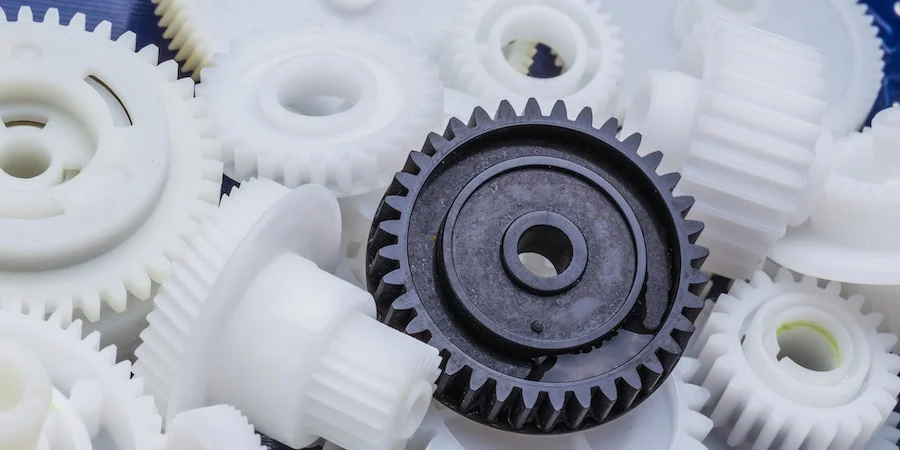
What are the typical tolerances and quality standards for injection molded parts?
When it comes to injection molded parts, the tolerances and quality standards can vary depending on several factors, including the specific application, industry requirements, and the capabilities of the injection molding process. Here are some general considerations regarding tolerances and quality standards:
Tolerances:
The tolerances for injection molded parts typically refer to the allowable deviation from the intended design dimensions. These tolerances are influenced by various factors, including the part geometry, material properties, mold design, and process capabilities. It’s important to note that achieving tighter tolerances often requires more precise tooling, tighter process control, and additional post-processing steps. Here are some common types of tolerances found in injection molding:
1. Dimensional Tolerances:
Dimensional tolerances define the acceptable range of variation for linear dimensions, such as length, width, height, and diameter. The specific tolerances depend on the part’s critical dimensions and functional requirements. Typical dimensional tolerances for injection molded parts can range from +/- 0.05 mm to +/- 0.5 mm or even tighter, depending on the complexity of the part and the process capabilities.
2. Geometric Tolerances:
Geometric tolerances specify the allowable variation in shape, form, and orientation of features on the part. These tolerances are often expressed using symbols and control the relationships between various geometric elements. Common geometric tolerances include flatness, straightness, circularity, concentricity, perpendicularity, and angularity. The specific geometric tolerances depend on the part’s design requirements and the manufacturing capabilities.
3. Surface Finish Tolerances:
Surface finish tolerances define the acceptable variation in the texture, roughness, and appearance of the part’s surfaces. The surface finish requirements are typically specified using roughness parameters, such as Ra (arithmetical average roughness) or Rz (maximum height of the roughness profile). The specific surface finish tolerances depend on the part’s aesthetic requirements, functional needs, and the material being used.
Quality Standards:
In addition to tolerances, injection molded parts are subject to various quality standards that ensure their performance, reliability, and consistency. These standards may be industry-specific or based on international standards organizations. Here are some commonly referenced quality standards for injection molded parts:
1. ISO 9001:
The ISO 9001 standard is a widely recognized quality management system that establishes criteria for the overall quality control and management of an organization. Injection molding companies often seek ISO 9001 certification to demonstrate their commitment to quality and adherence to standardized processes for design, production, and customer satisfaction.
2. ISO 13485:
ISO 13485 is a specific quality management system standard for medical devices. Injection molded parts used in the medical industry must adhere to this standard to ensure they meet the stringent quality requirements for safety, efficacy, and regulatory compliance.
3. Automotive Industry Standards:
The automotive industry has its own set of quality standards, such as ISO/TS 16949 (now IATF 16949), which focuses on the quality management system for automotive suppliers. These standards encompass requirements for product design, development, production, installation, and servicing, ensuring the quality and reliability of injection molded parts used in automobiles.
4. Industry-Specific Standards:
Various industries may have specific quality standards or guidelines that pertain to injection molded parts. For example, the aerospace industry may reference standards like AS9100, while the electronics industry may adhere to standards such as IPC-A-610 for acceptability of electronic assemblies.
It’s important to note that the specific tolerances and quality standards for injection molded parts can vary significantly depending on the application and industry requirements. Design engineers and manufacturers work together to define the appropriate tolerances and quality standards based on the functional requirements, cost considerations, and the capabilities of the injection molding process.
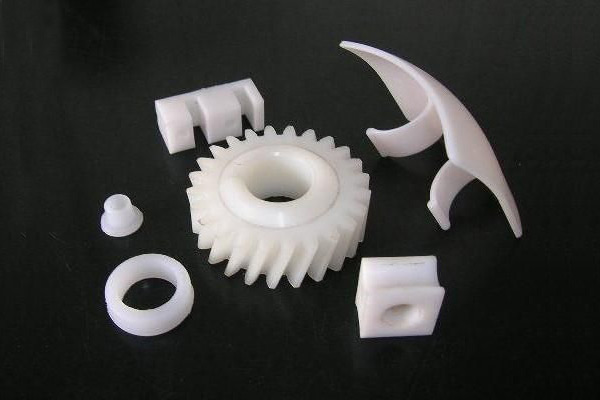
هل هناك اعتبارات محددة لاختيار الأجزاء المصبوبة بالحقن في التطبيقات ذات الظروف البيئية أو معايير الصناعة المتغيرة؟
نعم، هناك اعتبارات محددة يجب مراعاتها عند اختيار قطع مصبوبة بالحقن لتطبيقات ذات ظروف بيئية أو معايير صناعية متفاوتة. تلعب هذه العوامل دورًا حاسمًا في ضمان قدرة القطع المختارة على تحمل ظروف التشغيل المحددة واستيفائها للمعايير المطلوبة. إليك شرح مفصل لاعتبارات اختيار القطع المصبوبة بالحقن في مثل هذه التطبيقات:
1. اختيار المواد:
يُعدّ اختيار المادة المناسبة لتصنيع الأجزاء المصبوبة بالحقن أمرًا بالغ الأهمية عند مراعاة الظروف البيئية المتغيرة أو معايير الصناعة. تتفاوت المواد المختلفة في مستويات مقاومتها لعوامل مثل درجات الحرارة القصوى، والتعرض للأشعة فوق البنفسجية، والمواد الكيميائية، والرطوبة، والإجهاد الميكانيكي. يُعدّ فهم الظروف البيئية المحددة ومتطلبات الصناعة أمرًا أساسيًا لاختيار مادة قادرة على تحمّل هذه الظروف مع استيفاء المعايير اللازمة للأداء والمتانة والسلامة.
2. مقاومة درجات الحرارة:
في التطبيقات التي تشهد تقلبات شديدة في درجات الحرارة، من المهم اختيار أجزاء مصبوبة بالحقن قادرة على تحمل نطاق درجات الحرارة المحدد. تتميز بعض المواد، مثل اللدائن الحرارية الهندسية، بمقاومة ممتازة لدرجات الحرارة العالية، بينما قد تكون مواد أخرى أكثر ملاءمة للبيئات ذات درجات الحرارة المنخفضة. كما ينبغي مراعاة احتمالية التمدد أو الانكماش الحراري، إذ يمكن أن يؤثر ذلك على استقرار الأبعاد والأداء العام للأجزاء.
3. المقاومة الكيميائية:
في الصناعات التي يكثر فيها التعرض للمواد الكيميائية، من الضروري اختيار أجزاء مصبوبة بالحقن تتمتع بمقاومة عالية للتآكل الكيميائي. تختلف المواد في مستوى مقاومتها للمواد الكيميائية، لذا من المهم اختيار مادة متوافقة مع المواد الكيميائية الموجودة في بيئة الاستخدام. كما ينبغي مراعاة عوامل أخرى مثل مدة التعرض، وتركيز المواد الكيميائية، وتكرار ملامستها.
4. مقاومة الأشعة فوق البنفسجية:
بالنسبة للتطبيقات المعرضة للبيئات الخارجية أو الأشعة فوق البنفسجية الشديدة، يُعد اختيار الأجزاء المصبوبة بالحقن ذات الثبات ضد الأشعة فوق البنفسجية أمرًا بالغ الأهمية. إذ يمكن أن تتسبب الأشعة فوق البنفسجية في تدهور المواد، وتغير لونها، أو فقدان خصائصها الميكانيكية بمرور الوقت. وتوفر المواد التي تحتوي على مثبتات أو إضافات للأشعة فوق البنفسجية مقاومة معززة لها، مما يضمن طول عمر الأجزاء وأدائها في التطبيقات الخارجية أو المعرضة للأشعة فوق البنفسجية.
5. القوة الميكانيكية ومقاومة الصدمات:
في التطبيقات التي يكون فيها الإجهاد الميكانيكي أو مقاومة الصدمات أمرًا بالغ الأهمية، يُعد اختيار الأجزاء المصبوبة بالحقن ذات الخصائص الميكانيكية المناسبة أمرًا ضروريًا. فالمواد ذات قوة الشد العالية، ومقاومة الصدمات، أو المتانة، تضمن قدرة الأجزاء على تحمل الأحمال والاهتزازات والصدمات المطلوبة دون أن تتعرض للتلف. كما ينبغي مراعاة عوامل أخرى مثل مقاومة الإجهاد، ومقاومة التآكل، والمرونة، وذلك بحسب متطلبات التطبيق المحددة.
6. الامتثال لمعايير الصناعة:
عند اختيار قطع مصبوبة بالحقن لتطبيقات تخضع لمعايير أو لوائح صناعية، من الضروري التأكد من توافق القطع المختارة مع المعايير المطلوبة. يشمل ذلك معايير الأبعاد، والتفاوتات، والسلامة، ومقاومة الاشتعال، والخصائص الكهربائية، أو معايير الأداء المحددة. يساعد اختيار القطع المعتمدة أو المختبرة التي تتوافق مع المعايير الصناعية ذات الصلة على ضمان الامتثال والموثوقية في التطبيق المقصود.
7. الاعتبارات البيئية:
في ظل الوعي البيئي المتزايد اليوم، باتت مراعاة استدامة الأجزاء المصبوبة بالحقن وتأثيرها البيئي أمراً بالغ الأهمية. ويمكن أن يتماشى اختيار المواد القابلة لإعادة التدوير أو التحلل الحيوي مع أهداف الاستدامة. إضافةً إلى ذلك، يُمكن لتقييم عوامل مثل استهلاك الطاقة أثناء التصنيع، والحد من النفايات، أو استخدام عمليات تصنيع صديقة للبيئة، أن يُسهم في اتخاذ خيارات مسؤولة بيئياً.
8. التخصيص ومرونة التصميم:
أخيرًا، تُعدّ مرونة التصميم وخيارات التخصيص التي توفرها الأجزاء المصبوبة بالحقن ميزةً قيّمةً في تلبية متطلبات بيئية أو صناعية محددة. يسمح قولبة الحقن بتصميمات معقدة، وأشكال هندسية دقيقة، وإضافة خصائص مثل الحشيات، والأختام، ونقاط التثبيت. كما يُمكن مراعاة خيارات التخصيص للألوان، والملمس، والتشطيب السطحي لتلبية متطلبات العلامة التجارية أو الجمالية المحددة.
إن مراعاة هذه الاعتبارات المحددة عند اختيار الأجزاء المصبوبة بالحقن للتطبيقات ذات الظروف البيئية المتغيرة أو معايير الصناعة يضمن أن الأجزاء المختارة مناسبة تمامًا للاستخدام المقصود، مما يوفر الأداء الأمثل والمتانة والامتثال للمعايير المطلوبة.
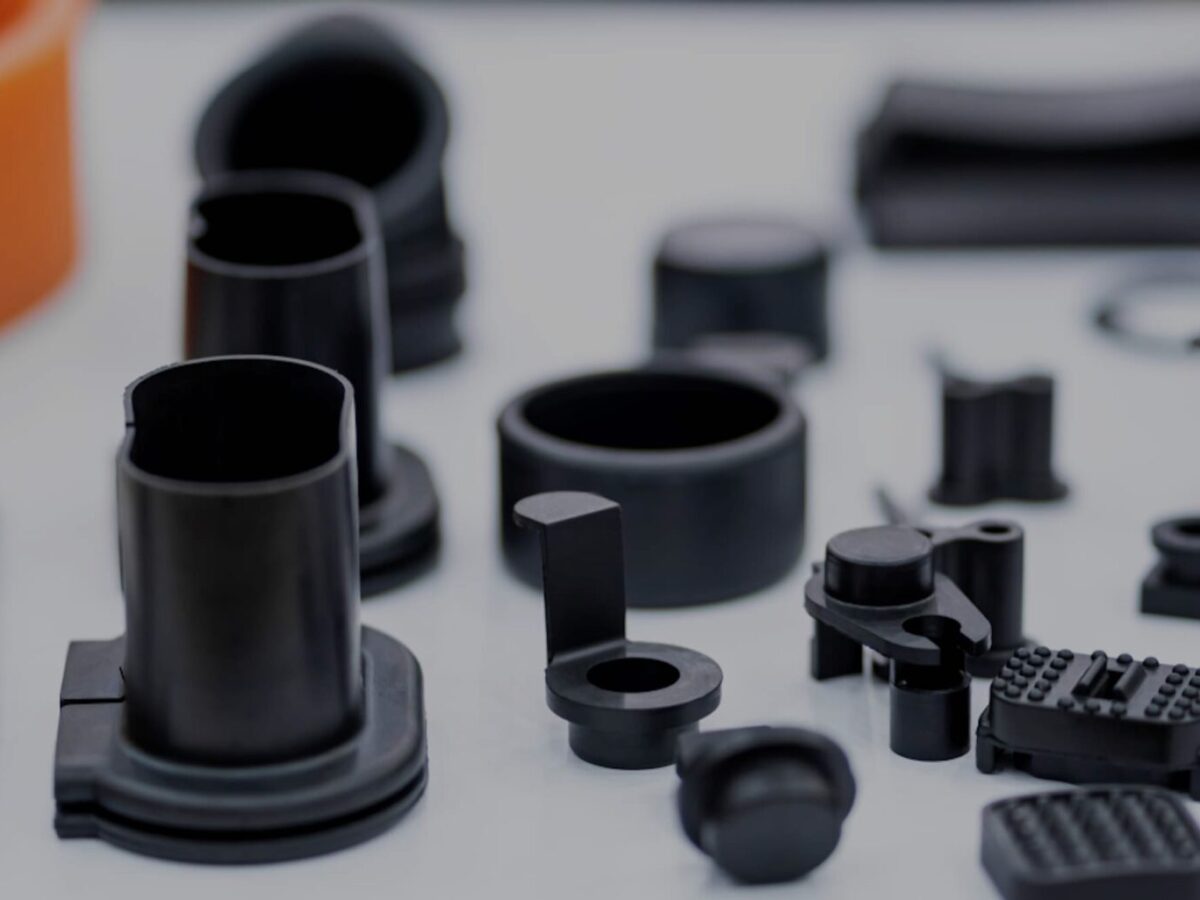
ما هي الأجزاء المصبوبة بالحقن، وكيف يتم تصنيعها؟
الأجزاء المصبوبة بالحقن هي مكونات أو منتجات تُصنع من خلال عملية التشكيل بالحقن. يُعدّ التشكيل بالحقن تقنية تصنيع شائعة الاستخدام لإنتاج أجزاء بلاستيكية تتميز بدقة عالية وتعقيد وكفاءة. إليكم شرحًا مفصلاً للأجزاء المصبوبة بالحقن وعملية تصنيعها:
عملية التشكيل بالحقن:
تتضمن عملية التشكيل بالحقن الخطوات التالية:
1. تصميم القالب:
تتمثل الخطوة الأولى في تصنيع الأجزاء المقولبة بالحقن في تصميم القالب. القالب أداة مصممة خصيصًا لتحديد شكل وخصائص الجزء النهائي. يُصنع عادةً من الفولاذ أو الألومنيوم ويتكون من نصفين: التجويف واللب. يراعي تصميم القالب عوامل مثل هندسة الجزء، واختيار المواد، ومتطلبات التبريد، وآلية الإخراج.
2. اختيار المواد:
تتمثل الخطوة التالية في اختيار المادة المناسبة لعملية التشكيل بالحقن. تُستخدم البوليمرات الحرارية عادةً لقدرتها على الانصهار والتصلب بشكل متكرر دون تدهور ملحوظ. يعتمد اختيار المادة على الخصائص المطلوبة للجزء النهائي، مثل المتانة والمرونة والشفافية ومقاومة المواد الكيميائية.
3. الصهر والحقن:
في آلة قولبة الحقن، تُصهر المادة البلاستيكية الحرارية المختارة وتُحوّل إلى حالة سائلة. ثم تُحقن المادة المنصهرة، التي تُسمى المصهور، في القالب تحت ضغط عالٍ. ويتم الحقن عبر فوهة ونظام قنوات ينقل المادة المنصهرة إلى تجويف القالب.
4. التبريد:
بعد حقن المادة المنصهرة في القالب، تبدأ بالتبريد والتصلب. يُعدّ التبريد مرحلةً حاسمةً في عملية التشكيل بالحقن، إذ يُحدّد دقة أبعاد القطعة النهائية، وقوتها، وخصائصها الأخرى. يُصمّم القالب بقنوات أو فتحات تبريد لتسهيل تبريد القطعة بكفاءة وانتظام. قد يختلف وقت التبريد تبعًا لعوامل مثل سُمك القطعة، وخصائص المادة، وتصميم القالب.
5. فتح القالب وإخراج المنتج:
بعد أن تبرد المادة المحقونة وتتصلب بشكل كافٍ، يُفتح القالب، فينفصل النصفان. تُستخدم دبابيس طرد أو آليات أخرى لدفع القطعة أو إخراجها من تجويف القالب. يجب تصميم نظام الطرد بعناية لتجنب إتلاف القطعة أثناء عملية الطرد.
6. التشطيب:
بعد عملية الإخراج، قد تخضع القطعة المصبوبة بالحقن لعمليات تشطيب إضافية، مثل تشذيب المواد الزائدة، وإزالة قنوات الصب، وتطبيق معالجات أو تشطيبات سطحية. تساعد هذه العمليات في تحقيق المظهر والوظائف النهائية المطلوبة للقطعة.
مزايا الأجزاء المصنعة بالحقن:
توفر الأجزاء المصبوبة بالحقن العديد من المزايا:
1. دقة عالية وتعقيد:
تتيح عملية التشكيل بالحقن إنتاج أجزاء بدقة عالية وتفاصيل دقيقة. ويمكن للقوالب إنتاج أشكال معقدة، وميزات دقيقة، وأبعاد دقيقة، مما يُمكّن من تصنيع أجزاء ذات هوامش خطأ ضيقة.
2. الإنتاج الضخم الفعال من حيث التكلفة:
يُعدّ قولبة الحقن عملية عالية الكفاءة ومناسبة للإنتاج على نطاق واسع. فبمجرد إنشاء القالب، يمكن أتمتة عملية التصنيع، مما يُتيح إنتاجًا سريعًا وفعالًا من حيث التكلفة لأجزاء متطابقة. كما تُساهم أحجام الإنتاج الكبيرة في خفض تكلفة الوحدة الواحدة.
3. تنوع المواد:
تدعم عملية التشكيل بالحقن مجموعة واسعة من المواد البلاستيكية الحرارية، مما يتيح مرونة في اختيار المواد بناءً على الخصائص المطلوبة للجزء النهائي. ويمكن استخدام مواد مختلفة لتحقيق خصائص محددة مثل المتانة، والمرونة، ومقاومة الحرارة، أو المقاومة الكيميائية.
4. القوة والمتانة:
تتميز الأجزاء المصبوبة بالحقن بقوة ومتانة فائقتين. تضمن عملية التشكيل توزيع المادة بشكل متجانس، مما ينتج عنه خصائص ميكانيكية متناسقة في جميع أنحاء الجزء. وهذا ما يجعل الأجزاء المصبوبة بالحقن مناسبة لمختلف التطبيقات التي تتطلب سلامة هيكلية وعمرًا طويلًا.
5. الحد الأدنى من المعالجة اللاحقة:
غالباً ما تتطلب الأجزاء المصبوبة بالحقن الحد الأدنى من المعالجة اللاحقة. فالدقة والجودة العالية التي يتم تحقيقها أثناء عملية التشكيل تقلل الحاجة إلى عمليات تشغيل أو تشطيب إضافية مكثفة، مما يوفر الوقت والتكاليف.
6. مرونة التصميم:
بفضل تقنية قولبة الحقن، يتمتع المصممون بمرونة كبيرة في تصميم الأجزاء. إذ تتيح هذه العملية إمكانية التعامل مع الأشكال الهندسية المعقدة، والتجاويف السفلية، والجدران الرقيقة، وغيرها من خصائص التصميم التي قد تكون صعبة أو مكلفة باستخدام طرق التصنيع الأخرى. وتتيح هذه المرونة الابتكار وتحسين وظائف الأجزاء.
باختصار، الأجزاء المصبوبة بالحقن هي مكونات أو منتجات تُصنع باستخدام عملية التشكيل بالحقن. تتضمن هذه العملية تصميم القالب، واختيار المادة المناسبة، وصهر المادة وحقنها في القالب، وتبريد الجزء وتصلبه، وفتح القالب وإخراج الجزء، وتطبيق عمليات التشطيب حسب الحاجة. توفر الأجزاء المصبوبة بالحقن مزايا عديدة، منها الدقة العالية، والتعقيد، والإنتاج بكميات كبيرة بتكلفة فعّالة، وتنوع المواد، والقوة والمتانة، والحد الأدنى من المعالجة اللاحقة، ومرونة التصميم. تُسهم هذه العوامل في انتشار استخدام التشكيل بالحقن في مختلف الصناعات لإنتاج أجزاء بلاستيكية عالية الجودة.


editor by CX 2024-02-09