
Descrizione del prodotto
Medical Plastic Injection Molding Molded Plastic Hook Parts
Parametri del prodotto
|
Materiale |
PA, POM, ABS, PP, PET, PC, PE, HDPE, PA66+GF, PVC, TPFE…. |
|
Colore |
Depends on customer’s requirements. |
|
Support Software: |
Pro-E , UGS , SolidWorks ,AutoCAD |
|
Soft ware |
CAD/IGS /STEP/STP /PDF |
|
A surface request |
glossy ,texture |
|
Mold life |
50,000-3000,000 times |
|
Smaple : |
Free sample ! |
|
Delivery time : |
15 days production, if opening mould, plus 15-20 days. |
|
MIN Quantity: |
1000pcs |
|
Package : |
Carton and Pallet , exact part with package every pc . |
Detailed Photos
About Injection Molding
Injection molding is the most common modern method of manufacturing plastic parts. It is used to create a variety of parts with different shapes and sizes, and it is ideal for producing high volumes of the same plastic part. Injection molding is widely used for manufacturing a variety of parts, from the smallest medical device component to entire body panels of cars. A manufacturing process for producing CHINAMFG from both thermoplastic and thermosetting materials, injection molding can create parts with complex geometries that many other processes cannot.
Other products
Production process
Profilo Aziendale
ZheJiang (HangZhou) Xihu (West Lake) Dis.xin Metal Products Co., Ltd is specialized in the production of aluminum die casting, zinc alloy die casting, and aluminum lightweight production. Since establish of 2006, we always provide the best die casting parts to customers, and now we also develop the lightweight process successfully and obtain many national patents. Our products are widely used in automobile, medical, power Industry, electrical appliance, construction, high-speed railway and so on. And we have exported to Japan, Germany, USA, Canada, Australia and many countries.
Environmental Impact Assessment & ISO 9001 Certied
Selecting a reliable and qualified partner is more different & difficult than just choosing a supplier. We have obtained the license of EIA from government and get certied of ISO 9001, and we will always process our production per as EIA & ISO requirement strictly, to guarantee the stable production, to supply the qualified parts to you and enlarge your business finally. We sincerely hope we can become your faithful partner and develop a flouring future with you.
Certifications
Packaging & Shipping
FAQ
1.Are you a manufacturer or a trading company?
We are a 3000-square-meter factory located in ZheJiang , China.
2.How can I get a quote?
Detailed drawings(PDF/STEP/IGS/DWG…) with material, quantity and surface treatment information.
3. Can I get a quote without drawings?
Sure, we appreciate to receive your samples, pictures or drafts with detailed dimensions for accurate quotation.
4.Will my drawings be divulged if you benefit?
No, we pay much attention to protect our customers’ privacy of drawings, signing NDA is also accepted if need.
5. Can you provide samples before mass production?
Sure, sample fee is needed, will be returned when mass production if possible.
6. How about the lead time?
Generally, 1-2 weeks for samples, 3-4 weeks for mass production.
7. How do you control the quality?
(1)Material inspection–Check the material surface and roughly dimension
(2) Production first inspection–To ensure the critical dimension in mass production
(3)Sampling inspection–Check the quality before sending to the warehouse
(4)Pre-shipment inspection–100% inspected by QC assistants before shipment
8. What will you do if we receive poor quality parts?
Please kindly send us the pictures, our engineers will find the solutions and remake them for you asap. /* March 10, 2571 17:59:20 */!function(){function s(e,r){var a,o={};try{e&&e.split(“,”).forEach(function(e,t){e&&(a=e.match(/(.*?):(.*)$/))&&1
| Materiale: | Plastic |
|---|---|
| Applicazione: | Medicina, prodotti per la casa, elettronica, settore automobilistico, agricoltura |
| Name: | Plastic Injection Molded Products |
| Product: | Household Product |
| Material Available: | ABS, PC, PA, PP, POM.Nylon66, etc |
| Colore: | Customize Color |
| Esempi: |
US$ 3/Piece
1 pezzo (ordine minimo) | |
|---|
| Personalizzazione: |
Disponibile
|
|
|---|
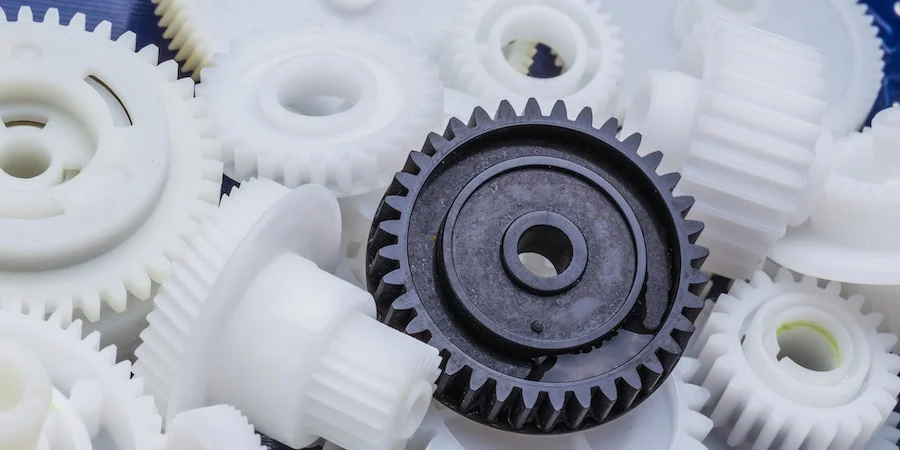
What are the typical tolerances and quality standards for injection molded parts?
When it comes to injection molded parts, the tolerances and quality standards can vary depending on several factors, including the specific application, industry requirements, and the capabilities of the injection molding process. Here are some general considerations regarding tolerances and quality standards:
Tolerances:
The tolerances for injection molded parts typically refer to the allowable deviation from the intended design dimensions. These tolerances are influenced by various factors, including the part geometry, material properties, mold design, and process capabilities. It’s important to note that achieving tighter tolerances often requires more precise tooling, tighter process control, and additional post-processing steps. Here are some common types of tolerances found in injection molding:
1. Dimensional Tolerances:
Dimensional tolerances define the acceptable range of variation for linear dimensions, such as length, width, height, and diameter. The specific tolerances depend on the part’s critical dimensions and functional requirements. Typical dimensional tolerances for injection molded parts can range from +/- 0.05 mm to +/- 0.5 mm or even tighter, depending on the complexity of the part and the process capabilities.
2. Geometric Tolerances:
Geometric tolerances specify the allowable variation in shape, form, and orientation of features on the part. These tolerances are often expressed using symbols and control the relationships between various geometric elements. Common geometric tolerances include flatness, straightness, circularity, concentricity, perpendicularity, and angularity. The specific geometric tolerances depend on the part’s design requirements and the manufacturing capabilities.
3. Surface Finish Tolerances:
Surface finish tolerances define the acceptable variation in the texture, roughness, and appearance of the part’s surfaces. The surface finish requirements are typically specified using roughness parameters, such as Ra (arithmetical average roughness) or Rz (maximum height of the roughness profile). The specific surface finish tolerances depend on the part’s aesthetic requirements, functional needs, and the material being used.
Quality Standards:
In addition to tolerances, injection molded parts are subject to various quality standards that ensure their performance, reliability, and consistency. These standards may be industry-specific or based on international standards organizations. Here are some commonly referenced quality standards for injection molded parts:
1. ISO 9001:
The ISO 9001 standard is a widely recognized quality management system that establishes criteria for the overall quality control and management of an organization. Injection molding companies often seek ISO 9001 certification to demonstrate their commitment to quality and adherence to standardized processes for design, production, and customer satisfaction.
2. ISO 13485:
ISO 13485 is a specific quality management system standard for medical devices. Injection molded parts used in the medical industry must adhere to this standard to ensure they meet the stringent quality requirements for safety, efficacy, and regulatory compliance.
3. Automotive Industry Standards:
The automotive industry has its own set of quality standards, such as ISO/TS 16949 (now IATF 16949), which focuses on the quality management system for automotive suppliers. These standards encompass requirements for product design, development, production, installation, and servicing, ensuring the quality and reliability of injection molded parts used in automobiles.
4. Industry-Specific Standards:
Various industries may have specific quality standards or guidelines that pertain to injection molded parts. For example, the aerospace industry may reference standards like AS9100, while the electronics industry may adhere to standards such as IPC-A-610 for acceptability of electronic assemblies.
It’s important to note that the specific tolerances and quality standards for injection molded parts can vary significantly depending on the application and industry requirements. Design engineers and manufacturers work together to define the appropriate tolerances and quality standards based on the functional requirements, cost considerations, and the capabilities of the injection molding process.
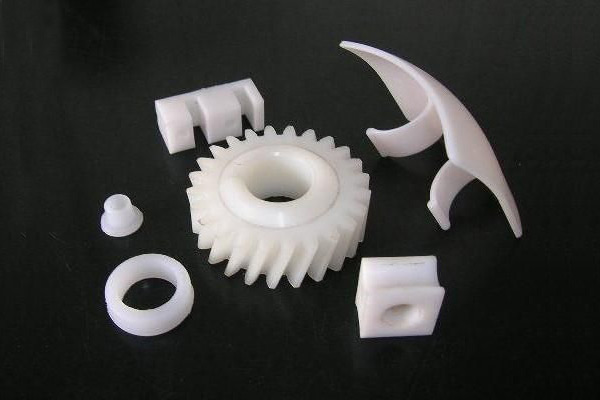
Esistono considerazioni specifiche da tenere presenti nella scelta di componenti stampati a iniezione per applicazioni con condizioni ambientali o standard di settore variabili?
Sì, ci sono considerazioni specifiche da tenere a mente quando si scelgono componenti stampati a iniezione per applicazioni con condizioni ambientali o standard di settore variabili. Questi fattori svolgono un ruolo cruciale nel garantire che i componenti selezionati possano resistere alle specifiche condizioni operative e soddisfare gli standard richiesti. Ecco una spiegazione dettagliata delle considerazioni da tenere presenti per la scelta di componenti stampati a iniezione in tali applicazioni:
1. Selezione dei materiali:
La scelta del materiale per i componenti stampati a iniezione è fondamentale, soprattutto in considerazione delle diverse condizioni ambientali e degli standard di settore. Materiali differenti offrono livelli di resistenza variabili a fattori quali temperature estreme, esposizione ai raggi UV, agenti chimici, umidità o sollecitazioni meccaniche. Comprendere le specifiche condizioni ambientali e i requisiti di settore è essenziale per selezionare un materiale in grado di resistere a tali condizioni, garantendo al contempo prestazioni, durata e sicurezza ottimali.
2. Resistenza alla temperatura:
Nelle applicazioni con variazioni di temperatura estreme, è importante scegliere componenti stampati a iniezione in grado di resistere allo specifico intervallo di temperatura. Alcuni materiali, come i tecnopolimeri termoplastici, presentano un'eccellente resistenza alle alte temperature, mentre altri possono essere più adatti ad ambienti a bassa temperatura. Occorre inoltre considerare la potenziale dilatazione o contrazione termica, in quanto può influire sulla stabilità dimensionale e sulle prestazioni complessive dei componenti.
3. Resistenza chimica:
Nei settori industriali in cui l'esposizione a sostanze chimiche è frequente, è fondamentale selezionare componenti stampati a iniezione in grado di resistere all'attacco e alla degradazione chimica. Materiali diversi presentano livelli di resistenza chimica variabili, ed è importante scegliere un materiale compatibile con le specifiche sostanze chimiche presenti nell'ambiente di applicazione. Occorre inoltre considerare fattori quali la durata dell'esposizione, la concentrazione e la frequenza di contatto con le sostanze chimiche.
4. Stabilità ai raggi UV:
Per le applicazioni esposte ad ambienti esterni o a intense radiazioni UV, è fondamentale selezionare componenti stampati a iniezione con stabilità UV. Le radiazioni UV possono causare nel tempo il degrado del materiale, lo scolorimento o la perdita delle proprietà meccaniche. I materiali con stabilizzanti o additivi UV possono fornire una maggiore resistenza alle radiazioni UV, garantendo la durata e le prestazioni dei componenti in applicazioni esterne o esposte ai raggi UV.
5. Resistenza meccanica e resistenza agli urti:
Nelle applicazioni in cui la resistenza alle sollecitazioni meccaniche o agli urti è fondamentale, è importante scegliere componenti stampati a iniezione con le proprietà meccaniche appropriate. Materiali con elevata resistenza alla trazione, resistenza agli urti o tenacità possono garantire che i componenti siano in grado di sopportare i carichi, le vibrazioni o gli impatti richiesti senza subire danni. A seconda dei requisiti specifici dell'applicazione, occorre inoltre considerare fattori quali la resistenza alla fatica, la resistenza all'abrasione o la flessibilità.
6. Conformità agli standard di settore:
Quando si selezionano componenti stampati a iniezione per applicazioni regolate da norme o regolamenti di settore, è fondamentale assicurarsi che i componenti scelti siano conformi agli standard richiesti. Ciò include standard relativi a dimensioni, tolleranze, sicurezza, infiammabilità, proprietà elettriche o specifici criteri di prestazione. La scelta di componenti certificati o testati per soddisfare i relativi standard di settore contribuisce a garantire la conformità e l'affidabilità nell'applicazione prevista.
7. Considerazioni ambientali:
Nell'attuale contesto di crescente attenzione all'ambiente, considerare la sostenibilità e l'impatto ambientale dei componenti stampati a iniezione assume un'importanza sempre maggiore. La scelta di materiali riciclabili o biodegradabili può contribuire al raggiungimento degli obiettivi di sostenibilità. Inoltre, la valutazione di fattori quali il consumo energetico durante la produzione, la riduzione degli sprechi o l'utilizzo di processi produttivi ecocompatibili può favorire scelte ecologicamente responsabili.
8. Personalizzazione e flessibilità di progettazione:
Infine, la flessibilità di progettazione e le opzioni di personalizzazione offerte dai componenti stampati a iniezione possono risultare vantaggiose per soddisfare specifici requisiti ambientali o di settore. Lo stampaggio a iniezione consente di realizzare design complessi, geometrie elaborate e di integrare elementi quali guarnizioni, sigilli o punti di fissaggio. È inoltre possibile valutare opzioni di personalizzazione per colore, texture o finitura superficiale al fine di soddisfare specifiche esigenze di branding o estetiche.
Tenendo conto di questi aspetti specifici nella scelta di componenti stampati a iniezione per applicazioni con condizioni ambientali o standard di settore variabili, si garantisce che i componenti selezionati siano adatti all'uso previsto, offrendo prestazioni ottimali, durata e conformità agli standard richiesti.
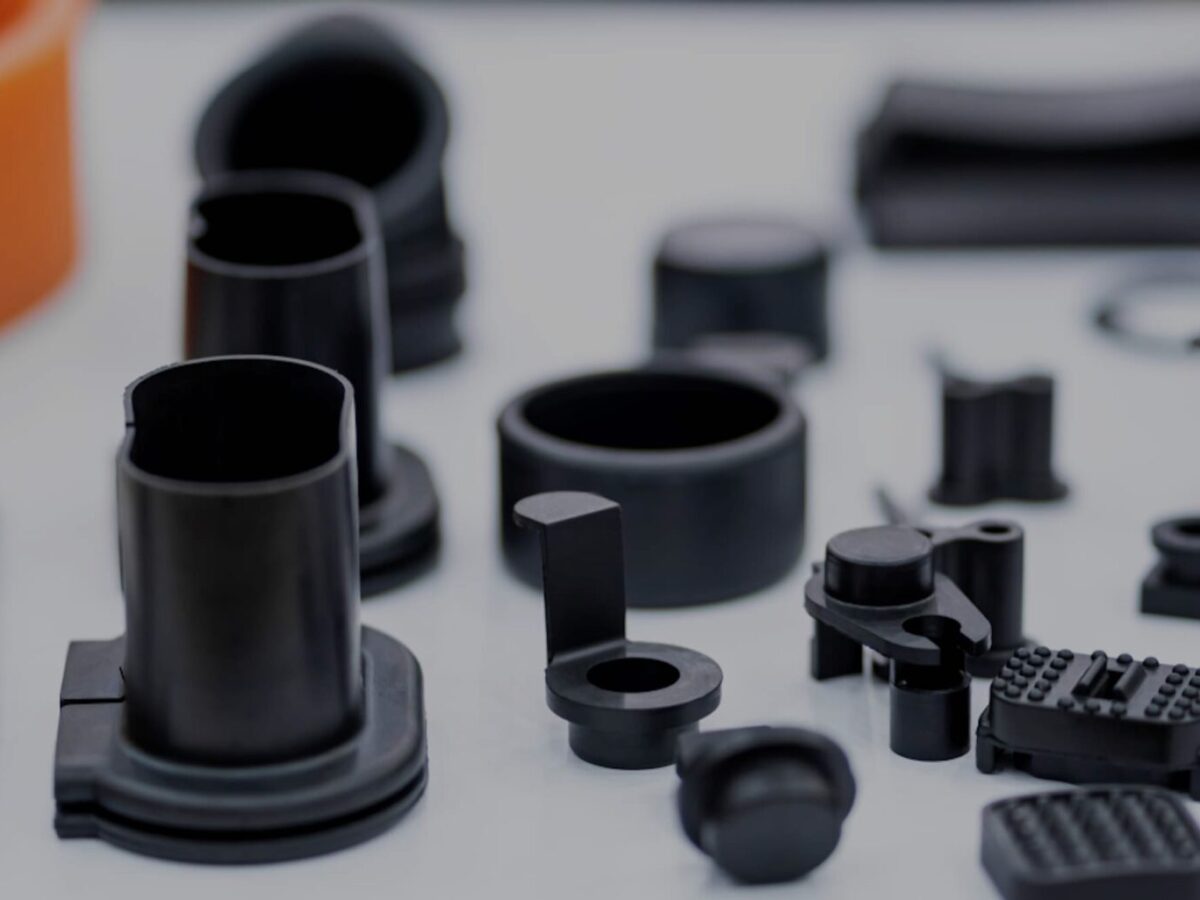
What are injection molded parts, and how are they manufactured?
Injection molded parts are components or products that are produced through the injection molding manufacturing process. Injection molding is a widely used manufacturing technique for creating plastic parts with high precision, complexity, and efficiency. Here’s a detailed explanation of injection molded parts and the process of manufacturing them:
Injection Molding Process:
The injection molding process involves the following steps:
1. Mold Design:
The first step in manufacturing injection molded parts is designing the mold. The mold is a custom-made tool that defines the shape and features of the final part. It is typically made from steel or aluminum and consists of two halves: the cavity and the core. The mold design takes into account factors such as part geometry, material selection, cooling requirements, and ejection mechanism.
2. Material Selection:
The next step is selecting the appropriate material for the injection molding process. Thermoplastic polymers are commonly used due to their ability to melt and solidify repeatedly without significant degradation. The material choice depends on the desired properties of the final part, such as strength, flexibility, transparency, or chemical resistance.
3. Melting and Injection:
In the injection molding machine, the selected thermoplastic material is melted and brought to a molten state. The molten material, called the melt, is then injected into the mold under high pressure. The injection is performed through a nozzle and a runner system that delivers the molten material to the mold cavity.
4. Cooling:
After the molten material is injected into the mold, it begins to cool and solidify. Cooling is a critical phase of the injection molding process as it determines the final part’s dimensional accuracy, strength, and other properties. The mold is designed with cooling channels or inserts to facilitate the efficient and uniform cooling of the part. Cooling time can vary depending on factors such as part thickness, material properties, and mold design.
5. Mold Opening and Ejection:
Once the injected material has sufficiently cooled and solidified, the mold opens, separating the two halves. Ejector pins or other mechanisms are used to push or release the part from the mold cavity. The ejection system must be carefully designed to avoid damaging the part during the ejection process.
6. Finishing:
After ejection, the injection molded part may undergo additional finishing processes, such as trimming excess material, removing sprues or runners, and applying surface treatments or textures. These processes help achieve the desired final appearance and functionality of the part.
Advantages of Injection Molded Parts:
Injection molded parts offer several advantages:
1. High Precision and Complexity:
Injection molding allows for the creation of parts with high precision and intricate details. The molds can produce complex shapes, fine features, and precise dimensions, enabling the manufacturing of parts with tight tolerances.
2. Cost-Effective Mass Production:
Injection molding is a highly efficient process suitable for large-scale production. Once the mold is created, the manufacturing process can be automated, resulting in fast and cost-effective production of identical parts. The high production volumes help reduce per-unit costs.
3. Material Versatility:
Injection molding supports a wide range of thermoplastic materials, allowing for versatility in material selection based on the desired characteristics of the final part. Different materials can be used to achieve specific properties such as strength, flexibility, heat resistance, or chemical resistance.
4. Strength and Durability:
Injection molded parts can exhibit excellent strength and durability. The molding process ensures that the material is uniformly distributed, resulting in consistent mechanical properties throughout the part. This makes injection molded parts suitable for various applications that require structural integrity and longevity.
5. Minimal Post-Processing:
Injection molded parts often require minimal post-processing. The high precision and quality achieved during the molding process reduce the need for extensive additional machining or finishing operations, saving time and costs.
6. Design Flexibility:
With injection molding, designers have significant flexibility in part design. The process can accommodate complex geometries, undercuts, thin walls, and other design features that may be challenging or costly with other manufacturing methods. This flexibility allows for innovation and optimization of part functionality.
In summary, injection molded parts are components or products manufactured through the injection molding process. This process involves designing amold, selecting the appropriate material, melting and injecting the material into the mold, cooling and solidifying the part, opening the mold and ejecting the part, and applying finishing processes as necessary. Injection molded parts offer advantages such as high precision, complexity, cost-effective mass production, material versatility, strength and durability, minimal post-processing, and design flexibility. These factors contribute to the widespread use of injection molding in various industries for producing high-quality plastic parts.


editor by CX 2024-02-09