
Co wysłać w zapytaniu ofertowym na plastikowe koła lub koła podporowe
A practical buyer guide to plastic wheel RFQ checklist, focused on measurable operating conditions and RFQ-ready decisions.
Where the purchasing risk actually sits — What to Send in a
Procurement teams often encounter plastic wheel RFQ checklist as a catalogue term, but the purchasing decision becomes clearer when the term is converted into measurable operating requirements.
In replacement programs and OEM enquiries where fit must be established from an existing assembly or drawing, the selection should therefore start with dimensions controlling fit and the relationship between wheel, axle, hub, bracket and frame. That keeps a dimensional or material choice connected to the job it must perform rather than to a generic product description.
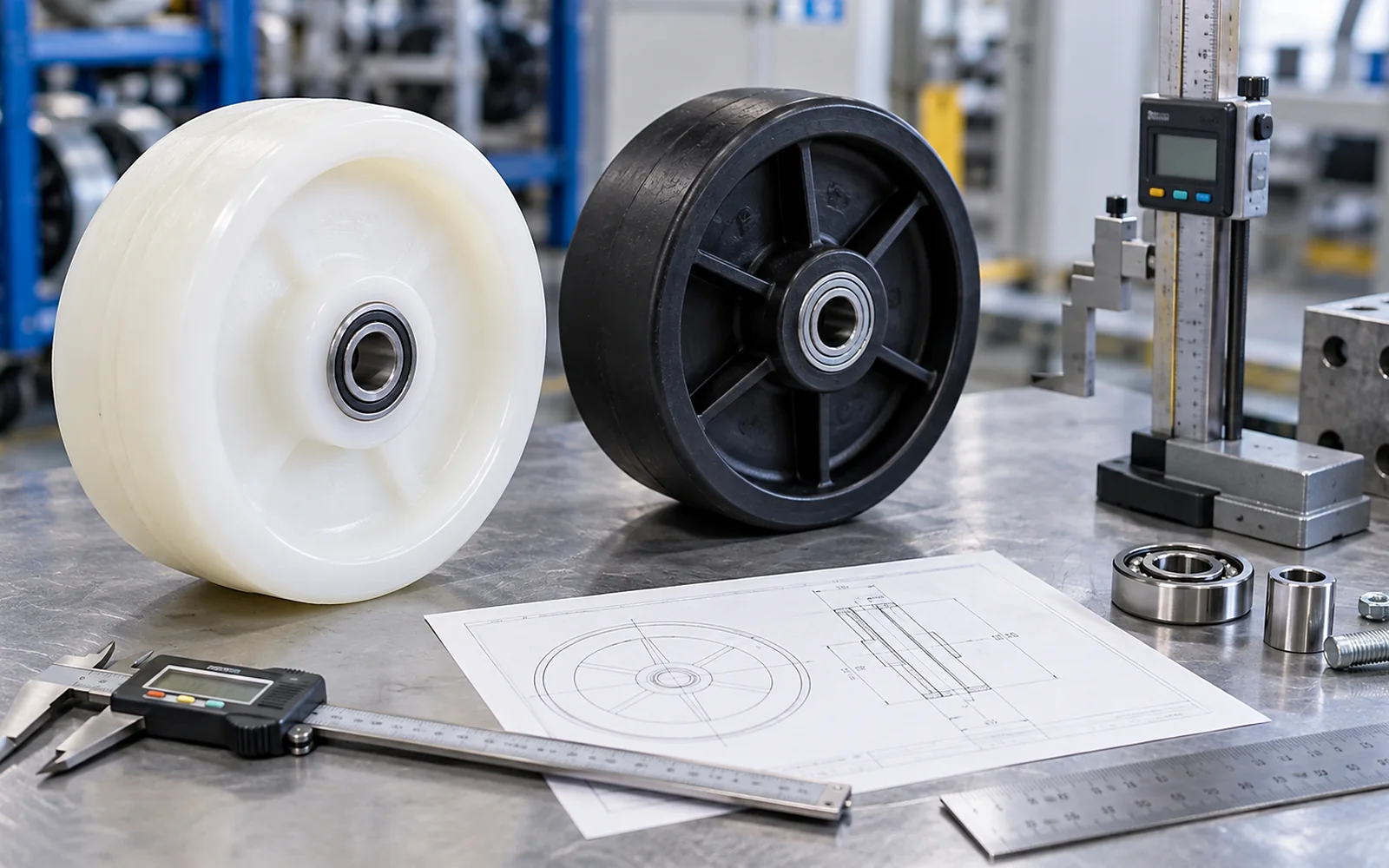
The common failure is to treat one attractive parameter as the whole specification. A photograph without scale or diameter without hub information can create a plausible but incompatible replacement. A better purchasing note captures dimensioned photos/drawings, wheel and hub measurements, mounting data, load, environment, quantity and model references, so suppliers can compare like with like and flag missing dimensions instead of guessing.
Start from duty cycle and real movement — What to Send in a
Before comparing products, write the equipment task in one sentence: what must move, what load it carries, where it travels and how often it is repositioned. That description provides context for plastic wheel RFQ checklist without turning one parameter into a universal rule.
For replacement programs and OEM enquiries where fit must be established from an existing assembly or drawing, the first review should cover dimensions controlling fit and the relationship between wheel, axle, hub, bracket and frame. If a value is not known, mark it for measurement rather than substituting a typical number. The purpose of the RFQ is to close gaps, not hide them. For What to Send in a Plastic Wheel, use this check as part of the same load, floor, interface and movement record used to compare the shortlisted configurations.
Capture dimensions before the old part is removed — What to Send in a
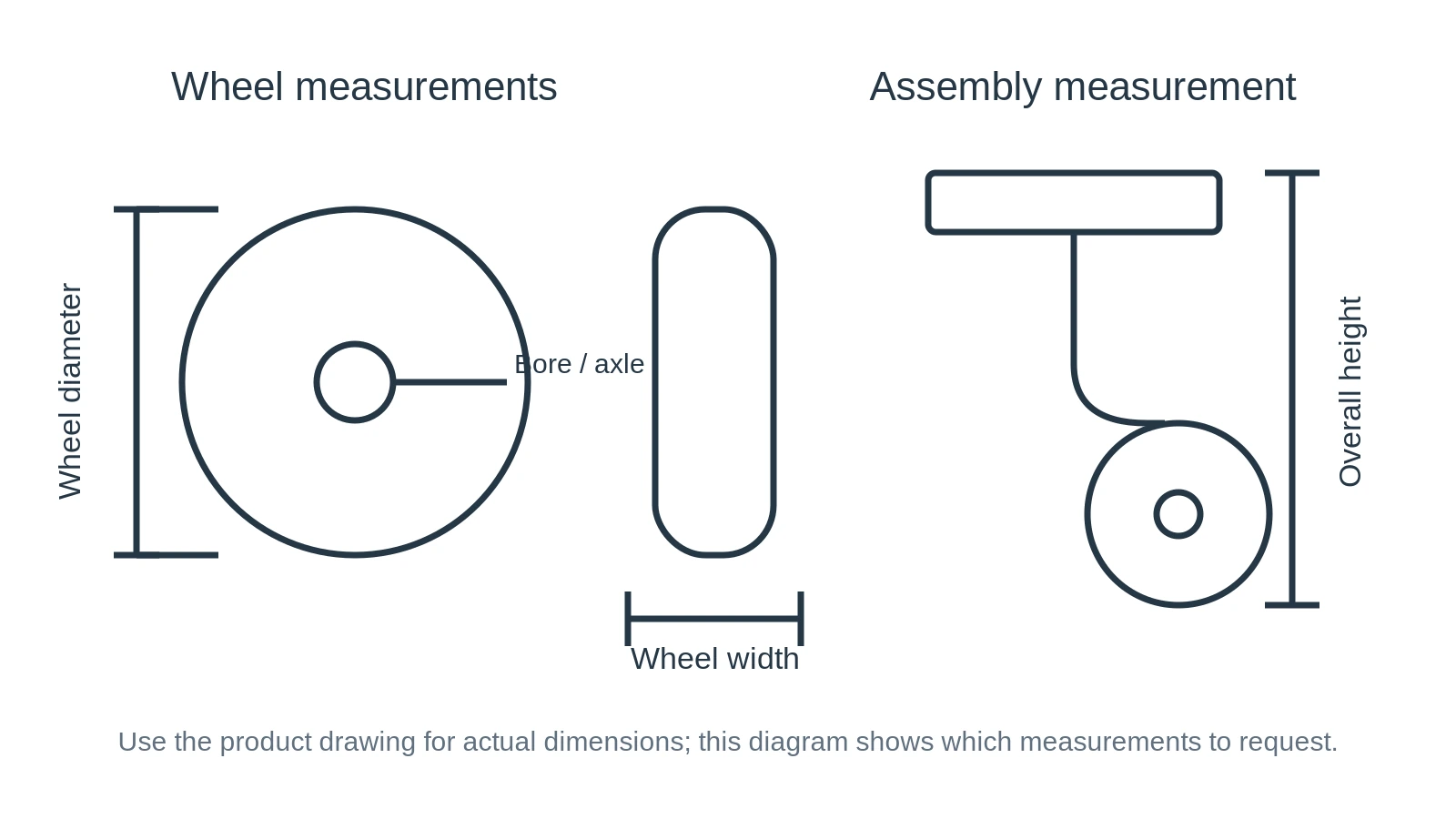
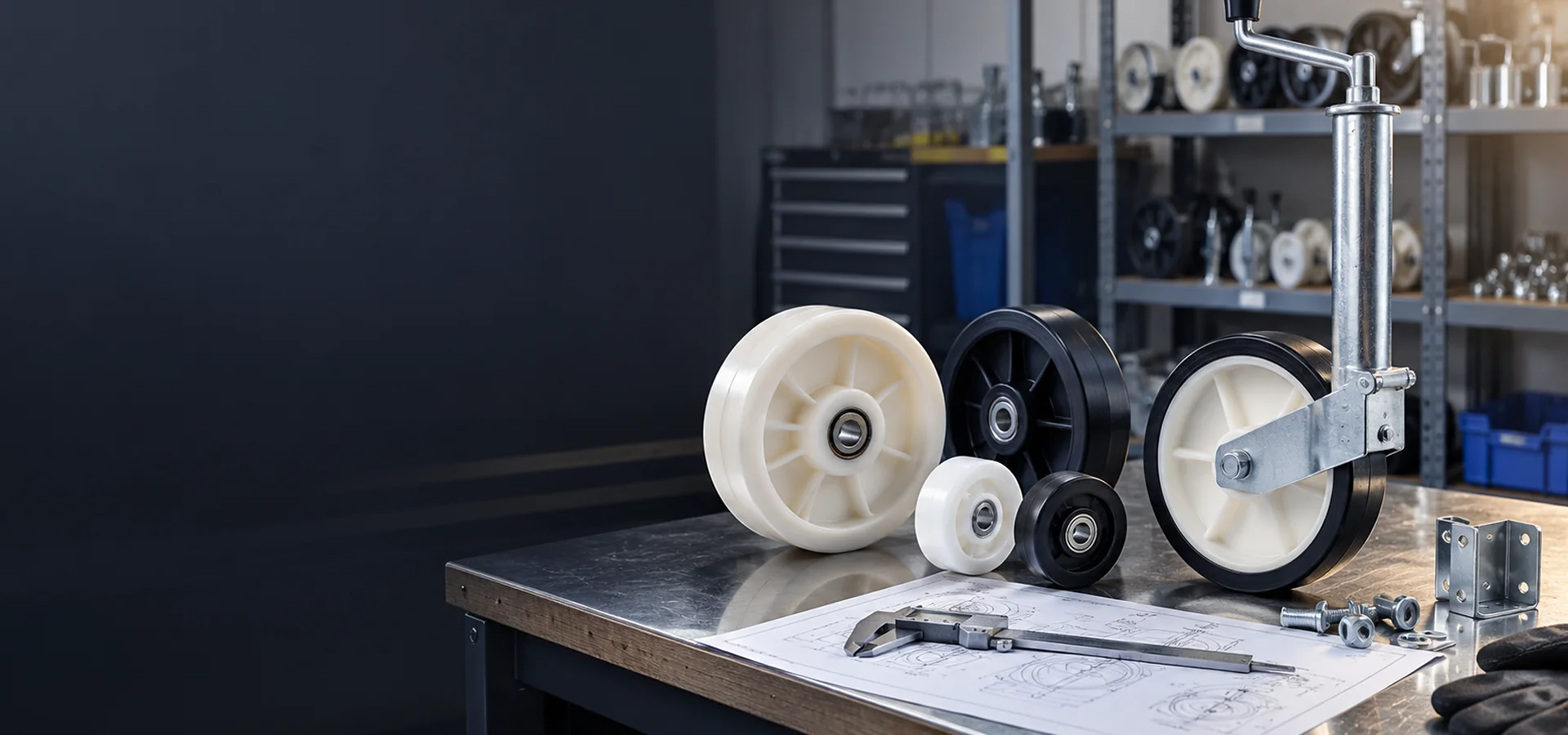
Replacement work benefits from a consistent measurement routine. Record wheel diameter and width, then move inward to the hub: bore or bearing type, axle diameter, hub length and spacers. For complete assemblies, add installed height and mounting geometry. Photograph the measurement tool in place when a dimension is difficult to describe. For What to Send in a Plastic Wheel, use this check as part of the same load, floor, interface and movement record used to compare the shortlisted configurations.
Do not use worn tread as the only reference if original diameter matters. A heavily worn wheel can make the replacement appear too large when the real issue is material loss. Likewise, a bent fork or improvised spacer can change apparent offset. For What to Send in a Plastic Wheel, use this check as part of the same load, floor, interface and movement record used to compare the shortlisted configurations.
Connect load to movement instead of treating it as static — What to Send in a
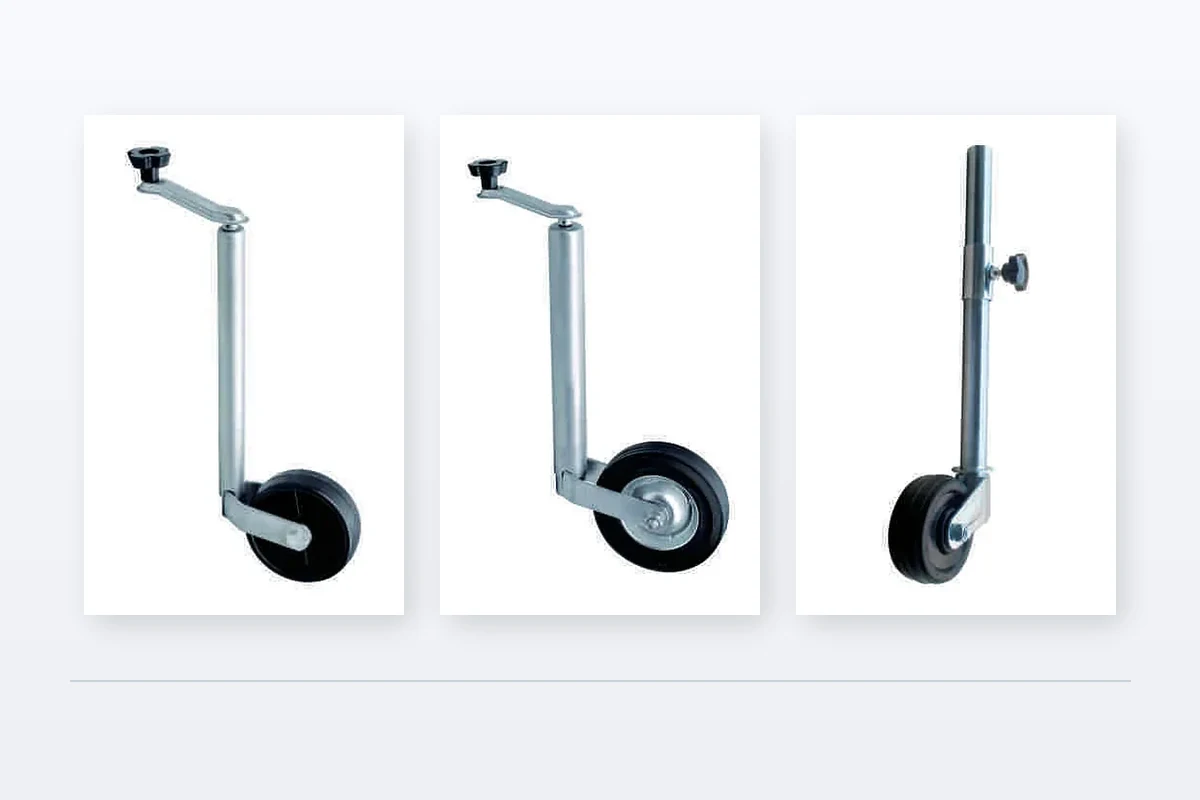
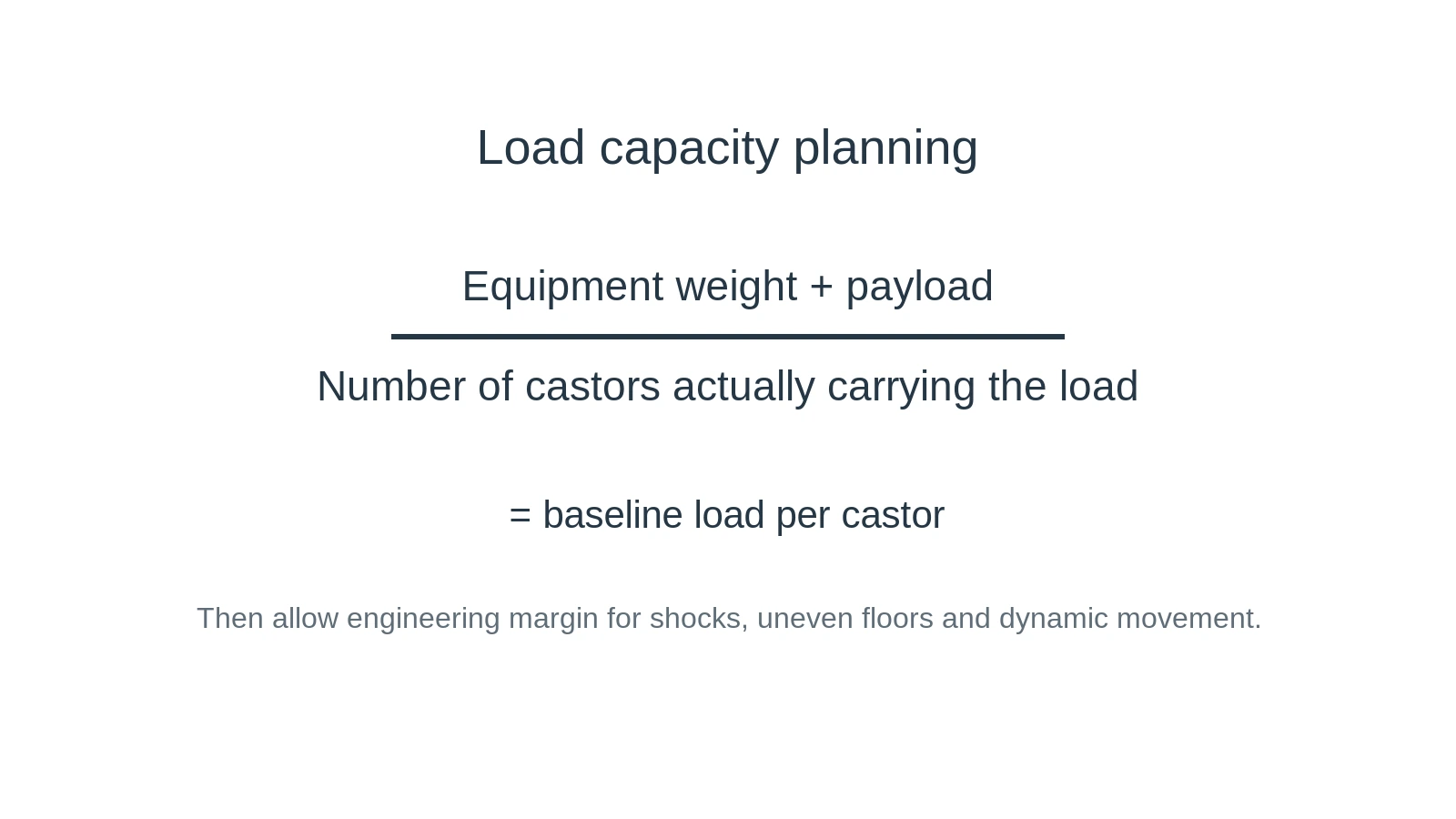
Load rating is not independent of how equipment moves. A cart crossing a threshold can create impact forces absent in a static parking condition. An uneven floor can shift load from four nominal support points to three. A trailer jockey wheel may carry a modest vertical drawbar load yet require substantial manoeuvring effort on loose ground. For What to Send in a Plastic Wheel, use this check as part of the same load, floor, interface and movement record used to compare the shortlisted configurations.
Rejestruj maksymalne obciążenie normalne, obciążenie wyjątkowe, podłogę lub grunt, odległość przebytą i częstotliwość występowania przeszkód. Połączenie tych danych daje lepszą podstawę do wyboru niż jedna masa brutto.
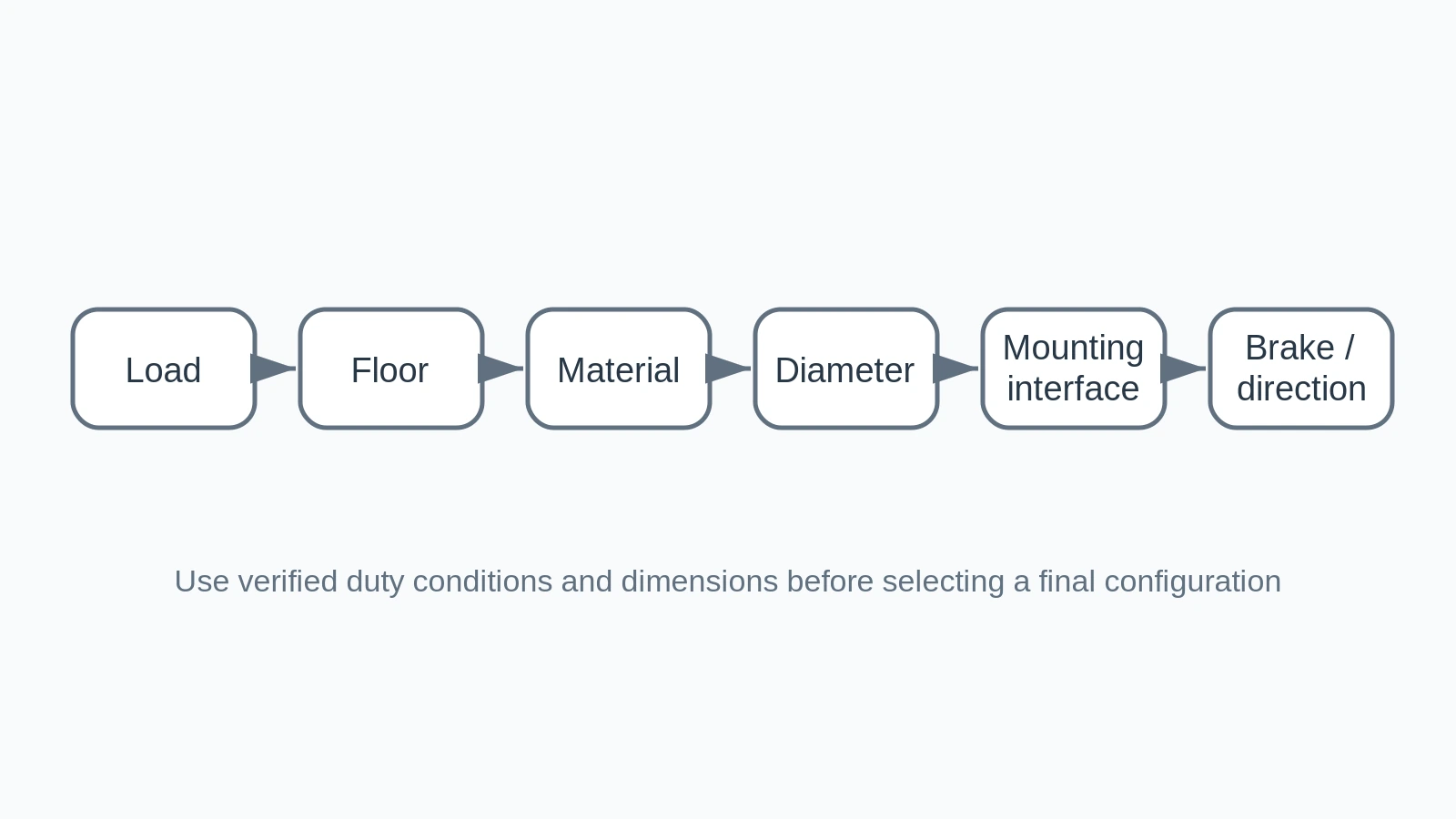
Turn the topic into a comparison matrix — What to Send in a
| Pytanie | Co nagrywać |
|---|---|
| Obowiązek | Jaki sprzęt jest używany i jak często się przemieszcza |
| Obciążenie | Masa własna, ładunek użyteczny i układ nośny |
| Podłoga | Powierzchnia, połączenia, zanieczyszczenia, woda lub substancje chemiczne |
| Koło | Średnica, szerokość i materiał, jeśli znane |
| Interfejs | Otwór/łożysko/oś lub wspornik/rura/mostek |
| Kontrola | Wymagania dotyczące hamulca, blokady, składania lub kierowania |
| Handlowy | Ilość, cel i miejsce przeznaczenia próbki |
Failure patterns to watch in send in a plastic wheel or jockey
A photograph without scale or diameter without hub information can create a plausible but incompatible replacement. Similar symptoms can also come from loose fasteners, worn bearings, misalignment, contaminated floors or a frame that is no longer square. Before blaming wheel material, inspect the mounting and compare wear patterns across positions. For What to Send in a Plastic Wheel, use this check as part of the same load, floor, interface and movement record used to compare the shortlisted configurations.
If only one corner wears rapidly, investigate that corner’s load and alignment. If all wheels show the same damage, review duty, floor and material specification. If wear accelerates after a process change, record the new contaminant, cleaning agent, temperature or travel pattern. For What to Send in a Plastic Wheel, use this check as part of the same load, floor, interface and movement record used to compare the shortlisted configurations.
Translate the engineering notes into one controlled RFQ line — What to Send in a
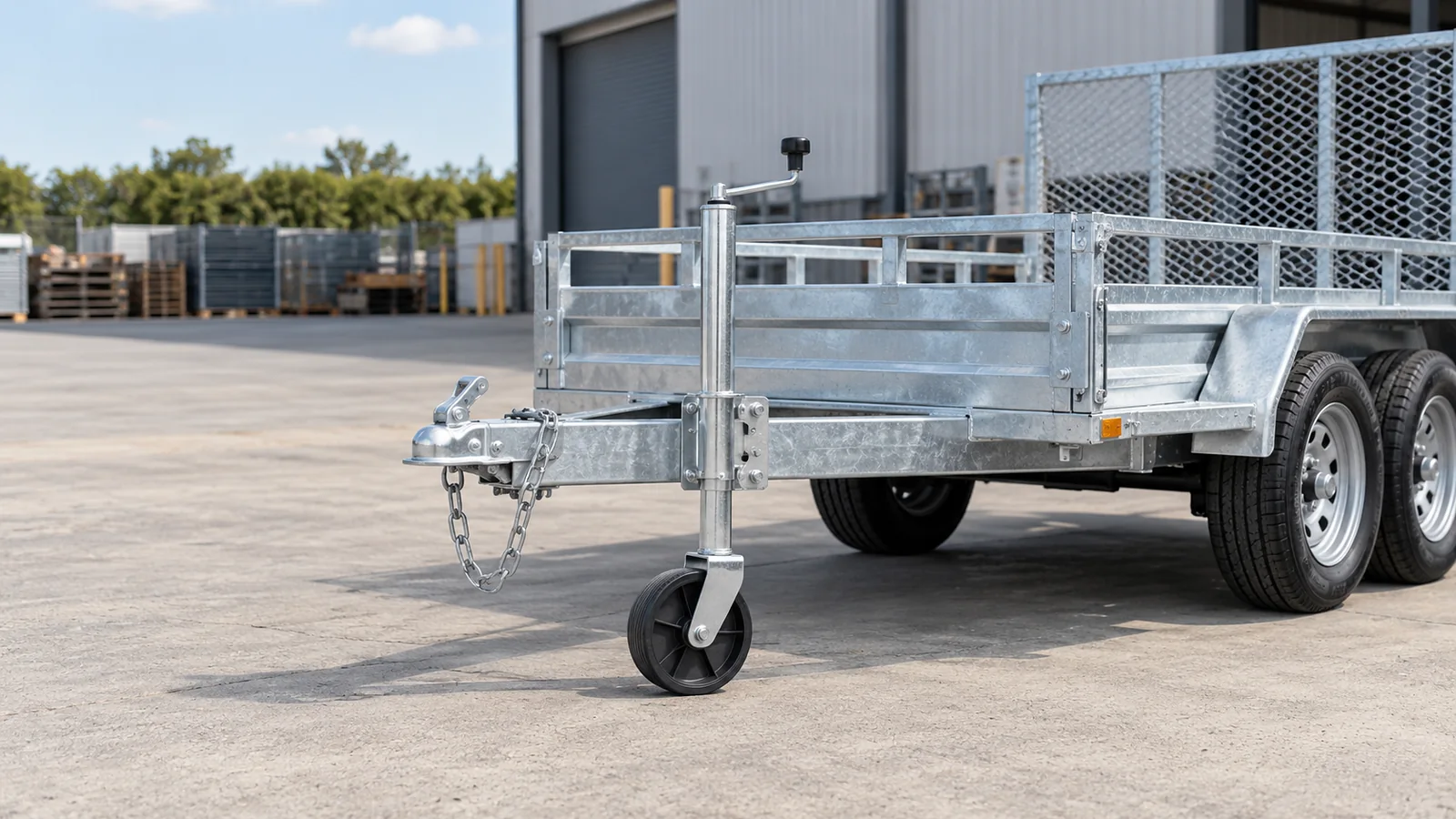
Use one line per configuration and write the requirement so another engineer can understand it without the original conversation. Include dimensioned photos/drawings, wheel and hub measurements, mounting data, load, environment, quantity and model references. Attach the correct drawing or photo set. If an interface dimension is unknown, say “measurement pending” instead of using a guessed value. For What to Send in a Plastic Wheel, use this check as part of the same load, floor, interface and movement record used to compare the shortlisted configurations.
W przypadku zamówień obejmujących wiele modeli należy oddzielnie podawać ilości i określić, które wymiary są wspólne.
Send in a Plastic Wheel or Jockey decision checklist
- Czy znane jest maksymalne obciążenie normalne?
- Czy koła podporowe mogą równomiernie rozkładać obciążenie?
- Czy opisano prawdziwe piętro/grunt?
- Czy mierzone są wymiary kół i interfejsu?
- Czy funkcja sterowania jest jasna?
- Czy podano specjalne wymagania dotyczące materiałów, wykończenia i ochrony środowiska?
- Czy ilość jest przypisana do właściwego modelu?
Kontynuuj z strona wyboru podstawowego, porównywać obecne rodziny produktówlub użyj Formularz zapytania ofertowego.
Turn the topic into an equipment-level decision — What to Send in a
Poniższe punkty odnoszą temat artykułu do pomiarów, instalacji i obserwacji w terenie, nie traktując ogólnej etykiety produktu jako pełnej specyfikacji.
Separate technical approval from quantity changes — What to Send in a
If purchasing later changes quantity or consolidates models, do not let that commercial change overwrite the technical specification. Preserve approved dimensions and configuration while updating only the commercial fields that changed. For What to Send in a Plastic Wheel, use this check as part of the same load, floor, interface and movement record used to compare the shortlisted configurations.
What to observe when applying send in a plastic wheel or jockey
Commission a new or replacement configuration for plastic wheel RFQ checklist under controlled load and low speed before normal operation. Watch for rubbing, bracket contact, wheel wobble, steering instability, fastener movement and any change in deck or drawbar height. The goal is to test the assumptions made during selection rather than merely confirm that the wheel turns.
For replacement programs and OEM enquiries where fit must be established from an existing assembly or drawing, include the most demanding normal floor or ground transition in the initial trial. If the system must cross a threshold, ramp or rough joint, observe it there. Document the result with the same model reference used in the RFQ so future subsequent orders have a useful baseline instead of relying on memory. For What to Send in a Plastic Wheel, use this check as part of the same load, floor, interface and movement record used to compare the shortlisted configurations.
Maintenance records that matter for send in a plastic wheel or jockey
Record wheel position, installation date, duty, reason for replacement and unusual floor events. In a plastic wheel RFQ checklist program, this simple history helps identify whether wear is random, position-specific or linked to a changed environment. A wheel that fails repeatedly at one corner may point to load concentration, alignment or local contamination rather than a general material problem.
Inspect axle, spacers, bearings, bracket and fasteners when the old wheel is removed. Keep measurements that relate directly to dimensioned photos/drawings, wheel and hub measurements, mounting data, load, environment, quantity and model references. If a component has been modified in service, photograph the change before installing the new item and decide whether the modified condition should become part of the official equipment specification. For What to Send in a Plastic Wheel, use this check as part of the same load, floor, interface and movement record used to compare the shortlisted configurations.
Describe the worst normal condition — What to Send in a
The practical value of “What to Send in a Plastic Wheel or Jockey Wheel RFQ” is not a universal yes-or-no answer. The useful boundary is the equipment and duty in which the question occurs. Write down drawbar support load, wheel size, tube or clamp fit, lifting travel, closed height, folding or swivel clearance, ground condition and manoeuvring frequency. Keeping these fields together makes it possible to distinguish a product-identification question from an engineering selection question and prevents a visually similar part from being treated as automatically interchangeable.
Use the most demanding normal condition rather than a best-case description. If the equipment sometimes crosses a threshold, works outdoors, carries an uneven payload or is manoeuvred only after long periods of static load, include that condition. The objective is a repeatable requirement that another engineer or buyer can understand without seeing the original component. For What to Send in a Plastic Wheel, use this check as part of the same load, floor, interface and movement record used to compare the shortlisted configurations.
Separate identification from specification — What to Send in a
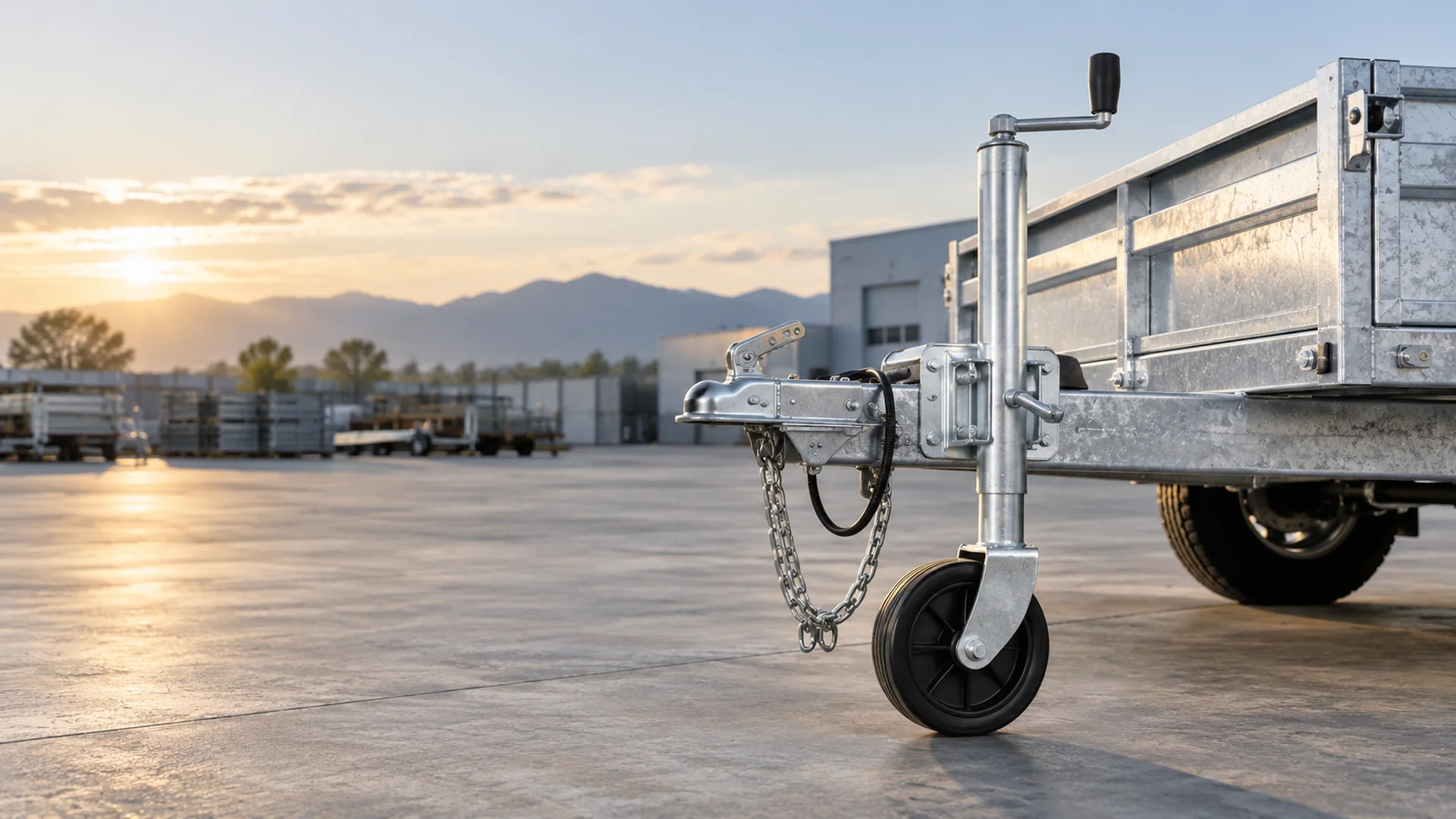
For this topic, record drawbar support load, wheel size, tube or clamp fit, lifting travel, closed height, folding or swivel clearance, ground condition and manoeuvring frequency. Use dimensioned photographs where a drawing is unavailable and show the reference points used for each measurement. If the old part is worn, bent or repaired, flag the affected dimension instead of treating the damaged geometry as the design target. For What to Send in a Plastic Wheel, use this check as part of the same load, floor, interface and movement record used to compare the shortlisted configurations.
A comparison sheet works best with one configuration per column or row. Keep measured values, required values and optional preferences separate. That simple separation reduces the chance that a supplier proposal or an old catalogue value is copied into the required specification without review. It also makes later quotation revisions easier to audit. For What to Send in a Plastic Wheel, use this check as part of the same load, floor, interface and movement record used to compare the shortlisted configurations.
Check the selected configuration in service context — What to Send in a
After a candidate is installed, raise and lower the jack through its usable travel, confirm the wheel carries the support point without interference, then manoeuvre on the normal yard surface and verify the stowed position clears the drawbar and coupling. The first trial should be slow enough to observe the wheel and mounting rather than merely prove that the equipment can move. Look for rubbing, unexpected side movement, fastener movement, wheel wobble, interference and a change in operator effort. For What to Send in a Plastic Wheel, use this check as part of the same load, floor, interface and movement record used to compare the shortlisted configurations.
If the result is unsatisfactory, record the symptom before changing several variables at once. One controlled change—such as wheel diameter, material, mounting alignment or steering layout—gives more useful information than changing the whole assembly and losing the cause of the original problem. For What to Send in a Plastic Wheel, use this check as part of the same load, floor, interface and movement record used to compare the shortlisted configurations.
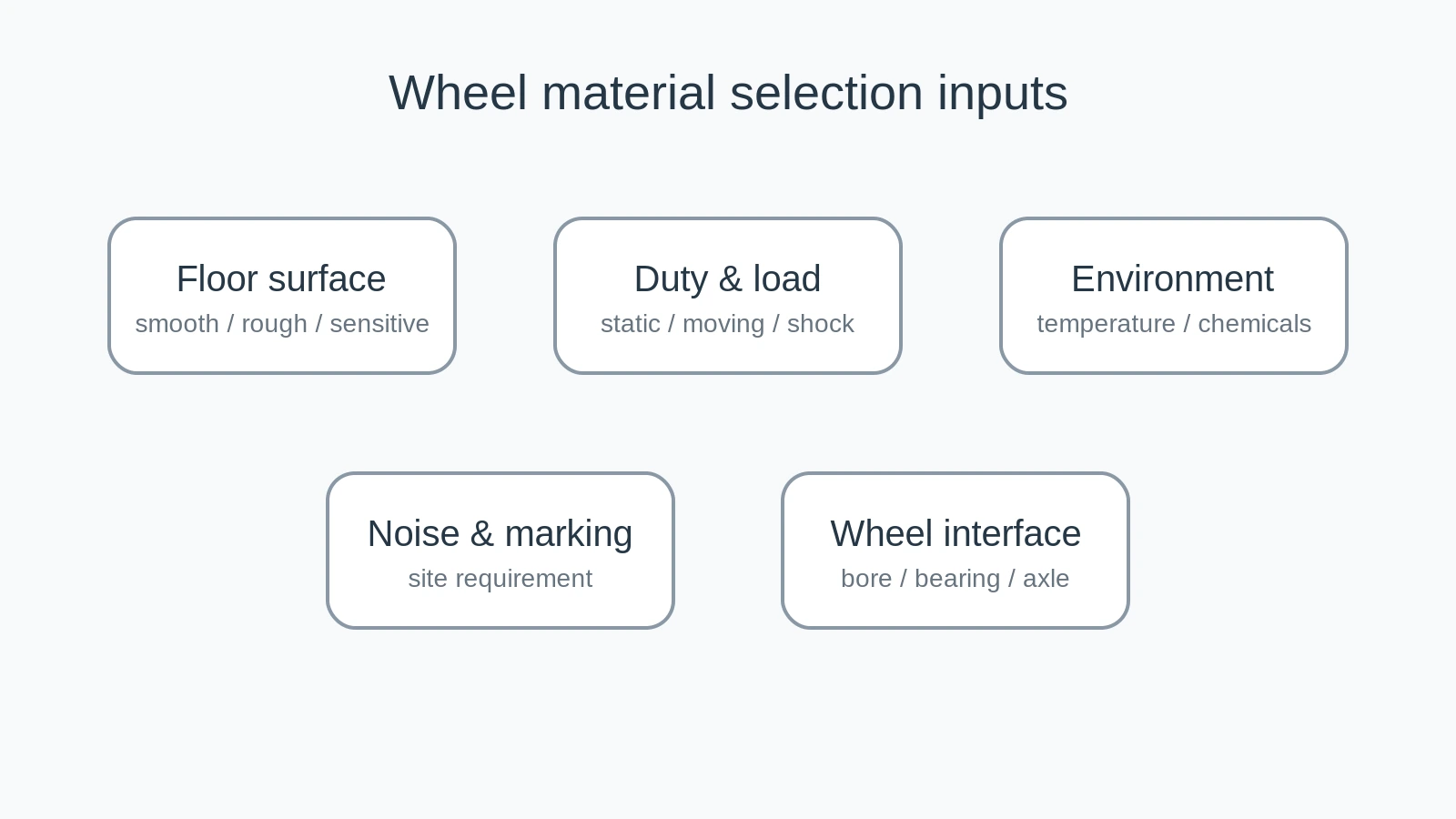
Test the decision behind “What to Send in a Plastic Wheel or Jockey Wheel RFQ” on the actual parking surface
After installation, make a controlled low-speed manoeuvring check on the surface that normally creates the greatest effort. Observe steering, wheel scrub, fork clearance and any tendency for the mounting to twist or slip. If the trailer is routinely moved across gravel, pavers or drainage channels, include those conditions rather than testing only on workshop concrete. For What to Send in a Plastic Wheel, use this check as part of the same load, floor, interface and movement record used to compare the shortlisted configurations.
A short documented trial provides much more useful purchasing information than a generic statement that one wheel is “better.” Record the accepted configuration, the trailer group, the load condition and any clearance limitation so a later subsequent orders can be checked against the same operating basis. For What to Send in a Plastic Wheel, use this check as part of the same load, floor, interface and movement record used to compare the shortlisted configurations.
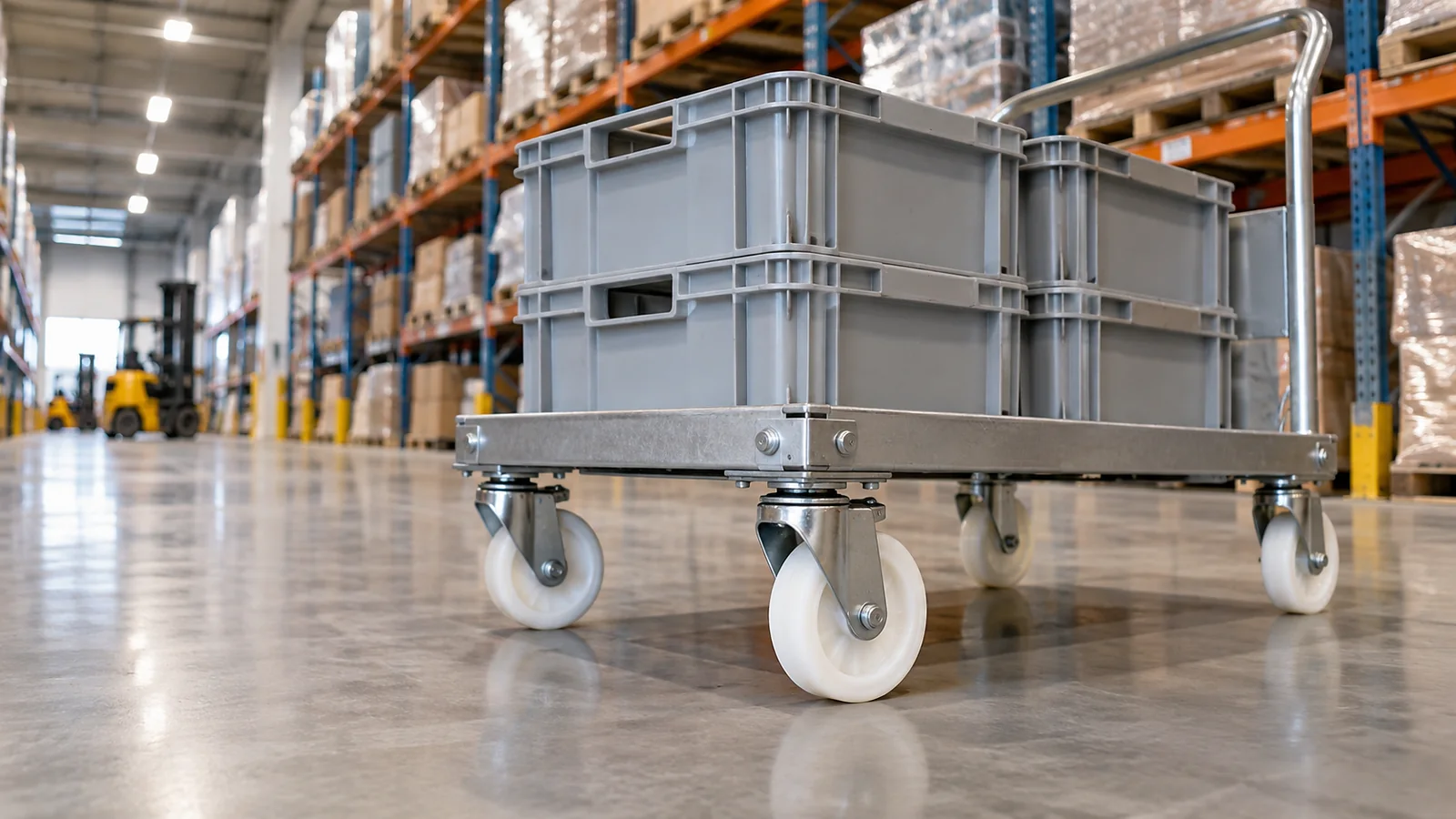
Record the installed envelope when applying “What to Send in a Plastic Wheel or Jockey Wheel RFQ”
A jockey wheel must fit more than the nominal tyre diameter. Record tube or clamp size, closed height, required lift, wheel/fork envelope, crank clearance and the path the assembly takes if it folds or swivels for travel. Include the trailer’s actual drawbar load condition and the ground where uncoupled manoeuvring occurs. For What to Send in a Plastic Wheel, use this check as part of the same load, floor, interface and movement record used to compare the shortlisted configurations.
For replacement work, inspect the clamp, tube and mounting area for deformation or previous modification before assuming the old configuration should be copied exactly. If the supplier’s stated load refers to a jack family, do not use it as a substitute for measuring the real application requirement. For What to Send in a Plastic Wheel, use this check as part of the same load, floor, interface and movement record used to compare the shortlisted configurations.
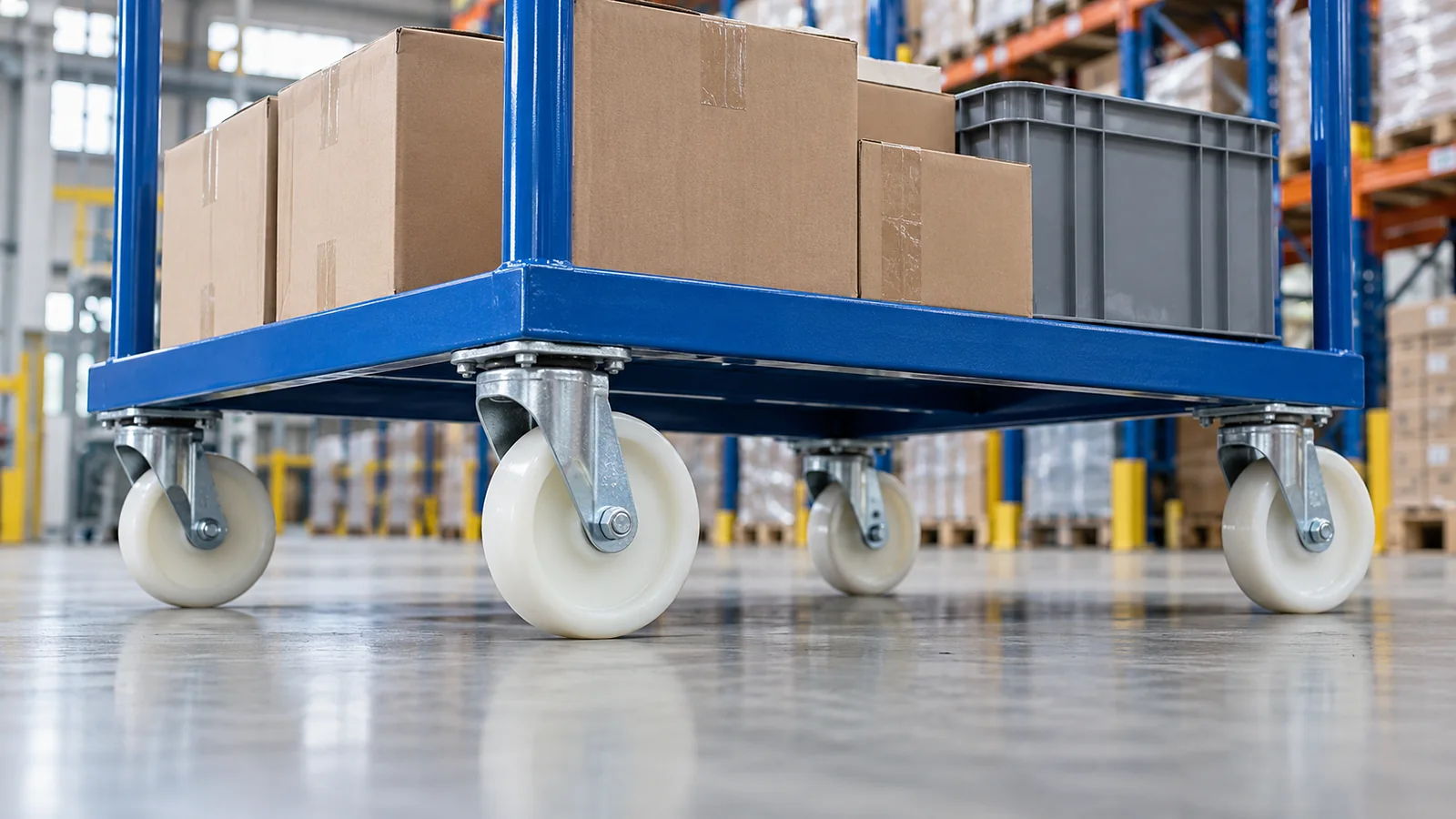
Turn the trailer-support question into four comparable inputs — What to Send in a
Trailer-support questions become easier to resolve when load, ground, interface and operating travel are written down separately. A catalogue title can identify a family, but it cannot describe how the support wheel is loaded, how the trailer is manoeuvred or how much space the mechanism has around the drawbar. For What to Send in a Plastic Wheel, use this check as part of the same load, floor, interface and movement record used to compare the shortlisted configurations.
| Wejście | Co nagrywać |
|---|---|
| Support condition | State the actual nose or support load and whether the wheel is used only for parking, for hand manoeuvring, or for both. |
| Ground | Describe concrete, paving, gravel, soft ground, joints and slopes that occur in normal use. |
| Interfejs | Record tube, clamp, bracket or plate dimensions plus the position of nearby coupling and frame members. |
| Operating envelope | Measure closed height, useful travel, crank access and the path required for folding or swivelling where relevant. |
Use these inputs to compare alternatives under the same conditions. A larger wheel may improve obstacle geometry but can also change stored clearance. A stronger-looking bracket may still be unsuitable if the clamp or tube does not match. When a brake, swivel or twin-wheel arrangement is involved, describe the function that the operator actually needs rather than requesting a feature from appearance alone. For What to Send in a Plastic Wheel, use this check as part of the same load, floor, interface and movement record used to compare the shortlisted configurations.
For replacement work, photograph the assembly before removal and include a side view that shows the mounting relationship. If the existing part is damaged, identify which dimensions are still trustworthy. During the first controlled installation, operate the mechanism through its usable travel without rushing the test, then load the trailer gradually and confirm that the wheel, handle and structure remain clear through normal manoeuvring. For What to Send in a Plastic Wheel, use this check as part of the same load, floor, interface and movement record used to compare the shortlisted configurations.
How send in a plastic wheel or jockey changes the RFQ
For “What to Send in a Plastic Wheel or Jockey Wheel RFQ”, the RFQ should state the operating fact that drives the question rather than only repeating the product term. Name the equipment, describe the normal and maximum duty, record the fit-controlling dimensions and identify the symptom or objective that prompted the review. If the decision concerns load, include equipment mass and supporting points; if it concerns material, describe floor and environment; if it concerns mounting, provide the interface geometry; and if it concerns a trailer support wheel, include the support condition, ground and available travel.
Keep required values separate from open questions. A supplier can respond much more usefully to “confirm bore and hub length against attached sketch” than to a guessed dimension presented as final. The same principle applies to load ratings, material grades, brake functions and mounting details. Where a value is verified, label it clearly; where it is not, ask for confirmation. That keeps the quotation aligned with the real equipment and makes later technical review easier without adding another repetitive approval or subsequent orders section to the page. For What to Send in a Plastic Wheel, use this check as part of the same load, floor, interface and movement record used to compare the shortlisted configurations.
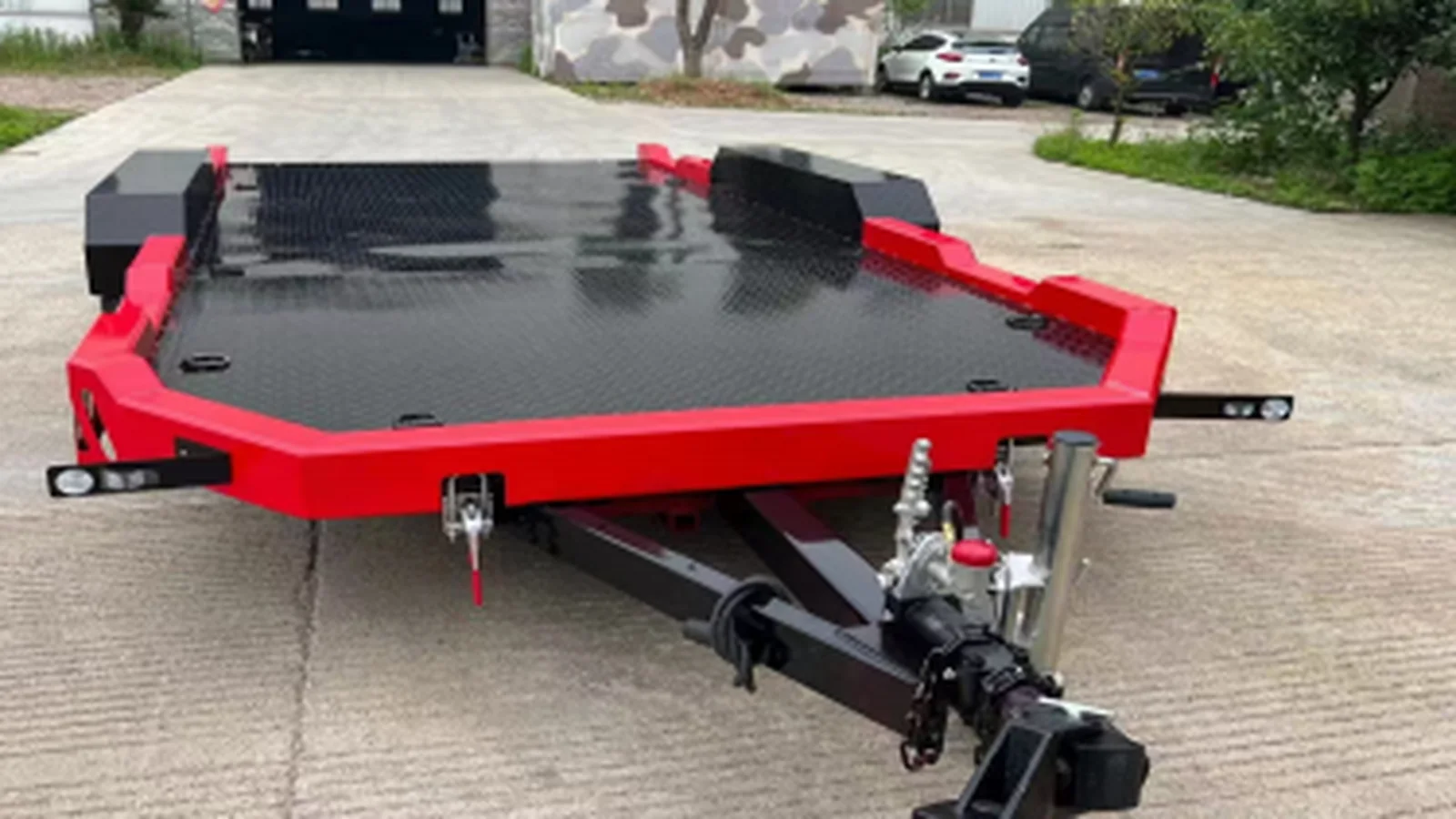
Send in a Plastic Wheel or Jockey FAQ
What is the first thing to confirm for plastic wheel RFQ checklist?
Start with dimensions controlling fit and the relationship between wheel, axle, hub, bracket and frame. That gives the rest of the selection a measurable context.
Czy zdjęcie może zastąpić pomiary?
Zdjęcie ułatwia identyfikację, jednak wymiary krytyczne dla dopasowania nadal należy zmierzyć lub pobrać z zatwierdzonego rysunku.
Czy kupujący powinien dodać współczynnik bezpieczeństwa do ładunku?
A safety allowance is commonly used to address unequal load sharing and operating effects, but the appropriate value depends on the application and does not replace the product rating. For What to Send in a Plastic Wheel, use this check as part of the same load, floor, interface and movement record used to compare the shortlisted configurations.
A co jeśli materiał jest nieznany?
Podaj salę operacyjną i środowisko, dostarcz próbkę lub zdjęcie i potraktuj materiał jako potwierdzenie, a nie jako zgadywanie na podstawie koloru.
Discuss your plastic wheel RFQ checklist requirement
Prześlij nam dane dotyczące zastosowania, obciążenia, wymiarów kontrolnych, ilości oraz wszelkie istotne zdjęcia lub rysunki. Na podstawie tych danych zawęzimy rodzinę produktów bez zgadywania.