Produktbeskrivning
Custom Rubber Auto Grommet
* Grommet for cable system.
| Product Name | Rubber Grommet |
| Material | EPDM, NBR, Neoprene.Per your request. |
| Property | oil resistance,abrasion resistance, water resistance ,good elongation etc |
| Färg | customized |
| Hårdhet | 30-90 Shore A or special |
| MOQ | 1000PCS |
| Samples | Free samples are available when we have inventory. |
| Paket | Inner: plastic bag, outer: carton box or as your requirements |
| Payment | L/C,T/T,Paypal,D/A,D/P,Western Union |
| Certificate | TS16949,ISO9001,ROHS,REACH |
| Delivery time | Usually 20 days after receiving your advance payment. |
| Ansökan | Electronic field, Industrial machine & equipment, cylindrical surface static sealing,flat face static sealing, vacuum flange sealing, triangle groove application, pneumatic dynamic sealing ,Medical equipment industry, heavy machinery, excavators, etc. |
The introduction of our company
1. Equipped with modern and precise manufacture equipments and strictly quality control which allow us to make high quality auto parts
2.High efficient management to achieve the production cost optimization, and return the profit to customer end for long term win win relationship.
Unimolding PRIMARY COMPETITIVE ADVANTAGES:
1.Customer-focused organization;
2.Smooth & quick communication;
3.Custom manufacturing & Engineering solution;
4.Excellent quality control;
5.Reasonable price;
6.Small order & on-time delivery;
7.Conduct the teamwork practice.
The package of our products
/* 10 mars 2571 17:59:20 */!function(){function s(e,r){var a,o={};try{e&&e.split(“,”).forEach(function(e,t){e&&(a=e.match(/(.*?):(.*)$/))&&1
| Material: | Silikongummi |
|---|---|
| Ansökan: | Machinery, Industrial Component, Electronic Product, Vehicle, Household Appliance |
| Effect: | Wiper Seal |
| Cross-Section Shape: | Mountain Type Circle |
| Software for Drawings: | Auto CAD, PRO-E, Ug, Solid Work, Catia, etc. |
| Processing: | Rubber Injection, Rubber Molded |
| Prover: |
US$ 0.05/Piece
1 styck (minsta beställning) | |
|---|
| Anpassning: |
Tillgänglig
|
|
|---|
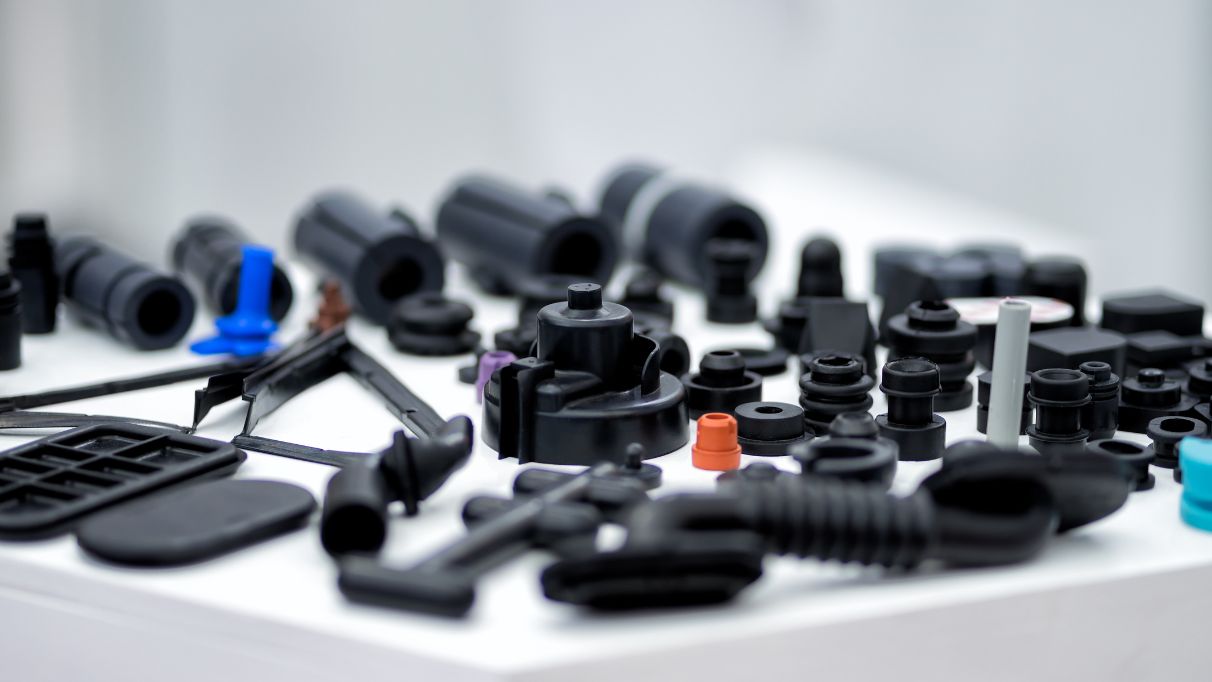
Can injection molded parts be customized or modified to meet unique industrial needs?
Yes, injection molded parts can be customized or modified to meet unique industrial needs. The injection molding process offers flexibility and versatility, allowing for the production of highly customized parts with specific design requirements. Here’s a detailed explanation of how injection molded parts can be customized or modified:
Design Customization:
The design of an injection molded part can be tailored to meet unique industrial needs. Design customization involves modifying the part’s geometry, features, and dimensions to achieve specific functional requirements. This can include adding or removing features, changing wall thicknesses, incorporating undercuts or threads, and optimizing the part for assembly or integration with other components. Computer-aided design (CAD) tools and engineering expertise are used to create custom designs that address the specific industrial needs.
Material Selection:
The choice of material for injection molded parts can be customized based on the unique industrial requirements. Different materials possess distinct properties, such as strength, stiffness, chemical resistance, and thermal stability. By selecting the most suitable material, the performance and functionality of the part can be optimized for the specific application. Material customization ensures that the injection molded part can withstand the environmental conditions, operational stresses, and chemical exposures associated with the industrial application.
Surface Finishes:
The surface finish of injection molded parts can be customized to meet specific industrial needs. Surface finishes can range from smooth and polished to textured or patterned, depending on the desired aesthetic appeal, functional requirements, or ease of grip. Custom surface finishes can enhance the part’s appearance, provide additional protection against wear or corrosion, or enable specific interactions with other components or equipment.
Color and Appearance:
Injection molded parts can be customized in terms of color and appearance. Colorants can be added to the material during the molding process to achieve specific shades or color combinations. This customization option is particularly useful when branding, product differentiation, or visual identification is required. Additionally, surface textures, patterns, or special effects can be incorporated into the mold design to create unique appearances or visual effects.
Secondary Operations:
Injection molded parts can undergo secondary operations to further customize or modify them according to unique industrial needs. These secondary operations can include post-molding processes such as machining, drilling, tapping, welding, heat treating, or applying coatings. These operations enable the addition of specific features or functionalities that may not be achievable through the injection molding process alone. Secondary operations provide flexibility for customization and allow for the integration of injection molded parts into complex assemblies or systems.
Tooling Modifications:
If modifications or adjustments are required for an existing injection molded part, the tooling can be modified or reconfigured to accommodate the changes. Tooling modifications can involve altering the mold design, cavity inserts, gating systems, or cooling channels. This allows for the production of modified parts without the need for creating an entirely new mold. Tooling modifications provide cost-effective options for customizing or adapting injection molded parts to meet evolving industrial needs.
Prototyping and Iterative Development:
Injection molding enables the rapid prototyping and iterative development of parts. By using 3D printing or soft tooling, prototype molds can be created to produce small quantities of custom parts for testing, validation, and refinement. This iterative development process allows for modifications and improvements to be made based on real-world feedback, ensuring that the final injection molded parts meet the unique industrial needs effectively.
Overall, injection molded parts can be customized or modified to meet unique industrial needs through design customization, material selection, surface finishes, color and appearance options, secondary operations, tooling modifications, and iterative development. The flexibility and versatility of the injection molding process make it a valuable manufacturing method for creating highly customized parts that address specific industrial requirements.
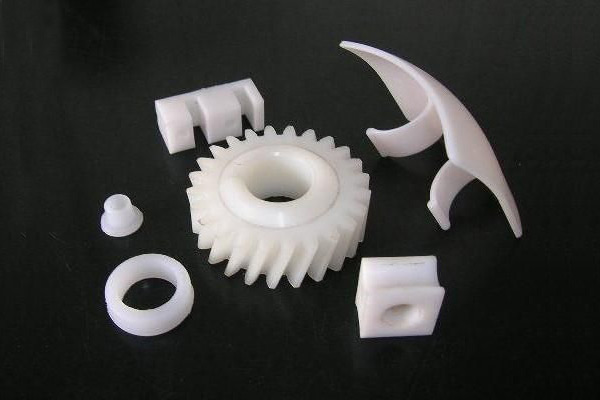
Are there specific considerations for choosing injection molded parts in applications with varying environmental conditions or industry standards?
Yes, there are specific considerations to keep in mind when choosing injection molded parts for applications with varying environmental conditions or industry standards. These factors play a crucial role in ensuring that the selected parts can withstand the specific operating conditions and meet the required standards. Here’s a detailed explanation of the considerations for choosing injection molded parts in such applications:
1. Material Selection:
The choice of material for injection molded parts is crucial when considering varying environmental conditions or industry standards. Different materials offer varying levels of resistance to factors such as temperature extremes, UV exposure, chemicals, moisture, or mechanical stress. Understanding the specific environmental conditions and industry requirements is essential in selecting a material that can withstand these conditions while meeting the necessary standards for performance, durability, and safety.
2. Temperature Resistance:
In applications with extreme temperature variations, it is important to choose injection molded parts that can withstand the specific temperature range. Some materials, such as engineering thermoplastics, exhibit excellent high-temperature resistance, while others may be more suitable for low-temperature environments. Consideration should also be given to the potential for thermal expansion or contraction, as it can affect the dimensional stability and overall performance of the parts.
3. Chemical Resistance:
In industries where exposure to chemicals is common, it is critical to select injection molded parts that can resist chemical attack and degradation. Different materials have varying levels of chemical resistance, and it is important to choose a material that is compatible with the specific chemicals present in the application environment. Consideration should also be given to factors such as prolonged exposure, concentration, and frequency of contact with chemicals.
4. UV Stability:
For applications exposed to outdoor environments or intense UV radiation, selecting injection molded parts with UV stability is essential. UV radiation can cause material degradation, discoloration, or loss of mechanical properties over time. Materials with UV stabilizers or additives can provide enhanced resistance to UV radiation, ensuring the longevity and performance of the parts in outdoor or UV-exposed applications.
5. Mechanical Strength and Impact Resistance:
In applications where mechanical stress or impact resistance is critical, choosing injection molded parts with the appropriate mechanical properties is important. Materials with high tensile strength, impact resistance, or toughness can ensure that the parts can withstand the required loads, vibrations, or impacts without failure. Consideration should also be given to factors such as fatigue resistance, abrasion resistance, or flexibility, depending on the specific application requirements.
6. Compliance with Industry Standards:
When selecting injection molded parts for applications governed by industry standards or regulations, it is essential to ensure that the chosen parts comply with the required standards. This includes standards for dimensions, tolerances, safety, flammability, electrical properties, or specific performance criteria. Choosing parts that are certified or tested to meet the relevant industry standards helps ensure compliance and reliability in the intended application.
7. Environmental Considerations:
In today’s environmentally conscious landscape, considering the sustainability and environmental impact of injection molded parts is increasingly important. Choosing materials that are recyclable or biodegradable can align with sustainability goals. Additionally, evaluating factors such as energy consumption during manufacturing, waste reduction, or the use of environmentally friendly manufacturing processes can contribute to environmentally responsible choices.
8. Customization and Design Flexibility:
Lastly, the design flexibility and customization options offered by injection molded parts can be advantageous in meeting specific environmental or industry requirements. Injection molding allows for intricate designs, complex geometries, and the incorporation of features such as gaskets, seals, or mounting points. Customization options for color, texture, or surface finish can also be considered to meet specific branding or aesthetic requirements.
Considering these specific considerations when choosing injection molded parts for applications with varying environmental conditions or industry standards ensures that the selected parts are well-suited for their intended use, providing optimal performance, durability, and compliance with the required standards.
Kan du beskriva de olika material som kan användas för formsprutning?
Formsprutning erbjuder ett brett utbud av material som kan användas för att producera delar med olika egenskaper och karaktäristika. Materialvalet beror på de specifika kraven för tillämpningen, inklusive mekaniska egenskaper, kemisk resistens, termisk stabilitet, transparens och kostnad. Här är en beskrivning av de material som vanligtvis används för formsprutning:
1. Termoplaster:
Termoplaster är de vanligaste materialen vid formsprutning på grund av deras mångsidighet, enkla bearbetning och återvinningsbarhet. Några vanligt förekommande termoplaster inkluderar:
- Polypropen (PP): PP är en lätt och flexibel termoplast med utmärkt kemisk resistens och låg kostnad. Den används ofta i bildelar, förpackningar, konsumentprodukter och medicintekniska produkter.
- Polyeten (PE): PE är en mångsidig termoplast med utmärkt slaghållfasthet och kemisk resistens. Den används i en mängd olika tillämpningar, inklusive förpackningar, rör, bilkomponenter och leksaker.
- Polystyren (PS): PS är en styv och transparent termoplast med god dimensionsstabilitet. Den används ofta i förpackningar, konsumentvaror och engångsprodukter.
- Polykarbonat (PC): PC är en transparent och slagtålig termoplast med hög värmebeständighet. Den används i bildelar, elektroniska komponenter och optiska linser.
- Akrylnitrilbutadienstyren (ABS): ABS är en mångsidig termoplast med en bra balans mellan styrka, slagtålighet och värmebeständighet. Den används ofta i bildelar, elektronikkapslingar och konsumentprodukter.
- Polyvinylklorid (PVC): PVC är en slitstark och flamsäker termoplast med god kemisk resistens. Den används i en mängd olika tillämpningar, inklusive konstruktion, elektrisk isolering och medicinska slangar.
- Polyetylentereftalat (PET): PET är en stark och lätt termoplast med utmärkt klarhet och barriäregenskaper. Den används ofta i förpackningar, dryckesflaskor och textilfibrer.
2. Tekniska plaster:
Tekniska plaster erbjuder förbättrade mekaniska egenskaper, värmebeständighet och dimensionsstabilitet jämfört med vanliga termoplaster. Några vanliga tekniska plaster vid formsprutning inkluderar:
- Polyamid (PA/Nylon): Nylon är en stark och hållbar teknisk plast med utmärkt slitstyrka och låg friktion. Den används i bilkomponenter, elektriska kontakter och industriella applikationer.
- Polykarbonat (PC): PC, som nämnts tidigare, anses också vara en teknisk plast på grund av dess exceptionella slagtålighet och högtemperaturprestanda.
- Polyoximetylen (POM/acetal): POM är en höghållfast teknisk plast med låg friktion och utmärkt dimensionsstabilitet. Den används i kugghjul, lager och precisionsmekaniska komponenter.
- Polyfenylensulfid (PPS): PPS är en högpresterande teknisk plast med utmärkt kemisk resistens och termisk stabilitet. Den används i elektriska och elektroniska komponenter, bildelar och industriella applikationer.
- Polyetereterketon (PEEK): PEEK är en högpresterande teknisk plast med exceptionell värmebeständighet, kemisk resistens och mekaniska egenskaper. Den används ofta inom flyg-, medicin- och industriapplikationer.
3. Värmehärdande plaster:
Härdplaster genomgår en kemisk tvärbindningsprocess under gjutning, vilket resulterar i ett styvt och värmebeständigt material. Några vanligt förekommande härdplaster vid formsprutning inkluderar:
- Epoxi: Epoxihartser erbjuder utmärkt kemisk resistens och mekaniska egenskaper. De används ofta i elektriska komponenter, lim och beläggningar.
- Fenol: Fenolhartser är kända för sin utmärkta värmebeständighet och elektriska isoleringsegenskaper. De används i elektriska strömbrytare, bildelar och konsumentvaror.
- Ureaformaldehyd (UF) och melaminformaldehyd (MF): UF- och MF-hartser används för gjutning av elektriska komponenter, köksartiklar och dekorativa laminat.
4. Elastomerer:
Elastomerer, även kända som gummiliknande material, används för att producera flexibla och elastiska delar. De ger utmärkt motståndskraft, hållbarhet och tätningsegenskaper. Några vanligt förekommande elastomerer vid formsprutning inkluderar:
- Termoplastiska elastomerer (TPE): TPE är en klass av material som kombinerar egenskaperna hos gummi och plast. De erbjuder flexibilitet, god kompressionsförmåga och är enkla att bearbeta. TPE används inom fordonskomponenter, konsumentprodukter och medicintekniska produkter.
- Silikon: Silikonelastomerer ger utmärkt värmebeständighet, elektrisk isolering och biokompatibilitet. De används ofta i medicintekniska produkter, biltätningar och hushållsprodukter.
- Styrenbutadiengummi (SBR): SBR är en syntetisk elastomer med god nötningsbeständighet och flexibilitet vid låga temperaturer. Den används i däck, packningar och transportband.
- Etylenpropylendienmonomer (EPDM): EPDM är en slitstark elastomer med utmärkt väderbeständighet och kemikaliebeständighet. Den används i fordonstätningar, tätningslister och takmembran.
5. Kompositer:
Formsprutning kan också användas för att producera delar gjorda av kompositmaterial, som kombinerar två eller flera olika typer av material för att uppnå specifika egenskaper. Vanligt förekommande kompositmaterial vid formsprutning inkluderar:
- Glasfiberförstärkta plaster (GFRP): GFRP kombinerar glasfibrer med termoplaster eller härdplaster för att förbättra mekanisk hållfasthet, styvhet och dimensionsstabilitet. Det används i bilkomponenter, elektriska kapslingar och sportartiklar.
- Kolfiberförstärkt plast (CFRP): CFRP kombinerar kolfibrer med värmehärdande hartser för att producera delar med exceptionell styrka, styvhet och lättviktsegenskaper. Det används ofta inom flyg- och rymdindustrin, fordonsindustrin och högpresterande sportutrustning.
- Metallfyllda plaster: Metallfyllda plaster införlivar metallpartiklar eller fibrer i termoplaster för att uppnå egenskaper som konduktivitet, elektromagnetisk avskärmning eller förbättrad vikt och känsla. De används i elektriska kontakter, bilkomponenter och konsumentelektronik.
Detta är bara några exempel på material som används vid formsprutning. Det finns många andra specialiserade material tillgängliga, alla med sina egna unika egenskaper, såsom flamskydd, låg friktion, kemisk resistens eller specifika certifieringar för medicinska tillämpningar eller tillämpningar i kontakt med livsmedel. Materialvalet beror på önskad prestanda, kostnadsöverväganden och myndighetskrav för den specifika tillämpningen.


editor by CX 2024-02-22