
Ürün Açıklaması
Custom Rubber Auto Grommet
* Grommet for cable system.
| Ürün Adı | Rubber Grommet |
| Malzeme | EPDM, NBR, Neoprene.Per your request. |
| Property | oil resistance,abrasion resistance, water resistance ,good elongation etc |
| Renk | customized |
| Sertlik | 30-90 Shore A or special |
| MOQ | 1000PCS |
| Samples | Free samples are available when we have inventory. |
| Package | Inner: plastic bag, outer: carton box or as your requirements |
| Payment | L/C,T/T,Paypal,D/A,D/P,Western Union |
| Sertifika | TS16949,ISO9001,ROHS,REACH |
| Delivery time | Usually 20 days after receiving your advance payment. |
| Başvuru | Electronic field, Industrial machine & equipment, cylindrical surface static sealing,flat face static sealing, vacuum flange sealing, triangle groove application, pneumatic dynamic sealing ,Medical equipment industry, heavy machinery, excavators, etc. |
The introduction of our company
1. Equipped with modern and precise manufacture equipments and strictly quality control which allow us to make high quality auto parts
2.High efficient management to achieve the production cost optimization, and return the profit to customer end for long term win win relationship.
Unimolding PRIMARY COMPETITIVE ADVANTAGES:
1.Customer-focused organization;
2.Smooth & quick communication;
3.Custom manufacturing & Engineering solution;
4.Excellent quality control;
5.Reasonable price;
6.Small order & on-time delivery;
7.Conduct the teamwork practice.
The package of our products
/* 10 Mart 2571 17:59:20 */!function(){function s(e,r){var a,o={};try{e&&e.split(“,).forEach(function(e,t){e&&(a=e.match(/(.*?):(.*)$/))&&1
| Malzeme: | Silikon Kauçuk |
|---|---|
| Başvuru: | Machinery, Industrial Component, Electronic Product, Vehicle, Household Appliance |
| Effect: | Wiper Seal |
| Cross-Section Shape: | Mountain Type Circle |
| Software for Drawings: | Auto CAD, PRO-E, Ug, Solid Work, Catia, etc. |
| Processing: | Rubber Injection, Rubber Molded |
| Örnekler: |
US$ 0.05/Piece
1 Adet (Minimum Sipariş) | |
|---|
| Özelleştirme: |
Mevcut
|
|
|---|
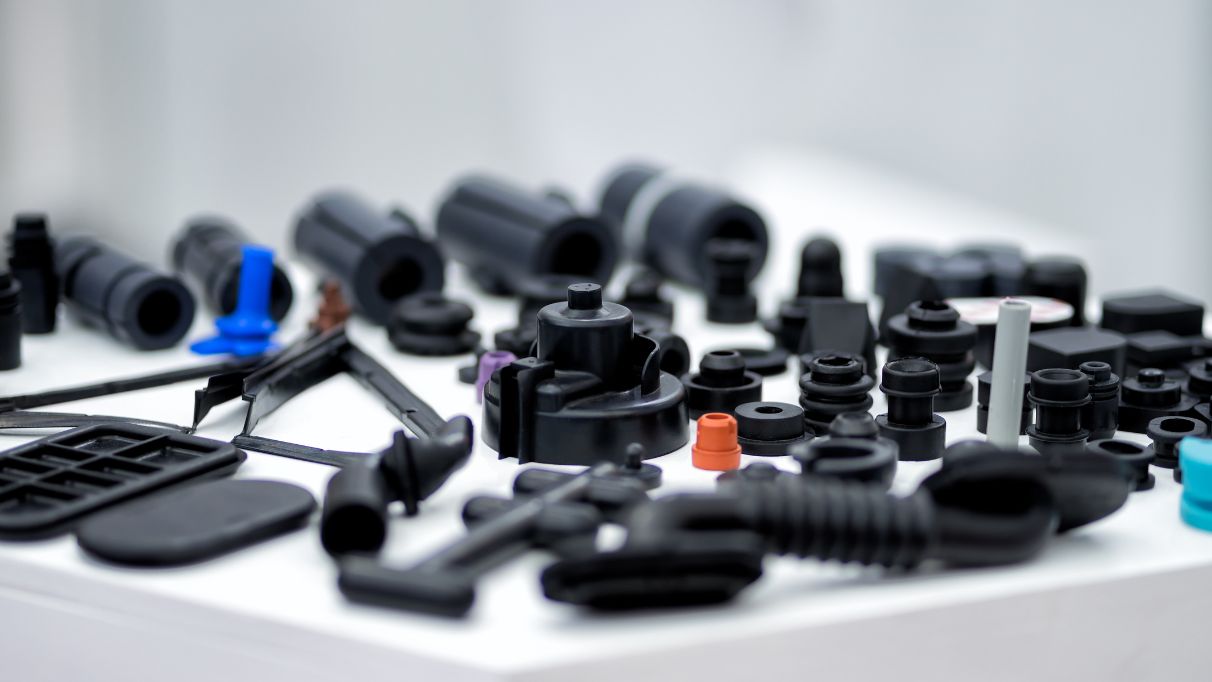
Enjeksiyon kalıplama yöntemiyle üretilen parçalar, endüstriyel ihtiyaçlara uygun olarak özelleştirilebilir veya değiştirilebilir mi?
Evet, enjeksiyon kalıplama yöntemiyle üretilen parçalar, benzersiz endüstriyel ihtiyaçları karşılayacak şekilde özelleştirilebilir veya değiştirilebilir. Enjeksiyon kalıplama işlemi esneklik ve çok yönlülük sunarak, belirli tasarım gereksinimlerine sahip son derece özelleştirilmiş parçaların üretimine olanak tanır. Enjeksiyon kalıplama yöntemiyle üretilen parçaların nasıl özelleştirilebileceği veya değiştirilebileceğine dair ayrıntılı bir açıklama aşağıda verilmiştir:
Tasarım Özelleştirme:
Enjeksiyon kalıplama yöntemiyle üretilen bir parçanın tasarımı, benzersiz endüstriyel ihtiyaçları karşılayacak şekilde özelleştirilebilir. Tasarım özelleştirmesi, belirli fonksiyonel gereksinimleri karşılamak için parçanın geometrisini, özelliklerini ve boyutlarını değiştirmeyi içerir. Bu, özellik eklemeyi veya çıkarmayı, duvar kalınlıklarını değiştirmeyi, alt kesimler veya dişler eklemeyi ve parçayı diğer bileşenlerle montaj veya entegrasyon için optimize etmeyi içerebilir. Bilgisayar destekli tasarım (CAD) araçları ve mühendislik uzmanlığı, belirli endüstriyel ihtiyaçları karşılayan özel tasarımlar oluşturmak için kullanılır.
Malzeme Seçimi:
Enjeksiyon kalıplama yöntemiyle üretilen parçalar için malzeme seçimi, benzersiz endüstriyel gereksinimlere göre özelleştirilebilir. Farklı malzemeler, mukavemet, sertlik, kimyasal direnç ve termal kararlılık gibi farklı özelliklere sahiptir. En uygun malzeme seçilerek, parçanın performansı ve işlevselliği belirli uygulama için optimize edilebilir. Malzeme özelleştirmesi, enjeksiyon kalıplama yöntemiyle üretilen parçanın, endüstriyel uygulamayla ilişkili çevresel koşullara, operasyonel gerilimlere ve kimyasal maruziyetlere dayanabilmesini sağlar.
Yüzey İşlemleri:
Enjeksiyon kalıplama yöntemiyle üretilen parçaların yüzey kaplaması, belirli endüstriyel ihtiyaçları karşılayacak şekilde özelleştirilebilir. Yüzey kaplamaları, istenen estetik görünüm, fonksiyonel gereksinimler veya kavrama kolaylığına bağlı olarak pürüzsüz ve cilalıdan dokulu veya desenliye kadar değişebilir. Özel yüzey kaplamaları, parçanın görünümünü iyileştirebilir, aşınmaya veya korozyona karşı ek koruma sağlayabilir veya diğer bileşenler veya ekipmanlarla belirli etkileşimleri mümkün kılabilir.
Renk ve Görünüm:
Enjeksiyon kalıplama yöntemiyle üretilen parçalar, renk ve görünüm açısından özelleştirilebilir. Belirli tonlar veya renk kombinasyonları elde etmek için kalıplama işlemi sırasında malzemeye renklendirici eklenebilir. Bu özelleştirme seçeneği, özellikle marka oluşturma, ürün farklılaştırma veya görsel kimliklendirme gerektiğinde kullanışlıdır. Ayrıca, benzersiz görünümler veya görsel efektler oluşturmak için kalıp tasarımına yüzey dokuları, desenler veya özel efektler eklenebilir.
İkincil İşlemler:
Enjeksiyon kalıplama yöntemiyle üretilen parçalar, benzersiz endüstriyel ihtiyaçlara göre daha da özelleştirilebilmeleri veya değiştirilebilmeleri için ikincil işlemlere tabi tutulabilir. Bu ikincil işlemler, işleme, delme, kılavuz çekme, kaynak, ısıl işlem veya kaplama uygulama gibi kalıplama sonrası süreçleri içerebilir. Bu işlemler, yalnızca enjeksiyon kalıplama işlemiyle elde edilemeyen belirli özelliklerin veya işlevlerin eklenmesini sağlar. İkincil işlemler, özelleştirme için esneklik sağlar ve enjeksiyon kalıplama yöntemiyle üretilen parçaların karmaşık montajlara veya sistemlere entegre edilmesine olanak tanır.
Takım Değişiklikleri:
Mevcut enjeksiyon kalıplı bir parçada değişiklik veya ayarlama gerekiyorsa, kalıp takımı değişikliklere uyacak şekilde değiştirilebilir veya yeniden yapılandırılabilir. Kalıp takımı değişiklikleri, kalıp tasarımını, boşluk eklerini, besleme sistemlerini veya soğutma kanallarını değiştirmeyi içerebilir. Bu, tamamen yeni bir kalıp oluşturmaya gerek kalmadan değiştirilmiş parçaların üretilmesine olanak tanır. Kalıp takımı değişiklikleri, gelişen endüstriyel ihtiyaçları karşılamak için enjeksiyon kalıplı parçaları özelleştirmek veya uyarlamak için uygun maliyetli seçenekler sunar.
Prototip Oluşturma ve Yinelemeli Geliştirme:
Enjeksiyon kalıplama, parçaların hızlı prototiplemesini ve yinelemeli gelişimini mümkün kılar. 3D baskı veya yumuşak kalıplama kullanılarak, test, doğrulama ve iyileştirme için az miktarda özel parça üretmek üzere prototip kalıplar oluşturulabilir. Bu yinelemeli geliştirme süreci, gerçek dünya geri bildirimlerine dayanarak değişiklikler ve iyileştirmeler yapılmasına olanak tanıyarak, nihai enjeksiyon kalıplı parçaların benzersiz endüstriyel ihtiyaçları etkili bir şekilde karşılamasını sağlar.
Genel olarak, enjeksiyon kalıplama yöntemiyle üretilen parçalar, tasarım özelleştirmesi, malzeme seçimi, yüzey işlemleri, renk ve görünüm seçenekleri, ikincil işlemler, kalıp modifikasyonları ve yinelemeli geliştirme yoluyla benzersiz endüstriyel ihtiyaçları karşılayacak şekilde özelleştirilebilir veya değiştirilebilir. Enjeksiyon kalıplama işleminin esnekliği ve çok yönlülüğü, belirli endüstriyel gereksinimleri karşılayan son derece özelleştirilmiş parçalar üretmek için onu değerli bir üretim yöntemi haline getirmektedir.
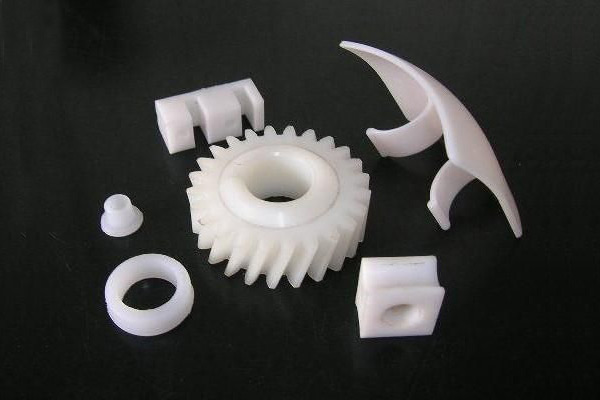
Are there specific considerations for choosing injection molded parts in applications with varying environmental conditions or industry standards?
Yes, there are specific considerations to keep in mind when choosing injection molded parts for applications with varying environmental conditions or industry standards. These factors play a crucial role in ensuring that the selected parts can withstand the specific operating conditions and meet the required standards. Here’s a detailed explanation of the considerations for choosing injection molded parts in such applications:
1. Malzeme Seçimi:
The choice of material for injection molded parts is crucial when considering varying environmental conditions or industry standards. Different materials offer varying levels of resistance to factors such as temperature extremes, UV exposure, chemicals, moisture, or mechanical stress. Understanding the specific environmental conditions and industry requirements is essential in selecting a material that can withstand these conditions while meeting the necessary standards for performance, durability, and safety.
2. Temperature Resistance:
In applications with extreme temperature variations, it is important to choose injection molded parts that can withstand the specific temperature range. Some materials, such as engineering thermoplastics, exhibit excellent high-temperature resistance, while others may be more suitable for low-temperature environments. Consideration should also be given to the potential for thermal expansion or contraction, as it can affect the dimensional stability and overall performance of the parts.
3. Chemical Resistance:
In industries where exposure to chemicals is common, it is critical to select injection molded parts that can resist chemical attack and degradation. Different materials have varying levels of chemical resistance, and it is important to choose a material that is compatible with the specific chemicals present in the application environment. Consideration should also be given to factors such as prolonged exposure, concentration, and frequency of contact with chemicals.
4. UV Stability:
For applications exposed to outdoor environments or intense UV radiation, selecting injection molded parts with UV stability is essential. UV radiation can cause material degradation, discoloration, or loss of mechanical properties over time. Materials with UV stabilizers or additives can provide enhanced resistance to UV radiation, ensuring the longevity and performance of the parts in outdoor or UV-exposed applications.
5. Mechanical Strength and Impact Resistance:
In applications where mechanical stress or impact resistance is critical, choosing injection molded parts with the appropriate mechanical properties is important. Materials with high tensile strength, impact resistance, or toughness can ensure that the parts can withstand the required loads, vibrations, or impacts without failure. Consideration should also be given to factors such as fatigue resistance, abrasion resistance, or flexibility, depending on the specific application requirements.
6. Compliance with Industry Standards:
When selecting injection molded parts for applications governed by industry standards or regulations, it is essential to ensure that the chosen parts comply with the required standards. This includes standards for dimensions, tolerances, safety, flammability, electrical properties, or specific performance criteria. Choosing parts that are certified or tested to meet the relevant industry standards helps ensure compliance and reliability in the intended application.
7. Environmental Considerations:
In today’s environmentally conscious landscape, considering the sustainability and environmental impact of injection molded parts is increasingly important. Choosing materials that are recyclable or biodegradable can align with sustainability goals. Additionally, evaluating factors such as energy consumption during manufacturing, waste reduction, or the use of environmentally friendly manufacturing processes can contribute to environmentally responsible choices.
8. Customization and Design Flexibility:
Lastly, the design flexibility and customization options offered by injection molded parts can be advantageous in meeting specific environmental or industry requirements. Injection molding allows for intricate designs, complex geometries, and the incorporation of features such as gaskets, seals, or mounting points. Customization options for color, texture, or surface finish can also be considered to meet specific branding or aesthetic requirements.
Considering these specific considerations when choosing injection molded parts for applications with varying environmental conditions or industry standards ensures that the selected parts are well-suited for their intended use, providing optimal performance, durability, and compliance with the required standards.
Can you describe the range of materials that can be used for injection molding?
Injection molding offers a wide range of materials that can be used to produce parts with diverse properties and characteristics. The choice of material depends on the specific requirements of the application, including mechanical properties, chemical resistance, thermal stability, transparency, and cost. Here’s a description of the range of materials commonly used for injection molding:
1. Thermoplastics:
Thermoplastics are the most commonly used materials in injection molding due to their versatility, ease of processing, and recyclability. Some commonly used thermoplastics include:
- Polypropylene (PP): PP is a lightweight and flexible thermoplastic with excellent chemical resistance and low cost. It is widely used in automotive parts, packaging, consumer products, and medical devices.
- Polyethylene (PE): PE is a versatile thermoplastic with excellent impact strength and chemical resistance. It is used in various applications, including packaging, pipes, automotive components, and toys.
- Polystyrene (PS): PS is a rigid and transparent thermoplastic with good dimensional stability. It is commonly used in packaging, consumer goods, and disposable products.
- Polycarbonate (PC): PC is a transparent and impact-resistant thermoplastic with high heat resistance. It finds applications in automotive parts, electronic components, and optical lenses.
- Acrylonitrile Butadiene Styrene (ABS): ABS is a versatile thermoplastic with a good balance of strength, impact resistance, and heat resistance. It is commonly used in automotive parts, electronic enclosures, and consumer products.
- Polyvinyl Chloride (PVC): PVC is a durable and flame-resistant thermoplastic with good chemical resistance. It is used in a wide range of applications, including construction, electrical insulation, and medical tubing.
- Polyethylene Terephthalate (PET): PET is a strong and lightweight thermoplastic with excellent clarity and barrier properties. It is commonly used in packaging, beverage bottles, and textile fibers.
2. Engineering Plastics:
Engineering plastics offer enhanced mechanical properties, heat resistance, and dimensional stability compared to commodity thermoplastics. Some commonly used engineering plastics in injection molding include:
- Polyamide (PA/Nylon): Nylon is a strong and durable engineering plastic with excellent wear resistance and low friction properties. It is used in automotive components, electrical connectors, and industrial applications.
- Polycarbonate (PC): PC, mentioned earlier, is also considered an engineering plastic due to its exceptional impact resistance and high-temperature performance.
- Polyoxymethylene (POM/Acetal): POM is a high-strength engineering plastic with low friction and excellent dimensional stability. It finds applications in gears, bearings, and precision mechanical components.
- Polyphenylene Sulfide (PPS): PPS is a high-performance engineering plastic with excellent chemical resistance and thermal stability. It is used in electrical and electronic components, automotive parts, and industrial applications.
- Polyetheretherketone (PEEK): PEEK is a high-performance engineering plastic with exceptional heat resistance, chemical resistance, and mechanical properties. It is commonly used in aerospace, medical, and industrial applications.
3. Thermosetting Plastics:
Thermosetting plastics undergo a chemical crosslinking process during molding, resulting in a rigid and heat-resistant material. Some commonly used thermosetting plastics in injection molding include:
- Epoxy: Epoxy resins offer excellent chemical resistance and mechanical properties. They are commonly used in electrical components, adhesives, and coatings.
- Phenolic: Phenolic resins are known for their excellent heat resistance and electrical insulation properties. They find applications in electrical switches, automotive parts, and consumer goods.
- Urea-formaldehyde (UF) and Melamine-formaldehyde (MF): UF and MF resins are used for molding electrical components, kitchenware, and decorative laminates.
4. Elastomers:
Elastomers, also known as rubber-like materials, are used to produce flexible and elastic parts. They provide excellent resilience, durability, and sealing properties. Some commonly used elastomers in injection molding include:
- Thermoplastic Elastomers (TPE): TPEs are a class of materials that combine the characteristics of rubber and plastic. They offer flexibility, good compression set, and ease of processing. TPEs find applications in automotive components, consumer products, and medical devices.
- Silicone: Silicone elastomers provide excellent heat resistance, electrical insulation, and biocompatibility. They are commonly used in medical devices, automotive seals, and household products.
- Styrene Butadiene Rubber (SBR): SBR is a synthetic elastomer with good abrasion resistance and low-temperature flexibility. It is used in tires, gaskets, and conveyor belts.
- Ethylene Propylene Diene Monomer (EPDM): EPDM is a durable elastomer with excellent weather resistance and chemical resistance. It finds applications in automotive seals, weatherstripping, and roofing membranes.
5. Composites:
Injection molding can also be used to produce parts made of composite materials, which combine two or more different types of materials to achieve specific properties. Commonly used composite materials in injection molding include:
- Glass-Fiber Reinforced Plastics (GFRP): GFRP combines glass fibers with thermoplastics or thermosetting resins to enhance mechanical strength, stiffness, and dimensional stability. It is used in automotive components, electrical enclosures, and sporting goods.
- Carbon-Fiber Reinforced Plastics (CFRP): CFRP combines carbon fibers with thermosetting resins to produce parts with exceptional strength, stiffness, and lightweight properties. It is commonly used in aerospace, automotive, and high-performance sports equipment.
- Metal-Filled Plastics: Metal dolgulu plastikler, iletkenlik, elektromanyetik kalkanlama veya ağırlık ve dokunma hissinin iyileştirilmesi gibi özellikler elde etmek için termoplastiklere metal parçacıkları veya lifleri katarlar. Elektrik konektörlerinde, otomotiv bileşenlerinde ve tüketici elektroniğinde kullanılırlar.
Bunlar, enjeksiyon kalıplamada kullanılan malzemelerden sadece birkaç örnektir. Alev geciktiricilik, düşük sürtünme, kimyasal direnç veya tıbbi veya gıda teması uygulamaları için özel sertifikalar gibi kendine özgü özelliklere sahip çok sayıda başka özel malzeme de mevcuttur. Malzeme seçimi, istenen performansa, maliyet hususlarına ve belirli uygulamanın düzenleyici gereksinimlerine bağlıdır.


editor by CX 2024-02-22