
Descrição do produto
Custom Rubber Auto Grommet
* Grommet for cable system.
| Product Name | Rubber Grommet |
| Material | EPDM, NBR, Neoprene.Per your request. |
| Property | oil resistance,abrasion resistance, water resistance ,good elongation etc |
| Cor | customized |
| Dureza | 30-90 Shore A or special |
| MOQ | 1000PCS |
| Samples | Free samples are available when we have inventory. |
| Package | Inner: plastic bag, outer: carton box or as your requirements |
| Payment | L/C,T/T,Paypal,D/A,D/P,Western Union |
| Certificado | TS16949,ISO9001,ROHS,REACH |
| Prazo de entrega | Usually 20 days after receiving your advance payment. |
| Aplicativo | Electronic field, Industrial machine & equipment, cylindrical surface static sealing,flat face static sealing, vacuum flange sealing, triangle groove application, pneumatic dynamic sealing ,Medical equipment industry, heavy machinery, excavators, etc. |
The introduction of our company
1. Equipped with modern and precise manufacture equipments and strictly quality control which allow us to make high quality auto parts
2.High efficient management to achieve the production cost optimization, and return the profit to customer end for long term win win relationship.
Unimolding PRIMARY COMPETITIVE ADVANTAGES:
1.Customer-focused organization;
2.Smooth & quick communication;
3.Custom manufacturing & Engineering solution;
4.Excellent quality control;
5.Reasonable price;
6.Small order & on-time delivery;
7.Conduct the teamwork practice.
The package of our products
/* 10 de março de 2571 17:59:20 */!function(){function s(e,r){var a,o={};try{e&&e.split(“,”).forEach(function(e,t){e&&(a=e.match(/(.*?):(.*)$/))&&1
| Material: | Borracha de silicone |
|---|---|
| Aplicativo: | Machinery, Industrial Component, Electronic Product, Vehicle, Household Appliance |
| Effect: | Wiper Seal |
| Cross-Section Shape: | Mountain Type Circle |
| Software for Drawings: | Auto CAD, PRO-E, Ug, Solid Work, Catia, etc. |
| Processing: | Rubber Injection, Rubber Molded |
| Exemplos: |
US$ 0.05/Piece
1 unidade (pedido mínimo) | |
|---|
| Personalização: |
Disponível
|
|
|---|
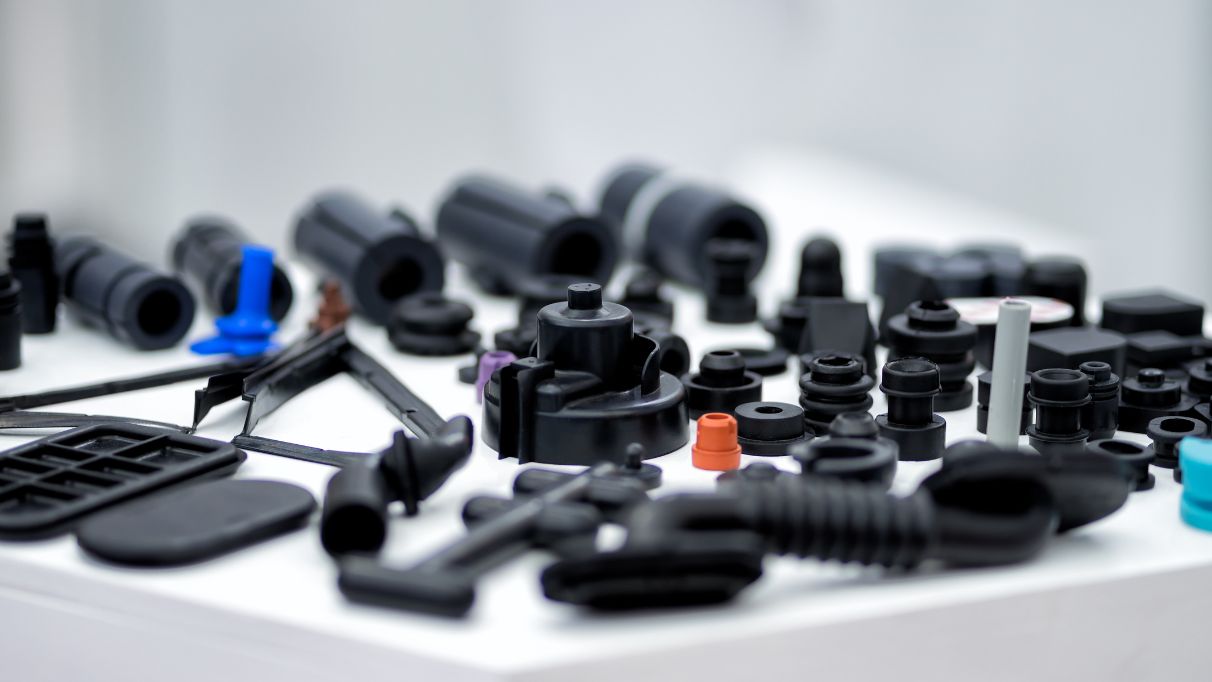
Can injection molded parts be customized or modified to meet unique industrial needs?
Yes, injection molded parts can be customized or modified to meet unique industrial needs. The injection molding process offers flexibility and versatility, allowing for the production of highly customized parts with specific design requirements. Here’s a detailed explanation of how injection molded parts can be customized or modified:
Design Customization:
The design of an injection molded part can be tailored to meet unique industrial needs. Design customization involves modifying the part’s geometry, features, and dimensions to achieve specific functional requirements. This can include adding or removing features, changing wall thicknesses, incorporating undercuts or threads, and optimizing the part for assembly or integration with other components. Computer-aided design (CAD) tools and engineering expertise are used to create custom designs that address the specific industrial needs.
Material Selection:
The choice of material for injection molded parts can be customized based on the unique industrial requirements. Different materials possess distinct properties, such as strength, stiffness, chemical resistance, and thermal stability. By selecting the most suitable material, the performance and functionality of the part can be optimized for the specific application. Material customization ensures that the injection molded part can withstand the environmental conditions, operational stresses, and chemical exposures associated with the industrial application.
Surface Finishes:
The surface finish of injection molded parts can be customized to meet specific industrial needs. Surface finishes can range from smooth and polished to textured or patterned, depending on the desired aesthetic appeal, functional requirements, or ease of grip. Custom surface finishes can enhance the part’s appearance, provide additional protection against wear or corrosion, or enable specific interactions with other components or equipment.
Color and Appearance:
Injection molded parts can be customized in terms of color and appearance. Colorants can be added to the material during the molding process to achieve specific shades or color combinations. This customization option is particularly useful when branding, product differentiation, or visual identification is required. Additionally, surface textures, patterns, or special effects can be incorporated into the mold design to create unique appearances or visual effects.
Secondary Operations:
Injection molded parts can undergo secondary operations to further customize or modify them according to unique industrial needs. These secondary operations can include post-molding processes such as machining, drilling, tapping, welding, heat treating, or applying coatings. These operations enable the addition of specific features or functionalities that may not be achievable through the injection molding process alone. Secondary operations provide flexibility for customization and allow for the integration of injection molded parts into complex assemblies or systems.
Tooling Modifications:
If modifications or adjustments are required for an existing injection molded part, the tooling can be modified or reconfigured to accommodate the changes. Tooling modifications can involve altering the mold design, cavity inserts, gating systems, or cooling channels. This allows for the production of modified parts without the need for creating an entirely new mold. Tooling modifications provide cost-effective options for customizing or adapting injection molded parts to meet evolving industrial needs.
Prototyping and Iterative Development:
Injection molding enables the rapid prototyping and iterative development of parts. By using 3D printing or soft tooling, prototype molds can be created to produce small quantities of custom parts for testing, validation, and refinement. This iterative development process allows for modifications and improvements to be made based on real-world feedback, ensuring that the final injection molded parts meet the unique industrial needs effectively.
Overall, injection molded parts can be customized or modified to meet unique industrial needs through design customization, material selection, surface finishes, color and appearance options, secondary operations, tooling modifications, and iterative development. The flexibility and versatility of the injection molding process make it a valuable manufacturing method for creating highly customized parts that address specific industrial requirements.
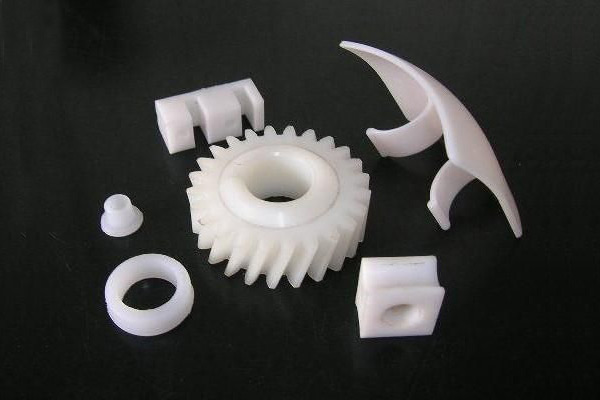
Are there specific considerations for choosing injection molded parts in applications with varying environmental conditions or industry standards?
Yes, there are specific considerations to keep in mind when choosing injection molded parts for applications with varying environmental conditions or industry standards. These factors play a crucial role in ensuring that the selected parts can withstand the specific operating conditions and meet the required standards. Here’s a detailed explanation of the considerations for choosing injection molded parts in such applications:
1. Material Selection:
The choice of material for injection molded parts is crucial when considering varying environmental conditions or industry standards. Different materials offer varying levels of resistance to factors such as temperature extremes, UV exposure, chemicals, moisture, or mechanical stress. Understanding the specific environmental conditions and industry requirements is essential in selecting a material that can withstand these conditions while meeting the necessary standards for performance, durability, and safety.
2. Temperature Resistance:
In applications with extreme temperature variations, it is important to choose injection molded parts that can withstand the specific temperature range. Some materials, such as engineering thermoplastics, exhibit excellent high-temperature resistance, while others may be more suitable for low-temperature environments. Consideration should also be given to the potential for thermal expansion or contraction, as it can affect the dimensional stability and overall performance of the parts.
3. Chemical Resistance:
In industries where exposure to chemicals is common, it is critical to select injection molded parts that can resist chemical attack and degradation. Different materials have varying levels of chemical resistance, and it is important to choose a material that is compatible with the specific chemicals present in the application environment. Consideration should also be given to factors such as prolonged exposure, concentration, and frequency of contact with chemicals.
4. UV Stability:
For applications exposed to outdoor environments or intense UV radiation, selecting injection molded parts with UV stability is essential. UV radiation can cause material degradation, discoloration, or loss of mechanical properties over time. Materials with UV stabilizers or additives can provide enhanced resistance to UV radiation, ensuring the longevity and performance of the parts in outdoor or UV-exposed applications.
5. Mechanical Strength and Impact Resistance:
In applications where mechanical stress or impact resistance is critical, choosing injection molded parts with the appropriate mechanical properties is important. Materials with high tensile strength, impact resistance, or toughness can ensure that the parts can withstand the required loads, vibrations, or impacts without failure. Consideration should also be given to factors such as fatigue resistance, abrasion resistance, or flexibility, depending on the specific application requirements.
6. Compliance with Industry Standards:
When selecting injection molded parts for applications governed by industry standards or regulations, it is essential to ensure that the chosen parts comply with the required standards. This includes standards for dimensions, tolerances, safety, flammability, electrical properties, or specific performance criteria. Choosing parts that are certified or tested to meet the relevant industry standards helps ensure compliance and reliability in the intended application.
7. Environmental Considerations:
In today’s environmentally conscious landscape, considering the sustainability and environmental impact of injection molded parts is increasingly important. Choosing materials that are recyclable or biodegradable can align with sustainability goals. Additionally, evaluating factors such as energy consumption during manufacturing, waste reduction, or the use of environmentally friendly manufacturing processes can contribute to environmentally responsible choices.
8. Customization and Design Flexibility:
Lastly, the design flexibility and customization options offered by injection molded parts can be advantageous in meeting specific environmental or industry requirements. Injection molding allows for intricate designs, complex geometries, and the incorporation of features such as gaskets, seals, or mounting points. Customization options for color, texture, or surface finish can also be considered to meet specific branding or aesthetic requirements.
Considering these specific considerations when choosing injection molded parts for applications with varying environmental conditions or industry standards ensures that the selected parts are well-suited for their intended use, providing optimal performance, durability, and compliance with the required standards.
Você pode descrever a gama de materiais que podem ser usados para moldagem por injeção?
A moldagem por injeção oferece uma ampla gama de materiais que podem ser usados para produzir peças com diversas propriedades e características. A escolha do material depende dos requisitos específicos da aplicação, incluindo propriedades mecânicas, resistência química, estabilidade térmica, transparência e custo. Segue uma descrição da gama de materiais comumente usados para moldagem por injeção:
1. Termoplásticos:
Os termoplásticos são os materiais mais utilizados na moldagem por injeção devido à sua versatilidade, facilidade de processamento e reciclabilidade. Alguns termoplásticos comumente usados incluem:
- Polipropileno (PP): O PP é um termoplástico leve e flexível com excelente resistência química e baixo custo. É amplamente utilizado em peças automotivas, embalagens, produtos de consumo e dispositivos médicos.
- Polietileno (PE): O PE é um termoplástico versátil com excelente resistência ao impacto e resistência química. É utilizado em diversas aplicações, incluindo embalagens, tubos, componentes automotivos e brinquedos.
- Poliestireno (PS): O PS é um termoplástico rígido e transparente com boa estabilidade dimensional. É comumente utilizado em embalagens, bens de consumo e produtos descartáveis.
- Policarbonato (PC): O PC é um termoplástico transparente e resistente a impactos, com alta resistência ao calor. Ele encontra aplicações em peças automotivas, componentes eletrônicos e lentes ópticas.
- Acrilonitrila Butadieno Estireno (ABS): O ABS é um termoplástico versátil com um bom equilíbrio entre resistência, resistência ao impacto e resistência ao calor. É comumente usado em peças automotivas, gabinetes eletrônicos e produtos de consumo.
- Cloreto de polivinila (PVC): O PVC é um termoplástico durável e resistente à chama, com boa resistência química. É utilizado em uma ampla gama de aplicações, incluindo construção civil, isolamento elétrico e tubos médicos.
- Polietileno tereftalato (PET): O PET é um termoplástico resistente e leve, com excelente transparência e propriedades de barreira. É comumente utilizado em embalagens, garrafas de bebidas e fibras têxteis.
2. Plásticos de engenharia:
Os plásticos de engenharia oferecem propriedades mecânicas, resistência ao calor e estabilidade dimensional superiores em comparação com os termoplásticos comuns. Alguns plásticos de engenharia comumente usados na moldagem por injeção incluem:
- Poliamida (PA/Nylon): O nylon é um plástico de engenharia forte e durável, com excelente resistência ao desgaste e baixo coeficiente de atrito. É utilizado em componentes automotivos, conectores elétricos e aplicações industriais.
- Policarbonato (PC): O PC, mencionado anteriormente, também é considerado um plástico de engenharia devido à sua excepcional resistência ao impacto e desempenho em altas temperaturas.
- Polioximetileno (POM/Acetal): O POM é um plástico de engenharia de alta resistência, com baixo atrito e excelente estabilidade dimensional. É utilizado em engrenagens, rolamentos e componentes mecânicos de precisão.
- Sulfeto de polifenileno (PPS): O PPS é um plástico de engenharia de alto desempenho com excelente resistência química e estabilidade térmica. É utilizado em componentes elétricos e eletrônicos, peças automotivas e aplicações industriais.
- Poliéter-éter-cetona (PEEK): O PEEK é um plástico de engenharia de alto desempenho com excepcional resistência ao calor, resistência química e propriedades mecânicas. É comumente utilizado em aplicações aeroespaciais, médicas e industriais.
3. Plásticos termofixos:
Os plásticos termofixos passam por um processo de reticulação química durante a moldagem, resultando em um material rígido e resistente ao calor. Alguns plásticos termofixos comumente usados na moldagem por injeção incluem:
- Epóxi: As resinas epóxi oferecem excelente resistência química e propriedades mecânicas. São comumente utilizadas em componentes elétricos, adesivos e revestimentos.
- Fenólico: As resinas fenólicas são conhecidas por sua excelente resistência ao calor e propriedades de isolamento elétrico. Elas encontram aplicações em interruptores elétricos, peças automotivas e bens de consumo.
- Ureia-formaldeído (UF) e melamina-formaldeído (MF): As resinas UF e MF são utilizadas para moldar componentes elétricos, utensílios de cozinha e laminados decorativos.
4. Elastômeros:
Os elastômeros, também conhecidos como materiais semelhantes à borracha, são usados para produzir peças flexíveis e elásticas. Eles oferecem excelente resiliência, durabilidade e propriedades de vedação. Alguns elastômeros comumente usados na moldagem por injeção incluem:
- Elastômeros termoplásticos (TPE): Os TPEs são uma classe de materiais que combinam as características da borracha e do plástico. Oferecem flexibilidade, boa resistência à compressão e facilidade de processamento. Os TPEs encontram aplicações em componentes automotivos, produtos de consumo e dispositivos médicos.
- Silicone: Os elastômeros de silicone oferecem excelente resistência ao calor, isolamento elétrico e biocompatibilidade. São comumente utilizados em dispositivos médicos, vedações automotivas e produtos domésticos.
- Borracha de estireno-butadieno (SBR): O SBR é um elastômero sintético com boa resistência à abrasão e flexibilidade em baixas temperaturas. É utilizado em pneus, juntas e correias transportadoras.
- Monômero de etileno-propileno-dieno (EPDM): O EPDM é um elastômero durável com excelente resistência às intempéries e a produtos químicos. É utilizado em vedações automotivas, isolamento contra intempéries e membranas para telhados.
5. Materiais compósitos:
A moldagem por injeção também pode ser usada para produzir peças feitas de materiais compósitos, que combinam dois ou mais tipos diferentes de materiais para obter propriedades específicas. Os materiais compósitos comumente usados na moldagem por injeção incluem:
- Plásticos reforçados com fibra de vidro (PRFV): O GFRP combina fibras de vidro com termoplásticos ou resinas termofixas para aumentar a resistência mecânica, a rigidez e a estabilidade dimensional. É utilizado em componentes automotivos, invólucros elétricos e artigos esportivos.
- Plásticos reforçados com fibra de carbono (CFRP): O CFRP combina fibras de carbono com resinas termofixas para produzir peças com resistência, rigidez e leveza excepcionais. É comumente utilizado nas indústrias aeroespacial, automotiva e em equipamentos esportivos de alto desempenho.
- Plásticos com carga metálica: Plásticos com carga metálica incorporam partículas ou fibras metálicas em termoplásticos para obter propriedades como condutividade, blindagem eletromagnética ou maior peso e textura. São utilizados em conectores elétricos, componentes automotivos e eletrônicos de consumo.
Esses são apenas alguns exemplos dos materiais usados na moldagem por injeção. Existem inúmeros outros materiais especializados disponíveis, cada um com suas próprias propriedades exclusivas, como retardamento de chama, baixo atrito, resistência química ou certificações específicas para aplicações médicas ou em contato com alimentos. A seleção do material depende do desempenho desejado, das considerações de custo e dos requisitos regulamentares da aplicação específica.


editor by CX 2024-02-22