
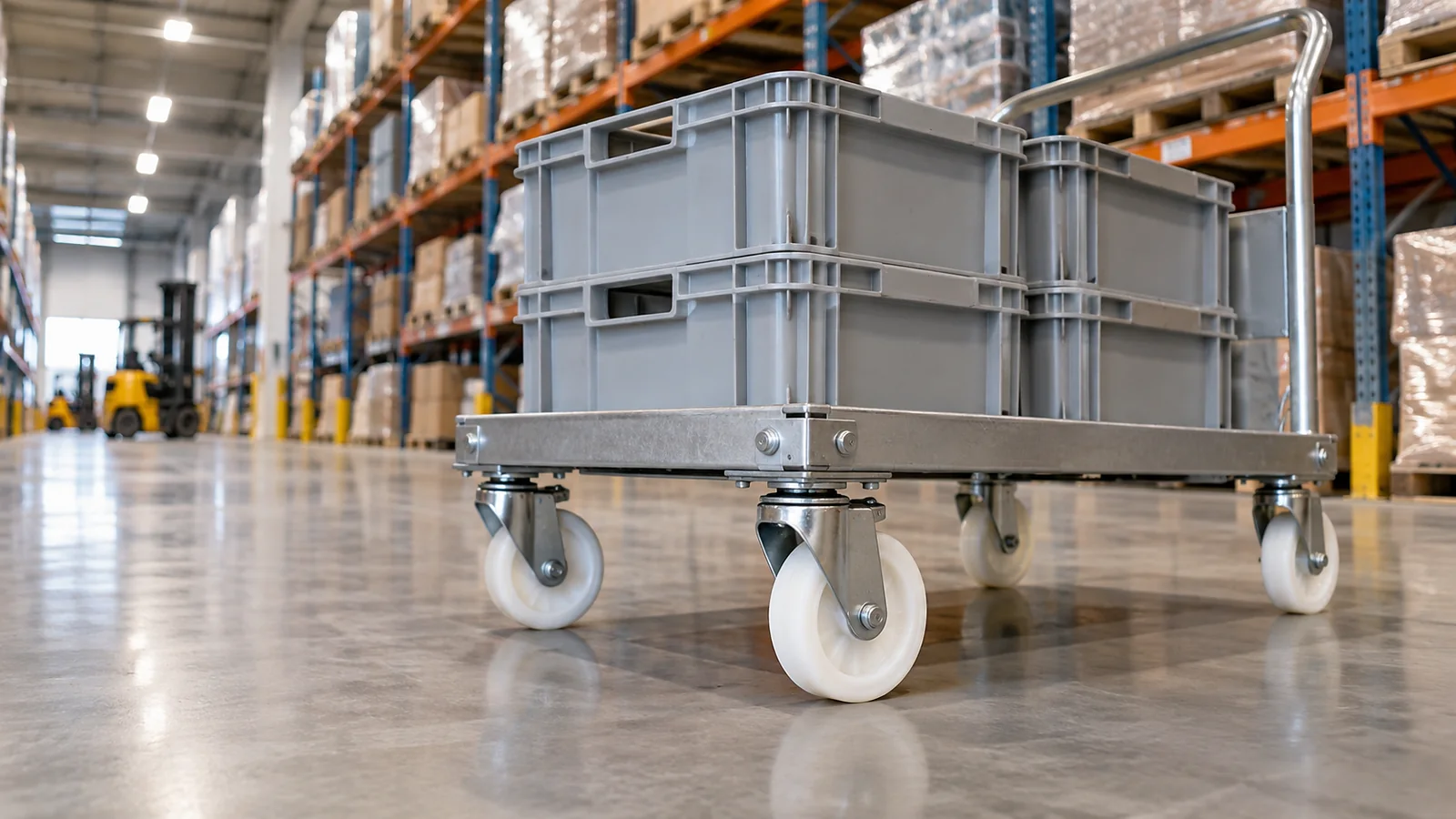
Material Handling Equipment
Load distribution, repeated travel and floor transitions.
Explore application →
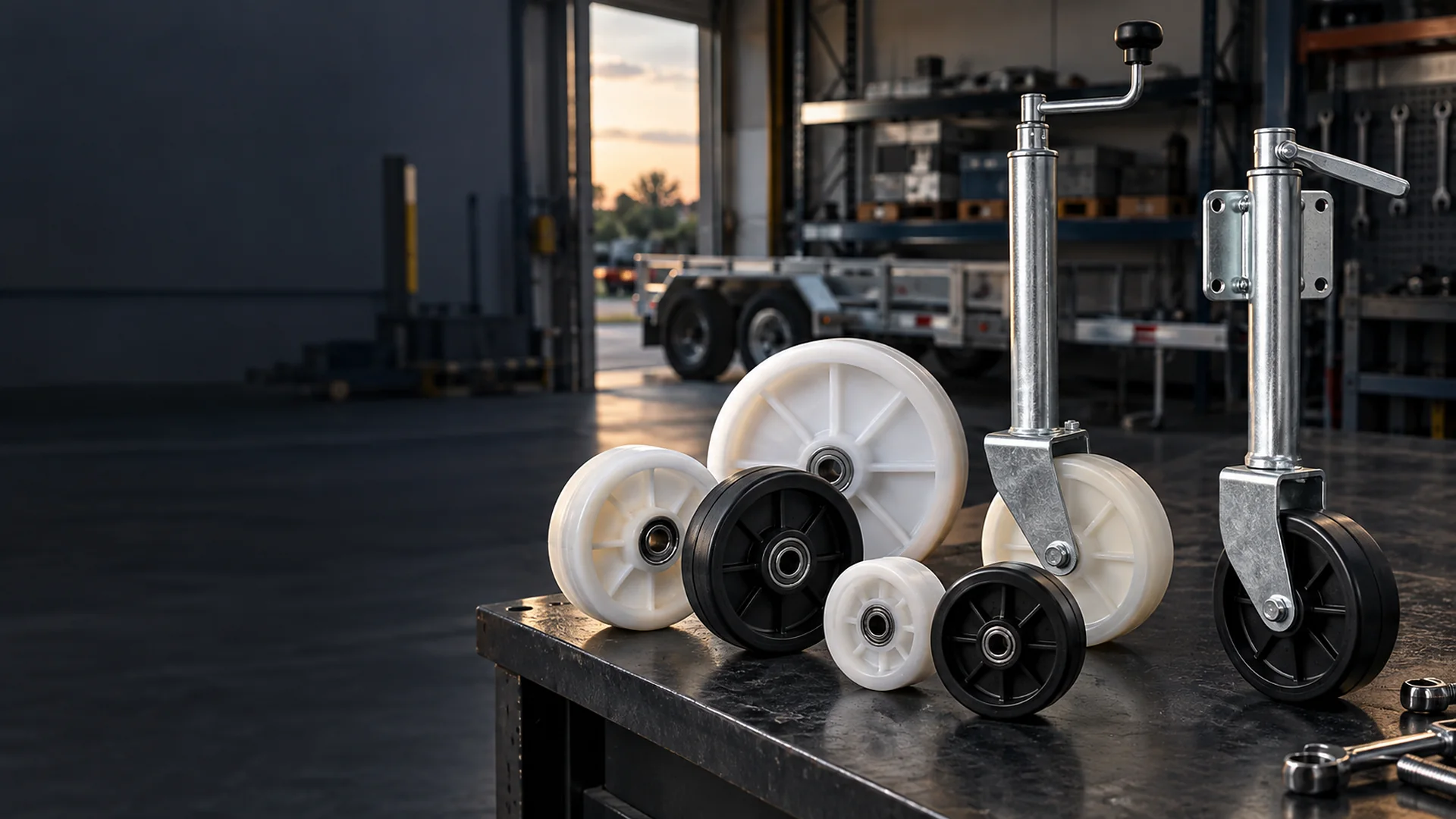
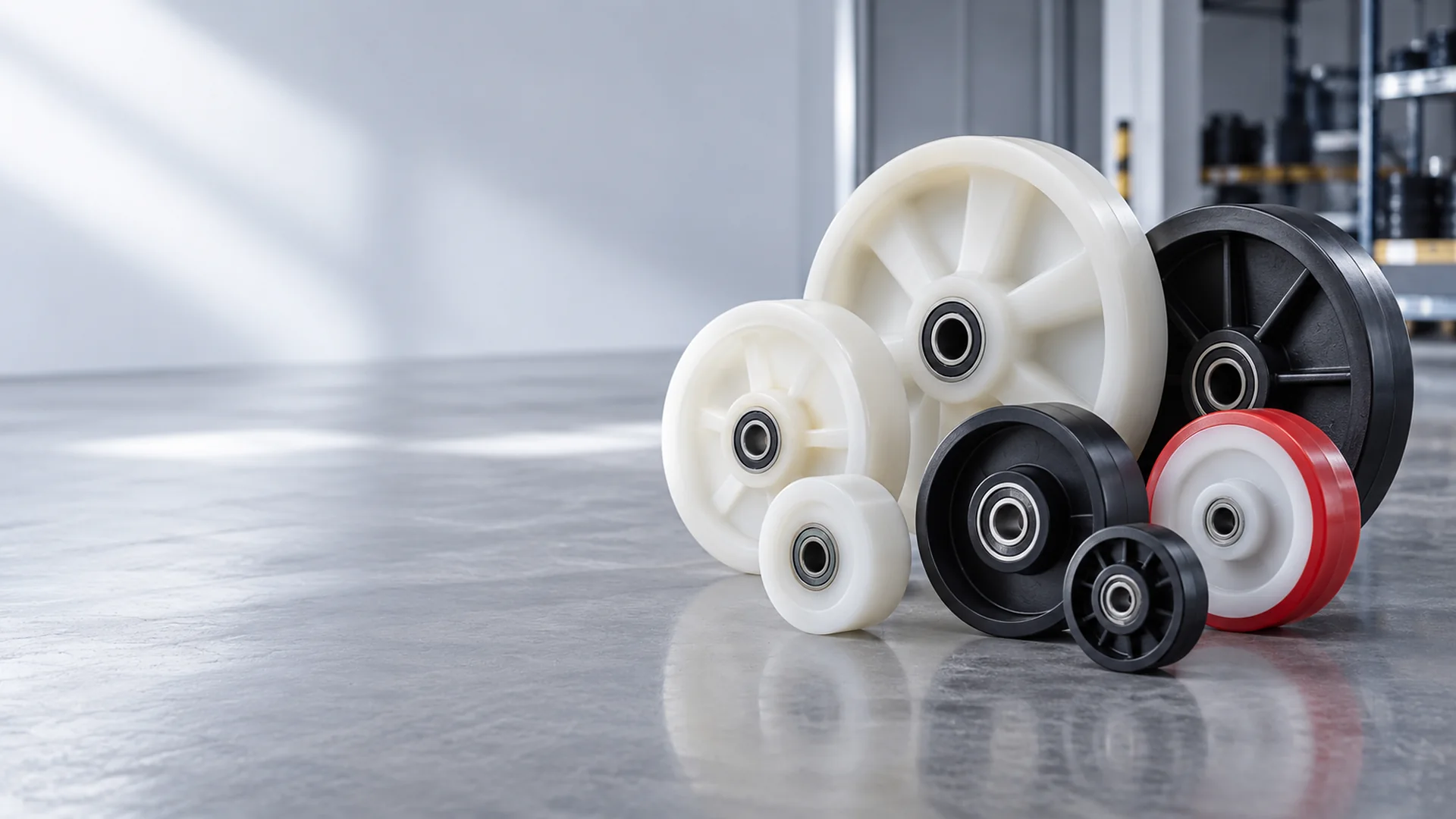
Industrial buyers rarely begin with a complete part number. The useful starting point is usually material, equipment, mounting interface or a replacement wheel already in service. The catalogue is organized around those buyer decisions rather than a long flat model list.
Use product-family cards to move from general need to a manageable shortlist. Each landing page explains selection variables before showing products, so the product grid remains part of an engineering decision instead of becoming the whole page.
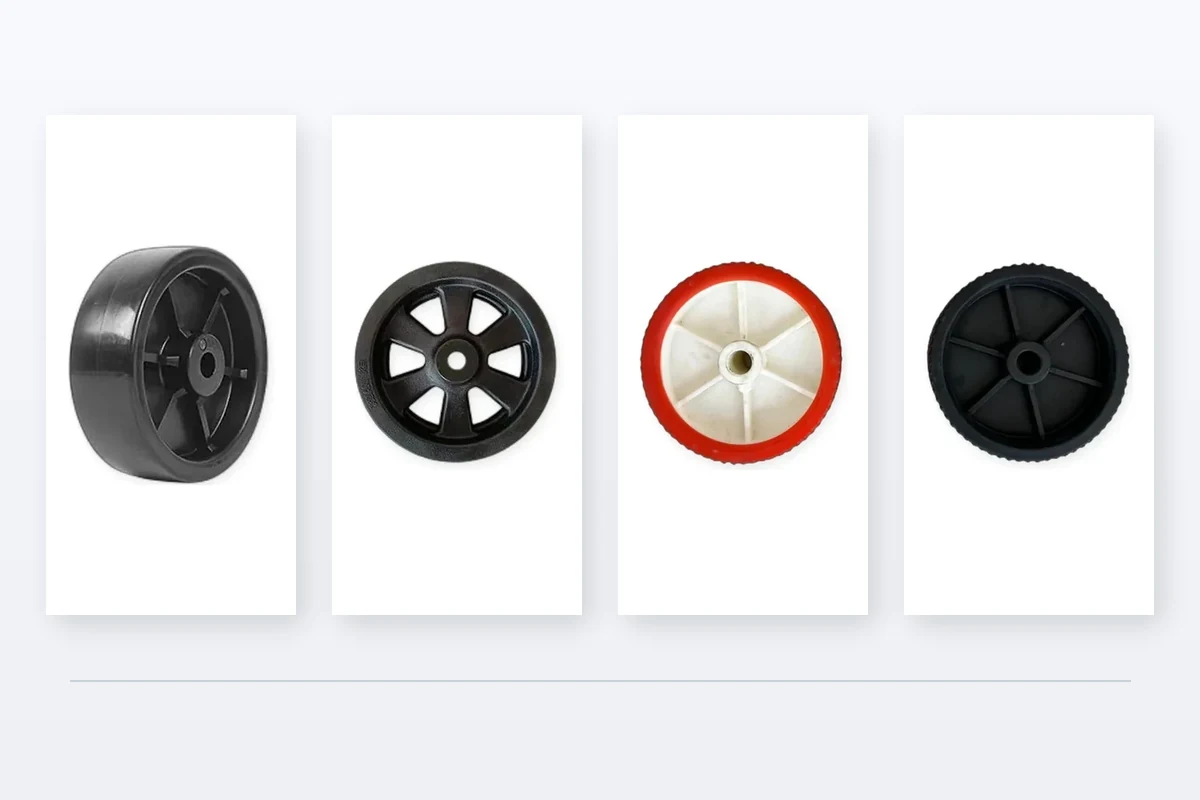
Loose-wheel families for material handling, equipment and replacement projects.
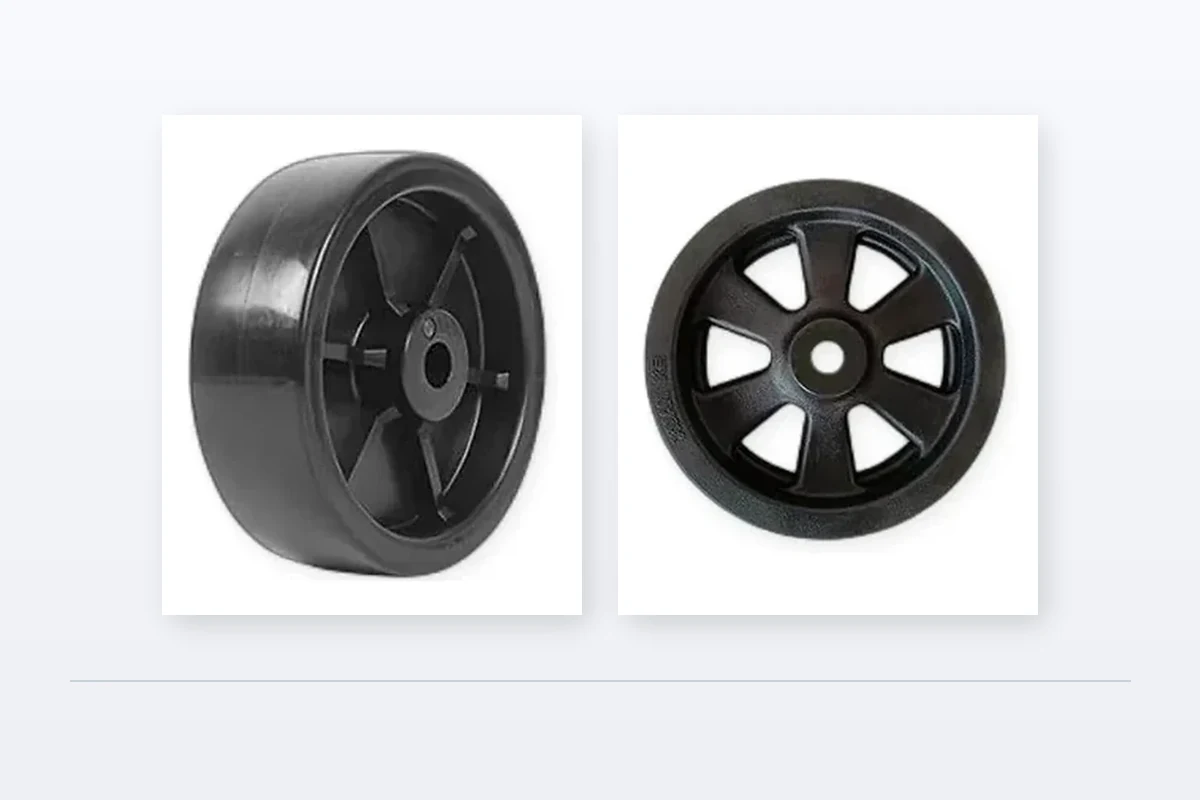
Hard thermoplastic wheels represented by current nylon wheel configurations.
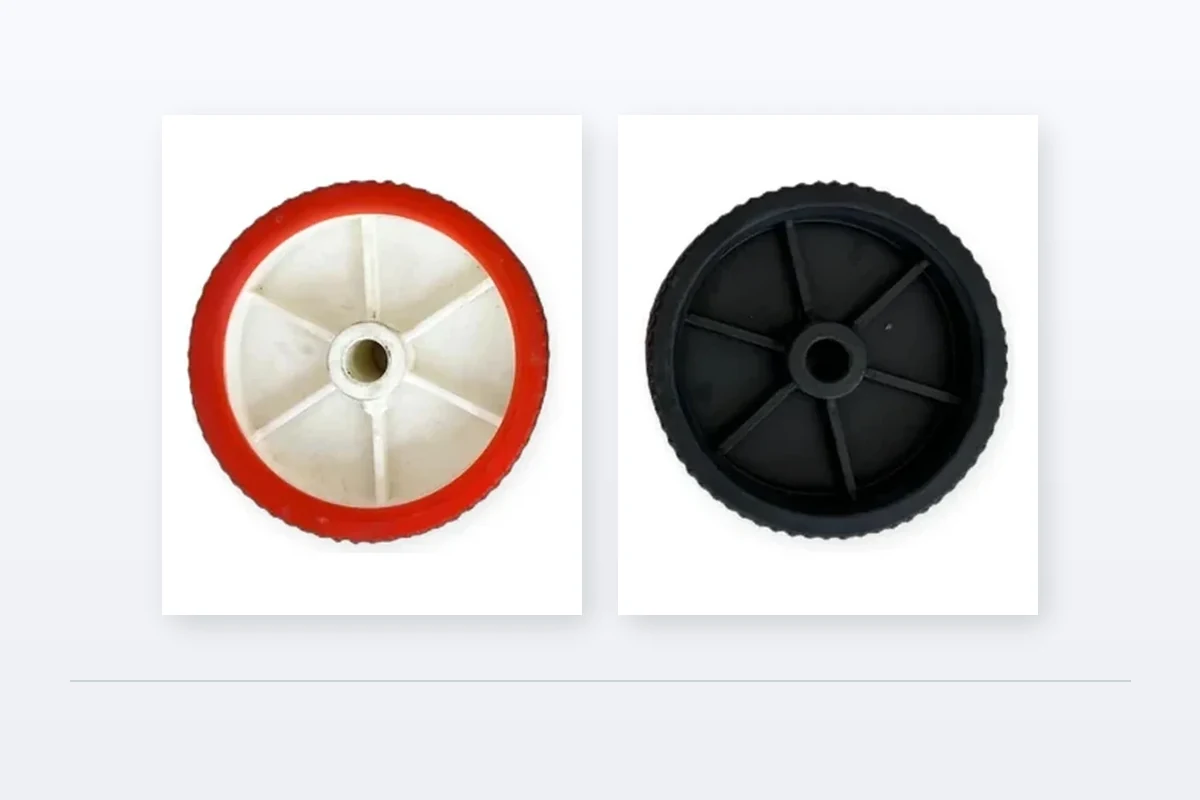
PP wheel configurations for equipment mobility and replacement projects.
Guide-wheel assemblies for trailer and mobile-equipment support positions.
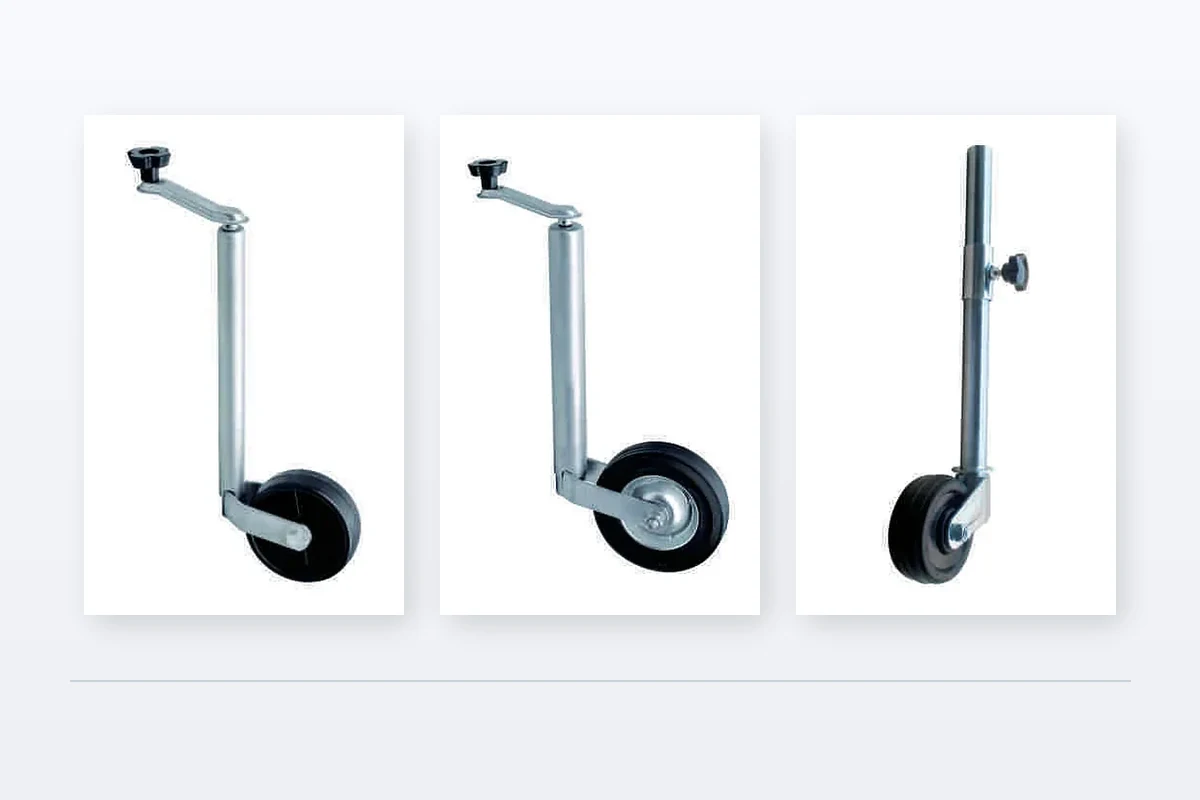
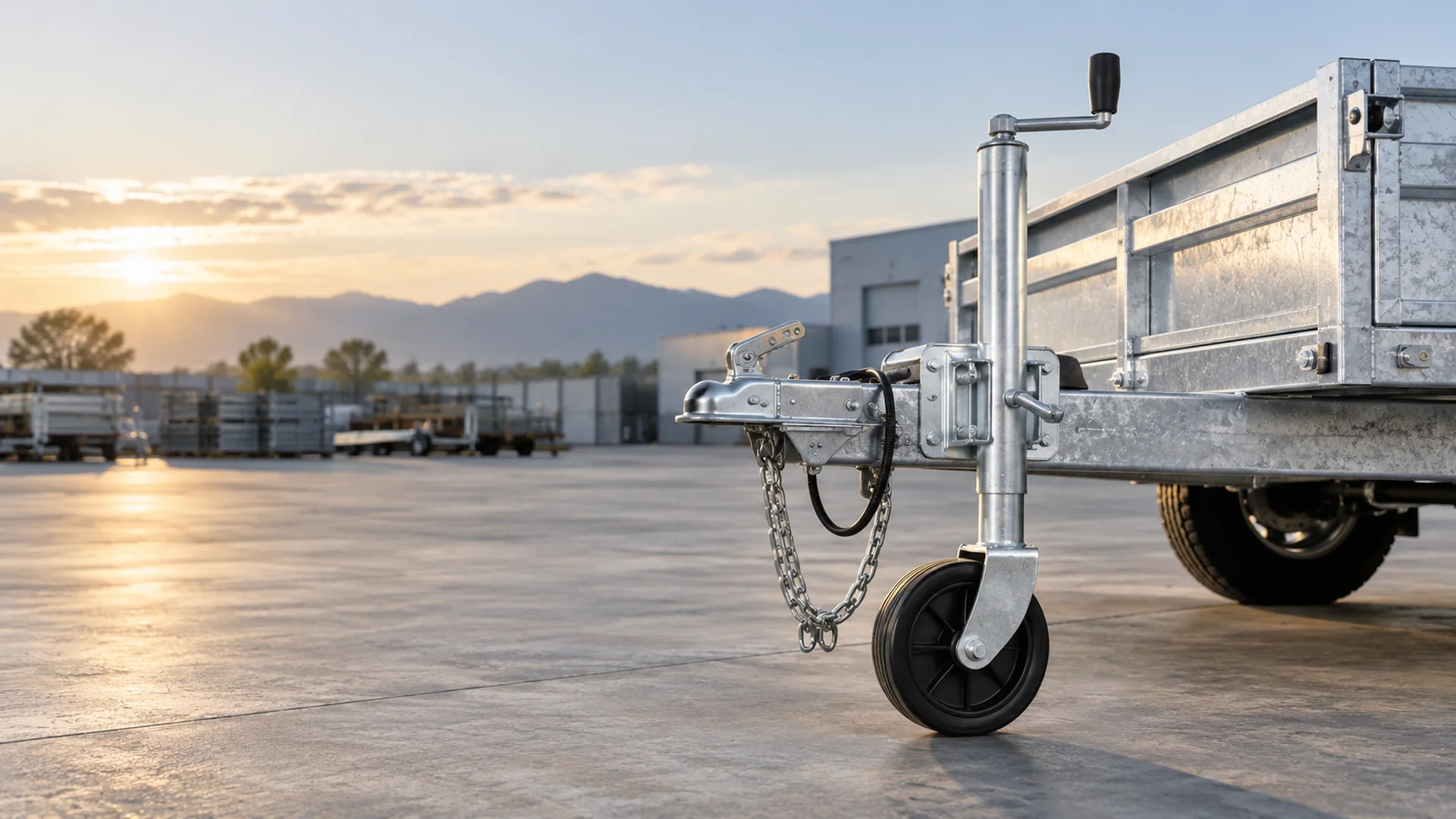
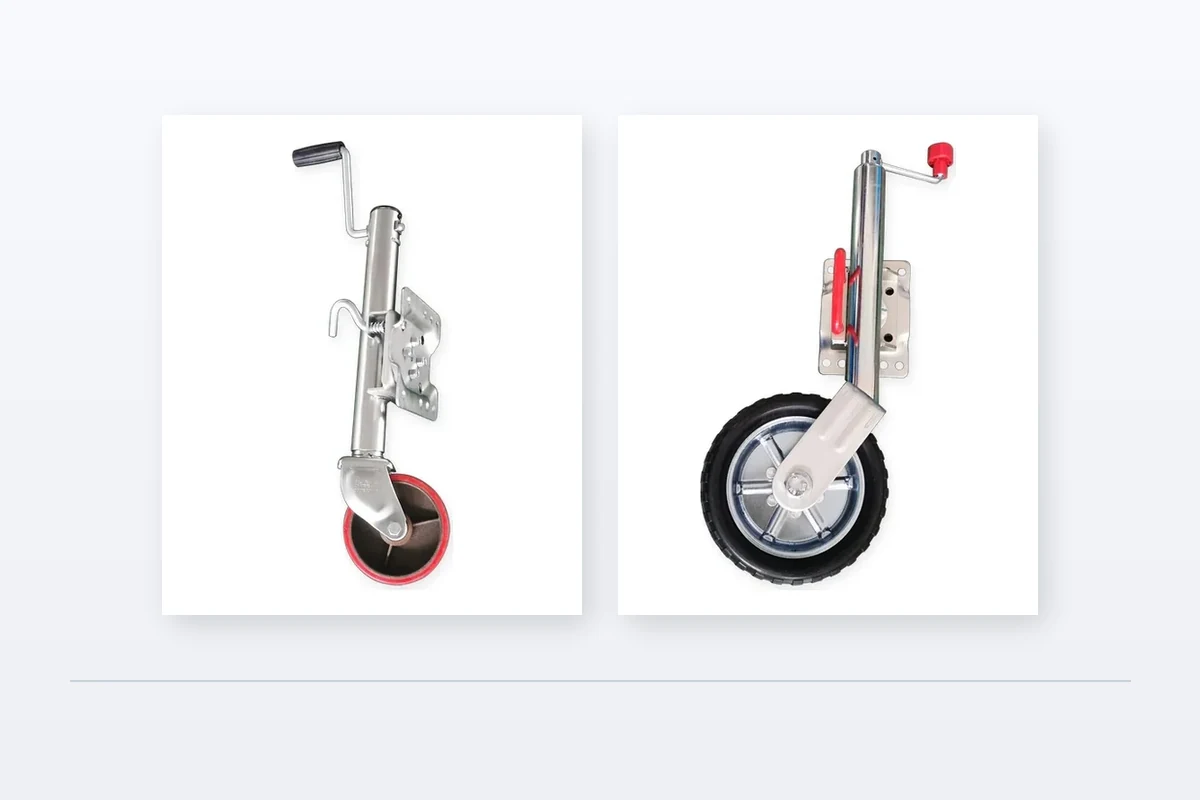
Single, braked and twin-wheel jockey assemblies for trailer handling.
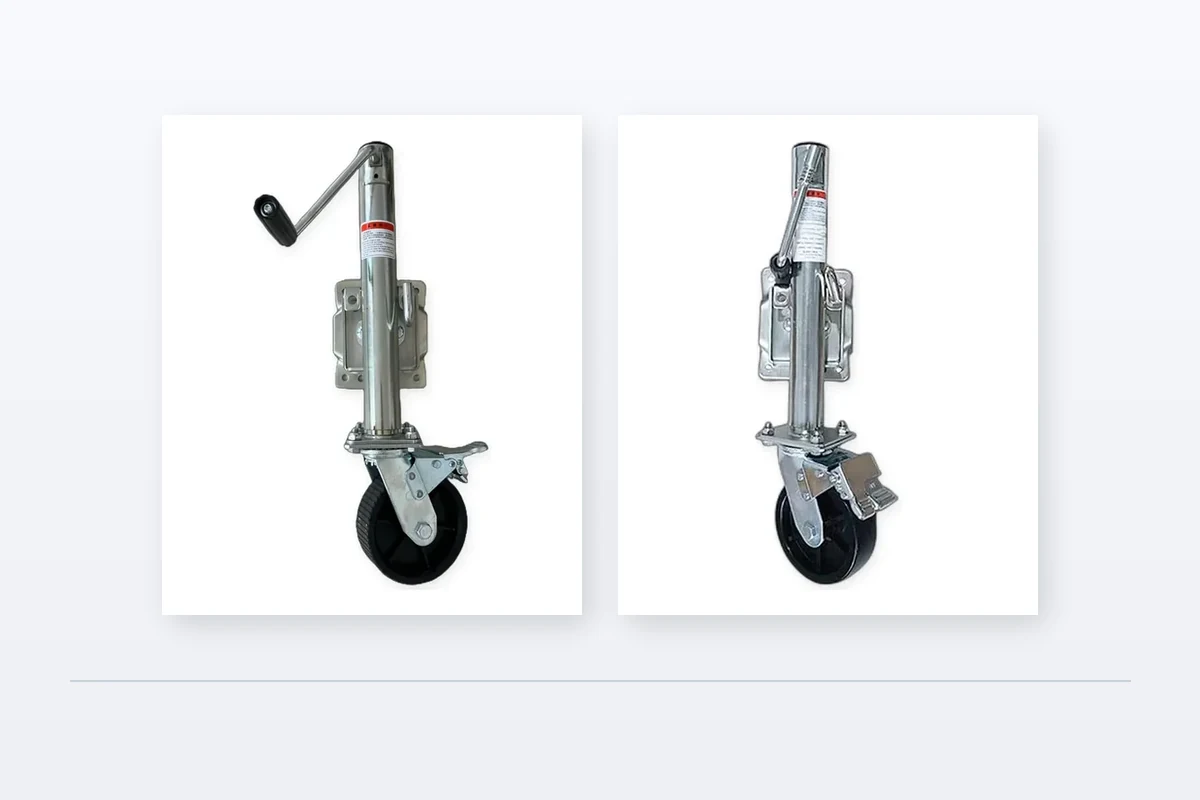
Brakeable nylon and PP support-wheel configurations.
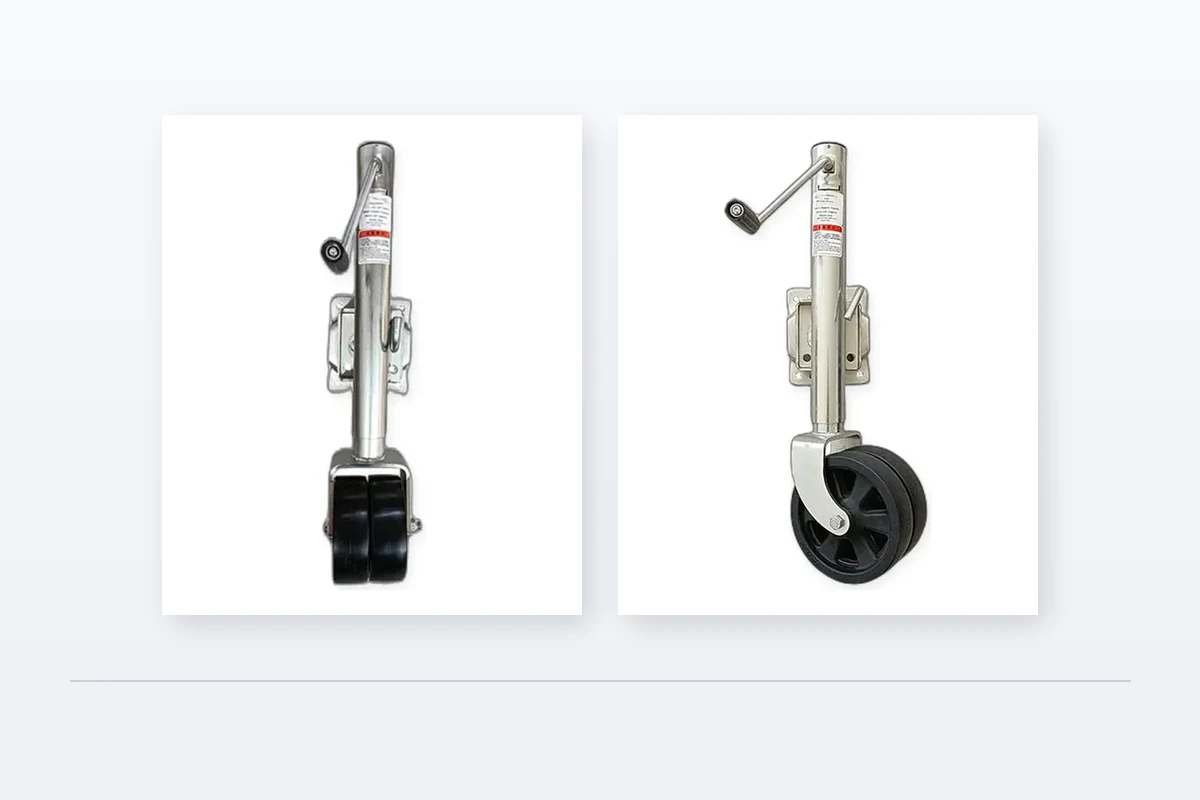
Twin-wheel support arrangements for jockey-jack and replacement applications.
Support-wheel configurations selected by interface, ground and working condition.
Nylon and polypropylene are hard thermoplastic wheel families represented in the current catalogue. The final choice still depends on polymer grade, floor condition, load, wheel dimensions, bearing or axle interface and environmental exposure.
Do not use colour as a material specification. If chemicals, wash-down, marking, temperature or contamination matter, state them so the material requirement can be reviewed rather than assumed.
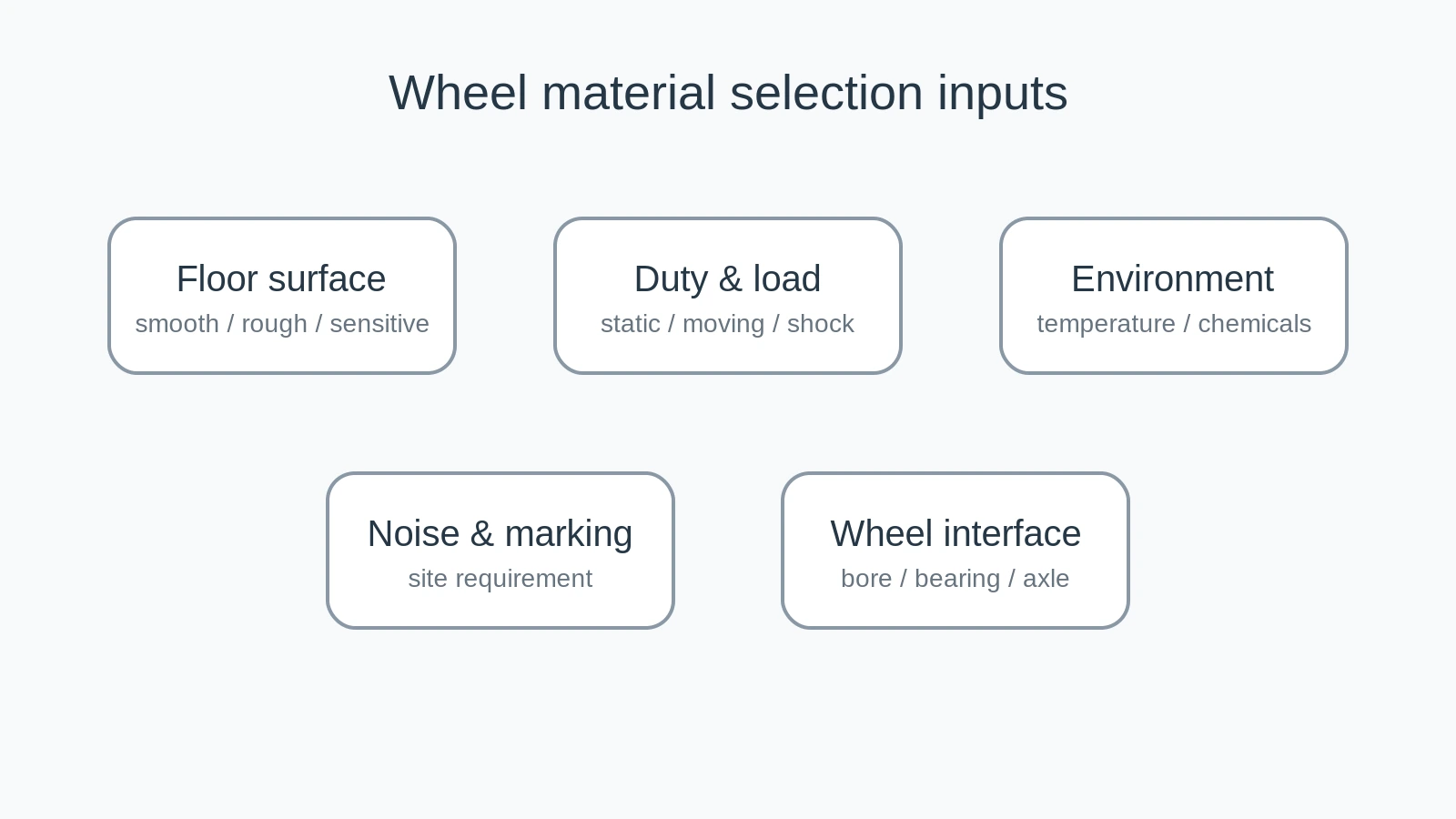
Wheel selection changes with the machine. A hand-pushed trolley on smooth concrete does not create the same constraints as a trailer support wheel used intermittently on gravel. Equipment bases introduce installed-height and service-access questions, while material handling carts may place more emphasis on steering layout, floor joints and repeated travel.
Load distribution, repeated travel and floor transitions.
Explore application →

Wheel layout, steering behaviour, thresholds and operator effort.
Explore application →
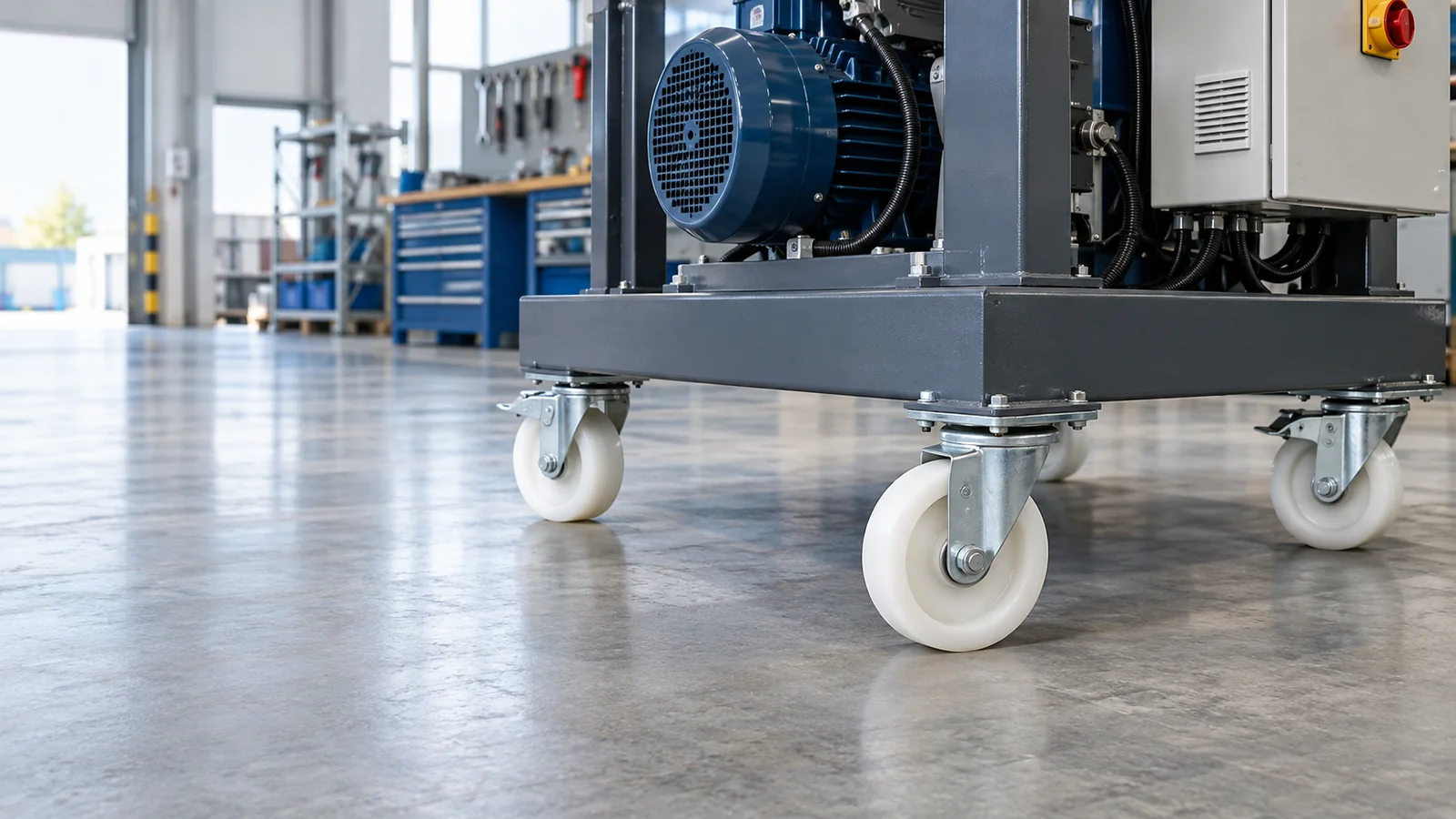
Installed height, mounting interface, service access and stability.
Explore application →
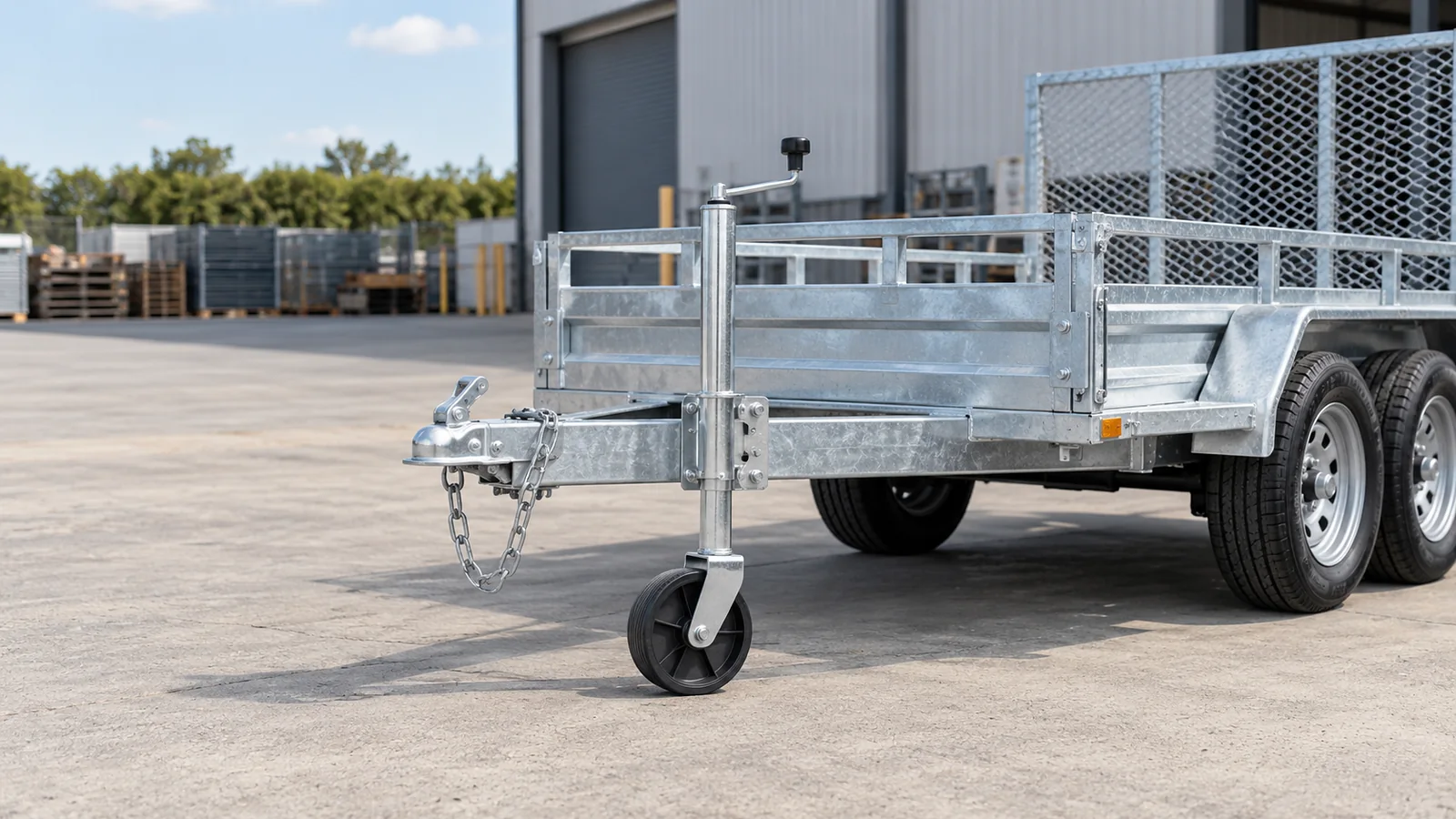
Drawbar load, ground, travel, tube fit and stowed clearance.
Explore application →
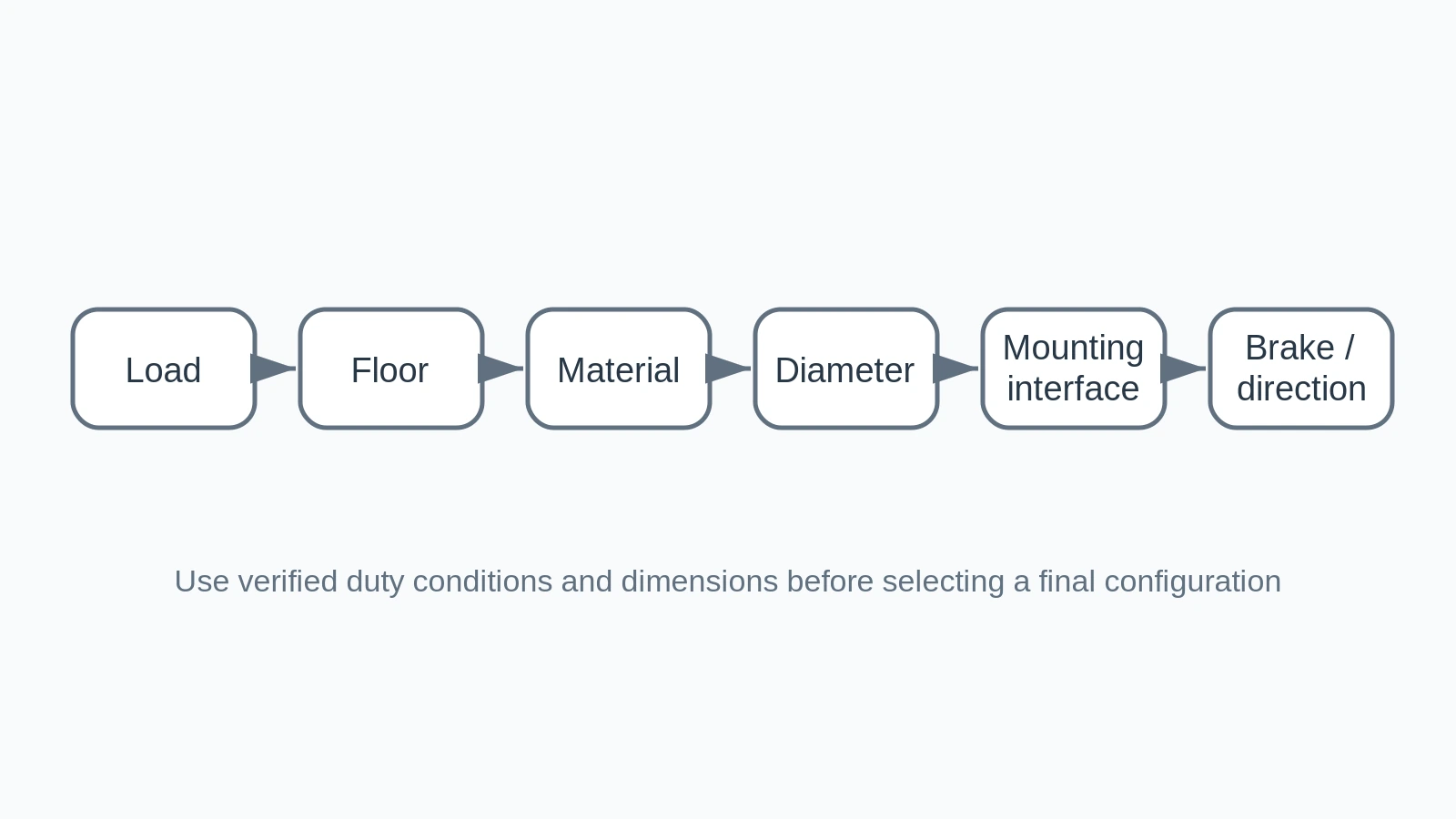
Start with duty rather than a wheel photograph. Define equipment weight and payload, then determine the supporting points that share load. Record the floor or ground, choose a practical diameter, identify material environment, measure the interface and only then decide whether brake, swivel or folding functions are needed.
This order makes quotation more efficient because each later decision rests on information that can be measured or observed.
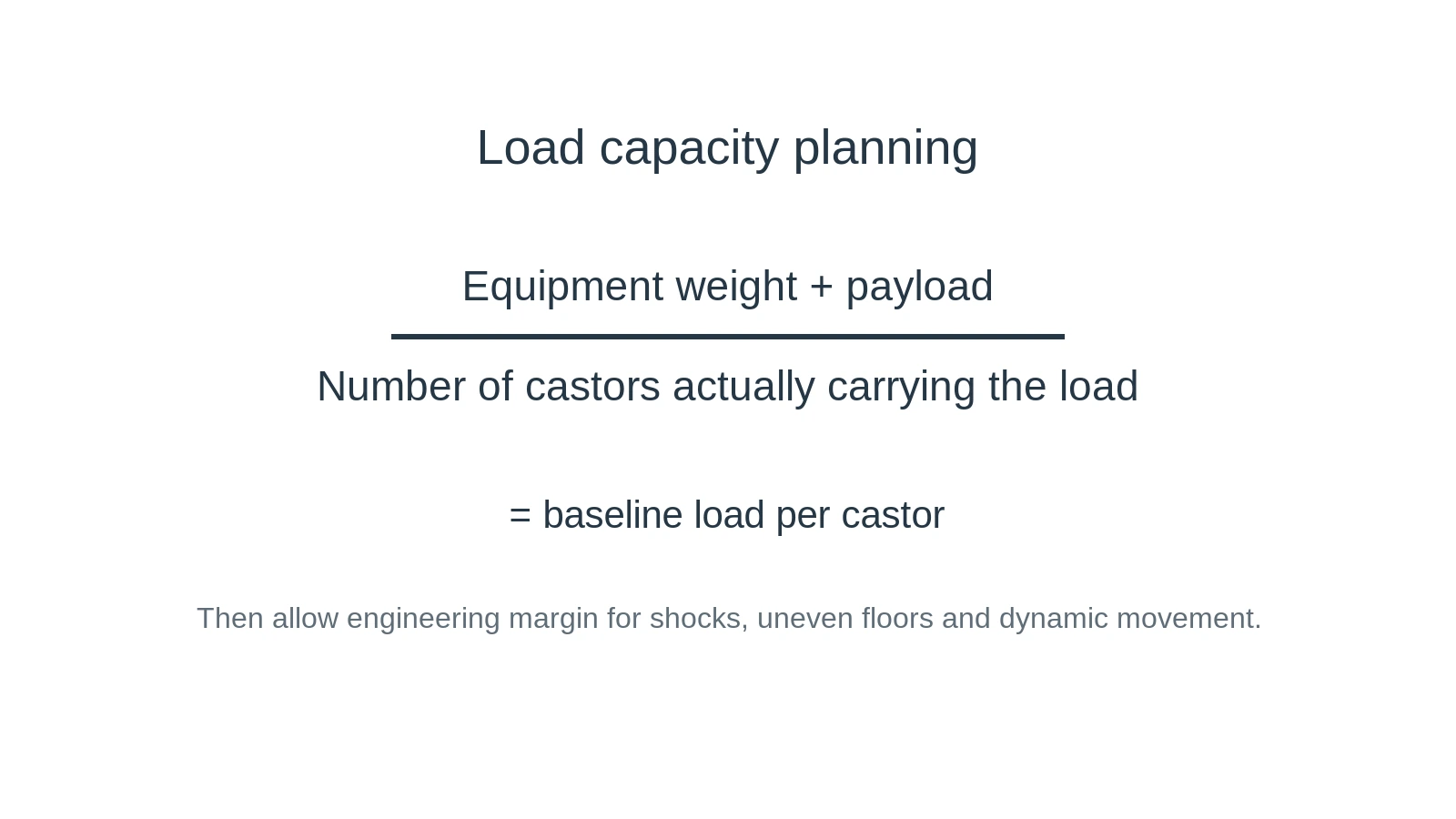
A first-pass load calculation is useful, but uneven floors and flexible frames can prevent equal load sharing. Thresholds and ramps create transient forces. For trailer support, the relevant drawbar load is different from trailer gross mass.
A replacement wheel needs diameter, width, hub/bore and axle information; a complete assembly adds installed height, bracket or tube geometry and movement envelope. These diagrams help buyers capture those measurements before RFQ.
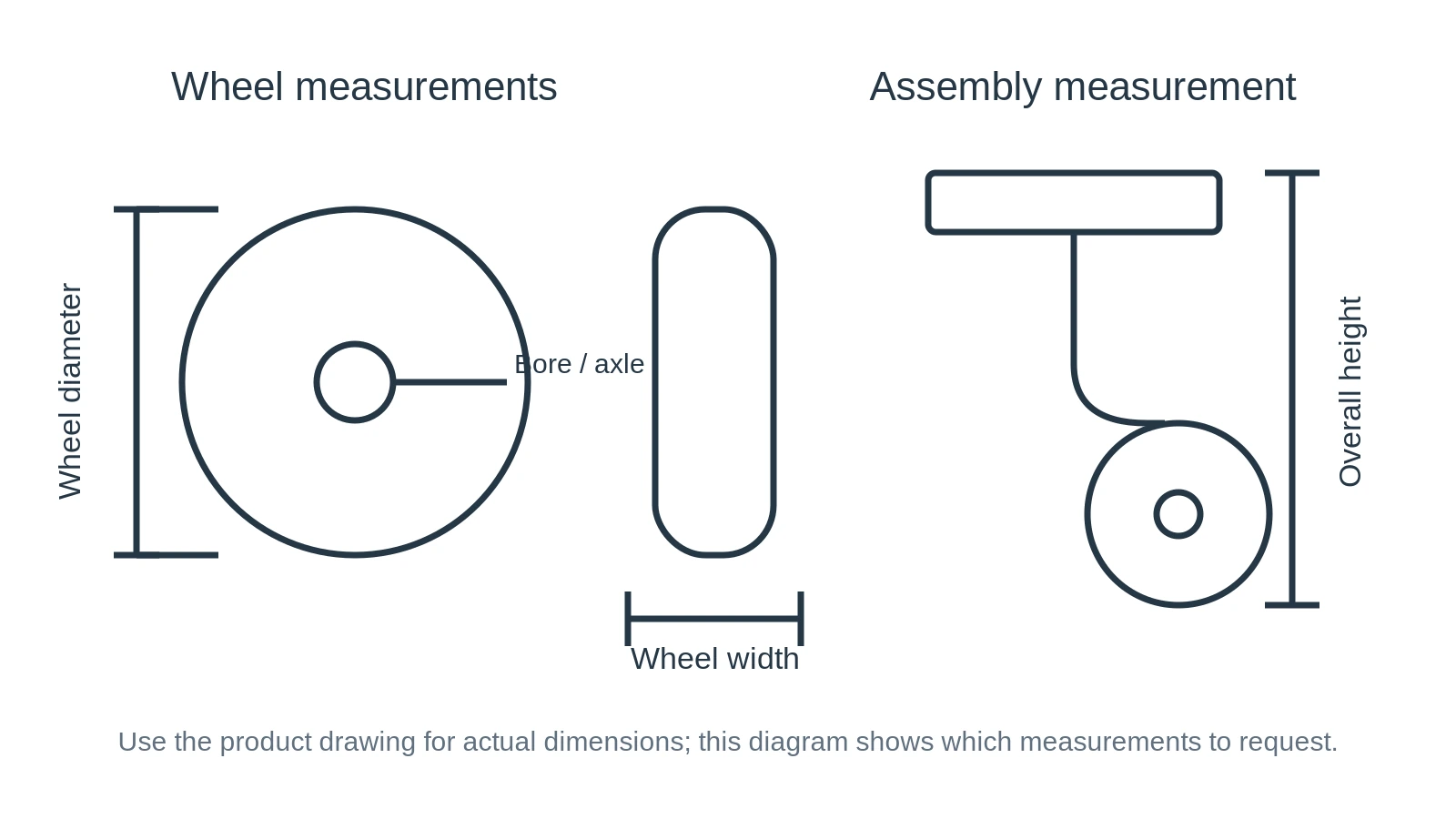
A good enquiry does not have to be a finished engineering drawing. It should distinguish known facts from assumptions. Send existing model if known, clear photos, fit-controlling dimensions, maximum load, floor or ground condition, expected movement, quantity and special material or finish requirements.
For multi-model projects, keep each configuration on its own line. New-client evaluation samples can be discussed for fit or material review, while production quantities and special processes follow their appropriate commercial minimums.
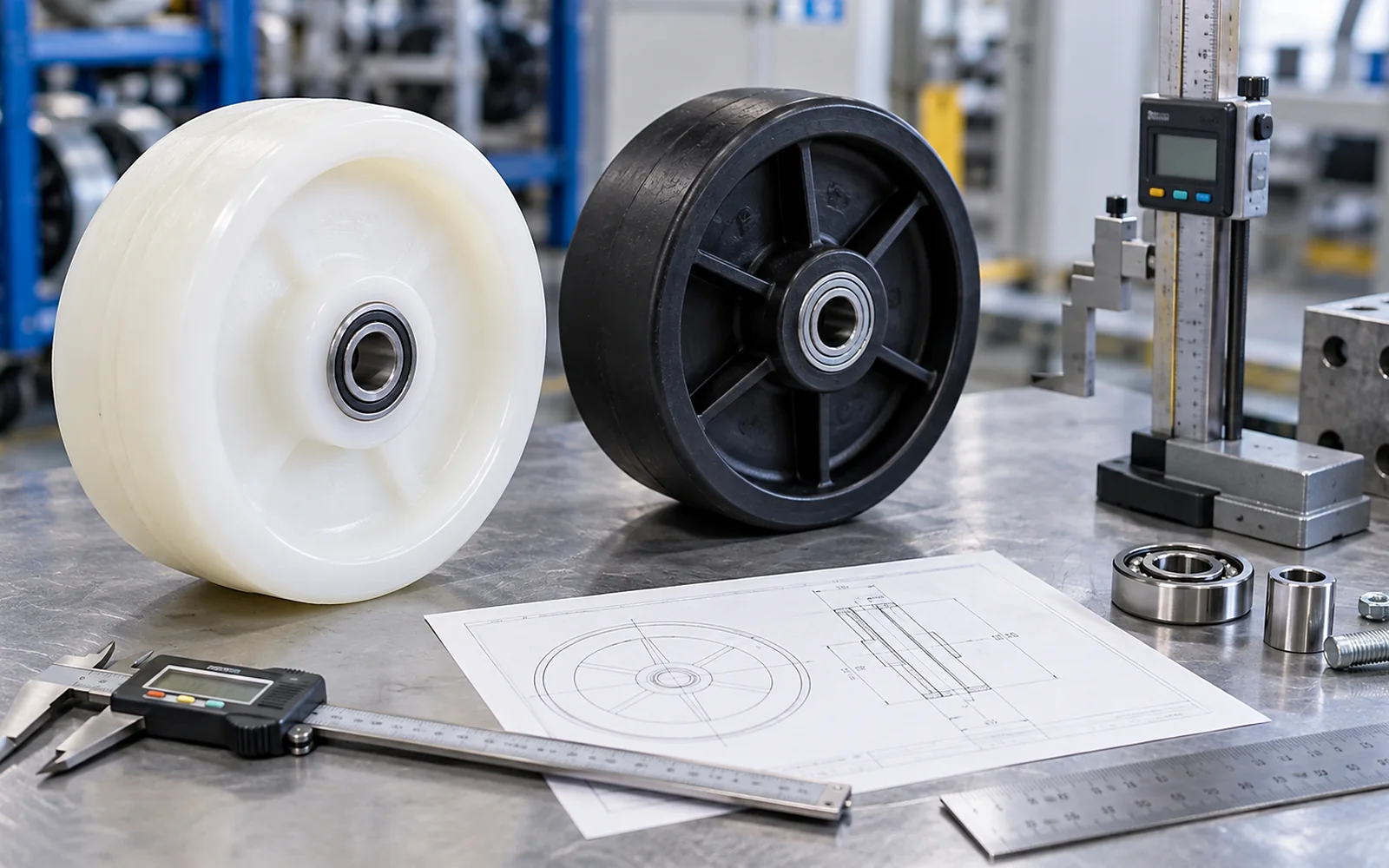
Use the engineering library to move from a general product name to measurable load, material, mounting and replacement-fit decisions.
Choose castor wheels systematically by load, floor, material, diameter, mounting, movement, braking and bearing requirements.
Open guide →Compare nylon and polypropylene wheels by rolling behaviour, floor conditions, environment, cost considerations and available configurations.
Open guide →Learn the baseline load-per-castor calculation and the practical effects of uneven floors, dynamic loads, shocks and real supporting-wheel count.
Open guide →Measure wheel diameter, tread width, bore or axle, hub length, overall height and mounting details correctly before replacement or RFQ.
Open guide →
Engineering Note What to Send in a Plastic Wheel or Jockey Wheel RFQ A practical buyer guide to plastic wheel RFQ checklist, focused on measurable operating…
Read guide →Engineering Note How to Check Wheel Bearing Play Before Installation A practical buyer guide to wheel bearing play inspection, focused on measurable operating conditions and RFQ-ready…
Read guide →
Engineering Note Why Swivel Castors Can Shimmy or Wander Under Load A practical buyer guide to swivel caster shimmy causes, focused on measurable operating conditions and…
Read guide →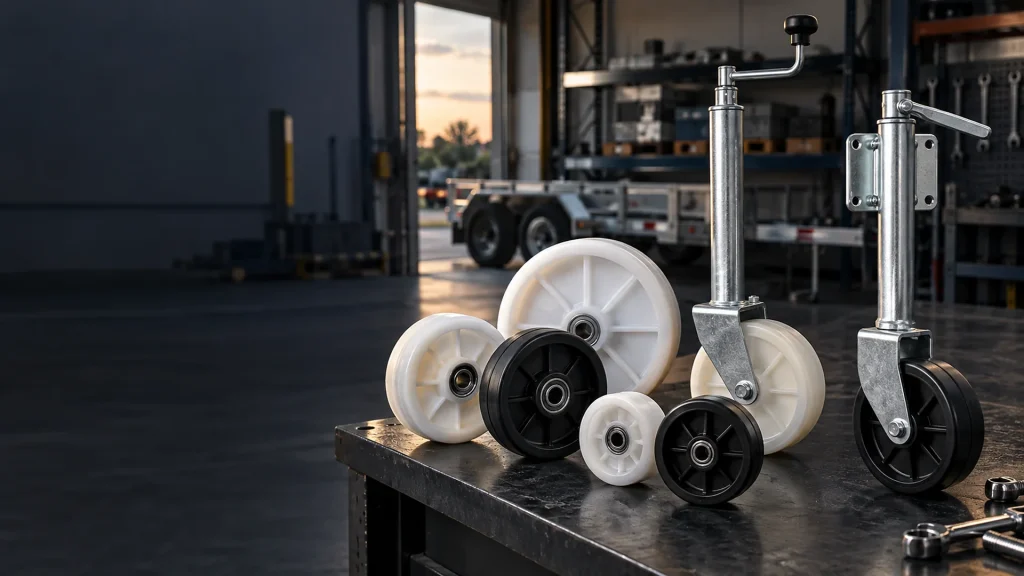
Engineering Note Common Causes of Uneven Wheel Wear on Industrial Carts A practical buyer guide to industrial cart wheel uneven wear, focused on measurable operating conditions…
Read guide →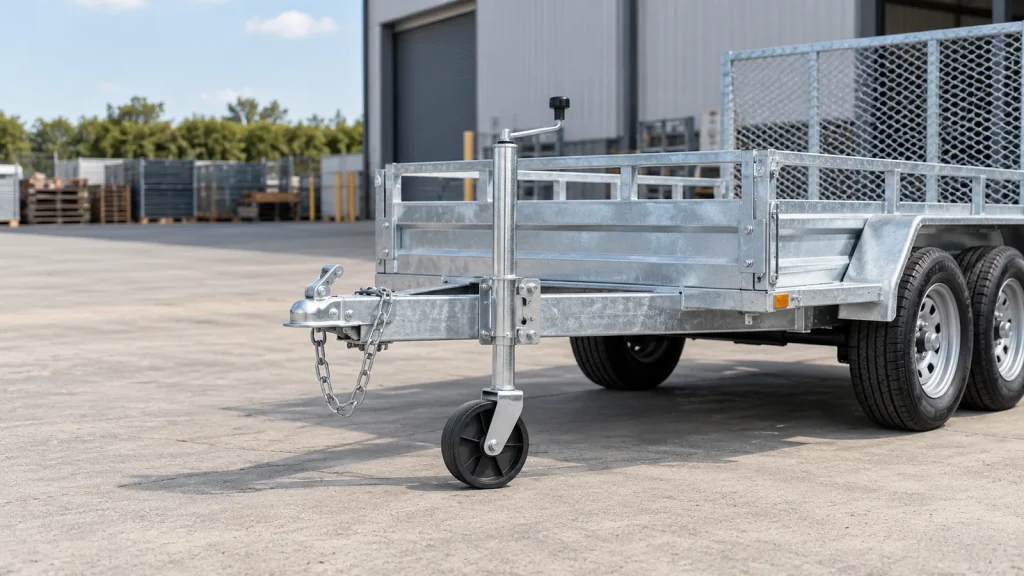
Engineering Note Tube Diameter and Clamp Fit: A Jockey Wheel Replacement Check A practical buyer guide to jockey wheel tube diameter clamp fit, focused on measurable…
Read guide →Engineering Note How Much Drawbar Clearance Does a Folding Jockey Wheel Need? A practical buyer guide to folding jockey wheel clearance, focused on measurable operating conditions…
Read guide →A useful replacement enquiry starts with the part that actually controls fit. For a loose wheel that is usually diameter, width, bore or bearing arrangement, hub length and axle details. For a support assembly, add tube or plate mounting, installed height, crank or swivel clearance and the way the unit is stowed. Recording these items before the old component is discarded prevents a visually similar part from becoming an accidental substitute.
The same discipline helps new equipment projects. Start with the load carried by the support points, the floor or ground, travel frequency, obstacles and the space available around the wheel. Only then narrow material, diameter and control features. This sequence keeps the discussion practical and gives purchasing a specification that can be compared across quotations.
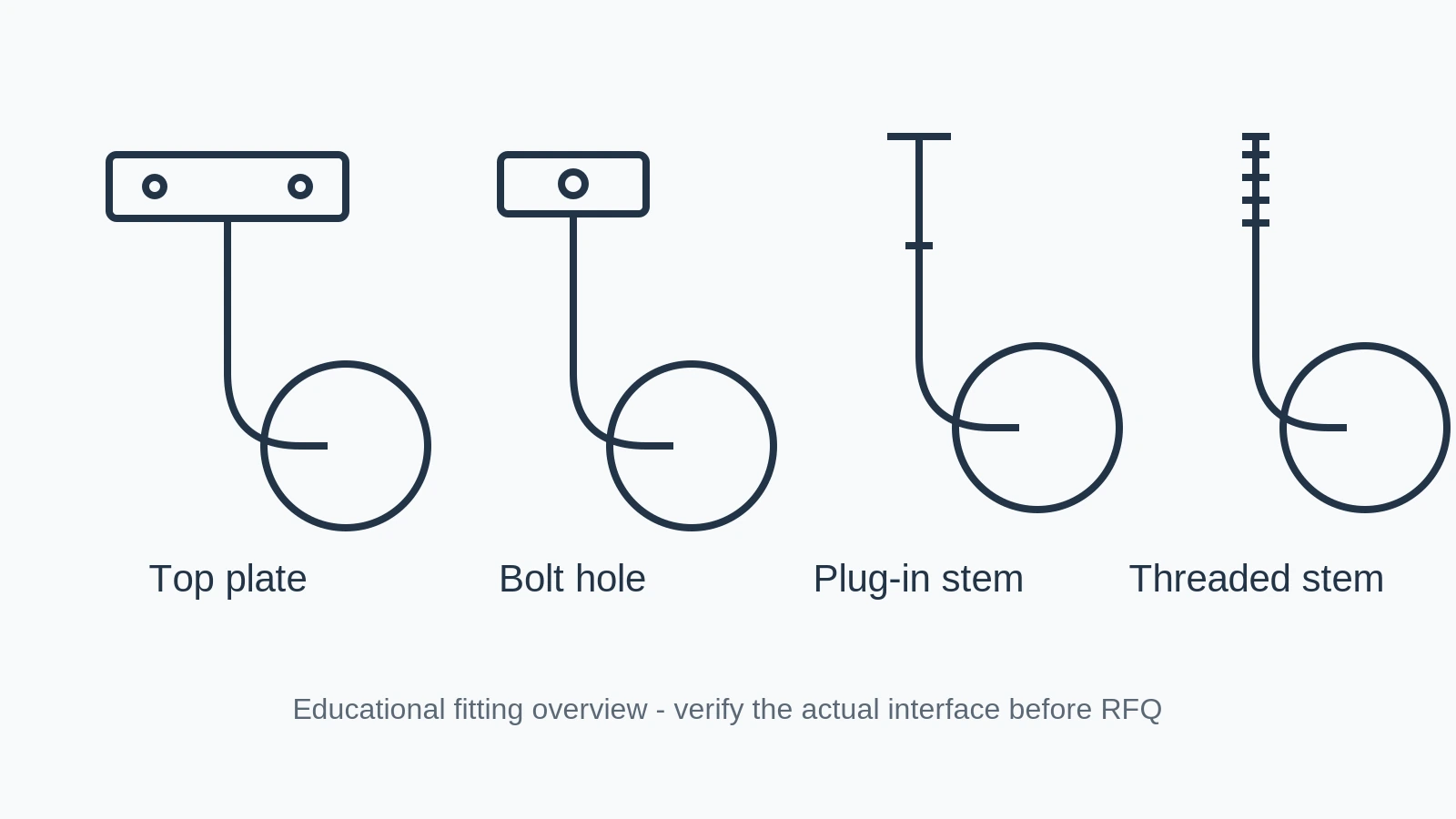
Wheel material and diameter answer only part of the mobility problem. A complete castor or jockey-wheel assembly adds swivel geometry, bracket stiffness, mounting dimensions, lifting travel, parking control and clearance around the frame. Keeping wheel-only requirements separate from assembly requirements makes it easier to see which dimensions truly need to match and which features can be selected around the application.
For trailers and mobile support equipment, also distinguish the vertical support condition from manual manoeuvring. A wheel that carries the parked drawbar still has to roll over the real yard surface and retract or fold without contacting the coupling, chassis or ground. These checks should be recorded before a sample or production quantity is approved.
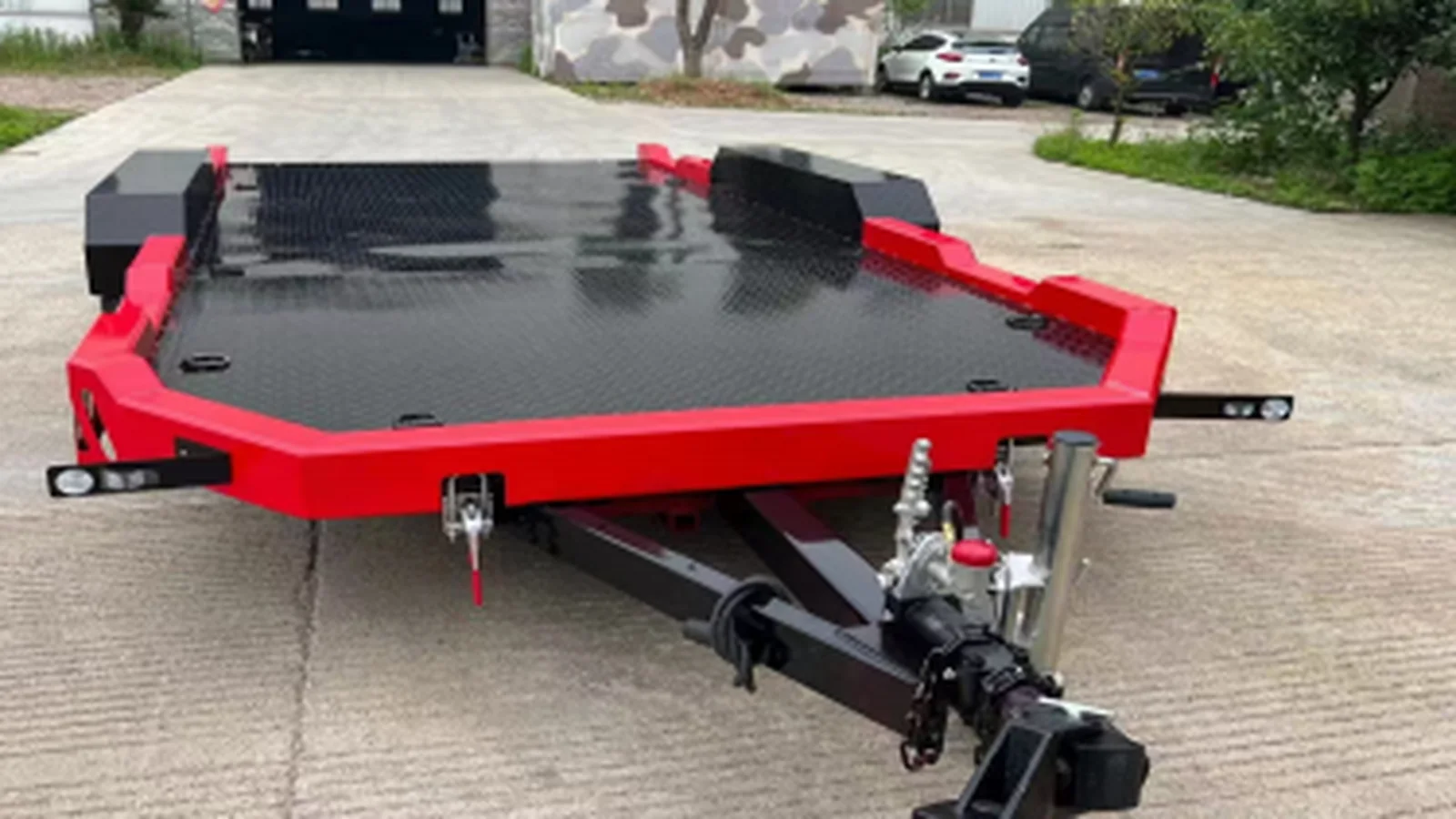
A clear RFQ normally needs fewer emails than a long product description. State the equipment or trailer type, total weight or support load, wheel diameter and width if known, mounting or axle dimensions, floor or ground, brake or folding requirement, quantity and destination. Add photographs from the side and mounting face, with a ruler or drawing where dimensions are difficult to describe.
When several models are needed, keep each configuration on its own line. This preserves the relationship between dimensions, material, finish and quantity and makes later revisions much easier to control.
Send application, load, dimensions, quantity and a photo or drawing. Missing fit-critical details can be identified before quotation.