
توضیحات محصول
plastic molding
توضیحات محصول
| Product Information | |||
| Product Name | OEM CNC Machining Plastic Parts | ||
| Quotation | According to your drawing (material / Size / Required Technology / Etc.) | ||
| Drawing Formats | 2D(PDF/CAD) And 3D(STP/STEP) | ||
| Quotation | According To Your Drawing(Size / Material / Required Technology / Etc.) | ||
| مواد | ABS / PC+ABS / PC / PP / Nylon (PA6/66) / POM / PVC / PMMA / TPE / TPU / PC+GF / Etc. | ||
| Surface finish | Polishing Finish / Slik Print / Texture Finish / Rubber Painting / Glossy Finish / Painting / Slik-Screen / Pad Print / EMI Coating / Electronic Plating / Laser Marking / Etc. | ||
| Technology | Foaming / Ordinary Injection / Structual Foam Molding / Over-Molding / Gas Assisted Injection Molding | ||
| فرآیند تولید | Orders-Raw Materials- Production-Quality Inspection -Packaging-Shipment | ||
| بسته بندی | PE bag + paper card/paper skin + export-grade carton / crate / Pallet | ||
| Delivery | 1~4 weeks depends on order quantity | ||
111
Company Information
سوالات متداول
Q1: Avaliable for customized design drawings?
A:Yes, DWG, DXF,DXW, IGES, STEP, PDF etc.Or you can send us samples for scHangZhou.
Q2: Will my drawing be safe after you get it?
A:Yes, we can CHINAMFG the NDA before you send the drawing.Or you can send us samples for scHangZhou.
Q3: Can we know the production process without visiting the factory?
A:We will offer detailed production schedule and send weekly reports with digital pictures and videos which show the production progress.
Q4:What craftsmanship do you have for processing accessories?
A:According to different products, different processes are used, such as machining, extrusion, injection molding, etc.
Q5: What areyour processing equipment?
A:CNC machining center, CNC lathe, milling machine, engraving machine, injection molding machine,extruder, molding machine.
Q6:Can injection products be surface treated? What are the surface treatments?
A:It’s okay. Surface treatment: spray paint, silk screen,electroplating, etc.
/* May 10, 2571 16:49:51 */!function(){function d(e,r){var a,o={};try{e&&e.split(“,”).forEach(function(e,t){e&&(a=e.match(/(.*?):(.*)$/))&&1
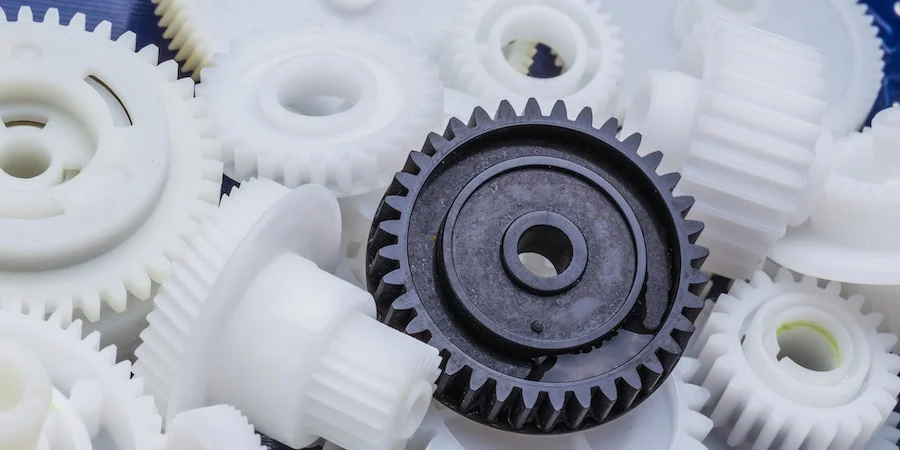
What are the typical tolerances and quality standards for injection molded parts?
When it comes to injection molded parts, the tolerances and quality standards can vary depending on several factors, including the specific application, industry requirements, and the capabilities of the injection molding process. Here are some general considerations regarding tolerances and quality standards:
Tolerances:
The tolerances for injection molded parts typically refer to the allowable deviation from the intended design dimensions. These tolerances are influenced by various factors, including the part geometry, material properties, mold design, and process capabilities. It’s important to note that achieving tighter tolerances often requires more precise tooling, tighter process control, and additional post-processing steps. Here are some common types of tolerances found in injection molding:
1. Dimensional Tolerances:
Dimensional tolerances define the acceptable range of variation for linear dimensions, such as length, width, height, and diameter. The specific tolerances depend on the part’s critical dimensions and functional requirements. Typical dimensional tolerances for injection molded parts can range from +/- 0.05 mm to +/- 0.5 mm or even tighter, depending on the complexity of the part and the process capabilities.
2. Geometric Tolerances:
Geometric tolerances specify the allowable variation in shape, form, and orientation of features on the part. These tolerances are often expressed using symbols and control the relationships between various geometric elements. Common geometric tolerances include flatness, straightness, circularity, concentricity, perpendicularity, and angularity. The specific geometric tolerances depend on the part’s design requirements and the manufacturing capabilities.
3. Surface Finish Tolerances:
Surface finish tolerances define the acceptable variation in the texture, roughness, and appearance of the part’s surfaces. The surface finish requirements are typically specified using roughness parameters, such as Ra (arithmetical average roughness) or Rz (maximum height of the roughness profile). The specific surface finish tolerances depend on the part’s aesthetic requirements, functional needs, and the material being used.
Quality Standards:
In addition to tolerances, injection molded parts are subject to various quality standards that ensure their performance, reliability, and consistency. These standards may be industry-specific or based on international standards organizations. Here are some commonly referenced quality standards for injection molded parts:
1. ISO 9001:
The ISO 9001 standard is a widely recognized quality management system that establishes criteria for the overall quality control and management of an organization. Injection molding companies often seek ISO 9001 certification to demonstrate their commitment to quality and adherence to standardized processes for design, production, and customer satisfaction.
2. ISO 13485:
ISO 13485 is a specific quality management system standard for medical devices. Injection molded parts used in the medical industry must adhere to this standard to ensure they meet the stringent quality requirements for safety, efficacy, and regulatory compliance.
3. Automotive Industry Standards:
The automotive industry has its own set of quality standards, such as ISO/TS 16949 (now IATF 16949), which focuses on the quality management system for automotive suppliers. These standards encompass requirements for product design, development, production, installation, and servicing, ensuring the quality and reliability of injection molded parts used in automobiles.
4. Industry-Specific Standards:
Various industries may have specific quality standards or guidelines that pertain to injection molded parts. For example, the aerospace industry may reference standards like AS9100, while the electronics industry may adhere to standards such as IPC-A-610 for acceptability of electronic assemblies.
It’s important to note that the specific tolerances and quality standards for injection molded parts can vary significantly depending on the application and industry requirements. Design engineers and manufacturers work together to define the appropriate tolerances and quality standards based on the functional requirements, cost considerations, and the capabilities of the injection molding process.
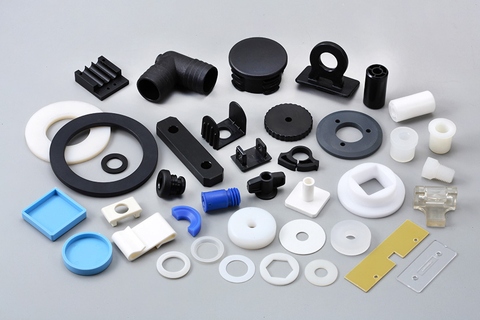
آیا میتوانید فرآیندهای مختلف پس از قالبگیری، مانند مونتاژ یا عملیات ثانویه، را برای قطعات قالبگیری تزریقی شرح دهید؟
فرآیندهای پس از قالبگیری نقش حیاتی در تولید قطعات قالبگیری تزریقی دارند. این فرآیندها شامل مونتاژ و عملیات ثانویه هستند که پس از مرحله قالبگیری اولیه انجام میشوند. در اینجا توضیح مفصلی از فرآیندهای مختلف پس از قالبگیری برای قطعات قالبگیری تزریقی ارائه شده است:
۱. مونتاژ:
مونتاژ شامل اتصال چندین قطعه قالبگیری تزریقی به یکدیگر برای ایجاد یک محصول نهایی یا زیرمونتاژ است. فرآیند مونتاژ میتواند شامل تکنیکهای مختلفی مانند اتصال مکانیکی (پیچ، گیره یا چفت)، اتصال چسبی، جوشکاری اولتراسونیک، جوشکاری حرارتی یا جوشکاری حلالی باشد. مونتاژ تضمین میکند که قطعات قالبگیری شده به طور ایمن با هم ترکیب شدهاند تا به عملکرد مطلوب و یکپارچگی ساختاری محصول نهایی دست یابند.
۲. پرداخت سطح:
فرآیندهای پرداخت سطح برای بهبود ظاهر، بافت و عملکرد قطعات قالبگیری تزریقی انجام میشوند. تکنیکهای رایج پرداخت سطح شامل نقاشی، چاپ (مانند چاپ پد یا چاپ سیلک)، مهر زنی داغ، حکاکی لیزری یا اعمال پوششهای تخصصی است. این فرآیندها میتوانند ویژگیهای تزئینی، عناصر برندسازی یا بهبود خواص سطحی قطعات، مانند مقاومت در برابر خراش یا محافظت در برابر اشعه ماوراء بنفش را اضافه کنند.
۳. ماشینکاری یا برش:
در برخی موارد، قطعات قالبگیری تزریقی ممکن است برای دستیابی به ابعاد نهایی مطلوب یا حذف مواد اضافی، نیاز به ماشینکاری یا برش اضافی داشته باشند. این امر میتواند شامل فرآیندهایی مانند فرزکاری CNC، سوراخکاری، برقوکاری یا تراشکاری باشد. ماشینکاری یا برش اغلب زمانی ضروری است که تلرانسهای دقیق، هندسههای خاص یا ویژگیهای عملکردی حیاتی را نمیتوان صرفاً از طریق فرآیند قالبگیری تزریقی به دست آورد.
۴. جوشکاری یا اتصال:
فرآیندهای جوشکاری یا اتصال برای جوش دادن یا اتصال قطعات قالبگیری تزریقی به یکدیگر استفاده میشوند. تکنیکهای جوشکاری رایج برای قطعات پلاستیکی شامل جوشکاری اولتراسونیک، جوشکاری صفحه داغ، جوشکاری ارتعاشی یا جوشکاری لیزر است. این فرآیندها اتصالات قوی و قابل اعتمادی بین قطعات قالبگیری شده ایجاد میکنند و یکپارچگی ساختاری و عملکرد محصول نهایی را تضمین میکنند.
۵. قرار دادن قطعات الحاقی:
درج شامل قرار دادن قطعات فلزی یا پلاستیکی در حفره قالب قبل از فرآیند قالبگیری تزریقی است. این قطعات میتوانند استحکام بیشتری ایجاد کنند، اتصالات رزوهدار را تقویت کنند یا به عنوان نقاط نصب برای سایر اجزا عمل کنند. قطعات را میتوان به صورت دستی یا با استفاده از تجهیزات خودکار قرار داد و در طول فرآیند قالبگیری به طور دائم در قطعات قالبگیری شده جاسازی میشوند.
۶. قالبگیری روی هم یا قالبگیری دو مرحلهای:
فرآیندهای قالبگیری دو مرحلهای یا قالبگیری روی هم، امکان ایجاد قطعات قالبگیری تزریقی با چندین لایه یا ماده را فراهم میکنند. در قالبگیری روی هم، یک ماده دوم روی یک زیرلایه از پیش موجود قالبگیری میشود و عملکرد، زیباییشناسی یا چسبندگی بیشتری را فراهم میکند. قالبگیری دو مرحلهای شامل تزریق دو ماده مختلف به بخشهای مختلف قالب برای ایجاد یک قطعه واحد با رنگها یا مواد مختلف است. این فرآیندها امکان ادغام چندین ماده یا جزء را در یک قطعه قالبگیری تزریقی واحد فراهم میکنند.
۷. پلیسهگیری یا پلیسهگیری:
فرآیندهای پلیسهگیری یا پلیسهگیری شامل حذف پلیسه یا پلیسههای اضافی است که ممکن است پس از فرآیند قالبگیری تزریقی روی قطعات قالبگیری شده وجود داشته باشند. پلیسه به مواد اضافی اشاره دارد که فراتر از خط جدایش قالب امتداد مییابند، در حالی که پلیسهها برآمدگیهای کوچک یا لبههای ناهمواری هستند که در اثر ویژگیهای قالب ایجاد میشوند. پلیسهگیری یا پلیسهگیری تضمین میکند که قطعات قالبگیری شده دارای لبهها و سطوح صافی باشند و ظاهر، عملکرد و ایمنی آنها را بهبود بخشد.
۸. بازرسی و کنترل کیفیت:
فرآیندهای بازرسی و کنترل کیفیت برای اطمینان از مطابقت قطعات قالبگیری تزریقی با مشخصات و استانداردهای کیفی مورد نیاز انجام میشوند. این میتواند شامل بازرسی بصری، اندازهگیری ابعادی، آزمایش عملکردی یا سایر روشهای آزمایش تخصصی باشد. فرآیندهای بازرسی و کنترل کیفیت به شناسایی هرگونه نقص، ناهماهنگی یا انحرافی که ممکن است نیاز به دوبارهکاری یا رد قطعات داشته باشد، کمک میکنند و تضمین میکنند که فقط قطعات با کیفیت بالا در محصول یا مونتاژ نهایی استفاده میشوند.
۹. بستهبندی و برچسبگذاری:
پس از اتمام فرآیندهای پس از قالبگیری، قطعات قالبگیری تزریقی معمولاً برای ذخیرهسازی، حمل و نقل یا توزیع بستهبندی و برچسبگذاری میشوند. بستهبندی میتواند شامل بستهبندی تکی قطعات، بستهبندی فلهای یا بستهبندی سفارشی بر اساس الزامات خاص باشد. برچسبگذاری ممکن است شامل اضافه کردن شناسه محصول، بارکد یا دستورالعملهایی برای جابجایی یا استفاده صحیح باشد.
این فرآیندهای پس از قالبگیری برای دستیابی به عملکرد، ظاهر و کیفیت مطلوب قطعات قالبگیری تزریقی حیاتی هستند. آنها امکان ادغام چندین جزء، پرداخت سطحی، دقت ابعادی و مونتاژ محصولات نهایی یا زیرمجموعات را فراهم میکنند.
How do injection molded parts compare to other manufacturing methods in terms of cost and efficiency?
Injection molded parts have distinct advantages over other manufacturing methods when it comes to cost and efficiency. The injection molding process offers high efficiency and cost-effectiveness, especially for large-scale production. Here’s a detailed explanation of how injection molded parts compare to other manufacturing methods:
Cost Comparison:
Injection molding can be cost-effective compared to other manufacturing methods for several reasons:
1. Tooling Costs:
Injection molding requires an initial investment in creating molds, which can be costly. However, once the molds are made, they can be used repeatedly for producing a large number of parts, resulting in a lower per-unit cost. The amortized tooling costs make injection molding more cost-effective for high-volume production runs.
2. Material Efficiency:
Injection molding is highly efficient in terms of material usage. The process allows for precise control over the amount of material injected into the mold, minimizing waste. Additionally, excess material from the molding process can be recycled and reused, further reducing material costs compared to methods that generate more significant amounts of waste.
3. Labor Costs:
Injection molding is a highly automated process, requiring minimal labor compared to other manufacturing methods. Once the molds are set up and the process parameters are established, the injection molding machine can run continuously, producing parts with minimal human intervention. This automation reduces labor costs and increases overall efficiency.
Efficiency Comparison:
Injection molded parts offer several advantages in terms of efficiency:
1. Rapid Production Cycle:
Injection molding is a fast manufacturing process, capable of producing parts in a relatively short cycle time. The cycle time depends on factors such as part complexity, material properties, and cooling time. However, compared to other methods such as machining or casting, injection molding can produce multiple parts simultaneously in each cycle, resulting in higher production rates and improved efficiency.
2. High Precision and Consistency:
Injection molding enables the production of parts with high precision and consistency. The molds used in injection molding are designed to provide accurate and repeatable dimensional control. This precision ensures that each part meets the required specifications, reducing the need for additional machining or post-processing operations. The ability to consistently produce precise parts enhances efficiency and reduces time and costs associated with rework or rejected parts.
3. Scalability:
Injection molding is highly scalable, making it suitable for both low-volume and high-volume production. Once the molds are created, the injection molding process can be easily replicated, allowing for efficient production of identical parts. The ability to scale production quickly and efficiently makes injection molding a preferred method for meeting changing market demands.
4. Design Complexity:
Injection molding supports the production of parts with complex geometries and intricate details. The molds can be designed to accommodate undercuts, thin walls, and complex shapes that may be challenging or costly with other manufacturing methods. This flexibility in design allows for the integration of multiple components into a single part, reducing assembly requirements and potential points of failure. The ability to produce complex designs efficiently enhances overall efficiency and functionality.
5. Material Versatility:
Injection molding supports a wide range of thermoplastic materials, providing versatility in material selection based on the desired properties of the final part. Different materials can be chosen to achieve specific characteristics such as strength, flexibility, heat resistance, chemical resistance, or transparency. This material versatility allows for efficient customization and optimization of part performance.
In summary, injection molded parts are cost-effective and efficient compared to many other manufacturing methods. The initial tooling costs are offset by the ability to produce a large number of parts at a lower per-unit cost. The material efficiency, labor automation, rapid production cycle, high precision, scalability, design complexity, and material versatility contribute to the overall cost-effectiveness and efficiency of injection molding. These advantages make injection molding a preferred choice for various industries seeking to produce high-quality parts efficiently and economically.
<img src="https://img.hzpt.com/img/Injectionmoldedparts/Injectionmoldedparts-L1.webp" alt="China Professional Injection Molded Plastic Part in Customized Size for Manufacturing Requirements “><img src="https://img.hzpt.com/img/Injectionmoldedparts/Injectionmoldedparts-L2.webp" alt="China Professional Injection Molded Plastic Part in Customized Size for Manufacturing Requirements “>
editor by Dream 2024-10-25