
उत्पाद वर्णन
plastic molding
उत्पाद वर्णन
| Product Information | |||
| Product Name | OEM CNC Machining Plastic Parts | ||
| उद्धरण | According to your drawing (material / Size / Required Technology / Etc.) | ||
| Drawing Formats | 2D(PDF/CAD) And 3D(STP/STEP) | ||
| उद्धरण | According To Your Drawing(Size / Material / Required Technology / Etc.) | ||
| सामग्री | ABS / PC+ABS / PC / PP / Nylon (PA6/66) / POM / PVC / PMMA / TPE / TPU / PC+GF / Etc. | ||
| सतह की फिनिश | Polishing Finish / Slik Print / Texture Finish / Rubber Painting / Glossy Finish / Painting / Slik-Screen / Pad Print / EMI Coating / Electronic Plating / Laser Marking / Etc. | ||
| Technology | Foaming / Ordinary Injection / Structual Foam Molding / Over-Molding / Gas Assisted Injection Molding | ||
| उत्पादन प्रक्रिया | Orders-Raw Materials- Production-Quality Inspection -Packaging-Shipment | ||
| पैकिंग | PE bag + paper card/paper skin + export-grade carton / crate / Pallet | ||
| Delivery | 1~4 weeks depends on order quantity | ||
111
Company Information
अक्सर पूछे जाने वाले प्रश्न
Q1: Avaliable for customized design drawings?
A:Yes, DWG, DXF,DXW, IGES, STEP, PDF etc.Or you can send us samples for scHangZhou.
Q2: Will my drawing be safe after you get it?
A:Yes, we can CHINAMFG the NDA before you send the drawing.Or you can send us samples for scHangZhou.
Q3: Can we know the production process without visiting the factory?
A:We will offer detailed production schedule and send weekly reports with digital pictures and videos which show the production progress.
Q4:What craftsmanship do you have for processing accessories?
A:According to different products, different processes are used, such as machining, extrusion, injection molding, etc.
Q5: What areyour processing equipment?
A:CNC machining center, CNC lathe, milling machine, engraving machine, injection molding machine,extruder, molding machine.
Q6:Can injection products be surface treated? What are the surface treatments?
A:It’s okay. Surface treatment: spray paint, silk screen,electroplating, etc.
/* 10 मई, 2571 16:49:51 */!function(){function d(e,r){var a,o={};try{e&&e.split(“,”).forEach(function(e,t){e&&(a=e.match(/(.*?):(.*)$/))&&1
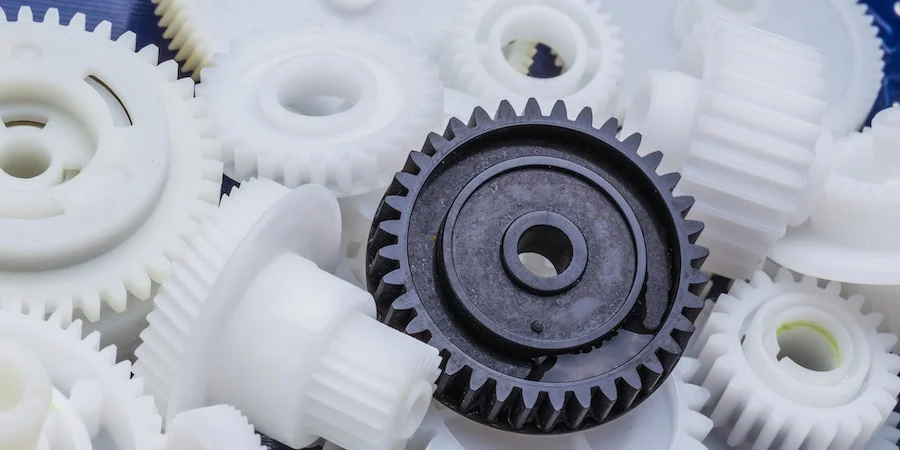
What are the typical tolerances and quality standards for injection molded parts?
When it comes to injection molded parts, the tolerances and quality standards can vary depending on several factors, including the specific application, industry requirements, and the capabilities of the injection molding process. Here are some general considerations regarding tolerances and quality standards:
Tolerances:
The tolerances for injection molded parts typically refer to the allowable deviation from the intended design dimensions. These tolerances are influenced by various factors, including the part geometry, material properties, mold design, and process capabilities. It’s important to note that achieving tighter tolerances often requires more precise tooling, tighter process control, and additional post-processing steps. Here are some common types of tolerances found in injection molding:
1. Dimensional Tolerances:
Dimensional tolerances define the acceptable range of variation for linear dimensions, such as length, width, height, and diameter. The specific tolerances depend on the part’s critical dimensions and functional requirements. Typical dimensional tolerances for injection molded parts can range from +/- 0.05 mm to +/- 0.5 mm or even tighter, depending on the complexity of the part and the process capabilities.
2. Geometric Tolerances:
Geometric tolerances specify the allowable variation in shape, form, and orientation of features on the part. These tolerances are often expressed using symbols and control the relationships between various geometric elements. Common geometric tolerances include flatness, straightness, circularity, concentricity, perpendicularity, and angularity. The specific geometric tolerances depend on the part’s design requirements and the manufacturing capabilities.
3. Surface Finish Tolerances:
Surface finish tolerances define the acceptable variation in the texture, roughness, and appearance of the part’s surfaces. The surface finish requirements are typically specified using roughness parameters, such as Ra (arithmetical average roughness) or Rz (maximum height of the roughness profile). The specific surface finish tolerances depend on the part’s aesthetic requirements, functional needs, and the material being used.
Quality Standards:
In addition to tolerances, injection molded parts are subject to various quality standards that ensure their performance, reliability, and consistency. These standards may be industry-specific or based on international standards organizations. Here are some commonly referenced quality standards for injection molded parts:
1. ISO 9001:
The ISO 9001 standard is a widely recognized quality management system that establishes criteria for the overall quality control and management of an organization. Injection molding companies often seek ISO 9001 certification to demonstrate their commitment to quality and adherence to standardized processes for design, production, and customer satisfaction.
2. ISO 13485:
ISO 13485 is a specific quality management system standard for medical devices. Injection molded parts used in the medical industry must adhere to this standard to ensure they meet the stringent quality requirements for safety, efficacy, and regulatory compliance.
3. Automotive Industry Standards:
The automotive industry has its own set of quality standards, such as ISO/TS 16949 (now IATF 16949), which focuses on the quality management system for automotive suppliers. These standards encompass requirements for product design, development, production, installation, and servicing, ensuring the quality and reliability of injection molded parts used in automobiles.
4. Industry-Specific Standards:
Various industries may have specific quality standards or guidelines that pertain to injection molded parts. For example, the aerospace industry may reference standards like AS9100, while the electronics industry may adhere to standards such as IPC-A-610 for acceptability of electronic assemblies.
It’s important to note that the specific tolerances and quality standards for injection molded parts can vary significantly depending on the application and industry requirements. Design engineers and manufacturers work together to define the appropriate tolerances and quality standards based on the functional requirements, cost considerations, and the capabilities of the injection molding process.
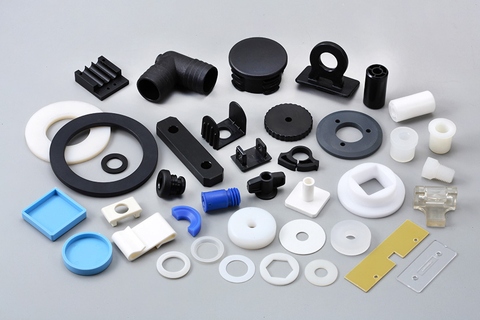
Can you describe the various post-molding processes, such as assembly or secondary operations, for injection molded parts?
Post-molding processes play a crucial role in the production of injection molded parts. These processes include assembly and secondary operations that are performed after the initial molding stage. Here’s a detailed explanation of the various post-molding processes for injection molded parts:
1. Assembly:
Assembly involves joining multiple injection molded parts together to create a finished product or sub-assembly. The assembly process can include various techniques such as mechanical fastening (screws, clips, or snaps), adhesive bonding, ultrasonic welding, heat staking, or solvent welding. Assembly ensures that the individual molded parts are securely combined to achieve the desired functionality and structural integrity of the final product.
2. Surface Finishing:
Surface finishing processes are performed to enhance the appearance, texture, and functionality of injection molded parts. Common surface finishing techniques include painting, printing (such as pad printing or screen printing), hot stamping, laser etching, or applying specialized coatings. These processes can add decorative features, branding elements, or improve the surface properties of the parts, such as scratch resistance or UV protection.
3. Machining or Trimming:
In some cases, injection molded parts may require additional machining or trimming to achieve the desired final dimensions or remove excess material. This can involve processes such as CNC milling, drilling, reaming, or turning. Machining or trimming is often necessary when tight tolerances, specific geometries, or critical functional features cannot be achieved solely through the injection molding process.
4. Welding or Joining:
Welding or joining processes are used to fuse or bond injection molded parts together. Common welding techniques for plastic parts include ultrasonic welding, hot plate welding, vibration welding, or laser welding. These processes create strong and reliable joints between the molded parts, ensuring structural integrity and functionality in the final product.
5. Insertion of Inserts:
Insertion involves placing metal or plastic inserts into the mold cavity before the injection molding process. These inserts can provide additional strength, reinforce threaded connections, or serve as mounting points for other components. Inserts can be placed manually or using automated equipment, and they become permanently embedded in the molded parts during the molding process.
6. Overmolding or Two-Shot Molding:
Overmolding or two-shot molding processes allow for the creation of injection molded parts with multiple layers or materials. In overmolding, a second material is molded over a pre-existing substrate, providing enhanced functionality, aesthetics, or grip. Two-shot molding involves injecting two different materials into different sections of the mold to create a single part with multiple colors or materials. These processes enable the integration of multiple materials or components into a single injection molded part.
7. Deflashing or Deburring:
Deflashing or deburring processes involve removing excess flash or burrs that may be present on the molded parts after the injection molding process. Flash refers to the excess material that extends beyond the parting line of the mold, while burrs are small protrusions or rough edges caused by the mold features. Deflashing or deburring ensures that the molded parts have smooth edges and surfaces, improving their appearance, functionality, and safety.
8. Inspection and Quality Control:
Inspection and quality control processes are performed to ensure that the injection molded parts meet the required specifications and quality standards. This can involve visual inspection, dimensional measurement, functional testing, or other specialized testing methods. Inspection and quality control processes help identify any defects, inconsistencies, or deviations that may require rework or rejection of the parts, ensuring that only high-quality parts are used in the final product or assembly.
9. Packaging and Labeling:
Once the post-molding processes are complete, the injection molded parts are typically packaged and labeled for storage, transportation, or distribution. Packaging can include individual part packaging, bulk packaging, or custom packaging based on specific requirements. Labeling may involve adding product identification, barcodes, or instructions for proper handling or usage.
These post-molding processes are vital in achieving the desired functionality, appearance, and quality of injection molded parts. They enable the integration of multiple components, surface finishing, dimensional accuracy, and assembly of the final products or sub-assemblies.
लागत और दक्षता के संदर्भ में इंजेक्शन मोल्डिंग द्वारा निर्मित पुर्जे अन्य विनिर्माण विधियों की तुलना में कैसे हैं?
लागत और दक्षता के मामले में, इंजेक्शन मोल्डिंग द्वारा निर्मित पुर्जों के अन्य विनिर्माण विधियों की तुलना में स्पष्ट लाभ हैं। इंजेक्शन मोल्डिंग प्रक्रिया उच्च दक्षता और लागत-प्रभावशीलता प्रदान करती है, विशेष रूप से बड़े पैमाने पर उत्पादन के लिए। इंजेक्शन मोल्डिंग द्वारा निर्मित पुर्जों की अन्य विनिर्माण विधियों से तुलना का विस्तृत विवरण यहाँ दिया गया है:
लागत तुलना:
कई कारणों से इंजेक्शन मोल्डिंग अन्य विनिर्माण विधियों की तुलना में लागत प्रभावी हो सकती है:
1. औजारों की लागत:
इंजेक्शन मोल्डिंग में मोल्ड बनाने के लिए शुरुआती निवेश की आवश्यकता होती है, जो महंगा हो सकता है। हालांकि, एक बार मोल्ड बन जाने के बाद, उनका उपयोग बड़ी संख्या में पुर्जों के उत्पादन के लिए बार-बार किया जा सकता है, जिसके परिणामस्वरूप प्रति यूनिट लागत कम हो जाती है। टूलिंग की लागत में समय के साथ होने वाले बदलाव के कारण, इंजेक्शन मोल्डिंग बड़े पैमाने पर उत्पादन के लिए अधिक लागत प्रभावी साबित होती है।
2. सामग्री दक्षता:
इंजेक्शन मोल्डिंग सामग्री के उपयोग के मामले में अत्यधिक कुशल है। यह प्रक्रिया मोल्ड में डाली जाने वाली सामग्री की मात्रा पर सटीक नियंत्रण की अनुमति देती है, जिससे बर्बादी कम से कम होती है। इसके अलावा, मोल्डिंग प्रक्रिया से प्राप्त अतिरिक्त सामग्री को पुनर्चक्रित और पुनः उपयोग किया जा सकता है, जिससे उन विधियों की तुलना में सामग्री की लागत और भी कम हो जाती है जिनमें अधिक मात्रा में अपशिष्ट उत्पन्न होता है।
3. श्रम लागत:
इंजेक्शन मोल्डिंग एक अत्यधिक स्वचालित प्रक्रिया है, जिसमें अन्य विनिर्माण विधियों की तुलना में न्यूनतम श्रम की आवश्यकता होती है। मोल्ड तैयार हो जाने और प्रक्रिया मापदंड निर्धारित हो जाने के बाद, इंजेक्शन मोल्डिंग मशीन निरंतर चलती रहती है और न्यूनतम मानवीय हस्तक्षेप के साथ पुर्जे बनाती है। यह स्वचालन श्रम लागत को कम करता है और समग्र दक्षता को बढ़ाता है।
दक्षता तुलना:
इंजेक्शन मोल्डिंग द्वारा निर्मित पुर्जे दक्षता के मामले में कई लाभ प्रदान करते हैं:
1. तीव्र उत्पादन चक्र:
इंजेक्शन मोल्डिंग एक तीव्र विनिर्माण प्रक्रिया है, जो अपेक्षाकृत कम समय में पुर्जे तैयार करने में सक्षम है। यह समय पुर्जे की जटिलता, सामग्री के गुणधर्म और शीतलन समय जैसे कारकों पर निर्भर करता है। हालांकि, मशीनिंग या ढलाई जैसी अन्य विधियों की तुलना में, इंजेक्शन मोल्डिंग प्रत्येक चक्र में एक साथ कई पुर्जे बना सकती है, जिसके परिणामस्वरूप उत्पादन दर अधिक होती है और दक्षता में सुधार होता है।
2. उच्च परिशुद्धता और एकरूपता:
इंजेक्शन मोल्डिंग से उच्च परिशुद्धता और एकरूपता वाले पुर्जों का उत्पादन संभव होता है। इंजेक्शन मोल्डिंग में उपयोग किए जाने वाले मोल्ड सटीक और दोहराव योग्य आयामी नियंत्रण प्रदान करने के लिए डिज़ाइन किए गए हैं। यह परिशुद्धता सुनिश्चित करती है कि प्रत्येक पुर्जा आवश्यक विशिष्टताओं को पूरा करे, जिससे अतिरिक्त मशीनिंग या पोस्ट-प्रोसेसिंग कार्यों की आवश्यकता कम हो जाती है। सटीक पुर्जों का निरंतर उत्पादन करने की क्षमता दक्षता बढ़ाती है और पुनः कार्य या अस्वीकृत पुर्जों से जुड़े समय और लागत को कम करती है।
3. स्केलेबिलिटी:
इंजेक्शन मोल्डिंग अत्यधिक स्केलेबल है, जो इसे कम और अधिक मात्रा दोनों तरह के उत्पादन के लिए उपयुक्त बनाती है। मोल्ड तैयार हो जाने के बाद, इंजेक्शन मोल्डिंग प्रक्रिया को आसानी से दोहराया जा सकता है, जिससे एक जैसे पुर्जों का कुशल उत्पादन संभव हो पाता है। उत्पादन को तेजी से और कुशलतापूर्वक बढ़ाने की क्षमता के कारण, इंजेक्शन मोल्डिंग बदलती बाजार मांगों को पूरा करने के लिए एक पसंदीदा विधि बन गई है।
4. डिजाइन की जटिलता:
इंजेक्शन मोल्डिंग जटिल ज्यामिति और बारीक विवरण वाले पुर्जों के उत्पादन में सहायक होती है। मोल्ड को अंडरकट, पतली दीवारों और जटिल आकृतियों के अनुरूप डिज़ाइन किया जा सकता है, जो अन्य निर्माण विधियों से चुनौतीपूर्ण या खर्चीले हो सकते हैं। डिज़ाइन में यह लचीलापन कई घटकों को एक ही पुर्जे में एकीकृत करने की अनुमति देता है, जिससे असेंबली की आवश्यकताएं और विफलता की संभावना कम हो जाती है। जटिल डिज़ाइनों को कुशलतापूर्वक बनाने की क्षमता समग्र दक्षता और कार्यक्षमता को बढ़ाती है।
5. सामग्री की बहुमुखी प्रतिभा:
इंजेक्शन मोल्डिंग विभिन्न प्रकार के थर्मोप्लास्टिक पदार्थों को सपोर्ट करती है, जिससे अंतिम उत्पाद के वांछित गुणों के आधार पर सामग्री चयन में विविधता मिलती है। मजबूती, लचीलापन, ताप प्रतिरोध, रासायनिक प्रतिरोध या पारदर्शिता जैसी विशिष्ट विशेषताओं को प्राप्त करने के लिए विभिन्न सामग्रियों का चयन किया जा सकता है। सामग्री की यह विविधता उत्पाद के प्रदर्शन को कुशलतापूर्वक अनुकूलित और बेहतर बनाने में सहायक होती है।
संक्षेप में, इंजेक्शन मोल्डिंग द्वारा निर्मित पुर्जे कई अन्य विनिर्माण विधियों की तुलना में लागत-प्रभावी और अधिक कुशल होते हैं। प्रारंभिक टूलिंग लागत कम प्रति इकाई लागत पर बड़ी संख्या में पुर्जे बनाने की क्षमता से संतुलित हो जाती है। सामग्री की दक्षता, श्रम स्वचालन, तीव्र उत्पादन चक्र, उच्च परिशुद्धता, विस्तारशीलता, डिज़ाइन की जटिलता और सामग्री की विविधता इंजेक्शन मोल्डिंग की समग्र लागत-प्रभावशीलता और दक्षता में योगदान करती हैं। ये लाभ इंजेक्शन मोल्डिंग को विभिन्न उद्योगों के लिए एक पसंदीदा विकल्प बनाते हैं जो उच्च गुणवत्ता वाले पुर्जों का कुशलतापूर्वक और किफायती रूप से उत्पादन करना चाहते हैं।
<img src="https://img.hzpt.com/img/Injectionmoldedparts/Injectionmoldedparts-L1.webp" alt="China Professional Injection Molded Plastic Part in Customized Size for Manufacturing Requirements “><img src="https://img.hzpt.com/img/Injectionmoldedparts/Injectionmoldedparts-L2.webp" alt="China Professional Injection Molded Plastic Part in Customized Size for Manufacturing Requirements “>
editor by Dream 2024-10-25