شرکت کاستور پلاستیک اور-پاور کره · ساندان-رو | دانوون-گو | آنسان-سی | گیونگی-دو | کره[email protected]
درخواست قیمت

Product Catalogue

Industrial Plastic Wheels & Support Assemblies

Browse plastic wheel, jockey-wheel, guide-wheel, brakeable and twin-wheel families through buyer-focused selection routes.

Browse by product family

The catalogue is organized by function and material so buyers can reach the relevant technical questions before comparing individual products. Current entries include nylon and polypropylene wheels, trailer guide/jockey wheels, brakeable support assemblies and twin-wheel arrangements.

For replacements, begin with measurements; for new designs, begin with load, floor/ground and mounting envelope.

چرخ‌های پلاستیکی

چرخ‌های پلاستیکی

خانواده‌های چرخ‌های هرزگرد برای پروژه‌های جابجایی مواد، تجهیزات و جایگزینی.

خانواده را کاوش کنید →
چرخ‌های نایلونی

چرخ‌های نایلونی

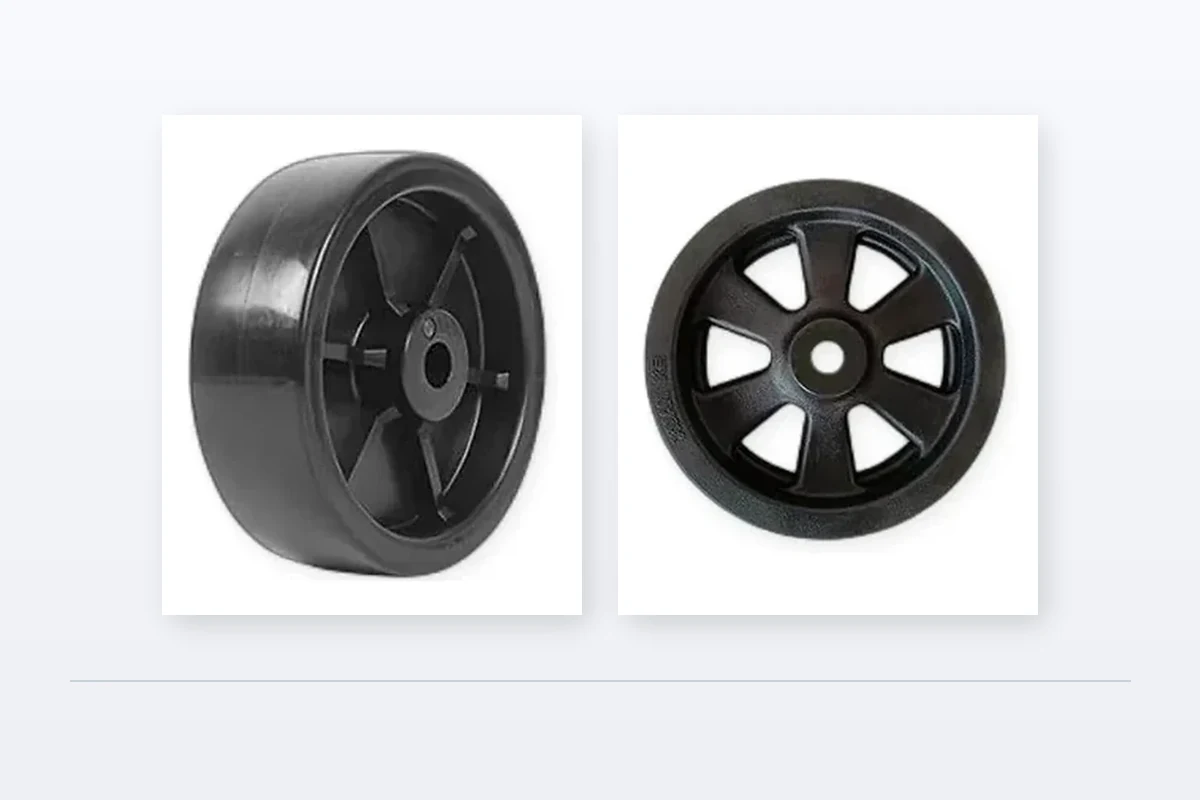
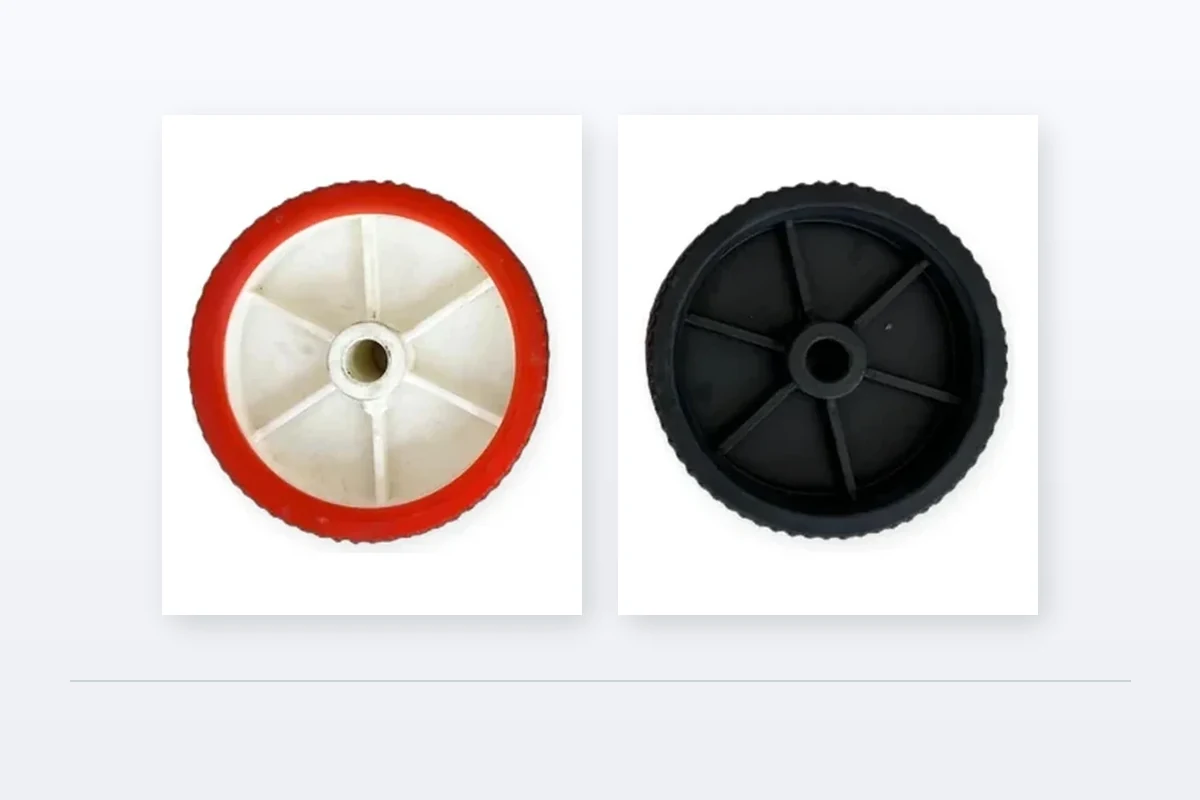
چرخ‌های ترموپلاستیک سخت که با پیکربندی‌های چرخ نایلونی فعلی نشان داده شده‌اند.

خانواده را کاوش کنید →
چرخ‌های پلی‌پروپیلن

چرخ‌های پلی‌پروپیلن

پیکربندی چرخ‌های PP برای پروژه‌های جابجایی و جایگزینی تجهیزات.

خانواده را کاوش کنید →
چرخ‌های راهنما

چرخ‌های راهنما

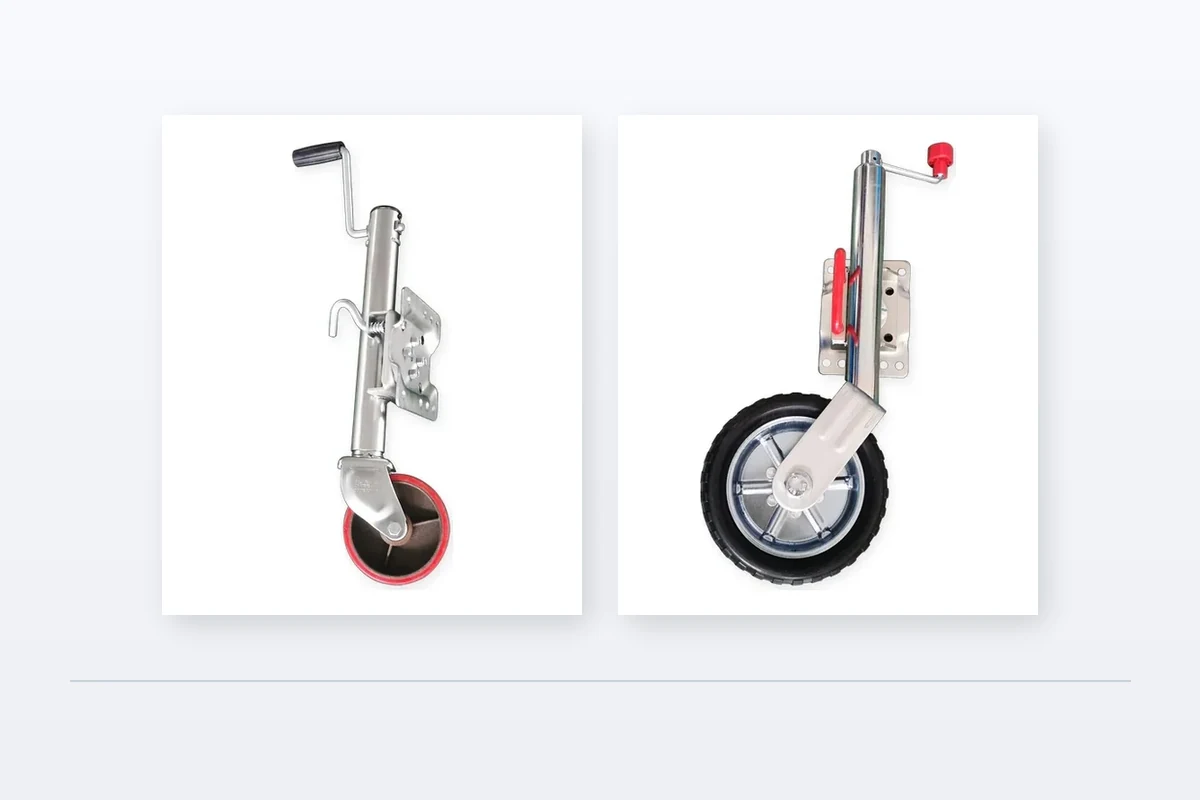
مجموعه‌های چرخ راهنما برای موقعیت‌های پشتیبانی تریلر و تجهیزات متحرک.

خانواده را کاوش کنید →
چرخ‌های جوکی

چرخ‌های جوکی

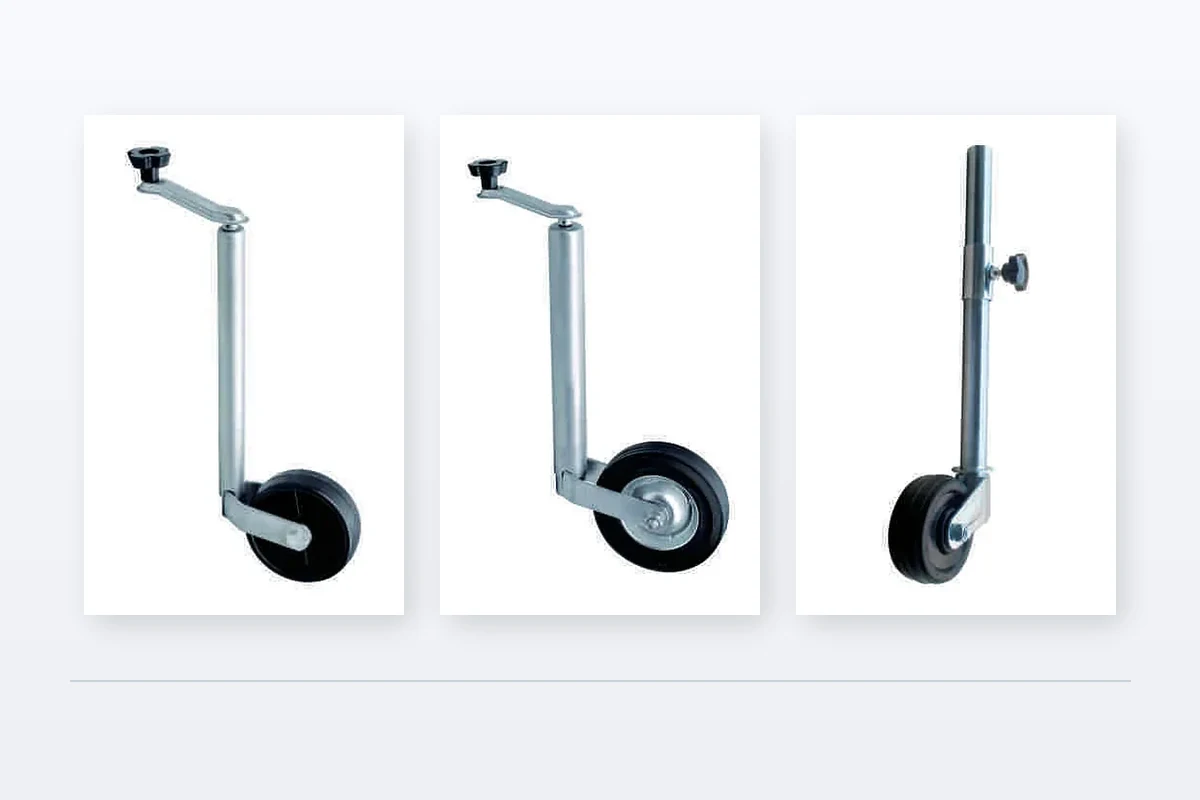
مجموعه‌های جکی تک چرخ، ترمزدار و جفت چرخ برای جابجایی تریلر.

خانواده را کاوش کنید →
چرخ‌های پلاستیکی ترمزدار

چرخ‌های پلاستیکی ترمزدار

چرخ‌های نگهدارنده از جنس نایلون و PP با قابلیت ترمزگیری.

خانواده را کاوش کنید →
چرخ‌های پلاستیکی دوقلو

چرخ‌های پلاستیکی دوقلو

چیدمان‌های تکیه‌گاه دو چرخ برای جک جک و کاربردهای جایگزین.

خانواده را کاوش کنید →
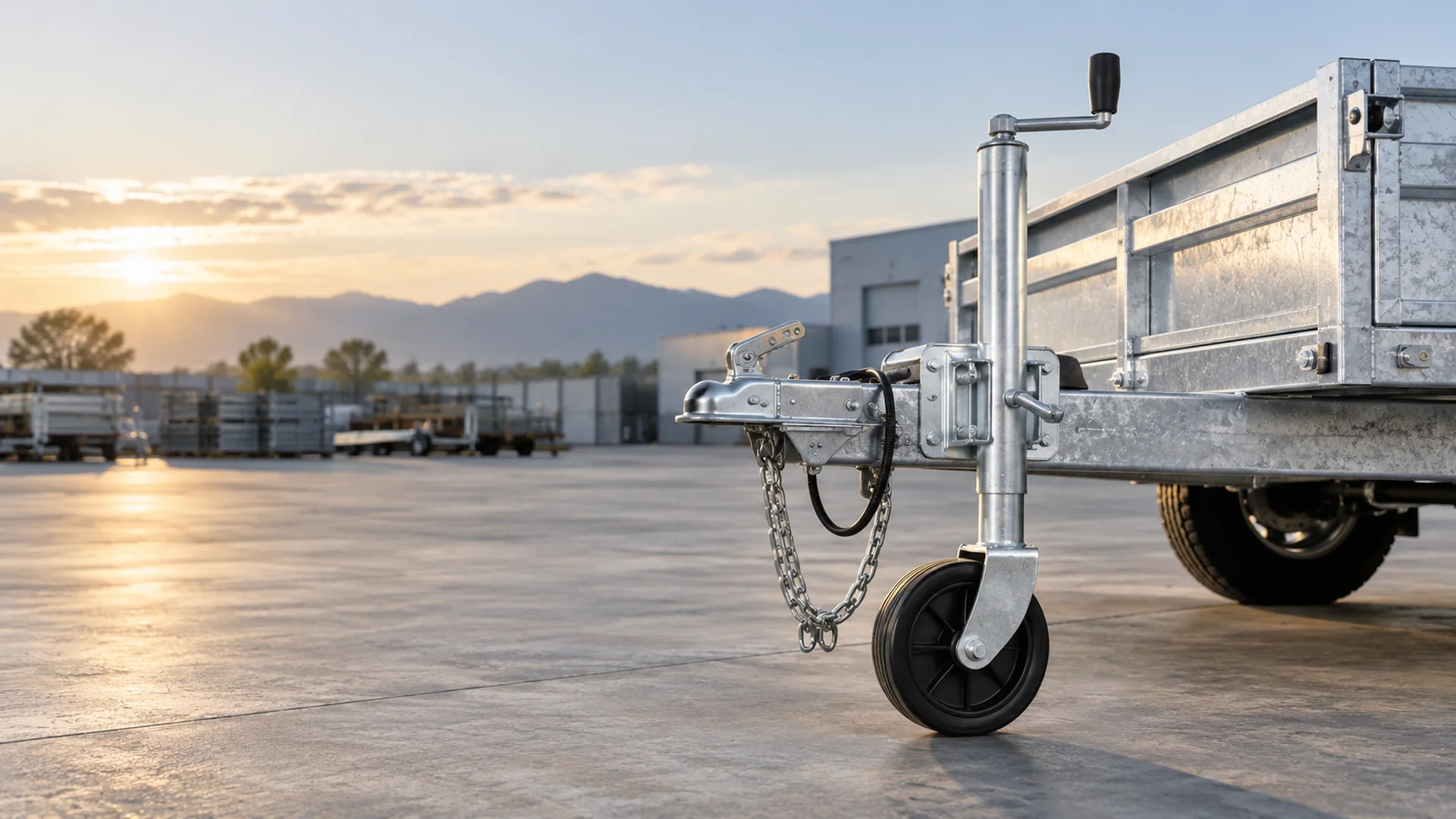
چرخ‌های نگهدارنده تریلر

چرخ‌های نگهدارنده تریلر

پیکربندی‌های چرخ‌های نگهدارنده بر اساس رابط، زمین و شرایط کاری انتخاب می‌شوند.

خانواده را کاوش کنید →

توالی انتخاب

For an industrial buyer, industrial plastic wheels is not a label to choose in isolation. The useful question is how it behaves inside the complete wheel, mounting and duty-cycle decision.

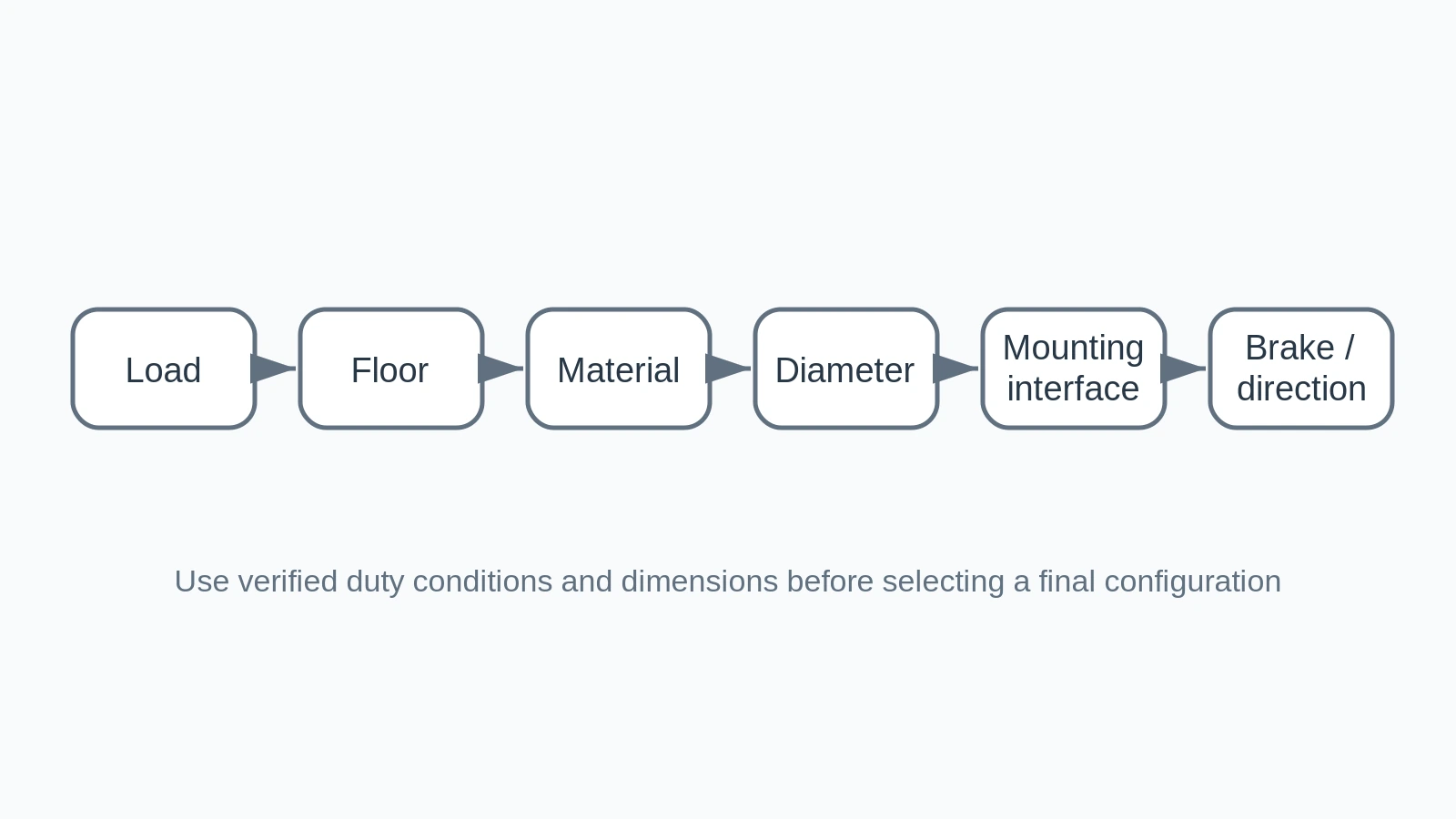
For material handling, equipment bases and trailer support, begin by confirming load, floor and fit-controlling dimensions. This is usually more useful than comparing nominal product names because two visually similar wheels can behave differently once mounting, floor condition and real load distribution are considered.

This also prevents a frequent sourcing error: choosing from appearance alone. A family name alone does not establish axle, bracket or load compatibility. Record load, wheel size, interface, environment, quantity and drawing/photo in the enquiry so the commercial discussion starts from a technically meaningful baseline.

Product selection sequence

Compare current products

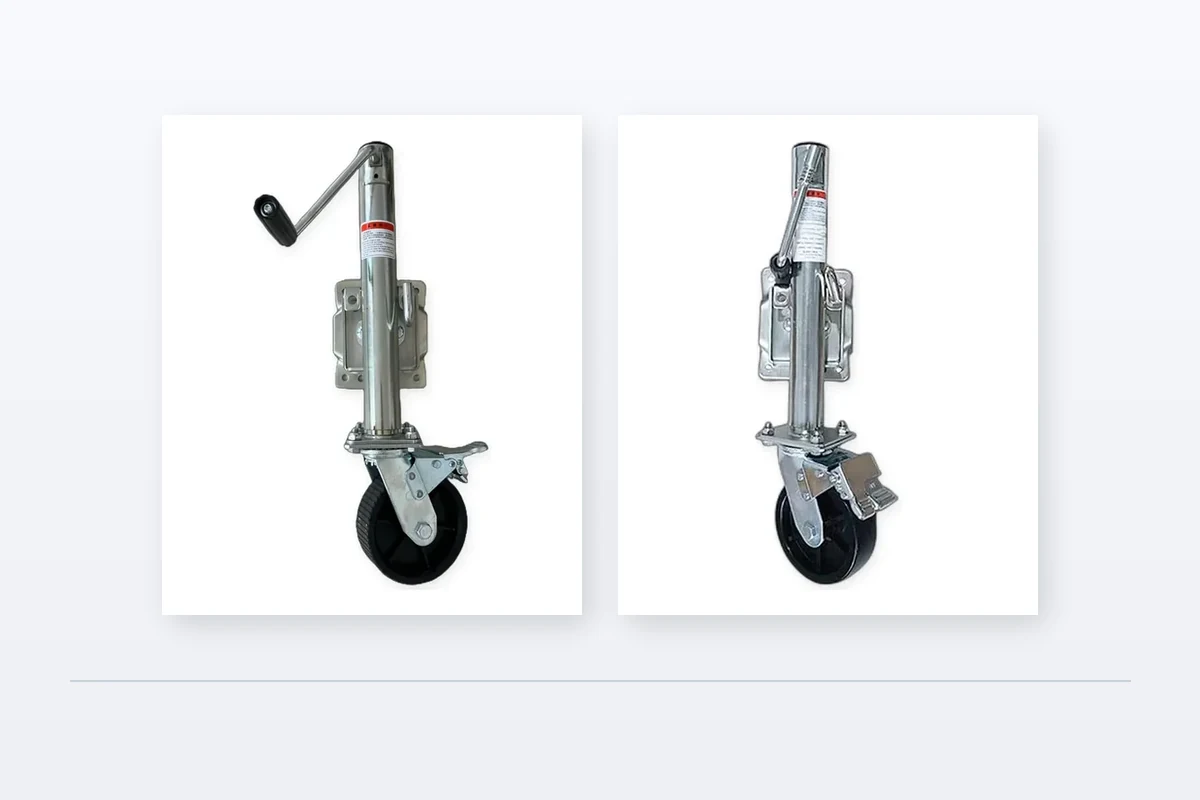
چرخ سوارکاری پی وی سی 1bjy 326 6 اینچی
چرخ‌های سوارکاری

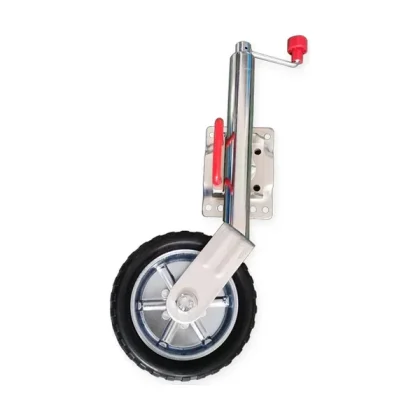
چرخ جوکی PVC 1BJY-326 6 اینچی

مدل1BJY-326چرخپی وی سی ۶ اینچی

چرخ جاکی PVC مدل 1BJY-326، سایز 6 اینچ، مناسب برای تجهیزات B2B یا پروژه‌های پشتیبانی تریلر. رابط کنترل تناسب، وظیفه ... را مشخص کنید.

مشاهده پیکربندی →
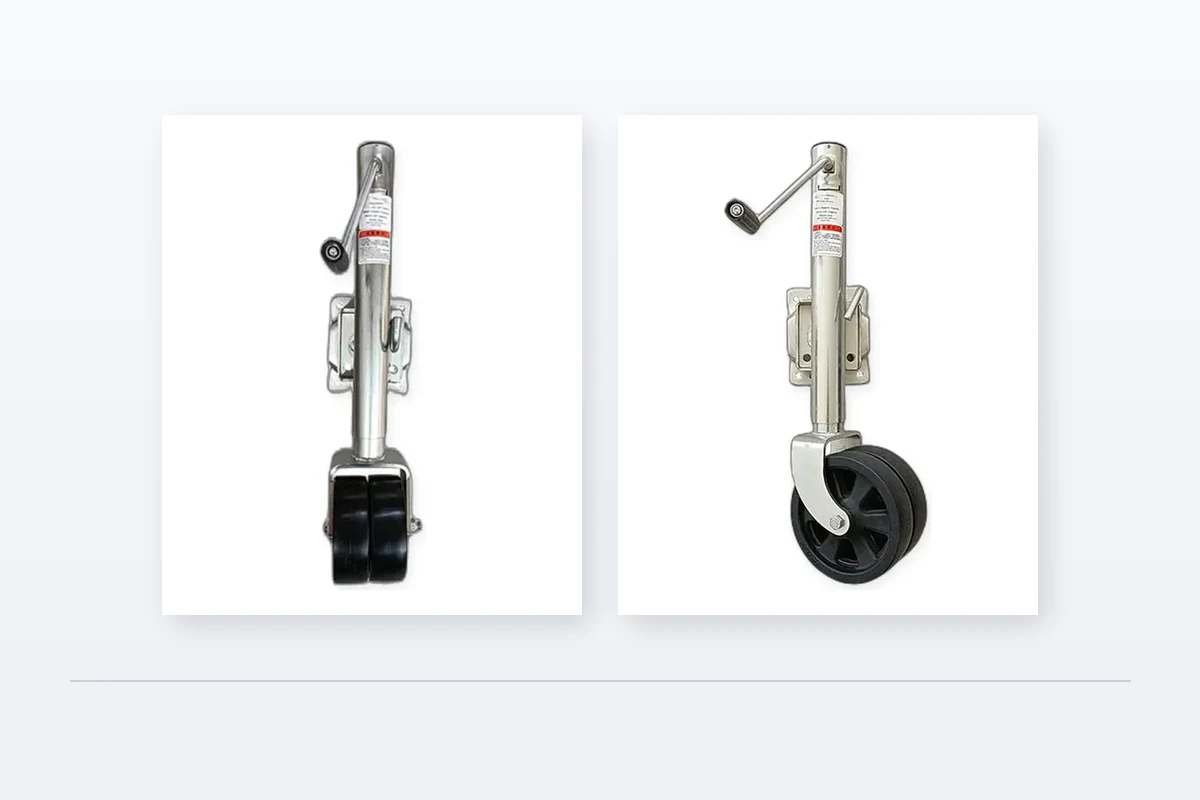
چرخ تک جک 1bjy jw 01
چرخ‌های سوارکاری

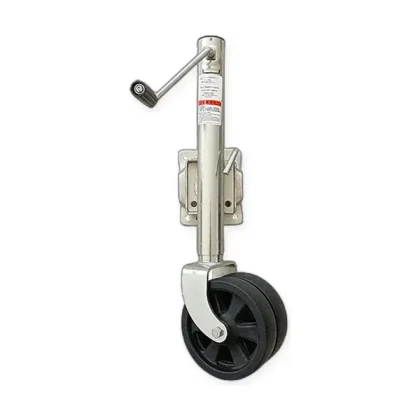
چرخ جایگزین تک جک 1BJY-JW-01

مدل1BJY-JW-01پیکربندیچرخ جک تکی قابل تعویض

چرخ جایگزین تک جک 1BJY-JW-01 برای تجهیزات B2B یا پروژه‌های پشتیبانی تریلر. رابط کنترل تناسب، وظیفه و ... را مشخص کنید.

مشاهده پیکربندی →
چرخ دوتایی جایگزین 1bjy jw 04
چرخ‌های سوارکاری

چرخ جایگزین دو جک 1BJY-JW-04

مدل1BJY-JW-04پیکربندیچرخ جک دوتایی جایگزین

چرخ جایگزین جک دوبل 1BJY-JW-04 برای تجهیزات B2B یا پروژه‌های پشتیبانی تریلر. رابط کنترل تناسب، وظیفه و ... را مشخص کنید.

مشاهده پیکربندی →
بررسی انتخاب

Compare Industrial Plastic Wheels & Support Assemblies on the same fit and duty assumptions

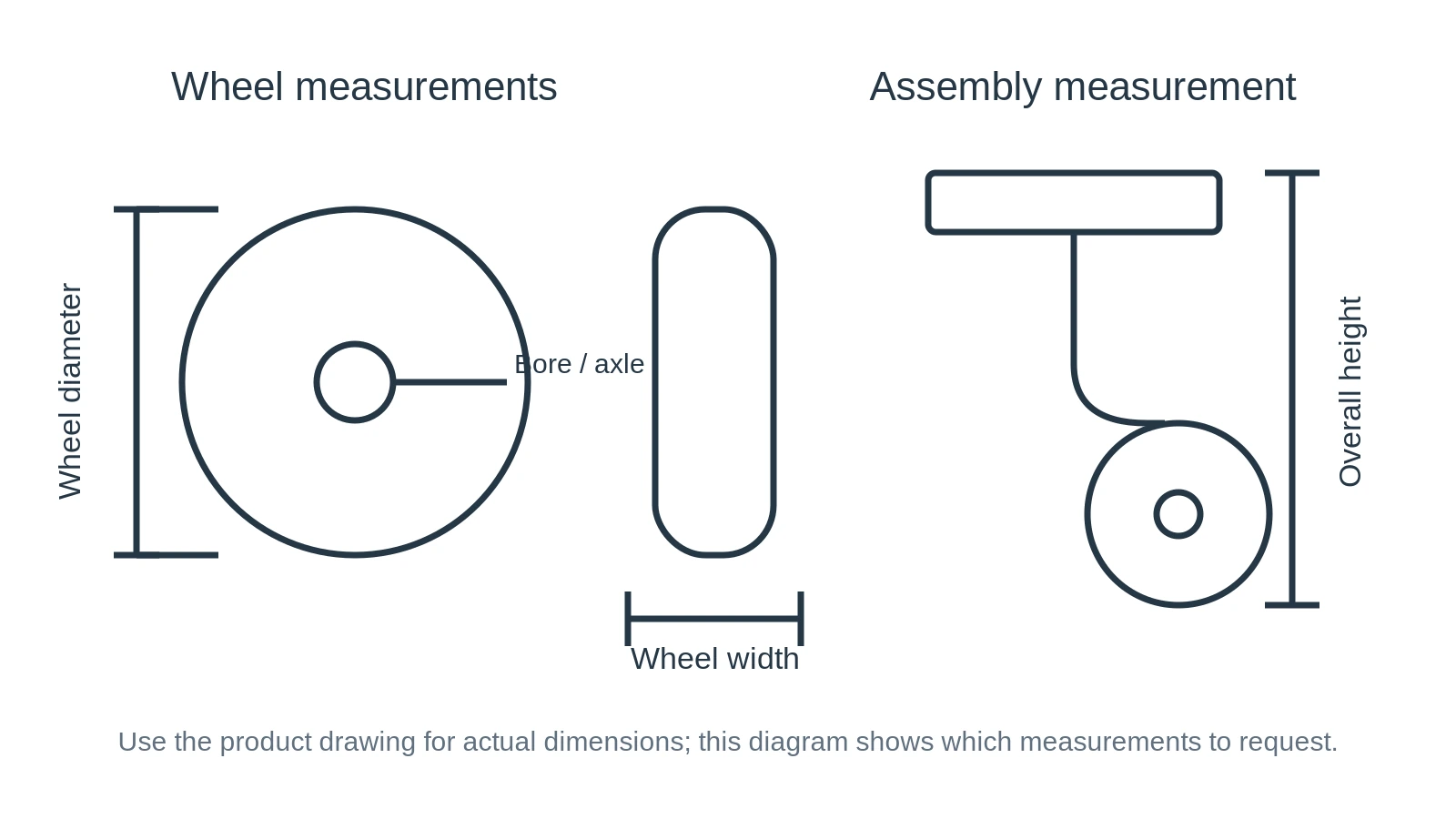
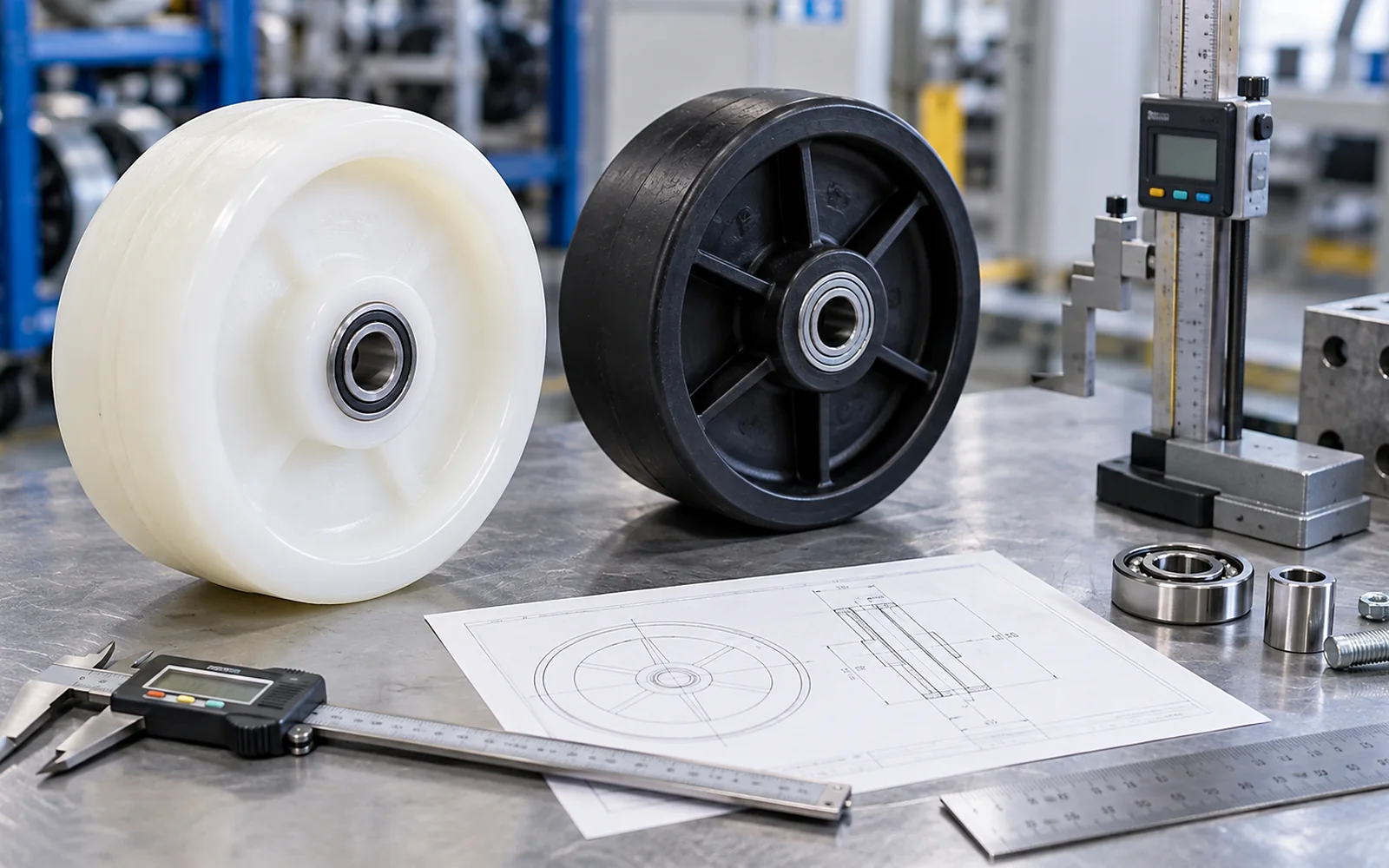
Shortlisting this family is most reliable when every candidate is compared against the same application description. Record wheel diameter, width, material, bore or bearing arrangement, hub length and real load per supporting point before comparing catalogue names or photographs. This keeps the decision tied to the equipment rather than to one attractive feature. On Industrial Plastic Wheels & Support Assemblies, use this point to narrow the family-level choice before treating any individual configuration as a fit for the equipment.

For replacement work, add floor condition, joints or thresholds, axle retention and the amount of side clearance available inside the bracket or frame. Where an existing part is worn, bent or repaired, identify the dimensions that may no longer represent the intended geometry. A measured drawing or dimensioned photograph is more useful than treating visible wear as the design target. On Industrial Plastic Wheels & Support Assemblies, use this point to narrow the family-level choice before treating any individual configuration as a fit for the equipment.

When several configurations are being compared, keep required values and optional preferences in separate columns. If a fit-controlling number is not available, leave it as a confirmation item in the RFQ instead of borrowing a value from another size or series. On Industrial Plastic Wheels & Support Assemblies, use this point to narrow the family-level choice before treating any individual configuration as a fit for the equipment.

Use the Industrial Plastic Wheels & Support Assemblies page to narrow material and geometry before comparing individual configurations. For wheel-only items, the final selection still depends on the equipment-side axle or bearing interface, hub space and the floor route. Compare candidates at the same carried load and with the same assumptions about joints, ramps, debris and manoeuvring. If a material property, bearing arrangement or load rating is not shown for a particular configuration, keep it as an RFQ confirmation point rather than treating the family description as a specification for every wheel in the range.

The product hub intentionally keeps loose wheels, guide wheels and jockey or support assemblies distinct because they solve different interface problems. Start from the component type that matches the equipment, then use the family page to compare dimensions, material and operating context. This avoids treating a wheel-only replacement as interchangeable with a complete castor or jack assembly. Where a current configuration does not show the fit-controlling value you need, include that value in the enquiry so it can be confirmed before the product is shortlisted.

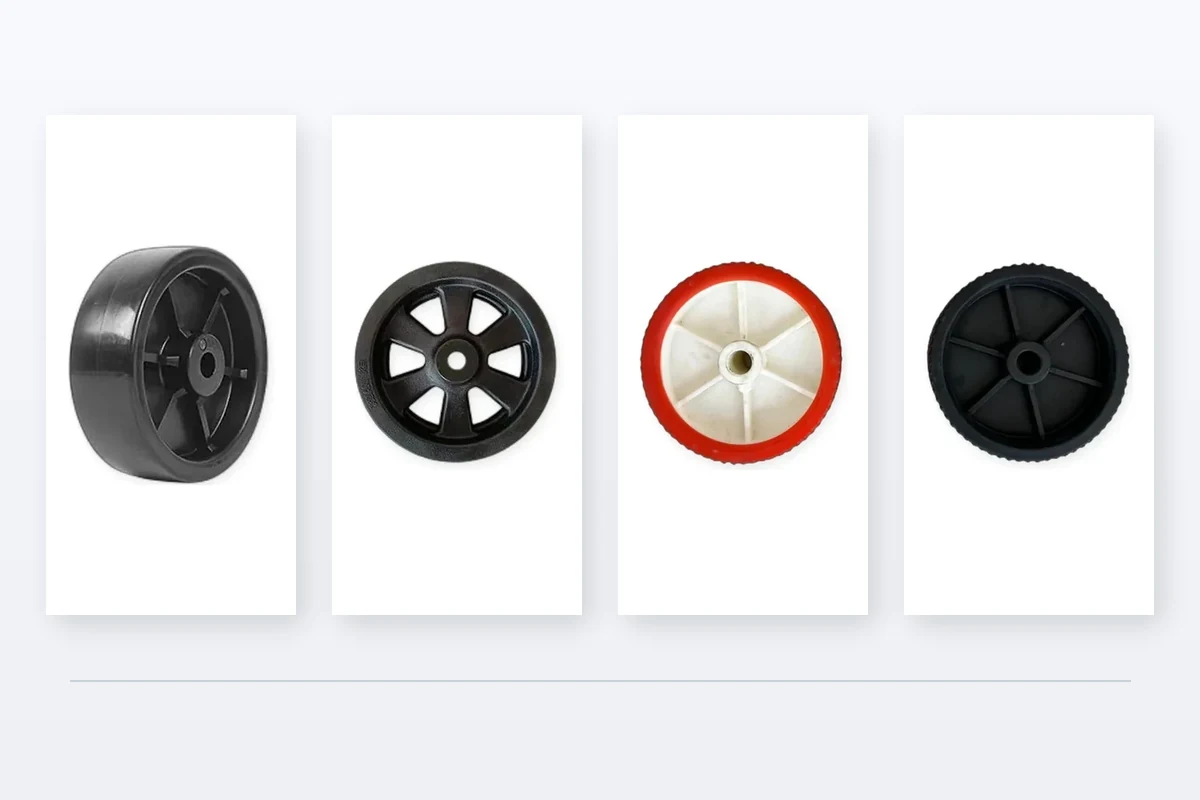
Industrial Plastic Wheels & Support Assemblies selection reference

Before you select a model

  • Define maximum equipment and payload mass.
  • Identify how many wheels actually support the frame.
  • Describe floor/ground, joints and obstacles.
  • Measure wheel and mounting interface.
  • State brake, folding or steering requirement.
  • Keep model-specific quantities separate.

استفاده از راهنمای انتخاب, صفحات برنامه, or the RFQ checklist.

Wheel measurement guide

Product questions

Do you sell only complete castors?

No. The current site includes loose plastic wheels and trailer support/jockey assemblies as well as castor interface guidance.

Can I order by wheel colour?

No. Colour is not a reliable material specification.

Are all dimensions shown on each product?

Only current configuration dimensions are shown. Missing fit-critical values must be confirmed.

Can mixed models be combined?

Mixed-model B2B orders can be reviewed; keep each model and quantity separate.

Application Match

Use the application to eliminate unsuitable configurations

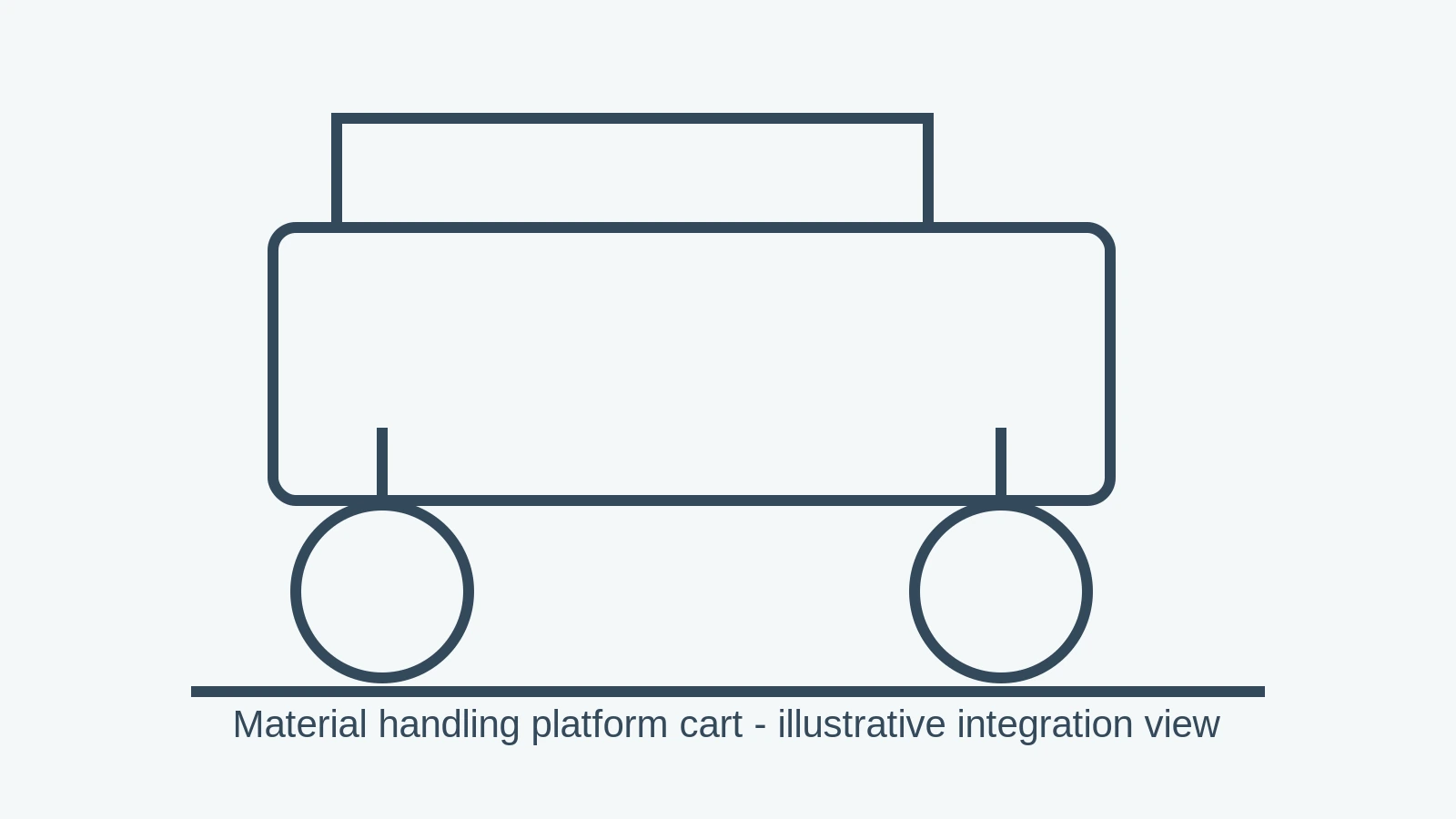
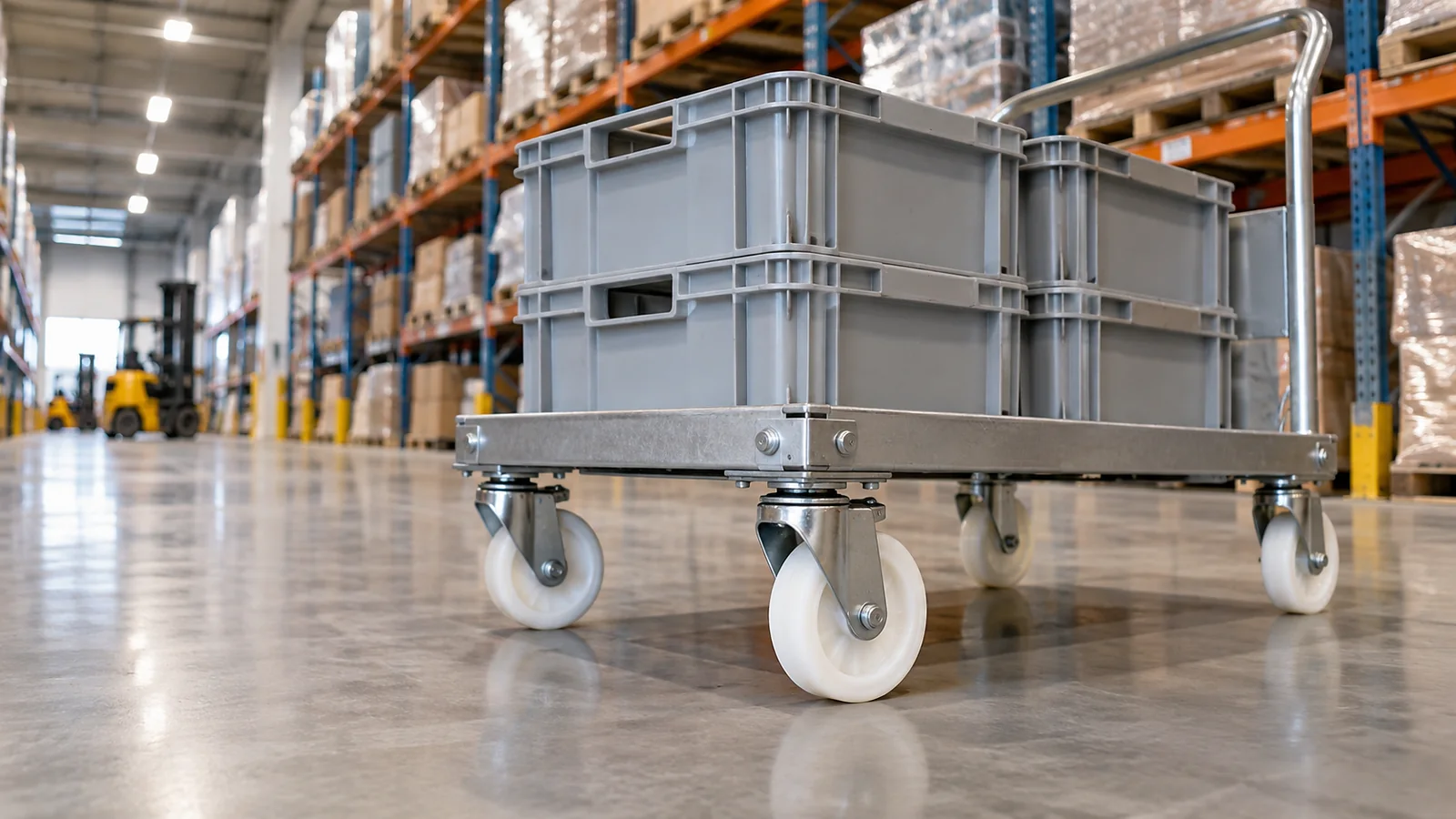
A material-handling cart, machine base and trailer jockey wheel create different requirements even when their wheel diameters overlap. Indoor carts may place emphasis on repeated travel, steering and thresholds; equipment bases may be constrained by installed height and service access; trailer support assemblies must also fit the drawbar or clamp and operate on the expected outdoor surface.

Use the application pages as a second filter after product family. The goal is not to multiply catalogue pages, but to connect each configuration with the operating variables that a buyer should confirm before requesting a quotation.

Use the application to eliminate unsuitable configurations
Shortlisting

Build a shortlist from fit-controlling variables

A useful product shortlist begins with dimensions and duty rather than appearance. For loose wheels, record diameter, width, bore or bearing arrangement and hub length. For complete support assemblies, add tube, clamp or bracket geometry, closed height, travel, brake requirement and clearance. Then place those dimensions beside the actual load, floor or ground condition and movement pattern.

This method makes similar-looking products easier to compare and exposes missing information early. If a parameter is not listed for a product, include it as an RFQ question instead of assuming that a value from another size or family carries across.

Build a shortlist from fit-controlling variables

Start with the product family, finish with the dimensions

درخواست، تعداد و ابعادی را که از قبل می‌دانید ارسال کنید. جزئیات مهم و ضروری برای تناسب را می‌توان قبل از ارائه قیمت بررسی کرد.

درخواست قیمت