
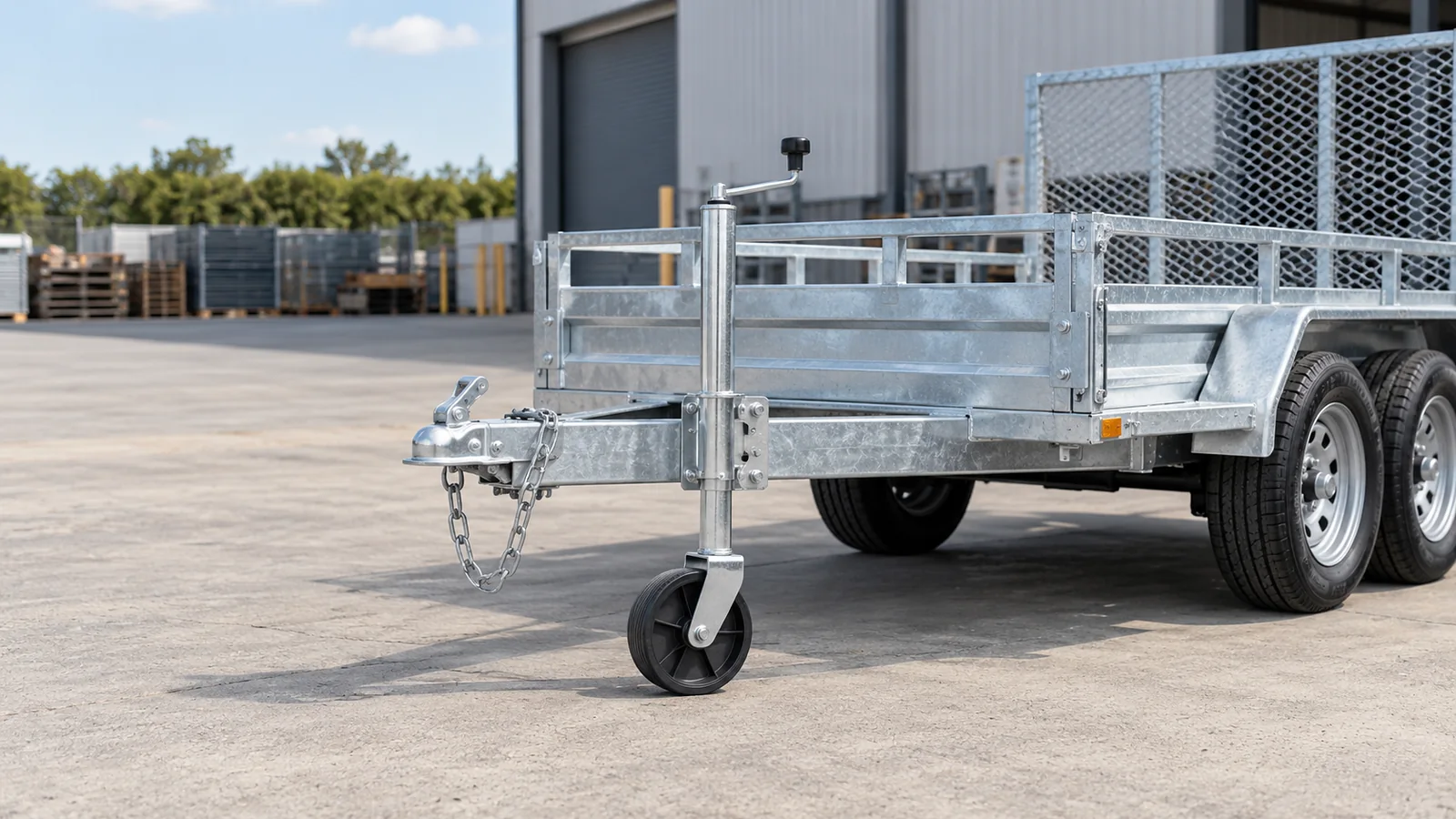
Roda Penyangga 6 Inci vs 8 Inci untuk Permukaan Tanah yang Padat dan Tidak Rata
Panduan praktis bagi pembeli mengenai jarak roda penopang 6 inci vs 8 inci, yang berfokus pada kondisi operasional yang terukur dan keputusan yang siap untuk pengajuan penawaran (RFQ).
Why this question matters — 6 Inch vs 8 Inch
Bagi pembeli industri, memilih ukuran roda penopang 6 inci atau 8 inci bukanlah sekadar label yang perlu dipertimbangkan secara terpisah. Pertanyaan yang lebih penting adalah bagaimana performanya di dalam roda secara keseluruhan, termasuk pemasangan dan siklus kerja.
For trailer drawbars, parked trailers and short-distance manual manoeuvring, begin by confirming drawbar/support load, ground surface, wheel diameter/width, tube or clamp fit, travel and stowed clearance. This is usually more useful than comparing nominal product names because two visually similar wheels can behave differently once mounting, floor condition and real load distribution are considered. For the 6 Inch vs 8 Inch Jockey Wheels decision, keep this observation with the dimensions and duty notes rather than treating it as a stand-alone rule.
This also prevents a frequent sourcing error: choosing from appearance alone. A wheel may roll well but the jack can still be wrong for clamp diameter, retracted height or folding envelope. Record vertical load at support point, ground condition, wheel size, tube/clamp dimensions, travel and quantity in the enquiry so the commercial discussion starts from a technically meaningful baseline. For the 6 Inch vs 8 Inch Jockey Wheels decision, keep this observation with the dimensions and duty notes rather than treating it as a stand-alone rule.
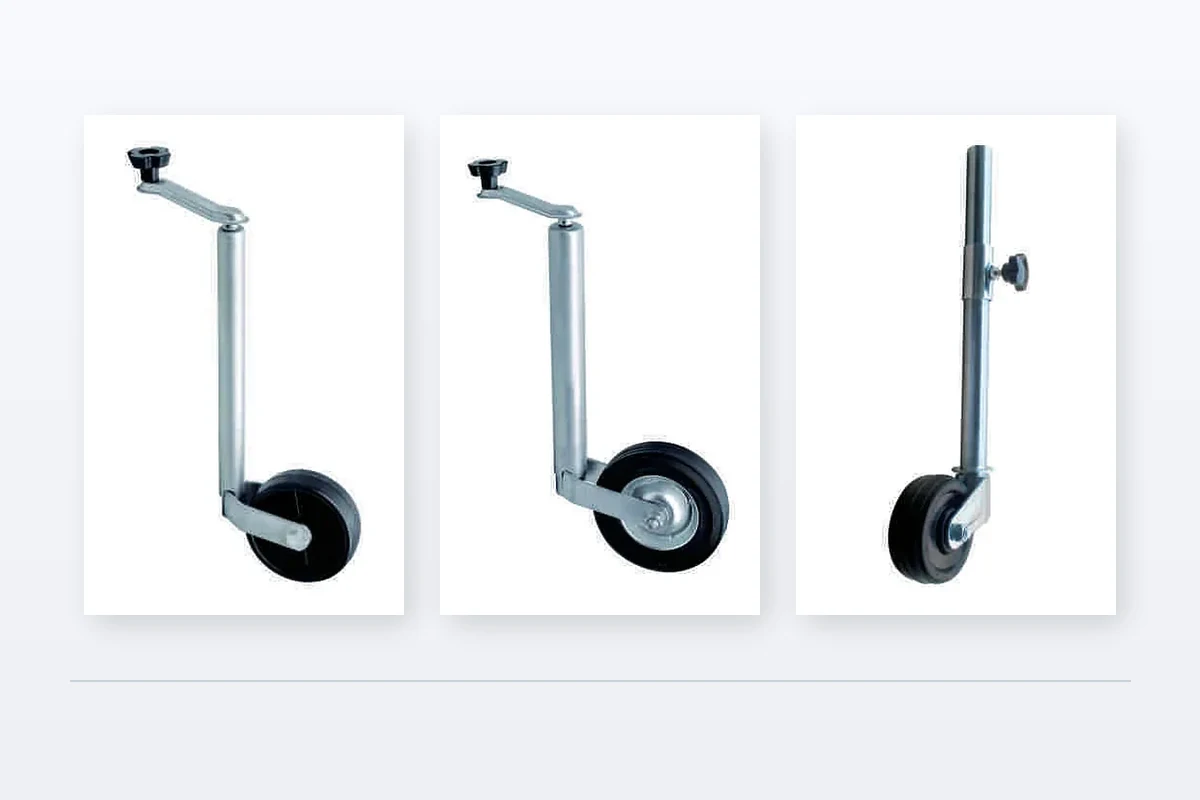
Define the operating condition first — 6 Inch vs 8 Inch
Sebelum membandingkan produk, tuliskan tugas peralatan dalam satu kalimat: apa yang harus dipindahkan, beban apa yang dibawanya, ke mana ia bergerak, dan seberapa sering ia diposisikan ulang. Deskripsi tersebut memberikan konteks untuk perbandingan roda penopang 6 inci dan 8 inci tanpa mengubah satu parameter menjadi aturan universal.
For trailer drawbars, parked trailers and short-distance manual manoeuvring, the first review should cover drawbar/support load, ground surface, wheel diameter/width, tube or clamp fit, travel and stowed clearance. If a value is not known, mark it for measurement rather than substituting a typical number. The purpose of the RFQ is to close gaps, not hide them. For the 6 Inch vs 8 Inch Jockey Wheels decision, keep this observation with the dimensions and duty notes rather than treating it as a stand-alone rule.
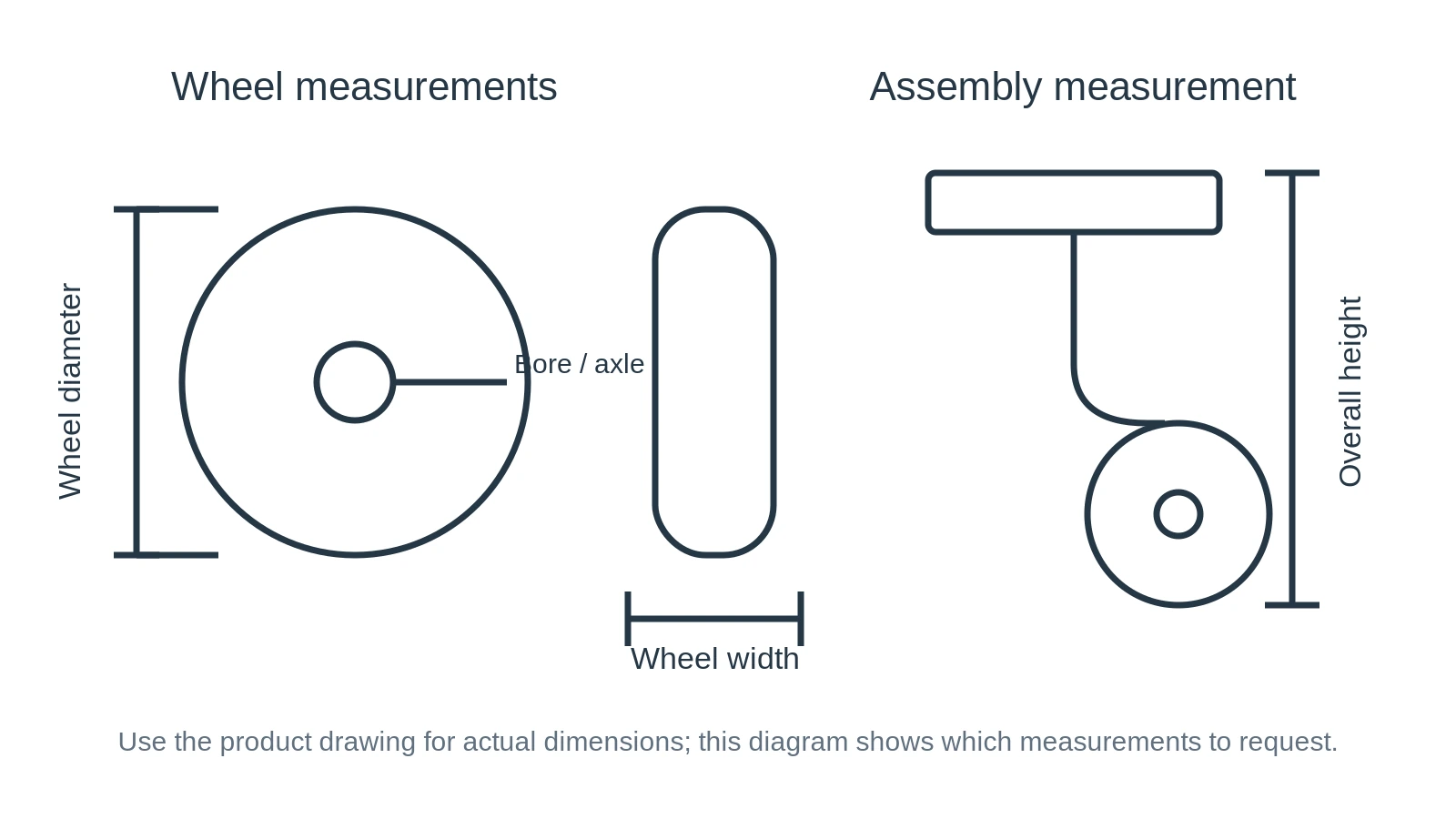
Measurements that prevent false matches — 6 Inch vs 8 Inch
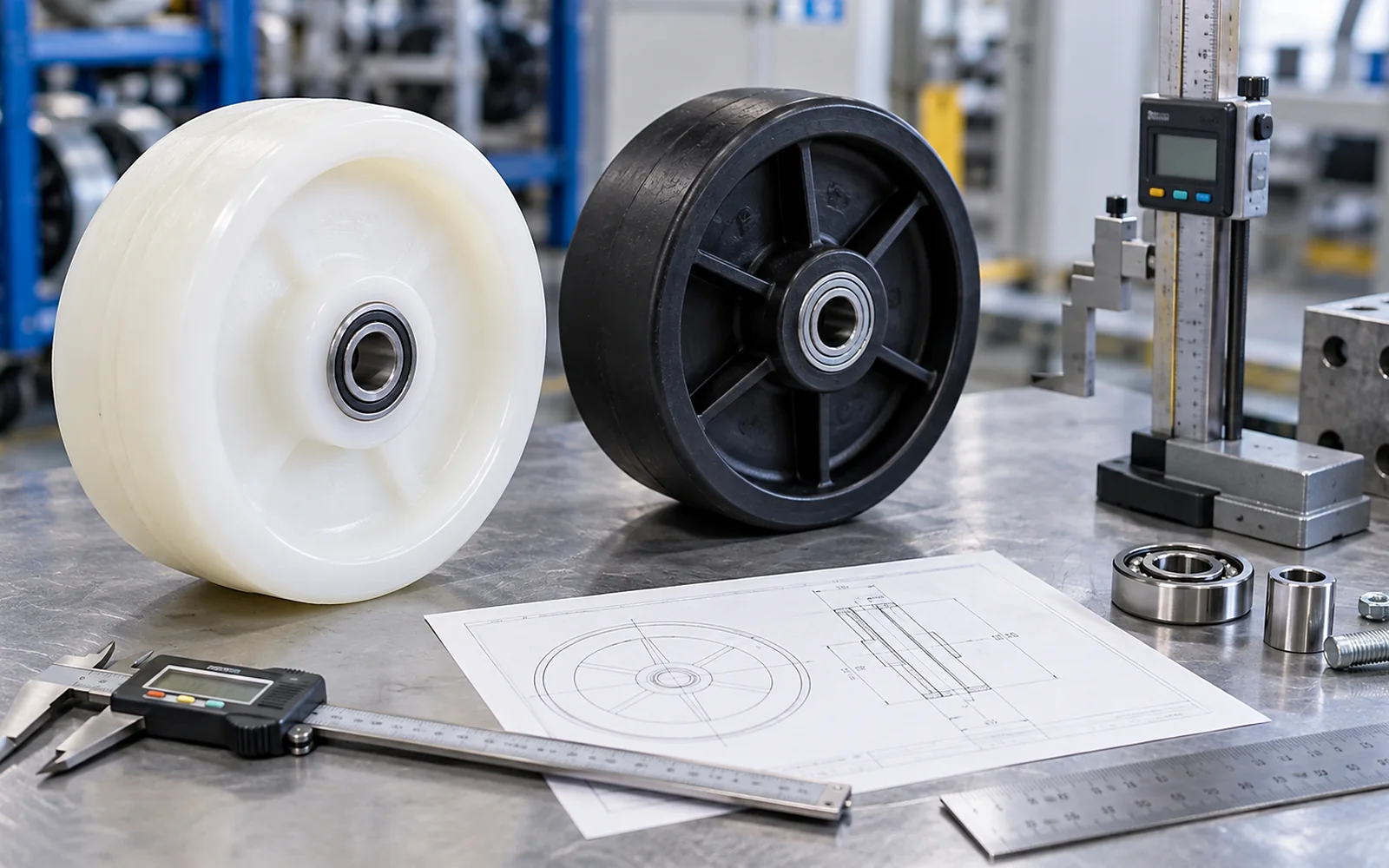
Replacement work benefits from a consistent measurement routine. Record wheel diameter and width, then move inward to the hub: bore or bearing type, axle diameter, hub length and spacers. For complete assemblies, add installed height and mounting geometry. Photograph the measurement tool in place when a dimension is difficult to describe. For the 6 Inch vs 8 Inch Jockey Wheels decision, keep this observation with the dimensions and duty notes rather than treating it as a stand-alone rule.
Do not use worn tread as the only reference if original diameter matters. A heavily worn wheel can make the replacement appear too large when the real issue is material loss. Likewise, a bent fork or improvised spacer can change apparent offset. For the 6 Inch vs 8 Inch Jockey Wheels decision, keep this observation with the dimensions and duty notes rather than treating it as a stand-alone rule.
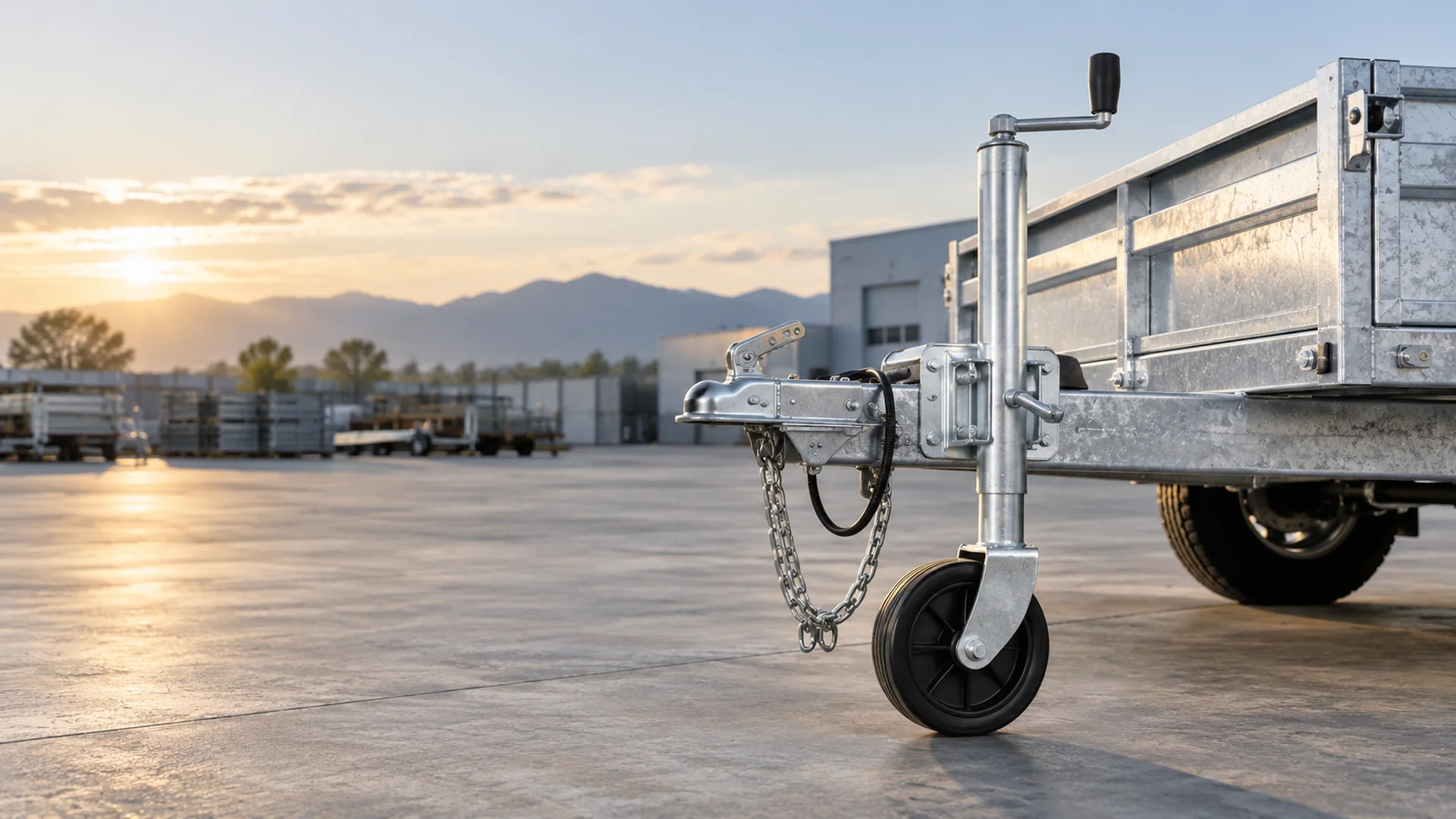
Load, floor and movement interact — 6 Inch vs 8 Inch
Load rating is not independent of how equipment moves. A cart crossing a threshold can create impact forces absent in a static parking condition. An uneven floor can shift load from four nominal support points to three. A trailer jockey wheel may carry a modest vertical drawbar load yet require substantial manoeuvring effort on loose ground. For the 6 Inch vs 8 Inch Jockey Wheels decision, keep this observation with the dimensions and duty notes rather than treating it as a stand-alone rule.
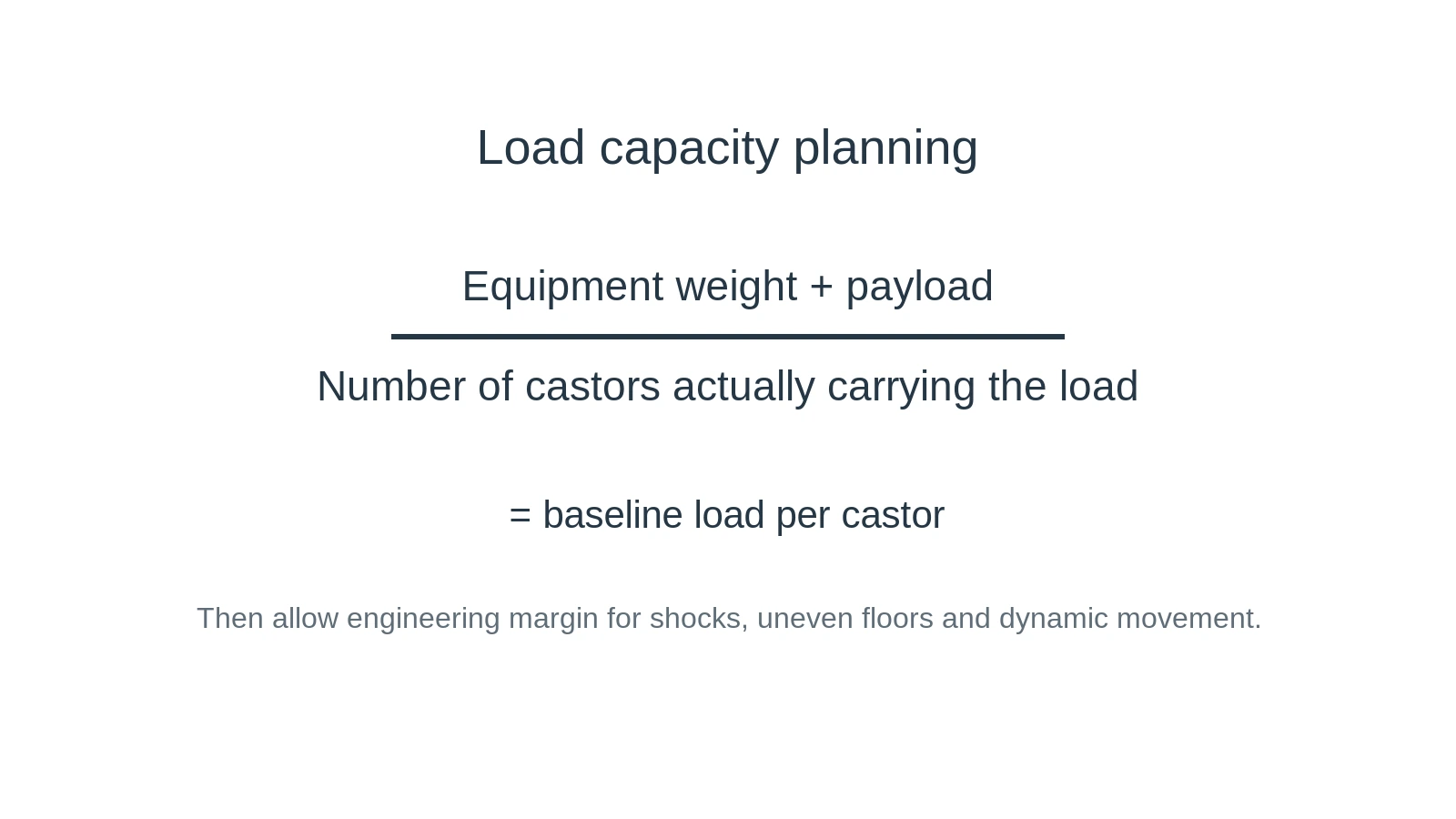
Catat beban normal maksimum, beban luar biasa, lantai atau tanah, jarak tempuh, dan frekuensi rintangan. Kombinasi ini memberikan dasar pemilihan yang lebih baik daripada hanya satu berat kotor.
Diameter mengubah geometri sebelum mengubah kinerja.
Roda yang lebih besar mengurangi ketinggian relatif suatu rintangan kecil dibandingkan dengan jari-jari roda. Keunggulan geometris tersebut dapat mempermudah melewati sambungan atau celah, tetapi juga mengubah ketinggian pemasangan, ukuran garpu, dan jarak bebas di sekitar peralatan. Diameter yang lebih besar merupakan perubahan sistem, bukan peningkatan gratis.
Bandingkan contoh roda 150 mm dan 200 mm hanya sebagai referensi ukuran. Kesesuaian tetap bergantung pada beban, susunan gandar/bantalan, braket, dan lantai. Untuk penyangga trailer, susunan roda yang lebih lebar atau ganda juga dapat mengubah kontak dengan tanah.
Failure patterns to watch in 6 inch vs 8 inch jockey wheels
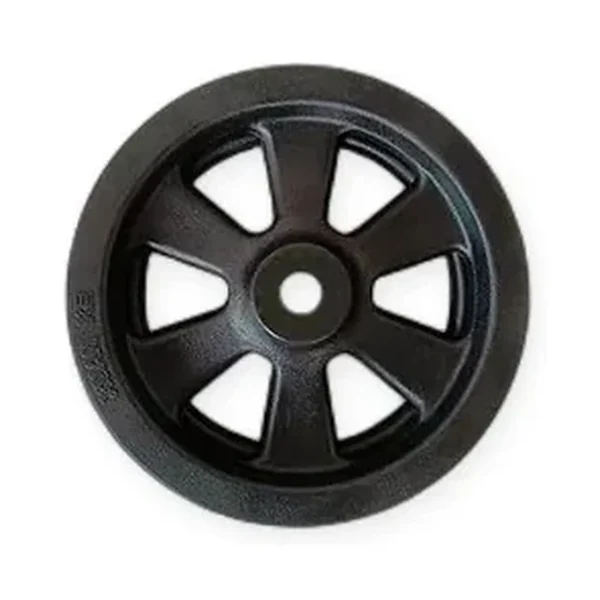
A wheel may roll well but the jack can still be wrong for clamp diameter, retracted height or folding envelope. Similar symptoms can also come from loose fasteners, worn bearings, misalignment, contaminated floors or a frame that is no longer square. Before blaming wheel material, inspect the mounting and compare wear patterns across positions. For the 6 Inch vs 8 Inch Jockey Wheels decision, keep this observation with the dimensions and duty notes rather than treating it as a stand-alone rule.
If only one corner wears rapidly, investigate that corner’s load and alignment. If all wheels show the same damage, review duty, floor and material specification. If wear accelerates after a process change, record the new contaminant, cleaning agent, temperature or travel pattern. For the 6 Inch vs 8 Inch Jockey Wheels decision, keep this observation with the dimensions and duty notes rather than treating it as a stand-alone rule.
How to write the RFQ line — 6 Inch vs 8 Inch
Use one line per configuration and write the requirement so another engineer can understand it without the original conversation. Include vertical load at support point, ground condition, wheel size, tube/clamp dimensions, travel and quantity. Attach the correct drawing or photo set. If an interface dimension is unknown, say “measurement pending” instead of using a guessed value. For the 6 Inch vs 8 Inch Jockey Wheels decision, keep this observation with the dimensions and duty notes rather than treating it as a stand-alone rule.
Untuk pesanan multi-model, pisahkan jumlahnya dan identifikasi dimensi mana yang digunakan bersama.
6 Inch vs 8 Inch Jockey Wheels decision checklist
- Apakah beban normal maksimum diketahui?
- Apakah roda penopang dapat mendistribusikan beban secara merata?
- Apakah lantai/tanah sebenarnya sudah dijelaskan?
- Apakah dimensi roda dan antarmuka diukur?
- Apakah fungsi kontrolnya jelas?
- Apakah persyaratan khusus terkait material/finishing/lingkungan telah disebutkan?
- Apakah kuantitas tersebut terlampir pada model yang tepat?
Lanjutkan dengan halaman seleksi utama, membandingkan keluarga produk saat ini, atau gunakan Formulir Permintaan Penawaran (RFQ).
Use measured evidence to narrow the decision — 6 Inch vs 8 Inch
Poin-poin di bawah ini menerapkan topik artikel pada pengukuran, pemasangan, dan pengamatan lapangan tanpa memperlakukan label produk generik sebagai spesifikasi lengkap.
Close the loop with the installation — 6 Inch vs 8 Inch
After a sample or first lot is installed, compare real behaviour with the RFQ assumptions. Record interference, unusual wear or movement and feed it into the next purchase specification. That turns one replacement into a controlled maintenance standard. For the 6 Inch vs 8 Inch Jockey Wheels decision, keep this observation with the dimensions and duty notes rather than treating it as a stand-alone rule.
What to observe when applying 6 inch vs 8 inch jockey wheels
Lakukan pengujian konfigurasi baru atau pengganti untuk roda penopang 6 inci vs 8 inci di bawah beban terkontrol dan kecepatan rendah sebelum pengoperasian normal. Perhatikan gesekan, kontak braket, goyangan roda, ketidakstabilan kemudi, pergerakan pengencang, dan perubahan ketinggian dek atau batang penarik. Tujuannya adalah untuk menguji asumsi yang dibuat selama pemilihan, bukan hanya untuk memastikan bahwa roda berputar.
For trailer drawbars, parked trailers and short-distance manual manoeuvring, include the most demanding normal floor or ground transition in the initial trial. If the system must cross a threshold, ramp or rough joint, observe it there. Document the result with the same model reference used in the RFQ so future subsequent orders have a useful baseline instead of relying on memory. For the 6 Inch vs 8 Inch Jockey Wheels decision, keep this observation with the dimensions and duty notes rather than treating it as a stand-alone rule.
Maintenance records that matter for 6 inch vs 8 inch jockey wheels
Catat posisi roda, tanggal pemasangan, beban kerja, alasan penggantian, dan kejadian tidak biasa pada lantai. Dalam program perawatan lantai menggunakan roda penopang berukuran 6 inci vs 8 inci, riwayat sederhana ini membantu mengidentifikasi apakah keausan bersifat acak, spesifik posisi, atau terkait dengan perubahan lingkungan. Roda yang berulang kali rusak di salah satu sudut mungkin menunjukkan konsentrasi beban, keselarasan, atau kontaminasi lokal, bukan masalah material secara umum.
Inspect axle, spacers, bearings, bracket and fasteners when the old wheel is removed. Keep measurements that relate directly to vertical load at support point, ground condition, wheel size, tube/clamp dimensions, travel and quantity. If a component has been modified in service, photograph the change before installing the new item and decide whether the modified condition should become part of the official equipment specification. For the 6 Inch vs 8 Inch Jockey Wheels decision, keep this observation with the dimensions and duty notes rather than treating it as a stand-alone rule.
Convert the question into measurable inputs — 6 Inch vs 8 Inch
Nilai praktis dari pertanyaan “Roda Penyangga 6 Inci vs 8 Inci untuk Tanah Padat dan Tidak Rata” bukanlah jawaban ya atau tidak yang universal. Batasan yang berguna adalah peralatan dan tugas di mana pertanyaan tersebut muncul. Tuliskan beban penopang batang penarik, ukuran roda, kecocokan tabung atau klem, jarak angkat, tinggi tertutup, jarak bebas lipat atau putar, kondisi tanah, dan frekuensi manuver. Dengan menggabungkan bidang-bidang ini, dimungkinkan untuk membedakan pertanyaan identifikasi produk dari pertanyaan pemilihan teknik dan mencegah bagian yang tampak serupa diperlakukan sebagai bagian yang secara otomatis dapat saling menggantikan.
Use the most demanding normal condition rather than a best-case description. If the equipment sometimes crosses a threshold, works outdoors, carries an uneven payload or is manoeuvred only after long periods of static load, include that condition. The objective is a repeatable requirement that another engineer or buyer can understand without seeing the original component. For the 6 Inch vs 8 Inch Jockey Wheels decision, keep this observation with the dimensions and duty notes rather than treating it as a stand-alone rule.
Build one comparison sheet — 6 Inch vs 8 Inch
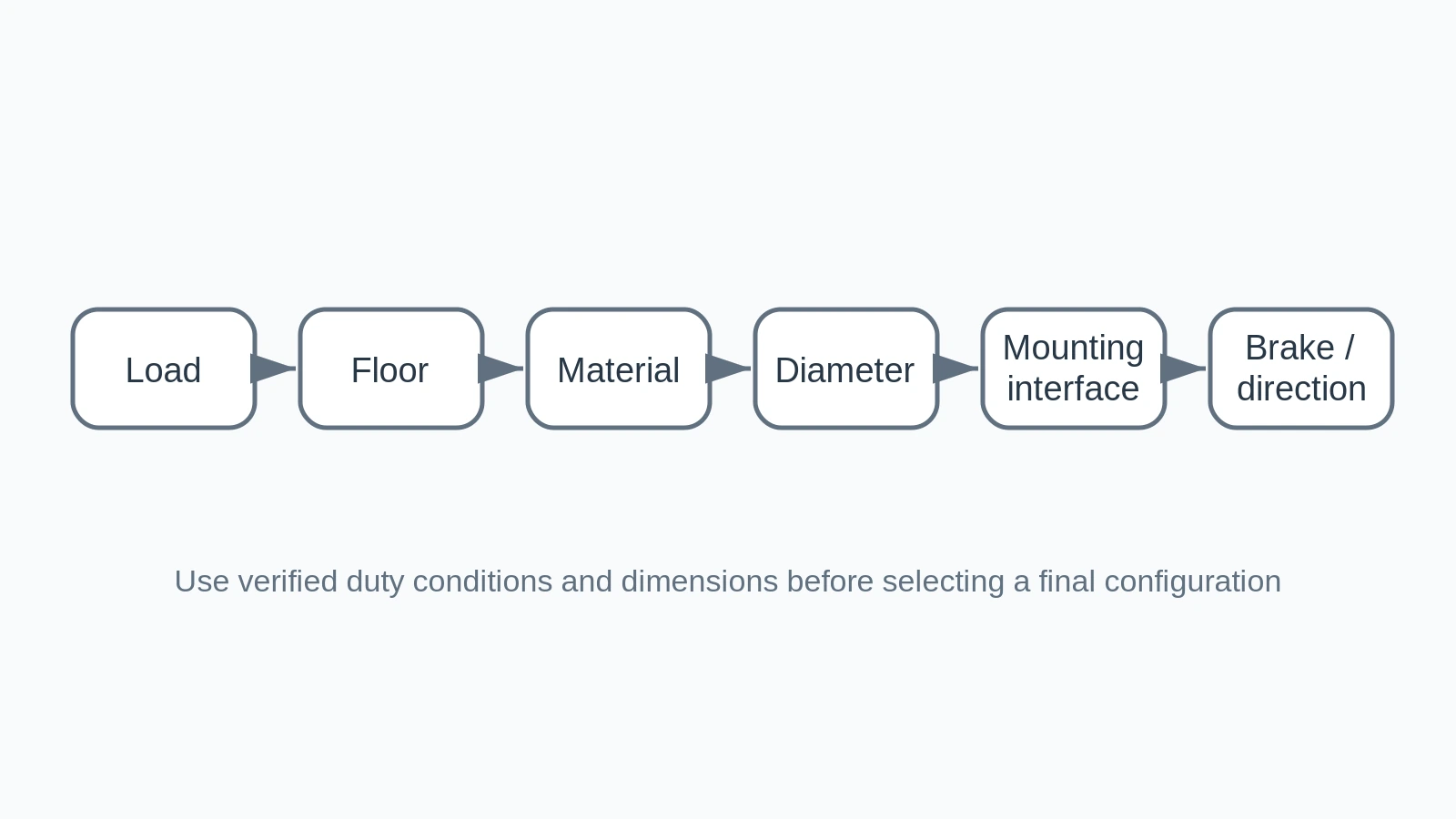
For this topic, record drawbar support load, wheel size, tube or clamp fit, lifting travel, closed height, folding or swivel clearance, ground condition and manoeuvring frequency. Use dimensioned photographs where a drawing is unavailable and show the reference points used for each measurement. If the old part is worn, bent or repaired, flag the affected dimension instead of treating the damaged geometry as the design target. For the 6 Inch vs 8 Inch Jockey Wheels decision, keep this observation with the dimensions and duty notes rather than treating it as a stand-alone rule.
A comparison sheet works best with one configuration per column or row. Keep measured values, required values and optional preferences separate. That simple separation reduces the chance that a supplier proposal or an old catalogue value is copied into the required specification without review. It also makes later quotation revisions easier to audit. For the 6 Inch vs 8 Inch Jockey Wheels decision, keep this observation with the dimensions and duty notes rather than treating it as a stand-alone rule.
Commissioning should reproduce the real route — 6 Inch vs 8 Inch
After a candidate is installed, raise and lower the jack through its usable travel, confirm the wheel carries the support point without interference, then manoeuvre on the normal yard surface and verify the stowed position clears the drawbar and coupling. The first trial should be slow enough to observe the wheel and mounting rather than merely prove that the equipment can move. Look for rubbing, unexpected side movement, fastener movement, wheel wobble, interference and a change in operator effort. For the 6 Inch vs 8 Inch Jockey Wheels decision, keep this observation with the dimensions and duty notes rather than treating it as a stand-alone rule.
If the result is unsatisfactory, record the symptom before changing several variables at once. One controlled change—such as wheel diameter, material, mounting alignment or steering layout—gives more useful information than changing the whole assembly and losing the cause of the original problem. For the 6 Inch vs 8 Inch Jockey Wheels decision, keep this observation with the dimensions and duty notes rather than treating it as a stand-alone rule.
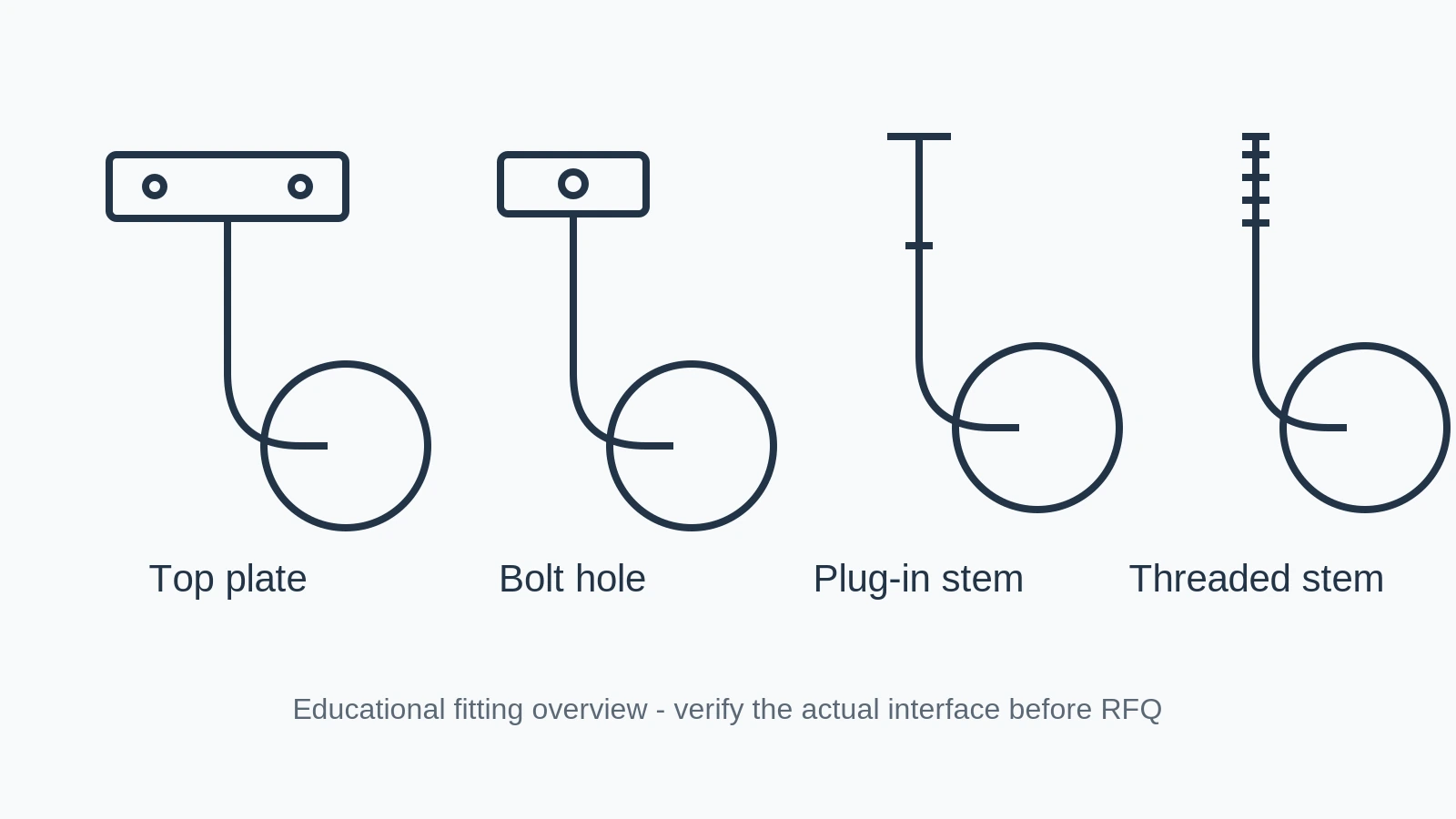
Ujilah keputusan di balik “Roda Penyangga 6 Inci vs 8 Inci untuk Permukaan Tanah Keras dan Tidak Rata” pada permukaan parkir yang sebenarnya.
After installation, make a controlled low-speed manoeuvring check on the surface that normally creates the greatest effort. Observe steering, wheel scrub, fork clearance and any tendency for the mounting to twist or slip. If the trailer is routinely moved across gravel, pavers or drainage channels, include those conditions rather than testing only on workshop concrete. For the 6 Inch vs 8 Inch Jockey Wheels decision, keep this observation with the dimensions and duty notes rather than treating it as a stand-alone rule.
A short documented trial provides much more useful purchasing information than a generic statement that one wheel is “better.” Record the accepted configuration, the trailer group, the load condition and any clearance limitation so a later subsequent orders can be checked against the same operating basis. For the 6 Inch vs 8 Inch Jockey Wheels decision, keep this observation with the dimensions and duty notes rather than treating it as a stand-alone rule.

Catat ukuran terpasang saat menerapkan “Roda Penyangga 6 Inci vs 8 Inci untuk Permukaan Tanah Padat dan Tidak Rata”
A jockey wheel must fit more than the nominal tyre diameter. Record tube or clamp size, closed height, required lift, wheel/fork envelope, crank clearance and the path the assembly takes if it folds or swivels for travel. Include the trailer’s actual drawbar load condition and the ground where uncoupled manoeuvring occurs. For the 6 Inch vs 8 Inch Jockey Wheels decision, keep this observation with the dimensions and duty notes rather than treating it as a stand-alone rule.
For replacement work, inspect the clamp, tube and mounting area for deformation or previous modification before assuming the old configuration should be copied exactly. If the supplier’s stated load refers to a jack family, do not use it as a substitute for measuring the real application requirement. For the 6 Inch vs 8 Inch Jockey Wheels decision, keep this observation with the dimensions and duty notes rather than treating it as a stand-alone rule.
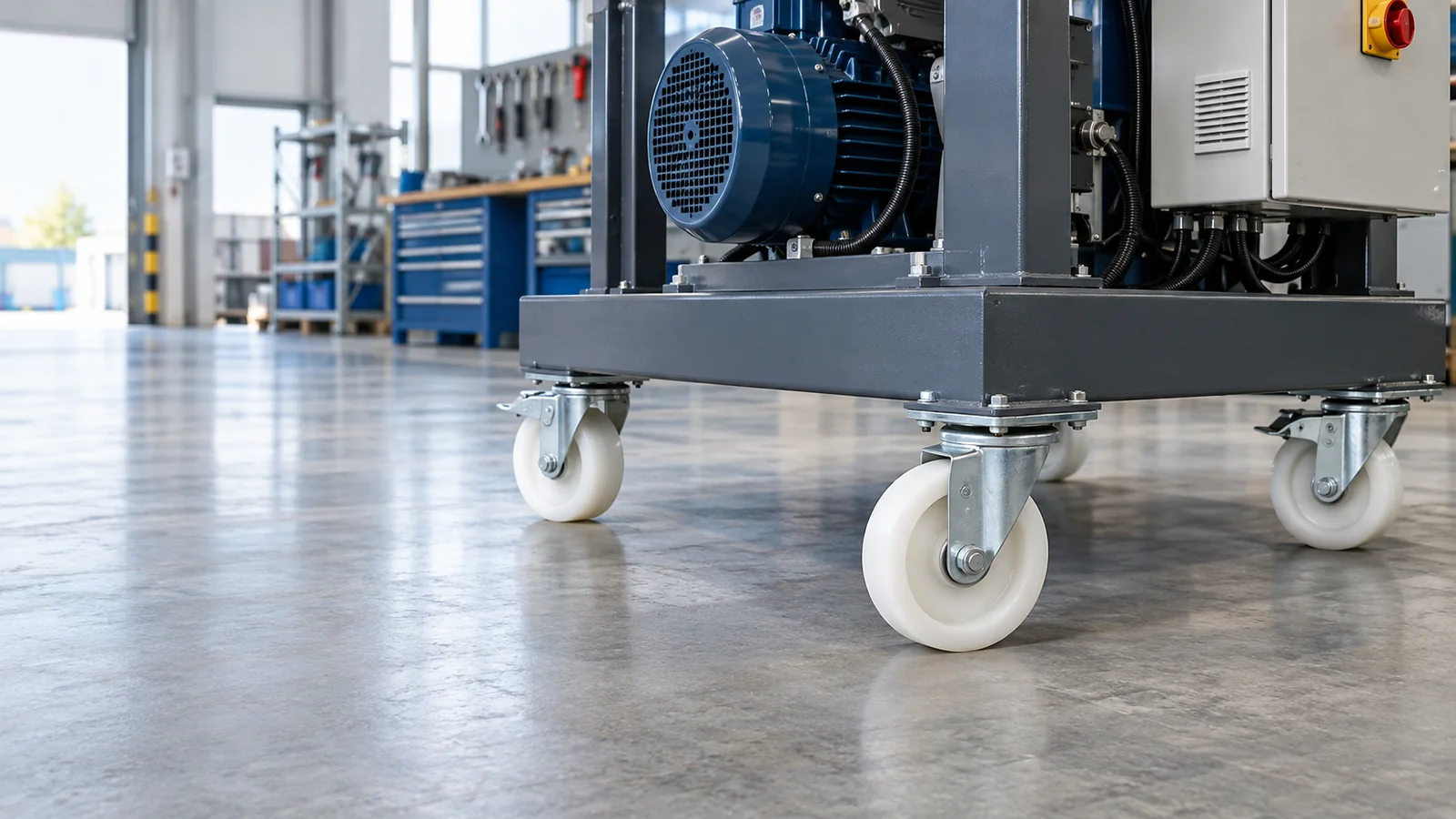
Turn the trailer-support question into four comparable inputs — 6 Inch vs 8 Inch
Trailer-support questions become easier to resolve when load, ground, interface and operating travel are written down separately. A catalogue title can identify a family, but it cannot describe how the support wheel is loaded, how the trailer is manoeuvred or how much space the mechanism has around the drawbar. For the 6 Inch vs 8 Inch Jockey Wheels decision, keep this observation with the dimensions and duty notes rather than treating it as a stand-alone rule.
| Masukan | Apa yang perlu direkam |
|---|---|
| Kondisi dukungan | Sebutkan beban hidung atau beban penopang yang sebenarnya dan apakah roda tersebut hanya digunakan untuk parkir, untuk manuver manual, atau untuk keduanya. |
| Tanah | Jelaskan beton, perkerasan jalan, kerikil, tanah lunak, sambungan, dan kemiringan yang terjadi dalam penggunaan normal. |
| Antarmuka | Catat dimensi tabung, klem, braket, atau pelat, serta posisi sambungan dan anggota rangka di dekatnya. |
| Batas operasional | Ukur tinggi saat tertutup, jarak tempuh yang berguna, akses engkol, dan jalur yang dibutuhkan untuk melipat atau memutar jika relevan. |
Use these inputs to compare alternatives under the same conditions. A larger wheel may improve obstacle geometry but can also change stored clearance. A stronger-looking bracket may still be unsuitable if the clamp or tube does not match. When a brake, swivel or twin-wheel arrangement is involved, describe the function that the operator actually needs rather than requesting a feature from appearance alone. For the 6 Inch vs 8 Inch Jockey Wheels decision, keep this observation with the dimensions and duty notes rather than treating it as a stand-alone rule.
For replacement work, photograph the assembly before removal and include a side view that shows the mounting relationship. If the existing part is damaged, identify which dimensions are still trustworthy. During the first controlled installation, operate the mechanism through its usable travel without rushing the test, then load the trailer gradually and confirm that the wheel, handle and structure remain clear through normal manoeuvring. For the 6 Inch vs 8 Inch Jockey Wheels decision, keep this observation with the dimensions and duty notes rather than treating it as a stand-alone rule.
How 6 inch vs 8 inch jockey wheels changes the RFQ
Untuk “Roda Penyangga 6 Inci vs 8 Inci untuk Permukaan Tanah Keras dan Tidak Rata”, RFQ (Permintaan Penawaran) harus menyatakan fakta operasional yang mendorong pertanyaan tersebut, bukan hanya mengulang istilah produk. Sebutkan nama peralatan, jelaskan beban kerja normal dan maksimum, catat dimensi yang mengontrol pemasangan, dan identifikasi gejala atau tujuan yang mendorong peninjauan. Jika keputusan tersebut menyangkut beban, sertakan massa peralatan dan titik penopang; jika menyangkut material, jelaskan lantai dan lingkungan; jika menyangkut pemasangan, berikan geometri antarmuka; dan jika menyangkut roda penyangga trailer, sertakan kondisi penopang, permukaan tanah, dan jarak tempuh yang tersedia.
Pisahkan nilai yang dibutuhkan dari pertanyaan terbuka. Pemasok dapat merespons jauh lebih bermanfaat jika diminta untuk "konfirmasi ukuran lubang dan panjang hub sesuai dengan sketsa terlampir" daripada dimensi yang ditebak dan disajikan sebagai nilai akhir. Prinsip yang sama berlaku untuk peringkat beban, jenis material, fungsi rem, dan detail pemasangan. Jika suatu nilai telah diverifikasi, beri label dengan jelas; jika belum, mintalah konfirmasi. Hal ini menjaga agar penawaran tetap sesuai dengan peralatan sebenarnya dan mempermudah tinjauan teknis selanjutnya tanpa menambahkan bagian persetujuan berulang atau pesanan selanjutnya ke halaman. Untuk keputusan roda penopang 6 inci vs 8 inci, simpan pengamatan ini bersama dengan dimensi dan catatan tugas daripada memperlakukannya sebagai aturan yang berdiri sendiri.
Pertanyaan yang Sering Diajukan (FAQ) tentang Roda Penyangga 6 Inci vs 8 Inci
Apa hal pertama yang perlu dikonfirmasi untuk jarak ground roda penopang 6 inci vs 8 inci?
Mulailah dengan beban penarik/penyangga, permukaan tanah, diameter/lebar roda, kecocokan tabung atau klem, jarak tempuh, dan jarak bebas saat terlipat. Hal itu memberikan konteks terukur untuk pemilihan selanjutnya.
Bisakah foto menggantikan pengukuran?
Foto membantu dalam identifikasi, tetapi dimensi yang sangat penting untuk kesesuaian tetap harus diukur atau diambil dari gambar yang telah disetujui.
Apakah pembeli perlu menambahkan faktor keamanan pada beban?
Tunjangan keselamatan umumnya digunakan untuk mengatasi pembagian beban yang tidak merata dan efek pengoperasian, tetapi nilai yang sesuai bergantung pada aplikasinya dan tidak menggantikan peringkat produk. Untuk keputusan roda penopang 6 inci vs 8 inci, pertimbangkan pengamatan ini bersamaan dengan dimensi dan catatan tugas, dan jangan memperlakukannya sebagai aturan yang berdiri sendiri.
Bagaimana jika bahannya tidak diketahui?
Sebutkan kondisi lantai dan lingkungan operasional, berikan sampel atau foto, dan perlakukan material sebagai item konfirmasi daripada menebak berdasarkan warna.
Diskusikan kebutuhan jarak bebas tanah untuk roda penopang (jockey wheel) berukuran 6 inci vs 8 inci.
Kirimkan aplikasi, beban, dimensi pengontrol ukuran, kuantitas, dan foto atau gambar yang relevan. Kami akan menggunakan masukan tersebut untuk mempersempit pilihan produk tanpa perlu menebak-nebak.