
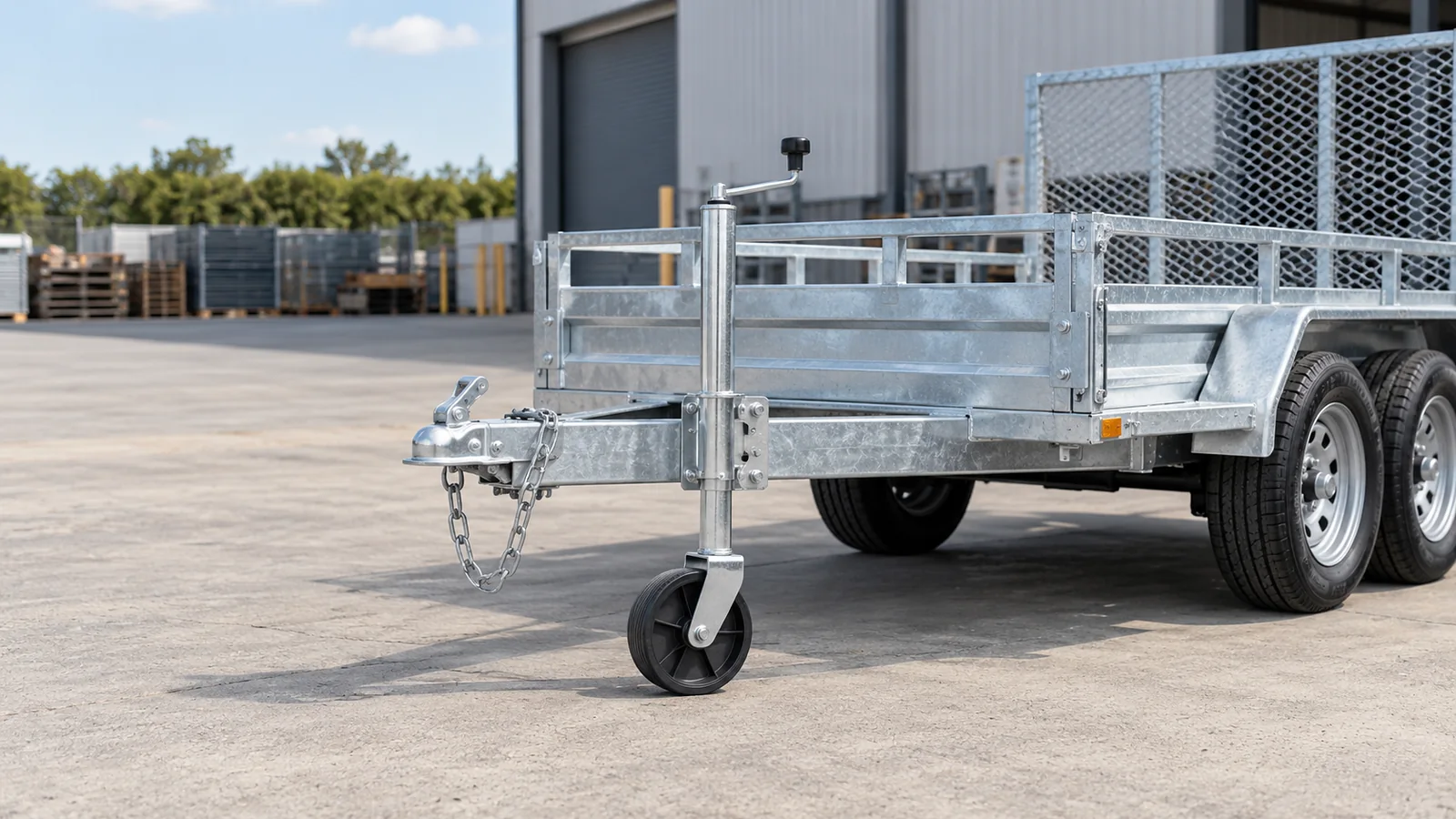
Koła podporowe 6-calowe i 8-calowe do twardego i nierównego podłoża
A practical buyer guide to 6 inch vs 8 inch jockey wheel ground, focused on measurable operating conditions and RFQ-ready decisions.
Why this question matters — 6 Inch vs 8 Inch
For an industrial buyer, 6 inch vs 8 inch jockey wheel ground is not a label to choose in isolation. The useful question is how it behaves inside the complete wheel, mounting and duty-cycle decision.
For trailer drawbars, parked trailers and short-distance manual manoeuvring, begin by confirming drawbar/support load, ground surface, wheel diameter/width, tube or clamp fit, travel and stowed clearance. This is usually more useful than comparing nominal product names because two visually similar wheels can behave differently once mounting, floor condition and real load distribution are considered. For the 6 Inch vs 8 Inch Jockey Wheels decision, keep this observation with the dimensions and duty notes rather than treating it as a stand-alone rule.
This also prevents a frequent sourcing error: choosing from appearance alone. A wheel may roll well but the jack can still be wrong for clamp diameter, retracted height or folding envelope. Record vertical load at support point, ground condition, wheel size, tube/clamp dimensions, travel and quantity in the enquiry so the commercial discussion starts from a technically meaningful baseline. For the 6 Inch vs 8 Inch Jockey Wheels decision, keep this observation with the dimensions and duty notes rather than treating it as a stand-alone rule.
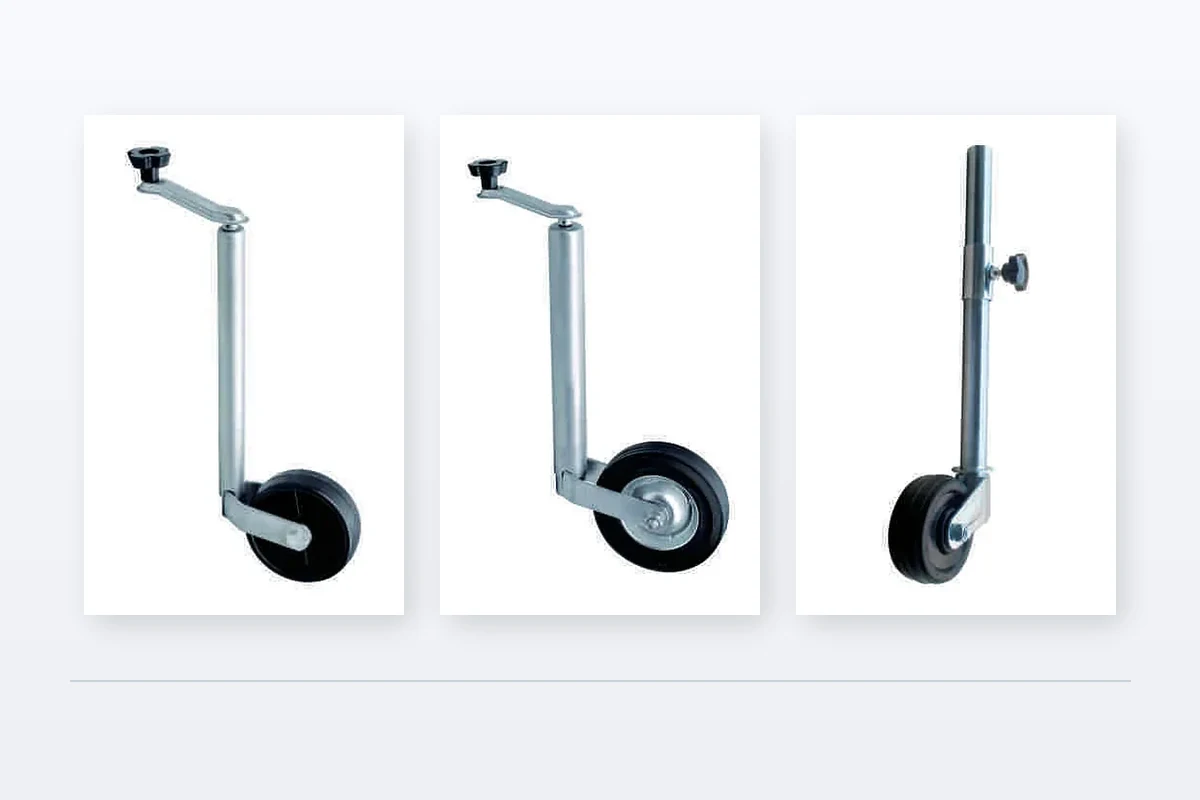
Define the operating condition first — 6 Inch vs 8 Inch
Before comparing products, write the equipment task in one sentence: what must move, what load it carries, where it travels and how often it is repositioned. That description provides context for 6 inch vs 8 inch jockey wheel ground without turning one parameter into a universal rule.
For trailer drawbars, parked trailers and short-distance manual manoeuvring, the first review should cover drawbar/support load, ground surface, wheel diameter/width, tube or clamp fit, travel and stowed clearance. If a value is not known, mark it for measurement rather than substituting a typical number. The purpose of the RFQ is to close gaps, not hide them. For the 6 Inch vs 8 Inch Jockey Wheels decision, keep this observation with the dimensions and duty notes rather than treating it as a stand-alone rule.
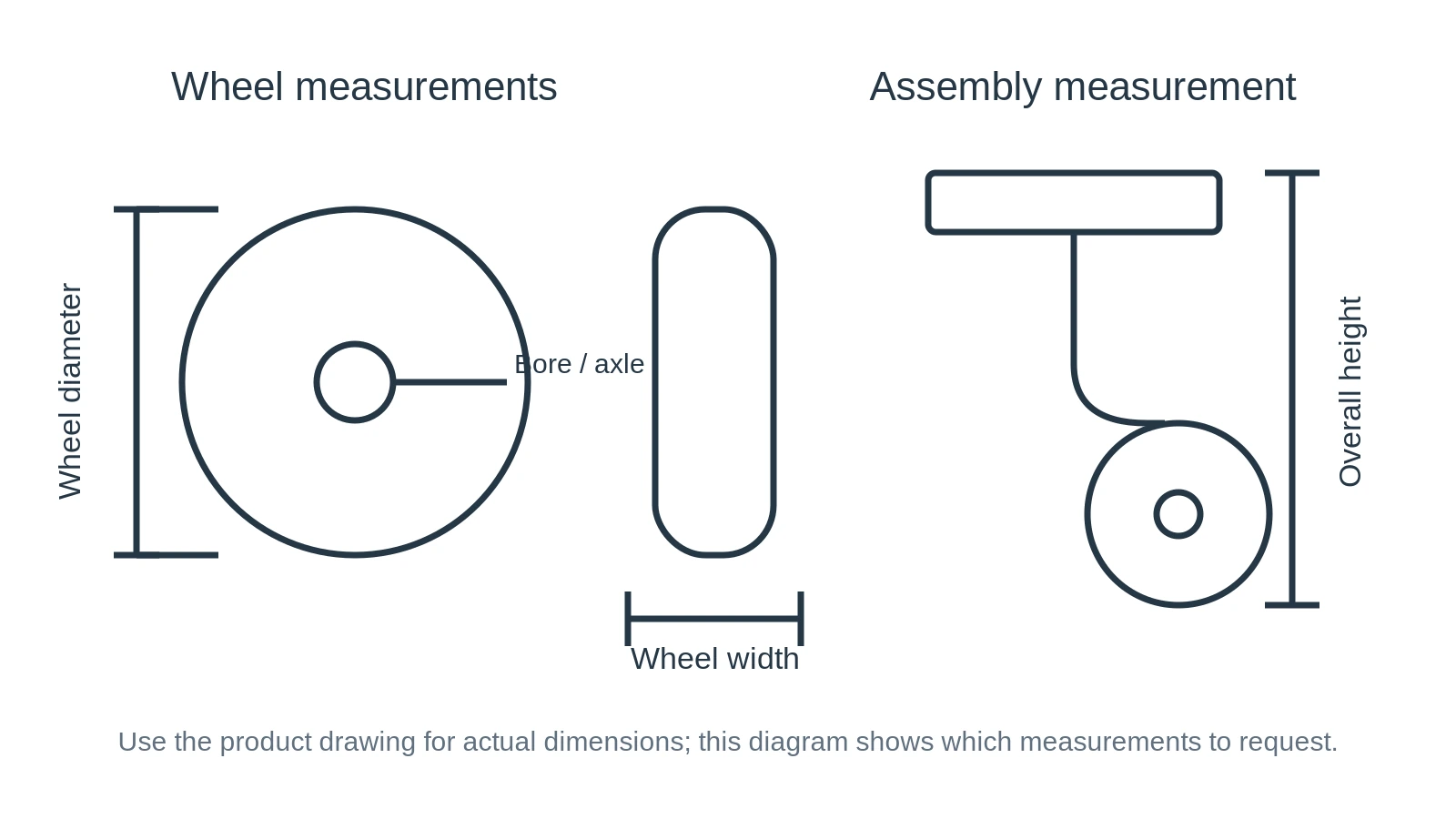
Measurements that prevent false matches — 6 Inch vs 8 Inch
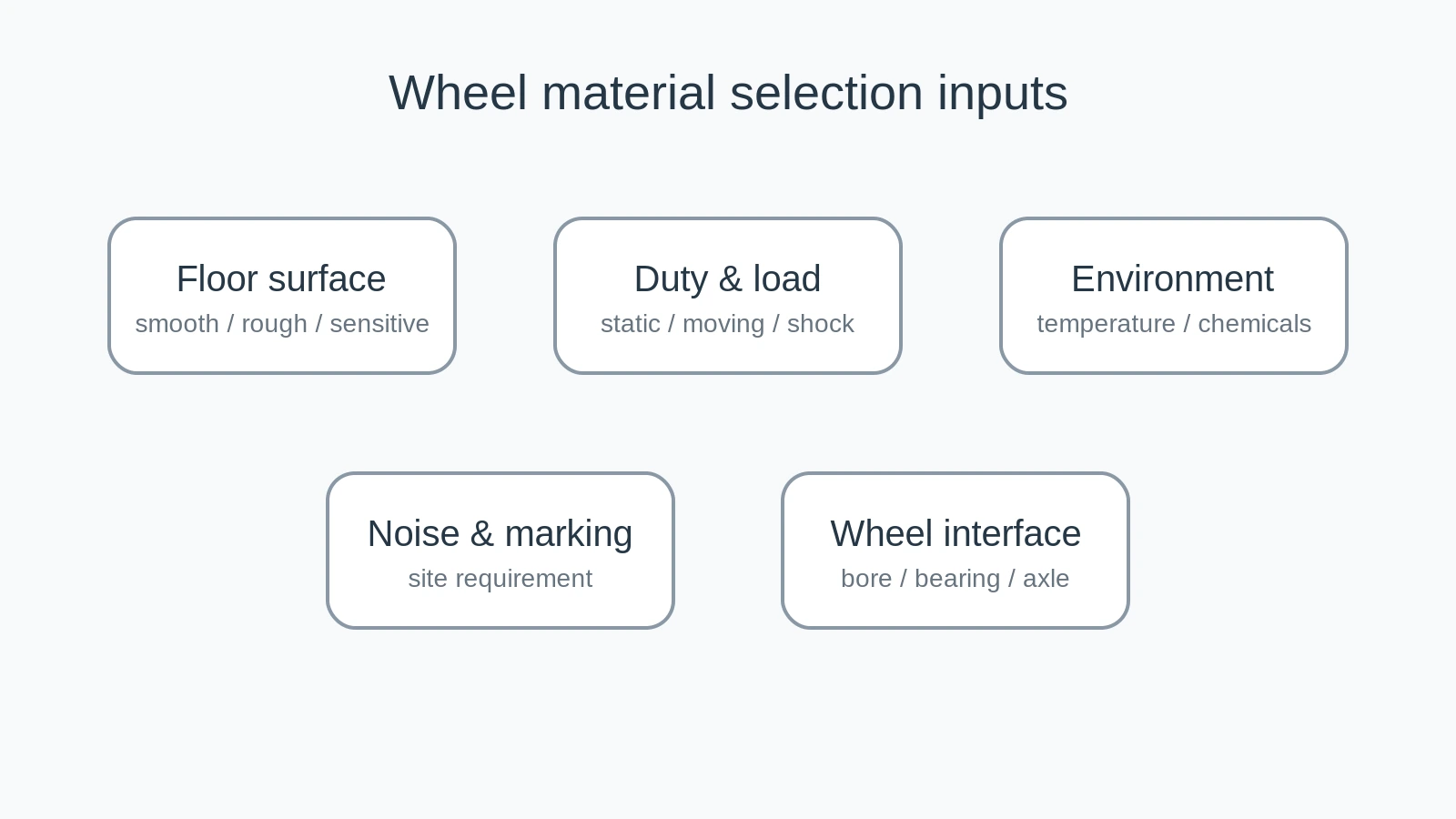
Replacement work benefits from a consistent measurement routine. Record wheel diameter and width, then move inward to the hub: bore or bearing type, axle diameter, hub length and spacers. For complete assemblies, add installed height and mounting geometry. Photograph the measurement tool in place when a dimension is difficult to describe. For the 6 Inch vs 8 Inch Jockey Wheels decision, keep this observation with the dimensions and duty notes rather than treating it as a stand-alone rule.
Do not use worn tread as the only reference if original diameter matters. A heavily worn wheel can make the replacement appear too large when the real issue is material loss. Likewise, a bent fork or improvised spacer can change apparent offset. For the 6 Inch vs 8 Inch Jockey Wheels decision, keep this observation with the dimensions and duty notes rather than treating it as a stand-alone rule.
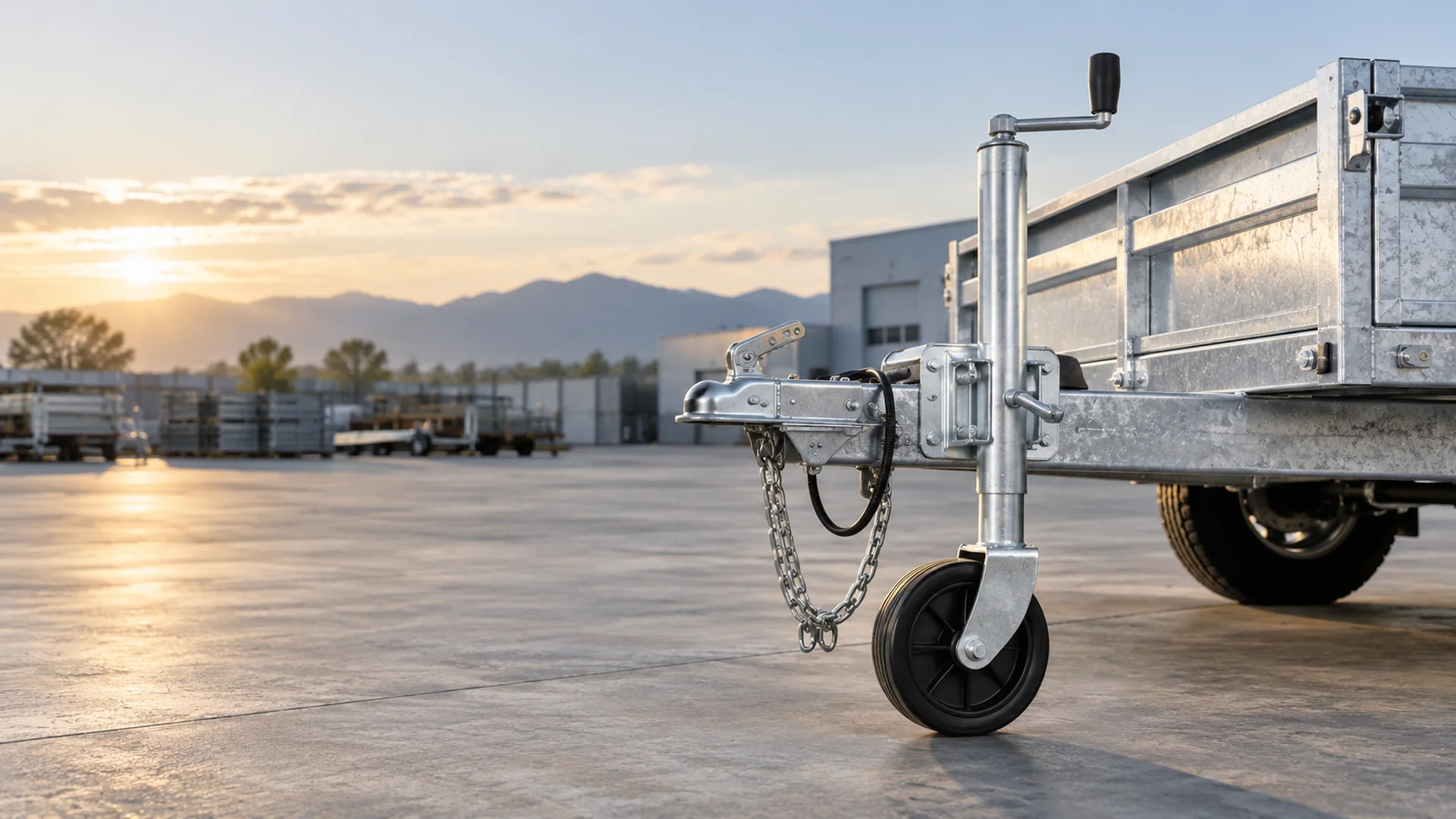
Load, floor and movement interact — 6 Inch vs 8 Inch
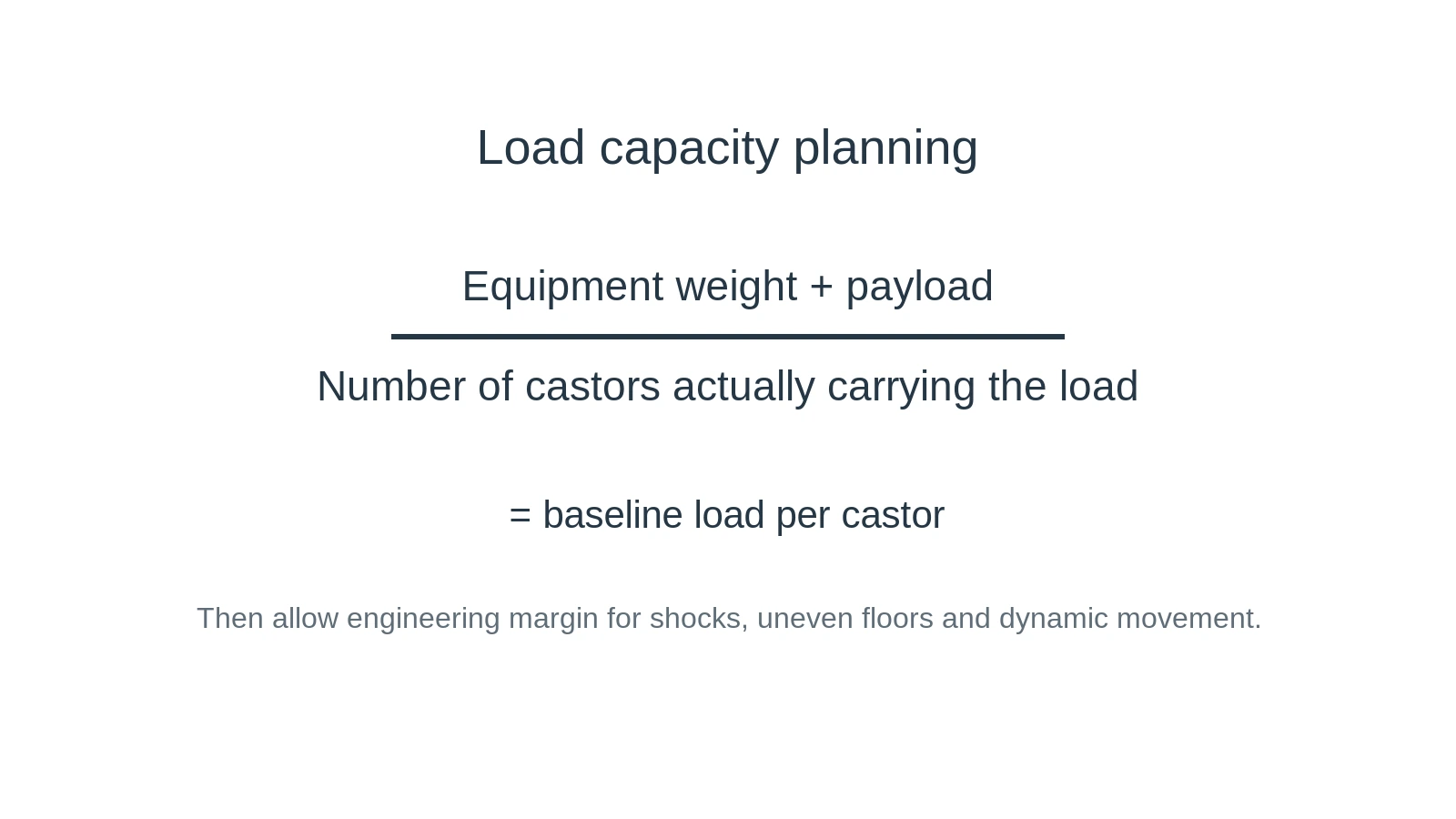
Load rating is not independent of how equipment moves. A cart crossing a threshold can create impact forces absent in a static parking condition. An uneven floor can shift load from four nominal support points to three. A trailer jockey wheel may carry a modest vertical drawbar load yet require substantial manoeuvring effort on loose ground. For the 6 Inch vs 8 Inch Jockey Wheels decision, keep this observation with the dimensions and duty notes rather than treating it as a stand-alone rule.
Rejestruj maksymalne obciążenie normalne, obciążenie wyjątkowe, podłogę lub grunt, odległość przebytą i częstotliwość występowania przeszkód. Połączenie tych danych daje lepszą podstawę do wyboru niż jedna masa brutto.
Diameter changes geometry before it changes performance
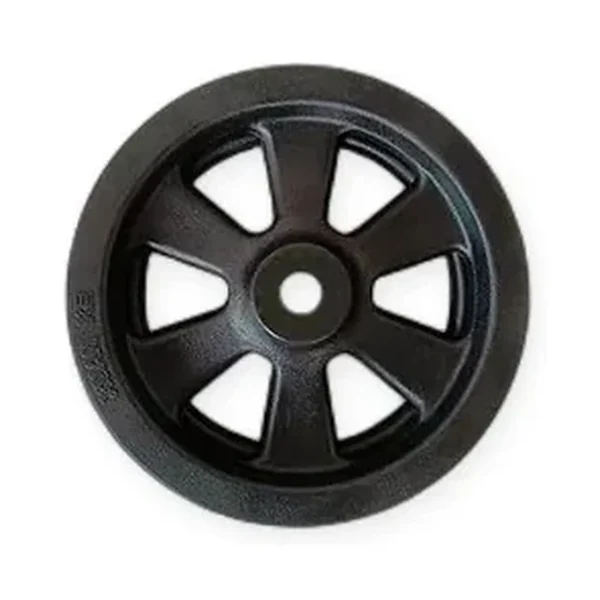
Larger wheels reduce the relative height of a small obstacle compared with wheel radius. That geometric advantage can make joints or gaps easier to cross, but it also changes installed height, fork size and clearance around the equipment. A larger diameter is a system change, not a free upgrade.
Compare 150 mm and 200 mm wheel examples only as size references. Suitability still depends on load, axle/bearing arrangement, bracket and floor. For trailer support, wider or twin-wheel arrangements can also change ground contact.
Failure patterns to watch in 6 inch vs 8 inch jockey wheels
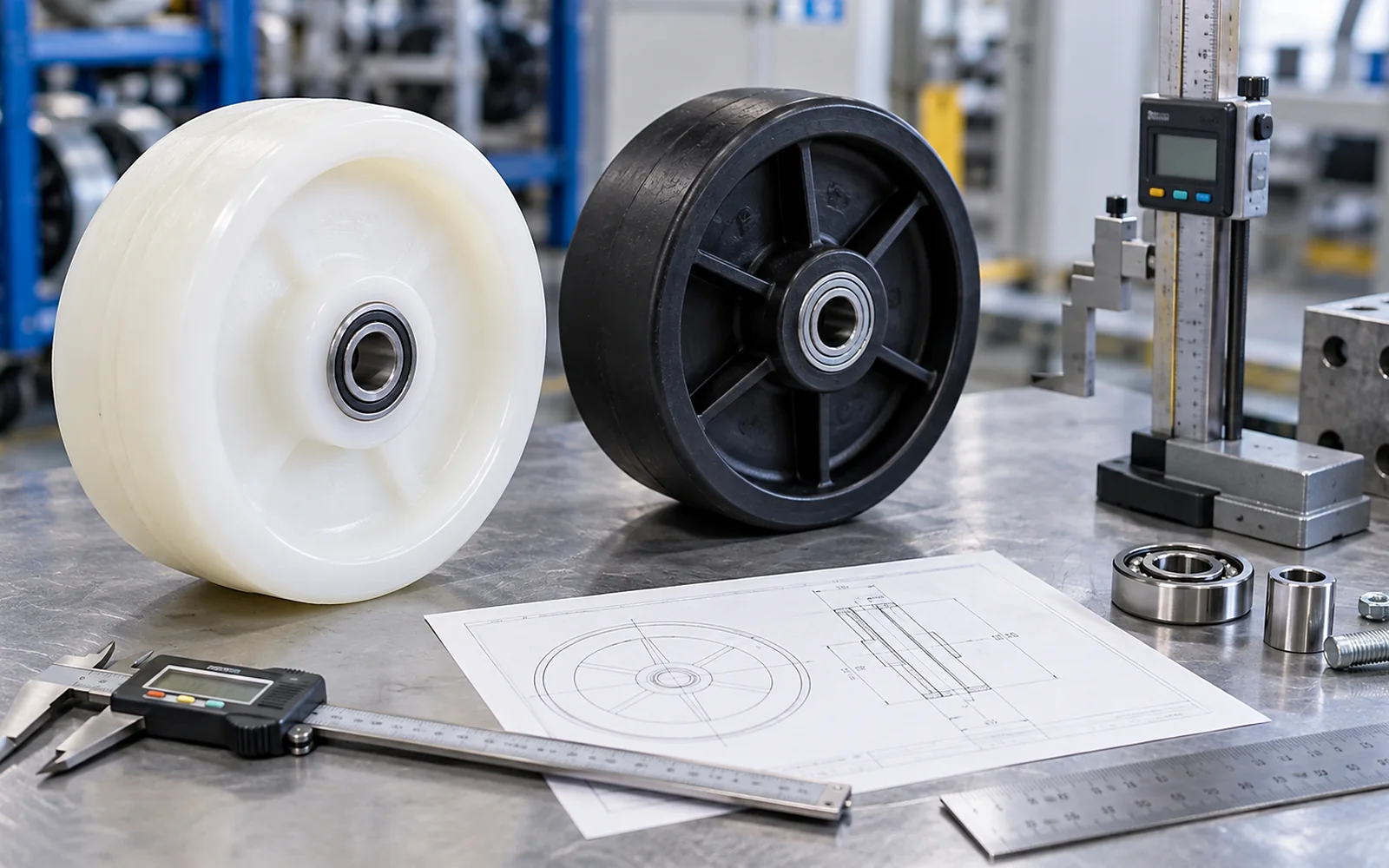
A wheel may roll well but the jack can still be wrong for clamp diameter, retracted height or folding envelope. Similar symptoms can also come from loose fasteners, worn bearings, misalignment, contaminated floors or a frame that is no longer square. Before blaming wheel material, inspect the mounting and compare wear patterns across positions. For the 6 Inch vs 8 Inch Jockey Wheels decision, keep this observation with the dimensions and duty notes rather than treating it as a stand-alone rule.
If only one corner wears rapidly, investigate that corner’s load and alignment. If all wheels show the same damage, review duty, floor and material specification. If wear accelerates after a process change, record the new contaminant, cleaning agent, temperature or travel pattern. For the 6 Inch vs 8 Inch Jockey Wheels decision, keep this observation with the dimensions and duty notes rather than treating it as a stand-alone rule.
How to write the RFQ line — 6 Inch vs 8 Inch
Use one line per configuration and write the requirement so another engineer can understand it without the original conversation. Include vertical load at support point, ground condition, wheel size, tube/clamp dimensions, travel and quantity. Attach the correct drawing or photo set. If an interface dimension is unknown, say “measurement pending” instead of using a guessed value. For the 6 Inch vs 8 Inch Jockey Wheels decision, keep this observation with the dimensions and duty notes rather than treating it as a stand-alone rule.
W przypadku zamówień obejmujących wiele modeli należy oddzielnie podawać ilości i określić, które wymiary są wspólne.
6 Inch vs 8 Inch Jockey Wheels decision checklist
- Czy znane jest maksymalne obciążenie normalne?
- Czy koła podporowe mogą równomiernie rozkładać obciążenie?
- Czy opisano prawdziwe piętro/grunt?
- Czy mierzone są wymiary kół i interfejsu?
- Czy funkcja sterowania jest jasna?
- Czy podano specjalne wymagania dotyczące materiałów, wykończenia i ochrony środowiska?
- Czy ilość jest przypisana do właściwego modelu?
Kontynuuj z strona wyboru podstawowego, porównywać obecne rodziny produktówlub użyj Formularz zapytania ofertowego.
Use measured evidence to narrow the decision — 6 Inch vs 8 Inch
Poniższe punkty odnoszą temat artykułu do pomiarów, instalacji i obserwacji w terenie, nie traktując ogólnej etykiety produktu jako pełnej specyfikacji.
Close the loop with the installation — 6 Inch vs 8 Inch
After a sample or first lot is installed, compare real behaviour with the RFQ assumptions. Record interference, unusual wear or movement and feed it into the next purchase specification. That turns one replacement into a controlled maintenance standard. For the 6 Inch vs 8 Inch Jockey Wheels decision, keep this observation with the dimensions and duty notes rather than treating it as a stand-alone rule.
What to observe when applying 6 inch vs 8 inch jockey wheels
Commission a new or replacement configuration for 6 inch vs 8 inch jockey wheel ground under controlled load and low speed before normal operation. Watch for rubbing, bracket contact, wheel wobble, steering instability, fastener movement and any change in deck or drawbar height. The goal is to test the assumptions made during selection rather than merely confirm that the wheel turns.
For trailer drawbars, parked trailers and short-distance manual manoeuvring, include the most demanding normal floor or ground transition in the initial trial. If the system must cross a threshold, ramp or rough joint, observe it there. Document the result with the same model reference used in the RFQ so future subsequent orders have a useful baseline instead of relying on memory. For the 6 Inch vs 8 Inch Jockey Wheels decision, keep this observation with the dimensions and duty notes rather than treating it as a stand-alone rule.
Maintenance records that matter for 6 inch vs 8 inch jockey wheels
Record wheel position, installation date, duty, reason for replacement and unusual floor events. In a 6 inch vs 8 inch jockey wheel ground program, this simple history helps identify whether wear is random, position-specific or linked to a changed environment. A wheel that fails repeatedly at one corner may point to load concentration, alignment or local contamination rather than a general material problem.
Inspect axle, spacers, bearings, bracket and fasteners when the old wheel is removed. Keep measurements that relate directly to vertical load at support point, ground condition, wheel size, tube/clamp dimensions, travel and quantity. If a component has been modified in service, photograph the change before installing the new item and decide whether the modified condition should become part of the official equipment specification. For the 6 Inch vs 8 Inch Jockey Wheels decision, keep this observation with the dimensions and duty notes rather than treating it as a stand-alone rule.
Convert the question into measurable inputs — 6 Inch vs 8 Inch
The practical value of “6 Inch vs 8 Inch Jockey Wheels for Firm and Uneven Ground” is not a universal yes-or-no answer. The useful boundary is the equipment and duty in which the question occurs. Write down drawbar support load, wheel size, tube or clamp fit, lifting travel, closed height, folding or swivel clearance, ground condition and manoeuvring frequency. Keeping these fields together makes it possible to distinguish a product-identification question from an engineering selection question and prevents a visually similar part from being treated as automatically interchangeable.
Use the most demanding normal condition rather than a best-case description. If the equipment sometimes crosses a threshold, works outdoors, carries an uneven payload or is manoeuvred only after long periods of static load, include that condition. The objective is a repeatable requirement that another engineer or buyer can understand without seeing the original component. For the 6 Inch vs 8 Inch Jockey Wheels decision, keep this observation with the dimensions and duty notes rather than treating it as a stand-alone rule.
Build one comparison sheet — 6 Inch vs 8 Inch
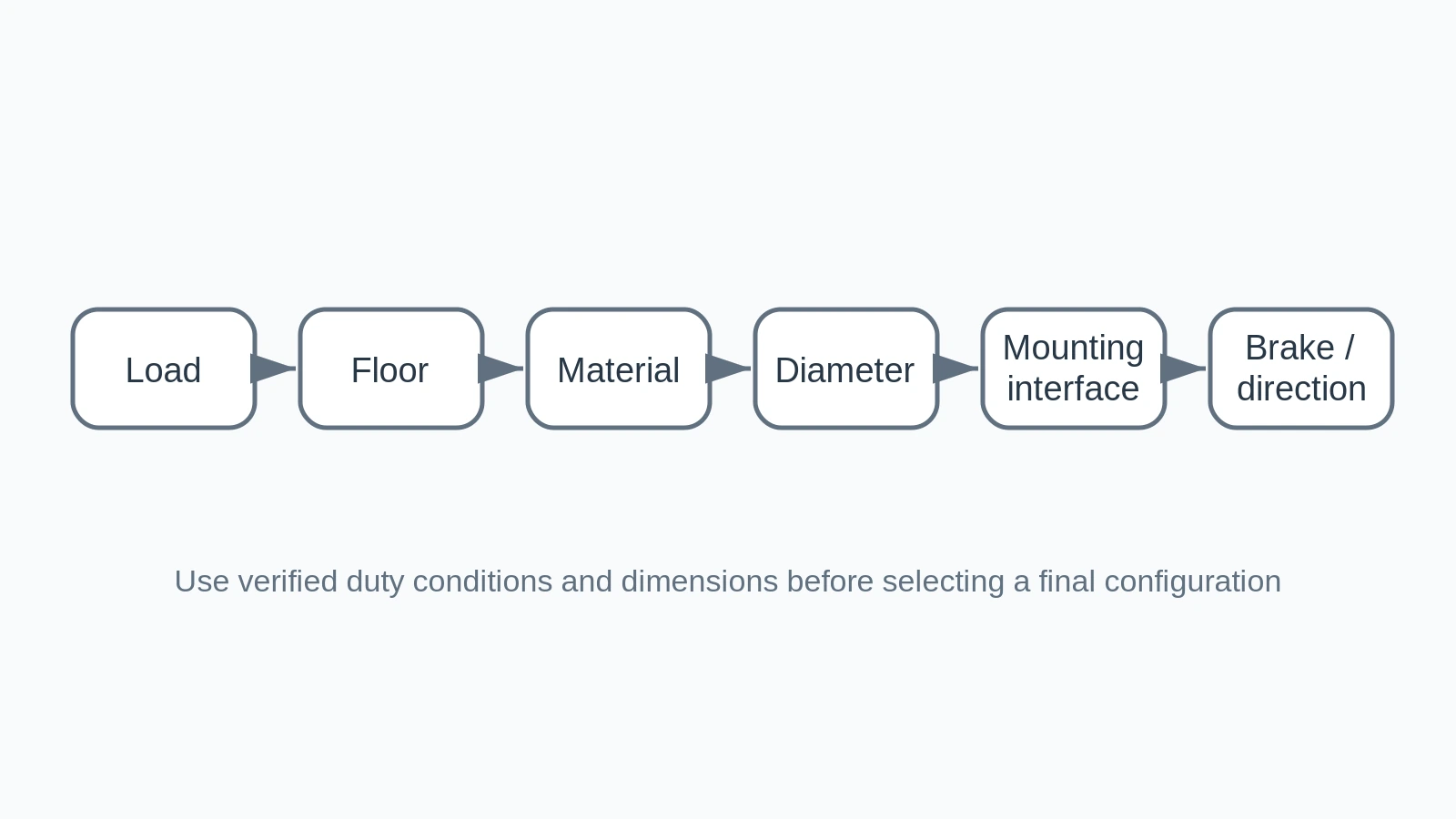
For this topic, record drawbar support load, wheel size, tube or clamp fit, lifting travel, closed height, folding or swivel clearance, ground condition and manoeuvring frequency. Use dimensioned photographs where a drawing is unavailable and show the reference points used for each measurement. If the old part is worn, bent or repaired, flag the affected dimension instead of treating the damaged geometry as the design target. For the 6 Inch vs 8 Inch Jockey Wheels decision, keep this observation with the dimensions and duty notes rather than treating it as a stand-alone rule.
A comparison sheet works best with one configuration per column or row. Keep measured values, required values and optional preferences separate. That simple separation reduces the chance that a supplier proposal or an old catalogue value is copied into the required specification without review. It also makes later quotation revisions easier to audit. For the 6 Inch vs 8 Inch Jockey Wheels decision, keep this observation with the dimensions and duty notes rather than treating it as a stand-alone rule.
Commissioning should reproduce the real route — 6 Inch vs 8 Inch
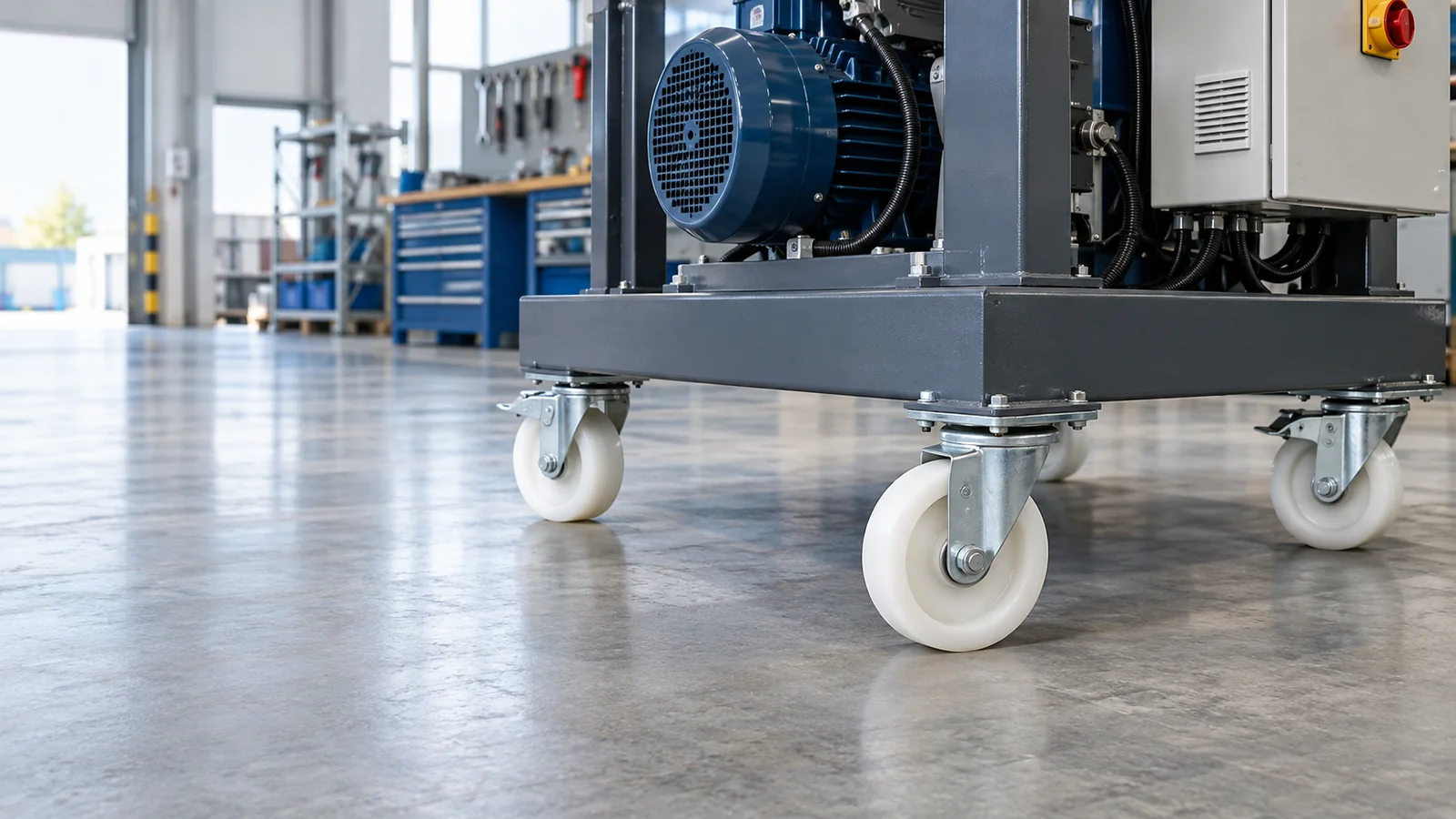
Po zainstalowaniu podnośnika, podnieś i opuść go w odpowiednim zakresie ruchu, upewnij się, że koło bez przeszkód utrzymuje punkt podparcia, a następnie wykonaj manewr na normalnej nawierzchni i sprawdź, czy pozycja złożona nie koliduje z dyszlem i sprzęgiem. Pierwsza próba powinna przebiegać na tyle wolno, aby umożliwić obserwację koła i mocowania, a nie tylko sprawdzenie, czy sprzęt może się poruszać. Zwróć uwagę na tarcie, nieoczekiwane ruchy boczne, ruchy mocowań, chybotanie kół, zakłócenia i zmiany w sile operatora. Przy wyborze kół podporowych o średnicy 6 cali lub 8 cali, uwzględnij tę obserwację wraz z wymiarami i uwagami dotyczącymi pracy, a nie traktuj jej jako odrębnej reguły.
Jeśli wynik jest niezadowalający, należy zarejestrować objaw przed zmianą kilku zmiennych jednocześnie. Jedna kontrolowana zmiana – taka jak średnica koła, materiał, ustawienie mocowania lub układ kierowniczy – dostarcza bardziej użytecznych informacji niż zmiana całego zespołu i utrata przyczyny pierwotnego problemu. Przy podejmowaniu decyzji o wyborze kół podporowych 6-calowych lub 8-calowych, należy uwzględnić tę obserwację wraz z wymiarami i uwagami dotyczącymi obciążenia, zamiast traktować ją jako odrębną regułę.
Przetestuj decyzję dotyczącą „6-calowych czy 8-calowych kół podporowych do twardego i nierównego podłoża” na rzeczywistej powierzchni parkingu
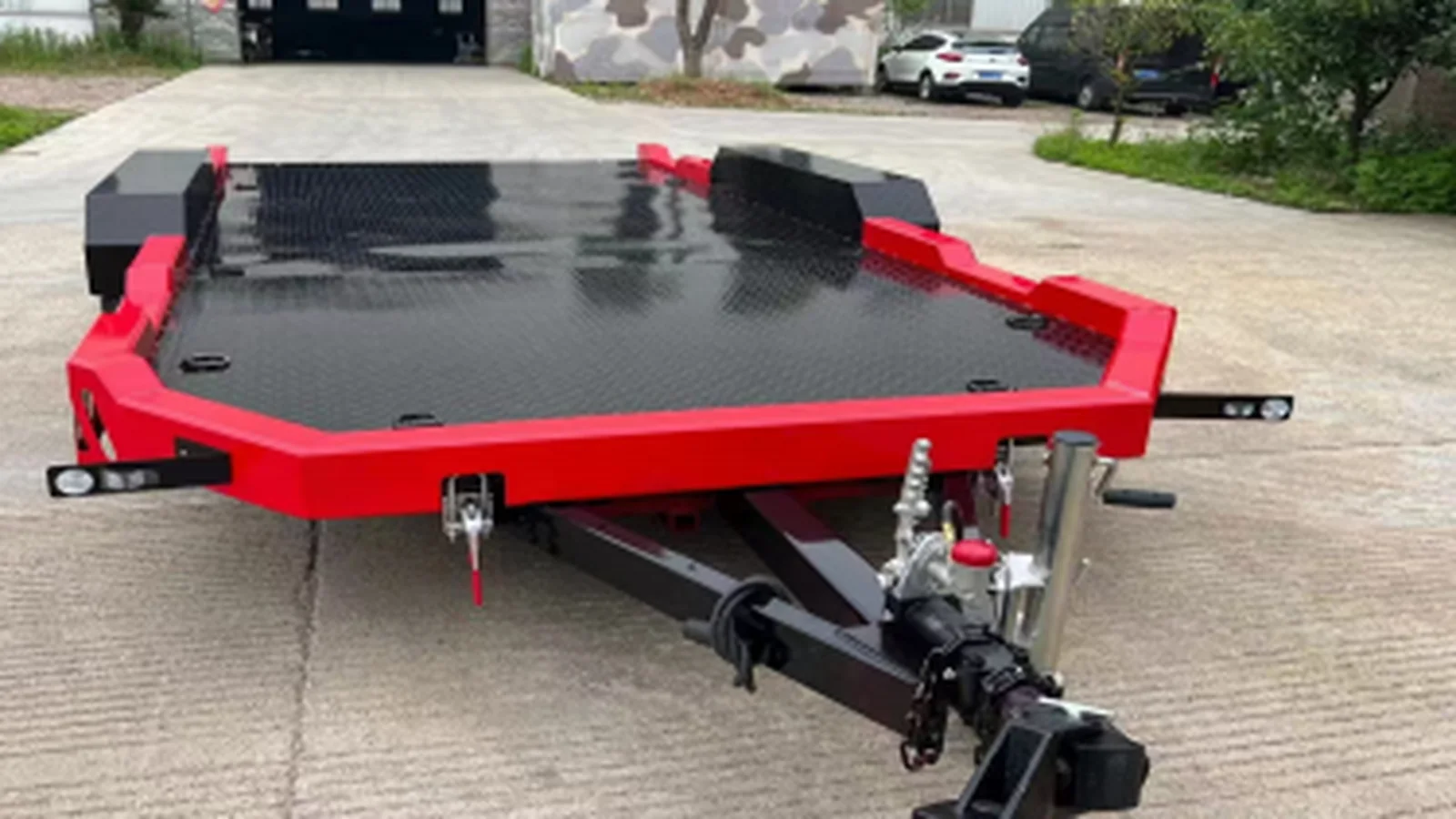
Po montażu należy przeprowadzić kontrolowaną kontrolę manewrowania przy niskiej prędkości na nawierzchni, która zazwyczaj wymaga największego wysiłku. Należy zwrócić uwagę na układ kierowniczy, tarcie kół, prześwit wideł oraz wszelkie tendencje do skręcania lub ślizgania się zawieszenia. Jeśli przyczepa jest regularnie przemieszczana po żwirze, kostce brukowej lub kanałach odwadniających, należy uwzględnić te warunki, zamiast testować tylko na betonie warsztatowym. Przy wyborze kół podporowych o średnicy 6 cali lub 8 cali, należy uwzględnić tę obserwację wraz z wymiarami i uwagami dotyczącymi obciążenia, a nie traktować jej jako odrębnej zasady.
Krótki, udokumentowany test dostarcza znacznie bardziej użytecznych informacji zakupowych niż ogólne stwierdzenie, że jedno koło jest „lepsze”. Należy odnotować akceptowaną konfigurację, grupę przyczepy, stan obciążenia i wszelkie ograniczenia prześwitu, aby można było sprawdzić kolejne zamówienia pod kątem tej samej podstawy operacyjnej. Przy podejmowaniu decyzji o wyborze kół podporowych 6-calowych lub 8-calowych, należy uwzględnić tę obserwację wraz z wymiarami i uwagami dotyczącymi obciążenia, a nie traktować jej jako odrębnej reguły.

Zapisz zainstalowaną obwiednię podczas stosowania „6-calowych i 8-calowych kół podporowych do twardego i nierównego podłoża”
Koło podporowe musi pasować do opony o średnicy większej niż nominalna. Należy odnotować rozmiar rury lub zacisku, wysokość w stanie złożonym, wymagany udźwig, obwiednię koła/wideł, luz korbowy oraz drogę, jaką pokonuje zespół, jeśli jest składany lub obracany podczas jazdy. Należy uwzględnić rzeczywiste obciążenie dyszla przyczepy oraz rodzaj podłoża, na którym wykonywane są manewry bez sprzęgania. Przy wyborze kół podporowych o średnicy 6 cali lub 8 cali, należy uwzględnić tę obserwację wraz z wymiarami i uwagami dotyczącymi obciążenia, a nie traktować jej jako odrębnej zasady.
W przypadku prac zastępczych, przed założeniem, że stara konfiguracja powinna zostać dokładnie skopiowana, należy sprawdzić zacisk, rurę i obszar mocowania pod kątem odkształceń lub wcześniejszych modyfikacji. Jeśli podane przez dostawcę obciążenie odnosi się do rodziny podnośników, nie należy go traktować jako zamiennika pomiaru rzeczywistych wymagań. Przy wyborze kół podporowych o średnicy 6 cali lub 8 cali, należy uwzględnić tę obserwację wraz z wymiarami i uwagami dotyczącymi obciążenia, a nie traktować jej jako odrębnej reguły.
Przekształć pytanie dotyczące obsługi przyczepy w cztery porównywalne dane wejściowe — 6 cali kontra 8 cali
Pytania dotyczące podpór przyczepy stają się łatwiejsze do rozwiązania, gdy obciążenie, podłoże, interfejs i droga robocza są zapisywane oddzielnie. Tytuł katalogu może identyfikować rodzinę, ale nie może opisywać sposobu obciążenia koła podporowego, sposobu manewrowania przyczepą ani ilości miejsca, jakie mechanizm ma wokół dyszla. Przy wyborze kół podporowych o średnicy 6 cali lub 8 cali, należy uwzględnić tę obserwację wraz z wymiarami i uwagami dotyczącymi obciążenia, zamiast traktować ją jako odrębną regułę.
| Wejście | Co nagrywać |
|---|---|
| Warunki wsparcia | Podaj rzeczywiste obciążenie przodu lub podpory oraz czy koło jest wykorzystywane wyłącznie do parkowania, manewrowania ręcznego czy do obu tych celów. |
| Grunt | Opisz beton, kostkę brukową, żwir, miękkie podłoże, spoiny i nachylenia, jakie występują podczas normalnego użytkowania. |
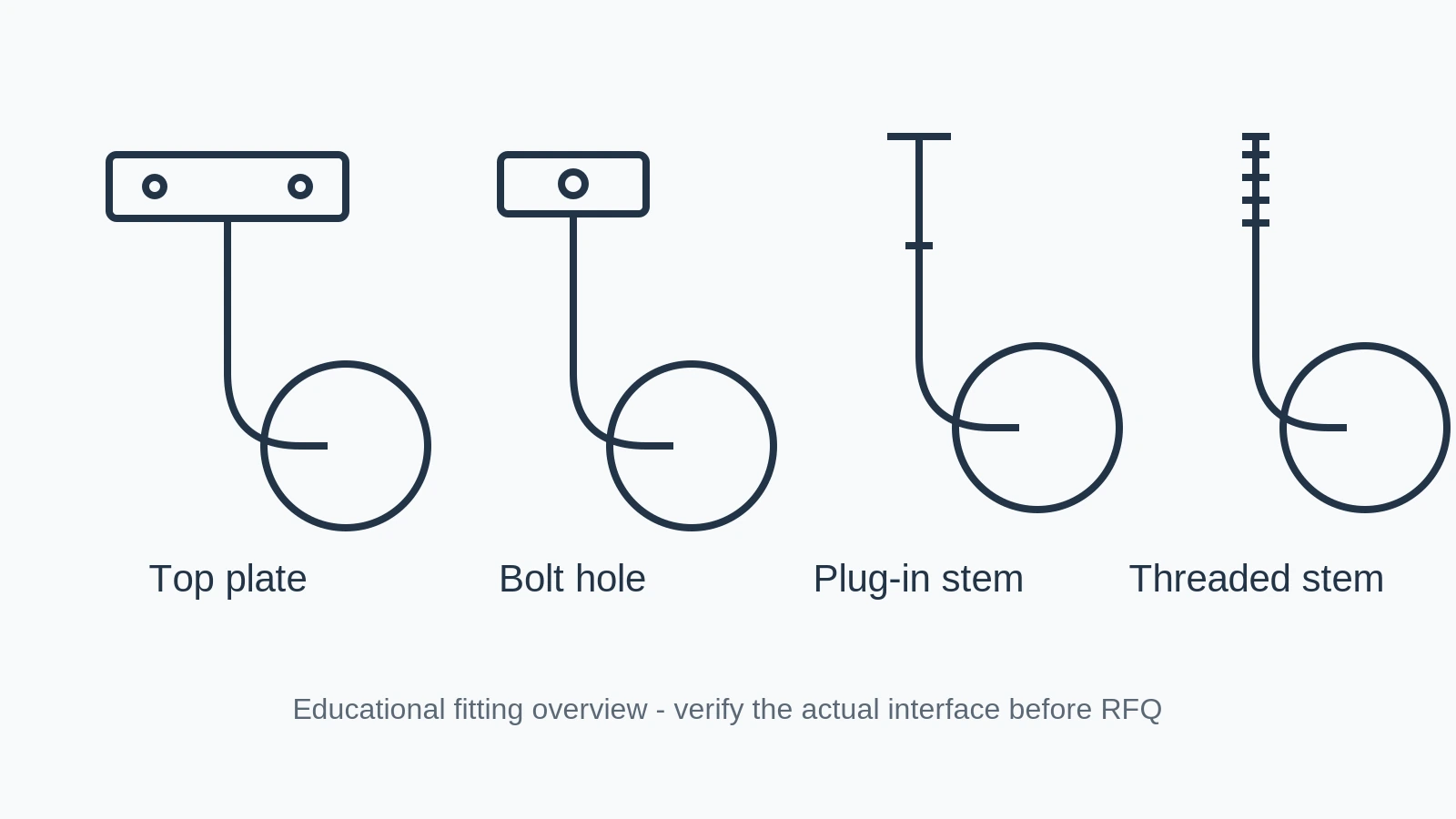
| Interfejs | Zanotuj wymiary rur, zacisków, wsporników lub płyt, a także położenie pobliskich elementów sprzęgających i ramy. |
| Zakres operacyjny | Zmierz wysokość po złożeniu, użyteczny zakres ruchu, dostęp do korby i ścieżkę potrzebną do złożenia lub obrotu, tam gdzie to istotne. |
Użyj tych danych wejściowych, aby porównać alternatywy w tych samych warunkach. Większe koło może poprawić geometrię przeszkody, ale może również zmienić zapisany prześwit. Mocniejszy wspornik może nadal być nieodpowiedni, jeśli zacisk lub rura nie pasują. W przypadku układu hamulcowego, obrotowego lub z podwójnym kołem, opisz funkcję, której operator faktycznie potrzebuje, zamiast wymagać funkcji wyłącznie na podstawie wyglądu. Przy wyborze kół podporowych 6-calowych lub 8-calowych, uwzględnij tę obserwację wraz z wymiarami i uwagami dotyczącymi pracy, zamiast traktować ją jako odrębną regułę.
W przypadku prac naprawczych, przed demontażem należy sfotografować zespół i dołączyć widok z boku, który pokazuje sposób montażu. Jeśli istniejąca część jest uszkodzona, należy określić, które wymiary są nadal wiarygodne. Podczas pierwszej kontrolowanej instalacji, należy uruchomić mechanizm w całym zakresie ruchu, nie przyspieszając testu, a następnie stopniowo obciążać przyczepę i upewnić się, że koło, uchwyt i konstrukcja pozostają wolne podczas normalnego manewrowania. W przypadku wyboru kół podporowych 6-calowych lub 8-calowych, należy uwzględnić tę obserwację wraz z wymiarami i uwagami dotyczącymi obciążeń, a nie traktować jej jako odrębnej zasady.
Jak koła podporowe 6-calowe i 8-calowe zmieniają zapytanie ofertowe
W przypadku „6-calowych i 8-calowych kół podporowych do twardego i nierównego podłoża” zapytanie ofertowe powinno określać fakt eksploatacyjny, który uzasadnia pytanie, a nie tylko powtarzać termin produktu. Należy nazwać urządzenie, opisać normalne i maksymalne obciążenie, zapisać wymiary kontrolujące dopasowanie oraz zidentyfikować objaw lub cel, który skłonił do przeglądu. Jeśli decyzja dotyczy obciążenia, należy podać masę urządzenia i punkty podparcia; jeśli dotyczy materiału, należy opisać podłoże i środowisko; jeśli dotyczy montażu, należy podać geometrię styku; a jeśli dotyczy koła podporowego przyczepy, należy podać stan podparcia, podłoże i dostępny prześwit.
Oddzielaj wartości wymagane od pytań otwartych. Dostawca może znacznie bardziej użytecznie odpowiedzieć na pytanie „potwierdź długość otworu i piasty na podstawie załączonego szkicu” niż na domniemany wymiar przedstawiony jako ostateczny. Ta sama zasada dotyczy nośności, klas materiałów, funkcji hamulców i szczegółów montażu. W przypadku weryfikacji wartości należy ją wyraźnie oznaczyć; w przypadku braku weryfikacji, należy poprosić o potwierdzenie. Dzięki temu wycena będzie zgodna z rzeczywistym sprzętem, a późniejsza analiza techniczna będzie łatwiejsza, bez konieczności dodawania do strony kolejnej sekcji dotyczącej zatwierdzania lub kolejnych zamówień. W przypadku wyboru kół podporowych 6-calowych lub 8-calowych, należy uwzględnić tę obserwację wraz z wymiarami i uwagami dotyczącymi obowiązków, zamiast traktować ją jako odrębną regułę.
Najczęściej zadawane pytania dotyczące kół podporowych 6-calowych i 8-calowych
Co należy potwierdzić w pierwszej kolejności w przypadku kół podporowych o średnicy 6 i 8 cali?
Start with drawbar/support load, ground surface, wheel diameter/width, tube or clamp fit, travel and stowed clearance. That gives the rest of the selection a measurable context.
Czy zdjęcie może zastąpić pomiary?
Zdjęcie ułatwia identyfikację, jednak wymiary krytyczne dla dopasowania nadal należy zmierzyć lub pobrać z zatwierdzonego rysunku.
Czy kupujący powinien dodać współczynnik bezpieczeństwa do ładunku?
Dodatek bezpieczeństwa jest powszechnie stosowany w celu uwzględnienia nierównego podziału obciążenia i efektów eksploatacyjnych, ale odpowiednia wartość zależy od zastosowania i nie zastępuje wartości znamionowej produktu. Przy wyborze kół podporowych o średnicy 6 cali lub 8 cali, należy uwzględnić tę obserwację wraz z wymiarami i uwagami dotyczącymi obciążenia, a nie traktować jej jako samodzielnej reguły.
A co jeśli materiał jest nieznany?
Podaj salę operacyjną i środowisko, dostarcz próbkę lub zdjęcie i potraktuj materiał jako potwierdzenie, a nie jako zgadywanie na podstawie koloru.
Omów wymagania dotyczące kół podporowych o średnicy 6 cali i 8 cali
Prześlij nam dane dotyczące zastosowania, obciążenia, wymiarów kontrolnych, ilości oraz wszelkie istotne zdjęcia lub rysunki. Na podstawie tych danych zawęzimy rodzinę produktów bez zgadywania.