
Ürün Açıklaması
Description
| Malzeme | As you required |
| Boyut | According to drawing |
| Renk | Customized |
| Sıcaklık | According to drawing |
| Başvuru | Used in household, fitting, pipes and other industry accessories and auto parts. |
| Sertifikasyon | SGS, RoHS and FDA. |
| Delivery time | 20-35days after prepayment received |
| MOQ | 100-1000pcs |
| Packing details | According to your request |
| Shipment | By express(DHL/UPS/FEDEX)/By sea/By air |
| Port | FOB ZheJiang OR HangZhou |
1) Material: Various plastic material including ABS, AS, PPS, PP, POM, EVA, PC, PA, PMMA, PS, TPE, TPU, TPR, TPV and other injected plastic material.
2) Process: Plastic Injection Molding;
3) Finish: Vacuum plating, electroplating, painting, printing, texture and so on;
4) Machines: Different injection machines to meet your needs of manufacturing different sizes of products;
5) Professional team: Experienced engineers, strict QCs, skilled mould makers, trained product workers, excellent management with over 20 years’s experience in engineering design, plastic mould and injection moulding, plastic part production and assembly;
6) Application: All kinds of plastic injection parts being used in a variety of applications including home use, industrial use and so on;
7) Packaging: Inner packing–Polythene bags, outer packing–Paper cases suitable for transportation by air or sea;
8) Competitive price, good quality, timely delivery and professional service;
HOW TO GET SOLUTION/QUOTATION FOR YOUR PLASTIC PARTS:
| Order Solution | |
| Order | OEM or ODM welcome. Free sample or slab/button of material for your quality evaluation, mold sample in accordance with drawing for approval of mass production, |
| Ödeme koşulları | L/C, T/T, WEST UNION, MONEYGRAM, PAYPAL, ESCROW |
| Kurşun zamanı | 3~5 weeks for mold production, and 1~2 weeks for mass production |
| Paket | As per customer’s favour. Shock-absorbing bags, Cartons, Wooden box, and wooden or plastic pallet, |
| Delivery term | FOB CHINA, CIF destination port, DDP customer’s warehouse/address of goods |
| Shipment | By air mail, by sea, by express like DHL, Fedex, UPS, TNT, EMS |
| Kalite Kontrol | Sample approval before order, and QC test report(maybe by third party) before balance. |
PRODUCTS SHOW
PRODUCTION AND EQUIPMENTS:
| EQUIPMENT LIST | ||||
| NAME | SPECIFICATION | BRAND | ORIGINAL PLACE | QUANTITY |
| CNC Machines | Graph 600 | KNUTH | GERMENY | 3 |
| 1370 | KAFO | ZheJiang | 25 | |
| EDM Machines | ZNC450 | BHangZhouNA | ZheJiang | 3 |
| ZNC430 | BHangZhouNA | ZheJiang | 4 | |
| Grinding Machines | ACC-350ST | BESFORD | CHINA | 6 |
| CNC Lathe Machining | L150G-II | OKUMA | CHINA | 3 |
| Wire Cutting Machines | DK7732 | NEW FAST | CHINA | 3 |
| Milling Machine | SHCM-97A | GENTIGER | ZheJiang | 8 |
| Injection Machine | 100T-450T | Haitian | CHINA | 12 |
| CMM Machine | CRT-PA574 | MITUTYO | JAPAN | 1 |
| Hardness Tester | TILO-T60 | MITUTYO | JAPAN | 2 |
ADVANTAGED SERVICE TO YOU:
1.Lower freight of sample or goods by DHL, as we have DHL account with bigger discount.
2. Lower price from less management cost, less labor cost and land cost from our new plant.
3. Less FOB cost as it is only 1~3 hours drive from our factory to HangZhou or ZheJiang port and airport.
4. More solution for plastic/rubber material and prodution as our boss and engineers have 30 years of experiences in rubber plastic industry.
5. More Effective service: prompt reply for your e-mail within 6 hours, good solution for any problems within 12 hours.
6. More advantaged products: rubber molded/injection parts, plastic injection parts, and silicone extrusion parts.
COMPANY SHOW:
General introduction of HangZhou BRIGHT RUBBER PLASTIC:
HangZhou Bright Rubber Plastic Product Co.,Ltd represents high quality and is backed up by our team of quality assurance experts and our ISO 9001 and TS 16949 certifications. Its plant occupies over 2500 square CHINAMFG of land. Our strengths are our ability to respond quickly and efficiently to customer needs, excellent quality standards, and top notch follow-up service. Our reputation as a reliable and efficient supplier is based on these facts. Our strong engineering team supports our ability to provide excellent quality and on-time delivery.
Office:
Our sale office is located in HangZhou city downtown, ZHangZhoug Province, China. It is in 2 hours drive distance to both our factory and airport or sea port in ZheJiang or HangZhou. It is also convenient to meet customers from different countries.
Products and materials:
Our company is engaged in manufacture Rubber and plastic parts. The main products include CHINAMFG parts, Extrusion silicone tube/strip, silicone sponge tube, Injection plastic parts, Extrusion plastic parts, Rubber sponge parts, PVC dipping, The main rubber raw material is EPDM, Natural Rubber, SBR, Nitrile, Silicone, Fluorosilicone, Viton(FKM), Neoprene, Urethane(PU), Polyacrylate( ACM), Ethylene Acrylic(AEM), Santoprene, HNBR, Butyl(IIR), LSR; The main plastic raw material is PP, PA, PE, POM, PC, PVC, PS, PVC, TPE, TPR, TPU.
Profound experience:
Our engineers and QC experts are engaged in rubber plastic industry over 30 years. Our core management team has rich experience and deep understanding of rubber and plastic development.
Production capacity:
Factory is working 24 hours by 3 shifts every day, It takes only 3 minutes to finish 1 mold of products. (If 1 mold has 50 cavities, then we can produce 50PCS of products within 3 minutes).
Production machines including 350T vacuum pressing machine, 300T pressing machine, 250T machines and more others.
Quality control and test:
It has more than 10 times of quality check for every order, beginning from raw material check to package check. Every production line has at least 2 QC staff for random check and regular check.
Test: manufactory testing machine includes rubber tension tester, rubber vulcanization instrument, durometer, calipers, ageing oven for Density test, Elongation at break, Bonding strength, Pulling force test, twisting force test, Rergarding other test like anti-high/low temperature which will be tested by Third Party Testing Center as customer required.
Sale service:
Every salesman should be in service after strictly trained with productions knowledge and customer-service requirements. Be skilled in exporting business procedure and English communication.
FAQ:
Q: Are you manufacturer or trading company?
A: we are manufacturer.
Q: How to get the quickest quotation?
A: send e-mail with drawing directly.
Q: How to get quotation without drawing?
A: possible send sample, pictures or detail descriptions of products to us, we will return you drawing for confirm.
Q: I have an idea for a new product, but not sure if it can be manufactured. Can you help? A. Yes! We are always happy to work with potential customers to evaluate the technical feasibility of your idea or design and we can advise on materials, tooling and likely set-up costs.
Q: My custom products have already been developed on CAD. Can you use the drawings?
A. Yes! DWG, DXF, IGES, Solidworks and Rhino files can all be used to generate quotes, models and mould tools – this can save time and money in producing your parts.
Q: Can I test my idea/product before committing to mould tool manufacture?
A. Yes, we can use CAD drawings to make models for design and functional evaluations.
Q: What type of plastic material is best for my design/product?
A. Materials selection depends on the application of your design and the environment in which it will function. We will be happy to discuss the alternatives and suggest the best material.
Q: How about sample?
A: free sample is available for your quality evaluation, but you should pay the freight. Regarding customize products, sample and mould order will go first before mass production.
/* 10 Mart 2571 17:59:20 */!function(){function s(e,r){var a,o={};try{e&&e.split(“,).forEach(function(e,t){e&&(a=e.match(/(.*?):(.*)$/))&&1
| Malzeme: | PVC/PS/ABS/PP/PE/Pet/TPE/TPV/PC |
|---|---|
| According to Custom′s Drawing: | According to Custom′s Drawing |
| Plastic Modling Type: | Injection |
| Materials: | ABS, PP, PE, PS, POM etc |
| Boyut: | as Per Your Drawing or Sample |
| Renk: | All Sorts of Color as Your Require |
| Özelleştirme: |
Mevcut
|
|
|---|
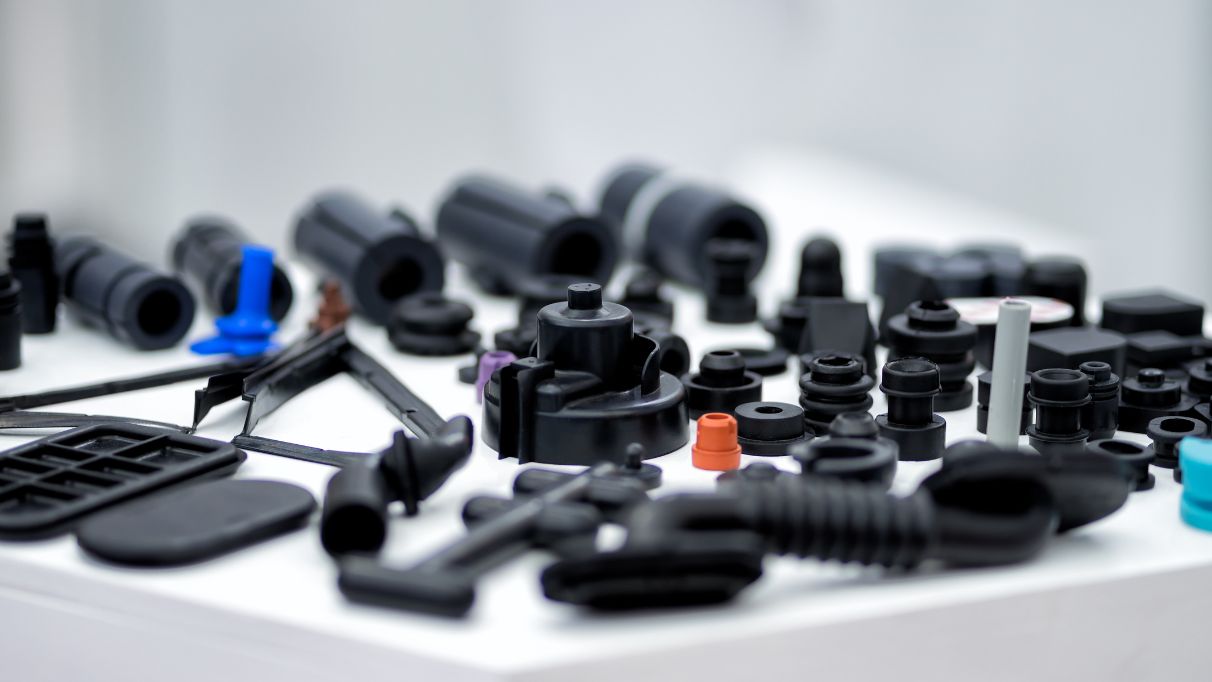
Enjeksiyon kalıplama yöntemiyle üretilen parçalar, endüstriyel ihtiyaçlara uygun olarak özelleştirilebilir veya değiştirilebilir mi?
Evet, enjeksiyon kalıplama yöntemiyle üretilen parçalar, benzersiz endüstriyel ihtiyaçları karşılayacak şekilde özelleştirilebilir veya değiştirilebilir. Enjeksiyon kalıplama işlemi esneklik ve çok yönlülük sunarak, belirli tasarım gereksinimlerine sahip son derece özelleştirilmiş parçaların üretimine olanak tanır. Enjeksiyon kalıplama yöntemiyle üretilen parçaların nasıl özelleştirilebileceği veya değiştirilebileceğine dair ayrıntılı bir açıklama aşağıda verilmiştir:
Tasarım Özelleştirme:
Enjeksiyon kalıplama yöntemiyle üretilen bir parçanın tasarımı, benzersiz endüstriyel ihtiyaçları karşılayacak şekilde özelleştirilebilir. Tasarım özelleştirmesi, belirli fonksiyonel gereksinimleri karşılamak için parçanın geometrisini, özelliklerini ve boyutlarını değiştirmeyi içerir. Bu, özellik eklemeyi veya çıkarmayı, duvar kalınlıklarını değiştirmeyi, alt kesimler veya dişler eklemeyi ve parçayı diğer bileşenlerle montaj veya entegrasyon için optimize etmeyi içerebilir. Bilgisayar destekli tasarım (CAD) araçları ve mühendislik uzmanlığı, belirli endüstriyel ihtiyaçları karşılayan özel tasarımlar oluşturmak için kullanılır.
Malzeme Seçimi:
Enjeksiyon kalıplama yöntemiyle üretilen parçalar için malzeme seçimi, benzersiz endüstriyel gereksinimlere göre özelleştirilebilir. Farklı malzemeler, mukavemet, sertlik, kimyasal direnç ve termal kararlılık gibi farklı özelliklere sahiptir. En uygun malzeme seçilerek, parçanın performansı ve işlevselliği belirli uygulama için optimize edilebilir. Malzeme özelleştirmesi, enjeksiyon kalıplama yöntemiyle üretilen parçanın, endüstriyel uygulamayla ilişkili çevresel koşullara, operasyonel gerilimlere ve kimyasal maruziyetlere dayanabilmesini sağlar.
Yüzey İşlemleri:
Enjeksiyon kalıplama yöntemiyle üretilen parçaların yüzey kaplaması, belirli endüstriyel ihtiyaçları karşılayacak şekilde özelleştirilebilir. Yüzey kaplamaları, istenen estetik görünüm, fonksiyonel gereksinimler veya kavrama kolaylığına bağlı olarak pürüzsüz ve cilalıdan dokulu veya desenliye kadar değişebilir. Özel yüzey kaplamaları, parçanın görünümünü iyileştirebilir, aşınmaya veya korozyona karşı ek koruma sağlayabilir veya diğer bileşenler veya ekipmanlarla belirli etkileşimleri mümkün kılabilir.
Renk ve Görünüm:
Enjeksiyon kalıplama yöntemiyle üretilen parçalar, renk ve görünüm açısından özelleştirilebilir. Belirli tonlar veya renk kombinasyonları elde etmek için kalıplama işlemi sırasında malzemeye renklendirici eklenebilir. Bu özelleştirme seçeneği, özellikle marka oluşturma, ürün farklılaştırma veya görsel kimliklendirme gerektiğinde kullanışlıdır. Ayrıca, benzersiz görünümler veya görsel efektler oluşturmak için kalıp tasarımına yüzey dokuları, desenler veya özel efektler eklenebilir.
İkincil İşlemler:
Enjeksiyon kalıplama yöntemiyle üretilen parçalar, benzersiz endüstriyel ihtiyaçlara göre daha da özelleştirilebilmeleri veya değiştirilebilmeleri için ikincil işlemlere tabi tutulabilir. Bu ikincil işlemler, işleme, delme, kılavuz çekme, kaynak, ısıl işlem veya kaplama uygulama gibi kalıplama sonrası süreçleri içerebilir. Bu işlemler, yalnızca enjeksiyon kalıplama işlemiyle elde edilemeyen belirli özelliklerin veya işlevlerin eklenmesini sağlar. İkincil işlemler, özelleştirme için esneklik sağlar ve enjeksiyon kalıplama yöntemiyle üretilen parçaların karmaşık montajlara veya sistemlere entegre edilmesine olanak tanır.
Takım Değişiklikleri:
Mevcut enjeksiyon kalıplı bir parçada değişiklik veya ayarlama gerekiyorsa, kalıp takımı değişikliklere uyacak şekilde değiştirilebilir veya yeniden yapılandırılabilir. Kalıp takımı değişiklikleri, kalıp tasarımını, boşluk eklerini, besleme sistemlerini veya soğutma kanallarını değiştirmeyi içerebilir. Bu, tamamen yeni bir kalıp oluşturmaya gerek kalmadan değiştirilmiş parçaların üretilmesine olanak tanır. Kalıp takımı değişiklikleri, gelişen endüstriyel ihtiyaçları karşılamak için enjeksiyon kalıplı parçaları özelleştirmek veya uyarlamak için uygun maliyetli seçenekler sunar.
Prototip Oluşturma ve Yinelemeli Geliştirme:
Enjeksiyon kalıplama, parçaların hızlı prototiplemesini ve yinelemeli gelişimini mümkün kılar. 3D baskı veya yumuşak kalıplama kullanılarak, test, doğrulama ve iyileştirme için az miktarda özel parça üretmek üzere prototip kalıplar oluşturulabilir. Bu yinelemeli geliştirme süreci, gerçek dünya geri bildirimlerine dayanarak değişiklikler ve iyileştirmeler yapılmasına olanak tanıyarak, nihai enjeksiyon kalıplı parçaların benzersiz endüstriyel ihtiyaçları etkili bir şekilde karşılamasını sağlar.
Genel olarak, enjeksiyon kalıplama yöntemiyle üretilen parçalar, tasarım özelleştirmesi, malzeme seçimi, yüzey işlemleri, renk ve görünüm seçenekleri, ikincil işlemler, kalıp modifikasyonları ve yinelemeli geliştirme yoluyla benzersiz endüstriyel ihtiyaçları karşılayacak şekilde özelleştirilebilir veya değiştirilebilir. Enjeksiyon kalıplama işleminin esnekliği ve çok yönlülüğü, belirli endüstriyel gereksinimleri karşılayan son derece özelleştirilmiş parçalar üretmek için onu değerli bir üretim yöntemi haline getirmektedir.
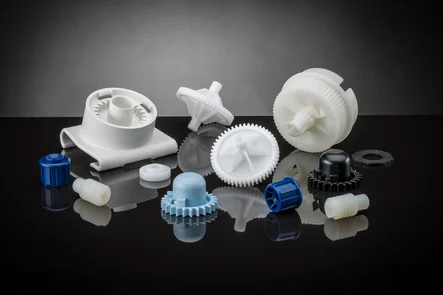
Uygulama gereksinimlerine göre enjeksiyon kalıplama malzemelerinin seçimi konusunda rehberlik sağlayabilir misiniz?
Evet, uygulama gereksinimlerine bağlı olarak enjeksiyon kalıplama malzemelerinin seçimi konusunda rehberlik sağlayabilirim. Enjeksiyon kalıplama için malzeme seçimi, kalıplanmış parçaların performansı, dayanıklılığı ve işlevselliğini belirlemede kritik bir rol oynar. İşte dikkate alınması gereken faktörlerin ayrıntılı açıklaması ve uygun malzemeyi seçmek için rehberlik:
1. Mekanik Özellikler:
Mukavemet, sertlik, darbe dayanımı ve aşınma direnci gibi uygulama için gerekli mekanik özellikleri göz önünde bulundurun. Farklı malzemelerin mekanik özellikleri değişkenlik gösterir ve uygun özelliklere sahip bir malzeme seçmek çok önemlidir. Örneğin, ABS, PC veya naylon gibi mühendislik termoplastikleri yüksek mukavemet ve darbe dayanımı sunarken, PEEK veya ULTEM gibi malzemeler yüksek sıcaklıklarda olağanüstü mekanik performans sağlar.
2. Kimyasal Direnç:
Parça kimyasallara maruz kalacaksa, malzemenin kimyasal direncini göz önünde bulundurun. PVC veya PTFE gibi bazı malzemeler çok çeşitli kimyasallara karşı mükemmel direnç gösterirken, diğerleri bozulmaya veya şişmeye yatkın olabilir. Seçilen malzemenin, uygulama ortamında karşılaşacağı belirli kimyasallara dayanabileceğinden emin olun.
3. Termal Özellikler:
Uygulamanın çalışma sıcaklığı aralığını değerlendirin ve uygun termal özelliklere sahip bir malzeme seçin. PPS, PEEK veya LCP gibi malzemeler mükemmel ısı direnci sunarken, diğerlerinin sıcaklık kapasitesi sınırlı olabilir. Parçanın maksimum sıcaklığı, termal kararlılığı, termal genleşme katsayısı ve ısı transferi gereksinimleri gibi faktörleri göz önünde bulundurun.
4. Elektriksel Özellikler:
Elektrik veya elektronik uygulamalar için, malzemenin elektriksel özelliklerini göz önünde bulundurun. PBT veya PPS gibi malzemeler iyi elektriksel yalıtım özellikleri sunarken, diğerleri iletken veya dağıtıcı özelliklere sahip olabilir. Uygulama için gerekli dielektrik dayanımını, elektriksel iletkenliği, yüzey direncini ve diğer ilgili elektriksel özellikleri belirleyin.
5. Çevresel Koşullar:
Parçanın maruz kalacağı çevresel koşulları değerlendirin; örneğin nem, UV ışınlarına maruz kalma, dış mekan hava koşulları veya aşırı sıcaklıklar. ASA veya HDPE gibi bazı malzemeler mükemmel hava koşullarına dayanıklılık ve UV direnci gösterirken, diğerleri zorlu koşullar altında bozulabilir veya kırılgan hale gelebilir. Uzun vadeli performans ve dayanıklılık sağlamak için belirli çevresel faktörlere dayanabilen bir malzeme seçin.
6. Mevzuat Uyumluluğu:
Malzemenin karşılaması gereken düzenleyici gereklilikleri veya endüstri standartlarını göz önünde bulundurun. Tıp veya gıda endüstrisi gibi bazı uygulamalar, FDA onaylı veya belirli sertifikalara uygun malzemeler gerektirebilir. Seçilen malzemenin, amaçlanan uygulama için gerekli düzenleyici ve güvenlik standartlarını karşıladığından emin olun.
7. Maliyet Hususları:
Malzeme seçiminin maliyet etkilerini değerlendirin. Farklı malzemelerin maliyetleri değişir ve malzeme seçimi proje bütçesiyle uyumlu olmalıdır. Sadece birim başına malzeme maliyetini değil, aynı zamanda kalıp giderleri, üretim verimliliği ve parçanın genel yaşam döngüsü maliyeti gibi faktörleri de göz önünde bulundurun.
8. Malzeme Temini ve İşleme:
Malzemenin bulunabilirliğini kontrol edin ve enjeksiyon kalıplama işleminde işlenebilirliğini göz önünde bulundurun. Malzemenin tedarikçilerden kolayca temin edilebildiğinden ve erime akış hızı, kalıplanabilirlik ve seçilen kalıplama ekipmanıyla uyumluluk gibi belirli enjeksiyon kalıplama proses parametrelerine uygun olduğundan emin olun.
9. Malzeme Testi ve Doğrulama:
Seçilen malzemenin gerekli özelliklere ve performans kriterlerine uygun olduğundan emin olmak için malzeme testleri ve doğrulama işlemleri gerçekleştirin. Malzemenin özelliklerini ve davranışını uygulamaya özgü koşullar altında doğrulamak için mekanik, termal, kimyasal ve elektriksel testler yapın.
Belirli uygulama gereksinimlerine bağlı olarak daha fazla rehberlik ve öneri almak için malzeme tedarikçileri, mühendisler veya enjeksiyon kalıplama uzmanlarıyla görüşmeyi düşünün. Uzmanlıkları ve sektör standartları ile en iyi uygulamalar hakkındaki bilgileri sayesinde malzeme seçimi konusunda değerli bilgiler sağlayabilirler.
Bu faktörleri ve kılavuzları dikkatlice değerlendirerek, belirli uygulama gereksinimlerini karşılayan ve kalıplanmış parçaların optimum performansını, dayanıklılığını ve işlevselliğini sağlayan en uygun enjeksiyon kalıplama malzemesini seçebilirsiniz.
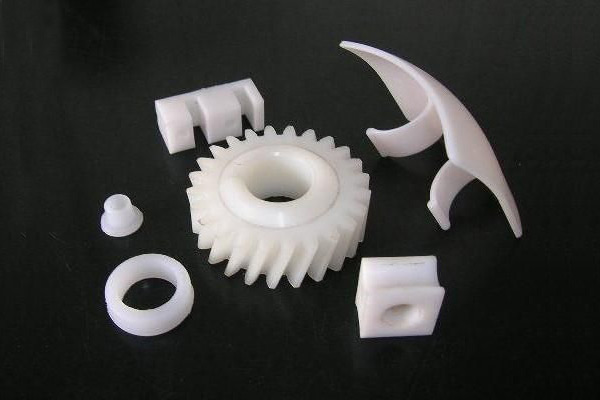
Enjeksiyon kalıplama yöntemiyle üretilen parçalar hangi sektörlerde ve uygulamalarda yaygın olarak kullanılmaktadır?
Enjeksiyon kalıplama yöntemiyle üretilen parçalar, çok yönlülükleri, maliyet etkinliği ve özel tasarım gereksinimlerini karşılayabilme yetenekleri nedeniyle çeşitli sektörlerde ve uygulamalarda yaygın olarak kullanılmaktadır. İşte enjeksiyon kalıplama yöntemiyle üretilen parçaların yaygın olarak kullanıldığı sektörler ve uygulamaların ayrıntılı bir açıklaması:
1. Otomotiv Endüstrisi:
Otomotiv endüstrisi, hem iç hem de dış bileşenler için enjeksiyon kalıplama yöntemiyle üretilen parçalara büyük ölçüde bağımlıdır. Bu parçalar arasında gösterge panelleri, kapı panelleri, tamponlar, ızgaralar, iç döşemeler, koltuk bileşenleri, elektrik bağlantı elemanları ve çeşitli motor ve şanzıman bileşenleri yer almaktadır. Enjeksiyon kalıplama, otomotiv endüstrisinin katı gereksinimlerini karşılayan hafif, dayanıklı ve estetik açıdan hoş parçaların üretilmesini sağlar.
2. Tüketici Elektroniği:
Enjeksiyon kalıplama yöntemiyle üretilen parçalar, tüketici elektroniği sektöründe yaygındır. Akıllı telefonlar, tabletler, dizüstü bilgisayarlar, oyun konsolları, televizyonlar, kameralar ve diğer elektronik cihazlar için gövde, düğme, çerçeve, konektör ve yapısal parçalar gibi bileşenlerin üretiminde kullanılırlar. Enjeksiyon kalıplama, hassas boyutlara, mükemmel yüzey kalitesine ve geçmeli bağlantılar, menteşeler ve iç yapılar gibi özelliklerin entegre edilebilmesine olanak tanır.
3. Tıp ve Sağlık Hizmetleri:
Tıp ve sağlık sektörü, çok çeşitli cihaz ve ekipmanlar için enjeksiyon kalıplama yöntemiyle üretilen parçaları yaygın olarak kullanmaktadır. Bunlar arasında tıbbi cihazlar, teşhis ekipmanları, cerrahi aletler, ilaç dağıtım sistemleri, laboratuvar ekipmanları ve tek kullanımlık tıbbi ürünler için bileşenler yer almaktadır. Enjeksiyon kalıplama, steril, biyolojik olarak uyumlu ve hassas, sıkı toleranslara sahip parçalar üretme avantajı sunarak tıbbi uygulamalarda güvenlik ve güvenilirlik sağlamaktadır.
4. Ambalaj ve Kaplar:
Enjeksiyon kalıplama yöntemiyle üretilen parçalar, ambalaj ve konteyner endüstrisinde yaygın olarak kullanılmaktadır. Bu parçalar arasında kapaklar, kapatma mekanizmaları, şişeler, kavanozlar, kaplar, tepsiler ve çeşitli ambalaj bileşenleri yer almaktadır. Enjeksiyon kalıplama, hafif, dayanıklı ve görsel olarak çekici ambalaj çözümlerinin üretilmesine olanak tanır. Bu işlem, kurcalamaya karşı koruyucu contalar, menteşeler ve geçmeli kapaklar gibi özelliklerin entegrasyonunu sağlayarak ambalaj ürünlerinin işlevselliğine ve kullanım kolaylığına katkıda bulunur.
5. Havacılık ve Savunma:
Havacılık ve savunma sanayileri, çeşitli uygulamalar için enjeksiyon kalıplama yöntemiyle üretilen parçaları kullanmaktadır. Bunlar arasında uçak iç mekanları, kokpit kontrolleri, aviyonik sistemler, füze sistemleri, uydu bileşenleri ve askeri teçhizat yer almaktadır. Enjeksiyon kalıplama, havacılık ve savunma sektörlerinin katı gereksinimlerini karşılayan, hafif, yüksek mukavemetli ve karmaşık geometrilere sahip parçalar üretme avantajı sunmaktadır.
6. Endüstriyel Ekipmanlar:
Enjeksiyon kalıplama yöntemiyle üretilen parçalar, çeşitli uygulamalar için endüstriyel ekipmanlarda yaygın olarak kullanılmaktadır. Bunlar arasında makineler, aletler, pompalar, vanalar, elektrik panoları, konektörler ve sıvı taşıma sistemleri için bileşenler yer almaktadır. Enjeksiyon kalıplama, mükemmel boyutsal doğruluk, dayanıklılık ve kimyasallara, yağlara ve diğer zorlu endüstriyel ortamlara karşı direnç gösteren parçalar üretme olanağı sağlar.
7. Mobilya ve Ev Aletleri:
Mobilya ve ev aletleri sektörleri, çeşitli bileşenler için enjeksiyon kalıplama yöntemiyle üretilen parçaları kullanmaktadır. Bunlar arasında mobilya, mutfak aletleri, ev aletleri ve beyaz eşyalar için kulplar, topuzlar, düğmeler, menteşeler, dekoratif unsurlar ve yapısal parçalar yer almaktadır. Enjeksiyon kalıplama, estetik görünüme, fonksiyonel tasarıma ve düzenli kullanıma ve çevresel koşullara dayanabilme özelliğine sahip parçaların üretilmesini sağlar.
8. Oyuncaklar ve Eğlence Ürünleri:
Enjeksiyon kalıplama yöntemiyle üretilen parçalar genellikle oyuncak ve eğlence ürünleri sektöründe bulunur. Plastik oyuncaklar, oyunlar, yapbozlar, spor malzemeleri, dış mekan ekipmanları ve oyun alanı bileşenlerinin üretiminde kullanılırlar. Enjeksiyon kalıplama, bu ürünlerin özel gereksinimlerini karşılayan renkli, dayanıklı ve güvenli parçaların üretilmesine olanak tanır.
9. Elektrik ve Elektronik:
Enjeksiyon kalıplama yöntemiyle üretilen parçalar, elektrik ve elektronik endüstrisinde yaygın olarak kullanılmaktadır. Elektrik konektörleri, anahtarlar, prizler, kablo demeti bileşenleri, muhafazalar ve diğer elektrikli ve elektronik cihazların üretiminde kullanılırlar. Enjeksiyon kalıplama, mükemmel boyutsal doğruluk, elektriksel yalıtım özellikleri ve karmaşık özellikleri entegre etme yeteneği ile parça üretme avantajı sunar.
10. Tesisat ve Boru Bağlantı Parçaları:
Sıhhi tesisat ve boru bağlantı parçaları sektörü, çeşitli bileşenler için enjeksiyon kalıplama yöntemiyle üretilen parçalara güvenmektedir. Bunlar arasında bağlantı parçaları, vanalar, konektörler, kaplinler ve diğer sıhhi tesisat sistemi bileşenleri yer almaktadır. Enjeksiyon kalıplama, hassas boyutlara, kimyasal dirence ve sağlamlığa sahip parçaların üretilmesini sağlayarak sızdırmaz bağlantılar ve uzun vadeli performans garanti eder.
Özetle, enjeksiyon kalıplama yöntemiyle üretilen parçalar çok çeşitli sektörlerde ve uygulamalarda kullanılmaktadır. Otomotiv, tüketici elektroniği, tıp ve sağlık, ambalaj, havacılık ve savunma, endüstriyel ekipman, mobilya ve ev aletleri, oyuncaklar ve eğlence ürünleri, elektrik ve elektronik ve tesisat sektörleri, yüksek kaliteli, uygun maliyetli ve fonksiyonel olarak optimize edilmiş parçaların üretimi için genellikle enjeksiyon kalıplama yöntemine başvurmaktadır.


editor by CX 2024-01-07