उत्पाद वर्णन
Professional Fashion Style China Precision Plastic Custom Injection Molded Parts Plastic CNC Mechanical Car Auto Part
| 1 | Business Type: | Custom CNC Milling Service (3-axis, 4-axis, 5-axis) Custom CNC Turning Services EDM Wire-EDM |
| 2 | मानक: | JIS, ANSI |
| 3 | Products Range: | Automobile parts,wind power generation equipment accessories,wind power generation equipment accessories, ER fluid, medical apparatus and instruments, standardization of custom, moto parts, machinery parts, lighting components, hardware accessories, electric motor products, etc |
| Agricultural machinery, electrical appliances, furniture hardware | ||
| 4 | Materials: | 1.Stainless Steel: SS201, SS303, SS304, SS316 etc. |
| 2.Carbon Steel: AISI 1045, 9SMnPb28 etc | ||
| 3.Brass: C36000 (C26800), C37700 (HPb59), C38500(HPb58), C27200(CuZn37), C28000(CuZn40) etc. | ||
| 4.Bronze:C51000, C52100, C54400, etc. | ||
| 5.Iron:Grey iron and ductile iron | ||
| 6.Aluminum:6061, 6063,7075,5052 etc. | ||
| 7.Magnesium Alloy: AZ31, AZ61, AZ91 | ||
| 8.प्लास्टिक: PEEK, POM, NYLON, TEFLON, ABS…etc | ||
| 9.Titanium: TC4 | ||
| 5 | Machining: | Turning, Milling, Drilling, Grinding, Cleaning, |
| 6 | Main equipments | CNC lathe, CNC milling, Stamping machine, |
| Automatic lathe, Grinder, Tapping | ||
| Drilling machine…etc | ||
| 7 | Measuring & Testing equipments | CMM, Profile Projector, Rockwell Hardness Tester, CZPT Hardness Tester, Roughness Tester, Micrometers, height gauge, Calipers… etc. |
| 8 | Accuracy: | Accuracy Of Machining:+/-0.005mm |
| Accuracy Of Grinding:+/-0.005mm | ||
| Surface Roughness:Ra0.8 | ||
| Parallelism:+/-0.005mm | ||
| Verticality:+/-0.005mm | ||
| Concentricity:0.003mm | ||
| 9 | सतह का उपचार: | Polishing, Deburring, Chrome Plating, Ni Plated, Zinc plated, Silver platinng |
| Anodizing various colors, Carburizing Nitriding, Heat Treatment, etc… | ||
| 10 | MOQ | 1 ~10000pcs. |
| 11 | DRW Format: | DWG, PDF, IGS, STEP, SLDPRT, SLDDRW, PRT, DRW, DXF, X_T, etc… |
| 12 | QC System: | 100% Inspection before shipment |
| 13 | Certificate | ISO9001: 2015, SGS Factory Audit |
| 14 | Payment Term: | 30% T/T + 70% T/T, Western Union, PayPal, L/C |
| 15 | Trade Terms: | FOB, CIF, L/C |
| 16 | समय सीमा: | 7~45 days after confirming |
| 17 | Sample Lead Time: | 3-7 Working Days |
| 18 | Transport Package: | Foam/wooden box, Anti-rust paper, Small box and carton, Pallets… etc. |
| 19 | Origin: | China |
| 20 | Our Advantages: | Reliable Quality |
| Competitive Price | ||
| High precision, high quality, high accurancy | ||
| Continuous Improvement | ||
| Defect-Free Products | ||
| On-Time Delivery | ||
| Customer Satisfaction | ||
| Excellent After-Sales Service |
उत्पादन प्रक्रिया
कंपनी प्रोफाइल
Quality Control Standards
To consistently exceed customer expectations, qua lity control and assurance is achieved through
Comprehensive written procedures and policies
Fully equipped inspection department
Detailed records of incoming raw materia
Consistent calibration and labeling of inspection tools
Analysis of root cause of non-conformances.
Staff members being strongly encouraged to sugqest improvements in methods, materials and suppliers
प्रमाणपत्र
पैकेजिंग और शिपिंग
अक्सर पूछे जाने वाले प्रश्न
Q: Are you trading company or manufacturer ?
A: We are direct factory with experienced engineers and employees as well as well-organized workshop.
Q: How long is your delivery time?
A: Generally it is 5-10 days if the goods are in stock. or it is 15-20 days if the goods are not in stock, it is according to quantity.
Q: Do you provide samples ? is it free or extra ?
A: Yes, the sample fee depends on the product geometry, and the fee will be returned to your bulk order.
Q: How long can I get the sample?
A: Depends on your part geometry, normally within 3-7 days.
Q: How long is your delivery time?
A: Sample 3-7days; Mass production order 7-45 days depends on quantity and part complexity.
Q: What is your terms of payment ?
A: Payment=1000USD, 30% T/T in advance ,balance before shippment.
Q: What’s kinds of information you need for a quote?
A: Kindly please provide the product 2D drawing with PDF or DWG format and 3D drawings with STEP or IGS or X_T format, and other requirements like: surface treatment, quantity…etc.
Q: What is your standard PO procurement process flow?
A: Prototyping —-> FA approval —-> Quality Control Plan —> Manufacturing Process Instruction —> Batch Production —> Inspection —> Shipping
Q: What shall we do if we do not have drawings?
A. Please send your sample to our factory, then we can copy or provide you better solutions. Please send us pictures or drafts with dimensions (Length, Height, Width), CAD or 3D file will be made for you if placed order.
Q: Will my drawings be safe after sending to you?
A: Yes, we can CZPT the NDA before got your drawing and will not release to the third party without your permission
Q: Is it possible to know how are my products going on without visiting your company?
A: We will offer a detailed production schedule and send weekly reports with digital pictures and videos which
show the machining progress
Q: How to enjoy the OEM services?
A: Usually, base on your design drawings or original samples, we give some technical proposals and a quotation
to you, after your agreement, we produce for you.
If you have another question, pls feel free to contact us
| आवेदन पत्र: | Fastener, Auto and Motorcycle Accessory, Hardware Tool, Machinery Accessory, Medical Spare Part, Telecommunication Part |
|---|---|
| मानक: | GB, EN, API650, China GB Code, JIS Code, TEMA, ASME |
| सतह का उपचार: | Anodizing |
| उत्पादन प्रकार: | Single Production |
| मशीनिंग विधि: | CNC Milling |
| सामग्री: | नायलॉन, स्टील, प्लास्टिक, पीतल, मिश्र धातु, तांबा, एल्युमीनियम, लोहा |
| उदाहरण: |
US$ 100/Piece
1 पीस (न्यूनतम ऑर्डर) | |
|---|
| अनुकूलन: |
उपलब्ध
| अनुकूलित अनुरोध |
|---|

इंजेक्शन मोल्डेड पार्ट्स का डिजाइन तैयार करना
इंजेक्शन मोल्डिंग से बने पुर्जे एक साथ मिलकर एक संपूर्ण इकाई बनाने के लिए डिज़ाइन किए जाते हैं। हालांकि लेगो जैसे छोटे प्लास्टिक के खिलौने आमतौर पर असेंबली के लिए नहीं बनाए जाते, फिर भी इन उत्पादों में सटीक माप की आवश्यकता होती है। इसी कारण, इंजेक्शन मोल्डिंग से बने पुर्जों के डिज़ाइन को निर्माण के लिए परिपूर्ण बनाया जाना चाहिए। डिज़ाइन में त्रुटियों की संभावना को भी कम से कम किया जाना चाहिए।
इंजेक्शन मोल्डिंग द्वारा तैयार किए गए पुर्जों के लिए डिजाइन संबंधी विचार
इंजेक्शन मोल्डिंग द्वारा पुर्जे डिजाइन करते समय, पुर्जे की दीवार की मोटाई पर ध्यान देना अत्यंत आवश्यक है। आदर्श रूप से, पूरी पुर्जे की दीवार की मोटाई एक समान होनी चाहिए। इससे मोल्ड कैविटी पूरी तरह से भर जाती है और दोषों का खतरा कम हो जाता है। जिन पुर्जों की दीवार की मोटाई एक समान नहीं होती, उनके दो खंडों के बीच की सीमा पर अत्यधिक तनाव उत्पन्न होता है, जिससे दरारें, टेढ़ापन और मुड़ने का खतरा बढ़ जाता है। ऐसे तनावों से बचने के लिए, डिजाइनर तनाव संकेंद्रण को समाप्त करने के लिए पुर्जे के किनारों को पतला या गोल कर सकते हैं।
इंजेक्शन मोल्डिंग द्वारा निर्मित पुर्जे की दीवार की मोटाई महत्वपूर्ण होती है क्योंकि यह कई प्रमुख विशेषताओं को प्रभावित करती है। इसलिए, मोल्ड संबंधी समस्याओं या मोल्ड में संशोधन के कारण होने वाली महंगी देरी से बचने के लिए दीवार की मोटाई का चुनाव करते समय उचित सावधानी बरतना अत्यंत आवश्यक है। पुर्जे के कार्य और तनाव संबंधी आवश्यकताओं के आधार पर नाममात्र दीवार की मोटाई निर्धारित की जानी चाहिए। इसी प्रकार, स्वीकार्य तनाव के आधार पर न्यूनतम दीवार की मोटाई की गणना की जानी चाहिए। बहुत पतली दीवार से हवा फंस सकती है और अत्यधिक प्लास्टिक दबाव उत्पन्न हो सकता है।
इंजेक्शन मोल्डिंग से बने जिन पुर्जों के कोने नुकीले होते हैं, उनमें अक्सर खराबी आ जाती है। नुकीले कोनों से तनाव का जमाव, प्रवाह में गड़बड़ी और इंजेक्शन मोल्ड का घिसाव बढ़ जाता है। इन समस्याओं को कम करने के लिए, डिज़ाइनरों को अंदरूनी और बाहरी कोनों की मोटाई दीवार की मोटाई से आधी रखनी चाहिए। इससे तनाव कम होगा और पुर्जे की मजबूती सुनिश्चित होगी।
इंजेक्शन मोल्डिंग द्वारा निर्मित पुर्जों के लिए एक अन्य महत्वपूर्ण डिज़ाइन संबंधी पहलू पसलियों की मोटाई है। ये बाहरी दीवार की मोटाई का कम से कम दो-तिहाई होनी चाहिए। अधिक मोटी पसलियों के कारण बाहरी सतह पर धंसाव के निशान पड़ सकते हैं। अंडरकट भी मोल्ड डिज़ाइन को जटिल बनाते हैं और पुर्जे की लागत बढ़ाते हैं।
टॉलरेंस में भिन्नता भी एक महत्वपूर्ण पहलू है। यह सामग्री, प्रक्रिया नियंत्रण और उपकरण डिज़ाइन पर निर्भर करती है। टॉलरेंस में भिन्नता मोल्डर के अनुसार अलग-अलग होती है, इसलिए डिज़ाइनरों को टॉलरेंस संबंधी महत्वपूर्ण आवश्यकताओं पर मोल्डरों से चर्चा करनी चाहिए। यदि किसी पुर्जे को एक निश्चित टॉलरेंस के अनुसार बनाना है, तो डिज़ाइनरों को टॉलरेंस में भिन्नता को कम करने के लिए मोल्ड में संशोधन के विकल्पों पर विचार करना चाहिए। इसके अलावा, डिज़ाइनरों को जानबूझकर अतिरिक्त क्लीयरेंस डिज़ाइन करने की आवश्यकता हो सकती है। इस भिन्नता की भरपाई के लिए, मोल्डर कुछ स्टील हटा सकता है या डिज़ाइन में बदलाव कर सकता है। कुछ मामलों में, वेल्डिंग द्वारा इस समस्या को हल किया जा सकता है।
इंजेक्शन मोल्डिंग द्वारा निर्मित पुर्जों के डिजाइन संबंधी पहलुओं पर डिजाइन प्रक्रिया के शुरुआती चरण में ही सामग्री विज्ञान विशेषज्ञों से चर्चा कर लेनी चाहिए। यह अत्यंत महत्वपूर्ण है क्योंकि मोल्ड डिजाइन में बदलाव महंगा साबित हो सकता है। इसलिए, सर्वोत्तम संभव परिणाम प्राप्त करना सर्वोपरि है। डिजाइन दिशानिर्देशों का पालन करके निर्माता सामान्य दोषों से बच सकते हैं। दीवार की मोटाई एकसमान होना भी आवश्यक है क्योंकि असमान मोटाई के कारण ठंडा होने पर पुर्जे में विकृति आ सकती है।
इंजेक्शन मोल्डिंग से बने पुर्जों के लिए एक और महत्वपूर्ण कारक मोल्ड कैविटी में सामग्री की प्रवाह क्षमता है। राल को गोल कोनों के चारों ओर आसानी से बहने में सक्षम होना चाहिए। उदाहरण के लिए, घुमावदार अंडरकट वाले मोल्ड किए गए पुर्जे को मोल्ड से ठीक से बाहर नहीं निकाला जा सकेगा यदि दोनों किनारों के बीच पर्याप्त जगह न हो। इसलिए, डिजाइनरों को डिजाइन तय करने से पहले मोल्ड की गई सामग्री की प्रवाह क्षमता पर विचार करना चाहिए।
इंजेक्शन मोल्डिंग मशीन में रनर सिस्टम जोड़ना
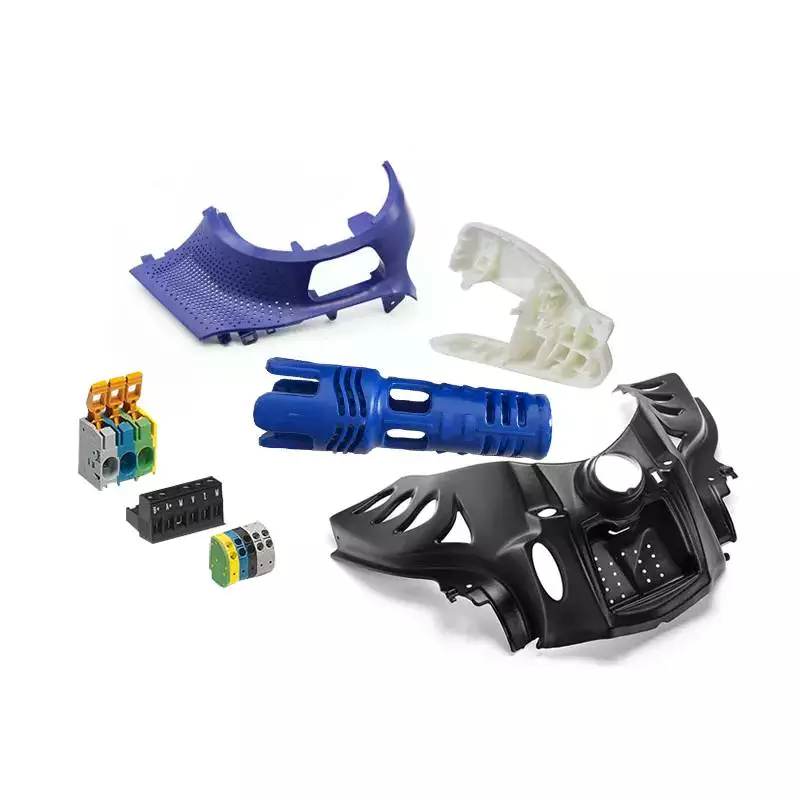 रनर सिस्टम दो मुख्य प्रकार के होते हैं: हॉट रनर सिस्टम और कोल्ड रनर सिस्टम। हॉट रनर सिस्टम में, रनर नोजल पिघले हुए प्लास्टिक को मोल्ड कैविटी में पहुंचाता है। कोल्ड रनर सिस्टम में नोजल की आवश्यकता नहीं होती है और यह पिघले हुए प्लास्टिक के लिए एक माध्यम के रूप में कार्य करता है।
हॉट रनर मोल्ड का डिज़ाइन प्लास्टिक घोल और मोल्ड कैविटीज़ की गतिविधि में संतुलन बनाए रखना चाहिए। आदर्श रूप से, दो कैविटीज़ वाला मोल्ड तीन कैविटीज़ वाले मोल्ड की तुलना में बेहतर संतुलित होता है। हालांकि, यह याद रखना महत्वपूर्ण है कि तीन कैविटीज़ वाले मोल्ड में मानवीय गतिविधियों का संतुलन बनाए रखना आवश्यक होता है।
प्लास्टिक मोल्ड रनर सिस्टम, फिल रेट और प्रेशर में एकरूपता सुनिश्चित करने के लिए बेहद ज़रूरी हैं। चाहे आप सिंगल या मल्टीपल-कैविटी प्लास्टिक पार्ट्स बना रहे हों, रनर सिस्टम आपकी प्रक्रियाओं को एकसमान बनाए रखेगा। रनर सिस्टम चुनते समय, यह सुनिश्चित करें कि वह आपके काम के लिए सही हो।
हॉट रनर सिस्टम उत्पादन चक्र के समय को 10 से 30 प्रतिशत तक कम कर सकते हैं। ये मोल्डिंग प्रक्रिया के दौरान प्लास्टिक को पिघली हुई अवस्था में रखकर गुणवत्ता नियंत्रण में सुधार और सामग्री की बर्बादी को कम करने में सहायक होते हैं। इसके अलावा, ये प्लास्टिक के कच्चे माल और ऊर्जा की बचत करने में भी मदद करते हैं। इन विशेषताओं के कारण ये बड़े उत्पादन संयंत्रों के लिए आदर्श हैं।
हॉट रनर सिस्टम मोल्ड कैविटी को ओवरफिल होने से रोकने में भी मदद कर सकता है। सुनिश्चित करें कि हॉट रनर का आयतन मोल्ड कैविटी के आयतन के बराबर हो। अन्यथा, प्लास्टिक का घोल हॉट रनर के अंदर बहुत देर तक फंसा रहेगा और विघटित हो जाएगा।
हॉट रनर सिस्टम कई प्रकार के होते हैं। एक प्रकार के हॉट रनर सिस्टम को स्प्रू हॉट रनर सिस्टम कहा जाता है। यह सिस्टम नोजल को खोलने और बंद करने के लिए एक मैकेनिकल वाल्व का उपयोग करता है। यह हॉट रनर सिस्टम सामान्य हॉट रनर सिस्टम की तुलना में अधिक प्रभावी और कुशल होता है। हालांकि, यह अधिक महंगा भी होता है।
तीन प्लेटों वाले सांचे में, रनर सिस्टम कोर और कैविटी प्लेटों के बीच स्थित होता है। सांचा खोलने पर, रनर सिस्टम स्वचालित रूप से ढाले गए भाग से अलग हो जाता है। इससे मैन्युअल श्रम की आवश्यकता समाप्त हो जाती है, लेकिन औजारों की लागत बढ़ जाती है।
रनर सिस्टम पतले और मोटे दोनों प्रकार के पुर्जों के उत्पादन के लिए महत्वपूर्ण है। रनर संकरा लेकिन चौड़ा होना चाहिए ताकि कोई खाली जगह न बने और अंतिम उत्पाद का समग्र प्रदर्शन बेहतर हो सके। रनर सिस्टम सामग्री को आकार देने और फिर से पीसने के लिए आवश्यक ऊर्जा की मात्रा को कम करने में भी महत्वपूर्ण भूमिका निभाता है।
हॉट रनर सिस्टम प्लास्टिक मोल्डिंग की गति और सटीकता को बेहतर बनाने का एक तरीका है। यह प्लास्टिक की बर्बादी को कम करके अपशिष्ट की समस्या से बचने में मदद करता है। इसके अलावा, हॉट रनर सिस्टम महंगे मरम्मत कार्यों से भी बचाता है। इंजेक्शन मोल्डिंग सिस्टम में रनर सिस्टम जोड़ने से बेहतर गुणवत्ता और सटीकता सुनिश्चित होती है, साथ ही अनावश्यक डाउनटाइम और महंगे मरम्मत कार्यों से भी बचा जा सकता है।
हॉट रनर सिस्टम बड़े पैमाने पर उत्पादन के लिए आदर्श होते हैं। हालांकि, इनकी देखभाल में अधिक मेहनत लगती है। इसके अलावा, हॉट रनर सिस्टम को साफ करना मुश्किल होता है और अक्सर इनसे अपशिष्ट पदार्थ बच जाते हैं। छिपे हुए रनर को निकालना भी असुविधाजनक हो सकता है, खासकर सामग्री या रंग बदलते समय। यदि ये ताप संवेदनशील सामग्री से बने हों तो चिपकने की समस्या भी पैदा कर सकते हैं।
तापीय रूप से पृथक कोल्ड इंजेक्शन इकाई का उपयोग करना
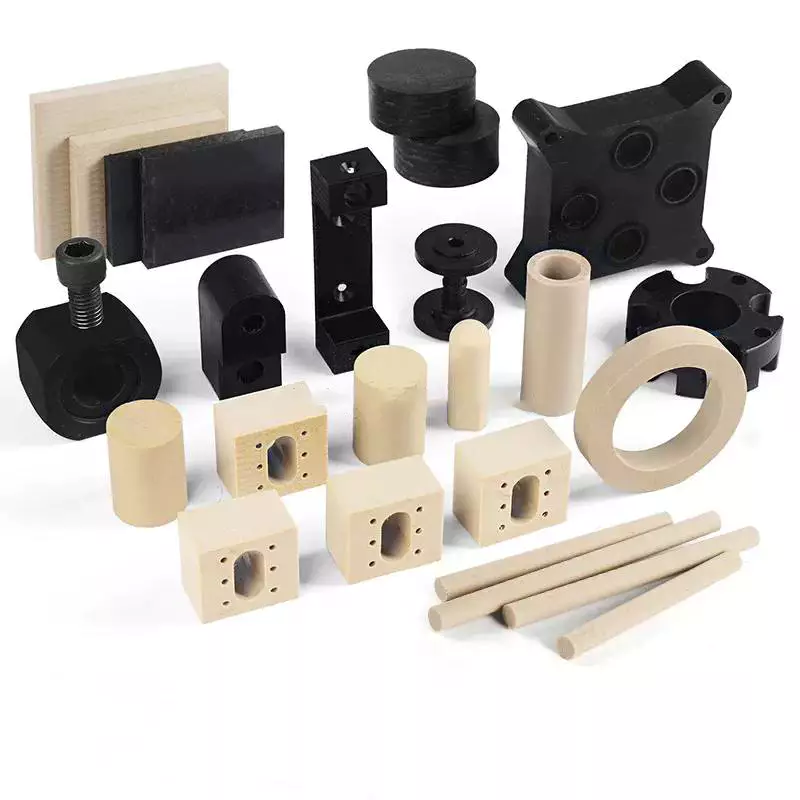 इंजेक्शन मोल्डिंग प्रक्रिया में तापमान का थर्मोस्टैटिक नियंत्रण पार्ट की गुणवत्ता पर महत्वपूर्ण प्रभाव डाल सकता है। मोल्ड के उच्च तापमान को तापमान-नियंत्रित शीतलन इकाई का उपयोग करके नियंत्रित किया जाना चाहिए। ये उपकरण पंपिंग सिस्टम और आंतरिक हीटर से सुसज्जित होते हैं। इंजेक्ट किए गए प्लास्टिक का तापमान प्लास्टिक के प्रवाह गुणों और संकुचन को निर्धारित करता है। तापमान तैयार उत्पाद की सतह की फिनिश, आयामी स्थिरता और भौतिक गुणों को भी प्रभावित करता है।
तापीय रूप से पृथक कोल्ड इंजेक्शन यूनिट मोल्ड ऑपरेटरों को पारंपरिक इंजेक्शन मोल्डिंग मशीन की तुलना में कम तापमान पर पुर्जे बनाने की सुविधा देती है। इंजेक्शन मोल्ड स्वयं स्टील के दो हिस्सों से बना होता है। ये दोनों हिस्से एक यांत्रिक हिंज द्वारा जुड़े होते हैं। इंजेक्शन मोल्डिंग के दौरान, थोड़ी मात्रा में प्लास्टिक को मोल्ड कैविटी में डाला जाता है। इंजेक्ट किया गया प्लास्टिक फिर ठंडा होकर ठोस अवस्था में आ जाता है। इसके बाद, ढाला गया पुर्जा मोल्ड के दोनों हिस्सों से बाहर गिर जाता है। फिर इंजेक्ट किया गया पुर्जा संग्रहण के लिए एक बिन में चला जाता है।
हीट/कूल इंजेक्शन मोल्डिंग प्रक्रिया से ढाले गए पुर्जों की सुंदरता में काफी सुधार हो सकता है। इस तकनीक का प्रभाव विशेष रूप से अमोर्फस रेजिन में स्पष्ट होता है, जो इंजेक्शन के दौरान परत नहीं बनाते हैं। पारंपरिक मोल्डिंग तकनीकों की तुलना में इस प्रक्रिया से ढाले गए पुर्जों में अधिक चमक होती है।
इस प्रक्रिया में पारंपरिक इंजेक्शन मोल्डिंग की तुलना में कम क्लैम्पिंग बल की आवश्यकता होती है और डिज़ाइन में अधिक स्वतंत्रता मिलती है। इससे प्रक्रिया क्षमता और सामग्री की बचत भी बढ़ती है। इस प्रक्रिया का नियंत्रण अधिक जटिल है, जिसमें पिघले हुए पदार्थ की मात्रा, जल दाब और जल इंजेक्शन में लगने वाले समय जैसे चर शामिल होते हैं।
विश्राम कोण एक अन्य मापदंड है। कम कोण यह दर्शाता है कि पेलेट्स आसानी से बह रहे हैं, जबकि 45 डिग्री से अधिक का कोण यह दर्शाता है कि पेलेट्स आसानी से नहीं बह रहे हैं। नायलॉन रेजिन के प्रसंस्करण में यह महत्वपूर्ण है।
प्लास्टिक इंजेक्शन मोल्डिंग ने हाल के दशकों में बहुत प्रगति की है। आज, अधिकांश इंजेक्शन मोल्ड दो प्रकार के होते हैं: हॉट रनर और कोल्ड रनर। दोनों के अपने-अपने फायदे और नुकसान हैं। इनमें अंतर को समझना आपको यह तय करने में मदद करेगा कि आपके लिए कौन सी विधि सही है।
इंजेक्शन मोल्डिंग एक अत्यंत प्रभावी विनिर्माण प्रक्रिया है जो निर्माताओं को प्रतिस्पर्धियों पर बढ़त प्रदान करती है। इस प्रक्रिया का उपयोग करके न्यूनतम अपशिष्ट और कम समय में उच्च गुणवत्ता वाले प्लास्टिक और धातु के पुर्जे तैयार किए जाते हैं। यह प्रक्रिया अत्यंत सटीक भी है और लचीलेपन और मजबूती का सही मिश्रण वाले उत्पाद बनाती है।

editor by CX 2023-04-20