Revisione della selezione
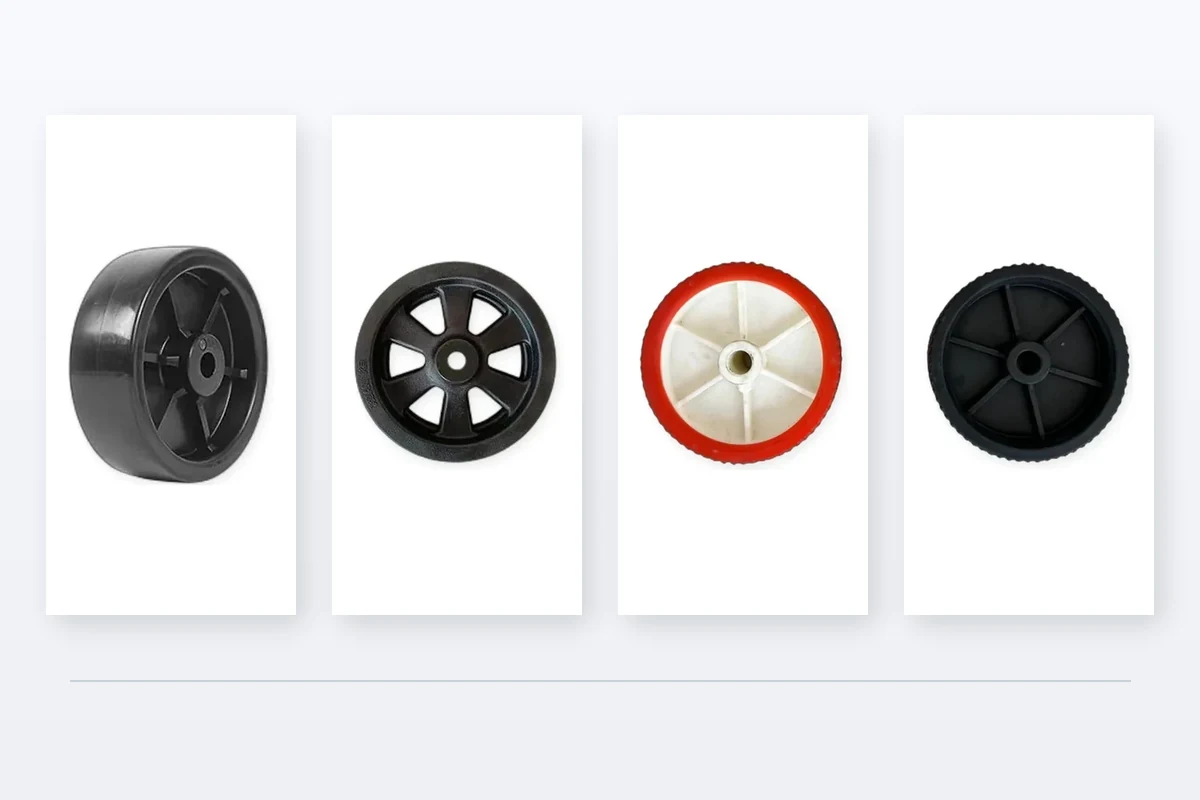
Compare Industrial Plastic Wheels & Support Assemblies on the same fit and duty assumptions
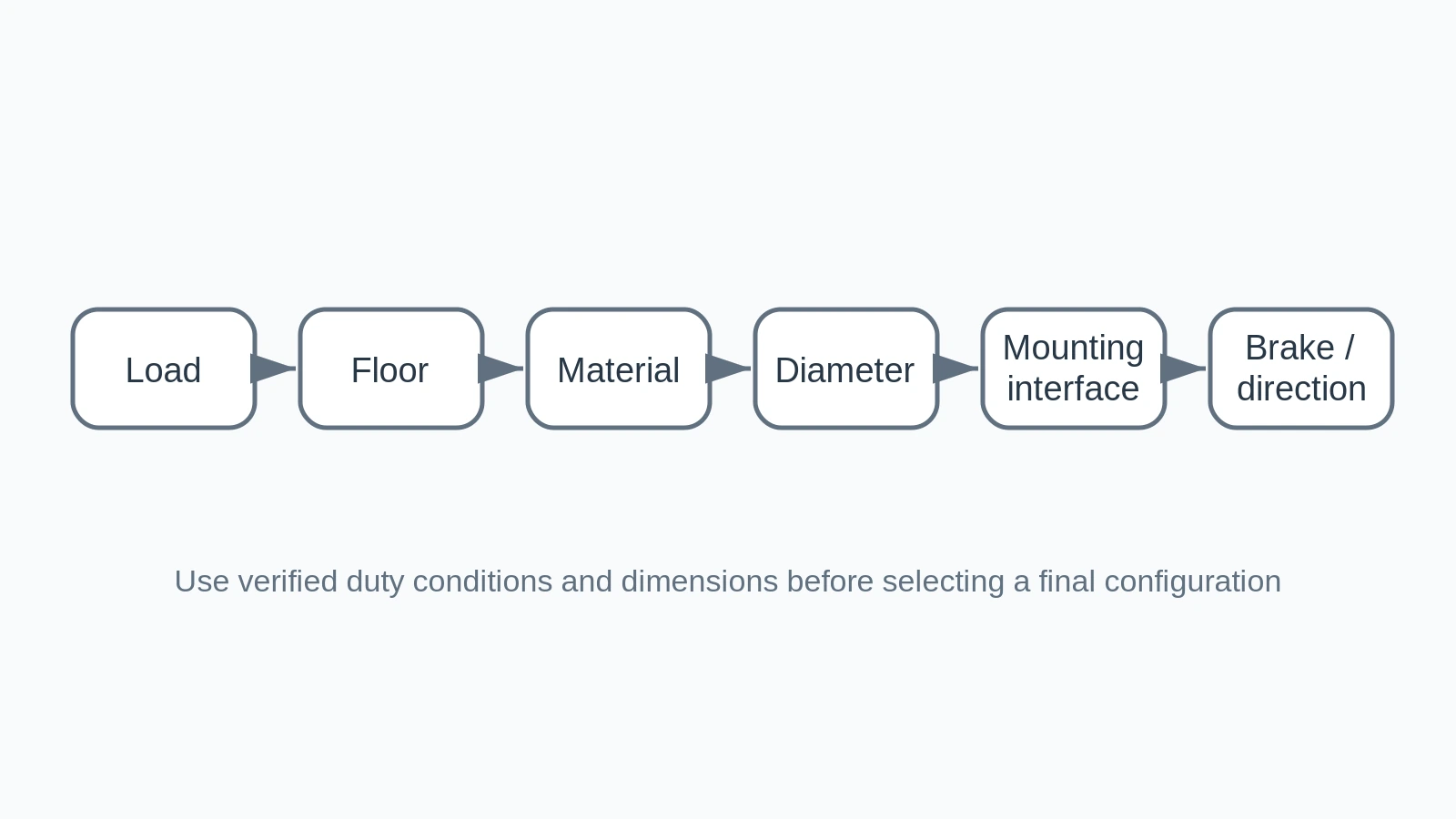
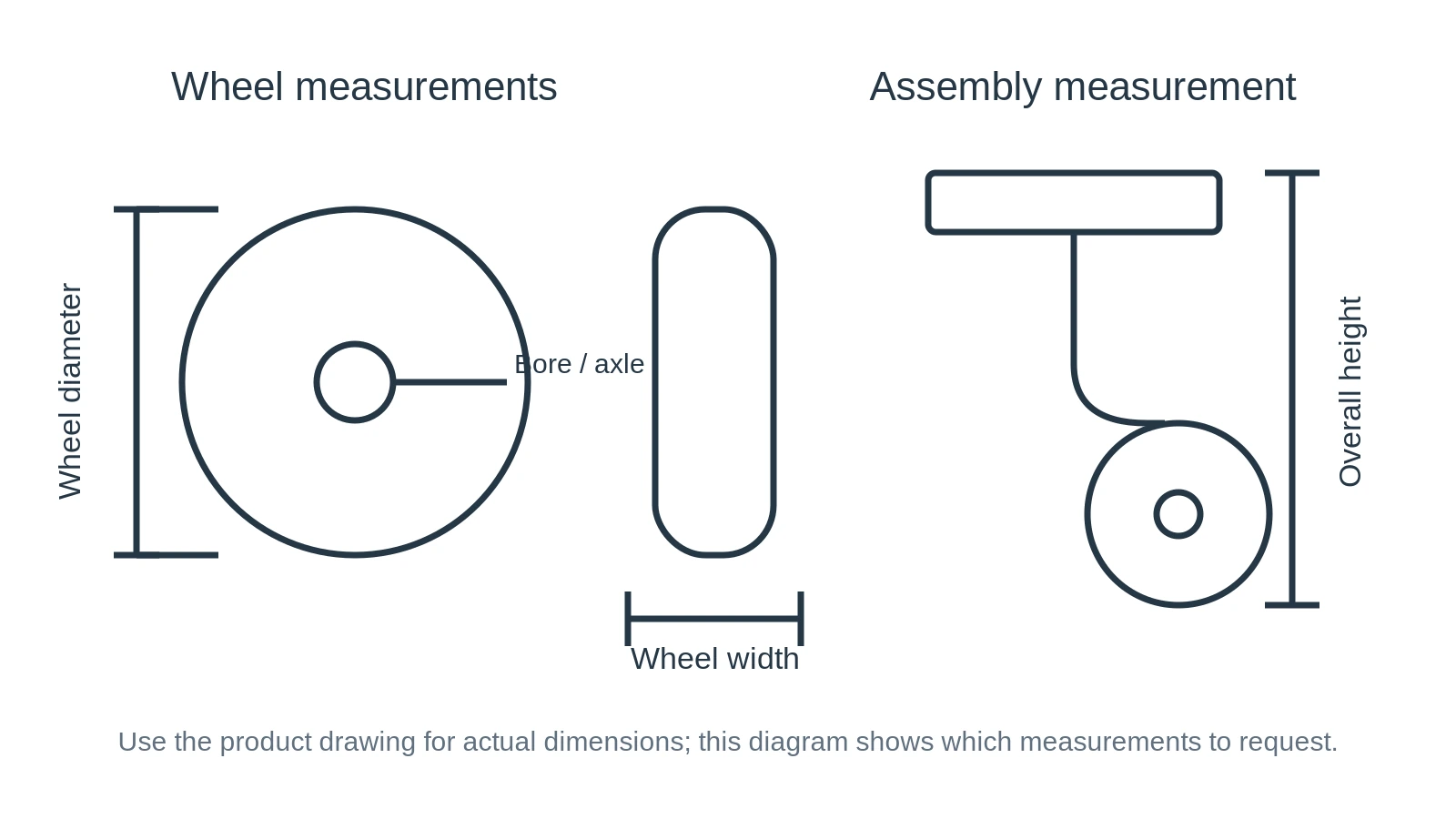
Shortlisting this family is most reliable when every candidate is compared against the same application description. Record wheel diameter, width, material, bore or bearing arrangement, hub length and real load per supporting point before comparing catalogue names or photographs. This keeps the decision tied to the equipment rather than to one attractive feature. On Industrial Plastic Wheels & Support Assemblies, use this point to narrow the family-level choice before treating any individual configuration as a fit for the equipment.
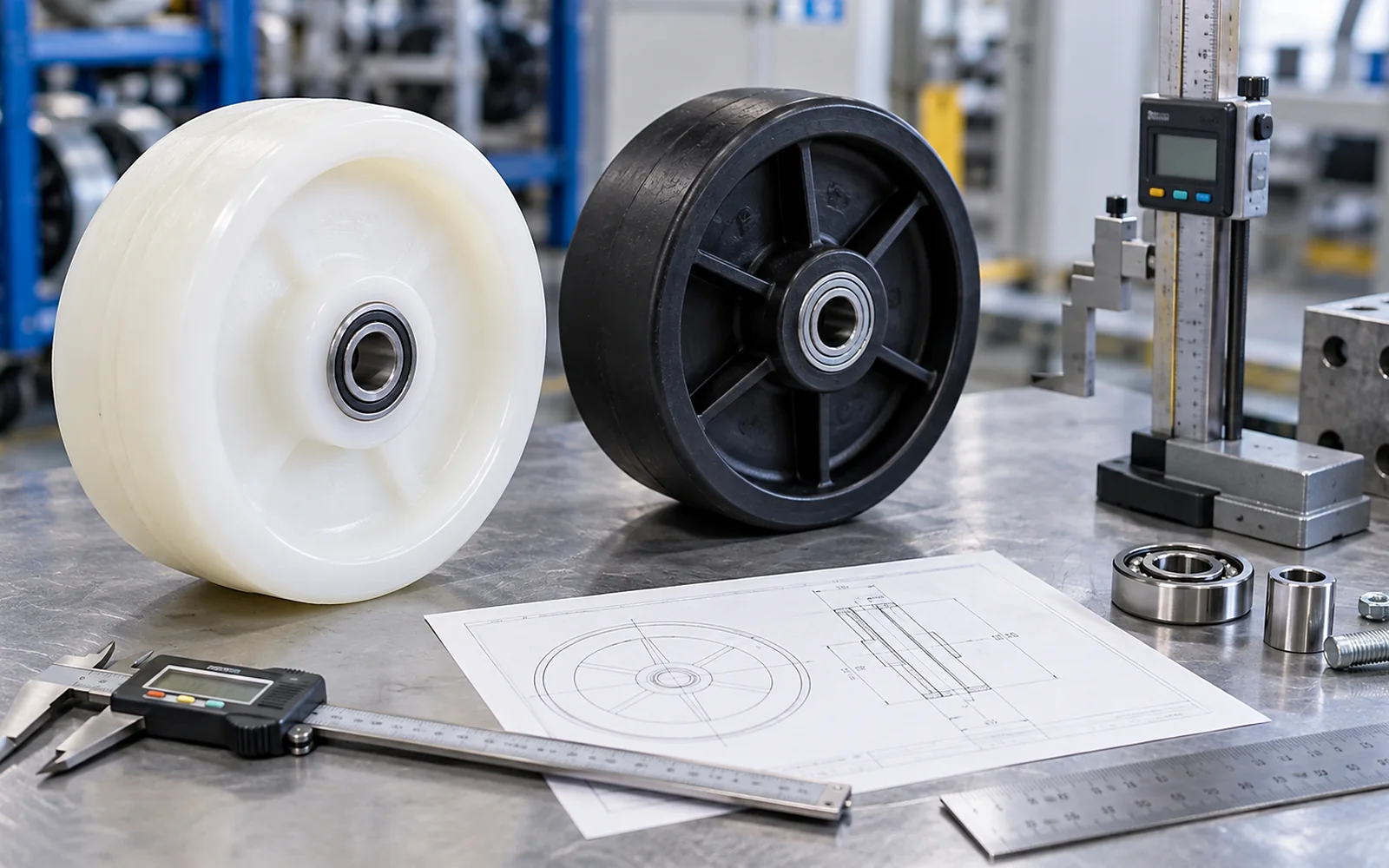
For replacement work, add floor condition, joints or thresholds, axle retention and the amount of side clearance available inside the bracket or frame. Where an existing part is worn, bent or repaired, identify the dimensions that may no longer represent the intended geometry. A measured drawing or dimensioned photograph is more useful than treating visible wear as the design target. On Industrial Plastic Wheels & Support Assemblies, use this point to narrow the family-level choice before treating any individual configuration as a fit for the equipment.
When several configurations are being compared, keep required values and optional preferences in separate columns. If a fit-controlling number is not available, leave it as a confirmation item in the RFQ instead of borrowing a value from another size or series. On Industrial Plastic Wheels & Support Assemblies, use this point to narrow the family-level choice before treating any individual configuration as a fit for the equipment.
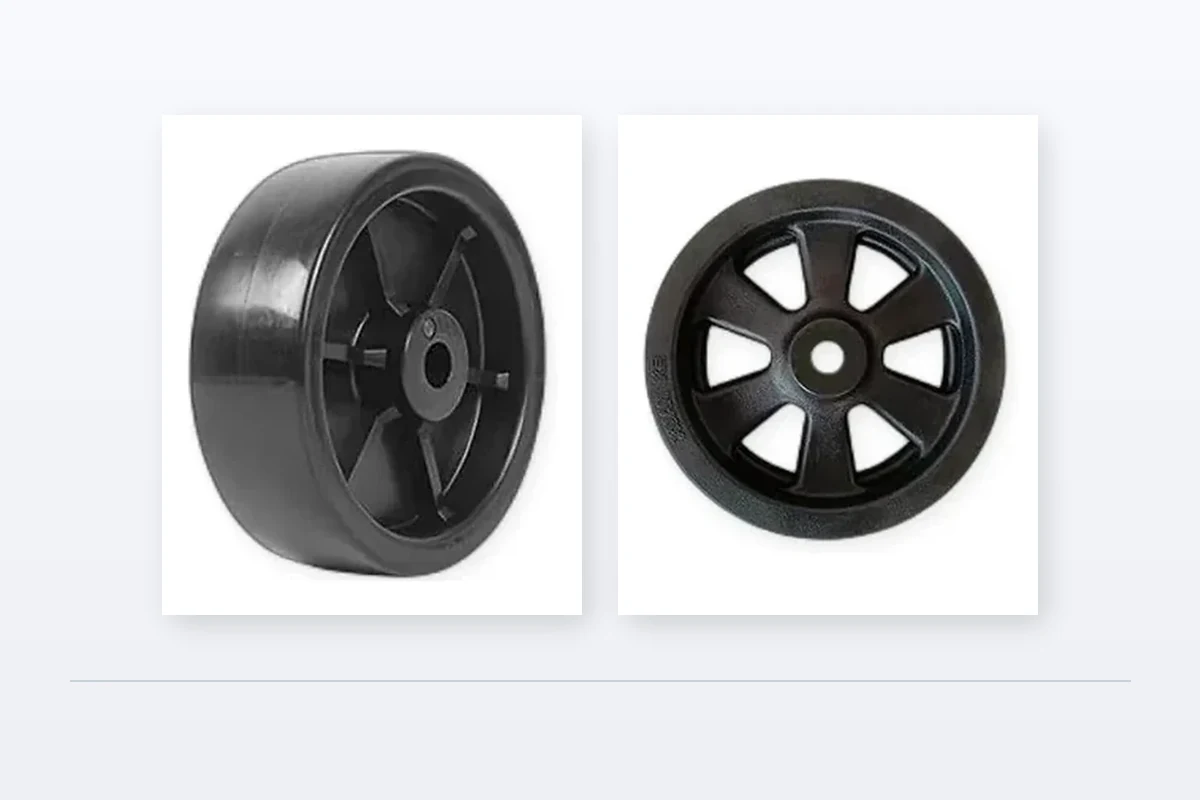
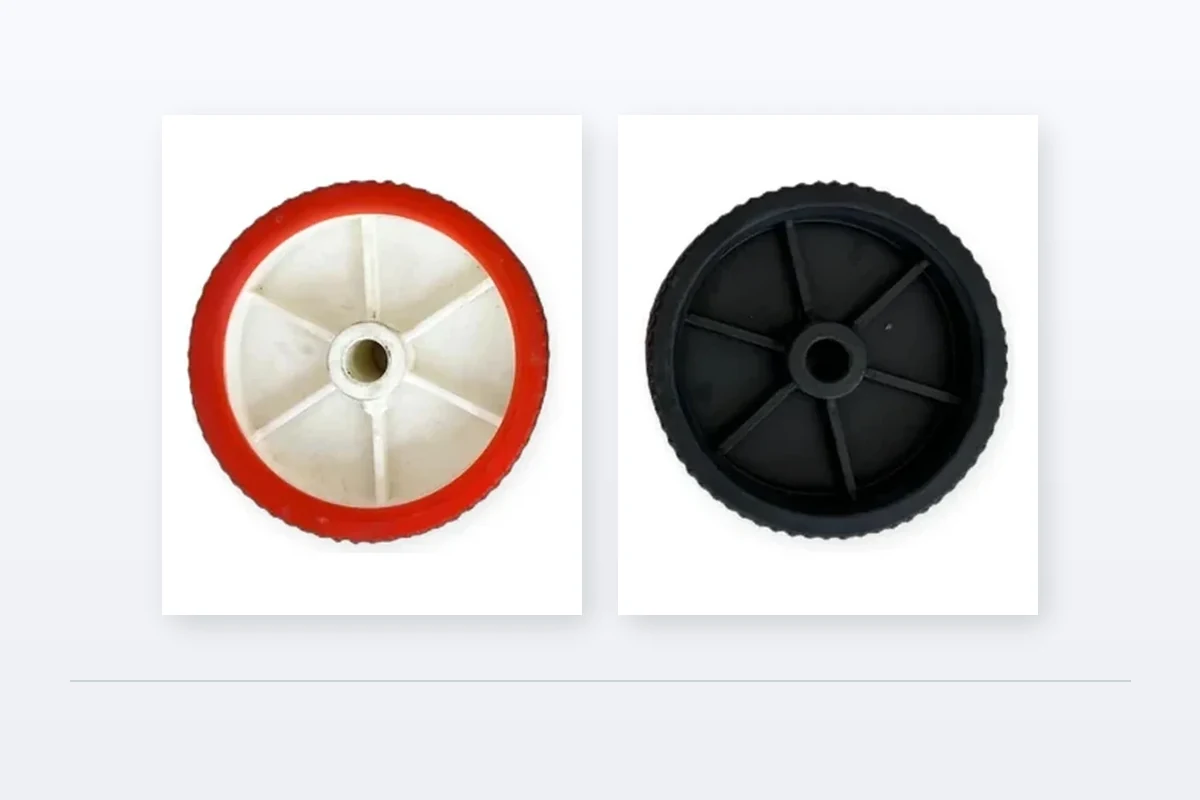
Use the Industrial Plastic Wheels & Support Assemblies page to narrow material and geometry before comparing individual configurations. For wheel-only items, the final selection still depends on the equipment-side axle or bearing interface, hub space and the floor route. Compare candidates at the same carried load and with the same assumptions about joints, ramps, debris and manoeuvring. If a material property, bearing arrangement or load rating is not shown for a particular configuration, keep it as an RFQ confirmation point rather than treating the family description as a specification for every wheel in the range.
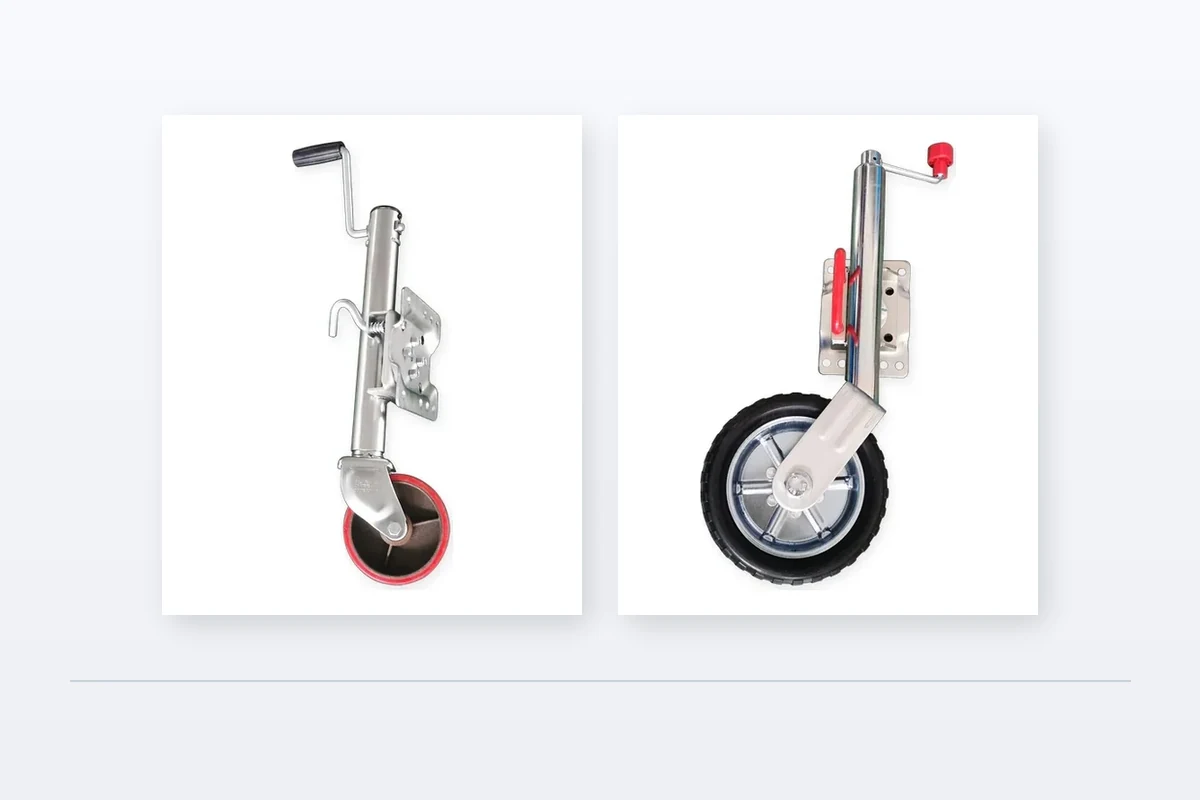
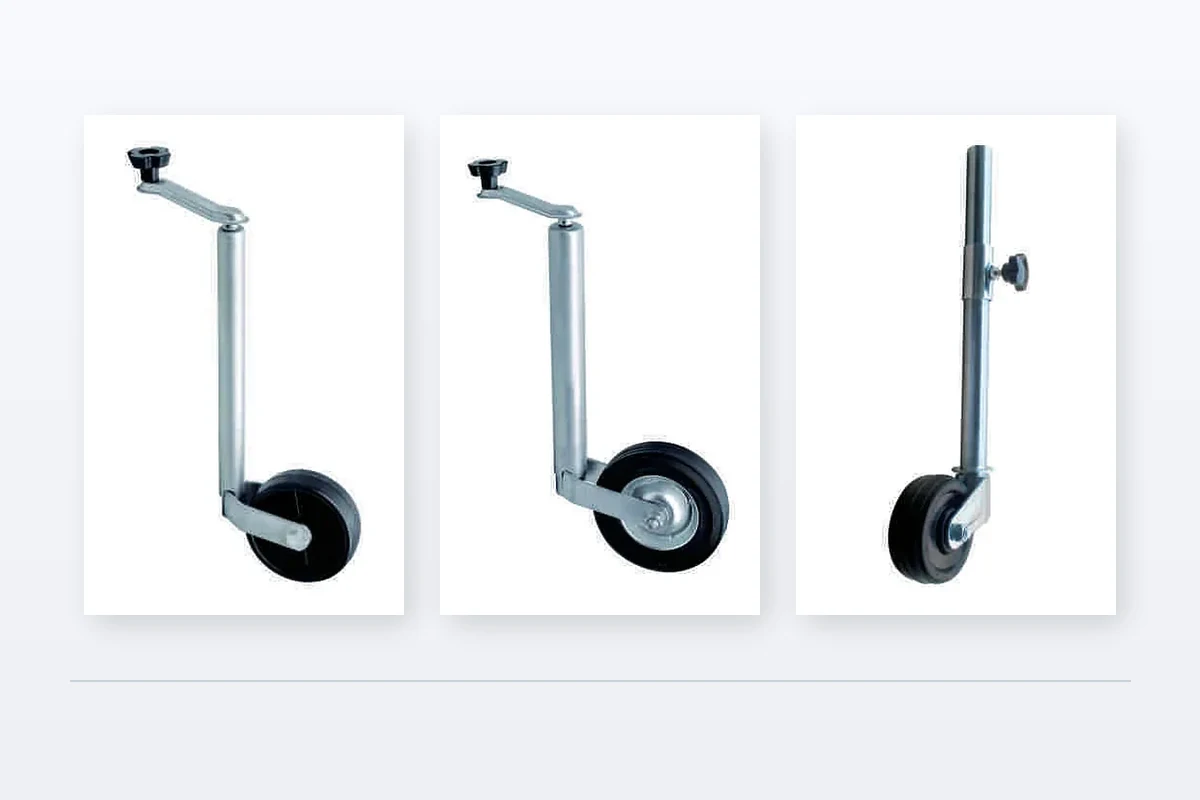
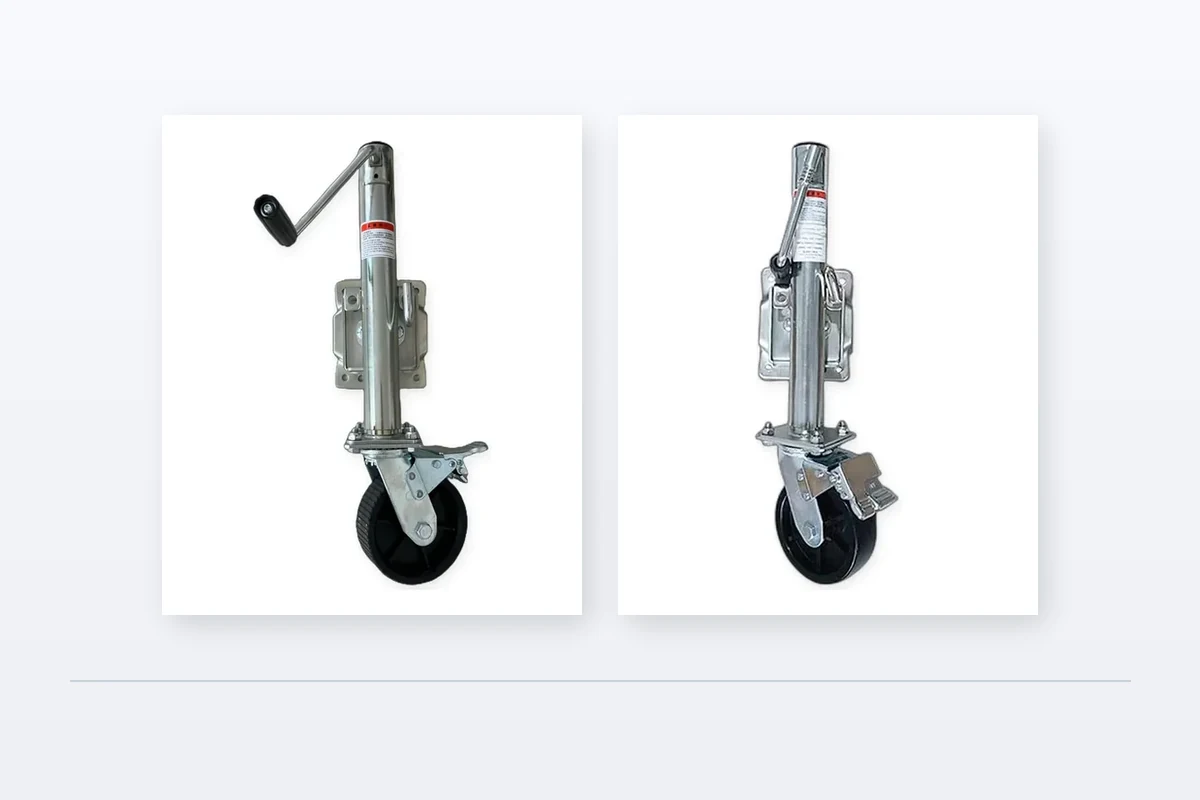
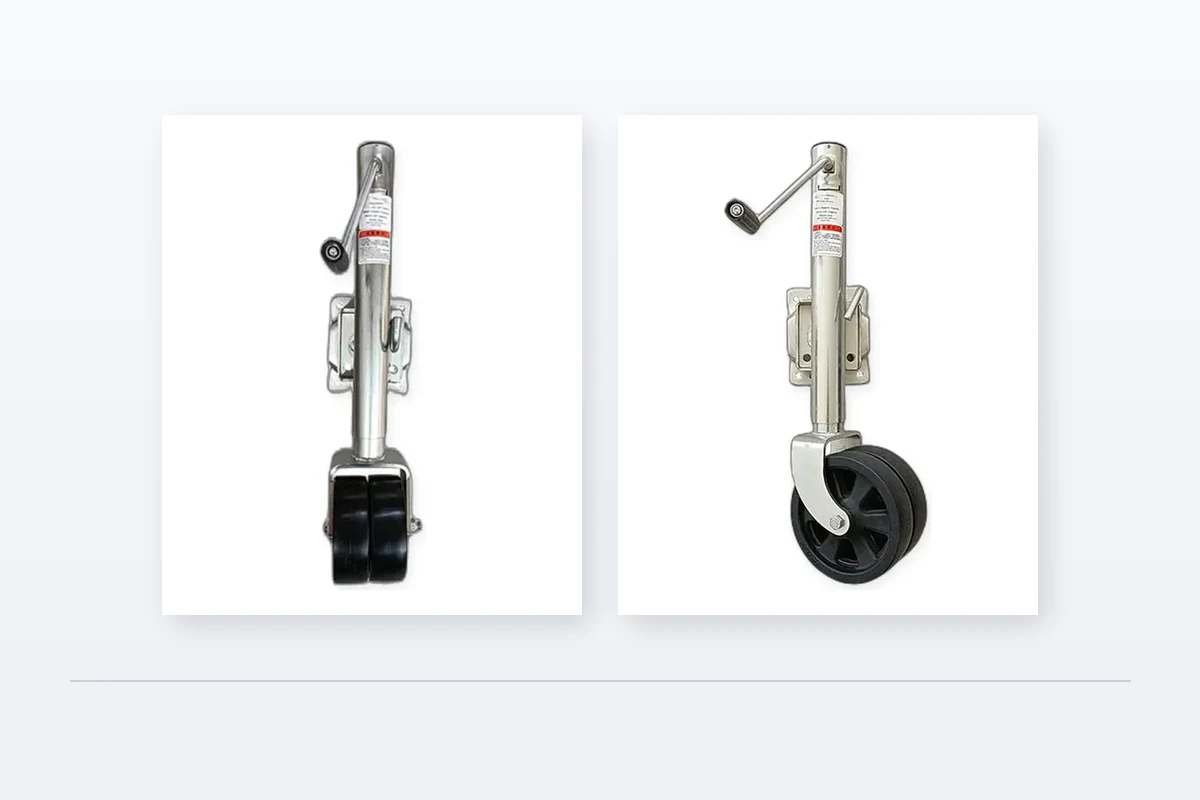
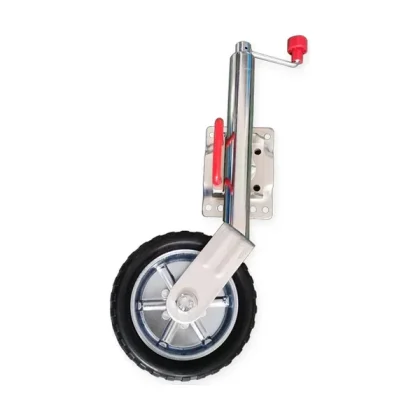
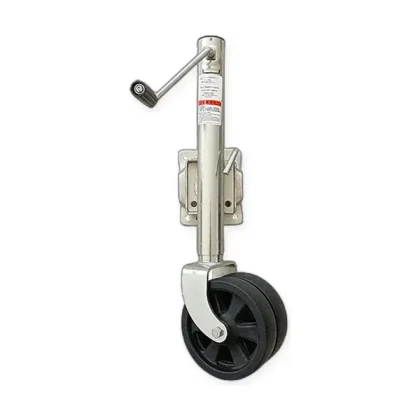
The product hub intentionally keeps loose wheels, guide wheels and jockey or support assemblies distinct because they solve different interface problems. Start from the component type that matches the equipment, then use the family page to compare dimensions, material and operating context. This avoids treating a wheel-only replacement as interchangeable with a complete castor or jack assembly. Where a current configuration does not show the fit-controlling value you need, include that value in the enquiry so it can be confirmed before the product is shortlisted.