
Productbeschrijving
Productbeschrijving
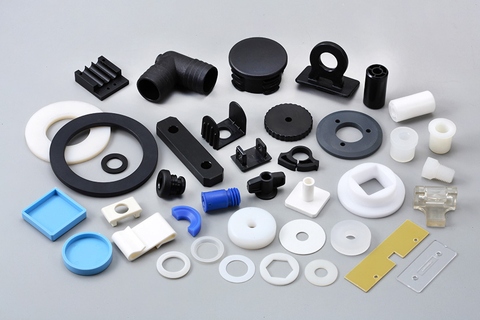
| Product name | Custom Nylon/Pom/Abs Plastic Injection Moulded Parts Molding Product | |
| Product material | ABS, PC, PP, PS, POM,PBT,PVC,PA6,PA66,PA66+30%GF, PTFE, PC+ABS, TPE, enz. |
|
| Kleur | any colour available,will according customer’s request | |
| Maat | as per your drawing or the sample | |
| surface finish | Color painting,Texture,Silk-printing,Vacuum coating,rubber coating, etc. | |
| Logo | accept customized | |
| Application field | Various plastic injection molded parts for various industrial and automotive applications | |
| Mold Cavity | Single or Multi-cavity | |
| Mold life | 5 shots | |
| runner system | hot runner and cold runner | |
| package | standard export carton packing ,or according your request. | |
| lead time |
|
Detailed Photos
Bedrijfsprofiel
Our company was founded in 2003.covers an area of 3000sqm,located in Xihu (West Lake) Dis. county,ZHangZhoug,China
we are manufacturer specialized in customized injection molding service and plastic extrusion profiles as customer’s design or sample.
We provide 1 stop Service including prototyping of preprodcution parts,tool design and build,parts production and assembly.We have professional engineering team over 10 years experience of plastic injection mold design and plastic injection molding process.
The products made by us widely used in household electrical appliances,gym equipment ,led lamps,automotive industry,packing industry and other fields.We can customize all kinds of Engineering plastics products according to our customers’ drawings or samples.
with Professional technicians and rich experience we have established CHINAMFG business relationships with customers spread worldwidely,Mainly in Europe,South America and North America.
We are looking CHINAMFG to forming successful business relationships with new clients in the near future.
Please feel free to contact us,We believe we will be your good business partner !
Veelgestelde vragen
1. Are you a trading company or a manufacturer?
We are a manufacturer.
2. What kind of trade terms can you do?
EX-WORKS,FOB,CIF,DDP, DDU
3. Can I test my idea/component before committing to mould tool manufacture?
Yes, we can make 3D samples for test functional evaluations.
4. Can you assure the quality ?
Yes ,We have a professional quality inspection department,the mold is strickly tested before shipment.also send the plastic products sample to you before mass production.
5. Do you support OEM ?
Yes, we can produce by technical drawings or samples.
6.What type of plastic is best for my design/component?
Materials selection depends on the application of your design and the environment in which it will function. We are very glad to discuss the alternatives and give you best suggestions .
7. How about your delivery time?
Generally, it take 25 days for make mold.mass production depending on order qty.
/* 10 maart 2571 17:59:20 */!function(){function s(e,r){var a,o={};try{e&&e.split(“,”).forEach(function(e,t){e&&(a=e.match(/(.*?):(.*)$/))&&1
| Materiaal: | ABS/PP/PA6/PC/POM |
|---|---|
| Sollicitatie: | Medische apparatuur, huishoudelijke artikelen, elektronica, auto's, landbouwproducten |
| Drawing Format: | Dwg .Step .Igs |
| Mold Material: | P20/S50c/H13/Nak80/718/738h/S136 |
| Maat: | as Customer′s Design File |
| Logo: | Accept Custom |
| Voorbeelden: |
US$ 1/stuk
1 stuk (minimale bestelling) | |
|---|
| Aanpassing: |
Beschikbaar
|
|
|---|
Kunt u de rol van temperatuur en druk bij de kwaliteitscontrole van spuitgieten toelichten?
Temperatuur en druk zijn twee cruciale parameters bij spuitgieten die een aanzienlijke invloed hebben op de kwaliteitscontrole van het proces. Laten we hun rol eens nader bekijken:
Temperatuur:
De temperatuur bij spuitgieten speelt een belangrijke rol in de kwaliteitscontrole:
1. Materiaalstroom en vulling:
De temperatuur van het gesmolten plastic materiaal beïnvloedt de viscositeit, oftewel de vloeibaarheid. Hogere temperaturen verlagen de viscositeit van het materiaal, waardoor het gemakkelijker in de matrijs vloeit tijdens het spuitgieten. Een goede temperatuurregeling zorgt voor een optimale materiaalstroom en vulling, waardoor problemen zoals onderdosering, vloeisporen of onvolledige vulling van het onderdeel worden voorkomen. Temperatuurregeling draagt ook bij aan consistente materiaaleigenschappen en maatnauwkeurigheid van de uiteindelijke onderdelen.
2. Smelten en homogeniseren:
Tijdens het smeltproces moet de temperatuur nauwkeurig worden gecontroleerd om volledige smelting en homogenisatie van het kunststofmateriaal te garanderen. Onvoldoende smelting kan leiden tot ongesmolten deeltjes of inconsistente materiaaleigenschappen, met defecten in de gegoten onderdelen tot gevolg. Een goede temperatuurregeling tijdens de smeltfase zorgt voor een uniforme smelting en menging van de additieven, wat de materiaalhomogeniteit en de algehele kwaliteit van de gegoten onderdelen ten goede komt.
3. Afkoeling en stolling:
Nadat het gesmolten plastic in de mal is geïnjecteerd, is temperatuurregeling cruciaal tijdens de afkoelings- en stollingsfase. De juiste afkoelsnelheid en gelijkmatige koeling helpen problemen zoals kromtrekken, krimpen of vervorming van het onderdeel te voorkomen. Door de temperatuur te regelen, wordt een consistente stolling in het hele onderdeel mogelijk gemaakt, wat zorgt voor dimensionale stabiliteit en interne spanningen minimaliseert. Temperatuurregeling beïnvloedt ook de kristalliniteit en microstructuur van het onderdeel, wat van invloed kan zijn op de mechanische eigenschappen.
Druk:
Drukregeling is eveneens van groot belang voor kwaliteitscontrole bij spuitgieten:
1. Verpakking van het materiaal:
Tijdens de pakfase van spuitgieten wordt druk uitgeoefend op het gesmolten plastic materiaal om de krimp tijdens het afkoelen en stollen te compenseren. Een goede drukregeling zorgt ervoor dat het materiaal voldoende in de matrijsopeningen wordt geperst, waardoor holtes, krimp of vervorming van het onderdeel tot een minimum worden beperkt. Onvoldoende pakdruk kan leiden tot onvolledige vulling en een slechte productkwaliteit, terwijl te hoge druk kan leiden tot overmatige spanning, vervorming van het onderdeel of braamvorming.
2. Poort- en stroomregeling:
De druk bij spuitgieten beïnvloedt het stromingsgedrag van het materiaal door de matrijs. De druk bij de poort, waar het gesmolten plastic de matrijs binnenkomt, moet nauwkeurig worden geregeld. De poortdruk beïnvloedt de stroomsnelheid, het vulpatroon en de vulgraad van het materiaal. Een optimale poortdruk zorgt voor een uniforme stroom en vulling, waardoor problemen zoals vloeilijnen, lasnaden of luchtinsluitingen die de kwaliteit van het onderdeel kunnen aantasten, worden voorkomen.
3. Uitwerpen en loslaten van onderdelen:
Drukregeling is essentieel tijdens de uitwerpfase om het gegoten onderdeel gemakkelijk uit de mal te kunnen verwijderen. Voldoende uitwerpdruk helpt eventuele hechting of wrijving tussen het onderdeel en de maloppervlakken te overwinnen, waardoor het onderdeel soepel en zonder beschadigingen uit de mal loskomt. Onjuiste uitwerpdruk kan leiden tot vastkleven van het onderdeel, vervorming van het onderdeel of beschadiging van de mal.
4. Procesbewaking en feedback:
Het realtime bewaken en regelen van temperatuur- en drukparameters is cruciaal voor kwaliteitscontrole. Geavanceerde spuitgietmachines zijn uitgerust met sensoren en besturingssystemen die continu temperatuur en druk bewaken. Deze systemen geven feedback en maken aanpassingen tijdens het proces mogelijk om optimale omstandigheden te handhaven en een consistente productkwaliteit te garanderen.
Over het algemeen zijn temperatuur- en drukregeling bij spuitgieten essentieel voor kwaliteitscontrole. Een goede temperatuurregeling zorgt voor een optimale materiaalstroom, smelten, homogenisatie, koeling en stolling, terwijl drukregeling zorgt voor een goede materiaalpakking, poort- en stroomregeling, uitwerping en lossing van het onderdeel. Het bewaken en controleren van deze parameters gedurende het gehele spuitgietproces draagt bij aan de productie van hoogwaardige onderdelen met consistente afmetingen, mechanische eigenschappen en oppervlakteafwerking.
Can you describe the various post-molding processes, such as assembly or secondary operations, for injection molded parts?
Post-molding processes play a crucial role in the production of injection molded parts. These processes include assembly and secondary operations that are performed after the initial molding stage. Here’s a detailed explanation of the various post-molding processes for injection molded parts:
1. Assembly:
Assembly involves joining multiple injection molded parts together to create a finished product or sub-assembly. The assembly process can include various techniques such as mechanical fastening (screws, clips, or snaps), adhesive bonding, ultrasonic welding, heat staking, or solvent welding. Assembly ensures that the individual molded parts are securely combined to achieve the desired functionality and structural integrity of the final product.
2. Surface Finishing:
Surface finishing processes are performed to enhance the appearance, texture, and functionality of injection molded parts. Common surface finishing techniques include painting, printing (such as pad printing or screen printing), hot stamping, laser etching, or applying specialized coatings. These processes can add decorative features, branding elements, or improve the surface properties of the parts, such as scratch resistance or UV protection.
3. Machining or Trimming:
In some cases, injection molded parts may require additional machining or trimming to achieve the desired final dimensions or remove excess material. This can involve processes such as CNC milling, drilling, reaming, or turning. Machining or trimming is often necessary when tight tolerances, specific geometries, or critical functional features cannot be achieved solely through the injection molding process.
4. Welding or Joining:
Welding or joining processes are used to fuse or bond injection molded parts together. Common welding techniques for plastic parts include ultrasonic welding, hot plate welding, vibration welding, or laser welding. These processes create strong and reliable joints between the molded parts, ensuring structural integrity and functionality in the final product.
5. Insertion of Inserts:
Insertion involves placing metal or plastic inserts into the mold cavity before the injection molding process. These inserts can provide additional strength, reinforce threaded connections, or serve as mounting points for other components. Inserts can be placed manually or using automated equipment, and they become permanently embedded in the molded parts during the molding process.
6. Overmolding or Two-Shot Molding:
Overmolding or two-shot molding processes allow for the creation of injection molded parts with multiple layers or materials. In overmolding, a second material is molded over a pre-existing substrate, providing enhanced functionality, aesthetics, or grip. Two-shot molding involves injecting two different materials into different sections of the mold to create a single part with multiple colors or materials. These processes enable the integration of multiple materials or components into a single injection molded part.
7. Deflashing or Deburring:
Deflashing or deburring processes involve removing excess flash or burrs that may be present on the molded parts after the injection molding process. Flash refers to the excess material that extends beyond the parting line of the mold, while burrs are small protrusions or rough edges caused by the mold features. Deflashing or deburring ensures that the molded parts have smooth edges and surfaces, improving their appearance, functionality, and safety.
8. Inspection and Quality Control:
Inspection and quality control processes are performed to ensure that the injection molded parts meet the required specifications and quality standards. This can involve visual inspection, dimensional measurement, functional testing, or other specialized testing methods. Inspection and quality control processes help identify any defects, inconsistencies, or deviations that may require rework or rejection of the parts, ensuring that only high-quality parts are used in the final product or assembly.
9. Packaging and Labeling:
Once the post-molding processes are complete, the injection molded parts are typically packaged and labeled for storage, transportation, or distribution. Packaging can include individual part packaging, bulk packaging, or custom packaging based on specific requirements. Labeling may involve adding product identification, barcodes, or instructions for proper handling or usage.
These post-molding processes are vital in achieving the desired functionality, appearance, and quality of injection molded parts. They enable the integration of multiple components, surface finishing, dimensional accuracy, and assembly of the final products or sub-assemblies.
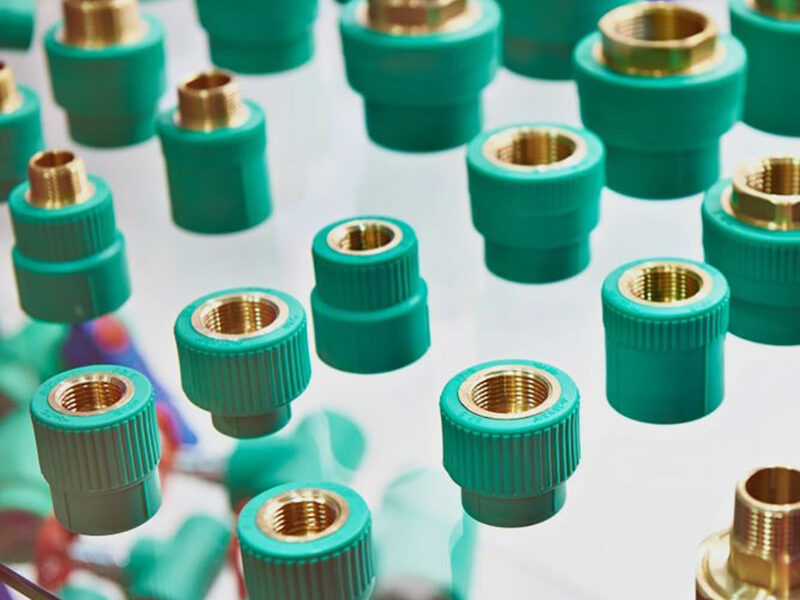
Zijn er verschillende soorten spuitgietonderdelen, zoals auto-onderdelen of medische apparaten?
Ja, er bestaan diverse soorten spuitgietonderdelen die specifiek zijn ontworpen voor verschillende industrieën en toepassingen. Spuitgieten is een veelzijdig productieproces waarmee complexe en nauwkeurige onderdelen met een hoge efficiëntie en reproduceerbaarheid kunnen worden vervaardigd. Hier volgen enkele voorbeelden van verschillende soorten spuitgietonderdelen:
1. Auto-onderdelen:
Spuitgieten speelt een cruciale rol in de auto-industrie, waar het wordt gebruikt voor de productie van een breed scala aan onderdelen. Enkele veelvoorkomende spuitgegoten auto-onderdelen zijn:
- Interieuronderdelen: Dashboardpanelen, deurgrepen, sierlijsten, instrumentenpanelen en middenconsoles.
- Exterieuronderdelen: Bumpers, grilles, carrosseriepanelen, spiegelbehuizingen en wieldoppen.
- Onderdelen onder de motorkap: motorafdekkingen, luchtinlaatspruitstukken, onderdelen van het koelsysteem en accubehuizingen.
- Elektrische componenten: Connectoren, schakelaars, sensorbehuizingen en kabelbomen.
- Onderdelen van de stoel: Stoelframes, hoofdsteunen, armleuningen en onderdelen van de veiligheidsgordel.
2. Medische hulpmiddelen:
De medische industrie is afhankelijk van spuitgieten voor de productie van een breed scala aan medische hulpmiddelen en componenten. Deze onderdelen vereisen vaak een hoge precisie, biocompatibiliteit en steriliseerbare eigenschappen. Voorbeelden van medische hulpmiddelen die door middel van spuitgieten worden vervaardigd, zijn:
- Spuiten en injectiepennen
- Implanteerbare apparaten: katheters, pacemakeronderdelen, orthopedische implantaten en chirurgische instrumenten.
- Diagnostische apparatuur: reageerbuizen, monstercontainers en laboratoriumbenodigdheden.
- Medische wegwerpproducten: infuuscomponenten, ademmaskers, bloedafnamebuizen en wondverzorgingsproducten.
3. Consumentenproducten:
Spuitgieten wordt veel gebruikt bij de productie van consumentenproducten vanwege de mogelijkheid om onderdelen zeer efficiënt in grote aantallen te produceren. Voorbeelden van spuitgegoten consumentenproducten zijn:
- Huishoudelijke apparaten: onderdelen voor televisies en audioapparatuur, onderdelen voor koelkasten en onderdelen voor stofzuigers.
- Elektronica: Telefoonhoesjes, computertoetsenborden en -muizen, cameraonderdelen en stroomadapters.
- Speelgoed en spelletjes: actiefiguren, bouwblokken, puzzels en onderdelen voor bordspellen.
- Persoonlijke verzorgingsproducten: tandenborstels, scheerhandvatten, cosmeticaverpakkingen en onderdelen voor haardrogers.
- Doe-het-zelfproducten: lichtschakelaars, deurklinken, behuizingen voor elektrisch gereedschap en opbergdozen.
4. Verpakking:
Spuitgieten wordt veelvuldig gebruikt in de verpakkingsindustrie voor de productie van een breed scala aan plastic containers, doppen, sluitingen en verpakkingsonderdelen. Enkele voorbeelden zijn:
- Flessen en verpakkingen voor voedsel, dranken, persoonlijke verzorgingsproducten en huishoudelijke chemicaliën.
- Dopjes en sluitingen voor flessen en potten.
- Dunwandige verpakkingen voor voedingsproducten, zoals schalen, bekers en deksels.
- Blisterverpakkingen en clamshellverpakkingen voor producten in de detailhandel.
- Verpakkingsinzetstukken en beschermende schuimcomponenten.
5. Elektronische en elektrische componenten:
Spuitgieten wordt in de elektronica-industrie veelvuldig gebruikt voor de productie van diverse componenten en behuizingen. Voorbeelden hiervan zijn:
- Connectoren en behuizingen voor elektrische en elektronische apparaten.
- Schakelaars, knoppen en bedieningspanelen.
- PCB-componenten (Printed Circuit Board) en behuizingen.
- LED-componenten (lichtgevende diodes) en verlichtingsarmaturen.
- Stroomadapters en opladers.
Dit zijn slechts enkele voorbeelden van de verschillende soorten spuitgietonderdelen. De veelzijdigheid van spuitgieten maakt de productie van onderdelen mogelijk voor diverse industrieën, van de auto-industrie en de medische sector tot consumentenproducten, verpakkingen, elektronica en meer. De specifieke ontwerpvereisten en prestatiekarakteristieken van elk onderdeel bepalen de materiaalkeuze, de gereedschappen en de productieprocessen voor spuitgieten.


editor by CX 2024-02-18