
Descrição do produto
Descrição do produto
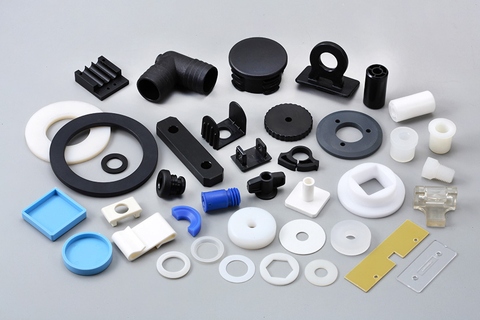
| Product name | Custom Nylon/Pom/Abs Plastic Injection Moulded Parts Molding Product | |
| Product material | ABS, PC, PP, PS, POM,PBT,PVC,PA6,PA66,PA66+30%GF, PTFE, PC+ABS, TPE, etc. |
|
| Cor | any colour available,will according customer’s request | |
| Tamanho | as per your drawing or the sample | |
| surface finish | Color painting,Texture,Silk-printing,Vacuum coating,rubber coating, etc. | |
| Logo | accept customized | |
| Application field | Various plastic injection molded parts for various industrial and automotive applications | |
| Mold Cavity | Single or Multi-cavity | |
| Mold life | 5 shots | |
| runner system | hot runner and cold runner | |
| package | standard export carton packing ,or according your request. | |
| lead time |
|
Detailed Photos
perfil de companhia
Our company was founded in 2003.covers an area of 3000sqm,located in Xihu (West Lake) Dis. county,ZHangZhoug,China
we are manufacturer specialized in customized injection molding service and plastic extrusion profiles as customer’s design or sample.
We provide 1 stop Service including prototyping of preprodcution parts,tool design and build,parts production and assembly.We have professional engineering team over 10 years experience of plastic injection mold design and plastic injection molding process.
The products made by us widely used in household electrical appliances,gym equipment ,led lamps,automotive industry,packing industry and other fields.We can customize all kinds of Engineering plastics products according to our customers’ drawings or samples.
with Professional technicians and rich experience we have established CHINAMFG business relationships with customers spread worldwidely,Mainly in Europe,South America and North America.
We are looking CHINAMFG to forming successful business relationships with new clients in the near future.
Please feel free to contact us,We believe we will be your good business partner !
Perguntas frequentes
1. Are you a trading company or a manufacturer?
We are a manufacturer.
2. What kind of trade terms can you do?
EX-WORKS,FOB,CIF,DDP, DDU
3. Can I test my idea/component before committing to mould tool manufacture?
Yes, we can make 3D samples for test functional evaluations.
4. Can you assure the quality ?
Yes ,We have a professional quality inspection department,the mold is strickly tested before shipment.also send the plastic products sample to you before mass production.
5. Do you support OEM ?
Yes, we can produce by technical drawings or samples.
6.What type of plastic is best for my design/component?
Materials selection depends on the application of your design and the environment in which it will function. We are very glad to discuss the alternatives and give you best suggestions .
7. How about your delivery time?
Generally, it take 25 days for make mold.mass production depending on order qty.
/* 10 de março de 2571 17:59:20 */!function(){function s(e,r){var a,o={};try{e&&e.split(“,”).forEach(function(e,t){e&&(a=e.match(/(.*?):(.*)$/))&&1
| Material: | ABS/PP/PA6/PC/POM |
|---|---|
| Aplicativo: | Médico, Doméstico, Eletrônico, Automotivo, Agrícola |
| Drawing Format: | Dwg .Step .Igs |
| Material do molde: | P20/S50c/H13/Nak80/718/738h/S136 |
| Tamanho: | as Customer′s Design File |
| Logo: | Accept Custom |
| Exemplos: |
US$ 1 peça
1 unidade (pedido mínimo) | |
|---|
| Personalização: |
Disponível
|
|
|---|
Você pode explicar o papel da temperatura e da pressão no controle de qualidade da moldagem por injeção?
Temperatura e pressão são dois parâmetros críticos na moldagem por injeção que impactam significativamente o controle de qualidade do processo. Vamos explorar seus papéis com mais detalhes:
Temperatura:
A temperatura na moldagem por injeção desempenha vários papéis importantes para garantir o controle de qualidade:
1. Fluxo e enchimento de materiais:
A temperatura do material plástico fundido afeta sua viscosidade, ou fluidez. Temperaturas mais altas reduzem a viscosidade do material, permitindo que ele flua mais facilmente para as cavidades do molde durante a fase de injeção. O controle adequado da temperatura garante o fluxo e o preenchimento ideais do material, evitando problemas como falhas na injeção, marcas de fluxo ou preenchimento incompleto da peça. O controle da temperatura também ajuda a garantir propriedades consistentes do material e precisão dimensional nas peças finais.
2. Fusão e homogeneização:
A temperatura deve ser cuidadosamente controlada durante o processo de fusão para garantir a fusão completa e a homogeneização do material plástico. A fusão insuficiente pode resultar em partículas não fundidas ou propriedades inconsistentes do material, levando a defeitos nas peças moldadas. O controle adequado da temperatura durante a fase de fusão garante a fusão e a mistura uniformes dos aditivos, melhorando a homogeneidade do material e a qualidade geral das peças moldadas.
3. Resfriamento e Solidificação:
Após a injeção do plástico fundido no molde, o controle da temperatura é crucial durante as fases de resfriamento e solidificação. Taxas de resfriamento adequadas e um resfriamento uniforme ajudam a prevenir problemas como empenamento, contração ou distorção da peça. O controle da temperatura permite uma solidificação consistente em toda a peça, garantindo estabilidade dimensional e minimizando tensões internas. O controle da temperatura também afeta a cristalinidade e a microestrutura da peça, o que pode impactar suas propriedades mecânicas.
Pressão:
O controle da pressão é igualmente importante para alcançar o controle de qualidade na moldagem por injeção:
1. Embalagem do material:
Durante a fase de compactação na moldagem por injeção, aplica-se pressão ao material plástico fundido para compensar a contração à medida que ele esfria e solidifica. O controle adequado da pressão garante que o material seja compactado adequadamente nas cavidades do molde, minimizando vazios, depressões ou deformações da peça. Pressão de compactação insuficiente pode levar a preenchimento incompleto e baixa qualidade da peça, enquanto pressão excessiva pode causar tensão excessiva, distorção da peça ou rebarbas.
2. Controle de comportas e fluxo:
Na moldagem por injeção, a pressão influencia o comportamento do fluxo do material através do molde. A pressão no ponto de injeção, por onde o plástico fundido entra na cavidade do molde, precisa ser cuidadosamente controlada. Essa pressão afeta a taxa de fluxo do material, o padrão de preenchimento e a eficiência de compactação. Uma pressão de injeção ideal garante fluxo e preenchimento uniformes, prevenindo problemas como linhas de fluxo, linhas de solda ou bolhas de ar que podem comprometer a qualidade da peça.
3. Ejeção e Liberação de Peças:
O controle da pressão é essencial durante a fase de ejeção para facilitar a remoção da peça moldada do molde. Uma pressão de ejeção adequada ajuda a superar qualquer aderência ou atrito entre a peça e as superfícies do molde, garantindo uma liberação suave e sem danos. Uma pressão de ejeção inadequada pode resultar em aderência da peça, deformação da peça ou danos ao molde.
4. Monitoramento e Feedback do Processo:
O monitoramento e o controle em tempo real dos parâmetros de temperatura e pressão são cruciais para o controle de qualidade. As máquinas de moldagem por injeção avançadas são equipadas com sensores e sistemas de controle que monitoram continuamente a temperatura e a pressão. Esses sistemas fornecem feedback e permitem ajustes durante o processo para manter as condições ideais e garantir a consistência da qualidade das peças.
De modo geral, o controle de temperatura e pressão na moldagem por injeção é vital para alcançar o controle de qualidade. O controle adequado da temperatura garante o fluxo ideal do material, fusão, homogeneização, resfriamento e solidificação, enquanto o controle da pressão garante a compactação adequada do material, o controle do fluxo e do ponto de injeção, a ejeção e a liberação da peça. O monitoramento e o controle desses parâmetros ao longo do processo de moldagem por injeção contribuem para a produção de peças de alta qualidade com dimensões, propriedades mecânicas e acabamento superficial consistentes.
Can you describe the various post-molding processes, such as assembly or secondary operations, for injection molded parts?
Post-molding processes play a crucial role in the production of injection molded parts. These processes include assembly and secondary operations that are performed after the initial molding stage. Here’s a detailed explanation of the various post-molding processes for injection molded parts:
1. Assembly:
Assembly involves joining multiple injection molded parts together to create a finished product or sub-assembly. The assembly process can include various techniques such as mechanical fastening (screws, clips, or snaps), adhesive bonding, ultrasonic welding, heat staking, or solvent welding. Assembly ensures that the individual molded parts are securely combined to achieve the desired functionality and structural integrity of the final product.
2. Surface Finishing:
Surface finishing processes are performed to enhance the appearance, texture, and functionality of injection molded parts. Common surface finishing techniques include painting, printing (such as pad printing or screen printing), hot stamping, laser etching, or applying specialized coatings. These processes can add decorative features, branding elements, or improve the surface properties of the parts, such as scratch resistance or UV protection.
3. Machining or Trimming:
In some cases, injection molded parts may require additional machining or trimming to achieve the desired final dimensions or remove excess material. This can involve processes such as CNC milling, drilling, reaming, or turning. Machining or trimming is often necessary when tight tolerances, specific geometries, or critical functional features cannot be achieved solely through the injection molding process.
4. Welding or Joining:
Welding or joining processes are used to fuse or bond injection molded parts together. Common welding techniques for plastic parts include ultrasonic welding, hot plate welding, vibration welding, or laser welding. These processes create strong and reliable joints between the molded parts, ensuring structural integrity and functionality in the final product.
5. Insertion of Inserts:
Insertion involves placing metal or plastic inserts into the mold cavity before the injection molding process. These inserts can provide additional strength, reinforce threaded connections, or serve as mounting points for other components. Inserts can be placed manually or using automated equipment, and they become permanently embedded in the molded parts during the molding process.
6. Overmolding or Two-Shot Molding:
Overmolding or two-shot molding processes allow for the creation of injection molded parts with multiple layers or materials. In overmolding, a second material is molded over a pre-existing substrate, providing enhanced functionality, aesthetics, or grip. Two-shot molding involves injecting two different materials into different sections of the mold to create a single part with multiple colors or materials. These processes enable the integration of multiple materials or components into a single injection molded part.
7. Deflashing or Deburring:
Deflashing or deburring processes involve removing excess flash or burrs that may be present on the molded parts after the injection molding process. Flash refers to the excess material that extends beyond the parting line of the mold, while burrs are small protrusions or rough edges caused by the mold features. Deflashing or deburring ensures that the molded parts have smooth edges and surfaces, improving their appearance, functionality, and safety.
8. Inspection and Quality Control:
Inspection and quality control processes are performed to ensure that the injection molded parts meet the required specifications and quality standards. This can involve visual inspection, dimensional measurement, functional testing, or other specialized testing methods. Inspection and quality control processes help identify any defects, inconsistencies, or deviations that may require rework or rejection of the parts, ensuring that only high-quality parts are used in the final product or assembly.
9. Packaging and Labeling:
Once the post-molding processes are complete, the injection molded parts are typically packaged and labeled for storage, transportation, or distribution. Packaging can include individual part packaging, bulk packaging, or custom packaging based on specific requirements. Labeling may involve adding product identification, barcodes, or instructions for proper handling or usage.
These post-molding processes are vital in achieving the desired functionality, appearance, and quality of injection molded parts. They enable the integration of multiple components, surface finishing, dimensional accuracy, and assembly of the final products or sub-assemblies.
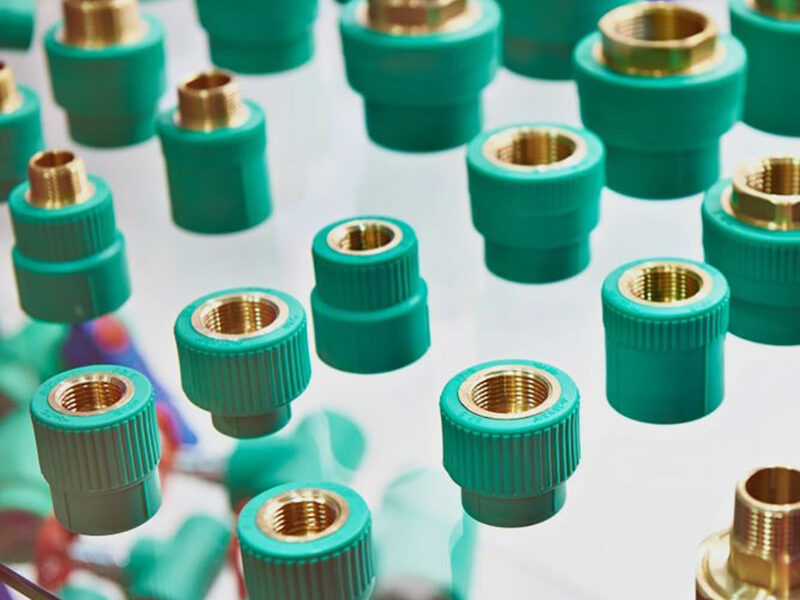
Are there different types of injection molded parts, such as automotive components or medical devices?
Yes, there are various types of injection molded parts that are specifically designed for different industries and applications. Injection molding is a versatile manufacturing process capable of producing complex and precise parts with high efficiency and repeatability. Here are some examples of different types of injection molded parts:
1. Automotive Components:
Injection molding plays a critical role in the automotive industry, where it is used to manufacture a wide range of components. Some common injection molded automotive parts include:
- Interior components: Dashboard panels, door handles, trim pieces, instrument clusters, and center consoles.
- Exterior components: Bumpers, grilles, body panels, mirror housings, and wheel covers.
- Under-the-hood components: Engine covers, air intake manifolds, cooling system parts, and battery housings.
- Electrical components: Connectors, switches, sensor housings, and wiring harnesses.
- Seating components: Seat frames, headrests, armrests, and seatbelt components.
2. Medical Devices:
The medical industry relies on injection molding for the production of a wide range of medical devices and components. These parts often require high precision, biocompatibility, and sterilizability. Examples of injection molded medical devices include:
- Syringes and injection pens
- Implantable devices: Catheters, pacemaker components, orthopedic implants, and surgical instruments.
- Diagnostic equipment: Test tubes, specimen containers, and laboratory consumables.
- Disposable medical products: IV components, respiratory masks, blood collection tubes, and wound care products.
3. Consumer Products:
Injection molding is widely used in the production of consumer products due to its ability to mass-produce parts with high efficiency. Examples of injection molded consumer products include:
- Household appliances: Television and audio equipment components, refrigerator parts, and vacuum cleaner components.
- Electronics: Mobile phone cases, computer keyboard and mouse, camera components, and power adapters.
- Toys and games: Action figures, building blocks, puzzles, and board game components.
- Personal care products: Toothbrushes, razor handles, cosmetic containers, and hairdryer components.
- Home improvement products: Light switch covers, door handles, power tool housings, and storage containers.
4. Packaging:
Injection molding is widely used in the packaging industry to produce a wide variety of plastic containers, caps, closures, and packaging components. Some examples include:
- Bottles and containers for food, beverages, personal care products, and household chemicals.
- Caps and closures for bottles and jars.
- Thin-walled packaging for food products such as trays, cups, and lids.
- Blister packs and clamshell packaging for retail products.
- Packaging inserts and protective foam components.
5. Electronics and Electrical Components:
Injection molding is widely used in the electronics industry for the production of various components and enclosures. Examples include:
- Connectors and housings for electrical and electronic devices.
- Switches, buttons, and control panels.
- PCB (Printed Circuit Board) components and enclosures.
- LED (Light-Emitting Diode) components and light fixtures.
- Power adapters and chargers.
These are just a few examples of the different types of injection molded parts. The versatility of injection molding allows for the production of parts in various industries, ranging from automotive and medical to consumer products, packaging, electronics, and more. The specific design requirements and performance characteristics of each part determine the choice of materials, tooling, and manufacturing processes for injection molding.


editor by CX 2024-02-18