
产品描述
CNC OEM Plastic Injection Molded Parts Customized Plastic Molding Auto Car Part Motorcycle Injection Mould Parts
公司简介
Our mother company, SUMINO KOGYO CO., LTD., joined management of HangZhou Ogasawara Electronic Component Company (QOC) in 2004, which was established in October, 1995 located in HangZhou Economic & Development Zone. In the year 2007, SUMINO and Chinese capital investor amicably agreed transfer of Chinese holdings to SUMINO and QOC was renamed to HangZhou SUMINO STAMPING CO., LTD. (QSS). So we have been taking the first step as an independent firm. And in the year 2013, QSS has been renamed to SUMINO PRECISION MANUFACTURING (HangZhou) LIMITED (SPQ) in order to reform our corporate image and adapt to our development prospects. From then on, we have been taking the new developing step. SPQ places emphasis on combining QOC and QSS’s stamping technology cultivated through electronic area and SUMINO’s stamping skills long experienced on automotive business. We aim to be a company where high technology, high quality and low cost can always be offered to customers.
产品参数
| Model NO. | Sumino001 | Runner | Hot Runner |
| Design Software | UG | Installation | Fixed |
| 标准 | DME | 定制 | 定制 |
| 霉菌寿命 | 500,000 Shots | 模座 | Lkm,Hasco,Dme |
| Shape | Oval,Round,Square | Capacity | 1L,5L,10L,18L,20L |
| Sample Time | 45 Days | Design | 3D or 2D |
| Mould Steel | P20 | Die Life | 500, 000 Shots |
|
宽容 |
+-0.01mm | Name | Round Shape Plastic Paint Bucket Mould |
| Transport Package | Wooden Case | Specification | SGS |
| Trademark | sumino | Origin | HangZhou China |
| HS Code | 848571090 | Production Capacity | 200 Sets/Per Year |
产品描述
包装和运输
认证
Our Clients
OEM Precision Mould Stamping Car Stamping Parts And Stamping Bending Machinery Parts
/* January 22, 2571 19:08:37 */!function(){function s(e,r){var a,o={};try{e&&e.split(“,”).forEach(function(e,t){e&&(a=e.match(/(.*?):(.*)$/))&&1
| Warranty: | 1 |
|---|---|
| 应用: | Household Appliances, Electronic, Hardware, Car, Commodity, Home Use |
| 材料: | High Carbon High Chromium Tool Steel |
| Processing Method: | Punching and Shearing Mould |
| Technics: | Drawing Die |
| Process Combination: | Progressive Die |
| 示例: |
US$ 10件/件
1 件(最低订购量) | |
|---|
| 定制化: |
可用的
|
|
|---|
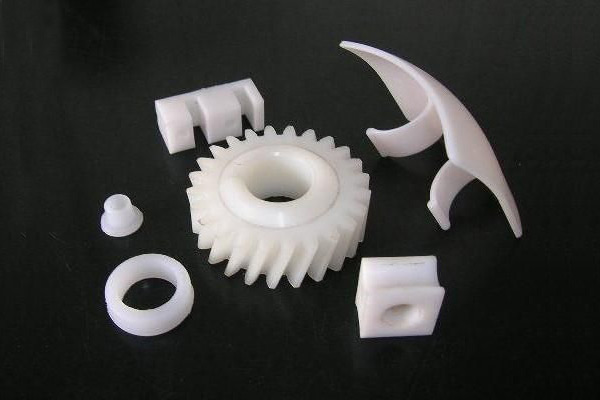
材料选择对注塑件的性能和耐久性有何影响?
注塑件的材料选择对其性能和耐久性有着显著影响。材料的选择会影响诸多关键因素,包括机械性能、耐化学性、热稳定性、尺寸稳定性以及零件的整体功能。以下详细阐述了材料选择对注塑件性能和耐久性的影响:
机械性能:
材料的机械性能直接影响零件的强度、刚度、抗冲击性和疲劳寿命。不同的材料具有不同的拉伸强度、弯曲强度、弹性模量和断裂伸长率。选择具有合适机械性能的材料,可以确保注塑成型的零件能够承受外力、振动和运行应力而不发生失效或变形。
耐化学性:
在部件会接触腐蚀性物质的应用中,材料的耐化学性和耐溶剂性至关重要。某些材料,例如工程热塑性塑料,如ABS(丙烯腈-丁二烯-苯乙烯共聚物)或PEEK(聚醚醚酮),具有优异的耐化学性。选择具有合适耐化学性的材料,可确保注塑成型的部件在暴露于特定化学品或环境时保持其完整性和功能性。
热稳定性:
在涉及高温或热循环的应用中,材料的热稳定性至关重要。不同材料的熔点、玻璃化转变温度和热变形温度各不相同。选择具有合适热稳定性的材料,可确保注塑成型的零件能够承受预期的温度变化,而不会发生尺寸变化、翘曲或机械性能下降。
尺寸稳定性:
在对公差和尺寸精度要求极高的应用中,材料的尺寸稳定性至关重要。某些材料,例如工程热塑性塑料或填充聚合物,具有较低的热膨胀系数,从而最大限度地减少零件尺寸随温度变化而发生的变化。选择尺寸稳定性良好的材料有助于确保注塑成型的零件在较宽的工作温度范围内保持其形状、尺寸和关键尺寸。
部件功能:
材料的选择直接影响注塑件的功能和性能。不同的材料具有独特的性能,可以根据具体的应用需求进行定制。例如,聚碳酸酯 (PC) 或聚丙烯 (PP) 等材料具有优异的透明度,适用于需要光学透明度的应用;而聚酰胺 (PA) 或聚甲醛 (POM) 等材料则具有低摩擦系数和耐磨性,适用于运动或滑动部件。
周期时间和加工性能:
材料的选择也会影响注塑成型的周期时间和工艺性能。不同的材料具有不同的熔体粘度和流动特性,这会影响成型过程中的填充和冷却时间。流动性好的材料更容易填充复杂的模具几何形状,从而缩短周期时间并提高生产效率。因此,选择一种能够利用现有注塑设备和技术有效加工的材料至关重要。
成本考量:
材料的选择也会影响注塑件的总成本。不同的材料成本各异,选择最合适的材料需要考虑诸多因素,例如材料的可用性、模具要求、加工条件以及所需的性能特征。在预算范围内,平衡性能要求和成本考量对于选择能够满足性能和耐久性要求的最佳材料至关重要。
总体而言,材料选择对注塑件的性能、耐久性和功能性起着至关重要的作用。仔细考虑机械性能、耐化学性、热稳定性、尺寸稳定性、零件功能、生产周期、加工性能和成本因素,有助于确保所选材料满足特定的应用要求,并在零件的预期使用寿命内提供所需的性能和耐久性。
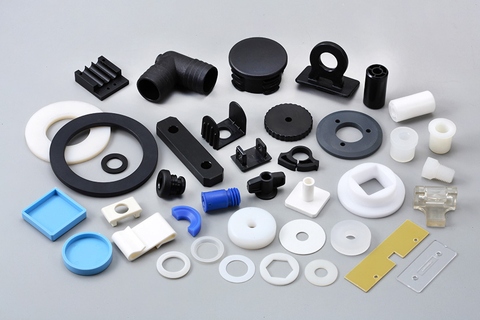
Can you describe the various post-molding processes, such as assembly or secondary operations, for injection molded parts?
Post-molding processes play a crucial role in the production of injection molded parts. These processes include assembly and secondary operations that are performed after the initial molding stage. Here’s a detailed explanation of the various post-molding processes for injection molded parts:
1. Assembly:
Assembly involves joining multiple injection molded parts together to create a finished product or sub-assembly. The assembly process can include various techniques such as mechanical fastening (screws, clips, or snaps), adhesive bonding, ultrasonic welding, heat staking, or solvent welding. Assembly ensures that the individual molded parts are securely combined to achieve the desired functionality and structural integrity of the final product.
2. Surface Finishing:
Surface finishing processes are performed to enhance the appearance, texture, and functionality of injection molded parts. Common surface finishing techniques include painting, printing (such as pad printing or screen printing), hot stamping, laser etching, or applying specialized coatings. These processes can add decorative features, branding elements, or improve the surface properties of the parts, such as scratch resistance or UV protection.
3. Machining or Trimming:
In some cases, injection molded parts may require additional machining or trimming to achieve the desired final dimensions or remove excess material. This can involve processes such as CNC milling, drilling, reaming, or turning. Machining or trimming is often necessary when tight tolerances, specific geometries, or critical functional features cannot be achieved solely through the injection molding process.
4. Welding or Joining:
Welding or joining processes are used to fuse or bond injection molded parts together. Common welding techniques for plastic parts include ultrasonic welding, hot plate welding, vibration welding, or laser welding. These processes create strong and reliable joints between the molded parts, ensuring structural integrity and functionality in the final product.
5. Insertion of Inserts:
Insertion involves placing metal or plastic inserts into the mold cavity before the injection molding process. These inserts can provide additional strength, reinforce threaded connections, or serve as mounting points for other components. Inserts can be placed manually or using automated equipment, and they become permanently embedded in the molded parts during the molding process.
6. Overmolding or Two-Shot Molding:
Overmolding or two-shot molding processes allow for the creation of injection molded parts with multiple layers or materials. In overmolding, a second material is molded over a pre-existing substrate, providing enhanced functionality, aesthetics, or grip. Two-shot molding involves injecting two different materials into different sections of the mold to create a single part with multiple colors or materials. These processes enable the integration of multiple materials or components into a single injection molded part.
7. Deflashing or Deburring:
Deflashing or deburring processes involve removing excess flash or burrs that may be present on the molded parts after the injection molding process. Flash refers to the excess material that extends beyond the parting line of the mold, while burrs are small protrusions or rough edges caused by the mold features. Deflashing or deburring ensures that the molded parts have smooth edges and surfaces, improving their appearance, functionality, and safety.
8. Inspection and Quality Control:
Inspection and quality control processes are performed to ensure that the injection molded parts meet the required specifications and quality standards. This can involve visual inspection, dimensional measurement, functional testing, or other specialized testing methods. Inspection and quality control processes help identify any defects, inconsistencies, or deviations that may require rework or rejection of the parts, ensuring that only high-quality parts are used in the final product or assembly.
9. Packaging and Labeling:
Once the post-molding processes are complete, the injection molded parts are typically packaged and labeled for storage, transportation, or distribution. Packaging can include individual part packaging, bulk packaging, or custom packaging based on specific requirements. Labeling may involve adding product identification, barcodes, or instructions for proper handling or usage.
These post-molding processes are vital in achieving the desired functionality, appearance, and quality of injection molded parts. They enable the integration of multiple components, surface finishing, dimensional accuracy, and assembly of the final products or sub-assemblies.
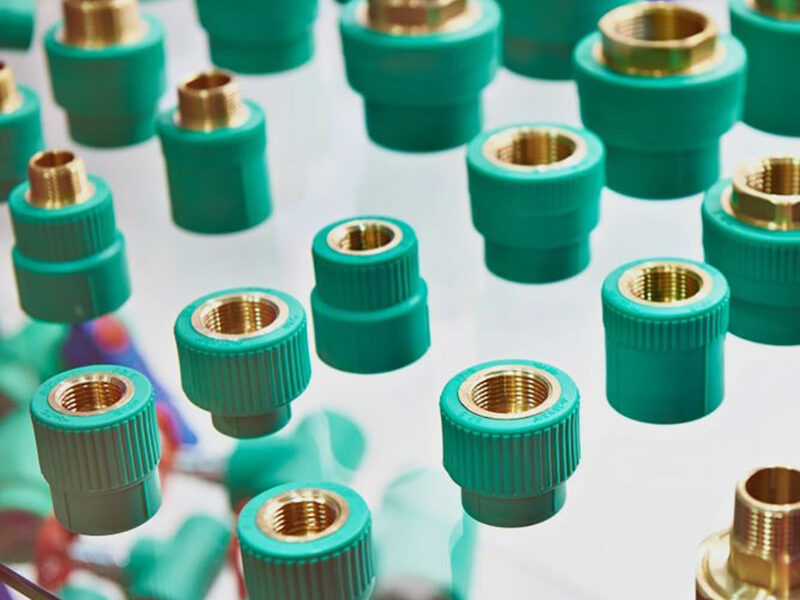
注塑成型零件有哪些类型,例如汽车零部件或医疗器械?
是的,注塑成型零件种类繁多,专为不同的行业和应用而设计。注塑成型是一种用途广泛的制造工艺,能够高效、精准地生产复杂零件。以下是一些不同类型的注塑成型零件示例:
1. 汽车零部件:
注塑成型在汽车行业中扮演着至关重要的角色,它被用于制造各种各样的零部件。一些常见的注塑成型汽车零部件包括:
- 内饰部件:仪表板、门把手、装饰件、仪表组和中控台。
- 外部部件:保险杠、格栅、车身面板、后视镜外壳和轮毂盖。
- 发动机舱内部件:发动机罩、进气歧管、冷却系统部件和电池外壳。
- 电气元件:连接器、开关、传感器外壳和线束。
- 座椅部件:座椅框架、头枕、扶手和安全带部件。
2. 医疗器械:
医疗行业依赖注塑成型技术生产各种医疗器械和组件。这些部件通常需要高精度、生物相容性和可灭菌性。注塑成型的医疗器械示例包括:
- 注射器和注射笔
- 植入式医疗器械:导管、起搏器组件、骨科植入物和手术器械。
- 诊断设备:试管、标本容器和实验室耗材。
- 一次性医疗用品:静脉输液组件、呼吸面罩、采血管和伤口护理用品。
3. 消费品:
注塑成型因其能够高效地批量生产零件,而被广泛应用于消费品生产。注塑成型的消费品示例包括:
- 家用电器:电视和音响设备组件、冰箱零件和吸尘器组件。
- 电子产品:手机壳、电脑键盘和鼠标、相机组件和电源适配器。
- 玩具和游戏:动作玩偶、积木、拼图和棋盘游戏配件。
- 个人护理用品:牙刷、剃须刀柄、化妆品容器和吹风机配件。
- 家居装修产品:灯开关盖、门把手、电动工具外壳和储物容器。
4. 包装:
注塑成型技术广泛应用于包装行业,用于生产各种塑料容器、瓶盖、封盖和包装组件。例如:
- 食品、饮料、个人护理产品和家用化学品的瓶子和容器。
- 瓶盖和罐盖。
- 用于食品的薄壁包装,例如托盘、杯子和盖子。
- 零售产品的吸塑包装和翻盖包装。
- 包装内衬和保护泡沫组件。
5. 电子和电气元件:
注塑成型工艺广泛应用于电子行业,用于生产各种电子元件和外壳。例如:
- 电气和电子设备的连接器和外壳。
- 开关、按钮和控制面板。
- PCB(印刷电路板)组件和外壳。
- LED(发光二极管)组件和灯具。
- 电源适配器和充电器。
以上仅列举了注塑成型零件的几种类型。注塑成型的多功能性使其能够应用于众多行业的零件生产,涵盖汽车、医疗、消费品、包装、电子产品等诸多领域。每种零件的具体设计要求和性能特征决定了注塑成型所需的材料、模具和制造工艺的选择。


editor by CX 2024-03-23