คำอธิบายผลิตภัณฑ์
CNC OEM Plastic Injection Molded Parts Customized Plastic Molding Auto Car Part Motorcycle Injection Mould Parts
ข้อมูลบริษัท
Our mother company, SUMINO KOGYO CO., LTD., joined management of HangZhou Ogasawara Electronic Component Company (QOC) in 2004, which was established in October, 1995 located in HangZhou Economic & Development Zone. In the year 2007, SUMINO and Chinese capital investor amicably agreed transfer of Chinese holdings to SUMINO and QOC was renamed to HangZhou SUMINO STAMPING CO., LTD. (QSS). So we have been taking the first step as an independent firm. And in the year 2013, QSS has been renamed to SUMINO PRECISION MANUFACTURING (HangZhou) LIMITED (SPQ) in order to reform our corporate image and adapt to our development prospects. From then on, we have been taking the new developing step. SPQ places emphasis on combining QOC and QSS’s stamping technology cultivated through electronic area and SUMINO’s stamping skills long experienced on automotive business. We aim to be a company where high technology, high quality and low cost can always be offered to customers.
พารามิเตอร์ผลิตภัณฑ์
| Model NO. | Sumino001 | Runner | Hot Runner |
| Design Software | UG | Installation | Fixed |
| Standard | DME | Customized | Customized |
| Mould Life | 500,000 Shots | Mould Base | Lkm,Hasco,Dme |
| Shape | Oval,Round,Square | Capacity | 1L,5L,10L,18L,20L |
| Sample Time | 45 Days | Design | 3D or 2D |
| Mould Steel | P20 | Die Life | 500, 000 Shots |
|
ความอดทน |
+-0.01mm | Name | Round Shape Plastic Paint Bucket Mould |
| Transport Package | Wooden Case | Specification | SGS |
| Trademark | sumino | Origin | HangZhou China |
| HS Code | 848571090 | Production Capacity | 200 Sets/Per Year |
คำอธิบายผลิตภัณฑ์
Packaging & Shipping
Certifications
Our Clients
OEM Precision Mould Stamping Car Stamping Parts And Stamping Bending Machinery Parts
/* January 22, 2571 19:08:37 */!function(){function s(e,r){var a,o={};try{e&&e.split(“,”).forEach(function(e,t){e&&(a=e.match(/(.*?):(.*)$/))&&1
| การรับประกัน: | 1 |
|---|---|
| แอปพลิเคชัน: | Household Appliances, Electronic, Hardware, Car, Commodity, Home Use |
| วัสดุ: | High Carbon High Chromium Tool Steel |
| Processing Method: | Punching and Shearing Mould |
| Technics: | Drawing Die |
| Process Combination: | Progressive Die |
| ตัวอย่าง: |
US$ 10/Piece
1 ชิ้น (สั่งขั้นต่ำ) | |
|---|
| การปรับแต่ง: |
มีอยู่
|
|
|---|
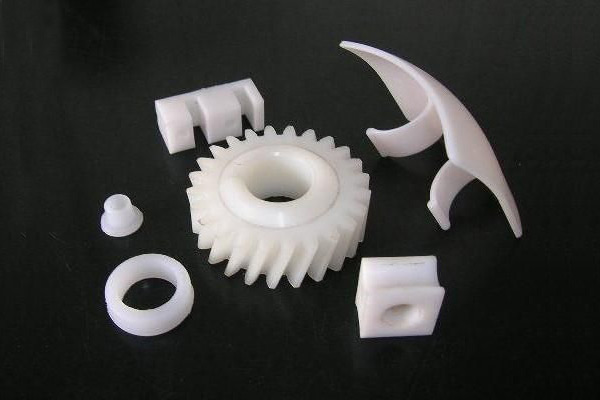
What is the impact of material selection on the performance and durability of injection molded parts?
The material selection for injection molded parts has a significant impact on their performance and durability. The choice of material influences various key factors, including mechanical properties, chemical resistance, thermal stability, dimensional stability, and overall part functionality. Here’s a detailed explanation of the impact of material selection on the performance and durability of injection molded parts:
Mechanical Properties:
The mechanical properties of the material directly affect the part’s strength, stiffness, impact resistance, and fatigue life. Different materials exhibit varying levels of tensile strength, flexural strength, modulus of elasticity, and elongation at break. The selection of a material with appropriate mechanical properties ensures that the injection molded part can withstand the applied forces, vibrations, and operational stresses without failure or deformation.
Chemical Resistance:
The material’s resistance to chemicals and solvents is crucial in applications where the part comes into contact with aggressive substances. Certain materials, such as engineering thermoplastics like ABS (Acrylonitrile Butadiene Styrene) or PEEK (Polyether Ether Ketone), exhibit excellent chemical resistance. Choosing a material with the appropriate chemical resistance ensures that the injection molded part maintains its integrity and functionality when exposed to specific chemicals or environments.
Thermal Stability:
The thermal stability of the material is essential in applications that involve exposure to high temperatures or thermal cycling. Different materials have varying melting points, glass transition temperatures, and heat deflection temperatures. Selecting a material with suitable thermal stability ensures that the injection molded part can withstand the anticipated temperature variations without dimensional changes, warping, or degradation of mechanical properties.
Dimensional Stability:
The dimensional stability of the material is critical in applications where precise tolerances and dimensional accuracy are required. Some materials, such as engineering thermoplastics or filled polymers, exhibit lower coefficients of thermal expansion, minimizing the part’s dimensional changes with temperature variations. Choosing a material with good dimensional stability helps ensure that the injection molded part maintains its shape, size, and critical dimensions over a wide range of operating temperatures.
Part Functionality:
The material selection directly impacts the functionality and performance of the injection molded part. Different materials offer unique properties that can be tailored to meet specific application requirements. For example, materials like polycarbonate (PC) or polypropylene (PP) offer excellent transparency, making them suitable for applications requiring optical clarity, while materials like polyamide (PA) or polyoxymethylene (POM) provide low friction and wear resistance, making them suitable for moving or sliding parts.
Cycle Time and Processability:
The material selection can also affect the cycle time and processability of injection molding. Different materials have different melt viscosities and flow characteristics, which influence the filling and cooling times during the molding process. Materials with good flow properties can fill complex mold geometries more easily, reducing the cycle time and improving productivity. It’s important to select a material that can be effectively processed using the available injection molding equipment and techniques.
Cost Considerations:
The material selection also impacts the overall cost of the injection molded part. Different materials have varying costs, and selecting the most suitable material involves considering factors such as material availability, tooling requirements, processing conditions, and the desired performance characteristics. Balancing the performance requirements with cost considerations is crucial in achieving an optimal material selection that meets the performance and durability requirements within the budget constraints.
Overall, material selection plays a critical role in determining the performance, durability, and functionality of injection molded parts. Careful consideration of mechanical properties, chemical resistance, thermal stability, dimensional stability, part functionality, cycle time, processability, and cost factors helps ensure that the chosen material meets the specific application requirements and delivers the desired performance and durability over the part’s intended service life.
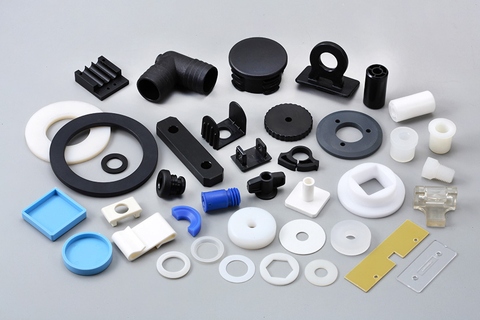
คุณสามารถอธิบายกระบวนการหลังการขึ้นรูปต่างๆ เช่น การประกอบ หรือการดำเนินการขั้นที่สอง สำหรับชิ้นส่วนที่ขึ้นรูปด้วยการฉีดพลาสติกได้หรือไม่?
กระบวนการหลังการขึ้นรูปมีบทบาทสำคัญอย่างยิ่งในการผลิตชิ้นส่วนฉีดขึ้นรูป กระบวนการเหล่านี้รวมถึงการประกอบและการดำเนินการเพิ่มเติมที่ดำเนินการหลังจากขั้นตอนการขึ้นรูปเริ่มต้น ต่อไปนี้คือคำอธิบายโดยละเอียดเกี่ยวกับกระบวนการหลังการขึ้นรูปต่างๆ สำหรับชิ้นส่วนฉีดขึ้นรูป:
1. การประกอบ:
การประกอบชิ้นส่วนเกี่ยวข้องกับการนำชิ้นส่วนที่ขึ้นรูปด้วยการฉีดพลาสติกหลายชิ้นมาเชื่อมต่อกันเพื่อสร้างผลิตภัณฑ์สำเร็จรูปหรือชิ้นส่วนย่อย กระบวนการประกอบอาจใช้เทคนิคต่างๆ เช่น การยึดด้วยกลไก (สกรู คลิป หรือตัวล็อก) การติดด้วยกาว การเชื่อมด้วยคลื่นอัลตราโซนิค การยึดด้วยความร้อน หรือการเชื่อมด้วยตัวทำละลาย การประกอบชิ้นส่วนช่วยให้มั่นใจได้ว่าชิ้นส่วนที่ขึ้นรูปแต่ละชิ้นนั้นเชื่อมต่อกันอย่างแน่นหนาเพื่อให้ได้ฟังก์ชันการทำงานและความแข็งแรงของโครงสร้างตามที่ต้องการของผลิตภัณฑ์ขั้นสุดท้าย
2. การตกแต่งพื้นผิว:
กระบวนการตกแต่งพื้นผิวเป็นกระบวนการที่ทำขึ้นเพื่อเพิ่มความสวยงาม เนื้อสัมผัส และฟังก์ชันการใช้งานของชิ้นส่วนที่ขึ้นรูปด้วยการฉีดพลาสติก เทคนิคการตกแต่งพื้นผิวที่ใช้กันทั่วไป ได้แก่ การทาสี การพิมพ์ (เช่น การพิมพ์แบบแพดหรือการพิมพ์สกรีน) การปั๊มร้อน การแกะสลักด้วยเลเซอร์ หรือการเคลือบด้วยสารเคลือบพิเศษ กระบวนการเหล่านี้สามารถเพิ่มคุณสมบัติในการตกแต่ง องค์ประกอบของแบรนด์ หรือปรับปรุงคุณสมบัติของพื้นผิวชิ้นส่วน เช่น ความต้านทานต่อรอยขีดข่วนหรือการป้องกันรังสียูวี
3. การกลึงหรือตัดแต่ง:
ในบางกรณี ชิ้นส่วนที่ขึ้นรูปด้วยการฉีดพลาสติกอาจต้องผ่านกระบวนการกลึงหรือตัดแต่งเพิ่มเติมเพื่อให้ได้ขนาดสุดท้ายที่ต้องการหรือกำจัดวัสดุส่วนเกิน ซึ่งอาจเกี่ยวข้องกับกระบวนการต่างๆ เช่น การกัดด้วยเครื่อง CNC การเจาะ การคว้าน หรือการกลึง การกลึงหรือตัดแต่งมักจำเป็นเมื่อไม่สามารถควบคุมความคลาดเคลื่อนอย่างเข้มงวด รูปทรงเรขาคณิตเฉพาะ หรือคุณสมบัติการใช้งานที่สำคัญได้ด้วยกระบวนการฉีดพลาสติกเพียงอย่างเดียว
4. การเชื่อมหรือการต่อ:
กระบวนการเชื่อมหรือการต่อชิ้นส่วนใช้เพื่อหลอมหรือเชื่อมชิ้นส่วนที่ขึ้นรูปด้วยการฉีดพลาสติกเข้าด้วยกัน เทคนิคการเชื่อมที่ใช้กันทั่วไปสำหรับชิ้นส่วนพลาสติก ได้แก่ การเชื่อมด้วยคลื่นอัลตราโซนิค การเชื่อมด้วยแผ่นความร้อน การเชื่อมด้วยการสั่นสะเทือน หรือการเชื่อมด้วยเลเซอร์ กระบวนการเหล่านี้สร้างรอยต่อที่แข็งแรงและเชื่อถือได้ระหว่างชิ้นส่วนที่ขึ้นรูป ทำให้มั่นใจได้ถึงความสมบูรณ์ของโครงสร้างและการใช้งานในผลิตภัณฑ์ขั้นสุดท้าย
5. การใส่แผ่นแทรก:
การใส่ชิ้นส่วนเสริมเกี่ยวข้องกับการวางชิ้นส่วนโลหะหรือพลาสติกเข้าไปในโพรงแม่พิมพ์ก่อนกระบวนการฉีดขึ้นรูป ชิ้นส่วนเสริมเหล่านี้สามารถเพิ่มความแข็งแรง เสริมความแข็งแรงให้กับข้อต่อเกลียว หรือใช้เป็นจุดยึดสำหรับชิ้นส่วนอื่นๆ สามารถใส่ชิ้นส่วนเสริมได้ด้วยมือหรือโดยใช้เครื่องมืออัตโนมัติ และชิ้นส่วนเสริมเหล่านี้จะฝังตัวอยู่ภายในชิ้นส่วนที่ขึ้นรูปอย่างถาวรในระหว่างกระบวนการขึ้นรูป
6. การขึ้นรูปด้วยการฉีดพลาสติกสองชั้น (Overmolding หรือ Two-Shot Molding):
กระบวนการขึ้นรูปด้วยการฉีดพลาสติกสองชั้น หรือการขึ้นรูปด้วยการฉีดแบบโอเวอร์โมลด์ ช่วยให้สามารถสร้างชิ้นส่วนฉีดขึ้นรูปที่มีหลายชั้นหรือหลายวัสดุได้ ในการขึ้นรูปโอเวอร์โมลด์ วัสดุที่สองจะถูกขึ้นรูปทับบนวัสดุพื้นฐานที่มีอยู่แล้ว เพื่อเพิ่มฟังก์ชันการใช้งาน ความสวยงาม หรือการยึดเกาะ การขึ้นรูปสองชั้นเกี่ยวข้องกับการฉีดวัสดุที่แตกต่างกันสองชนิดเข้าไปในส่วนต่างๆ ของแม่พิมพ์ เพื่อสร้างชิ้นส่วนเดียวที่มีหลายสีหรือหลายวัสดุ กระบวนการเหล่านี้ช่วยให้สามารถรวมวัสดุหรือส่วนประกอบหลายอย่างเข้าไว้ในชิ้นส่วนฉีดขึ้นรูปชิ้นเดียวได้
7. การลบคมหรือการกำจัดเศษโลหะส่วนเกิน:
กระบวนการลบคมหรือขจัดเศษวัสดุส่วนเกิน คือการกำจัดเศษวัสดุหรือขอบคมที่อาจหลงเหลืออยู่บนชิ้นส่วนที่ขึ้นรูปหลังจากการฉีดขึ้นรูป เศษวัสดุส่วนเกินหมายถึงวัสดุที่ยื่นออกมาเกินแนวแบ่งของแม่พิมพ์ ในขณะที่ขอบคมคือส่วนที่ยื่นออกมาเล็กๆ หรือขอบที่ไม่เรียบซึ่งเกิดจากลักษณะของแม่พิมพ์ การลบคมหรือขจัดเศษวัสดุส่วนเกินช่วยให้ชิ้นส่วนที่ขึ้นรูปมีขอบและพื้นผิวที่เรียบเนียน ปรับปรุงรูปลักษณ์ การใช้งาน และความปลอดภัยของชิ้นส่วน
8. การตรวจสอบและควบคุมคุณภาพ:
กระบวนการตรวจสอบและควบคุมคุณภาพดำเนินการเพื่อให้แน่ใจว่าชิ้นส่วนที่ขึ้นรูปด้วยการฉีดพลาสติกนั้นตรงตามข้อกำหนดและมาตรฐานคุณภาพที่ต้องการ ซึ่งอาจรวมถึงการตรวจสอบด้วยสายตา การวัดขนาด การทดสอบการทำงาน หรือวิธีการทดสอบเฉพาะทางอื่นๆ กระบวนการตรวจสอบและควบคุมคุณภาพช่วยระบุข้อบกพร่อง ความไม่สอดคล้องกัน หรือความเบี่ยงเบนใดๆ ที่อาจต้องมีการแก้ไขหรือปฏิเสธชิ้นส่วน เพื่อให้มั่นใจว่ามีเพียงชิ้นส่วนคุณภาพสูงเท่านั้นที่ใช้ในผลิตภัณฑ์หรือการประกอบขั้นสุดท้าย
9. บรรจุภัณฑ์และการติดฉลาก:
เมื่อกระบวนการหลังการขึ้นรูปเสร็จสมบูรณ์แล้ว ชิ้นส่วนที่ขึ้นรูปด้วยการฉีดพลาสติกมักจะถูกบรรจุและติดฉลากเพื่อการจัดเก็บ การขนส่ง หรือการจัดจำหน่าย บรรจุภัณฑ์อาจรวมถึงการบรรจุชิ้นส่วนแต่ละชิ้น การบรรจุแบบจำนวนมาก หรือบรรจุภัณฑ์แบบกำหนดเองตามความต้องการเฉพาะ การติดฉลากอาจเกี่ยวข้องกับการเพิ่มข้อมูลระบุผลิตภัณฑ์ บาร์โค้ด หรือคำแนะนำสำหรับการจัดการหรือการใช้งานที่ถูกต้อง
กระบวนการหลังการขึ้นรูปเหล่านี้มีความสำคัญอย่างยิ่งต่อการบรรลุฟังก์ชันการทำงาน รูปลักษณ์ และคุณภาพที่ต้องการของชิ้นส่วนที่ขึ้นรูปด้วยการฉีดพลาสติก กระบวนการเหล่านี้ช่วยให้สามารถรวมส่วนประกอบหลายชิ้นเข้าด้วยกัน การตกแต่งพื้นผิว ความแม่นยำของขนาด และการประกอบผลิตภัณฑ์ขั้นสุดท้ายหรือชิ้นส่วนย่อยได้
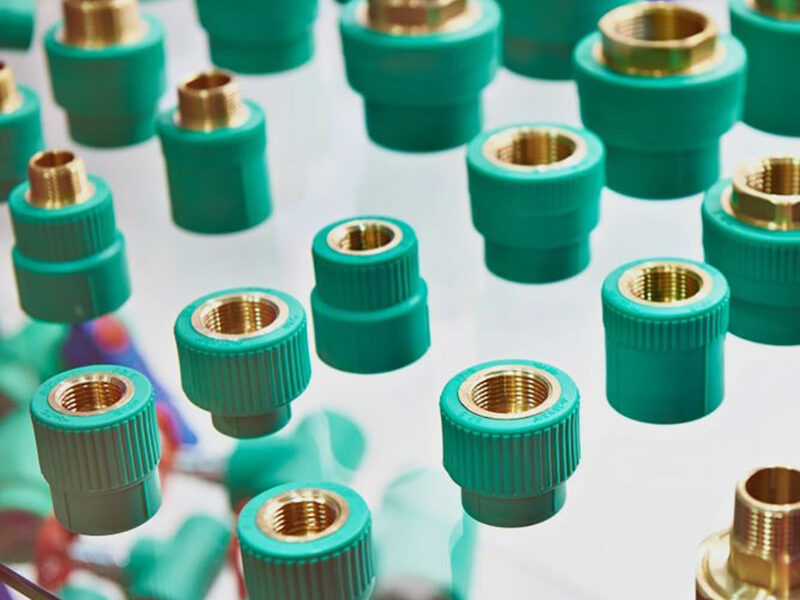
ชิ้นส่วนขึ้นรูปด้วยการฉีดขึ้นรูปมีหลายประเภทหรือไม่ เช่น ชิ้นส่วนยานยนต์หรืออุปกรณ์ทางการแพทย์?
ใช่แล้ว ชิ้นส่วนขึ้นรูปด้วยการฉีดขึ้นรูปมีหลายประเภท ซึ่งได้รับการออกแบบมาโดยเฉพาะสำหรับอุตสาหกรรมและการใช้งานที่แตกต่างกัน การฉีดขึ้นรูปเป็นกระบวนการผลิตที่หลากหลาย สามารถผลิตชิ้นส่วนที่ซับซ้อนและแม่นยำได้อย่างมีประสิทธิภาพและสม่ำเสมอ ต่อไปนี้เป็นตัวอย่างของชิ้นส่วนขึ้นรูปด้วยการฉีดขึ้นรูปประเภทต่างๆ:
1. ชิ้นส่วนยานยนต์:
การฉีดขึ้นรูปมีบทบาทสำคัญอย่างยิ่งในอุตสาหกรรมยานยนต์ โดยใช้ในการผลิตชิ้นส่วนต่างๆ มากมาย ชิ้นส่วนยานยนต์ที่ผลิตด้วยการฉีดขึ้นรูปที่พบได้ทั่วไป ได้แก่:
- ส่วนประกอบภายใน: แผงหน้าปัด, มือจับประตู, ชิ้นส่วนตกแต่ง, ชุดมาตรวัด และคอนโซลกลาง
- ส่วนประกอบภายนอก: กันชน กระจังหน้า แผงตัวถัง ตัวเรือนกระจกมองข้าง และฝาครอบล้อ
- ส่วนประกอบภายในเครื่องยนต์: ฝาครอบเครื่องยนต์ ท่อร่วมไอดี ชิ้นส่วนระบบระบายความร้อน และตัวเรือนแบตเตอรี่
- ชิ้นส่วนไฟฟ้า: ขั้วต่อ สวิตช์ ตัวเรือนเซ็นเซอร์ และชุดสายไฟ
- ส่วนประกอบของที่นั่ง: โครงที่นั่ง พนักพิงศีรษะ ที่วางแขน และส่วนประกอบของเข็มขัดนิรภัย
2. อุปกรณ์ทางการแพทย์:
อุตสาหกรรมการแพทย์พึ่งพาการฉีดขึ้นรูปในการผลิตอุปกรณ์และชิ้นส่วนทางการแพทย์หลากหลายประเภท ชิ้นส่วนเหล่านี้มักต้องการความแม่นยำสูง ความเข้ากันได้ทางชีวภาพ และความสามารถในการฆ่าเชื้อ ตัวอย่างของอุปกรณ์ทางการแพทย์ที่ผลิตด้วยการฉีดขึ้นรูป ได้แก่:
- เข็มฉีดยาและปากกาฉีดยา
- อุปกรณ์ฝังในร่างกาย: สายสวน, ส่วนประกอบของเครื่องกระตุ้นหัวใจ, อุปกรณ์ปลูกถ่ายกระดูก และเครื่องมือผ่าตัด
- อุปกรณ์วินิจฉัยโรค: หลอดทดลอง ภาชนะบรรจุตัวอย่าง และวัสดุสิ้นเปลืองในห้องปฏิบัติการ
- ผลิตภัณฑ์ทางการแพทย์แบบใช้แล้วทิ้ง: ส่วนประกอบของสารละลายสำหรับให้ทางหลอดเลือดดำ หน้ากากช่วยหายใจ หลอดเก็บเลือด และผลิตภัณฑ์ดูแลบาดแผล
3. ผลิตภัณฑ์สำหรับผู้บริโภค:
การฉีดขึ้นรูปเป็นวิธีการที่ใช้กันอย่างแพร่หลายในการผลิตสินค้าอุปโภคบริโภค เนื่องจากสามารถผลิตชิ้นส่วนจำนวนมากได้อย่างมีประสิทธิภาพสูง ตัวอย่างสินค้าอุปโภคบริโภคที่ผลิตด้วยการฉีดขึ้นรูป ได้แก่:
- เครื่องใช้ไฟฟ้าในครัวเรือน: ชิ้นส่วนโทรทัศน์และเครื่องเสียง ชิ้นส่วนตู้เย็น และชิ้นส่วนเครื่องดูดฝุ่น
- อุปกรณ์อิเล็กทรอนิกส์: เคสโทรศัพท์มือถือ คีย์บอร์ดและเมาส์คอมพิวเตอร์ ชิ้นส่วนกล้อง และอะแดปเตอร์แปลงไฟ
- ของเล่นและเกม: หุ่นแอ็คชั่น, ตัวต่อ, จิ๊กซอว์ และชิ้นส่วนเกมกระดาน
- ผลิตภัณฑ์ดูแลส่วนบุคคล: แปรงสีฟัน ด้ามมีดโกน ภาชนะบรรจุเครื่องสำอาง และชิ้นส่วนของไดร์เป่าผม
- ผลิตภัณฑ์ปรับปรุงบ้าน: ฝาครอบสวิตช์ไฟ มือจับประตู กล่องเก็บเครื่องมือไฟฟ้า และภาชนะจัดเก็บ
4. บรรจุภัณฑ์:
การฉีดขึ้นรูปพลาสติกเป็นวิธีการที่ใช้กันอย่างแพร่หลายในอุตสาหกรรมบรรจุภัณฑ์ เพื่อผลิตภาชนะพลาสติก ฝาปิด ตัวล็อค และส่วนประกอบบรรจุภัณฑ์หลากหลายชนิด ตัวอย่างเช่น:
- ขวดและภาชนะบรรจุอาหาร เครื่องดื่ม ผลิตภัณฑ์ดูแลส่วนบุคคล และสารเคมีในครัวเรือน
- ฝาและอุปกรณ์ปิดผนึกสำหรับขวดและโหล
- บรรจุภัณฑ์ผนังบางสำหรับผลิตภัณฑ์อาหาร เช่น ถาด ถ้วย และฝาปิด
- บรรจุภัณฑ์แบบแผงพลาสติกและบรรจุภัณฑ์แบบฝาพับสำหรับสินค้าปลีก
- แผ่นรองบรรจุภัณฑ์และชิ้นส่วนโฟมป้องกัน
5. อุปกรณ์อิเล็กทรอนิกส์และชิ้นส่วนไฟฟ้า:
การฉีดขึ้นรูปเป็นวิธีการที่ใช้กันอย่างแพร่หลายในอุตสาหกรรมอิเล็กทรอนิกส์สำหรับการผลิตชิ้นส่วนและตัวเรือนต่างๆ ตัวอย่างเช่น:
- ตัวเชื่อมต่อและตัวเรือนสำหรับอุปกรณ์ไฟฟ้าและอิเล็กทรอนิกส์
- สวิตช์ ปุ่มกด และแผงควบคุม
- ส่วนประกอบและตัวเรือนของแผงวงจรพิมพ์ (PCB)
- ส่วนประกอบและโคมไฟ LED (ไดโอดเปล่งแสง)
- อะแดปเตอร์แปลงไฟและที่ชาร์จไฟ
นี่เป็นเพียงตัวอย่างเล็กน้อยของชิ้นส่วนขึ้นรูปด้วยการฉีดพลาสติกประเภทต่างๆ ความสามารถรอบด้านของการฉีดพลาสติกทำให้สามารถผลิตชิ้นส่วนในอุตสาหกรรมต่างๆ ได้มากมาย ตั้งแต่ยานยนต์และอุปกรณ์ทางการแพทย์ ไปจนถึงสินค้าอุปโภคบริโภค บรรจุภัณฑ์ อุปกรณ์อิเล็กทรอนิกส์ และอื่นๆ ข้อกำหนดด้านการออกแบบและลักษณะการทำงานของแต่ละชิ้นส่วนจะเป็นตัวกำหนดการเลือกใช้วัสดุ แม่พิมพ์ และกระบวนการผลิตสำหรับการฉีดพลาสติก


editor by CX 2024-03-23