
وصف المنتج
CNC OEM Plastic Injection Molded Parts Customized Plastic Molding Auto Car Part Motorcycle Injection Mould Parts
نبذة عن الشركة
Our mother company, SUMINO KOGYO CO., LTD., joined management of HangZhou Ogasawara Electronic Component Company (QOC) in 2004, which was established in October, 1995 located in HangZhou Economic & Development Zone. In the year 2007, SUMINO and Chinese capital investor amicably agreed transfer of Chinese holdings to SUMINO and QOC was renamed to HangZhou SUMINO STAMPING CO., LTD. (QSS). So we have been taking the first step as an independent firm. And in the year 2013, QSS has been renamed to SUMINO PRECISION MANUFACTURING (HangZhou) LIMITED (SPQ) in order to reform our corporate image and adapt to our development prospects. From then on, we have been taking the new developing step. SPQ places emphasis on combining QOC and QSS’s stamping technology cultivated through electronic area and SUMINO’s stamping skills long experienced on automotive business. We aim to be a company where high technology, high quality and low cost can always be offered to customers.
معايير المنتج
| Model NO. | Sumino001 | Runner | Hot Runner |
| Design Software | UG | Installation | Fixed |
| Standard | DME | مخصص | مخصص |
| Mould Life | 500,000 Shots | Mould Base | Lkm,Hasco,Dme |
| Shape | Oval,Round,Square | Capacity | 1L,5L,10L,18L,20L |
| Sample Time | 45 Days | Design | 3D or 2D |
| Mould Steel | P20 | Die Life | 500, 000 Shots |
|
تسامح |
+-0.01mm | Name | Round Shape Plastic Paint Bucket Mould |
| Transport Package | Wooden Case | Specification | SGS |
| Trademark | sumino | Origin | HangZhou China |
| HS Code | 848571090 | Production Capacity | 200 Sets/Per Year |
وصف المنتج
Packaging & Shipping
Certifications
Our Clients
OEM Precision Mould Stamping Car Stamping Parts And Stamping Bending Machinery Parts
/* January 22, 2571 19:08:37 */!function(){function s(e,r){var a,o={};try{e&&e.split(“,”).forEach(function(e,t){e&&(a=e.match(/(.*?):(.*)$/))&&1
| ضمان: | 1 |
|---|---|
| طلب: | Household Appliances, Electronic, Hardware, Car, Commodity, Home Use |
| مادة: | High Carbon High Chromium Tool Steel |
| Processing Method: | Punching and Shearing Mould |
| Technics: | Drawing Die |
| Process Combination: | Progressive Die |
| أمثلة: |
US$ 10/قطعة
قطعة واحدة (الحد الأدنى للطلب) | |
|---|
| التخصيص: |
متاح
|
|
|---|
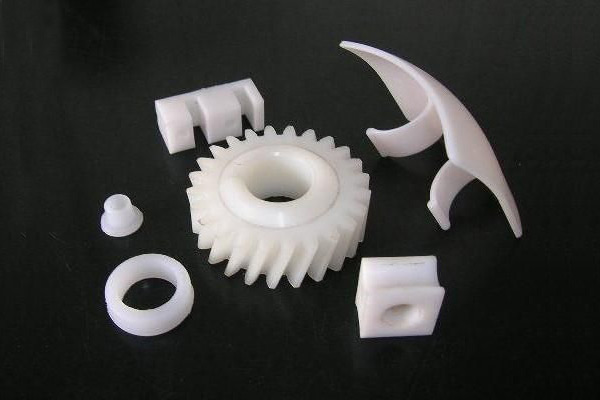
ما هو تأثير اختيار المواد على أداء ومتانة الأجزاء المصبوبة بالحقن؟
يؤثر اختيار المواد المستخدمة في تصنيع الأجزاء المقولبة بالحقن تأثيرًا كبيرًا على أدائها ومتانتها. ويؤثر هذا الاختيار على عدة عوامل رئيسية، منها الخصائص الميكانيكية، والمقاومة الكيميائية، والثبات الحراري، وثبات الأبعاد، ووظائف الجزء بشكل عام. إليكم شرحًا مفصلًا لتأثير اختيار المواد على أداء ومتانة الأجزاء المقولبة بالحقن:
الخواص الميكانيكية:
تؤثر الخصائص الميكانيكية للمادة بشكل مباشر على قوة الجزء وصلابته ومقاومته للصدمات وعمره الافتراضي. وتختلف المواد في مستويات قوة الشد وقوة الانحناء ومعامل المرونة والاستطالة عند الكسر. ويضمن اختيار مادة ذات خصائص ميكانيكية مناسبة قدرة الجزء المصبوب بالحقن على تحمل القوى والاهتزازات والإجهادات التشغيلية دون حدوث أي عطل أو تشوه.
المقاومة الكيميائية:
تُعدّ مقاومة المادة للمواد الكيميائية والمذيبات أمرًا بالغ الأهمية في التطبيقات التي تتلامس فيها القطعة مع مواد كيميائية قاسية. تتميز بعض المواد، مثل اللدائن الحرارية الهندسية كـ ABS (أكريلونيتريل بوتادين ستايرين) أو PEEK (بولي إيثر إيثر كيتون)، بمقاومة كيميائية ممتازة. يضمن اختيار مادة ذات مقاومة كيميائية مناسبة الحفاظ على سلامة القطعة المصبوبة بالحقن ووظائفها عند تعرضها لمواد كيميائية أو بيئات محددة.
الاستقرار الحراري:
تُعدّ الثبات الحراري للمادة أمرًا بالغ الأهمية في التطبيقات التي تتعرض لدرجات حرارة عالية أو دورات حرارية. تختلف المواد في نقاط انصهارها، ودرجات حرارة انتقالها الزجاجي، ودرجات حرارة انحرافها الحراري. يضمن اختيار مادة ذات ثبات حراري مناسب قدرة الجزء المصبوب بالحقن على تحمّل التغيرات المتوقعة في درجات الحرارة دون حدوث تغييرات في الأبعاد، أو تشوّه، أو تدهور في الخواص الميكانيكية.
الاستقرار البُعدي:
يُعدّ ثبات أبعاد المادة أمرًا بالغ الأهمية في التطبيقات التي تتطلب دقة عالية في الأبعاد. تتميز بعض المواد، مثل اللدائن الحرارية الهندسية أو البوليمرات المملوءة، بمعاملات تمدد حراري منخفضة، مما يقلل من تغير أبعاد القطعة مع تغيرات درجة الحرارة. ويساعد اختيار مادة ذات ثبات أبعاد جيد على ضمان احتفاظ القطعة المصبوبة بالحقن بشكلها وحجمها وأبعادها الأساسية ضمن نطاق واسع من درجات حرارة التشغيل.
وظائف الجزء:
يؤثر اختيار المادة بشكل مباشر على وظائف وأداء القطعة المصبوبة بالحقن. تتميز المواد المختلفة بخصائص فريدة يمكن تعديلها لتلبية متطلبات تطبيقات محددة. على سبيل المثال، توفر مواد مثل البولي كربونات (PC) أو البولي بروبيلين (PP) شفافية ممتازة، مما يجعلها مناسبة للتطبيقات التي تتطلب وضوحًا بصريًا، بينما توفر مواد مثل البولي أميد (PA) أو البولي أوكسي ميثيلين (POM) احتكاكًا منخفضًا ومقاومة للتآكل، مما يجعلها مناسبة للأجزاء المتحركة أو المنزلقة.
زمن الدورة وقابلية المعالجة:
يؤثر اختيار المادة أيضًا على زمن دورة الإنتاج وسهولة معالجة قولبة الحقن. تختلف المواد في لزوجة انصهارها وخصائص تدفقها، مما يؤثر على أوقات التعبئة والتبريد أثناء عملية القولبة. تتميز المواد ذات خصائص التدفق الجيدة بسهولة ملء القوالب ذات الأشكال الهندسية المعقدة، مما يقلل زمن دورة الإنتاج ويحسن الإنتاجية. من المهم اختيار مادة يمكن معالجتها بكفاءة باستخدام معدات وتقنيات قولبة الحقن المتاحة.
اعتبارات التكلفة:
يؤثر اختيار المادة أيضًا على التكلفة الإجمالية للجزء المصبوب بالحقن. تختلف تكلفة المواد المختلفة، ويتطلب اختيار المادة الأنسب مراعاة عوامل مثل توافر المادة، ومتطلبات الأدوات، وظروف التصنيع، وخصائص الأداء المطلوبة. يُعدّ تحقيق التوازن بين متطلبات الأداء واعتبارات التكلفة أمرًا بالغ الأهمية للوصول إلى اختيار أمثل للمادة يلبي متطلبات الأداء والمتانة ضمن حدود الميزانية.
بشكل عام، يلعب اختيار المواد دورًا حاسمًا في تحديد أداء ومتانة ووظائف الأجزاء المصبوبة بالحقن. ويساعد التفكير المتأني في الخصائص الميكانيكية، والمقاومة الكيميائية، والثبات الحراري، والثبات الأبعاد، ووظائف الجزء، ووقت دورة الإنتاج، وسهولة المعالجة، وعوامل التكلفة، على ضمان أن المادة المختارة تلبي متطلبات التطبيق المحددة، وأن توفر الأداء والمتانة المطلوبين طوال عمر خدمة الجزء المقصود.
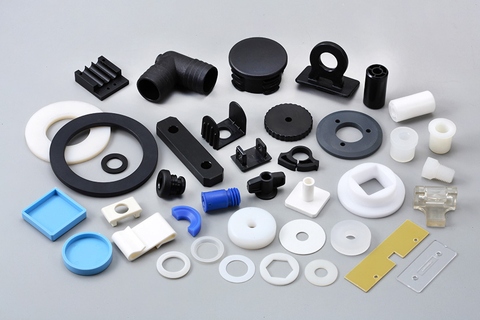
Can you describe the various post-molding processes, such as assembly or secondary operations, for injection molded parts?
Post-molding processes play a crucial role in the production of injection molded parts. These processes include assembly and secondary operations that are performed after the initial molding stage. Here’s a detailed explanation of the various post-molding processes for injection molded parts:
1. Assembly:
Assembly involves joining multiple injection molded parts together to create a finished product or sub-assembly. The assembly process can include various techniques such as mechanical fastening (screws, clips, or snaps), adhesive bonding, ultrasonic welding, heat staking, or solvent welding. Assembly ensures that the individual molded parts are securely combined to achieve the desired functionality and structural integrity of the final product.
2. Surface Finishing:
Surface finishing processes are performed to enhance the appearance, texture, and functionality of injection molded parts. Common surface finishing techniques include painting, printing (such as pad printing or screen printing), hot stamping, laser etching, or applying specialized coatings. These processes can add decorative features, branding elements, or improve the surface properties of the parts, such as scratch resistance or UV protection.
3. Machining or Trimming:
In some cases, injection molded parts may require additional machining or trimming to achieve the desired final dimensions or remove excess material. This can involve processes such as CNC milling, drilling, reaming, or turning. Machining or trimming is often necessary when tight tolerances, specific geometries, or critical functional features cannot be achieved solely through the injection molding process.
4. Welding or Joining:
Welding or joining processes are used to fuse or bond injection molded parts together. Common welding techniques for plastic parts include ultrasonic welding, hot plate welding, vibration welding, or laser welding. These processes create strong and reliable joints between the molded parts, ensuring structural integrity and functionality in the final product.
5. Insertion of Inserts:
Insertion involves placing metal or plastic inserts into the mold cavity before the injection molding process. These inserts can provide additional strength, reinforce threaded connections, or serve as mounting points for other components. Inserts can be placed manually or using automated equipment, and they become permanently embedded in the molded parts during the molding process.
6. Overmolding or Two-Shot Molding:
Overmolding or two-shot molding processes allow for the creation of injection molded parts with multiple layers or materials. In overmolding, a second material is molded over a pre-existing substrate, providing enhanced functionality, aesthetics, or grip. Two-shot molding involves injecting two different materials into different sections of the mold to create a single part with multiple colors or materials. These processes enable the integration of multiple materials or components into a single injection molded part.
7. Deflashing or Deburring:
Deflashing or deburring processes involve removing excess flash or burrs that may be present on the molded parts after the injection molding process. Flash refers to the excess material that extends beyond the parting line of the mold, while burrs are small protrusions or rough edges caused by the mold features. Deflashing or deburring ensures that the molded parts have smooth edges and surfaces, improving their appearance, functionality, and safety.
8. Inspection and Quality Control:
Inspection and quality control processes are performed to ensure that the injection molded parts meet the required specifications and quality standards. This can involve visual inspection, dimensional measurement, functional testing, or other specialized testing methods. Inspection and quality control processes help identify any defects, inconsistencies, or deviations that may require rework or rejection of the parts, ensuring that only high-quality parts are used in the final product or assembly.
9. Packaging and Labeling:
Once the post-molding processes are complete, the injection molded parts are typically packaged and labeled for storage, transportation, or distribution. Packaging can include individual part packaging, bulk packaging, or custom packaging based on specific requirements. Labeling may involve adding product identification, barcodes, or instructions for proper handling or usage.
These post-molding processes are vital in achieving the desired functionality, appearance, and quality of injection molded parts. They enable the integration of multiple components, surface finishing, dimensional accuracy, and assembly of the final products or sub-assemblies.
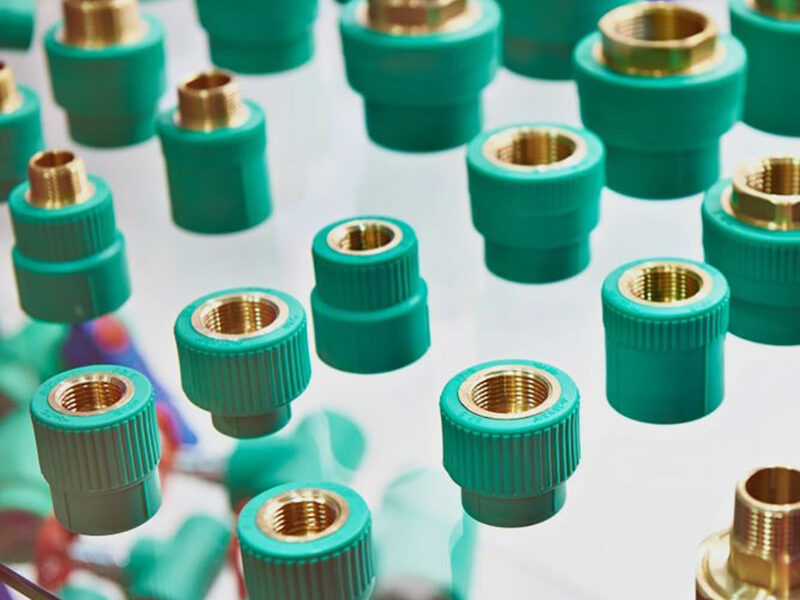
هل توجد أنواع مختلفة من الأجزاء المصنعة بالحقن، مثل مكونات السيارات أو الأجهزة الطبية؟
نعم، توجد أنواع مختلفة من الأجزاء المصبوبة بالحقن، مصممة خصيصًا لمختلف الصناعات والتطبيقات. يُعدّ قولبة الحقن عملية تصنيع متعددة الاستخدامات، قادرة على إنتاج أجزاء معقدة ودقيقة بكفاءة عالية وقابلية تكرار ممتازة. إليك بعض الأمثلة على أنواع مختلفة من الأجزاء المصبوبة بالحقن:
1. مكونات السيارات:
يلعب قولبة الحقن دورًا حاسمًا في صناعة السيارات، حيث تُستخدم لتصنيع مجموعة واسعة من المكونات. ومن بين قطع غيار السيارات الشائعة المصنعة بتقنية قولبة الحقن ما يلي:
- المكونات الداخلية: لوحات لوحة القيادة، ومقابض الأبواب، وقطع الزينة، ومجموعات العدادات، ووحدات التحكم المركزية.
- المكونات الخارجية: المصدات، والشبكات، وألواح الهيكل، وأغطية المرايا، وأغطية العجلات.
- المكونات الموجودة تحت غطاء المحرك: أغطية المحرك، مشعبات سحب الهواء، أجزاء نظام التبريد، وأغطية البطاريات.
- المكونات الكهربائية: الموصلات، والمفاتيح، وأغطية المستشعرات، وأحزمة الأسلاك.
- مكونات المقاعد: هياكل المقاعد، ومساند الرأس، ومساند الذراعين، ومكونات حزام الأمان.
2. الأجهزة الطبية:
يعتمد القطاع الطبي على تقنية قولبة الحقن لإنتاج مجموعة واسعة من الأجهزة والمكونات الطبية. تتطلب هذه الأجزاء عادةً دقة عالية، وتوافقًا حيويًا، وقابلية للتعقيم. ومن أمثلة الأجهزة الطبية المصنعة بتقنية قولبة الحقن ما يلي:
- المحاقن وأقلام الحقن
- الأجهزة القابلة للزرع: القسطرة، ومكونات منظم ضربات القلب، وزرعات العظام، والأدوات الجراحية.
- معدات التشخيص: أنابيب الاختبار، وحاويات العينات، والمواد الاستهلاكية المختبرية.
- المنتجات الطبية التي تستخدم لمرة واحدة: مكونات المحاليل الوريدية، وأقنعة التنفس، وأنابيب جمع الدم، ومنتجات العناية بالجروح.
3. المنتجات الاستهلاكية:
تُستخدم تقنية قولبة الحقن على نطاق واسع في إنتاج المنتجات الاستهلاكية لقدرتها على إنتاج كميات كبيرة من الأجزاء بكفاءة عالية. ومن أمثلة المنتجات الاستهلاكية المصنعة بتقنية قولبة الحقن ما يلي:
- الأجهزة المنزلية: مكونات أجهزة التلفزيون والصوت، وأجزاء الثلاجات، ومكونات المكانس الكهربائية.
- الإلكترونيات: حافظات الهواتف المحمولة، ولوحات مفاتيح وأجهزة الكمبيوتر، ومكونات الكاميرا، ومحولات الطاقة.
- الألعاب والتسلية: مجسمات شخصيات الحركة، مكعبات البناء، الألغاز، ومكونات ألعاب الطاولة.
- منتجات العناية الشخصية: فرش الأسنان، ومقابض شفرات الحلاقة، وعبوات مستحضرات التجميل، ومكونات مجفف الشعر.
- منتجات تحسين المنزل: أغطية مفاتيح الإضاءة، ومقابض الأبواب، وحافظات الأدوات الكهربائية، وحاويات التخزين.
4. التغليف:
تُستخدم عملية التشكيل بالحقن على نطاق واسع في صناعة التغليف لإنتاج مجموعة متنوعة من الحاويات البلاستيكية والأغطية وأنظمة الإغلاق ومكونات التغليف. ومن الأمثلة على ذلك:
- زجاجات وعبوات للأطعمة والمشروبات ومنتجات العناية الشخصية والمواد الكيميائية المنزلية.
- أغطية وأقفال للزجاجات والبرطمانات.
- عبوات رقيقة الجدران للمنتجات الغذائية مثل الصواني والأكواب والأغطية.
- عبوات نفطة وعبوات صدفية لمنتجات البيع بالتجزئة.
- مكونات التغليف الداخلية ومكونات الرغوة الواقية.
5. المكونات الإلكترونية والكهربائية:
تُستخدم تقنية قولبة الحقن على نطاق واسع في صناعة الإلكترونيات لإنتاج مختلف المكونات والهياكل. ومن الأمثلة على ذلك:
- موصلات وأغلفة للأجهزة الكهربائية والإلكترونية.
- المفاتيح والأزرار ولوحات التحكم.
- مكونات وأغلفة لوحات الدوائر المطبوعة (PCB).
- مكونات LED (الصمام الثنائي الباعث للضوء) ووحدات الإضاءة.
- محولات الطاقة والشواحن.
هذه مجرد أمثلة قليلة على أنواع مختلفة من الأجزاء المصنعة بالحقن. تتيح مرونة هذه التقنية إنتاج أجزاء في مختلف الصناعات، بدءًا من السيارات والأجهزة الطبية وصولًا إلى المنتجات الاستهلاكية والتغليف والإلكترونيات وغيرها. وتُحدد متطلبات التصميم وخصائص الأداء لكل جزء اختيار المواد والأدوات وعمليات التصنيع اللازمة للحقن.


editor by CX 2024-03-23