
คำอธิบายผลิตภัณฑ์
Item: Custom Plastic Injection Molded Parts OEM Made per Drawing or Sample
Workshop View
| วัสดุแม่พิมพ์ | S45C, S50C, P20, 718H, 738H, NAK80, S136, S136H |
| Mold Life Time | Life time warrange,you pay mold cost once and we will be responsible for all quality production |
| Product Material | PC, ABS,PP,PC+ABS,PA, HIPS, PVC, PE, PS, POM, Acrylic,TPE,PET,GF filled PA etc |
| พื้นผิว | Smooth, Glossy, Textured, Matte/Sandblasting |
| สี | Any Pantone or RAL color code is workable |
| รูปแบบการวาดภาพ | STEP/IGS/X_T,DWG,PDF |
| Secondary Service | Painting,Printing,Chrome Plating,Assembly etc. |
| Delivery Time | 2 to 8 weeks depending on order size |
Careful Working
Example of What We Do
Company Introduction
Q: Are you a factory or trading company ?
A: We are a factory specializing in custom plastic injection molding parts,together with rubber parts and after-treatment of CHINAMFG such as painting,printing ,assembly etc .
Q:What info do you need if I want to get a quote for a custom plastic part ?
A: 3D drawing in IGS/STEP/X-T format is preferred .Otherwise as long as other format can provide equivellent info ,it would be fine too ,such as CAD drawing with weight info provideded ,or samples sent to us for checking .
Also please state other related info such as what quantity you need,if there are any special requirements such as painting,printing,assembly etc .
Q:What material you can handle ?
A:We can make CHINAMFG in various kind of materials such as PC/PP/ABS/Nylon/PA6/PA66/TPE/PVC/PBT/Nylon with Glass Fiber/Polycarbonate with Glass Fiber/AS/PS etc and subber parts in NBR/Silicone etc .
Q:I have a custom plastic part to make ,I have the design but I am not familar with injection so I am not sure if this part may shrink or not working with injection,can you advise ?
A:YES,we have an engineering team who is not only familar with part design but also familar with injection feasiblity ,once we receive the drawing ,we will check the feasiblity for injection and potential problems in the design.For example,if the part is designed with unnecessary plastic which will not only add cost but also cause sink parts at the surface of the part,we will feedback you before proceeding .
Q:What colors can you do with my plastic part?
A :We can make any color that is in Pantone and RAL color system .
Q:What’s your lead time for mold and for production ?
A:Usually we can send samples in 30-35 days from mold order . Production lead time is 2 to 8 weeks depending on order size .
Q:What’s the mold life gurantee ?
A:We provide lifetime gurantee .For example,usually a mold would start to age after like 500,000 shots ,but if quantity can reach this level ,we will make a new mold at our expense to keep the stable production going on . So you pay mold cost once and we will be responsible for all production from this model .
Q:Is mold our property after we pay it in full ?
A:Yes,mold is the customer’s property after the customer pays it in full .We only keep it well in house to serve the customer’s production needs . The mold won’t be changed unless with customer’s permission .We will not produce from this mold for any third party unless we have the customer’s permission .
Q:What’s your delivery terms ?
A:It’s EXW price for air shipment and FOB HangZhou for sea shipment .HangZhou is our nearest port as we are located in HangZhou ,we can also coordinate to ship to other ports or locations if needed with negotiable price .
/* 10 มีนาคม 2571 17:59:20 */!function(){function s(e,r){var a,o={};try{e&&e.split(“,”).forEach(function(e,t){e&&(a=e.match(/(.*?):(.*)$/))&&1
| วัสดุ: | PP, ABS.PC, PA, Nylon, PE, PVC, PS, POM etc |
|---|---|
| แอปพลิเคชัน: | การแพทย์, ของใช้ในครัวเรือน, อิเล็กทรอนิกส์, ยานยนต์, การเกษตร |
| Shaping Mode: | Injection Mould |
| Installation: | Fixed |
| Customized: | Customized |
| Mould Cavity: | Single or Mutlti Cavity |
| การปรับแต่ง: |
มีอยู่
|
|
|---|
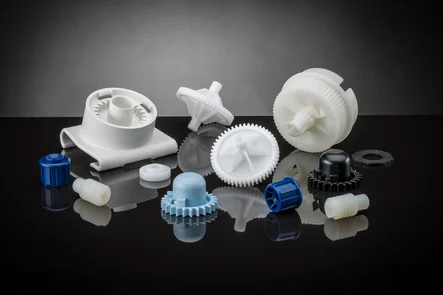
Can you provide examples of products or equipment that incorporate injection molded parts?
Yes, there are numerous products and equipment across various industries that incorporate injection molded parts. Injection molding is a widely used manufacturing process that enables the production of complex and precise components. Here are some examples of products and equipment that commonly incorporate injection molded parts:
1. Electronics and Consumer Devices:
– Mobile phones and smartphones: These devices typically have injection molded plastic casings, buttons, and connectors.
– Computers and laptops: Injection molded parts are used for computer cases, keyboard keys, connectors, and peripheral device housings.
– Appliances: Products such as televisions, refrigerators, washing machines, and vacuum cleaners often incorporate injection molded components for their casings, handles, buttons, and control panels.
– Audio equipment: Speakers, headphones, and audio players often use injection molded parts for their enclosures and buttons.
2. Automotive Industry:
– Cars and Trucks: Injection molded parts are extensively used in the automotive industry. Examples include dashboard panels, door handles, interior trim, steering wheel components, air vents, and various under-the-hood components.
– Motorcycle and Bicycle Parts: Many motorcycle and bicycle components are manufactured using injection molding, including fairings, handle grips, footrests, instrument panels, and engine covers.
– Automotive Lighting: Headlights, taillights, turn signals, and other automotive lighting components often incorporate injection molded lenses, housings, and mounts.
3. ด้านการแพทย์และการดูแลสุขภาพ:
– Medical Devices: Injection molding is widely used in the production of medical devices such as syringes, IV components, surgical instruments, respiratory masks, implantable devices, and diagnostic equipment.
– Laboratory Equipment: Many laboratory consumables, such as test tubes, petri dishes, pipette tips, and specimen containers, are manufactured using injection molding.
– Dental Equipment: Dental tools, orthodontic devices, and dental prosthetics often incorporate injection molded components.
4. Packaging Industry:
– Bottles and Containers: Plastic bottles and containers used for food, beverages, personal care products, and household chemicals are commonly produced using injection molding.
– Caps and Closures: Injection molded caps and closures are widely used in the packaging industry for bottles, jars, and tubes.
– Thin-Walled Packaging: Injection molding is used to produce thin-walled packaging products such as trays, cups, and lids for food and other consumer goods.
5. Toys and Games:
– Many toys and games incorporate injection molded parts. Examples include action figures, building blocks, puzzles, board game components, and remote-controlled vehicles.
6. Industrial Equipment and Tools:
– Industrial machinery: Injection molded parts are used in various industrial equipment and machinery, including components for manufacturing machinery, conveyor systems, and robotic systems.
– Power tools: Many components of power tools, such as housing, handles, switches, and guards, are manufactured using injection molding.
– Hand tools: Injection molded parts are incorporated into a wide range of hand tools, including screwdrivers, wrenches, pliers, and cutting tools.
These are just a few examples of products and equipment that incorporate injection molded parts. The versatility of injection molding allows for its application in a wide range of industries, enabling the production of high-quality components with complex geometries and precise specifications.
คุณสามารถให้คำแนะนำเกี่ยวกับการเลือกใช้วัสดุขึ้นรูปด้วยการฉีดขึ้นรูปตามข้อกำหนดการใช้งานได้หรือไม่?
ใช่ค่ะ ฉันสามารถให้คำแนะนำเกี่ยวกับการเลือกวัสดุสำหรับการฉีดขึ้นรูปตามข้อกำหนดของการใช้งานได้ การเลือกวัสดุสำหรับการฉีดขึ้นรูปมีบทบาทสำคัญในการกำหนดประสิทธิภาพ ความทนทาน และฟังก์ชันการใช้งานของชิ้นส่วนที่ขึ้นรูป ต่อไปนี้คือคำอธิบายโดยละเอียดเกี่ยวกับปัจจัยที่ควรพิจารณาและคำแนะนำในการเลือกวัสดุที่เหมาะสม:
1. คุณสมบัติทางกล:
พิจารณาคุณสมบัติทางกลที่จำเป็นสำหรับการใช้งาน เช่น ความแข็งแรง ความแข็งแง ความต้านทานแรงกระแทก และความต้านทานการสึกหรอ วัสดุแต่ละชนิดมีลักษณะทางกลที่แตกต่างกัน และการเลือกวัสดุที่มีคุณสมบัติเหมาะสมเป็นสิ่งสำคัญ ตัวอย่างเช่น พลาสติกวิศวกรรม เช่น ABS, PC หรือไนลอน มีความแข็งแรงและความต้านทานแรงกระแทกสูง ในขณะที่วัสดุอย่าง PEEK หรือ ULTEM ให้ประสิทธิภาพทางกลที่ยอดเยี่ยมที่อุณหภูมิสูง
2. ความทนทานต่อสารเคมี:
หากชิ้นส่วนนั้นต้องสัมผัสกับสารเคมี ควรพิจารณาความทนทานต่อสารเคมีของวัสดุ วัสดุบางชนิด เช่น PVC หรือ PTFE มีความทนทานต่อสารเคมีหลากหลายชนิดได้ดีเยี่ยม ในขณะที่บางชนิดอาจเสื่อมสภาพหรือบวมได้ง่าย ตรวจสอบให้แน่ใจว่าวัสดุที่เลือกสามารถทนต่อสารเคมีเฉพาะที่พบในสภาพแวดล้อมการใช้งานได้
3. คุณสมบัติทางความร้อน:
ประเมินช่วงอุณหภูมิการใช้งานของชิ้นงานและเลือกวัสดุที่มีคุณสมบัติทางความร้อนที่เหมาะสม วัสดุอย่าง PPS, PEEK หรือ LCP มีความทนทานต่อความร้อนสูง ในขณะที่วัสดุอื่นๆ อาจมีข้อจำกัดด้านอุณหภูมิ พิจารณาปัจจัยต่างๆ เช่น อุณหภูมิสูงสุด ความเสถียรทางความร้อน ค่าสัมประสิทธิ์การขยายตัวทางความร้อน และข้อกำหนดด้านการถ่ายเทความร้อนของชิ้นส่วน
4. คุณสมบัติทางไฟฟ้า:
สำหรับการใช้งานด้านไฟฟ้าหรืออิเล็กทรอนิกส์ ควรพิจารณาคุณสมบัติทางไฟฟ้าของวัสดุ วัสดุอย่าง PBT หรือ PPS มีคุณสมบัติเป็นฉนวนไฟฟ้าที่ดี ในขณะที่วัสดุอื่นๆ อาจมีคุณสมบัติเป็นตัวนำหรือตัวกระจายประจุ ควรตรวจสอบความแข็งแรงของฉนวนไฟฟ้า ค่าการนำไฟฟ้า ความต้านทานพื้นผิว และคุณสมบัติทางไฟฟ้าอื่นๆ ที่เกี่ยวข้องกับการใช้งานนั้นๆ
5. สภาพแวดล้อม:
ประเมินสภาพแวดล้อมที่ชิ้นส่วนจะสัมผัส เช่น ความชื้น รังสียูวี การผุกร่อนจากสภาพอากาศภายนอก หรืออุณหภูมิที่สูงหรือต่ำเกินไป วัสดุบางชนิด เช่น ASA หรือ HDPE มีความทนทานต่อสภาพอากาศและรังสียูวีได้ดีเยี่ยม ในขณะที่วัสดุอื่นๆ อาจเสื่อมสภาพหรือเปราะแตกได้ภายใต้สภาวะที่รุนแรง เลือกวัสดุที่สามารถทนต่อปัจจัยด้านสิ่งแวดล้อมเฉพาะเจาะจงเพื่อให้มั่นใจถึงประสิทธิภาพและความทนทานในระยะยาว
6. การปฏิบัติตามกฎระเบียบ:
พิจารณาข้อกำหนดทางกฎหมายหรือมาตรฐานอุตสาหกรรมที่วัสดุต้องปฏิบัติตาม การใช้งานบางอย่าง เช่น ในอุตสาหกรรมการแพทย์หรืออาหาร อาจต้องการวัสดุที่ได้รับการอนุมัติจาก FDA หรือเป็นไปตามมาตรฐานการรับรองเฉพาะ ตรวจสอบให้แน่ใจว่าวัสดุที่เลือกนั้นเป็นไปตามข้อกำหนดทางกฎหมายและมาตรฐานความปลอดภัยที่จำเป็นสำหรับการใช้งานที่ต้องการ
7. ข้อควรพิจารณาด้านต้นทุน:
ประเมินผลกระทบด้านต้นทุนที่เกี่ยวข้องกับการเลือกวัสดุ วัสดุแต่ละชนิดมีต้นทุนแตกต่างกัน และการเลือกวัสดุควรสอดคล้องกับงบประมาณของโครงการ พิจารณาไม่เพียงแต่ต้นทุนวัสดุต่อหน่วยเท่านั้น แต่ยังรวมถึงปัจจัยอื่นๆ เช่น ค่าใช้จ่ายด้านเครื่องมือ ประสิทธิภาพการผลิต และต้นทุนตลอดอายุการใช้งานของชิ้นส่วนด้วย
8. ความพร้อมของวัสดุและการแปรรูป:
ตรวจสอบความพร้อมของวัสดุและพิจารณาความเหมาะสมในการขึ้นรูปด้วยการฉีดขึ้นรูป ตรวจสอบให้แน่ใจว่าวัสดุมีจำหน่ายจากซัพพลายเออร์และเหมาะสมกับพารามิเตอร์ของกระบวนการฉีดขึ้นรูปโดยเฉพาะ เช่น อัตราการไหลของวัสดุหลอมเหลว ความสามารถในการขึ้นรูป และความเข้ากันได้กับอุปกรณ์ฉีดขึ้นรูปที่เลือกใช้
9. การทดสอบและการตรวจสอบวัสดุ:
ดำเนินการทดสอบและตรวจสอบวัสดุเพื่อให้แน่ใจว่าวัสดุที่เลือกตรงตามข้อกำหนดและเกณฑ์ประสิทธิภาพที่ต้องการ ทำการทดสอบทางกล ความร้อน เคมี และไฟฟ้า เพื่อตรวจสอบคุณสมบัติและพฤติกรรมของวัสดุภายใต้สภาวะเฉพาะของการใช้งาน
ควรพิจารณาปรึกษาผู้จำหน่ายวัสดุ วิศวกร หรือผู้เชี่ยวชาญด้านการฉีดขึ้นรูป เพื่อขอคำแนะนำเพิ่มเติมโดยอิงจากข้อกำหนดการใช้งานเฉพาะ พวกเขาสามารถให้ข้อมูลเชิงลึกที่มีค่าเกี่ยวกับการเลือกวัสดุโดยอาศัยความเชี่ยวชาญและความรู้เกี่ยวกับมาตรฐานอุตสาหกรรมและแนวปฏิบัติที่ดีที่สุด
ด้วยการพิจารณาปัจจัยและคำแนะนำเหล่านี้อย่างรอบคอบ คุณจะสามารถเลือกวัสดุที่เหมาะสมที่สุดสำหรับการฉีดขึ้นรูปซึ่งตรงตามข้อกำหนดการใช้งานเฉพาะ เพื่อให้มั่นใจได้ถึงประสิทธิภาพ ความทนทาน และฟังก์ชันการใช้งานที่ดีที่สุดของชิ้นส่วนที่ขึ้นรูป
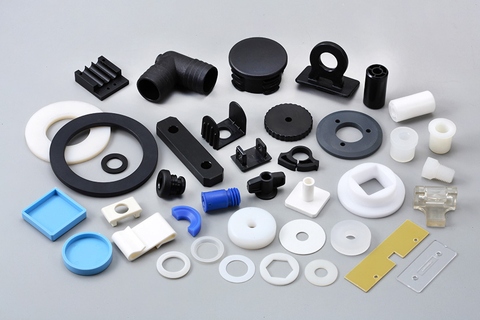
Can you explain the advantages of using injection molding for producing parts?
Injection molding offers several advantages as a manufacturing process for producing parts. It is a widely used technique for creating plastic components with high precision, efficiency, and scalability. Here’s a detailed explanation of the advantages of using injection molding:
1. ความแม่นยำและความซับซ้อนสูง:
Injection molding allows for the production of parts with high precision and intricate details. The molds used in injection molding are capable of creating complex shapes, fine features, and precise dimensions. This level of precision enables the manufacturing of parts with tight tolerances, ensuring consistent quality and fit.
2. การผลิตจำนวนมากที่คุ้มค่า:
Injection molding is a highly efficient process suitable for large-scale production. Once the initial setup, including mold design and fabrication, is completed, the manufacturing process can be automated. Injection molding machines can produce parts rapidly and continuously, resulting in fast and cost-effective production of identical parts. The ability to produce parts in high volumes helps reduce per-unit costs, making injection molding economically advantageous for mass production.
3. ความหลากหลายของวัสดุ:
Injection molding supports a wide range of thermoplastic materials, providing versatility in material selection based on the desired properties of the final part. Various types of plastics can be used in injection molding, including commodity plastics, engineering plastics, and high-performance plastics. Different materials can be chosen to achieve specific characteristics such as strength, flexibility, heat resistance, chemical resistance, or transparency.
4. ความแข็งแรงและความทนทาน:
Injection molded parts can exhibit excellent strength and durability. During the injection molding process, the molten material is uniformly distributed within the mold, resulting in consistent mechanical properties throughout the part. This uniformity enhances the structural integrity of the part, making it suitable for applications that require strength and longevity.
5. การปรับแต่งภาพหลังการถ่ายให้น้อยที่สุด:
Injection molded parts often require minimal post-processing. The high precision and quality achieved during the molding process reduce the need for extensive additional machining or finishing operations. The parts typically come out of the mold with the desired shape, surface finish, and dimensional accuracy, reducing time and costs associated with post-processing activities.
6. ความยืดหยุ่นในการออกแบบ:
Injection molding offers significant design flexibility. The process can accommodate complex geometries, intricate details, undercuts, thin walls, and other design features that may be challenging or costly with other manufacturing methods. Designers have the freedom to create parts with unique shapes and functional requirements. Injection molding also allows for the integration of multiple components or features into a single part, reducing assembly requirements and potential points of failure.
7. Rapid Prototyping:
Injection molding is also used for rapid prototyping. By quickly producing functional prototypes using the same process and materials as the final production parts, designers and engineers can evaluate the part’s form, fit, and function early in the development cycle. Rapid prototyping with injection molding enables faster iterations, reduces development time, and helps identify and address design issues before committing to full-scale production.
8. Environmental Considerations:
Injection molding can have environmental advantages compared to other manufacturing processes. The process generates minimal waste as the excess material can be recycled and reused. Injection molded parts also tend to be lightweight, which can contribute to energy savings during transportation and reduce the overall environmental impact.
In summary, injection molding offers several advantages for producing parts. It provides high precision and complexity, cost-effective mass production, material versatility, strength and durability, minimal post-processing requirements, design flexibility, rapid prototyping capabilities, and environmental considerations. These advantages make injection molding a highly desirable manufacturing process for a wide range of industries, enabling the production of high-quality plastic parts efficiently and economically.


editor by CX 2024-01-30