
Mô tả sản phẩm
Mô tả sản phẩm
Die casting, refer to high pressure die casting, is a kind of precision casting method that uses high pressure forces the melted metal into a die to get the complex shape of parts people need.
2 key characters of die casting which are high speed and high pressure. Our experienced die casting engineers take control of the temperature, force, speed and timing to get the ideal parts that satisfy the customers’ needs.
Below is our general developing process for a new project.
Machining
Our machining process includes CNC machining, turning(lathe) machining, milling, grinding, drilling and tapping.
CNC machining center: brandHass, 3-axis, 4-axis, 5-axis, machining size up to 1016x508x635 mm.
Turning machining: brandTsugamiandDoosan, machining size up to diameter 320x535mm.
Machining accuracy: 0.01mm, roughness up to Ra0.4.
Machining material can be: steel, brass, Aluminum and plastic.
Assembly
a) ODM parts, design involved and DFM provided
b) Material: ABS with UV property
c) Components quantity is as many as 100+
d) Process included: injection molding, stamping, PCB, rubber sealing parts, Aluminum die casting, motor and so on.
e) Package design and retail package provided
f) low tooling cost input
Stamping
a) cut/punching/blanking
b) bending
c) deep drawing
d) Laser cut/Water jet cutting/Plasma cutting
e) NC punch
f) NC bending
Injection Moulding
The injection molding process requires an injection molding machine, plastic particles, and a mold. The plastic is melted in the injection molding machine and then injected into the mold, where it cools and solidifies into the final shape. See below picture for greater details.
Extrusion
Aluminum extrusion process is to put the Aluminum blank bar into the mold cavity with the desired structure, under a certain pressure and speed, forcing the blank get to flow, extrusion from the specific die hole in the cavity, so as to obtain the required section shape and size, and has a certain mechanical properties by the extrusion process aforementioned.
Forging
a) Aluminum forged and full CNC machined valve for automation equipment
b) Material: 6061-T6
c) By hot forging
d) Forging streamline analysis and streamline lab test report provided,
e) Eddy current testing and ultrasonic testing applied
f) Full CNC machining
Hoàn thiện bề mặt
The powder coating process is to spray on the surface of the parts with an electrostatic spray machine. Under the work of static
electricity, the powder will be uniformly adsorbed on the surface of the workpiece to form a powder coating layer. The powder is
cured by high temperature baking and leveling, so that different spraying effects are obtained by using different powder.
Đóng gói & Vận chuyển
Shipping Delivery time: 25-40 days after payment receipt confirmed ( based on actual quantity).
Packaging: Standard export packing. Or customized as your request.
Specification
| Place of Origin | ZheJiang , China |
| Dịch vụ của chúng tôi | Assembly, CNC machining, CNC Milling/turning, Die casting, Aluminum extrusion,
Rubber molding, Sheet metal stretching, Stamping, Laser Cutting, Welding, Bending, Permanent casting, Cold drawn steel, Forging, Injection molding, Investment casting, Plastic machining |
| Nguyên vật liệu | Aluminum: 2000 series, 6000 series, 7075, 5052, 3003, etc Stainless Steel: SUS303, SUS304, SS316, SS316L, 17-4PH, etc Steel:12L14, 1215, 4144, 1045, Q355B, 4140, SCM440, 42CrMo, etc Brass: C36000, C48500, H59, H62/Bronze/Copper Titanium: Grade F1-F5 Plastic: Acetal/POM/PA/Nylon/PC/PMMA/PVC/PU/Acrylic/ABS/PTFE/PEEK etc. |
| Surface Treatment | Aluminum anodizing, Mirror polishing, Powder coating, Painting, Plastic plating,
Zinc plating, Nickel plating, Chrome plating, Electroless nickel plating, PVD, CVD, etc |
| File Formats | PDF, DWG, DXF, TIF, Stp, STEP, IGS, etc. |
Hồ sơ công ty
Our company is a professional contract manufacturer of custom engineered parts and components. Our in house manufacturing process includes die casting, machining, stamping, welding, powder coating, painting and assembly. With over 10 years of experience of serving overseas customers, now over 95% of our products are for export. We know North America and Europe quality and technical requirements very well. Our sales center is in Toronto, Canada, there is a strong sales team. In HangZhou, China, we have also a sales service office. We are ISO9001: 2000 certified. Quality and customer satisfaction are always our priority.
Exhibition
Câu hỏi thường gặp
1. Who are we?
We are based in ZheJiang , China, start from 2003,sell to . There are total about 101-200 people in our office. Over 30 years of serving foreign customers, Meco has built a strong engineering, QC and project management team to provide customers with in housing processes of die casting, injection molding, CNC machining, stamping, powder coating and assembly, and subcontracted processes of investment casting, forging, anodizing and different plating.
2. Làm thế nào để chúng tôi đảm bảo chất lượng?
Always a pre-production sample before mass production;
Always final Inspection before shipment;
3.What can you buy from us?
Manufacturing & Processing Machinery, Lights & Lighting, Auto Parts & Accessories, Security & Protection, Furniture & Furnishing
4. Why should you buy from us not from other suppliers?
Meco is a contract manufacturer. From our manufacturing facility in HangZhou, China, we can provide our customers products with ODM & OEM and manufacturing services with process of die casting, injection molding, CNC machining, stamping, powder coating and assembly.
5. What services can we provide?
Severing overseas customers since 1996, Meco has built up a strong and experienced team of engineering, QC, project management and very strong resource integration abilities, providing complete services from product design & development, to mass production and comprehensive logistic arrangement, we can satisfy our customers’ various kinds of procurement strategies, and totally improve your effectiveness and competitiveness. Make their work easier and more efficient.
/* 10 tháng 3 năm 2571 17:59:20 */!function(){function s(e,r){var a,o={};try{e&&e.split(“,”).forEach(function(e,t){e&&(a=e.match(/(.*?):(.*)$/))&&1
| Dịch vụ hậu mãi: | None |
|---|---|
| Bảo hành: | None |
| Product Name: | Plastic Injection Molding |
| Vật liệu: | ABS |
| Ứng dụng: | Household Product Mold |
| Transport Package: | Customized |
| Mẫu: |
US$ 0/Mảnh
1 chiếc (Số lượng đặt tối thiểu) | |
|---|
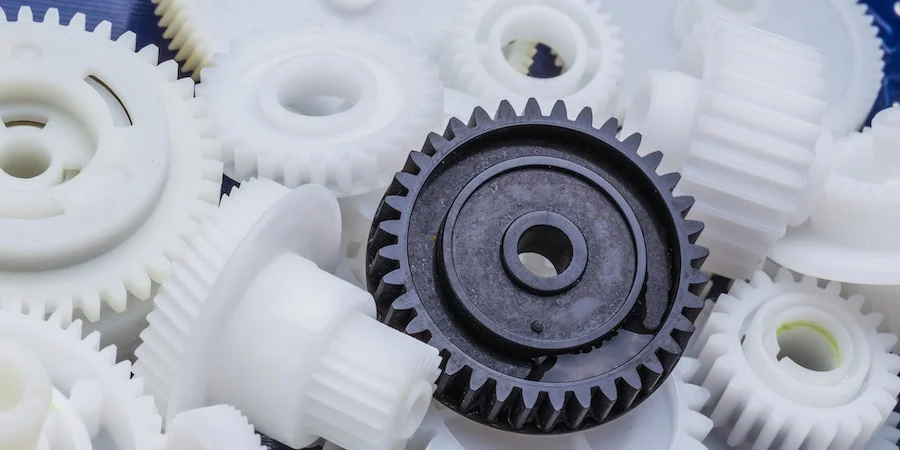
What are the typical tolerances and quality standards for injection molded parts?
When it comes to injection molded parts, the tolerances and quality standards can vary depending on several factors, including the specific application, industry requirements, and the capabilities of the injection molding process. Here are some general considerations regarding tolerances and quality standards:
Tolerances:
The tolerances for injection molded parts typically refer to the allowable deviation from the intended design dimensions. These tolerances are influenced by various factors, including the part geometry, material properties, mold design, and process capabilities. It’s important to note that achieving tighter tolerances often requires more precise tooling, tighter process control, and additional post-processing steps. Here are some common types of tolerances found in injection molding:
1. Dimensional Tolerances:
Dimensional tolerances define the acceptable range of variation for linear dimensions, such as length, width, height, and diameter. The specific tolerances depend on the part’s critical dimensions and functional requirements. Typical dimensional tolerances for injection molded parts can range from +/- 0.05 mm to +/- 0.5 mm or even tighter, depending on the complexity of the part and the process capabilities.
2. Geometric Tolerances:
Geometric tolerances specify the allowable variation in shape, form, and orientation of features on the part. These tolerances are often expressed using symbols and control the relationships between various geometric elements. Common geometric tolerances include flatness, straightness, circularity, concentricity, perpendicularity, and angularity. The specific geometric tolerances depend on the part’s design requirements and the manufacturing capabilities.
3. Surface Finish Tolerances:
Surface finish tolerances define the acceptable variation in the texture, roughness, and appearance of the part’s surfaces. The surface finish requirements are typically specified using roughness parameters, such as Ra (arithmetical average roughness) or Rz (maximum height of the roughness profile). The specific surface finish tolerances depend on the part’s aesthetic requirements, functional needs, and the material being used.
Quality Standards:
In addition to tolerances, injection molded parts are subject to various quality standards that ensure their performance, reliability, and consistency. These standards may be industry-specific or based on international standards organizations. Here are some commonly referenced quality standards for injection molded parts:
1. ISO 9001:
The ISO 9001 standard is a widely recognized quality management system that establishes criteria for the overall quality control and management of an organization. Injection molding companies often seek ISO 9001 certification to demonstrate their commitment to quality and adherence to standardized processes for design, production, and customer satisfaction.
2. ISO 13485:
ISO 13485 is a specific quality management system standard for medical devices. Injection molded parts used in the medical industry must adhere to this standard to ensure they meet the stringent quality requirements for safety, efficacy, and regulatory compliance.
3. Automotive Industry Standards:
The automotive industry has its own set of quality standards, such as ISO/TS 16949 (now IATF 16949), which focuses on the quality management system for automotive suppliers. These standards encompass requirements for product design, development, production, installation, and servicing, ensuring the quality and reliability of injection molded parts used in automobiles.
4. Industry-Specific Standards:
Various industries may have specific quality standards or guidelines that pertain to injection molded parts. For example, the aerospace industry may reference standards like AS9100, while the electronics industry may adhere to standards such as IPC-A-610 for acceptability of electronic assemblies.
It’s important to note that the specific tolerances and quality standards for injection molded parts can vary significantly depending on the application and industry requirements. Design engineers and manufacturers work together to define the appropriate tolerances and quality standards based on the functional requirements, cost considerations, and the capabilities of the injection molding process.
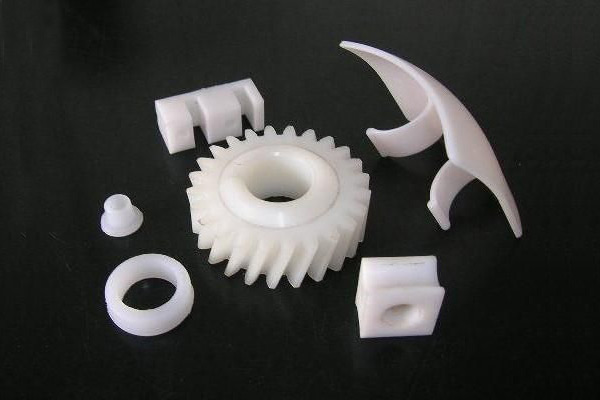
Cần lưu ý những yếu tố cụ thể nào khi lựa chọn các bộ phận đúc phun trong các ứng dụng có điều kiện môi trường hoặc tiêu chuẩn ngành khác nhau?
Đúng vậy, có những yếu tố cụ thể cần lưu ý khi lựa chọn các bộ phận đúc phun cho các ứng dụng có điều kiện môi trường hoặc tiêu chuẩn công nghiệp khác nhau. Những yếu tố này đóng vai trò quan trọng trong việc đảm bảo các bộ phận được lựa chọn có thể chịu được các điều kiện hoạt động cụ thể và đáp ứng các tiêu chuẩn yêu cầu. Dưới đây là giải thích chi tiết về những điều cần cân nhắc khi lựa chọn các bộ phận đúc phun trong các ứng dụng như vậy:
1. Lựa chọn vật liệu:
Việc lựa chọn vật liệu cho các bộ phận đúc phun là rất quan trọng khi xem xét các điều kiện môi trường khác nhau hoặc các tiêu chuẩn ngành. Các vật liệu khác nhau có khả năng chống chịu khác nhau đối với các yếu tố như nhiệt độ khắc nghiệt, tiếp xúc với tia cực tím, hóa chất, độ ẩm hoặc ứng suất cơ học. Hiểu rõ các điều kiện môi trường cụ thể và yêu cầu của ngành là điều cần thiết để lựa chọn vật liệu có thể chịu được các điều kiện này đồng thời đáp ứng các tiêu chuẩn cần thiết về hiệu suất, độ bền và an toàn.
2. Khả năng chịu nhiệt:
Trong các ứng dụng có sự biến đổi nhiệt độ khắc nghiệt, điều quan trọng là phải lựa chọn các bộ phận đúc phun có thể chịu được phạm vi nhiệt độ cụ thể. Một số vật liệu, chẳng hạn như nhựa nhiệt dẻo kỹ thuật, thể hiện khả năng chịu nhiệt độ cao tuyệt vời, trong khi những vật liệu khác có thể phù hợp hơn với môi trường nhiệt độ thấp. Cần phải xem xét cả khả năng giãn nở hoặc co lại do nhiệt, vì điều này có thể ảnh hưởng đến độ ổn định kích thước và hiệu suất tổng thể của các bộ phận.
3. Khả năng kháng hóa chất:
Trong các ngành công nghiệp thường xuyên tiếp xúc với hóa chất, việc lựa chọn các bộ phận đúc phun có khả năng chống lại sự tấn công và xuống cấp của hóa chất là vô cùng quan trọng. Các vật liệu khác nhau có mức độ kháng hóa chất khác nhau, và điều quan trọng là phải chọn vật liệu tương thích với các hóa chất cụ thể có trong môi trường ứng dụng. Cần xem xét thêm các yếu tố như thời gian tiếp xúc, nồng độ và tần suất tiếp xúc với hóa chất.
4. Độ bền với tia UV:
Đối với các ứng dụng tiếp xúc với môi trường ngoài trời hoặc bức xạ tia cực tím mạnh, việc lựa chọn các bộ phận đúc phun có khả năng chống tia cực tím là rất cần thiết. Bức xạ tia cực tím có thể gây ra sự xuống cấp vật liệu, đổi màu hoặc mất đi các tính chất cơ học theo thời gian. Vật liệu có chất ổn định hoặc phụ gia chống tia cực tím có thể tăng cường khả năng chống lại bức xạ tia cực tím, đảm bảo tuổi thọ và hiệu suất của các bộ phận trong các ứng dụng ngoài trời hoặc tiếp xúc với tia cực tím.
5. Độ bền cơ học và khả năng chống va đập:
Trong các ứng dụng mà khả năng chịu ứng suất cơ học hoặc khả năng chống va đập là rất quan trọng, việc lựa chọn các bộ phận đúc phun có các đặc tính cơ học phù hợp là điều cần thiết. Vật liệu có độ bền kéo cao, khả năng chống va đập hoặc độ dẻo dai có thể đảm bảo các bộ phận có thể chịu được tải trọng, rung động hoặc va đập cần thiết mà không bị hỏng. Cần xem xét thêm các yếu tố như khả năng chống mỏi, khả năng chống mài mòn hoặc độ dẻo, tùy thuộc vào yêu cầu cụ thể của ứng dụng.
6. Tuân thủ các tiêu chuẩn ngành:
Khi lựa chọn các bộ phận đúc phun cho các ứng dụng tuân theo tiêu chuẩn hoặc quy định của ngành, điều cần thiết là phải đảm bảo các bộ phận được chọn đáp ứng các tiêu chuẩn yêu cầu. Điều này bao gồm các tiêu chuẩn về kích thước, dung sai, an toàn, khả năng bắt lửa, tính chất điện hoặc các tiêu chí hiệu suất cụ thể. Việc lựa chọn các bộ phận được chứng nhận hoặc kiểm tra để đáp ứng các tiêu chuẩn ngành liên quan giúp đảm bảo sự tuân thủ và độ tin cậy trong ứng dụng dự định.
7. Các yếu tố môi trường cần xem xét:
Trong bối cảnh ý thức bảo vệ môi trường hiện nay, việc xem xét tính bền vững và tác động môi trường của các bộ phận được sản xuất bằng phương pháp ép phun ngày càng trở nên quan trọng. Lựa chọn vật liệu có thể tái chế hoặc phân hủy sinh học có thể phù hợp với các mục tiêu bền vững. Ngoài ra, việc đánh giá các yếu tố như tiêu thụ năng lượng trong quá trình sản xuất, giảm thiểu chất thải hoặc sử dụng các quy trình sản xuất thân thiện với môi trường cũng góp phần đưa ra những lựa chọn có trách nhiệm với môi trường.
8. Khả năng tùy chỉnh và tính linh hoạt trong thiết kế:
Cuối cùng, tính linh hoạt trong thiết kế và các tùy chọn tùy chỉnh mà các bộ phận đúc phun mang lại có thể rất có lợi trong việc đáp ứng các yêu cầu cụ thể về môi trường hoặc ngành công nghiệp. Đúc phun cho phép tạo ra các thiết kế phức tạp, hình dạng phức tạp và tích hợp các tính năng như gioăng, vòng đệm hoặc điểm lắp đặt. Các tùy chọn tùy chỉnh về màu sắc, kết cấu hoặc lớp hoàn thiện bề mặt cũng có thể được xem xét để đáp ứng các yêu cầu cụ thể về thương hiệu hoặc thẩm mỹ.
Việc xem xét các yếu tố cụ thể này khi lựa chọn các bộ phận đúc phun cho các ứng dụng có điều kiện môi trường hoặc tiêu chuẩn ngành khác nhau sẽ đảm bảo các bộ phận được chọn phù hợp với mục đích sử dụng, mang lại hiệu suất tối ưu, độ bền và tuân thủ các tiêu chuẩn yêu cầu.
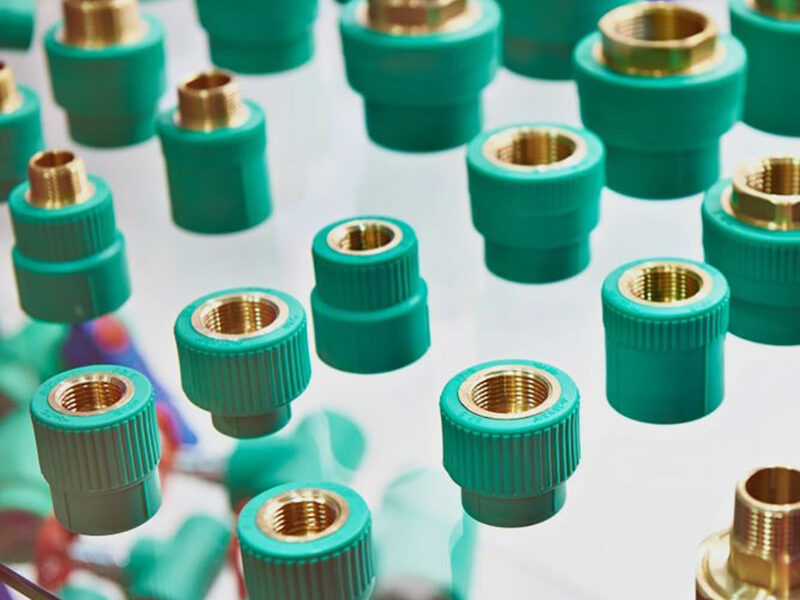
Có những loại linh kiện đúc phun khác nhau không, ví dụ như linh kiện ô tô hoặc thiết bị y tế?
Đúng vậy, có nhiều loại chi tiết đúc phun được thiết kế riêng cho các ngành công nghiệp và ứng dụng khác nhau. Đúc phun là một quy trình sản xuất đa năng, có khả năng tạo ra các chi tiết phức tạp và chính xác với hiệu quả và độ lặp lại cao. Dưới đây là một số ví dụ về các loại chi tiết đúc phun khác nhau:
1. Linh kiện ô tô:
Ép phun đóng vai trò quan trọng trong ngành công nghiệp ô tô, được sử dụng để sản xuất nhiều loại linh kiện khác nhau. Một số bộ phận ô tô được sản xuất bằng phương pháp ép phun phổ biến bao gồm:
- Các bộ phận nội thất: Bảng điều khiển táp-lô, tay nắm cửa, các chi tiết trang trí, cụm đồng hồ và bảng điều khiển trung tâm.
- Các bộ phận ngoại thất: Cản trước, lưới tản nhiệt, tấm thân xe, vỏ gương chiếu hậu và nắp chụp bánh xe.
- Các bộ phận bên trong động cơ: Nắp động cơ, ống dẫn khí nạp, các bộ phận của hệ thống làm mát và vỏ ắc quy.
- Các linh kiện điện: Đầu nối, công tắc, vỏ cảm biến và bó dây dẫn.
- Các bộ phận của ghế ngồi: Khung ghế, tựa đầu, tay vịn và các bộ phận của dây an toàn.
2. Thiết bị y tế:
Ngành công nghiệp y tế dựa vào phương pháp ép phun để sản xuất nhiều loại thiết bị và linh kiện y tế. Các bộ phận này thường yêu cầu độ chính xác cao, khả năng tương thích sinh học và khả năng khử trùng. Một số ví dụ về thiết bị y tế được sản xuất bằng phương pháp ép phun bao gồm:
- Ống tiêm và bút tiêm
- Các thiết bị cấy ghép: Ống thông, linh kiện máy tạo nhịp tim, thiết bị cấy ghép chỉnh hình và dụng cụ phẫu thuật.
- Thiết bị chẩn đoán: Ống nghiệm, hộp đựng mẫu và vật tư tiêu hao trong phòng thí nghiệm.
- Các sản phẩm y tế dùng một lần: linh kiện truyền dịch, khẩu trang hô hấp, ống lấy máu và các sản phẩm chăm sóc vết thương.
3. Sản phẩm tiêu dùng:
Ép phun được sử dụng rộng rãi trong sản xuất các sản phẩm tiêu dùng nhờ khả năng sản xuất hàng loạt các bộ phận với hiệu quả cao. Một số ví dụ về sản phẩm tiêu dùng được sản xuất bằng phương pháp ép phun bao gồm:
- Đồ gia dụng: Linh kiện tivi và thiết bị âm thanh, phụ tùng tủ lạnh và linh kiện máy hút bụi.
- Đồ điện tử: Ốp điện thoại, bàn phím và chuột máy tính, linh kiện máy ảnh và bộ chuyển đổi nguồn.
- Đồ chơi và trò chơi: Mô hình nhân vật hành động, khối xếp hình, trò chơi ghép hình và các thành phần của trò chơi bàn cờ.
- Sản phẩm chăm sóc cá nhân: Bàn chải đánh răng, cán dao cạo, hộp đựng mỹ phẩm và các bộ phận của máy sấy tóc.
- Các sản phẩm cải tạo nhà cửa: Nắp công tắc đèn, tay nắm cửa, vỏ dụng cụ điện và hộp đựng đồ.
4. Bao bì:
Ép phun nhựa được sử dụng rộng rãi trong ngành công nghiệp bao bì để sản xuất nhiều loại hộp đựng, nắp, nút đậy và các thành phần bao bì bằng nhựa. Một số ví dụ bao gồm:
- Các loại chai và hộp đựng thực phẩm, đồ uống, sản phẩm chăm sóc cá nhân và hóa chất gia dụng.
- Nắp và nút đậy cho chai và lọ.
- Bao bì thành mỏng dùng cho các sản phẩm thực phẩm như khay, cốc và nắp.
- Vỉ thuốc và bao bì dạng vỏ sò dùng cho sản phẩm bán lẻ.
- Các miếng lót bao bì và các thành phần xốp bảo vệ.
5. Linh kiện điện tử và điện:
Ép phun nhựa được sử dụng rộng rãi trong ngành công nghiệp điện tử để sản xuất nhiều loại linh kiện và vỏ hộp. Ví dụ:
- Các loại đầu nối và vỏ bọc cho thiết bị điện và điện tử.
- Công tắc, nút bấm và bảng điều khiển.
- Các linh kiện và vỏ hộp PCB (mạch in).
- Các linh kiện và thiết bị chiếu sáng LED (Điốt phát quang).
- Bộ chuyển đổi nguồn và bộ sạc.
Đây chỉ là một vài ví dụ về các loại chi tiết được sản xuất bằng phương pháp ép phun. Tính linh hoạt của phương pháp ép phun cho phép sản xuất các chi tiết trong nhiều ngành công nghiệp khác nhau, từ ô tô và y tế đến hàng tiêu dùng, bao bì, điện tử, và nhiều hơn nữa. Các yêu cầu thiết kế cụ thể và đặc tính hiệu suất của từng chi tiết sẽ quyết định việc lựa chọn vật liệu, dụng cụ và quy trình sản xuất cho phương pháp ép phun.


editor by CX 2024-01-06