
คำอธิบายผลิตภัณฑ์
คำอธิบายผลิตภัณฑ์
Die casting, refer to high pressure die casting, is a kind of precision casting method that uses high pressure forces the melted metal into a die to get the complex shape of parts people need.
2 key characters of die casting which are high speed and high pressure. Our experienced die casting engineers take control of the temperature, force, speed and timing to get the ideal parts that satisfy the customers’ needs.
Below is our general developing process for a new project.
Machining
Our machining process includes CNC machining, turning(lathe) machining, milling, grinding, drilling and tapping.
CNC machining center: brandHass, 3-axis, 4-axis, 5-axis, machining size up to 1016x508x635 mm.
Turning machining: brandTsugamiandDoosan, machining size up to diameter 320x535mm.
Machining accuracy: 0.01mm, roughness up to Ra0.4.
Machining material can be: steel, brass, Aluminum and plastic.
Assembly
a) ODM parts, design involved and DFM provided
b) Material: ABS with UV property
c) Components quantity is as many as 100+
d) Process included: injection molding, stamping, PCB, rubber sealing parts, Aluminum die casting, motor and so on.
e) Package design and retail package provided
f) low tooling cost input
Stamping
a) cut/punching/blanking
b) bending
c) deep drawing
d) Laser cut/Water jet cutting/Plasma cutting
e) NC punch
f) NC bending
Injection Moulding
The injection molding process requires an injection molding machine, plastic particles, and a mold. The plastic is melted in the injection molding machine and then injected into the mold, where it cools and solidifies into the final shape. See below picture for greater details.
Extrusion
Aluminum extrusion process is to put the Aluminum blank bar into the mold cavity with the desired structure, under a certain pressure and speed, forcing the blank get to flow, extrusion from the specific die hole in the cavity, so as to obtain the required section shape and size, and has a certain mechanical properties by the extrusion process aforementioned.
Forging
a) Aluminum forged and full CNC machined valve for automation equipment
b) Material: 6061-T6
c) By hot forging
d) Forging streamline analysis and streamline lab test report provided,
e) Eddy current testing and ultrasonic testing applied
f) Full CNC machining
การตกแต่งพื้นผิว
The powder coating process is to spray on the surface of the parts with an electrostatic spray machine. Under the work of static
electricity, the powder will be uniformly adsorbed on the surface of the workpiece to form a powder coating layer. The powder is
cured by high temperature baking and leveling, so that different spraying effects are obtained by using different powder.
บรรจุภัณฑ์และการจัดส่ง
Shipping Delivery time: 25-40 days after payment receipt confirmed ( based on actual quantity).
Packaging: Standard export packing. Or customized as your request.
Specification
| Place of Origin | ZheJiang , China |
| Our Services | Assembly, CNC machining, CNC Milling/turning, Die casting, Aluminum extrusion,
Rubber molding, Sheet metal stretching, Stamping, Laser Cutting, Welding, Bending, Permanent casting, Cold drawn steel, Forging, Injection molding, Investment casting, Plastic machining |
| วัสดุ | Aluminum: 2000 series, 6000 series, 7075, 5052, 3003, etc Stainless Steel: SUS303, SUS304, SS316, SS316L, 17-4PH, etc Steel:12L14, 1215, 4144, 1045, Q355B, 4140, SCM440, 42CrMo, etc Brass: C36000, C48500, H59, H62/Bronze/Copper Titanium: Grade F1-F5 Plastic: Acetal/POM/PA/Nylon/PC/PMMA/PVC/PU/Acrylic/ABS/PTFE/PEEK etc. |
| การบำบัดพื้นผิว | Aluminum anodizing, Mirror polishing, Powder coating, Painting, Plastic plating,
Zinc plating, Nickel plating, Chrome plating, Electroless nickel plating, PVD, CVD, etc |
| File Formats | PDF, DWG, DXF, TIF, Stp, STEP, IGS, etc. |
ข้อมูลบริษัท
Our company is a professional contract manufacturer of custom engineered parts and components. Our in house manufacturing process includes die casting, machining, stamping, welding, powder coating, painting and assembly. With over 10 years of experience of serving overseas customers, now over 95% of our products are for export. We know North America and Europe quality and technical requirements very well. Our sales center is in Toronto, Canada, there is a strong sales team. In HangZhou, China, we have also a sales service office. We are ISO9001: 2000 certified. Quality and customer satisfaction are always our priority.
Exhibition
คำถามที่พบบ่อย
1. Who are we?
We are based in ZheJiang , China, start from 2003,sell to . There are total about 101-200 people in our office. Over 30 years of serving foreign customers, Meco has built a strong engineering, QC and project management team to provide customers with in housing processes of die casting, injection molding, CNC machining, stamping, powder coating and assembly, and subcontracted processes of investment casting, forging, anodizing and different plating.
2. เราจะรับประกันคุณภาพได้อย่างไร?
Always a pre-production sample before mass production;
Always final Inspection before shipment;
3.What can you buy from us?
Manufacturing & Processing Machinery, Lights & Lighting, Auto Parts & Accessories, Security & Protection, Furniture & Furnishing
4. Why should you buy from us not from other suppliers?
Meco is a contract manufacturer. From our manufacturing facility in HangZhou, China, we can provide our customers products with ODM & OEM and manufacturing services with process of die casting, injection molding, CNC machining, stamping, powder coating and assembly.
5. What services can we provide?
Severing overseas customers since 1996, Meco has built up a strong and experienced team of engineering, QC, project management and very strong resource integration abilities, providing complete services from product design & development, to mass production and comprehensive logistic arrangement, we can satisfy our customers’ various kinds of procurement strategies, and totally improve your effectiveness and competitiveness. Make their work easier and more efficient.
/* 10 มีนาคม 2571 17:59:20 */!function(){function s(e,r){var a,o={};try{e&&e.split(“,”).forEach(function(e,t){e&&(a=e.match(/(.*?):(.*)$/))&&1
| บริการหลังการขาย: | None |
|---|---|
| การรับประกัน: | None |
| Product Name: | Plastic Injection Molding |
| วัสดุ: | แอ็บเอส |
| แอปพลิเคชัน: | Household Product Mold |
| Transport Package: | Customized |
| ตัวอย่าง: |
US$ 0 ชิ้น/ชิ้น
1 ชิ้น (สั่งขั้นต่ำ) | |
|---|
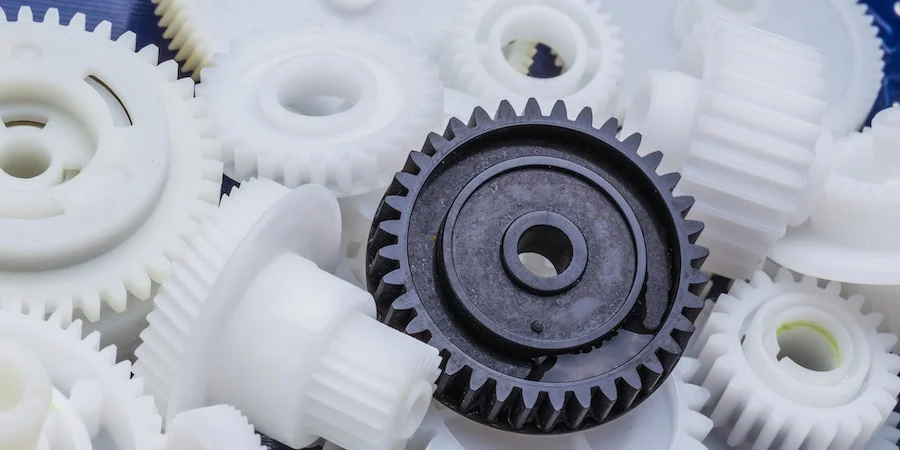
ค่าความคลาดเคลื่อนและมาตรฐานคุณภาพโดยทั่วไปสำหรับชิ้นส่วนที่ขึ้นรูปด้วยการฉีดพลาสติกคืออะไร?
เมื่อพูดถึงชิ้นส่วนที่ขึ้นรูปด้วยการฉีดพลาสติก ค่าความคลาดเคลื่อนและมาตรฐานคุณภาพอาจแตกต่างกันไปขึ้นอยู่กับหลายปัจจัย รวมถึงการใช้งานเฉพาะด้าน ข้อกำหนดของอุตสาหกรรม และความสามารถของกระบวนการฉีดพลาสติก ต่อไปนี้คือข้อพิจารณาโดยทั่วไปเกี่ยวกับค่าความคลาดเคลื่อนและมาตรฐานคุณภาพ:
ค่าความคลาดเคลื่อน:
ค่าความคลาดเคลื่อนสำหรับชิ้นส่วนที่ขึ้นรูปด้วยการฉีดพลาสติกโดยทั่วไปหมายถึงค่าเบี่ยงเบนที่ยอมรับได้จากขนาดที่ออกแบบไว้ ค่าความคลาดเคลื่อนเหล่านี้ได้รับอิทธิพลจากปัจจัยต่างๆ รวมถึงรูปทรงของชิ้นส่วน คุณสมบัติของวัสดุ การออกแบบแม่พิมพ์ และความสามารถของกระบวนการผลิต สิ่งสำคัญที่ควรทราบคือ การได้ค่าความคลาดเคลื่อนที่แคบลงมักต้องใช้เครื่องมือที่แม่นยำยิ่งขึ้น การควบคุมกระบวนการที่เข้มงวดมากขึ้น และขั้นตอนหลังการผลิตเพิ่มเติม ต่อไปนี้เป็นประเภทของค่าความคลาดเคลื่อนที่พบได้ทั่วไปในการฉีดพลาสติก:
1. ค่าความคลาดเคลื่อนของขนาด:
ค่าความคลาดเคลื่อนเชิงมิติ กำหนดช่วงความแปรผันที่ยอมรับได้สำหรับมิติเชิงเส้น เช่น ความยาว ความกว้าง ความสูง และเส้นผ่านศูนย์กลาง ค่าความคลาดเคลื่อนเฉพาะจะขึ้นอยู่กับมิติที่สำคัญและข้อกำหนดด้านการใช้งานของชิ้นส่วน โดยทั่วไปแล้ว ค่าความคลาดเคลื่อนเชิงมิติสำหรับชิ้นส่วนที่ขึ้นรูปด้วยการฉีดขึ้นรูปอาจมีช่วงตั้งแต่ +/- 0.05 มม. ถึง +/- 0.5 มม. หรืออาจแคบกว่านั้น ขึ้นอยู่กับความซับซ้อนของชิ้นส่วนและความสามารถของกระบวนการผลิต
2. ค่าความคลาดเคลื่อนทางเรขาคณิต:
ค่าความคลาดเคลื่อนทางเรขาคณิตระบุถึงความแปรผันที่ยอมรับได้ในรูปทรง รูปแบบ และทิศทางของส่วนประกอบต่างๆ บนชิ้นส่วน ค่าความคลาดเคลื่อนเหล่านี้มักแสดงด้วยสัญลักษณ์และควบคุมความสัมพันธ์ระหว่างองค์ประกอบทางเรขาคณิตต่างๆ ค่าความคลาดเคลื่อนทางเรขาคณิตที่พบได้ทั่วไป ได้แก่ ความเรียบ ความตรง ความเป็นวงกลม ความเป็นศูนย์กลาง ความตั้งฉาก และความเป็นมุม ค่าความคลาดเคลื่อนทางเรขาคณิตที่เฉพาะเจาะจงจะขึ้นอยู่กับข้อกำหนดการออกแบบของชิ้นส่วนและความสามารถในการผลิต
3. ค่าความคลาดเคลื่อนของการตกแต่งพื้นผิว:
ค่าความคลาดเคลื่อนของพื้นผิวกำหนดขอบเขตความแปรผันที่ยอมรับได้ในลักษณะพื้นผิว ความหยาบ และรูปลักษณ์ของชิ้นส่วน โดยทั่วไปแล้ว ข้อกำหนดเกี่ยวกับพื้นผิวจะระบุโดยใช้พารามิเตอร์ความหยาบ เช่น Ra (ค่าความหยาบเฉลี่ยทางเลขคณิต) หรือ Rz (ความสูงสูงสุดของโปรไฟล์ความหยาบ) ค่าความคลาดเคลื่อนของพื้นผิวที่เฉพาะเจาะจงจะขึ้นอยู่กับข้อกำหนดด้านความสวยงาม ความต้องการใช้งาน และวัสดุที่ใช้ของชิ้นส่วนนั้นๆ
มาตรฐานคุณภาพ:
นอกจากค่าความคลาดเคลื่อนแล้ว ชิ้นส่วนที่ขึ้นรูปด้วยการฉีดพลาสติกยังต้องเป็นไปตามมาตรฐานคุณภาพต่างๆ ที่รับประกันประสิทธิภาพ ความน่าเชื่อถือ และความสม่ำเสมอ มาตรฐานเหล่านี้อาจเป็นมาตรฐานเฉพาะอุตสาหกรรมหรืออิงตามองค์กรมาตรฐานสากล ต่อไปนี้คือมาตรฐานคุณภาพที่อ้างอิงกันทั่วไปสำหรับชิ้นส่วนที่ขึ้นรูปด้วยการฉีดพลาสติก:
1. ISO 9001:
มาตรฐาน ISO 9001 เป็นระบบการจัดการคุณภาพที่เป็นที่ยอมรับอย่างกว้างขวาง ซึ่งกำหนดเกณฑ์สำหรับการควบคุมและจัดการคุณภาพโดยรวมขององค์กร บริษัทผลิตชิ้นส่วนพลาสติกฉีดขึ้นรูปมักแสวงหาการรับรอง ISO 9001 เพื่อแสดงให้เห็นถึงความมุ่งมั่นในคุณภาพและการปฏิบัติตามกระบวนการที่เป็นมาตรฐานสำหรับการออกแบบ การผลิต และความพึงพอใจของลูกค้า
2. ISO 13485:
ISO 13485 เป็นมาตรฐานระบบการจัดการคุณภาพเฉพาะสำหรับอุปกรณ์ทางการแพทย์ ชิ้นส่วนที่ขึ้นรูปด้วยการฉีดพลาสติกที่ใช้ในอุตสาหกรรมการแพทย์ต้องเป็นไปตามมาตรฐานนี้เพื่อให้มั่นใจได้ว่าตรงตามข้อกำหนดด้านคุณภาพที่เข้มงวดในด้านความปลอดภัย ประสิทธิภาพ และการปฏิบัติตามกฎระเบียบ
3. มาตรฐานอุตสาหกรรมยานยนต์:
อุตสาหกรรมยานยนต์มีมาตรฐานคุณภาพของตนเอง เช่น ISO/TS 16949 (ปัจจุบันคือ IATF 16949) ซึ่งมุ่งเน้นที่ระบบการจัดการคุณภาพสำหรับซัพพลายเออร์ยานยนต์ มาตรฐานเหล่านี้ครอบคลุมข้อกำหนดสำหรับการออกแบบผลิตภัณฑ์ การพัฒนา การผลิต การติดตั้ง และการบริการ เพื่อให้มั่นใจในคุณภาพและความน่าเชื่อถือของชิ้นส่วนขึ้นรูปด้วยการฉีดพลาสติกที่ใช้ในรถยนต์
4. มาตรฐานเฉพาะอุตสาหกรรม:
อุตสาหกรรมต่างๆ อาจมีมาตรฐานคุณภาพหรือแนวทางเฉพาะที่เกี่ยวข้องกับชิ้นส่วนที่ขึ้นรูปด้วยการฉีดพลาสติก ตัวอย่างเช่น อุตสาหกรรมการบินและอวกาศอาจอ้างอิงมาตรฐานเช่น AS9100 ในขณะที่อุตสาหกรรมอิเล็กทรอนิกส์อาจยึดถือมาตรฐานเช่น IPC-A-610 สำหรับการยอมรับชิ้นส่วนประกอบอิเล็กทรอนิกส์
สิ่งสำคัญที่ควรทราบคือ ค่าความคลาดเคลื่อนและมาตรฐานคุณภาพเฉพาะสำหรับชิ้นส่วนที่ขึ้นรูปด้วยการฉีดขึ้นรูปนั้นอาจแตกต่างกันอย่างมาก ขึ้นอยู่กับการใช้งานและข้อกำหนดของอุตสาหกรรม วิศวกรออกแบบและผู้ผลิตทำงานร่วมกันเพื่อกำหนดค่าความคลาดเคลื่อนและมาตรฐานคุณภาพที่เหมาะสม โดยพิจารณาจากข้อกำหนดด้านการใช้งาน ต้นทุน และความสามารถของกระบวนการฉีดขึ้นรูป
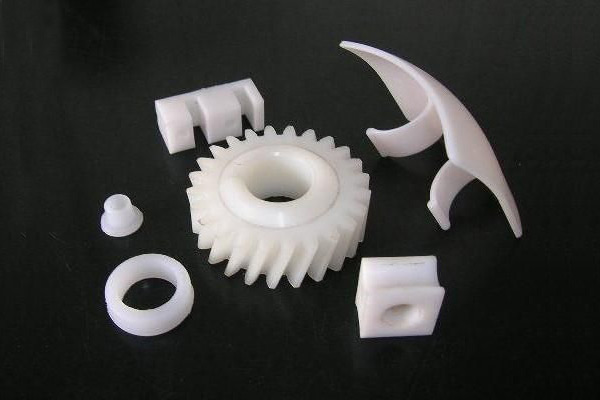
มีข้อควรพิจารณาเฉพาะใดบ้างในการเลือกใช้ชิ้นส่วนขึ้นรูปด้วยการฉีดในงานที่มีสภาพแวดล้อมหรือมาตรฐานอุตสาหกรรมที่แตกต่างกัน?
ใช่แล้ว มีข้อควรพิจารณาเฉพาะเจาะจงที่ต้องคำนึงถึงเมื่อเลือกชิ้นส่วนขึ้นรูปด้วยการฉีดพลาสติกสำหรับงานที่มีสภาพแวดล้อมหรือมาตรฐานอุตสาหกรรมที่แตกต่างกัน ปัจจัยเหล่านี้มีบทบาทสำคัญในการทำให้มั่นใจว่าชิ้นส่วนที่เลือกสามารถทนต่อสภาวะการใช้งานเฉพาะและตรงตามมาตรฐานที่กำหนด ต่อไปนี้เป็นคำอธิบายโดยละเอียดเกี่ยวกับข้อควรพิจารณาในการเลือกชิ้นส่วนขึ้นรูปด้วยการฉีดพลาสติกในงานดังกล่าว:
1. การเลือกวัสดุ:
การเลือกวัสดุสำหรับชิ้นส่วนขึ้นรูปด้วยการฉีดขึ้นรูปมีความสำคัญอย่างยิ่งเมื่อพิจารณาถึงสภาพแวดล้อมที่แตกต่างกันหรือมาตรฐานอุตสาหกรรม วัสดุแต่ละชนิดมีความทนทานต่อปัจจัยต่างๆ เช่น อุณหภูมิที่สูงจัด รังสี UV สารเคมี ความชื้น หรือแรงทางกล ในระดับที่แตกต่างกัน การทำความเข้าใจสภาพแวดล้อมเฉพาะและข้อกำหนดของอุตสาหกรรมเป็นสิ่งจำเป็นในการเลือกวัสดุที่สามารถทนต่อสภาวะเหล่านี้ได้ ในขณะเดียวกันก็ต้องเป็นไปตามมาตรฐานที่จำเป็นด้านประสิทธิภาพ ความทนทาน และความปลอดภัยด้วย
2. ทนต่ออุณหภูมิ:
ในการใช้งานที่มีการเปลี่ยนแปลงอุณหภูมิอย่างมาก จำเป็นอย่างยิ่งที่จะต้องเลือกชิ้นส่วนขึ้นรูปด้วยการฉีดขึ้นรูปที่สามารถทนต่อช่วงอุณหภูมิที่กำหนดได้ วัสดุบางชนิด เช่น เทอร์โมพลาสติกทางวิศวกรรม มีความทนทานต่ออุณหภูมิสูงได้ดีเยี่ยม ในขณะที่วัสดุอื่นๆ อาจเหมาะสมกว่าสำหรับสภาพแวดล้อมที่มีอุณหภูมิต่ำ นอกจากนี้ ควรพิจารณาถึงความเป็นไปได้ของการขยายตัวหรือหดตัวจากความร้อน เนื่องจากอาจส่งผลต่อความเสถียรของขนาดและประสิทธิภาพโดยรวมของชิ้นส่วนได้
3. ความทนทานต่อสารเคมี:
ในอุตสาหกรรมที่ต้องสัมผัสกับสารเคมีเป็นประจำ การเลือกชิ้นส่วนขึ้นรูปด้วยการฉีดขึ้นรูปที่ทนต่อการกัดกร่อนและการเสื่อมสภาพจากสารเคมีจึงเป็นสิ่งสำคัญ วัสดุแต่ละชนิดมีความทนทานต่อสารเคมีแตกต่างกัน และสิ่งสำคัญคือต้องเลือกวัสดุที่เข้ากันได้กับสารเคมีเฉพาะที่มีอยู่ในสภาพแวดล้อมการใช้งาน ควรพิจารณาปัจจัยต่างๆ เช่น การสัมผัสเป็นเวลานาน ความเข้มข้น และความถี่ในการสัมผัสกับสารเคมีด้วย
4. ความคงทนต่อรังสียูวี:
สำหรับงานที่ต้องสัมผัสกับสภาพแวดล้อมภายนอกอาคารหรือรังสียูวีเข้มข้น การเลือกชิ้นส่วนขึ้นรูปด้วยการฉีดขึ้นรูปที่มีความเสถียรต่อรังสียูวีเป็นสิ่งสำคัญ รังสียูวีสามารถทำให้วัสดุเสื่อมสภาพ เปลี่ยนสี หรือสูญเสียคุณสมบัติทางกลเมื่อเวลาผ่านไป วัสดุที่มีสารกันรังสียูวีหรือสารเติมแต่งสามารถเพิ่มความต้านทานต่อรังสียูวี ทำให้มั่นใจได้ถึงอายุการใช้งานและประสิทธิภาพของชิ้นส่วนในงานกลางแจ้งหรืองานที่สัมผัสกับรังสียูวี
5. ความแข็งแรงเชิงกลและความต้านทานแรงกระแทก:
ในงานที่ความเค้นเชิงกลหรือความต้านทานต่อแรงกระแทกมีความสำคัญ การเลือกชิ้นส่วนขึ้นรูปด้วยการฉีดขึ้นรูปที่มีคุณสมบัติเชิงกลที่เหมาะสมจึงเป็นสิ่งสำคัญ วัสดุที่มีความแข็งแรงดึงสูง ความต้านทานต่อแรงกระแทก หรือความเหนียวสูง จะช่วยให้มั่นใจได้ว่าชิ้นส่วนสามารถทนต่อแรงกด การสั่นสะเทือน หรือแรงกระแทกที่ต้องการได้โดยไม่เสียหาย นอกจากนี้ ควรพิจารณาปัจจัยอื่นๆ เช่น ความต้านทานต่อความล้า ความต้านทานต่อการสึกหรอ หรือความยืดหยุ่น ขึ้นอยู่กับข้อกำหนดเฉพาะของงานนั้นๆ ด้วย
6. การปฏิบัติตามมาตรฐานอุตสาหกรรม:
ในการเลือกชิ้นส่วนขึ้นรูปด้วยการฉีดพลาสติกสำหรับงานที่อยู่ภายใต้มาตรฐานหรือข้อบังคับของอุตสาหกรรม จำเป็นอย่างยิ่งที่จะต้องตรวจสอบให้แน่ใจว่าชิ้นส่วนที่เลือกนั้นเป็นไปตามมาตรฐานที่กำหนด ซึ่งรวมถึงมาตรฐานด้านขนาด ความคลาดเคลื่อน ความปลอดภัย ความสามารถในการติดไฟ คุณสมบัติทางไฟฟ้า หรือเกณฑ์ประสิทธิภาพเฉพาะ การเลือกชิ้นส่วนที่ได้รับการรับรองหรือทดสอบแล้วว่าตรงตามมาตรฐานอุตสาหกรรมที่เกี่ยวข้อง จะช่วยให้มั่นใจได้ถึงการปฏิบัติตามข้อกำหนดและความน่าเชื่อถือในการใช้งานที่ต้องการ
7. ข้อควรพิจารณาด้านสิ่งแวดล้อม:
ในยุคปัจจุบันที่ผู้คนตระหนักถึงสิ่งแวดล้อมมากขึ้น การพิจารณาถึงความยั่งยืนและผลกระทบต่อสิ่งแวดล้อมของชิ้นส่วนที่ขึ้นรูปด้วยการฉีดจึงมีความสำคัญมากขึ้น การเลือกใช้วัสดุที่สามารถรีไซเคิลได้หรือย่อยสลายได้ทางชีวภาพสามารถสอดคล้องกับเป้าหมายด้านความยั่งยืนได้ นอกจากนี้ การประเมินปัจจัยต่างๆ เช่น การใช้พลังงานในระหว่างการผลิต การลดของเสีย หรือการใช้กระบวนการผลิตที่เป็นมิตรต่อสิ่งแวดล้อม สามารถนำไปสู่การเลือกใช้วัสดุที่รับผิดชอบต่อสิ่งแวดล้อมได้
8. ความยืดหยุ่นในการปรับแต่งและการออกแบบ:
สุดท้ายนี้ ความยืดหยุ่นในการออกแบบและตัวเลือกการปรับแต่งที่ชิ้นส่วนขึ้นรูปด้วยการฉีดขึ้นรูปนำเสนอนั้น สามารถเป็นประโยชน์ในการตอบสนองความต้องการด้านสิ่งแวดล้อมหรืออุตสาหกรรมเฉพาะได้ การฉีดขึ้นรูปช่วยให้สามารถออกแบบที่ซับซ้อน รูปทรงเรขาคณิตที่ซับซ้อน และการรวมคุณสมบัติต่างๆ เช่น ปะเก็น ซีล หรือจุดยึดได้ นอกจากนี้ยังสามารถพิจารณาตัวเลือกการปรับแต่งสำหรับสี พื้นผิว หรือการตกแต่งพื้นผิวเพื่อให้ตรงกับความต้องการด้านแบรนด์หรือความสวยงามเฉพาะได้อีกด้วย
การพิจารณาปัจจัยเฉพาะเหล่านี้เมื่อเลือกชิ้นส่วนขึ้นรูปด้วยการฉีดขึ้นรูปสำหรับงานที่มีสภาพแวดล้อมหรือมาตรฐานอุตสาหกรรมที่แตกต่างกัน จะช่วยให้มั่นใจได้ว่าชิ้นส่วนที่เลือกนั้นเหมาะสมกับการใช้งานตามที่ตั้งใจไว้ ให้ประสิทธิภาพสูงสุด ความทนทาน และเป็นไปตามมาตรฐานที่กำหนด
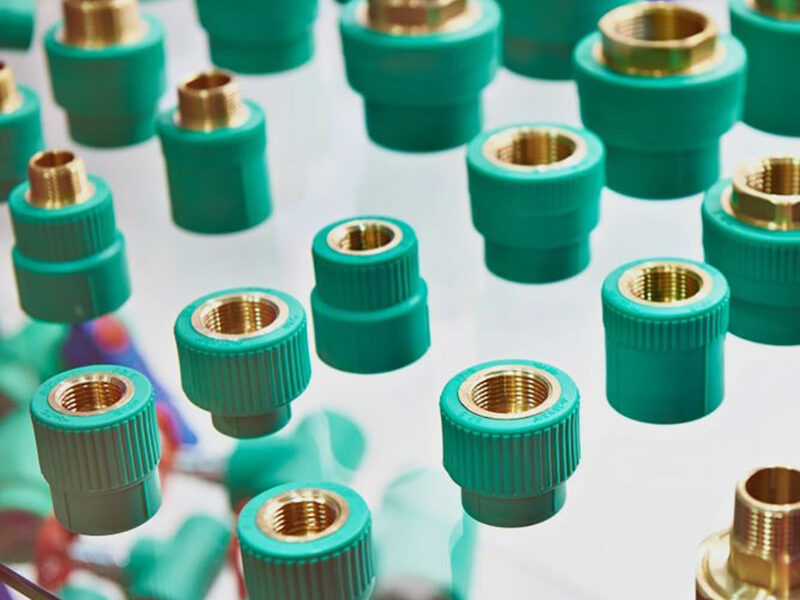
ชิ้นส่วนขึ้นรูปด้วยการฉีดขึ้นรูปมีหลายประเภทหรือไม่ เช่น ชิ้นส่วนยานยนต์หรืออุปกรณ์ทางการแพทย์?
ใช่แล้ว ชิ้นส่วนขึ้นรูปด้วยการฉีดขึ้นรูปมีหลายประเภท ซึ่งได้รับการออกแบบมาโดยเฉพาะสำหรับอุตสาหกรรมและการใช้งานที่แตกต่างกัน การฉีดขึ้นรูปเป็นกระบวนการผลิตที่หลากหลาย สามารถผลิตชิ้นส่วนที่ซับซ้อนและแม่นยำได้อย่างมีประสิทธิภาพและสม่ำเสมอ ต่อไปนี้เป็นตัวอย่างของชิ้นส่วนขึ้นรูปด้วยการฉีดขึ้นรูปประเภทต่างๆ:
1. ชิ้นส่วนยานยนต์:
การฉีดขึ้นรูปมีบทบาทสำคัญอย่างยิ่งในอุตสาหกรรมยานยนต์ โดยใช้ในการผลิตชิ้นส่วนต่างๆ มากมาย ชิ้นส่วนยานยนต์ที่ผลิตด้วยการฉีดขึ้นรูปที่พบได้ทั่วไป ได้แก่:
- ส่วนประกอบภายใน: แผงหน้าปัด, มือจับประตู, ชิ้นส่วนตกแต่ง, ชุดมาตรวัด และคอนโซลกลาง
- ส่วนประกอบภายนอก: กันชน กระจังหน้า แผงตัวถัง ตัวเรือนกระจกมองข้าง และฝาครอบล้อ
- ส่วนประกอบภายในเครื่องยนต์: ฝาครอบเครื่องยนต์ ท่อร่วมไอดี ชิ้นส่วนระบบระบายความร้อน และตัวเรือนแบตเตอรี่
- ชิ้นส่วนไฟฟ้า: ขั้วต่อ สวิตช์ ตัวเรือนเซ็นเซอร์ และชุดสายไฟ
- ส่วนประกอบของที่นั่ง: โครงที่นั่ง พนักพิงศีรษะ ที่วางแขน และส่วนประกอบของเข็มขัดนิรภัย
2. อุปกรณ์ทางการแพทย์:
อุตสาหกรรมการแพทย์พึ่งพาการฉีดขึ้นรูปในการผลิตอุปกรณ์และชิ้นส่วนทางการแพทย์หลากหลายประเภท ชิ้นส่วนเหล่านี้มักต้องการความแม่นยำสูง ความเข้ากันได้ทางชีวภาพ และความสามารถในการฆ่าเชื้อ ตัวอย่างของอุปกรณ์ทางการแพทย์ที่ผลิตด้วยการฉีดขึ้นรูป ได้แก่:
- เข็มฉีดยาและปากกาฉีดยา
- อุปกรณ์ฝังในร่างกาย: สายสวน, ส่วนประกอบของเครื่องกระตุ้นหัวใจ, อุปกรณ์ปลูกถ่ายกระดูก และเครื่องมือผ่าตัด
- อุปกรณ์วินิจฉัยโรค: หลอดทดลอง ภาชนะบรรจุตัวอย่าง และวัสดุสิ้นเปลืองในห้องปฏิบัติการ
- ผลิตภัณฑ์ทางการแพทย์แบบใช้แล้วทิ้ง: ส่วนประกอบของสารละลายสำหรับให้ทางหลอดเลือดดำ หน้ากากช่วยหายใจ หลอดเก็บเลือด และผลิตภัณฑ์ดูแลบาดแผล
3. ผลิตภัณฑ์สำหรับผู้บริโภค:
การฉีดขึ้นรูปเป็นวิธีการที่ใช้กันอย่างแพร่หลายในการผลิตสินค้าอุปโภคบริโภค เนื่องจากสามารถผลิตชิ้นส่วนจำนวนมากได้อย่างมีประสิทธิภาพสูง ตัวอย่างสินค้าอุปโภคบริโภคที่ผลิตด้วยการฉีดขึ้นรูป ได้แก่:
- เครื่องใช้ไฟฟ้าในครัวเรือน: ชิ้นส่วนโทรทัศน์และเครื่องเสียง ชิ้นส่วนตู้เย็น และชิ้นส่วนเครื่องดูดฝุ่น
- อุปกรณ์อิเล็กทรอนิกส์: เคสโทรศัพท์มือถือ คีย์บอร์ดและเมาส์คอมพิวเตอร์ ชิ้นส่วนกล้อง และอะแดปเตอร์แปลงไฟ
- ของเล่นและเกม: หุ่นแอ็คชั่น, ตัวต่อ, จิ๊กซอว์ และชิ้นส่วนเกมกระดาน
- ผลิตภัณฑ์ดูแลส่วนบุคคล: แปรงสีฟัน ด้ามมีดโกน ภาชนะบรรจุเครื่องสำอาง และชิ้นส่วนของไดร์เป่าผม
- ผลิตภัณฑ์ปรับปรุงบ้าน: ฝาครอบสวิตช์ไฟ มือจับประตู กล่องเก็บเครื่องมือไฟฟ้า และภาชนะจัดเก็บ
4. บรรจุภัณฑ์:
การฉีดขึ้นรูปพลาสติกเป็นวิธีการที่ใช้กันอย่างแพร่หลายในอุตสาหกรรมบรรจุภัณฑ์ เพื่อผลิตภาชนะพลาสติก ฝาปิด ตัวล็อค และส่วนประกอบบรรจุภัณฑ์หลากหลายชนิด ตัวอย่างเช่น:
- ขวดและภาชนะบรรจุอาหาร เครื่องดื่ม ผลิตภัณฑ์ดูแลส่วนบุคคล และสารเคมีในครัวเรือน
- ฝาและอุปกรณ์ปิดผนึกสำหรับขวดและโหล
- บรรจุภัณฑ์ผนังบางสำหรับผลิตภัณฑ์อาหาร เช่น ถาด ถ้วย และฝาปิด
- บรรจุภัณฑ์แบบแผงพลาสติกและบรรจุภัณฑ์แบบฝาพับสำหรับสินค้าปลีก
- แผ่นรองบรรจุภัณฑ์และชิ้นส่วนโฟมป้องกัน
5. อุปกรณ์อิเล็กทรอนิกส์และชิ้นส่วนไฟฟ้า:
การฉีดขึ้นรูปเป็นวิธีการที่ใช้กันอย่างแพร่หลายในอุตสาหกรรมอิเล็กทรอนิกส์สำหรับการผลิตชิ้นส่วนและตัวเรือนต่างๆ ตัวอย่างเช่น:
- ตัวเชื่อมต่อและตัวเรือนสำหรับอุปกรณ์ไฟฟ้าและอิเล็กทรอนิกส์
- สวิตช์ ปุ่มกด และแผงควบคุม
- ส่วนประกอบและตัวเรือนของแผงวงจรพิมพ์ (PCB)
- ส่วนประกอบและโคมไฟ LED (ไดโอดเปล่งแสง)
- อะแดปเตอร์แปลงไฟและที่ชาร์จไฟ
นี่เป็นเพียงตัวอย่างเล็กน้อยของชิ้นส่วนขึ้นรูปด้วยการฉีดพลาสติกประเภทต่างๆ ความสามารถรอบด้านของการฉีดพลาสติกทำให้สามารถผลิตชิ้นส่วนในอุตสาหกรรมต่างๆ ได้มากมาย ตั้งแต่ยานยนต์และอุปกรณ์ทางการแพทย์ ไปจนถึงสินค้าอุปโภคบริโภค บรรจุภัณฑ์ อุปกรณ์อิเล็กทรอนิกส์ และอื่นๆ ข้อกำหนดด้านการออกแบบและลักษณะการทำงานของแต่ละชิ้นส่วนจะเป็นตัวกำหนดการเลือกใช้วัสดุ แม่พิมพ์ และกระบวนการผลิตสำหรับการฉีดพลาสติก


editor by CX 2024-01-06