
产品描述
产品描述
Die casting, refer to high pressure die casting, is a kind of precision casting method that uses high pressure forces the melted metal into a die to get the complex shape of parts people need.
2 key characters of die casting which are high speed and high pressure. Our experienced die casting engineers take control of the temperature, force, speed and timing to get the ideal parts that satisfy the customers’ needs.
Below is our general developing process for a new project.
Machining
Our machining process includes CNC machining, turning(lathe) machining, milling, grinding, drilling and tapping.
CNC machining center: brandHass, 3-axis, 4-axis, 5-axis, machining size up to 1016x508x635 mm.
Turning machining: brandTsugamiandDoosan, machining size up to diameter 320x535mm.
Machining accuracy: 0.01mm, roughness up to Ra0.4.
Machining material can be: steel, brass, Aluminum and plastic.
Assembly
a) ODM parts, design involved and DFM provided
b) Material: ABS with UV property
c) Components quantity is as many as 100+
d) Process included: injection molding, stamping, PCB, rubber sealing parts, Aluminum die casting, motor and so on.
e) Package design and retail package provided
f) low tooling cost input
Stamping
a) cut/punching/blanking
b) bending
c) deep drawing
d) Laser cut/Water jet cutting/Plasma cutting
e) NC punch
f) NC bending
Injection Moulding
The injection molding process requires an injection molding machine, plastic particles, and a mold. The plastic is melted in the injection molding machine and then injected into the mold, where it cools and solidifies into the final shape. See below picture for greater details.
挤压
Aluminum extrusion process is to put the Aluminum blank bar into the mold cavity with the desired structure, under a certain pressure and speed, forcing the blank get to flow, extrusion from the specific die hole in the cavity, so as to obtain the required section shape and size, and has a certain mechanical properties by the extrusion process aforementioned.
Forging
a) Aluminum forged and full CNC machined valve for automation equipment
b) Material: 6061-T6
c) By hot forging
d) Forging streamline analysis and streamline lab test report provided,
e) Eddy current testing and ultrasonic testing applied
f) Full CNC machining
表面处理
The powder coating process is to spray on the surface of the parts with an electrostatic spray machine. Under the work of static
electricity, the powder will be uniformly adsorbed on the surface of the workpiece to form a powder coating layer. The powder is
cured by high temperature baking and leveling, so that different spraying effects are obtained by using different powder.
包装和运输
Shipping Delivery time: 25-40 days after payment receipt confirmed ( based on actual quantity).
Packaging: Standard export packing. Or customized as your request.
Specification
| Place of Origin | ZheJiang , China |
| 我们的服务 | Assembly, CNC machining, CNC Milling/turning, Die casting, Aluminum extrusion,
Rubber molding, Sheet metal stretching, Stamping, Laser Cutting, Welding, Bending, Permanent casting, Cold drawn steel, Forging, Injection molding, Investment casting, Plastic machining |
| 材料 | Aluminum: 2000 series, 6000 series, 7075, 5052, 3003, etc Stainless Steel: SUS303, SUS304, SS316, SS316L, 17-4PH, etc Steel:12L14, 1215, 4144, 1045, Q355B, 4140, SCM440, 42CrMo, etc Brass: C36000, C48500, H59, H62/Bronze/Copper Titanium: Grade F1-F5 Plastic: Acetal/POM/PA/Nylon/PC/PMMA/PVC/PU/Acrylic/ABS/PTFE/PEEK etc. |
| 表面处理 | Aluminum anodizing, Mirror polishing, Powder coating, Painting, Plastic plating,
Zinc plating, Nickel plating, Chrome plating, Electroless nickel plating, PVD, CVD, etc |
| File Formats | PDF, DWG, DXF, TIF, Stp, STEP, IGS, etc. |
公司简介
Our company is a professional contract manufacturer of custom engineered parts and components. Our in house manufacturing process includes die casting, machining, stamping, welding, powder coating, painting and assembly. With over 10 years of experience of serving overseas customers, now over 95% of our products are for export. We know North America and Europe quality and technical requirements very well. Our sales center is in Toronto, Canada, there is a strong sales team. In HangZhou, China, we have also a sales service office. We are ISO9001: 2000 certified. Quality and customer satisfaction are always our priority.
Exhibition
常问问题
1. Who are we?
We are based in ZheJiang , China, start from 2003,sell to . There are total about 101-200 people in our office. Over 30 years of serving foreign customers, Meco has built a strong engineering, QC and project management team to provide customers with in housing processes of die casting, injection molding, CNC machining, stamping, powder coating and assembly, and subcontracted processes of investment casting, forging, anodizing and different plating.
2. 我们如何保证质量?
Always a pre-production sample before mass production;
Always final Inspection before shipment;
3.What can you buy from us?
Manufacturing & Processing Machinery, Lights & Lighting, Auto Parts & Accessories, Security & Protection, Furniture & Furnishing
4. Why should you buy from us not from other suppliers?
Meco is a contract manufacturer. From our manufacturing facility in HangZhou, China, we can provide our customers products with ODM & OEM and manufacturing services with process of die casting, injection molding, CNC machining, stamping, powder coating and assembly.
5. What services can we provide?
Severing overseas customers since 1996, Meco has built up a strong and experienced team of engineering, QC, project management and very strong resource integration abilities, providing complete services from product design & development, to mass production and comprehensive logistic arrangement, we can satisfy our customers’ various kinds of procurement strategies, and totally improve your effectiveness and competitiveness. Make their work easier and more efficient.
/* 2571年3月10日 17:59:20 */!function(){function s(e,r){var a,o={};try{e&&e.split(“,”).forEach(function(e,t){e&&(a=e.match(/(.*?):(.*)$/))&&1
| After-sales Service: | None |
|---|---|
| Warranty: | None |
| Product Name: | Plastic Injection Molding |
| 材料: | ABS |
| 应用: | Household Product Mold |
| Transport Package: | 定制 |
| 示例: |
US$ 0/件
1 件(最低订购量) | |
|---|
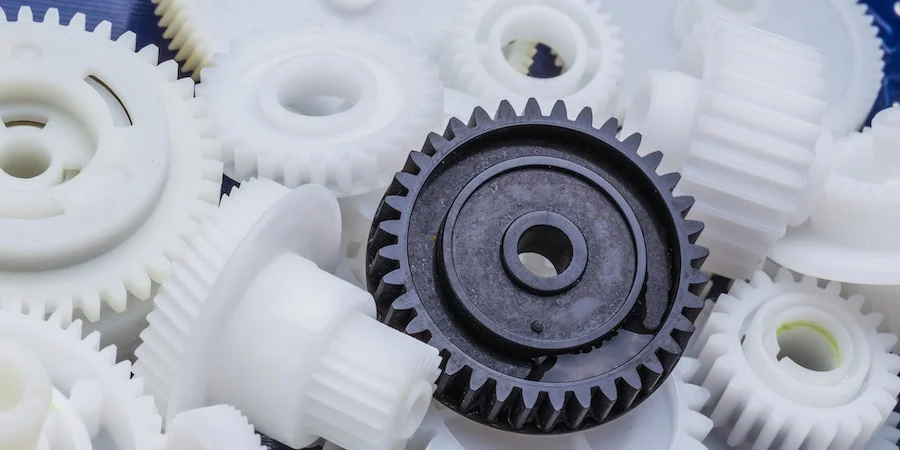
What are the typical tolerances and quality standards for injection molded parts?
When it comes to injection molded parts, the tolerances and quality standards can vary depending on several factors, including the specific application, industry requirements, and the capabilities of the injection molding process. Here are some general considerations regarding tolerances and quality standards:
Tolerances:
The tolerances for injection molded parts typically refer to the allowable deviation from the intended design dimensions. These tolerances are influenced by various factors, including the part geometry, material properties, mold design, and process capabilities. It’s important to note that achieving tighter tolerances often requires more precise tooling, tighter process control, and additional post-processing steps. Here are some common types of tolerances found in injection molding:
1. Dimensional Tolerances:
Dimensional tolerances define the acceptable range of variation for linear dimensions, such as length, width, height, and diameter. The specific tolerances depend on the part’s critical dimensions and functional requirements. Typical dimensional tolerances for injection molded parts can range from +/- 0.05 mm to +/- 0.5 mm or even tighter, depending on the complexity of the part and the process capabilities.
2. Geometric Tolerances:
Geometric tolerances specify the allowable variation in shape, form, and orientation of features on the part. These tolerances are often expressed using symbols and control the relationships between various geometric elements. Common geometric tolerances include flatness, straightness, circularity, concentricity, perpendicularity, and angularity. The specific geometric tolerances depend on the part’s design requirements and the manufacturing capabilities.
3. Surface Finish Tolerances:
Surface finish tolerances define the acceptable variation in the texture, roughness, and appearance of the part’s surfaces. The surface finish requirements are typically specified using roughness parameters, such as Ra (arithmetical average roughness) or Rz (maximum height of the roughness profile). The specific surface finish tolerances depend on the part’s aesthetic requirements, functional needs, and the material being used.
Quality Standards:
In addition to tolerances, injection molded parts are subject to various quality standards that ensure their performance, reliability, and consistency. These standards may be industry-specific or based on international standards organizations. Here are some commonly referenced quality standards for injection molded parts:
1. ISO 9001:
The ISO 9001 standard is a widely recognized quality management system that establishes criteria for the overall quality control and management of an organization. Injection molding companies often seek ISO 9001 certification to demonstrate their commitment to quality and adherence to standardized processes for design, production, and customer satisfaction.
2. ISO 13485:
ISO 13485 is a specific quality management system standard for medical devices. Injection molded parts used in the medical industry must adhere to this standard to ensure they meet the stringent quality requirements for safety, efficacy, and regulatory compliance.
3. Automotive Industry Standards:
The automotive industry has its own set of quality standards, such as ISO/TS 16949 (now IATF 16949), which focuses on the quality management system for automotive suppliers. These standards encompass requirements for product design, development, production, installation, and servicing, ensuring the quality and reliability of injection molded parts used in automobiles.
4. Industry-Specific Standards:
Various industries may have specific quality standards or guidelines that pertain to injection molded parts. For example, the aerospace industry may reference standards like AS9100, while the electronics industry may adhere to standards such as IPC-A-610 for acceptability of electronic assemblies.
It’s important to note that the specific tolerances and quality standards for injection molded parts can vary significantly depending on the application and industry requirements. Design engineers and manufacturers work together to define the appropriate tolerances and quality standards based on the functional requirements, cost considerations, and the capabilities of the injection molding process.
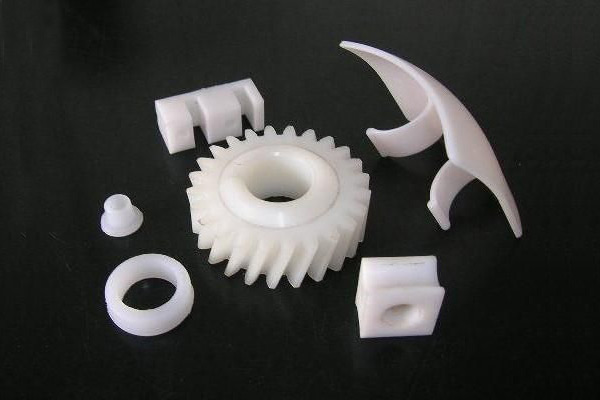
在环境条件或行业标准各不相同的应用场景中,选择注塑成型零件时有哪些具体考虑因素?
是的,在为环境条件或行业标准各异的应用选择注塑成型零件时,需要考虑一些特定因素。这些因素对于确保所选零件能够承受特定的运行条件并满足所需标准至关重要。以下是对此类应用中选择注塑成型零件时需要考虑的因素的详细说明:
1. 材料选择:
在考虑各种环境条件或行业标准时,注塑件材料的选择至关重要。不同的材料对极端温度、紫外线照射、化学品、潮湿或机械应力等因素的耐受性各不相同。了解具体的环境条件和行业要求,对于选择能够承受这些条件并满足性能、耐久性和安全性等必要标准的材料至关重要。
2. 耐温性:
在温度变化剧烈的应用中,选择能够承受特定温度范围的注塑成型零件至关重要。某些材料,例如工程热塑性塑料,具有优异的耐高温性能,而其他材料则可能更适合低温环境。此外,还应考虑热膨胀或热收缩的可能性,因为这会影响零件的尺寸稳定性和整体性能。
3. 耐化学性:
在化学品接触频繁的行业中,选择能够抵抗化学侵蚀和降解的注塑成型零件至关重要。不同材料的耐化学性各不相同,因此选择与应用环境中特定化学品相容的材料非常重要。此外,还应考虑化学品的接触时间、浓度和频率等因素。
4. 紫外线稳定性:
对于暴露于户外环境或强紫外线辐射的应用,选择具有紫外线稳定性的注塑件至关重要。紫外线辐射会导致材料随时间推移发生降解、变色或机械性能下降。添加紫外线稳定剂或添加剂的材料可以增强其抗紫外线辐射能力,从而确保部件在户外或紫外线照射环境下的使用寿命和性能。
5. 机械强度和抗冲击性:
在对机械应力或抗冲击性要求极高的应用中,选择具有合适机械性能的注塑件至关重要。高抗拉强度、抗冲击性或高韧性的材料能够确保零件在承受所需载荷、振动或冲击时不会发生失效。此外,还应根据具体应用需求考虑疲劳强度、耐磨性和柔韧性等因素。
6. 符合行业标准:
在为受行业标准或法规约束的应用选择注塑成型零件时,必须确保所选零件符合相关标准。这些标准包括尺寸、公差、安全性、阻燃性、电气性能或特定性能指标。选择经过认证或测试符合相关行业标准的零件,有助于确保其在预期应用中的合规性和可靠性。
7. 环境因素:
在当今环保意识日益增强的背景下,考虑注塑成型零件的可持续性和环境影响变得愈发重要。选择可回收或可生物降解的材料有助于实现可持续发展目标。此外,评估生产过程中的能源消耗、减少浪费或采用环保型生产工艺等因素,也有助于做出对环境负责的选择。
8. 定制化和设计灵活性:
最后,注塑成型零件的设计灵活性和定制化选项在满足特定环境或行业要求方面具有优势。注塑成型可以实现复杂的设计、几何形状,并集成垫圈、密封件或安装点等功能。此外,还可以考虑颜色、纹理或表面处理的定制选项,以满足特定的品牌或美学要求。
在为环境条件或行业标准各异的应用选择注塑成型零件时,考虑这些具体因素,可确保所选零件非常适合其预期用途,提供最佳性能、耐用性和符合所需标准。
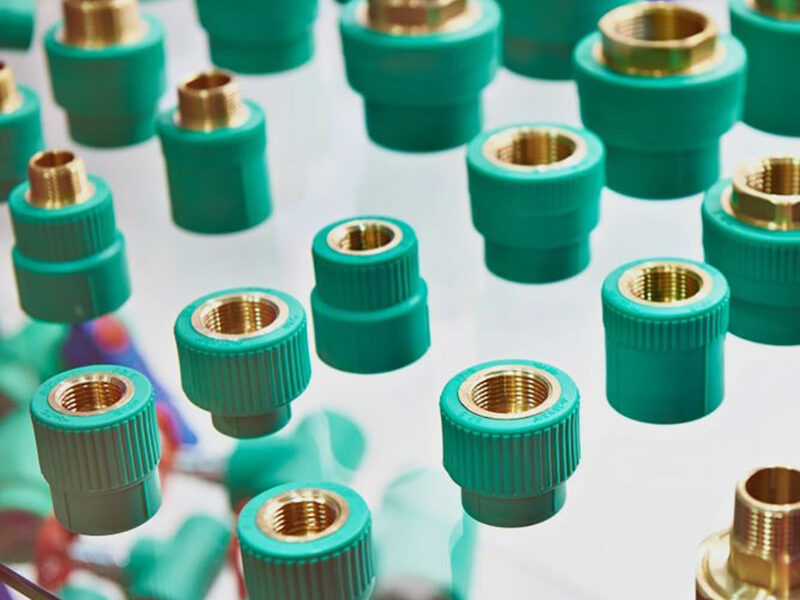
注塑成型零件有哪些类型,例如汽车零部件或医疗器械?
是的,注塑成型零件种类繁多,专为不同的行业和应用而设计。注塑成型是一种用途广泛的制造工艺,能够高效、精准地生产复杂零件。以下是一些不同类型的注塑成型零件示例:
1. 汽车零部件:
注塑成型在汽车行业中扮演着至关重要的角色,它被用于制造各种各样的零部件。一些常见的注塑成型汽车零部件包括:
- 内饰部件:仪表板、门把手、装饰件、仪表组和中控台。
- 外部部件:保险杠、格栅、车身面板、后视镜外壳和轮毂盖。
- 发动机舱内部件:发动机罩、进气歧管、冷却系统部件和电池外壳。
- 电气元件:连接器、开关、传感器外壳和线束。
- 座椅部件:座椅框架、头枕、扶手和安全带部件。
2. 医疗器械:
医疗行业依赖注塑成型技术生产各种医疗器械和组件。这些部件通常需要高精度、生物相容性和可灭菌性。注塑成型的医疗器械示例包括:
- 注射器和注射笔
- 植入式医疗器械:导管、起搏器组件、骨科植入物和手术器械。
- 诊断设备:试管、标本容器和实验室耗材。
- 一次性医疗用品:静脉输液组件、呼吸面罩、采血管和伤口护理用品。
3. 消费品:
注塑成型因其能够高效地批量生产零件,而被广泛应用于消费品生产。注塑成型的消费品示例包括:
- 家用电器:电视和音响设备组件、冰箱零件和吸尘器组件。
- 电子产品:手机壳、电脑键盘和鼠标、相机组件和电源适配器。
- 玩具和游戏:动作玩偶、积木、拼图和棋盘游戏配件。
- 个人护理用品:牙刷、剃须刀柄、化妆品容器和吹风机配件。
- 家居装修产品:灯开关盖、门把手、电动工具外壳和储物容器。
4. 包装:
注塑成型技术广泛应用于包装行业,用于生产各种塑料容器、瓶盖、封盖和包装组件。例如:
- 食品、饮料、个人护理产品和家用化学品的瓶子和容器。
- 瓶盖和罐盖。
- 用于食品的薄壁包装,例如托盘、杯子和盖子。
- 零售产品的吸塑包装和翻盖包装。
- 包装内衬和保护泡沫组件。
5. 电子和电气元件:
注塑成型工艺广泛应用于电子行业,用于生产各种电子元件和外壳。例如:
- 电气和电子设备的连接器和外壳。
- 开关、按钮和控制面板。
- PCB(印刷电路板)组件和外壳。
- LED(发光二极管)组件和灯具。
- 电源适配器和充电器。
以上仅列举了注塑成型零件的几种类型。注塑成型的多功能性使其能够应用于众多行业的零件生产,涵盖汽车、医疗、消费品、包装、电子产品等诸多领域。每种零件的具体设计要求和性能特征决定了注塑成型所需的材料、模具和制造工艺的选择。


编辑:CX 2024-01-06