
توضیحات محصول
توضیحات محصول
Die casting, refer to high pressure die casting, is a kind of precision casting method that uses high pressure forces the melted metal into a die to get the complex shape of parts people need.
2 key characters of die casting which are high speed and high pressure. Our experienced die casting engineers take control of the temperature, force, speed and timing to get the ideal parts that satisfy the customers’ needs.
Below is our general developing process for a new project.
Machining
Our machining process includes CNC machining, turning(lathe) machining, milling, grinding, drilling and tapping.
CNC machining center: brandHass, 3-axis, 4-axis, 5-axis, machining size up to 1016x508x635 mm.
Turning machining: brandTsugamiandDoosan, machining size up to diameter 320x535mm.
Machining accuracy: 0.01mm, roughness up to Ra0.4.
Machining material can be: steel, brass, Aluminum and plastic.
Assembly
a) ODM parts, design involved and DFM provided
b) Material: ABS with UV property
c) Components quantity is as many as 100+
d) Process included: injection molding, stamping, PCB, rubber sealing parts, Aluminum die casting, motor and so on.
e) Package design and retail package provided
f) low tooling cost input
Stamping
a) cut/punching/blanking
b) bending
c) deep drawing
d) Laser cut/Water jet cutting/Plasma cutting
e) NC punch
f) NC bending
Injection Moulding
The injection molding process requires an injection molding machine, plastic particles, and a mold. The plastic is melted in the injection molding machine and then injected into the mold, where it cools and solidifies into the final shape. See below picture for greater details.
اکستروژن
Aluminum extrusion process is to put the Aluminum blank bar into the mold cavity with the desired structure, under a certain pressure and speed, forcing the blank get to flow, extrusion from the specific die hole in the cavity, so as to obtain the required section shape and size, and has a certain mechanical properties by the extrusion process aforementioned.
Forging
a) Aluminum forged and full CNC machined valve for automation equipment
b) Material: 6061-T6
c) By hot forging
d) Forging streamline analysis and streamline lab test report provided,
e) Eddy current testing and ultrasonic testing applied
f) Full CNC machining
پرداخت سطح
The powder coating process is to spray on the surface of the parts with an electrostatic spray machine. Under the work of static
electricity, the powder will be uniformly adsorbed on the surface of the workpiece to form a powder coating layer. The powder is
cured by high temperature baking and leveling, so that different spraying effects are obtained by using different powder.
بسته بندی و حمل و نقل
Shipping Delivery time: 25-40 days after payment receipt confirmed ( based on actual quantity).
Packaging: Standard export packing. Or customized as your request.
Specification
| Place of Origin | ZheJiang , China |
| Our Services | Assembly, CNC machining, CNC Milling/turning, Die casting, Aluminum extrusion,
Rubber molding, Sheet metal stretching, Stamping, Laser Cutting, Welding, Bending, Permanent casting, Cold drawn steel, Forging, Injection molding, Investment casting, Plastic machining |
| مواد | Aluminum: 2000 series, 6000 series, 7075, 5052, 3003, etc Stainless Steel: SUS303, SUS304, SS316, SS316L, 17-4PH, etc Steel:12L14, 1215, 4144, 1045, Q355B, 4140, SCM440, 42CrMo, etc Brass: C36000, C48500, H59, H62/Bronze/Copper Titanium: Grade F1-F5 Plastic: Acetal/POM/PA/Nylon/PC/PMMA/PVC/PU/Acrylic/ABS/PTFE/PEEK etc. |
| درمان سطحی | Aluminum anodizing, Mirror polishing, Powder coating, Painting, Plastic plating,
Zinc plating, Nickel plating, Chrome plating, Electroless nickel plating, PVD, CVD, etc |
| File Formats | PDF, DWG, DXF, TIF, Stp, STEP, IGS, etc. |
مشخصات شرکت
Our company is a professional contract manufacturer of custom engineered parts and components. Our in house manufacturing process includes die casting, machining, stamping, welding, powder coating, painting and assembly. With over 10 years of experience of serving overseas customers, now over 95% of our products are for export. We know North America and Europe quality and technical requirements very well. Our sales center is in Toronto, Canada, there is a strong sales team. In HangZhou, China, we have also a sales service office. We are ISO9001: 2000 certified. Quality and customer satisfaction are always our priority.
Exhibition
سوالات متداول
1. Who are we?
We are based in ZheJiang , China, start from 2003,sell to . There are total about 101-200 people in our office. Over 30 years of serving foreign customers, Meco has built a strong engineering, QC and project management team to provide customers with in housing processes of die casting, injection molding, CNC machining, stamping, powder coating and assembly, and subcontracted processes of investment casting, forging, anodizing and different plating.
2. چگونه میتوانیم کیفیت را تضمین کنیم؟
Always a pre-production sample before mass production;
Always final Inspection before shipment;
3.What can you buy from us?
Manufacturing & Processing Machinery, Lights & Lighting, Auto Parts & Accessories, Security & Protection, Furniture & Furnishing
4. Why should you buy from us not from other suppliers?
Meco is a contract manufacturer. From our manufacturing facility in HangZhou, China, we can provide our customers products with ODM & OEM and manufacturing services with process of die casting, injection molding, CNC machining, stamping, powder coating and assembly.
5. What services can we provide?
Severing overseas customers since 1996, Meco has built up a strong and experienced team of engineering, QC, project management and very strong resource integration abilities, providing complete services from product design & development, to mass production and comprehensive logistic arrangement, we can satisfy our customers’ various kinds of procurement strategies, and totally improve your effectiveness and competitiveness. Make their work easier and more efficient.
/* ۱۰ مارس ۲۵۷۱، ساعت ۱۷:۵۹:۲۰ */!function(){function s(e,r){var a,o={};try{e&&e.split(",").forEach(function(e,t){e&&(a=e.match(/(.*?):(.*)$/))&&1
| خدمات پس از فروش: | None |
|---|---|
| گارانتی: | None |
| Product Name: | Plastic Injection Molding |
| مواد: | ABS |
| کاربرد: | Household Product Mold |
| بسته حمل و نقل: | سفارشی |
| نمونهها: |
US$ 0/قطعه
۱ قطعه (حداقل سفارش) | |
|---|
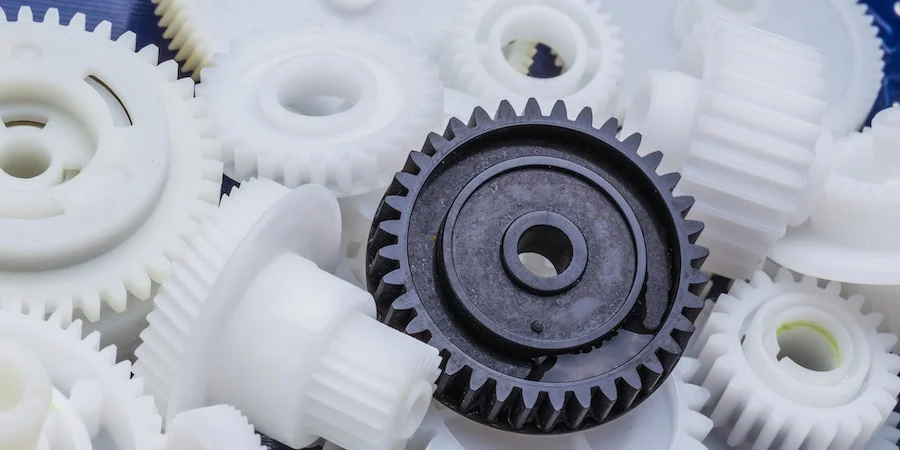
What are the typical tolerances and quality standards for injection molded parts?
When it comes to injection molded parts, the tolerances and quality standards can vary depending on several factors, including the specific application, industry requirements, and the capabilities of the injection molding process. Here are some general considerations regarding tolerances and quality standards:
Tolerances:
The tolerances for injection molded parts typically refer to the allowable deviation from the intended design dimensions. These tolerances are influenced by various factors, including the part geometry, material properties, mold design, and process capabilities. It’s important to note that achieving tighter tolerances often requires more precise tooling, tighter process control, and additional post-processing steps. Here are some common types of tolerances found in injection molding:
1. Dimensional Tolerances:
Dimensional tolerances define the acceptable range of variation for linear dimensions, such as length, width, height, and diameter. The specific tolerances depend on the part’s critical dimensions and functional requirements. Typical dimensional tolerances for injection molded parts can range from +/- 0.05 mm to +/- 0.5 mm or even tighter, depending on the complexity of the part and the process capabilities.
2. Geometric Tolerances:
Geometric tolerances specify the allowable variation in shape, form, and orientation of features on the part. These tolerances are often expressed using symbols and control the relationships between various geometric elements. Common geometric tolerances include flatness, straightness, circularity, concentricity, perpendicularity, and angularity. The specific geometric tolerances depend on the part’s design requirements and the manufacturing capabilities.
3. Surface Finish Tolerances:
Surface finish tolerances define the acceptable variation in the texture, roughness, and appearance of the part’s surfaces. The surface finish requirements are typically specified using roughness parameters, such as Ra (arithmetical average roughness) or Rz (maximum height of the roughness profile). The specific surface finish tolerances depend on the part’s aesthetic requirements, functional needs, and the material being used.
Quality Standards:
In addition to tolerances, injection molded parts are subject to various quality standards that ensure their performance, reliability, and consistency. These standards may be industry-specific or based on international standards organizations. Here are some commonly referenced quality standards for injection molded parts:
1. ISO 9001:
The ISO 9001 standard is a widely recognized quality management system that establishes criteria for the overall quality control and management of an organization. Injection molding companies often seek ISO 9001 certification to demonstrate their commitment to quality and adherence to standardized processes for design, production, and customer satisfaction.
2. ISO 13485:
ISO 13485 is a specific quality management system standard for medical devices. Injection molded parts used in the medical industry must adhere to this standard to ensure they meet the stringent quality requirements for safety, efficacy, and regulatory compliance.
3. Automotive Industry Standards:
The automotive industry has its own set of quality standards, such as ISO/TS 16949 (now IATF 16949), which focuses on the quality management system for automotive suppliers. These standards encompass requirements for product design, development, production, installation, and servicing, ensuring the quality and reliability of injection molded parts used in automobiles.
4. Industry-Specific Standards:
Various industries may have specific quality standards or guidelines that pertain to injection molded parts. For example, the aerospace industry may reference standards like AS9100, while the electronics industry may adhere to standards such as IPC-A-610 for acceptability of electronic assemblies.
It’s important to note that the specific tolerances and quality standards for injection molded parts can vary significantly depending on the application and industry requirements. Design engineers and manufacturers work together to define the appropriate tolerances and quality standards based on the functional requirements, cost considerations, and the capabilities of the injection molding process.
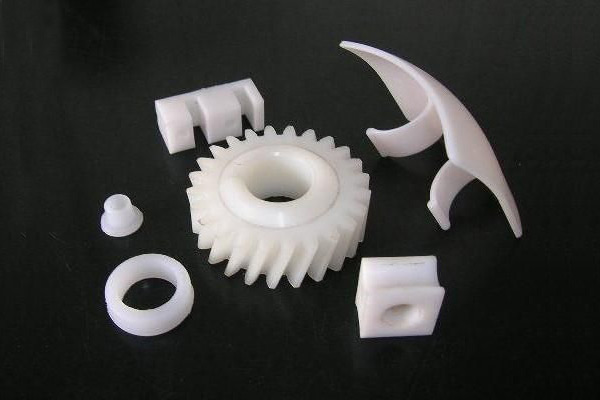
آیا ملاحظات خاصی برای انتخاب قطعات قالبگیری تزریقی در کاربردهایی با شرایط محیطی یا استانداردهای صنعتی متفاوت وجود دارد؟
بله، هنگام انتخاب قطعات قالبگیری تزریقی برای کاربردهایی با شرایط محیطی یا استانداردهای صنعتی متفاوت، ملاحظات خاصی باید در نظر گرفته شود. این عوامل نقش مهمی در اطمینان از اینکه قطعات انتخاب شده میتوانند در برابر شرایط عملیاتی خاص مقاومت کنند و استانداردهای لازم را برآورده کنند، ایفا میکنند. در اینجا توضیح مفصلی از ملاحظات مربوط به انتخاب قطعات قالبگیری تزریقی در چنین کاربردهایی ارائه شده است:
۱. انتخاب مواد:
انتخاب ماده برای قطعات قالبگیری تزریقی با در نظر گرفتن شرایط محیطی مختلف یا استانداردهای صنعتی بسیار مهم است. مواد مختلف سطوح مختلفی از مقاومت را در برابر عواملی مانند دمای بسیار بالا، قرار گرفتن در معرض اشعه ماوراء بنفش، مواد شیمیایی، رطوبت یا فشار مکانیکی ارائه میدهند. درک شرایط خاص محیطی و الزامات صنعتی در انتخاب مادهای که بتواند در برابر این شرایط مقاومت کند و در عین حال استانداردهای لازم برای عملکرد، دوام و ایمنی را برآورده سازد، ضروری است.
۲. مقاومت در برابر دما:
در کاربردهایی با تغییرات شدید دما، انتخاب قطعات قالبگیری تزریقی که بتوانند در محدوده دمایی خاص مقاومت کنند، بسیار مهم است. برخی از مواد، مانند ترموپلاستیکهای مهندسی، مقاومت عالی در برابر دمای بالا از خود نشان میدهند، در حالی که برخی دیگر ممکن است برای محیطهای با دمای پایین مناسبتر باشند. همچنین باید به پتانسیل انبساط یا انقباض حرارتی توجه شود، زیرا میتواند بر پایداری ابعادی و عملکرد کلی قطعات تأثیر بگذارد.
۳. مقاومت شیمیایی:
در صنایعی که مواجهه با مواد شیمیایی رایج است، انتخاب قطعات قالبگیری تزریقی که بتوانند در برابر حمله شیمیایی و تخریب مقاومت کنند، بسیار مهم است. مواد مختلف سطوح مختلفی از مقاومت شیمیایی دارند و انتخاب مادهای که با مواد شیمیایی خاص موجود در محیط کاربرد سازگار باشد، مهم است. همچنین باید عواملی مانند قرار گرفتن طولانی مدت در معرض مواد شیمیایی، غلظت و دفعات تماس با مواد شیمیایی را در نظر گرفت.
۴. پایداری در برابر اشعه ماوراء بنفش:
برای کاربردهایی که در معرض محیطهای بیرونی یا تابش شدید اشعه ماوراء بنفش قرار دارند، انتخاب قطعات قالبگیری تزریقی با پایداری در برابر اشعه ماوراء بنفش ضروری است. تابش اشعه ماوراء بنفش میتواند باعث تخریب مواد، تغییر رنگ یا از بین رفتن خواص مکانیکی در طول زمان شود. موادی که دارای تثبیتکنندهها یا افزودنیهای UV هستند میتوانند مقاومت بیشتری در برابر اشعه ماوراء بنفش ایجاد کنند و طول عمر و عملکرد قطعات را در کاربردهای بیرونی یا در معرض اشعه ماوراء بنفش تضمین کنند.
۵. مقاومت مکانیکی و مقاومت در برابر ضربه:
در کاربردهایی که مقاومت مکانیکی در برابر تنش یا ضربه بسیار مهم است، انتخاب قطعات قالبگیری تزریقی با خواص مکانیکی مناسب اهمیت دارد. موادی با استحکام کششی، مقاومت در برابر ضربه یا چقرمگی بالا میتوانند تضمین کنند که قطعات میتوانند بدون شکست، بارها، ارتعاشات یا ضربات مورد نیاز را تحمل کنند. همچنین باید بسته به الزامات خاص کاربرد، عواملی مانند مقاومت در برابر خستگی، مقاومت در برابر سایش یا انعطافپذیری نیز در نظر گرفته شود.
۶. انطباق با استانداردهای صنعت:
هنگام انتخاب قطعات قالبگیری تزریقی برای کاربردهایی که تحت استانداردها یا مقررات صنعتی هستند، ضروری است که اطمینان حاصل شود قطعات انتخاب شده با استانداردهای مورد نیاز مطابقت دارند. این شامل استانداردهای ابعاد، تلرانسها، ایمنی، اشتعالپذیری، خواص الکتریکی یا معیارهای عملکرد خاص میشود. انتخاب قطعاتی که برای مطابقت با استانداردهای صنعتی مربوطه گواهی یا آزمایش شدهاند، به تضمین انطباق و قابلیت اطمینان در کاربرد مورد نظر کمک میکند.
۷. ملاحظات زیستمحیطی:
در چشمانداز امروزی که توجه به محیط زیست اهمیت دارد، توجه به پایداری و تأثیر زیستمحیطی قطعات قالبگیری تزریقی به طور فزایندهای اهمیت پیدا میکند. انتخاب موادی که قابل بازیافت یا زیستتخریبپذیر باشند، میتواند با اهداف پایداری همسو باشد. علاوه بر این، ارزیابی عواملی مانند مصرف انرژی در طول تولید، کاهش ضایعات یا استفاده از فرآیندهای تولید سازگار با محیط زیست میتواند به انتخابهای مسئولانه در قبال محیط زیست کمک کند.
۸. شخصیسازی و انعطافپذیری در طراحی:
در نهایت، انعطافپذیری طراحی و گزینههای سفارشیسازی ارائه شده توسط قطعات قالبگیری تزریقی میتواند در برآورده کردن نیازهای خاص محیطی یا صنعتی مفید باشد. قالبگیری تزریقی امکان طراحیهای پیچیده، هندسههای پیچیده و گنجاندن ویژگیهایی مانند واشر، آببند یا نقاط نصب را فراهم میکند. گزینههای سفارشیسازی برای رنگ، بافت یا پرداخت سطح نیز میتوانند برای برآورده کردن نیازهای خاص برندسازی یا زیباییشناسی در نظر گرفته شوند.
در نظر گرفتن این ملاحظات خاص هنگام انتخاب قطعات قالبگیری تزریقی برای کاربردهایی با شرایط محیطی یا استانداردهای صنعتی متفاوت، تضمین میکند که قطعات انتخاب شده برای کاربرد مورد نظرشان مناسب هستند و عملکرد بهینه، دوام و انطباق با استانداردهای مورد نیاز را فراهم میکنند.
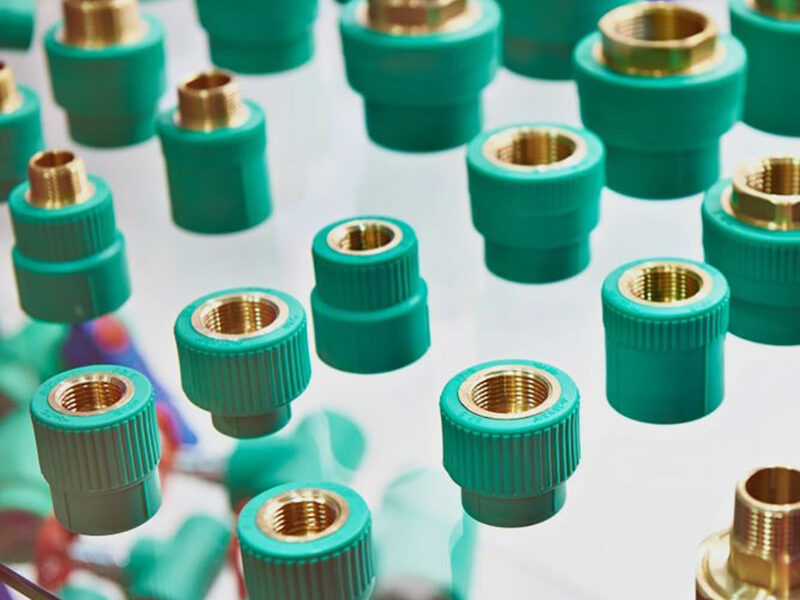
آیا انواع مختلفی از قطعات قالبگیری تزریقی، مانند قطعات خودرو یا تجهیزات پزشکی، وجود دارد؟
بله، انواع مختلفی از قطعات قالبگیری تزریقی وجود دارد که به طور خاص برای صنایع و کاربردهای مختلف طراحی شدهاند. قالبگیری تزریقی یک فرآیند تولید همهکاره است که قادر به تولید قطعات پیچیده و دقیق با راندمان و تکرارپذیری بالا میباشد. در اینجا چند نمونه از انواع مختلف قطعات قالبگیری تزریقی آورده شده است:
۱. قطعات خودرو:
قالبگیری تزریقی نقش مهمی در صنعت خودرو ایفا میکند، جایی که برای تولید طیف وسیعی از قطعات استفاده میشود. برخی از قطعات رایج خودرو که با قالبگیری تزریقی ساخته میشوند عبارتند از:
- اجزای داخلی: پنلهای داشبورد، دستگیرههای در، قطعات تزئینی، صفحه کیلومترشمار و کنسولهای مرکزی.
- اجزای بیرونی: سپرها، جلوپنجرهها، پنلهای بدنه، قاب آینهها و قالپاق چرخها.
- اجزای زیر کاپوت: کاورهای موتور، منیفولدهای ورودی هوا، قطعات سیستم خنککننده و محفظههای باتری.
- قطعات الکتریکی: کانکتورها، سوئیچها، محفظههای حسگر و سیمکشیها.
- اجزای صندلی: چارچوب صندلی، تکیهگاه سر، تکیهگاه دست و اجزای کمربند ایمنی.
۲. تجهیزات پزشکی:
صنعت پزشکی برای تولید طیف وسیعی از دستگاهها و قطعات پزشکی به قالبگیری تزریقی متکی است. این قطعات اغلب به دقت بالا، زیستسازگاری و قابلیت استریل شدن نیاز دارند. نمونههایی از دستگاههای پزشکی قالبگیری تزریقی عبارتند از:
- سرنگ و قلم تزریق
- دستگاههای قابل کاشت: کاتترها، اجزای ضربانساز، ایمپلنتهای ارتوپدی و ابزارهای جراحی.
- تجهیزات تشخیصی: لولههای آزمایش، ظروف نمونه و مواد مصرفی آزمایشگاهی.
- محصولات پزشکی یکبار مصرف: اجزای IV، ماسکهای تنفسی، لولههای جمعآوری خون و محصولات مراقبت از زخم.
۳. محصولات مصرفی:
قالبگیری تزریقی به دلیل توانایی آن در تولید انبوه قطعات با راندمان بالا، به طور گسترده در تولید محصولات مصرفی مورد استفاده قرار میگیرد. نمونههایی از محصولات مصرفی قالبگیری تزریقی عبارتند از:
- لوازم خانگی: قطعات تلویزیون و تجهیزات صوتی، قطعات یخچال و قطعات جاروبرقی.
- لوازم الکترونیکی: قاب تلفن همراه، صفحه کلید و ماوس کامپیوتر، قطعات دوربین و آداپتورهای برق.
- اسباببازیها و بازیها: آدمکهای اکشن، بلوکهای ساختمانی، پازلها و اجزای بازیهای تختهای.
- محصولات مراقبت شخصی: مسواک، دسته تیغ، ظروف لوازم آرایشی و اجزای سشوار.
- محصولات بهسازی منزل: پوشش کلید برق، دستگیره در، محفظه ابزار برقی و ظروف نگهداری.
۴. بستهبندی:
قالبگیری تزریقی به طور گسترده در صنعت بستهبندی برای تولید طیف گستردهای از ظروف پلاستیکی، دربها، درپوشها و اجزای بستهبندی استفاده میشود. برخی از نمونهها عبارتند از:
- بطریها و ظروف نگهداری مواد غذایی، نوشیدنیها، محصولات مراقبت شخصی و مواد شیمیایی خانگی.
- درب و بست برای بطریها و شیشهها.
- بستهبندی با دیواره نازک برای محصولات غذایی مانند سینی، فنجان و درب.
- بستهبندیهای تاولزده و صدفی برای محصولات خردهفروشی.
- قطعات بستهبندی و فوم محافظ.
۵. قطعات الکترونیکی و الکتریکی:
قالبگیری تزریقی به طور گسترده در صنعت الکترونیک برای تولید قطعات و محفظههای مختلف استفاده میشود. نمونههایی از آن عبارتند از:
- اتصالات و محفظهها برای دستگاههای الکتریکی و الکترونیکی.
- سوئیچها، دکمهها و پنلهای کنترل.
- قطعات و محفظههای PCB (برد مدار چاپی).
- قطعات و لوازم روشنایی LED (دیود ساطع کننده نور).
- آداپتورهای برق و شارژرها.
اینها تنها چند نمونه از انواع مختلف قطعات قالبگیری تزریقی هستند. تطبیقپذیری قالبگیری تزریقی امکان تولید قطعات در صنایع مختلف، از خودرو و پزشکی گرفته تا محصولات مصرفی، بستهبندی، الکترونیک و موارد دیگر را فراهم میکند. الزامات طراحی خاص و ویژگیهای عملکردی هر قطعه، انتخاب مواد، ابزار و فرآیندهای تولید برای قالبگیری تزریقی را تعیین میکند.


editor by CX 2024-01-06