
제품 설명
제품 설명
Die casting, refer to high pressure die casting, is a kind of precision casting method that uses high pressure forces the melted metal into a die to get the complex shape of parts people need.
2 key characters of die casting which are high speed and high pressure. Our experienced die casting engineers take control of the temperature, force, speed and timing to get the ideal parts that satisfy the customers’ needs.
Below is our general developing process for a new project.
Machining
Our machining process includes CNC machining, turning(lathe) machining, milling, grinding, drilling and tapping.
CNC machining center: brandHass, 3-axis, 4-axis, 5-axis, machining size up to 1016x508x635 mm.
Turning machining: brandTsugamiandDoosan, machining size up to diameter 320x535mm.
Machining accuracy: 0.01mm, roughness up to Ra0.4.
Machining material can be: steel, brass, Aluminum and plastic.
Assembly
a) ODM parts, design involved and DFM provided
b) Material: ABS with UV property
c) Components quantity is as many as 100+
d) Process included: injection molding, stamping, PCB, rubber sealing parts, Aluminum die casting, motor and so on.
e) Package design and retail package provided
f) low tooling cost input
Stamping
a) cut/punching/blanking
b) bending
c) deep drawing
d) Laser cut/Water jet cutting/Plasma cutting
e) NC punch
f) NC bending
Injection Moulding
The injection molding process requires an injection molding machine, plastic particles, and a mold. The plastic is melted in the injection molding machine and then injected into the mold, where it cools and solidifies into the final shape. See below picture for greater details.
압출
Aluminum extrusion process is to put the Aluminum blank bar into the mold cavity with the desired structure, under a certain pressure and speed, forcing the blank get to flow, extrusion from the specific die hole in the cavity, so as to obtain the required section shape and size, and has a certain mechanical properties by the extrusion process aforementioned.
Forging
a) Aluminum forged and full CNC machined valve for automation equipment
b) Material: 6061-T6
c) By hot forging
d) Forging streamline analysis and streamline lab test report provided,
e) Eddy current testing and ultrasonic testing applied
f) Full CNC machining
표면 마감
The powder coating process is to spray on the surface of the parts with an electrostatic spray machine. Under the work of static
electricity, the powder will be uniformly adsorbed on the surface of the workpiece to form a powder coating layer. The powder is
cured by high temperature baking and leveling, so that different spraying effects are obtained by using different powder.
포장 및 배송
Shipping Delivery time: 25-40 days after payment receipt confirmed ( based on actual quantity).
Packaging: Standard export packing. Or customized as your request.
Specification
| Place of Origin | ZheJiang , China |
| Our Services | Assembly, CNC machining, CNC Milling/turning, Die casting, Aluminum extrusion,
Rubber molding, Sheet metal stretching, Stamping, Laser Cutting, Welding, Bending, Permanent casting, Cold drawn steel, Forging, Injection molding, Investment casting, Plastic machining |
| 재료 | Aluminum: 2000 series, 6000 series, 7075, 5052, 3003, etc Stainless Steel: SUS303, SUS304, SS316, SS316L, 17-4PH, etc Steel:12L14, 1215, 4144, 1045, Q355B, 4140, SCM440, 42CrMo, etc Brass: C36000, C48500, H59, H62/Bronze/Copper Titanium: Grade F1-F5 Plastic: Acetal/POM/PA/Nylon/PC/PMMA/PVC/PU/Acrylic/ABS/PTFE/PEEK etc. |
| 표면 처리 | Aluminum anodizing, Mirror polishing, Powder coating, Painting, Plastic plating,
Zinc plating, Nickel plating, Chrome plating, Electroless nickel plating, PVD, CVD, etc |
| File Formats | PDF, DWG, DXF, TIF, Stp, STEP, IGS, etc. |
회사 소개
Our company is a professional contract manufacturer of custom engineered parts and components. Our in house manufacturing process includes die casting, machining, stamping, welding, powder coating, painting and assembly. With over 10 years of experience of serving overseas customers, now over 95% of our products are for export. We know North America and Europe quality and technical requirements very well. Our sales center is in Toronto, Canada, there is a strong sales team. In HangZhou, China, we have also a sales service office. We are ISO9001: 2000 certified. Quality and customer satisfaction are always our priority.
Exhibition
자주 묻는 질문
1. Who are we?
We are based in ZheJiang , China, start from 2003,sell to . There are total about 101-200 people in our office. Over 30 years of serving foreign customers, Meco has built a strong engineering, QC and project management team to provide customers with in housing processes of die casting, injection molding, CNC machining, stamping, powder coating and assembly, and subcontracted processes of investment casting, forging, anodizing and different plating.
2. 품질은 어떻게 보장할 수 있나요?
Always a pre-production sample before mass production;
Always final Inspection before shipment;
3.What can you buy from us?
Manufacturing & Processing Machinery, Lights & Lighting, Auto Parts & Accessories, Security & Protection, Furniture & Furnishing
4. Why should you buy from us not from other suppliers?
Meco is a contract manufacturer. From our manufacturing facility in HangZhou, China, we can provide our customers products with ODM & OEM and manufacturing services with process of die casting, injection molding, CNC machining, stamping, powder coating and assembly.
5. What services can we provide?
Severing overseas customers since 1996, Meco has built up a strong and experienced team of engineering, QC, project management and very strong resource integration abilities, providing complete services from product design & development, to mass production and comprehensive logistic arrangement, we can satisfy our customers’ various kinds of procurement strategies, and totally improve your effectiveness and competitiveness. Make their work easier and more efficient.
/* 2571년 3월 10일 17:59:20 */!function(){function s(e,r){var a,o={};try{e&&e.split(“,”).forEach(function(e,t){e&&(a=e.match(/(.*?):(.*)$/))&&1
| 판매 후 서비스: | None |
|---|---|
| 보증: | None |
| Product Name: | Plastic Injection Molding |
| 재료: | ABS |
| 애플리케이션: | Household Product Mold |
| Transport Package: | Customized |
| 샘플: |
US$ 0/개
1개 (최소 주문 수량) | |
|---|
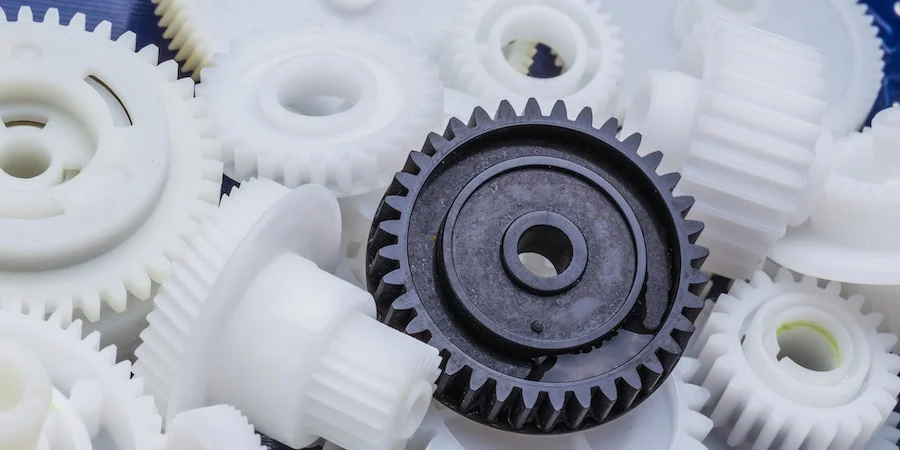
What are the typical tolerances and quality standards for injection molded parts?
When it comes to injection molded parts, the tolerances and quality standards can vary depending on several factors, including the specific application, industry requirements, and the capabilities of the injection molding process. Here are some general considerations regarding tolerances and quality standards:
Tolerances:
The tolerances for injection molded parts typically refer to the allowable deviation from the intended design dimensions. These tolerances are influenced by various factors, including the part geometry, material properties, mold design, and process capabilities. It’s important to note that achieving tighter tolerances often requires more precise tooling, tighter process control, and additional post-processing steps. Here are some common types of tolerances found in injection molding:
1. Dimensional Tolerances:
Dimensional tolerances define the acceptable range of variation for linear dimensions, such as length, width, height, and diameter. The specific tolerances depend on the part’s critical dimensions and functional requirements. Typical dimensional tolerances for injection molded parts can range from +/- 0.05 mm to +/- 0.5 mm or even tighter, depending on the complexity of the part and the process capabilities.
2. Geometric Tolerances:
Geometric tolerances specify the allowable variation in shape, form, and orientation of features on the part. These tolerances are often expressed using symbols and control the relationships between various geometric elements. Common geometric tolerances include flatness, straightness, circularity, concentricity, perpendicularity, and angularity. The specific geometric tolerances depend on the part’s design requirements and the manufacturing capabilities.
3. Surface Finish Tolerances:
Surface finish tolerances define the acceptable variation in the texture, roughness, and appearance of the part’s surfaces. The surface finish requirements are typically specified using roughness parameters, such as Ra (arithmetical average roughness) or Rz (maximum height of the roughness profile). The specific surface finish tolerances depend on the part’s aesthetic requirements, functional needs, and the material being used.
Quality Standards:
In addition to tolerances, injection molded parts are subject to various quality standards that ensure their performance, reliability, and consistency. These standards may be industry-specific or based on international standards organizations. Here are some commonly referenced quality standards for injection molded parts:
1. ISO 9001:
The ISO 9001 standard is a widely recognized quality management system that establishes criteria for the overall quality control and management of an organization. Injection molding companies often seek ISO 9001 certification to demonstrate their commitment to quality and adherence to standardized processes for design, production, and customer satisfaction.
2. ISO 13485:
ISO 13485 is a specific quality management system standard for medical devices. Injection molded parts used in the medical industry must adhere to this standard to ensure they meet the stringent quality requirements for safety, efficacy, and regulatory compliance.
3. Automotive Industry Standards:
The automotive industry has its own set of quality standards, such as ISO/TS 16949 (now IATF 16949), which focuses on the quality management system for automotive suppliers. These standards encompass requirements for product design, development, production, installation, and servicing, ensuring the quality and reliability of injection molded parts used in automobiles.
4. Industry-Specific Standards:
Various industries may have specific quality standards or guidelines that pertain to injection molded parts. For example, the aerospace industry may reference standards like AS9100, while the electronics industry may adhere to standards such as IPC-A-610 for acceptability of electronic assemblies.
It’s important to note that the specific tolerances and quality standards for injection molded parts can vary significantly depending on the application and industry requirements. Design engineers and manufacturers work together to define the appropriate tolerances and quality standards based on the functional requirements, cost considerations, and the capabilities of the injection molding process.
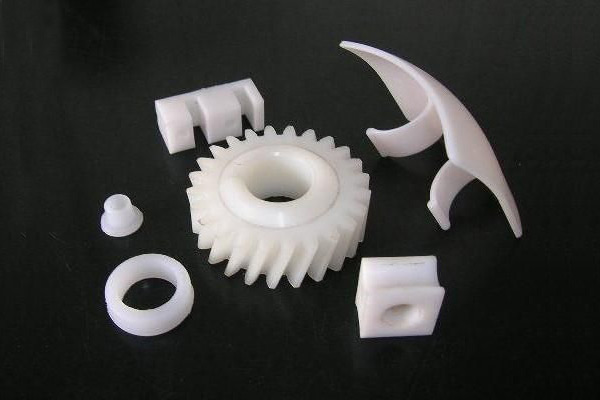
환경 조건이나 산업 표준이 다양한 응용 분야에서 사출 성형 부품을 선택할 때 특별히 고려해야 할 사항이 있습니까?
네, 다양한 환경 조건이나 산업 표준이 적용되는 용도에 사출 성형 부품을 선택할 때는 몇 가지 중요한 고려 사항이 있습니다. 이러한 요소들은 선택된 부품이 특정 작동 조건을 견디고 요구되는 표준을 충족하는지 확인하는 데 매우 중요한 역할을 합니다. 이러한 용도에 적합한 사출 성형 부품을 선택할 때 고려해야 할 사항에 대한 자세한 설명은 다음과 같습니다.
1. 재료 선택:
사출 성형 부품에 사용되는 재료를 선택할 때는 다양한 환경 조건이나 산업 표준을 고려해야 합니다. 재료마다 극한 온도, 자외선 노출, 화학 물질, 습기, 기계적 스트레스와 같은 요인에 대한 저항력이 다릅니다. 특정 환경 조건과 산업 요구 사항을 이해하는 것은 성능, 내구성 및 안전에 필요한 기준을 충족하면서 이러한 조건을 견딜 수 있는 재료를 선택하는 데 필수적입니다.
2. 내열성:
온도 변화가 심한 환경에서는 특정 온도 범위를 견딜 수 있는 사출 성형 부품을 선택하는 것이 중요합니다. 엔지니어링 열가소성 수지와 같은 일부 재료는 고온 저항성이 뛰어나지만, 다른 재료는 저온 환경에 더 적합할 수 있습니다. 또한 열팽창 또는 수축 가능성도 고려해야 하는데, 이는 부품의 치수 안정성과 전반적인 성능에 영향을 미칠 수 있기 때문입니다.
3. 내화학성:
화학 물질에 노출되는 산업 환경에서는 화학적 공격 및 열화에 강한 사출 성형 부품을 선택하는 것이 매우 중요합니다. 재료마다 내화학성이 다르므로 적용 환경에 존재하는 특정 화학 물질과 호환되는 재료를 선택해야 합니다. 또한 화학 물질에 대한 노출 기간, 농도 및 접촉 빈도와 같은 요소도 고려해야 합니다.
4. 자외선 안정성:
옥외 환경이나 강한 자외선에 노출되는 용도에는 자외선 안정성이 뛰어난 사출 성형 부품을 선택하는 것이 필수적입니다. 자외선은 시간이 지남에 따라 재료의 열화, 변색 또는 기계적 특성 저하를 유발할 수 있습니다. 자외선 안정제 또는 첨가제가 함유된 재료는 자외선에 대한 내성을 향상시켜 옥외 또는 자외선 노출 환경에서 부품의 수명과 성능을 보장합니다.
5. 기계적 강도 및 충격 저항성:
기계적 응력이나 충격 저항이 중요한 응용 분야에서는 적절한 기계적 특성을 갖춘 사출 성형 부품을 선택하는 것이 중요합니다. 높은 인장 강도, 충격 저항성 또는 인성을 가진 재료를 사용하면 부품이 필요한 하중, 진동 또는 충격을 파손 없이 견딜 수 있습니다. 특정 응용 분야 요구 사항에 따라 피로 저항성, 내마모성 또는 유연성과 같은 요소도 고려해야 합니다.
6. 산업 표준 준수:
산업 표준 또는 규정의 적용을 받는 용도에 사용할 사출 성형 부품을 선택할 때는 선택한 부품이 요구되는 표준을 준수하는지 확인하는 것이 필수적입니다. 여기에는 치수, 공차, 안전성, 난연성, 전기적 특성 또는 특정 성능 기준에 대한 표준이 포함됩니다. 관련 산업 표준을 충족하도록 인증 또는 테스트를 거친 부품을 선택하면 의도된 용도에서 규정 준수 및 신뢰성을 확보하는 데 도움이 됩니다.
7. 환경적 고려사항:
오늘날 환경에 대한 인식이 높아짐에 따라 사출 성형 부품의 지속 가능성과 환경적 영향을 고려하는 것이 점점 더 중요해지고 있습니다. 재활용 또는 생분해 가능한 재료를 선택하는 것은 지속 가능성 목표 달성에 기여할 수 있습니다. 또한 제조 과정에서의 에너지 소비, 폐기물 감소, 친환경 제조 공정 사용 등의 요소를 평가하는 것도 환경적으로 책임 있는 선택에 도움이 될 수 있습니다.
8. 맞춤 설정 및 디자인 유연성:
마지막으로, 사출 성형 부품이 제공하는 설계 유연성과 맞춤 제작 옵션은 특정 환경 또는 산업 요구 사항을 충족하는 데 유리할 수 있습니다. 사출 성형을 통해 복잡한 디자인, 정교한 형상, 그리고 가스켓, 씰 또는 장착 지점과 같은 기능을 통합할 수 있습니다. 색상, 질감 또는 표면 마감에 대한 맞춤 제작 옵션 또한 특정 브랜드 이미지 또는 미적 요구 사항을 충족하기 위해 고려할 수 있습니다.
다양한 환경 조건이나 산업 표준을 준수해야 하는 용도에 적합한 사출 성형 부품을 선택할 때 이러한 특정 고려 사항을 고려하면 선택된 부품이 의도된 용도에 적합하여 최적의 성능, 내구성 및 필수 표준 준수를 제공할 수 있습니다.
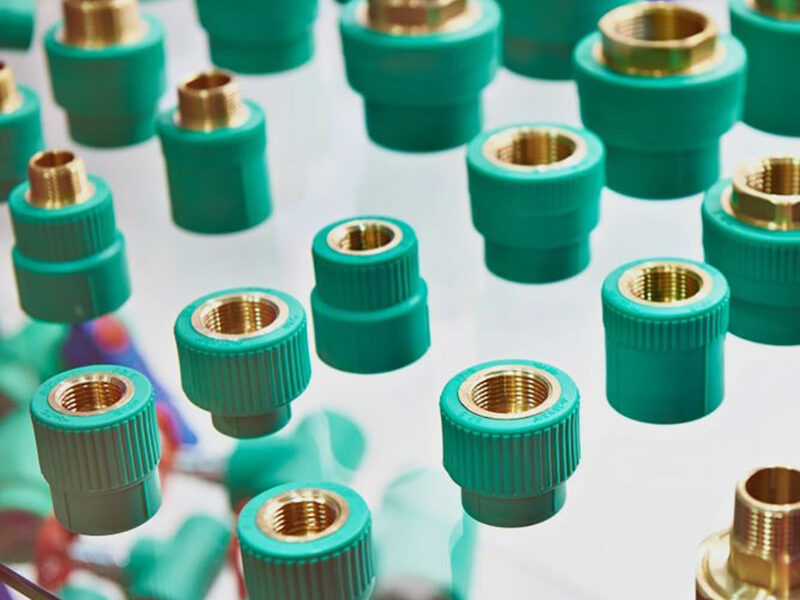
사출 성형 부품에는 자동차 부품이나 의료 기기처럼 다양한 종류가 있나요?
네, 다양한 산업 분야와 용도에 맞춰 특별히 설계된 여러 종류의 사출 성형 부품이 있습니다. 사출 성형은 복잡하고 정밀한 부품을 높은 효율성과 반복성으로 생산할 수 있는 다재다능한 제조 공정입니다. 다음은 다양한 종류의 사출 성형 부품의 예입니다.
1. 자동차 부품:
사출 성형은 자동차 산업에서 매우 중요한 역할을 하며, 다양한 부품을 제조하는 데 사용됩니다. 일반적인 사출 성형 자동차 부품에는 다음과 같은 것들이 있습니다.
- 내부 구성 요소: 대시보드 패널, 도어 핸들, 트림 부품, 계기판 및 센터 콘솔.
- 외부 구성 요소: 범퍼, 그릴, 차체 패널, 사이드미러 하우징 및 휠 커버.
- 엔진룸 내부 구성 요소: 엔진 커버, 공기 흡입 매니폴드, 냉각 시스템 부품 및 배터리 하우징.
- 전기 부품: 커넥터, 스위치, 센서 하우징 및 배선 하네스.
- 좌석 구성 요소: 좌석 프레임, 머리 받침대, 팔걸이 및 안전벨트 구성 요소.
2. 의료기기:
의료 산업은 다양한 의료 기기 및 부품 생산에 사출 성형 기술을 활용합니다. 이러한 부품들은 높은 정밀도, 생체 적합성 및 멸균성을 요구하는 경우가 많습니다. 사출 성형으로 제작되는 의료 기기의 예는 다음과 같습니다.
- 주사기 및 주사펜
- 이식형 의료기기: 카테터, 심박조율기 부품, 정형외과용 임플란트 및 수술 기구.
- 진단 장비: 시험관, 검체 용기 및 실험실 소모품.
- 일회용 의료 제품: 정맥주사 구성품, 호흡기 마스크, 혈액 채취 튜브 및 상처 치료 제품.
3. 소비자 제품:
사출 성형은 높은 효율로 부품을 대량 생산할 수 있는 능력 때문에 소비재 생산에 널리 사용됩니다. 사출 성형으로 생산되는 소비재의 예는 다음과 같습니다.
- 가전제품: 텔레비전 및 오디오 장비 부품, 냉장고 부품, 진공청소기 부품.
- 전자제품: 휴대폰 케이스, 컴퓨터 키보드 및 마우스, 카메라 부품, 전원 어댑터.
- 장난감 및 게임: 액션 피규어, 블록, 퍼즐, 보드 게임 구성품.
- 개인 위생용품: 칫솔, 면도기 손잡이, 화장품 용기, 헤어드라이어 부품.
- 가정용품: 전등 스위치 커버, 문 손잡이, 전동공구 보관함, 수납 용기.
4. 포장:
사출 성형은 포장 산업에서 다양한 플라스틱 용기, 뚜껑, 마개 및 포장 부품을 생산하는 데 널리 사용됩니다. 몇 가지 예는 다음과 같습니다.
- 식품, 음료, 개인 위생용품 및 가정용 화학제품용 병과 용기.
- 병과 항아리용 뚜껑 및 마개.
- 트레이, 컵, 뚜껑 등 식품 포장에 사용되는 얇은 벽 구조의 포장재.
- 소매 제품용 블리스터 팩 및 클램쉘 포장.
- 포장 삽입물 및 보호용 폼 구성 요소.
5. 전자제품 및 전기 부품:
사출 성형은 전자 산업에서 다양한 부품 및 케이스 생산에 널리 사용됩니다. 예를 들면 다음과 같습니다.
- 전기 및 전자 장치용 커넥터 및 하우징.
- 스위치, 버튼 및 제어판.
- PCB(인쇄회로기판) 부품 및 케이스.
- LED(발광 다이오드) 부품 및 조명기구.
- 전원 어댑터 및 충전기.
이것들은 사출 성형 부품의 다양한 유형 중 몇 가지 예일 뿐입니다. 사출 성형의 다재다능함 덕분에 자동차, 의료, 소비재, 포장, 전자 제품 등 다양한 산업 분야에서 부품을 생산할 수 있습니다. 각 부품의 특정 설계 요구 사항과 성능 특성에 따라 사출 성형에 사용되는 재료, 금형 및 제조 공정이 결정됩니다.


editor by CX 2024-01-06