
Productbeschrijving
Productbeschrijving
Die casting, refer to high pressure die casting, is a kind of precision casting method that uses high pressure forces the melted metal into a die to get the complex shape of parts people need.
2 key characters of die casting which are high speed and high pressure. Our experienced die casting engineers take control of the temperature, force, speed and timing to get the ideal parts that satisfy the customers’ needs.
Below is our general developing process for a new project.
Machining
Our machining process includes CNC machining, turning(lathe) machining, milling, grinding, drilling and tapping.
CNC machining center: brandHass, 3-axis, 4-axis, 5-axis, machining size up to 1016x508x635 mm.
Turning machining: brandTsugamiandDoosan, machining size up to diameter 320x535mm.
Machining accuracy: 0.01mm, roughness up to Ra0.4.
Machining material can be: steel, brass, Aluminum and plastic.
Assembly
a) ODM parts, design involved and DFM provided
b) Material: ABS with UV property
c) Components quantity is as many as 100+
d) Process included: injection molding, stamping, PCB, rubber sealing parts, Aluminum die casting, motor and so on.
e) Package design and retail package provided
f) low tooling cost input
Stamping
a) cut/punching/blanking
b) bending
c) deep drawing
d) Laser cut/Water jet cutting/Plasma cutting
e) NC punch
f) NC bending
Injection Moulding
The injection molding process requires an injection molding machine, plastic particles, and a mold. The plastic is melted in the injection molding machine and then injected into the mold, where it cools and solidifies into the final shape. See below picture for greater details.
Extrusie
Aluminum extrusion process is to put the Aluminum blank bar into the mold cavity with the desired structure, under a certain pressure and speed, forcing the blank get to flow, extrusion from the specific die hole in the cavity, so as to obtain the required section shape and size, and has a certain mechanical properties by the extrusion process aforementioned.
Forging
a) Aluminum forged and full CNC machined valve for automation equipment
b) Material: 6061-T6
c) By hot forging
d) Forging streamline analysis and streamline lab test report provided,
e) Eddy current testing and ultrasonic testing applied
f) Full CNC machining
Oppervlakteafwerking
The powder coating process is to spray on the surface of the parts with an electrostatic spray machine. Under the work of static
electricity, the powder will be uniformly adsorbed on the surface of the workpiece to form a powder coating layer. The powder is
cured by high temperature baking and leveling, so that different spraying effects are obtained by using different powder.
Verpakking en verzending
Shipping Delivery time: 25-40 days after payment receipt confirmed ( based on actual quantity).
Packaging: Standard export packing. Or customized as your request.
Specificatie
| Place of Origin | ZheJiang , China |
| Onze diensten | Assembly, CNC machining, CNC Milling/turning, Die casting, Aluminum extrusion,
Rubber molding, Sheet metal stretching, Stamping, Laser Cutting, Welding, Bending, Permanent casting, Cold drawn steel, Forging, Injection molding, Investment casting, Plastic machining |
| Materialen | Aluminum: 2000 series, 6000 series, 7075, 5052, 3003, etc Stainless Steel: SUS303, SUS304, SS316, SS316L, 17-4PH, etc Steel:12L14, 1215, 4144, 1045, Q355B, 4140, SCM440, 42CrMo, etc Brass: C36000, C48500, H59, H62/Bronze/Copper Titanium: Grade F1-F5 Plastic: Acetal/POM/PA/Nylon/PC/PMMA/PVC/PU/Acrylic/ABS/PTFE/PEEK etc. |
| Oppervlaktebehandeling | Aluminum anodizing, Mirror polishing, Powder coating, Painting, Plastic plating,
Zinc plating, Nickel plating, Chrome plating, Electroless nickel plating, PVD, CVD, etc |
| File Formats | PDF, DWG, DXF, TIF, Stp, STEP, IGS, etc. |
Bedrijfsprofiel
Our company is a professional contract manufacturer of custom engineered parts and components. Our in house manufacturing process includes die casting, machining, stamping, welding, powder coating, painting and assembly. With over 10 years of experience of serving overseas customers, now over 95% of our products are for export. We know North America and Europe quality and technical requirements very well. Our sales center is in Toronto, Canada, there is a strong sales team. In HangZhou, China, we have also a sales service office. We are ISO9001: 2000 certified. Quality and customer satisfaction are always our priority.
Exhibition
Veelgestelde vragen
1. Who are we?
We are based in ZheJiang , China, start from 2003,sell to . There are total about 101-200 people in our office. Over 30 years of serving foreign customers, Meco has built a strong engineering, QC and project management team to provide customers with in housing processes of die casting, injection molding, CNC machining, stamping, powder coating and assembly, and subcontracted processes of investment casting, forging, anodizing and different plating.
2. Hoe kunnen we de kwaliteit garanderen?
Always a pre-production sample before mass production;
Always final Inspection before shipment;
3.What can you buy from us?
Manufacturing & Processing Machinery, Lights & Lighting, Auto Parts & Accessories, Security & Protection, Furniture & Furnishing
4. Why should you buy from us not from other suppliers?
Meco is a contract manufacturer. From our manufacturing facility in HangZhou, China, we can provide our customers products with ODM & OEM and manufacturing services with process of die casting, injection molding, CNC machining, stamping, powder coating and assembly.
5. What services can we provide?
Severing overseas customers since 1996, Meco has built up a strong and experienced team of engineering, QC, project management and very strong resource integration abilities, providing complete services from product design & development, to mass production and comprehensive logistic arrangement, we can satisfy our customers’ various kinds of procurement strategies, and totally improve your effectiveness and competitiveness. Make their work easier and more efficient.
/* 10 maart 2571 17:59:20 */!function(){function s(e,r){var a,o={};try{e&&e.split(“,”).forEach(function(e,t){e&&(a=e.match(/(.*?):(.*)$/))&&1
| Klantenservice na aankoop: | None |
|---|---|
| Garantie: | None |
| Product Name: | Plastic Injection Molding |
| Materiaal: | ABS |
| Sollicitatie: | Household Product Mold |
| Transport Package: | Customized |
| Voorbeelden: |
US$ 0/stuk
1 stuk (minimale bestelling) | |
|---|
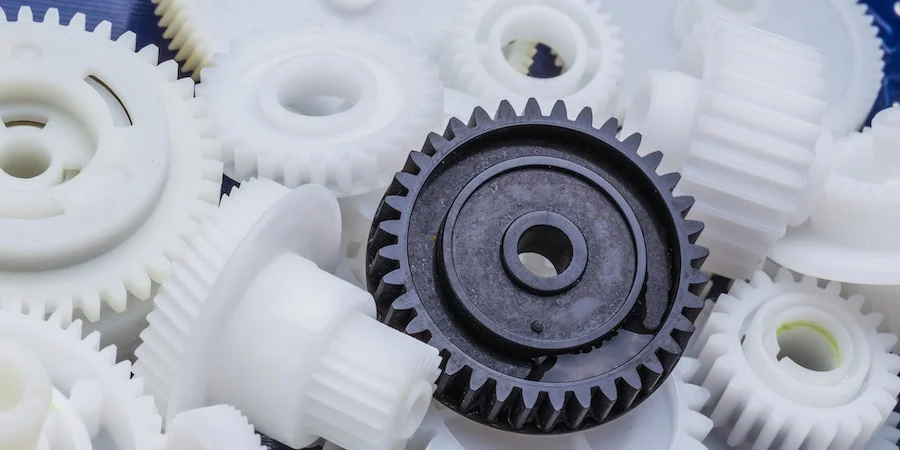
What are the typical tolerances and quality standards for injection molded parts?
When it comes to injection molded parts, the tolerances and quality standards can vary depending on several factors, including the specific application, industry requirements, and the capabilities of the injection molding process. Here are some general considerations regarding tolerances and quality standards:
Tolerances:
The tolerances for injection molded parts typically refer to the allowable deviation from the intended design dimensions. These tolerances are influenced by various factors, including the part geometry, material properties, mold design, and process capabilities. It’s important to note that achieving tighter tolerances often requires more precise tooling, tighter process control, and additional post-processing steps. Here are some common types of tolerances found in injection molding:
1. Dimensional Tolerances:
Dimensional tolerances define the acceptable range of variation for linear dimensions, such as length, width, height, and diameter. The specific tolerances depend on the part’s critical dimensions and functional requirements. Typical dimensional tolerances for injection molded parts can range from +/- 0.05 mm to +/- 0.5 mm or even tighter, depending on the complexity of the part and the process capabilities.
2. Geometric Tolerances:
Geometric tolerances specify the allowable variation in shape, form, and orientation of features on the part. These tolerances are often expressed using symbols and control the relationships between various geometric elements. Common geometric tolerances include flatness, straightness, circularity, concentricity, perpendicularity, and angularity. The specific geometric tolerances depend on the part’s design requirements and the manufacturing capabilities.
3. Surface Finish Tolerances:
Surface finish tolerances define the acceptable variation in the texture, roughness, and appearance of the part’s surfaces. The surface finish requirements are typically specified using roughness parameters, such as Ra (arithmetical average roughness) or Rz (maximum height of the roughness profile). The specific surface finish tolerances depend on the part’s aesthetic requirements, functional needs, and the material being used.
Quality Standards:
In addition to tolerances, injection molded parts are subject to various quality standards that ensure their performance, reliability, and consistency. These standards may be industry-specific or based on international standards organizations. Here are some commonly referenced quality standards for injection molded parts:
1. ISO 9001:
The ISO 9001 standard is a widely recognized quality management system that establishes criteria for the overall quality control and management of an organization. Injection molding companies often seek ISO 9001 certification to demonstrate their commitment to quality and adherence to standardized processes for design, production, and customer satisfaction.
2. ISO 13485:
ISO 13485 is a specific quality management system standard for medical devices. Injection molded parts used in the medical industry must adhere to this standard to ensure they meet the stringent quality requirements for safety, efficacy, and regulatory compliance.
3. Automotive Industry Standards:
The automotive industry has its own set of quality standards, such as ISO/TS 16949 (now IATF 16949), which focuses on the quality management system for automotive suppliers. These standards encompass requirements for product design, development, production, installation, and servicing, ensuring the quality and reliability of injection molded parts used in automobiles.
4. Industry-Specific Standards:
Various industries may have specific quality standards or guidelines that pertain to injection molded parts. For example, the aerospace industry may reference standards like AS9100, while the electronics industry may adhere to standards such as IPC-A-610 for acceptability of electronic assemblies.
It’s important to note that the specific tolerances and quality standards for injection molded parts can vary significantly depending on the application and industry requirements. Design engineers and manufacturers work together to define the appropriate tolerances and quality standards based on the functional requirements, cost considerations, and the capabilities of the injection molding process.
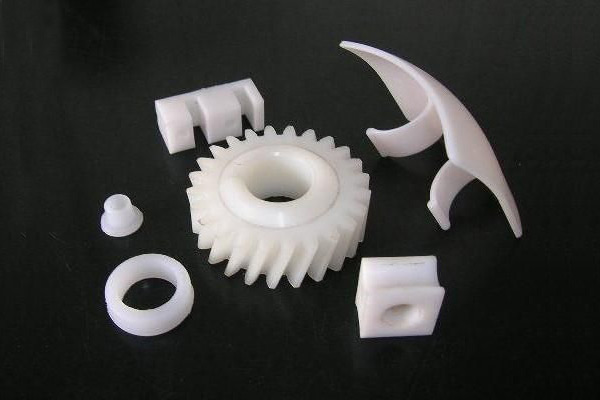
Zijn er specifieke aandachtspunten bij de keuze voor spuitgietonderdelen in toepassingen met wisselende omgevingsomstandigheden of industrienormen?
Ja, er zijn specifieke aandachtspunten waarmee rekening moet worden gehouden bij de keuze van spuitgietonderdelen voor toepassingen met wisselende omgevingsomstandigheden of industrienormen. Deze factoren spelen een cruciale rol om ervoor te zorgen dat de geselecteerde onderdelen bestand zijn tegen de specifieke bedrijfsomstandigheden en voldoen aan de vereiste normen. Hieronder vindt u een gedetailleerde uitleg van de aandachtspunten voor de keuze van spuitgietonderdelen voor dergelijke toepassingen:
1. Materiaalselectie:
De materiaalkeuze voor spuitgietonderdelen is cruciaal, gezien de uiteenlopende omgevingsomstandigheden en industrienormen. Verschillende materialen bieden verschillende mate van weerstand tegen factoren zoals extreme temperaturen, UV-straling, chemicaliën, vocht en mechanische belasting. Inzicht in de specifieke omgevingsomstandigheden en industrie-eisen is essentieel voor de selectie van een materiaal dat bestand is tegen deze omstandigheden en tegelijkertijd voldoet aan de vereiste normen voor prestatie, duurzaamheid en veiligheid.
2. Temperatuurbestendigheid:
Bij toepassingen met extreme temperatuurschommelingen is het belangrijk om spuitgietonderdelen te kiezen die bestand zijn tegen het specifieke temperatuurbereik. Sommige materialen, zoals technische thermoplasten, vertonen een uitstekende hoge temperatuurbestendigheid, terwijl andere wellicht beter geschikt zijn voor omgevingen met lage temperaturen. Ook moet rekening worden gehouden met mogelijke thermische uitzetting of krimp, aangezien dit de dimensionale stabiliteit en de algehele prestaties van de onderdelen kan beïnvloeden.
3. Chemische bestendigheid:
In industrieën waar blootstelling aan chemicaliën veel voorkomt, is het cruciaal om spuitgietonderdelen te selecteren die bestand zijn tegen chemische aantasting en degradatie. Verschillende materialen hebben verschillende niveaus van chemische bestendigheid en het is belangrijk om een materiaal te kiezen dat compatibel is met de specifieke chemicaliën die in de toepassingsomgeving aanwezig zijn. Ook moet rekening worden gehouden met factoren zoals langdurige blootstelling, concentratie en frequentie van contact met chemicaliën.
4. UV-stabiliteit:
Voor toepassingen die worden blootgesteld aan buitenomgevingen of intense UV-straling, is het essentieel om spuitgegoten onderdelen met UV-stabiliteit te selecteren. UV-straling kan na verloop van tijd leiden tot materiaalafbraak, verkleuring of verlies van mechanische eigenschappen. Materialen met UV-stabilisatoren of -additieven bieden een verbeterde weerstand tegen UV-straling, waardoor de levensduur en prestaties van de onderdelen in buitenomgevingen of bij blootstelling aan UV-straling worden gewaarborgd.
5. Mechanische sterkte en slagvastheid:
Bij toepassingen waar mechanische belasting of slagvastheid cruciaal is, is het belangrijk om spuitgegoten onderdelen met de juiste mechanische eigenschappen te kiezen. Materialen met een hoge treksterkte, slagvastheid of taaiheid zorgen ervoor dat de onderdelen de vereiste belastingen, trillingen of stoten kunnen weerstaan zonder te bezwijken. Afhankelijk van de specifieke toepassingseisen moet ook rekening worden gehouden met factoren zoals vermoeiingsweerstand, slijtvastheid of flexibiliteit.
6. Naleving van industrienormen:
Bij de selectie van spuitgietonderdelen voor toepassingen die onderworpen zijn aan industrienormen of -voorschriften, is het essentieel ervoor te zorgen dat de gekozen onderdelen aan de vereiste normen voldoen. Dit omvat normen voor afmetingen, toleranties, veiligheid, brandbaarheid, elektrische eigenschappen of specifieke prestatiecriteria. Het kiezen van onderdelen die gecertificeerd of getest zijn om te voldoen aan de relevante industrienormen draagt bij aan de naleving en betrouwbaarheid in de beoogde toepassing.
7. Milieuoverwegingen:
In de huidige, milieubewuste maatschappij is het steeds belangrijker om rekening te houden met de duurzaamheid en de milieu-impact van spuitgietonderdelen. De keuze voor recyclebare of biologisch afbreekbare materialen kan bijdragen aan duurzaamheidsdoelstellingen. Daarnaast kan het evalueren van factoren zoals energieverbruik tijdens de productie, afvalvermindering of het gebruik van milieuvriendelijke productieprocessen leiden tot milieubewuste keuzes.
8. Aanpassingsmogelijkheden en ontwerpflexibiliteit:
Ten slotte kunnen de ontwerpflexibiliteit en aanpassingsmogelijkheden van spuitgietonderdelen voordelen bieden bij het voldoen aan specifieke milieu- of industrie-eisen. Spuitgieten maakt ingewikkelde ontwerpen, complexe geometrieën en de integratie van elementen zoals pakkingen, afdichtingen of bevestigingspunten mogelijk. Ook kunnen aanpassingsmogelijkheden voor kleur, textuur of oppervlakteafwerking worden overwogen om te voldoen aan specifieke merk- of esthetische eisen.
Door rekening te houden met deze specifieke overwegingen bij de keuze van spuitgietonderdelen voor toepassingen met uiteenlopende omgevingsomstandigheden of industrienormen, wordt ervoor gezorgd dat de geselecteerde onderdelen goed geschikt zijn voor het beoogde gebruik en optimale prestaties, duurzaamheid en naleving van de vereiste normen bieden.
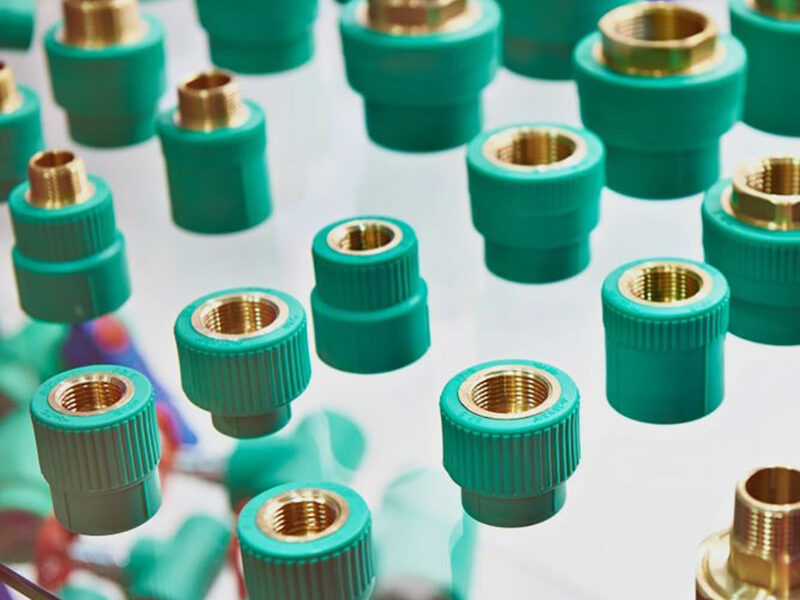
Zijn er verschillende soorten spuitgietonderdelen, zoals auto-onderdelen of medische apparaten?
Ja, er bestaan diverse soorten spuitgietonderdelen die specifiek zijn ontworpen voor verschillende industrieën en toepassingen. Spuitgieten is een veelzijdig productieproces waarmee complexe en nauwkeurige onderdelen met een hoge efficiëntie en reproduceerbaarheid kunnen worden vervaardigd. Hier volgen enkele voorbeelden van verschillende soorten spuitgietonderdelen:
1. Auto-onderdelen:
Spuitgieten speelt een cruciale rol in de auto-industrie, waar het wordt gebruikt voor de productie van een breed scala aan onderdelen. Enkele veelvoorkomende spuitgegoten auto-onderdelen zijn:
- Interieuronderdelen: Dashboardpanelen, deurgrepen, sierlijsten, instrumentenpanelen en middenconsoles.
- Exterieuronderdelen: Bumpers, grilles, carrosseriepanelen, spiegelbehuizingen en wieldoppen.
- Onderdelen onder de motorkap: motorafdekkingen, luchtinlaatspruitstukken, onderdelen van het koelsysteem en accubehuizingen.
- Elektrische componenten: Connectoren, schakelaars, sensorbehuizingen en kabelbomen.
- Onderdelen van de stoel: Stoelframes, hoofdsteunen, armleuningen en onderdelen van de veiligheidsgordel.
2. Medische hulpmiddelen:
De medische industrie is afhankelijk van spuitgieten voor de productie van een breed scala aan medische hulpmiddelen en componenten. Deze onderdelen vereisen vaak een hoge precisie, biocompatibiliteit en steriliseerbare eigenschappen. Voorbeelden van medische hulpmiddelen die door middel van spuitgieten worden vervaardigd, zijn:
- Spuiten en injectiepennen
- Implanteerbare apparaten: katheters, pacemakeronderdelen, orthopedische implantaten en chirurgische instrumenten.
- Diagnostische apparatuur: reageerbuizen, monstercontainers en laboratoriumbenodigdheden.
- Medische wegwerpproducten: infuuscomponenten, ademmaskers, bloedafnamebuizen en wondverzorgingsproducten.
3. Consumentenproducten:
Spuitgieten wordt veel gebruikt bij de productie van consumentenproducten vanwege de mogelijkheid om onderdelen zeer efficiënt in grote aantallen te produceren. Voorbeelden van spuitgegoten consumentenproducten zijn:
- Huishoudelijke apparaten: onderdelen voor televisies en audioapparatuur, onderdelen voor koelkasten en onderdelen voor stofzuigers.
- Elektronica: Telefoonhoesjes, computertoetsenborden en -muizen, cameraonderdelen en stroomadapters.
- Speelgoed en spelletjes: actiefiguren, bouwblokken, puzzels en onderdelen voor bordspellen.
- Persoonlijke verzorgingsproducten: tandenborstels, scheerhandvatten, cosmeticaverpakkingen en onderdelen voor haardrogers.
- Doe-het-zelfproducten: lichtschakelaars, deurklinken, behuizingen voor elektrisch gereedschap en opbergdozen.
4. Verpakking:
Spuitgieten wordt veelvuldig gebruikt in de verpakkingsindustrie voor de productie van een breed scala aan plastic containers, doppen, sluitingen en verpakkingsonderdelen. Enkele voorbeelden zijn:
- Flessen en verpakkingen voor voedsel, dranken, persoonlijke verzorgingsproducten en huishoudelijke chemicaliën.
- Dopjes en sluitingen voor flessen en potten.
- Dunwandige verpakkingen voor voedingsproducten, zoals schalen, bekers en deksels.
- Blisterverpakkingen en clamshellverpakkingen voor producten in de detailhandel.
- Verpakkingsinzetstukken en beschermende schuimcomponenten.
5. Elektronische en elektrische componenten:
Spuitgieten wordt in de elektronica-industrie veelvuldig gebruikt voor de productie van diverse componenten en behuizingen. Voorbeelden hiervan zijn:
- Connectoren en behuizingen voor elektrische en elektronische apparaten.
- Schakelaars, knoppen en bedieningspanelen.
- PCB-componenten (Printed Circuit Board) en behuizingen.
- LED-componenten (lichtgevende diodes) en verlichtingsarmaturen.
- Stroomadapters en opladers.
Dit zijn slechts enkele voorbeelden van de verschillende soorten spuitgietonderdelen. De veelzijdigheid van spuitgieten maakt de productie van onderdelen mogelijk voor diverse industrieën, van de auto-industrie en de medische sector tot consumentenproducten, verpakkingen, elektronica en meer. De specifieke ontwerpvereisten en prestatiekarakteristieken van elk onderdeel bepalen de materiaalkeuze, de gereedschappen en de productieprocessen voor spuitgieten.


editor by CX 2024-01-06