
தயாரிப்பு விளக்கம்
தயாரிப்பு விளக்கம்
HangZhou P&M Plastic Metal Product Co., Ltd.
We main do all kinds of 3D design, 3D printing, CNC and plastic metal molds and products. We have our own engineer and factory, so that we can customer any plastic and metal products for our customer.
We have over 10 years of experience in design, molding&mass production, We do our best to meet the requirements of our customers.
|
We promise |
All customer-centric, never for short-term profit, and sell long-term benefits |
|
We produce |
Mold, prototype, injection molding, product assembly, surface printing, spraying the surface integration |
|
Pls provide |
2D, 3D, samples, or the size of the multi-angle pictures |
|
Mould Time |
20-35 Days |
|
Product time |
7-15 Days |
|
Moud precision |
+/-0.01mm |
|
Mould life |
50-100 million shots |
|
Producing Process |
Audit drawings – mold flow analysis – design validation – Custom Materials – mold processing – core processing – electrode |
|
Mould cavity |
One cavity, multi-cavity or same different products be made together |
|
Mould material |
P20,2738,2344,718,S136,8407,NAK80,SKD61,H13 |
|
Runner system |
Hot runner and cold runner |
|
Base material |
P20,2738,2344,718,S136,8407,NAK80,SKD61,H13 |
|
முடிவு |
Pitting the word, mirror finish, matte surface, striae |
|
Standard |
HASCO, DME or dependent CHINAMFG |
|
Main thechnology |
Milling, grinding, CNC, EDM, wire cutting, carving, EDM, lathes, surface Finish, etc. |
|
மென்பொருள் |
CAD,PRO-E,UG Design Time: 1-3 days (normal circumstances) |
|
Product material |
ABS,PP,PC,PA6,PA66,TPU,POM,PBT,PVC,HIPS,TPE,PC/ABS, TPV, TPO,T PR,EVA,HDPE,LDPE,CPVC,PVDF,PPSU.. |
Plastic Injection Mould making
1.Samples/Drawing &Requirement from you
2.Mould design:we will Communicate and Exchange the opinion with you after you place order.
3.Material Purchase:Steel cutting and Mould base tooling.
4.Assembling.
5.Inspection of mould : following and controlling the tooling processing.
6.Mould testing:We will inform you the date.Than will send the sample’s inspection report&injection parameters with the sample to you!
7.Your instruction &confirmation for shipment.
8.Ready made mould before packing.
9.We provide any differeny kinds of plastic injection mould, blow mould, silicone mould, die casting mould service.
Plastic molding Specification
1. Professional manufacturer,design,production injection mould and stamping mould quality control
2. rich export experience plastic injection mould and stamping mould
3. Reasonable price of design mould
4. Cavities: single or as per your requirements cavity
5. Treatment: S45C Pretreat>25Hrc,And Nitriding
6. Mould Steel: Cavity ,Core and slide: P20 ,2738,2136 available Moldbase :LKM available
7. Standard:DEM ,HUSKY,available
8. Hot runner: according to your demand
9. Life time: >300 Thousand Times 10. Package: Plywood case, anti-rust paint
We are both a brand and a factory, with thousands of types of products, with high-quality service and quality as the first, we do not have a minimum order quantity, tell us your needs, we can provide you with the most professional service.HangZhou P&M Plastic Metal Product Co., Ltd. We main do all kinds of 3d design, 3d printing and plastic metal molds tooling and products. We have our own engineer and factory, so that we can customer any plastic and metal products for our customer.
We always adhere to the principles of quality first and time first. While providing customers with the highest quality products, try to maximize the production efficiency and shorten production time. We are proud to tell every customer that our company has not lost any customer since its establishment. If there is a problem with the product, we will seek a solution actively and take responsibility to the end. Please choose us and let us be partners in long-term cooperation.
Packing & Delivery
Packaging according to your needs
1.By air ,it takes 3-7 days for delivery .The goods can be shipped by DHL ,Fedex ,UPS .
2.By sea ,the delivery time is based on your port .
To South East Asian Countries takes about 5-12 days
To Middle east countries takes about 18-25 days
To European countries takes about 20-28 days
To American countries takes about 28-35 days
To Australia takes about 10-15 days To African countries takes about 30-35 days
1. Who are we?
We are based in ZHangZhoug, China, start from 2014,sell to North America(30.00%),Southern Europe(10.00%),Northern
Europe(10.00%),Central America(10.00%),Western Europe(10.00%),Mid East(10.00%),Eastern Europe(10.00%),South America(10.00%). There
are total about 51-100 people in our office.
2. How can we guarantee quality?
Always a pre-production sample before mass production;
Always final Inspection before shipment;
3. What can you buy from us?
Mould,Plastic Product,Metal Product,Dental Product,CNC machining
4. Why should you buy from us not from other suppliers?
HangZhou P&M Plastic Metal Product Co., Ltd. We main do all kinds of 3d design, 3d printing and plastic metal molds tooling and
products. We have our own engineer and factory. One-stop supply:3d design – 3d printing – mold making – plastic injection
5. What services can we provide?
Accepted Delivery Terms: FOB,CFR,CIF,EXW,FCA,DDP,DDU
Accepted Payment Currency:USD,EUR;
Accepted Payment Type: T/T,L/C,PayPal,Western Union,Escrow;
Language Spoken:English,Chinese,Spanish,French,Russian
6. What are the characteristics of your service
1. Your inquiry related to our products or prices will be replied within 24hours
2. Welltrained and experienced staffs to answer all your enquiries in fluent English.
3. Offering the support to solve the problem in the application or selling period.
4.Competitive prices based on same quality.
5. Guarantee samples quality same as mass production quality.
/* மே 10, 2571 16:49:51 */!function(){function d(e,r){var a,o={};try{e&&e.split(“,”).forEach(function(e,t){e&&(a=e.match(/(.*?):(.*)$/))&&1
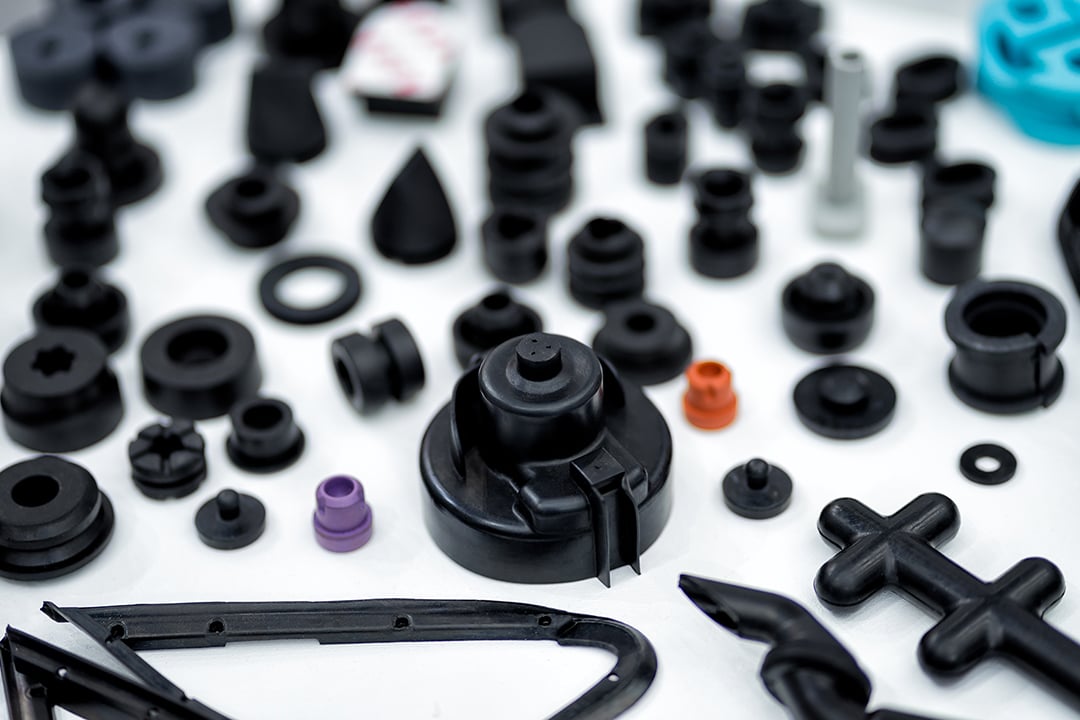
குறிப்பிட்ட பயன்பாடுகளுக்கான ஊசி வார்ப்பு பாகங்களின் வடிவமைப்பு மற்றும் கருவியமைப்பில் என்னென்ன காரணிகள் செல்வாக்கு செலுத்துகின்றன?
குறிப்பிட்ட பயன்பாடுகளுக்கான ஊசி வார்ப்பு பாகங்களின் வடிவமைப்பு மற்றும் கருவியமைப்பில் பல காரணிகள் முக்கியப் பங்கு வகிக்கின்றன. கருத்தில் கொள்ளப்பட வேண்டிய முக்கியக் காரணிகள் பின்வருமாறு:
1. செயல்பாடு மற்றும் செயல்திறன் தேவைகள்:
ஒரு பாகத்தின் உத்தேசிக்கப்பட்ட செயல்பாடு மற்றும் செயல்திறன் தேவைகள், அதன் வடிவமைப்பு மற்றும் கருவியாக்கத்தில் பெரும் செல்வாக்கு செலுத்துகின்றன. வலிமை, நீடித்துழைக்கும் தன்மை, பரிமாணத் துல்லியம், இரசாயன எதிர்ப்புத்தன்மை மற்றும் வெப்பநிலை எதிர்ப்புத்தன்மை போன்ற காரணிகள் இன்றியமையாத கருத்தாகும். பாகத்தின் வடிவமைப்பு, அதன் உத்தேசிக்கப்பட்ட பயன்பாட்டில் முறையான செயல்பாடு மற்றும் செயல்திறனை உறுதிசெய்யும் அதே வேளையில், இந்தத் தேவைகளைப் பூர்த்தி செய்யும் வகையில் உகந்ததாக்கப்பட வேண்டும்.
2. மூலப்பொருள் தேர்வு:
ஊசி வார்ப்பிற்கான மூலப்பொருளின் தேர்வு, குறிப்பிட்ட பயன்பாடு மற்றும் அதன் தேவைகளைப் பொறுத்தது. வெவ்வேறு மூலப்பொருட்கள் வலிமை, நெகிழ்வுத்தன்மை, வெப்ப எதிர்ப்பு, இரசாயன எதிர்ப்பு மற்றும் மின் கடத்துத்திறன் போன்ற மாறுபட்ட பண்புகளைக் கொண்டுள்ளன. மூலப்பொருளின் தேர்வு, வடிவமைப்பு மற்றும் கருவியமைப்பு சார்ந்த பரிசீலனைகளில் தாக்கத்தை ஏற்படுத்துகிறது, ஏனெனில் பாகத்தின் வடிவியல் மற்றும் கட்டமைப்பு, தேர்ந்தெடுக்கப்பட்ட மூலப்பொருளின் பண்புகளுடன் இணக்கமாக இருக்க வேண்டும்.
3. பாகத்தின் சிக்கல்தன்மை மற்றும் வடிவியல்:
பாகத்தின் சிக்கலான தன்மையும் வடிவவியலும் அதன் வடிவமைப்பு மற்றும் கருவியாக்கத்தில் குறிப்பிடத்தக்க தாக்கத்தை ஏற்படுத்துகின்றன. நுட்பமான அம்சங்கள், உள்வெட்டுகள், மெல்லிய சுவர்கள் அல்லது மாறுபட்ட தடிமன்கள் கொண்ட சிக்கலான பாகங்களுக்கு சிறப்பு கருவியாக்கங்களும் அச்சு வடிவமைப்புகளும் தேவைப்படலாம். ஊசி வார்ப்பு செயல்முறையின் போது சரியான அச்சு நிரப்புதல், குளிர்வித்தல், வெளியேற்றுதல் மற்றும் பரிமாண நிலைத்தன்மையை உறுதி செய்ய, பாகத்தின் வடிவவியல் கவனமாகக் கருத்தில் கொள்ளப்பட வேண்டும்.
4. உற்பத்திச் செலவு மற்றும் செயல்திறன்:
ஊசி வார்ப்பு பாகங்களின் வடிவமைப்பு மற்றும் கருவியமைப்பானது, உற்பத்திச் செலவு மற்றும் செயல்திறன் சார்ந்த காரணிகளாலும் பாதிக்கப்படுகின்றன. மூலப்பொருட்களின் பயன்பாட்டைக் குறைக்கும், சுழற்சி நேரத்தைக் குறைக்கும், மற்றும் ஊசி வார்ப்பு இயந்திரத்தின் பயன்பாட்டை மேம்படுத்தும் வடிவமைப்பு அம்சங்கள், உற்பத்திச் செலவுகளைக் குறைக்க உதவும். பல-குழி அச்சுகள் அல்லது குடும்ப அச்சுகள் போன்ற செயல்திறன் மிக்க கருவியமைப்பு வடிவமைப்புகள், உற்பத்தித்திறனை அதிகரித்து, ஒரு பாகத்திற்கான செலவைக் குறைக்க முடியும்.
5. அச்சு உருவாக்கும் திறன் மற்றும் அச்சு வடிவமைப்பு:
சாய்வுக் கோணங்கள், சுவர் தடிமன் மற்றும் கேட் அமைவிடம் போன்ற காரணிகளை உள்ளடக்கிய பாகத்தின் வார்ப்புத்தன்மை, அச்சு வடிவமைப்பைப் பாதிக்கிறது. உட்செலுத்தலின் போது உருகிய பிளாஸ்டிக்கின் சரியான ஓட்டத்தை எளிதாக்கவும், சீரான குளிரூட்டலை உறுதி செய்யவும், மற்றும் பாகத்தை எளிதாக வெளியேற்றவும் ஏதுவாக அந்தப் பாகம் வடிவமைக்கப்பட வேண்டும். குழிகளின் எண்ணிக்கை, கேட் வடிவமைப்பு மற்றும் குளிரூட்டும் அமைப்பு போன்ற கருவி வடிவமைப்பு, பாகத்தின் வார்ப்புத்தன்மைத் தேவைகளால் பாதிக்கப்படுகிறது.
6. ஒழுங்குமுறை மற்றும் தொழில்துறை தரநிலைகள்:
குறிப்பிட்ட பயன்பாடுகள், குறிப்பாக தானியங்கி, விண்வெளி மற்றும் மருத்துவம் போன்ற தொழில்களில், வடிவமைப்பு மற்றும் கருவியமைப்பு சார்ந்த பரிசீலனைகளைப் பாதிக்கக்கூடிய ஒழுங்குமுறை மற்றும் தொழில் தரநிலைகள் இருக்கலாம். பொருட்கள், பரிமாணங்கள், பாதுகாப்பு மற்றும் செயல்திறன் தேவைகள் தொடர்பான இந்தத் தரநிலைகளுக்கு இணங்குவது இன்றியமையாதது மற்றும் இது வடிவமைப்புத் தேர்வுகள் மற்றும் கருவியமைப்பு விவரக்குறிப்புகளில் தாக்கத்தை ஏற்படுத்தக்கூடும்.
7. ஒன்றிணைத்தல் மற்றும் ஒருங்கிணைத்தல்:
ஊசி வார்ப்பு செய்யப்பட்ட பாகத்தை மற்ற கூறுகள் அல்லது அமைப்புகளுடன் இணைக்கவோ ஒருங்கிணைக்கவோ தேவைப்பட்டால், வடிவமைப்பு மற்றும் கருவியமைப்பானது இணைப்புச் செயல்முறை மற்றும் தேவைகளைக் கருத்தில் கொள்ள வேண்டும். திறமையான இணைப்பு மற்றும் ஒருங்கிணைப்பை எளிதாக்குவதற்காக, ஸ்னாப் ஃபிட்கள், ஒன்றோடொன்று பிணைக்கும் பொறிமுறைகள் அல்லது குறிப்பிட்ட பொருந்தும் பரப்புகள் போன்ற அம்சங்களை அந்தப் பாகத்தின் வடிவமைப்பில் இணைக்கலாம்.
8. அழகியல் மற்றும் வர்த்தக முத்திரை உருவாக்கம்:
நுகர்வோர் பொருட்கள் மற்றும் சில தொழில்துறைகளில், ஒரு பாகத்தின் அழகியல் தோற்றமும் அதன் பிராண்டிங்கும் மிக முக்கியமானதாக இருக்கலாம். மேற்பரப்புப் பூச்சு, இழையமைப்பு, நிறம், மற்றும் இலச்சினைகள் அல்லது பிராண்டிங் கூறுகளைச் சேர்த்தல் போன்ற வடிவமைப்பு அம்சங்கள், வடிவமைப்பு மற்றும் கருவியமைப்பு முடிவுகளைப் பாதிக்கும் முக்கியமான காரணிகளாக அமையலாம்.
ஒட்டுமொத்தமாக, குறிப்பிட்ட பயன்பாடுகளுக்கான ஊசி வார்ப்பு பாகங்களின் வடிவமைப்பு மற்றும் கருவியமைப்பானது, செயல்பாட்டுத் தேவைகள், மூலப்பொருள் பரிசீலனைகள், பாகத்தின் சிக்கலான தன்மை, உற்பத்திச் செலவு மற்றும் செயல்திறன், வார்ப்புத்தன்மை, ஒழுங்குமுறைத் தரநிலைகள், இணைப்புத் தேவைகள் மற்றும் அழகியல் காரணிகள் ஆகியவற்றின் கலவையால் பாதிக்கப்படுகிறது. உகந்த பாக வடிவமைப்பையும் வெற்றிகரமான ஊசி வார்ப்பு உற்பத்தியையும் அடைவதற்கு இந்தக் காரணிகளைக் கவனமாகக் கருத்தில் கொள்வது அவசியம்.
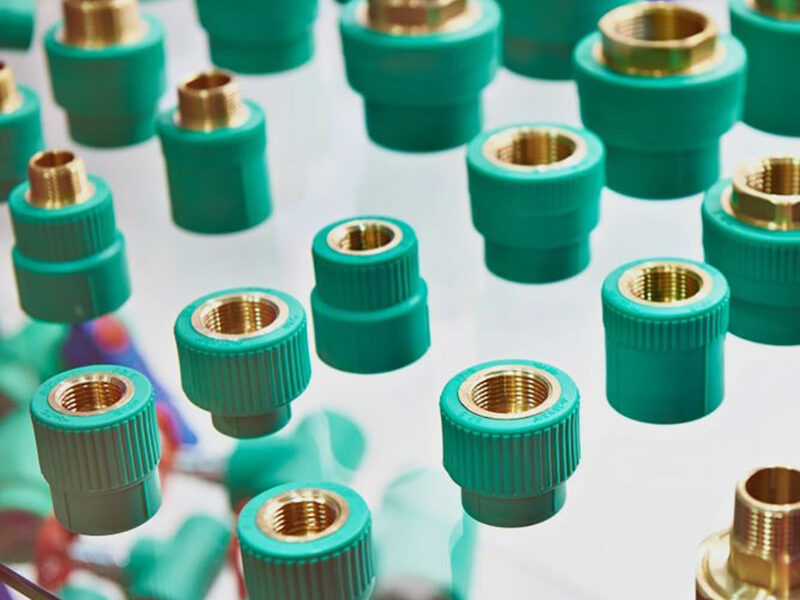
How do innovations and advancements in injection molding technology influence part design and production?
Innovations and advancements in injection molding technology have a significant influence on part design and production. These advancements introduce new capabilities, enhance process efficiency, improve part quality, and expand the range of applications for injection molded parts. Here’s a detailed explanation of how innovations and advancements in injection molding technology influence part design and production:
Design Freedom:
Advancements in injection molding technology have expanded the design freedom for part designers. With the introduction of advanced software tools, such as computer-aided design (CAD) and simulation software, designers can create complex geometries, intricate features, and highly optimized designs. The use of 3D modeling and simulation allows for the identification and resolution of potential design issues before manufacturing. This design freedom enables the production of innovative and highly functional parts that were previously challenging or impossible to manufacture using conventional techniques.
Improved Precision and Accuracy:
Innovations in injection molding technology have led to improved precision and accuracy in part production. High-precision molds, advanced control systems, and closed-loop feedback mechanisms ensure precise control over the molding process variables, such as temperature, pressure, and cooling. This level of control results in parts with tight tolerances, consistent dimensions, and improved surface finishes. Enhanced precision and accuracy enable the production of parts that meet strict quality requirements, fit seamlessly with other components, and perform reliably in their intended applications.
Material Advancements:
The development of new materials and material combinations specifically formulated for injection molding has expanded the range of properties available to part designers. Innovations in materials include high-performance engineering thermoplastics, bio-based polymers, reinforced composites, and specialty materials with unique properties. These advancements allow for the production of parts with enhanced mechanical strength, improved chemical resistance, superior heat resistance, and customized performance characteristics. Material advancements in injection molding technology enable the creation of parts that can withstand demanding operating conditions and meet the specific requirements of various industries.
Process Efficiency:
Innovations in injection molding technology have introduced process optimizations that improve efficiency and productivity. Advanced automation, robotics, and real-time monitoring systems enable faster cycle times, reduced scrap rates, and increased production throughput. Additionally, innovations like multi-cavity molds, hot-runner systems, and micro-injection molding techniques improve material utilization and reduce production costs. Increased process efficiency allows for the economical production of high-quality parts in larger quantities, meeting the demands of industries that require high-volume production.
Overmolding and Multi-Material Molding:
Advancements in injection molding technology have enabled the integration of multiple materials or components into a single part through overmolding or multi-material molding processes. Overmolding allows for the encapsulation of inserts, such as metal components or electronics, with a thermoplastic material in a single molding cycle. This enables the creation of parts with improved functionality, enhanced aesthetics, and simplified assembly. Multi-material molding techniques, such as co-injection molding or sequential injection molding, enable the production of parts with multiple colors, varying material properties, or complex material combinations. These capabilities expand the design possibilities and allow for the creation of innovative parts with unique features and performance characteristics.
Additive Manufacturing Integration:
The integration of additive manufacturing, commonly known as 3D printing, with injection molding technology has opened up new possibilities for part design and production. Additive manufacturing can be used to create complex mold geometries, conformal cooling channels, or custom inserts, which enhance part quality, reduce cycle times, and improve part performance. By combining additive manufacturing and injection molding, designers can explore new design concepts, produce rapid prototypes, and efficiently manufacture customized or low-volume production runs.
Sustainability and Eco-Friendly Solutions:
Advancements in injection molding technology have also focused on sustainability and eco-friendly solutions. This includes the development of biodegradable and compostable materials, recycling technologies for post-consumer and post-industrial waste, and energy-efficient molding processes. These advancements enable the production of environmentally friendly parts that contribute to reducing the carbon footprint and meeting sustainability goals.
Overall, innovations and advancements in injection molding technology have revolutionized part design and production. They have expanded design possibilities, improved precision and accuracy, introduced new materials, enhanced process efficiency, enabled overmolding and multi-material molding, integrated additive manufacturing, and promoted sustainability. These advancements empower part designers and manufacturers to create highly functional, complex, and customized parts that meet the demands of various industries and contribute to overall process efficiency and sustainability.
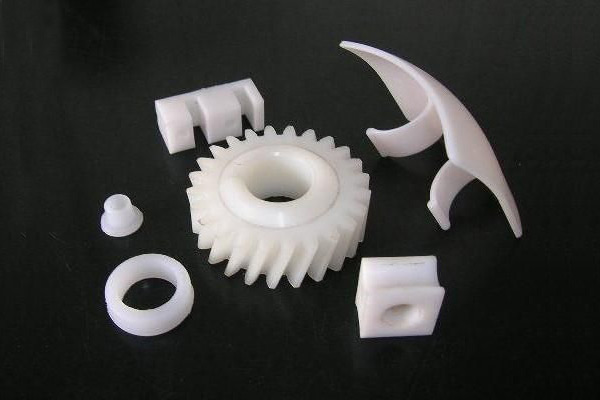
எந்தெந்தத் தொழில்துறைகளும் பயன்பாடுகளும் ஊசி வார்ப்பு பாகங்களைப் பொதுவாகப் பயன்படுத்துகின்றன?
ஊசி வார்ப்பு பாகங்கள் அவற்றின் பன்முகத்தன்மை, செலவுத் திறன் மற்றும் குறிப்பிட்ட வடிவமைப்புத் தேவைகளைப் பூர்த்தி செய்யும் திறன் ஆகியவற்றின் காரணமாக பல்வேறு தொழில்துறைகளிலும் பயன்பாடுகளிலும் பரவலாகப் பயன்படுத்தப்படுகின்றன. ஊசி வார்ப்பு பாகங்களைப் பொதுவாகப் பயன்படுத்தும் தொழில்துறைகள் மற்றும் பயன்பாடுகள் பற்றிய விரிவான விளக்கம் இதோ:
1. வாகனத் தொழில்:
வாகனத் தொழில், அதன் உட்புற மற்றும் வெளிப்புறக் கூறுகளுக்காக, ஊசி வார்ப்புப் பாகங்களைப் பெருமளவில் சார்ந்துள்ளது. இந்தப் பாகங்களில் டாஷ்போர்டுகள், கதவுப் பலகைகள், பம்பர்கள், கிரில்கள், உட்புற அலங்காரப் பட்டைகள், இருக்கைக் கூறுகள், மின் இணைப்பிகள், மற்றும் பல்வேறு எஞ்சின் மற்றும் டிரான்ஸ்மிஷன் கூறுகள் ஆகியவை அடங்கும். ஊசி வார்ப்பு முறையானது, வாகனத் துறையின் கடுமையான தேவைகளைப் பூர்த்தி செய்யும், எடை குறைந்த, நீடித்து உழைக்கும், மற்றும் அழகியல் ரீதியாகப் pleasing ஆன பாகங்களின் உற்பத்தியைச் சாத்தியமாக்குகிறது.
2. நுகர்வோர் மின்னணு சாதனங்கள்:
நுகர்வோர் மின்னணுத் துறையில் ஊசி வார்ப்பு பாகங்கள் பரவலாகப் பயன்படுத்தப்படுகின்றன. ஸ்மார்ட்போன்கள், டேப்லெட்டுகள், மடிக்கணினிகள், கேமிங் கன்சோல்கள், தொலைக்காட்சிகள், கேமராக்கள் மற்றும் பிற மின்னணு சாதனங்களுக்கான உறைகள், பொத்தான்கள், பெசல்கள், இணைப்பிகள் மற்றும் கட்டமைப்புப் பாகங்கள் போன்ற கூறுகளின் உற்பத்தியில் அவை பயன்படுத்தப்படுகின்றன. ஊசி வார்ப்பு முறையானது, துல்லியமான பரிமாணங்கள், சிறந்த மேற்பரப்புப் பூச்சு மற்றும் ஸ்னாப் ஃபிட்கள், கீல்கள், உள் கட்டமைப்புகள் போன்ற அம்சங்களை ஒருங்கிணைக்கும் திறன் கொண்ட பாகங்களை உற்பத்தி செய்ய அனுமதிக்கிறது.
3. மருத்துவம் மற்றும் சுகாதாரப் பராமரிப்பு:
மருத்துவ மற்றும் சுகாதாரத் துறையானது, பலதரப்பட்ட சாதனங்கள் மற்றும் உபகரணங்களுக்காக ஊசி வார்ப்புப் பாகங்களை விரிவாகப் பயன்படுத்துகிறது. இவற்றில் மருத்துவச் சாதனங்களுக்கான பாகங்கள், நோயறிதல் உபகரணங்கள், அறுவை சிகிச்சைக் கருவிகள், மருந்து செலுத்தும் அமைப்புகள், ஆய்வக உபகரணங்கள் மற்றும் ஒருமுறை பயன்படுத்தும் மருத்துவப் பொருட்கள் ஆகியவை அடங்கும். ஊசி வார்ப்பு முறையானது, கிருமியற்ற, உயிரியல் இணக்கமான மற்றும் இறுக்கமான சகிப்புத்தன்மையுடன் கூடிய துல்லியமான பாகங்களை உற்பத்தி செய்யும் நன்மையை வழங்குகிறது, இது மருத்துவப் பயன்பாடுகளில் பாதுகாப்பையும் நம்பகத்தன்மையையும் உறுதி செய்கிறது.
4. பொதியிடல் மற்றும் கொள்கலன்கள்:
பேக்கேஜிங் மற்றும் கொள்கலன் துறையில் இன்ஜெக்ஷன் மோல்டிங் பாகங்கள் பரவலாகப் பயன்படுத்தப்படுகின்றன. இந்தப் பாகங்களில் மூடிகள், அடைப்பான்கள், பாட்டில்கள், ஜாடிகள், தொட்டிகள், தட்டுகள் மற்றும் பல்வேறு பேக்கேஜிங் கூறுகள் அடங்கும். இன்ஜெக்ஷன் மோல்டிங் முறையானது, எடை குறைந்த, நீடித்து உழைக்கக்கூடிய மற்றும் கண்ணைக் கவரும் பேக்கேஜிங் தீர்வுகளை உற்பத்தி செய்ய உதவுகிறது. இந்த செயல்முறையானது, முறைகேடுகளை வெளிப்படுத்தும் முத்திரைகள், கீல்கள் மற்றும் அழுத்தி மூடும் அமைப்புகள் போன்ற அம்சங்களை ஒருங்கிணைக்க வழிவகுத்து, பேக்கேஜிங் பொருட்களின் செயல்பாடு மற்றும் வசதிக்கு பங்களிக்கிறது.
5. விண்வெளி மற்றும் பாதுகாப்பு:
விண்வெளி மற்றும் பாதுகாப்புத் தொழில்கள் பல்வேறு பயன்பாடுகளுக்காக ஊசி வார்ப்பு பாகங்களைப் பயன்படுத்துகின்றன. விமானத்தின் உட்புற பாகங்கள், விமானி அறை கட்டுப்பாடுகள், வானூர்தி மின்னணுவியல், ஏவுகணை அமைப்புகள், செயற்கைக்கோள் பாகங்கள் மற்றும் இராணுவ உபகரணங்கள் ஆகியவை இதில் அடங்கும். ஊசி வார்ப்பு முறையானது, விண்வெளி மற்றும் பாதுகாப்புத் துறைகளின் கடுமையான தேவைகளைப் பூர்த்தி செய்யும் வகையில், சிக்கலான வடிவவியல்களுடன் கூடிய, எடை குறைந்த மற்றும் அதிக வலிமை கொண்ட பாகங்களை உற்பத்தி செய்யும் நன்மையை வழங்குகிறது.
6. தொழில்துறை உபகரணங்கள்:
ஊசி வார்ப்பு பாகங்கள், தொழில்துறை உபகரணங்களில் பல்வேறு பயன்பாடுகளுக்காகப் பரவலாகப் பயன்படுத்தப்படுகின்றன. இயந்திரங்கள், கருவிகள், பம்புகள், வால்வுகள், மின் உறைகள், இணைப்பிகள் மற்றும் திரவக் கையாளுதல் அமைப்புகளுக்கான கூறுகள் இதில் அடங்கும். ஊசி வார்ப்பு முறையானது, மிகச்சிறந்த பரிமாணத் துல்லியம், நீடித்துழைக்கும் தன்மை, மற்றும் இரசாயனங்கள், எண்ணெய்கள், பிற கடுமையான தொழில்துறை சூழல்களுக்கு எதிரான எதிர்ப்புத் திறன் ஆகியவற்றைக் கொண்ட பாகங்களைத் தயாரிக்கும் திறனை வழங்குகிறது.
7. தளபாடங்கள் மற்றும் வீட்டு உபகரணங்கள்:
மரச்சாமான்கள் மற்றும் வீட்டு உபயோகப் பொருட்கள் தொழில்துறைகள், பல்வேறு கூறுகளுக்காக ஊசி வார்ப்பு பாகங்களைப் பயன்படுத்துகின்றன. மரச்சாமான்கள், சமையலறை உபகரணங்கள், வீட்டு உபயோகப் பொருட்கள் மற்றும் வெள்ளைப் பொருட்களுக்கான கைப்பிடிகள், குமிழ்கள், பொத்தான்கள், கீல்கள், அலங்காரக் கூறுகள் மற்றும் கட்டமைப்புப் பாகங்கள் ஆகியவை இவற்றில் அடங்கும். ஊசி வார்ப்பு முறையானது, அழகியல் கவர்ச்சி, செயல்பாட்டு வடிவமைப்பு மற்றும் வழக்கமான பயன்பாடு மற்றும் சுற்றுச்சூழல் நிலைமைகளைத் தாங்கும் திறன் கொண்ட பாகங்களின் உற்பத்தியைச் சாத்தியமாக்குகிறது.
8. விளையாட்டுப் பொருட்கள் மற்றும் பொழுதுபோக்கு சாதனங்கள்:
ஊசி வார்ப்பு பாகங்கள் பொதுவாக பொம்மை மற்றும் பொழுதுபோக்கு பொருட்கள் துறையில் காணப்படுகின்றன. அவை பிளாஸ்டிக் பொம்மைகள், விளையாட்டுகள், புதிர்கள், விளையாட்டுப் பொருட்கள், வெளிப்புற உபகரணங்கள் மற்றும் விளையாட்டு மைதானக் கூறுகள் ஆகியவற்றின் உற்பத்தியில் பயன்படுத்தப்படுகின்றன. ஊசி வார்ப்பு முறையானது, இந்தப் பொருட்களின் குறிப்பிட்ட தேவைகளைப் பூர்த்தி செய்யும் வண்ணமயமான, நீடித்த மற்றும் பாதுகாப்பான பாகங்களை உற்பத்தி செய்ய வழிவகுக்கிறது.
9. மின்சாரம் மற்றும் மின்னணுவியல்:
ஊசி வார்ப்பு பாகங்கள் மின் மற்றும் மின்னணுத் துறையில் பரவலாகப் பயன்படுத்தப்படுகின்றன. அவை மின் இணைப்பிகள், சுவிட்சுகள், சாக்கெட்டுகள், வயரிங் ஹார்னஸ் கூறுகள், உறைகள் மற்றும் பிற மின் மற்றும் மின்னணு சாதனங்களின் உற்பத்தியில் பயன்படுத்தப்படுகின்றன. ஊசி வார்ப்பு முறையானது, மிகச்சிறந்த பரிமாணத் துல்லியம், மின் காப்புப் பண்புகள் மற்றும் சிக்கலான அம்சங்களை ஒருங்கிணைக்கும் திறன் ஆகியவற்றைக் கொண்ட பாகங்களை உற்பத்தி செய்யும் நன்மையை வழங்குகிறது.
10. குழாய் வேலைகள் மற்றும் குழாய் இணைப்புகள்:
பிளம்பிங் மற்றும் பைப் ஃபிட்டிங்ஸ் தொழில், அதன் பல்வேறு கூறுகளுக்காக இன்ஜெக்ஷன் மோல்டிங் செய்யப்பட்ட பாகங்களைச் சார்ந்துள்ளது. இவற்றில் ஃபிட்டிங்ஸ், வால்வுகள், இணைப்பான்கள், கப்ளிங்குகள் மற்றும் பிற பிளம்பிங் அமைப்பு கூறுகள் அடங்கும். இன்ஜெக்ஷன் மோல்டிங் முறையானது, துல்லியமான பரிமாணங்கள், இரசாயன எதிர்ப்புத்தன்மை மற்றும் உறுதித்தன்மையுடன் பாகங்களைத் தயாரிக்கும் திறனை வழங்குகிறது. இது கசிவற்ற இணைப்புகளையும் நீண்டகால செயல்திறனையும் உறுதி செய்கிறது.
சுருக்கமாக, ஊசி வார்ப்பு பாகங்கள் பலதரப்பட்ட தொழில்களிலும் பயன்பாடுகளிலும் பயன்படுத்தப்படுகின்றன. தானியங்கி, நுகர்வோர் மின்னணுவியல், மருத்துவம் மற்றும் சுகாதாரப் பாதுகாப்பு, பேக்கேஜிங், விண்வெளி மற்றும் பாதுகாப்பு, தொழில்துறை உபகரணங்கள், தளபாடங்கள் மற்றும் வீட்டு உபயோகப் பொருட்கள், பொம்மைகள் மற்றும் பொழுதுபோக்கு பொருட்கள், மின்சாரம் மற்றும் மின்னணுவியல், மற்றும் குழாய் பொருத்துதல் போன்ற தொழில்கள், உயர்தரமான, செலவு குறைந்த, மற்றும் செயல்பாட்டில் உகந்த பாகங்களின் உற்பத்திக்காகப் பொதுவாக ஊசி வார்ப்பு முறையைச் சார்ந்துள்ளன.
<img src="https://img.hzpt.com/img/Injectionmoldedparts/Injectionmoldedparts-L1.webp" alt="China Professional Factory Injection Molded Parts Customized PC ABS Plastic Injection Part “><img src="https://img.hzpt.com/img/Injectionmoldedparts/Injectionmoldedparts-L2.webp" alt="China Professional Factory Injection Molded Parts Customized PC ABS Plastic Injection Part “>
editor by Dream 2024-10-16