
توضیحات محصول
HangZhou P&M Plastic Metal Product Co., Ltd.
گواهینامهها
مشخصات شرکت
We main do all kinds of 3D design, 3D printing, CNC machining and plastic metal molds and products. We have our own engineer and factory, so that we can customize any plastic and metal products for our customer.We have over 10 years of experience in design, molding&mass production, We do our best to meet the requirements of our customers.
We are committed to providing the best service and quality products to our customers. At the same time, we understand that our employees, production facilities and intellectual property are our company’s most important assets.
As a fast-growing company, we are committed to taking on more social responsibilities.
We are located in HangZhou, ZHangZhoug Province.
We always adhere to the principles of quality first and time first. While providing customers with the highest quality products, try to maximize the production efficiency and shorten production time.
We are proud to tell every customer that our company has not lost any customer since its establishment. If there is a problem with the product, we will seek a solution actively and take responsibility to the end. Please choose us and let us be partners in long-term cooperation.
Products Description
Exhibition
Plastic Injection Mould making
1. Samples/Drawing &Requirement from you.
2. Mould design: we will Communicate and Exchange the opinion with you after you place order.
3. Material Purchase: Steel cutting and Mould base tooling.
4. Assembling.
5. Inspection of mould: following and controlling the tooling processing.
6. Mould testing: We will inform you the date.Than will send the sample’s inspection report&injection parameters with the sample to you!
7. Your instruction &confirmation for shipment.
8. Ready made mould before packing.
9. We provide any differeny kinds of plastic injection mould, blow mould, silicone mould, die casting mould service.
Plastic molding Specification
1. Professional manufacturer,design,production injection mould and stamping mould quality control .
2. Rich export experience plastic injection mould and stamping mould.
3. Reasonable price of design mould .
4. Cavities: single or as per your requirements cavity.
5. Treatment: S45C Pretreat>25Hrc,And Nitriding.
6. Mould Steel: Cavity, Core and slide: P20, 2738, 2136 available Moldbase :LKM available.
7. Standard:DEM, HUSKY, available.
8. Hot runner: according to your demand.
9. Life time: >300 Thousand Times.
10. Package: Plywood case, anti-rust paint.
Specification
|
We promise |
All customer-centric, never for short-term profit, and sell long-term benefits |
|
We produce |
Mold, prototype, injection molding, product assembly, surface printing, spraying the surface integration |
|
Pls provide |
2D, 3D, samples, or the size of the multi-angle pictures |
|
Mould Time |
20-35 Days |
|
Product time |
7-15 Days |
|
Moud precision |
+/-0.01mm |
|
Mould life |
50-100 million shots |
|
Producing Process |
Audit drawings – mold flow analysis – design validation – Custom Materials – mold processing – core processing – electrode |
|
Mould cavity |
One cavity, multi-cavity or same different products be made together |
|
Mould material |
P20,2738,2344,718,S136,8407,NAK80,SKD61,H13 |
|
Runner system |
Hot runner and cold runner |
|
Base material |
P20,2738,2344,718,S136,8407,NAK80,SKD61,H13 |
|
پایان |
Pitting the word, mirror finish, matte surface, striae |
|
استاندارد |
HASCO, DME or dependent upon |
|
Main thechnology |
Milling, grinding, CNC, EDM, wire cutting, carving, EDM, lathes, surface Finish, etc. |
|
Software |
CAD,PRO-E,UG Design Time: 1-3 days (normal circumstances) |
|
Product material |
ABS,PP,PC,PA6,PA66,TPU,POM,PBT,PVC,HIPS,TPE,PC/ABS, TPV, TPO,T PR,EVA,HDPE,LDPE,CPVC,PVDF,PPSU. |
Packing & Delivery
Packaging according to your needs
1. By air ,it takes 3-7 days for delivery. The goods can be shipped by DHL , Fedex , UPS .
2. By sea ,the delivery time is based on your port.
To South East Asian Countries takes about 5-12 days.
To Middle east countries takes about 18-25 days.
To European countries takes about 20-28 days.
To American countries takes about 28-35 days.
To Australia takes about 10-15 days.
To African countries takes about 30-35 days.
سوالات متداول
/* May 10, 2571 16:49:51 */!function(){function d(e,r){var a,o={};try{e&&e.split(“,”).forEach(function(e,t){e&&(a=e.match(/(.*?):(.*)$/))&&1
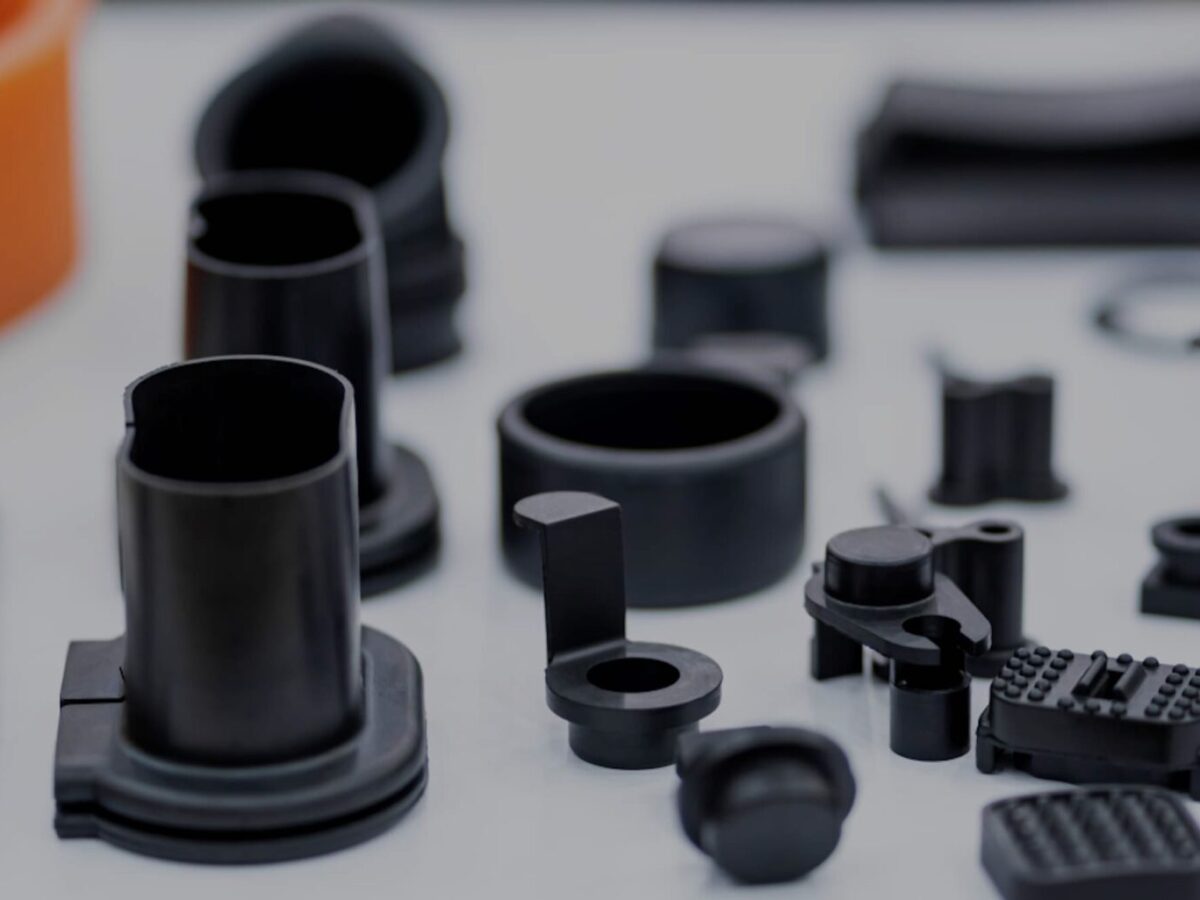
فرآیند قالبگیری تزریقی چگونه به تولید قطعات با دقت بالا کمک میکند؟
فرآیند قالبگیری تزریقی به دلیل تواناییاش در تولید قطعات با دقت بالا و کیفیت ثابت، به طور گسترده شناخته شده است. عوامل متعددی در دقت حاصل از قالبگیری تزریقی نقش دارند:
۱. ابزارسازی و طراحی قالب:
طراحی و ساخت قالب تزریق نقش حیاتی در دستیابی به دقت بالا دارد. قالب معمولاً با تکنیکهای ماشینکاری دقیق ساخته میشود که ابعاد دقیق و تلرانسهای دقیق را تضمین میکند. در طراحی قالب عواملی مانند انقباض قطعه، کانالهای خنککننده، محل گیت و مکانیسمهای بیروناندازی در نظر گرفته میشوند که همگی به دقت ابعادی و پایداری قطعه در طول فرآیند قالبگیری کمک میکنند.
۲. کنترل مواد:
قالبگیری تزریقی امکان کنترل دقیق بر روی مواد مورد استفاده در فرآیند را فراهم میکند. مواد پلاستیکی مذاب با دقت اندازهگیری و کنترل میشوند و خواص ثابت مواد را تضمین کرده و تغییرات در قطعات قالبگیری شده را کاهش میدهند. این کنترل بر پارامترهای مواد، مانند دمای مذاب، ویسکوزیته و سرعت پر شدن، به تولید قطعات با دقت بالا با ابعاد و خواص مکانیکی ثابت کمک میکند.
۳. کنترل فرآیند تزریق:
فرآیند قالبگیری تزریقی شامل تزریق پلاستیک مذاب به داخل حفره قالب تحت فشار بالا است. دستگاههای قالبگیری تزریقی پیشرفته مجهز به سیستمهای کنترل دقیقی هستند که سرعت، فشار و زمان تزریق را تنظیم میکنند. این سیستمهای کنترل، پر شدن دقیق و تکرارپذیر قالب را تضمین میکنند و تغییرات در ابعاد قطعه و پرداخت سطح را به حداقل میرسانند. توانایی تنظیم و کنترل دقیق این پارامترها به تولید قطعات با دقت بالا کمک میکند.
۴. خنکسازی و جامدسازی:
خنکسازی و انجماد مناسب مواد پلاستیکی تزریقی برای دستیابی به دقت بالا بسیار مهم است. فرآیند خنکسازی به دقت کنترل میشود تا از خنکسازی یکنواخت در سراسر قطعه اطمینان حاصل شود و تابخوردگی یا اعوجاج به حداقل برسد. سیستمهای خنکسازی کارآمد در قالب، مانند کانالهای خنککننده یا خنکسازی تطبیقی، به حفظ دما و سرعت انجماد ثابت کمک میکنند و در نتیجه ابعاد دقیق قطعه و کاهش تنشهای داخلی حاصل میشود.
۵. اتوماسیون و رباتیک:
استفاده از اتوماسیون و رباتیک در قالبگیری تزریقی، دقت و تکرارپذیری را افزایش میدهد. سیستمهای خودکار، جابجایی مداوم و دقیق قالبها، قطعات داخلی و قطعات نهایی را تضمین میکنند و خطاهای انسانی و تغییرات را کاهش میدهند. رباتها میتوانند وظایفی مانند حذف قطعات، بازرسی و مونتاژ را با دقت بالا انجام دهند و به دقت کلی فرآیند تولید کمک کنند.
۶. نظارت بر فرآیند و کنترل کیفیت:
فرآیندهای قالبگیری تزریقی اغلب شامل سیستمهای پیشرفته نظارت و کنترل کیفیت هستند. این سیستمها به طور مداوم پارامترهای کلیدی فرآیند، مانند دما، فشار و زمان چرخه را رصد و تجزیه و تحلیل میکنند تا هرگونه تغییر یا انحراف را تشخیص دهند. بازخورد بلادرنگ از این سیستمها امکان تنظیمات و اقدامات اصلاحی را فراهم میکند و تضمین میکند که تولید در محدوده تلرانسهای مورد نظر و استانداردهای کیفیت باقی میماند.
۷. پسپردازش و پرداخت نهایی:
پس از فرآیند قالبگیری تزریقی، تکنیکهای پسپردازش و پرداخت، مانند برش، پلیسهگیری و عملیات سطحی، میتوانند دقت و زیبایی قطعات را بیشتر افزایش دهند. این فرآیندها به حذف هرگونه نقص یا مواد اضافی کمک میکنند و تضمین میکنند که قطعات نهایی الزامات ابعادی و ظاهری مشخص شده را برآورده میکنند.
در مجموع، ترکیبی از ابزار دقیق و طراحی قالب، کنترل مواد، کنترل فرآیند تزریق، تکنیکهای خنکسازی و انجماد، اتوماسیون و رباتیک، نظارت بر فرآیند و پسپردازش، به تولید قطعات با دقت بالا از طریق فرآیند قالبگیری تزریقی کمک میکند. توانایی دستیابی مداوم به تلرانسهای دقیق، ابعاد دقیق و پرداخت سطح عالی، قالبگیری تزریقی را به انتخابی ارجح برای کاربردهایی که نیاز به دقت بالا دارند، تبدیل میکند.
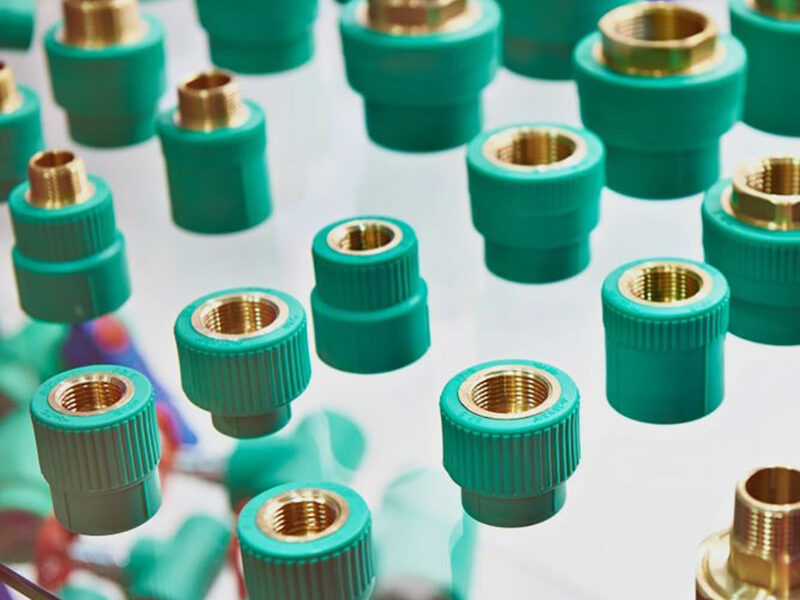
How do innovations and advancements in injection molding technology influence part design and production?
Innovations and advancements in injection molding technology have a significant influence on part design and production. These advancements introduce new capabilities, enhance process efficiency, improve part quality, and expand the range of applications for injection molded parts. Here’s a detailed explanation of how innovations and advancements in injection molding technology influence part design and production:
Design Freedom:
Advancements in injection molding technology have expanded the design freedom for part designers. With the introduction of advanced software tools, such as computer-aided design (CAD) and simulation software, designers can create complex geometries, intricate features, and highly optimized designs. The use of 3D modeling and simulation allows for the identification and resolution of potential design issues before manufacturing. This design freedom enables the production of innovative and highly functional parts that were previously challenging or impossible to manufacture using conventional techniques.
Improved Precision and Accuracy:
Innovations in injection molding technology have led to improved precision and accuracy in part production. High-precision molds, advanced control systems, and closed-loop feedback mechanisms ensure precise control over the molding process variables, such as temperature, pressure, and cooling. This level of control results in parts with tight tolerances, consistent dimensions, and improved surface finishes. Enhanced precision and accuracy enable the production of parts that meet strict quality requirements, fit seamlessly with other components, and perform reliably in their intended applications.
Material Advancements:
The development of new materials and material combinations specifically formulated for injection molding has expanded the range of properties available to part designers. Innovations in materials include high-performance engineering thermoplastics, bio-based polymers, reinforced composites, and specialty materials with unique properties. These advancements allow for the production of parts with enhanced mechanical strength, improved chemical resistance, superior heat resistance, and customized performance characteristics. Material advancements in injection molding technology enable the creation of parts that can withstand demanding operating conditions and meet the specific requirements of various industries.
Process Efficiency:
Innovations in injection molding technology have introduced process optimizations that improve efficiency and productivity. Advanced automation, robotics, and real-time monitoring systems enable faster cycle times, reduced scrap rates, and increased production throughput. Additionally, innovations like multi-cavity molds, hot-runner systems, and micro-injection molding techniques improve material utilization and reduce production costs. Increased process efficiency allows for the economical production of high-quality parts in larger quantities, meeting the demands of industries that require high-volume production.
Overmolding and Multi-Material Molding:
Advancements in injection molding technology have enabled the integration of multiple materials or components into a single part through overmolding or multi-material molding processes. Overmolding allows for the encapsulation of inserts, such as metal components or electronics, with a thermoplastic material in a single molding cycle. This enables the creation of parts with improved functionality, enhanced aesthetics, and simplified assembly. Multi-material molding techniques, such as co-injection molding or sequential injection molding, enable the production of parts with multiple colors, varying material properties, or complex material combinations. These capabilities expand the design possibilities and allow for the creation of innovative parts with unique features and performance characteristics.
Additive Manufacturing Integration:
The integration of additive manufacturing, commonly known as 3D printing, with injection molding technology has opened up new possibilities for part design and production. Additive manufacturing can be used to create complex mold geometries, conformal cooling channels, or custom inserts, which enhance part quality, reduce cycle times, and improve part performance. By combining additive manufacturing and injection molding, designers can explore new design concepts, produce rapid prototypes, and efficiently manufacture customized or low-volume production runs.
Sustainability and Eco-Friendly Solutions:
Advancements in injection molding technology have also focused on sustainability and eco-friendly solutions. This includes the development of biodegradable and compostable materials, recycling technologies for post-consumer and post-industrial waste, and energy-efficient molding processes. These advancements enable the production of environmentally friendly parts that contribute to reducing the carbon footprint and meeting sustainability goals.
Overall, innovations and advancements in injection molding technology have revolutionized part design and production. They have expanded design possibilities, improved precision and accuracy, introduced new materials, enhanced process efficiency, enabled overmolding and multi-material molding, integrated additive manufacturing, and promoted sustainability. These advancements empower part designers and manufacturers to create highly functional, complex, and customized parts that meet the demands of various industries and contribute to overall process efficiency and sustainability.
Are there different types of injection molded parts, such as automotive components or medical devices?
Yes, there are various types of injection molded parts that are specifically designed for different industries and applications. Injection molding is a versatile manufacturing process capable of producing complex and precise parts with high efficiency and repeatability. Here are some examples of different types of injection molded parts:
1. Automotive Components:
Injection molding plays a critical role in the automotive industry, where it is used to manufacture a wide range of components. Some common injection molded automotive parts include:
- Interior components: Dashboard panels, door handles, trim pieces, instrument clusters, and center consoles.
- Exterior components: Bumpers, grilles, body panels, mirror housings, and wheel covers.
- Under-the-hood components: Engine covers, air intake manifolds, cooling system parts, and battery housings.
- Electrical components: Connectors, switches, sensor housings, and wiring harnesses.
- Seating components: Seat frames, headrests, armrests, and seatbelt components.
2. Medical Devices:
The medical industry relies on injection molding for the production of a wide range of medical devices and components. These parts often require high precision, biocompatibility, and sterilizability. Examples of injection molded medical devices include:
- Syringes and injection pens
- Implantable devices: Catheters, pacemaker components, orthopedic implants, and surgical instruments.
- Diagnostic equipment: Test tubes, specimen containers, and laboratory consumables.
- Disposable medical products: IV components, respiratory masks, blood collection tubes, and wound care products.
3. Consumer Products:
Injection molding is widely used in the production of consumer products due to its ability to mass-produce parts with high efficiency. Examples of injection molded consumer products include:
- Household appliances: Television and audio equipment components, refrigerator parts, and vacuum cleaner components.
- Electronics: Mobile phone cases, computer keyboard and mouse, camera components, and power adapters.
- Toys and games: Action figures, building blocks, puzzles, and board game components.
- Personal care products: Toothbrushes, razor handles, cosmetic containers, and hairdryer components.
- Home improvement products: Light switch covers, door handles, power tool housings, and storage containers.
4. Packaging:
Injection molding is widely used in the packaging industry to produce a wide variety of plastic containers, caps, closures, and packaging components. Some examples include:
- Bottles and containers for food, beverages, personal care products, and household chemicals.
- Caps and closures for bottles and jars.
- Thin-walled packaging for food products such as trays, cups, and lids.
- Blister packs and clamshell packaging for retail products.
- Packaging inserts and protective foam components.
5. Electronics and Electrical Components:
Injection molding is widely used in the electronics industry for the production of various components and enclosures. Examples include:
- Connectors and housings for electrical and electronic devices.
- Switches, buttons, and control panels.
- PCB (Printed Circuit Board) components and enclosures.
- LED (Light-Emitting Diode) components and light fixtures.
- Power adapters and chargers.
These are just a few examples of the different types of injection molded parts. The versatility of injection molding allows for the production of parts in various industries, ranging from automotive and medical to consumer products, packaging, electronics, and more. The specific design requirements and performance characteristics of each part determine the choice of materials, tooling, and manufacturing processes for injection molding.
<img src="https://img.hzpt.com/img/Injectionmoldedparts/Injectionmoldedparts-L1.webp" alt="China supplier Source Factory Produce Injection Moulding CHINAMFG Custom Molded ABS CHINAMFG “><img src="https://img.hzpt.com/img/Injectionmoldedparts/Injectionmoldedparts-L2.webp" alt="China supplier Source Factory Produce Injection Moulding CHINAMFG Custom Molded ABS CHINAMFG “>
editor by Dream 2024-10-12