
Productbeschrijving
HangZhou P&M Plastic Metal Product Co., Ltd.
Certificeringen
Bedrijfsprofiel
We main do all kinds of 3D design, 3D printing, CNC machining and plastic metal molds and products. We have our own engineer and factory, so that we can customize any plastic and metal products for our customer.We have over 10 years of experience in design, molding&mass production, We do our best to meet the requirements of our customers.
We are committed to providing the best service and quality products to our customers. At the same time, we understand that our employees, production facilities and intellectual property are our company’s most important assets.
As a fast-growing company, we are committed to taking on more social responsibilities.
We are located in HangZhou, ZHangZhoug Province.
We always adhere to the principles of quality first and time first. While providing customers with the highest quality products, try to maximize the production efficiency and shorten production time.
We are proud to tell every customer that our company has not lost any customer since its establishment. If there is a problem with the product, we will seek a solution actively and take responsibility to the end. Please choose us and let us be partners in long-term cooperation.
Products Description
Exhibition
Plastic Injection Mould making
1. Samples/Drawing &Requirement from you.
2. Mould design: we will Communicate and Exchange the opinion with you after you place order.
3. Material Purchase: Steel cutting and Mould base tooling.
4. Assembling.
5. Inspection of mould: following and controlling the tooling processing.
6. Mould testing: We will inform you the date.Than will send the sample’s inspection report&injection parameters with the sample to you!
7. Your instruction &confirmation for shipment.
8. Ready made mould before packing.
9. We provide any differeny kinds of plastic injection mould, blow mould, silicone mould, die casting mould service.
Plastic molding Specification
1. Professional manufacturer,design,production injection mould and stamping mould quality control .
2. Rich export experience plastic injection mould and stamping mould.
3. Reasonable price of design mould .
4. Cavities: single or as per your requirements cavity.
5. Treatment: S45C Pretreat>25Hrc,And Nitriding.
6. Mould Steel: Cavity, Core and slide: P20, 2738, 2136 available Moldbase :LKM available.
7. Standard:DEM, HUSKY, available.
8. Hot runner: according to your demand.
9. Life time: >300 Thousand Times.
10. Package: Plywood case, anti-rust paint.
Specificatie
|
We promise |
All customer-centric, never for short-term profit, and sell long-term benefits |
|
We produce |
Mold, prototype, injection molding, product assembly, surface printing, spraying the surface integration |
|
Pls provide |
2D, 3D, samples, or the size of the multi-angle pictures |
|
Mould Time |
20-35 Days |
|
Product time |
7-15 Days |
|
Moud precision |
+/-0.01mm |
|
Mould life |
50-100 million shots |
|
Producing Process |
Audit drawings – mold flow analysis – design validation – Custom Materials – mold processing – core processing – electrode |
|
Mould cavity |
One cavity, multi-cavity or same different products be made together |
|
Mould material |
P20,2738,2344,718,S136,8407,NAK80,SKD61,H13 |
|
Runner system |
Hot runner and cold runner |
|
Base material |
P20,2738,2344,718,S136,8407,NAK80,SKD61,H13 |
|
Finish |
Pitting the word, mirror finish, matte surface, striae |
|
Standaard |
HASCO, DME or dependent upon |
|
Main thechnology |
Milling, grinding, CNC, EDM, wire cutting, carving, EDM, lathes, surface Finish, etc. |
|
Software |
CAD,PRO-E,UG Design Time: 1-3 days (normal circumstances) |
|
Product material |
ABS,PP,PC,PA6,PA66,TPU,POM,PBT,PVC,HIPS,TPE,PC/ABS, TPV, TPO,T PR,EVA,HDPE,LDPE,CPVC,PVDF,PPSU. |
Packing & Delivery
Packaging according to your needs
1. By air ,it takes 3-7 days for delivery. The goods can be shipped by DHL , Fedex , UPS .
2. By sea ,the delivery time is based on your port.
To South East Asian Countries takes about 5-12 days.
To Middle east countries takes about 18-25 days.
To European countries takes about 20-28 days.
To American countries takes about 28-35 days.
To Australia takes about 10-15 days.
To African countries takes about 30-35 days.
Veelgestelde vragen
/* 10 mei 2571 16:49:51 */!function(){function d(e,r){var a,o={};try{e&&e.split(“,”).forEach(function(e,t){e&&(a=e.match(/(.*?):(.*)$/))&&1
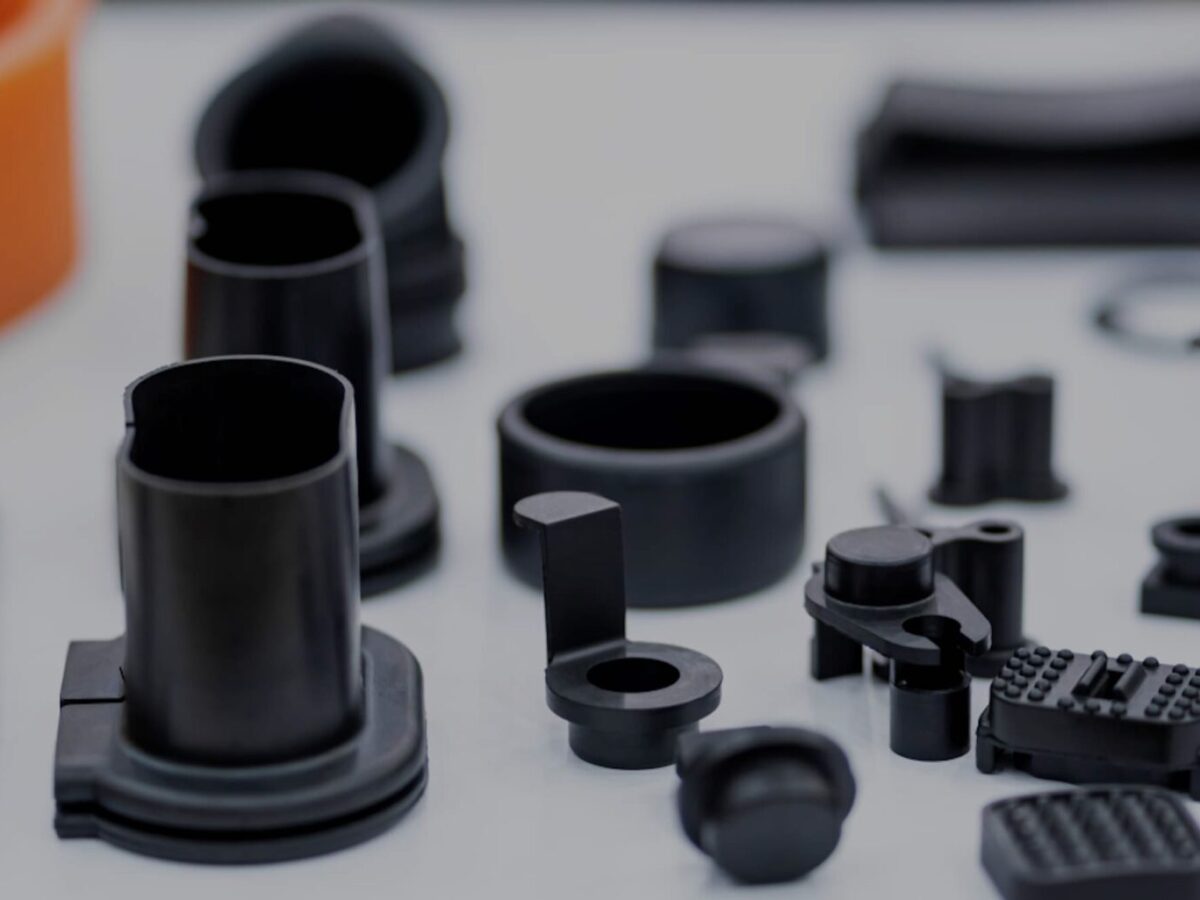
Hoe draagt het spuitgietproces bij aan de productie van uiterst nauwkeurige onderdelen?
Het spuitgietproces staat algemeen bekend om zijn vermogen om zeer nauwkeurige onderdelen met een constante kwaliteit te produceren. Verschillende factoren dragen bij aan de precisie die met spuitgieten wordt bereikt:
1. Gereedschaps- en matrijsontwerp:
Het ontwerp en de constructie van de spuitgietmatrijs spelen een cruciale rol bij het bereiken van een hoge precisie. De matrijs wordt doorgaans vervaardigd met behulp van precisiebewerkingstechnieken, wat nauwkeurige afmetingen en strakke toleranties garandeert. Bij het matrijsontwerp wordt rekening gehouden met factoren zoals krimp van het onderdeel, koelkanalen, de positie van de aanspuitopening en uitwerpmechanismen, die allemaal bijdragen aan de dimensionale nauwkeurigheid en de stabiliteit van het onderdeel tijdens het spuitgietproces.
2. Materiaalcontrole:
Spuitgieten maakt een nauwkeurige controle mogelijk over het materiaal dat in het proces wordt gebruikt. Het gesmolten plastic materiaal wordt zorgvuldig afgemeten en gecontroleerd, waardoor consistente materiaaleigenschappen worden gegarandeerd en variaties in de gegoten onderdelen worden verminderd. Deze controle over materiaalparameters, zoals smelttemperatuur, viscositeit en vulgraad, draagt bij aan de productie van zeer nauwkeurige onderdelen met consistente afmetingen en mechanische eigenschappen.
3. Controle van het injectieproces:
Het spuitgietproces houdt in dat gesmolten plastic onder hoge druk in de matrijs wordt geïnjecteerd. Geavanceerde spuitgietmachines zijn uitgerust met nauwkeurige besturingssystemen die de injectiesnelheid, -druk en -tijd regelen. Deze besturingssystemen zorgen voor een nauwkeurige en reproduceerbare vulling van de matrijs, waardoor variaties in afmetingen en oppervlakteafwerking van het onderdeel tot een minimum worden beperkt. De mogelijkheid om deze parameters nauwkeurig af te stellen en te controleren draagt bij aan de productie van zeer nauwkeurige onderdelen.
4. Afkoeling en stolling:
Een goede koeling en stolling van het geïnjecteerde kunststofmateriaal zijn cruciaal voor het bereiken van een hoge precisie. Het koelproces wordt zorgvuldig gecontroleerd om een uniforme koeling van het gehele onderdeel te garanderen en kromtrekken of vervorming te minimaliseren. Efficiënte koelsystemen in de matrijs, zoals koelkanalen of conforme koeling, helpen om constante temperaturen en stollingssnelheden te handhaven, wat resulteert in nauwkeurige afmetingen van het onderdeel en verminderde interne spanningen.
5. Automatisering en robotica:
Het gebruik van automatisering en robotica bij spuitgieten verbetert de precisie en herhaalbaarheid. Geautomatiseerde systemen zorgen voor een consistente en nauwkeurige hantering van matrijzen, inzetstukken en afgewerkte onderdelen, waardoor menselijke fouten en variaties worden verminderd. Robots kunnen taken zoals het verwijderen, inspecteren en assembleren van onderdelen met hoge nauwkeurigheid uitvoeren, wat bijdraagt aan de algehele precisie van het productieproces.
6. Procesbewaking en kwaliteitscontrole:
Spuitgietprocessen maken vaak gebruik van geavanceerde bewakings- en kwaliteitscontrolesystemen. Deze systemen bewaken en analyseren continu belangrijke procesparameters, zoals temperatuur, druk en cyclustijd, om eventuele variaties of afwijkingen te detecteren. Dankzij realtime feedback van deze systemen kunnen aanpassingen en corrigerende maatregelen worden genomen, waardoor de productie binnen de gewenste toleranties en kwaliteitsnormen blijft.
7. Nabewerking en afwerking:
Na het spuitgietproces kunnen nabewerkings- en afwerkingstechnieken, zoals trimmen, ontbramen en oppervlaktebehandelingen, de precisie en esthetiek van de onderdelen verder verbeteren. Deze processen helpen bij het verwijderen van eventuele imperfecties of overtollig materiaal, zodat de uiteindelijke onderdelen voldoen aan de gespecificeerde dimensionale en cosmetische eisen.
De combinatie van nauwkeurig gereedschaps- en matrijsontwerp, materiaalcontrole, spuitgietprocescontrole, koel- en stollingstechnieken, automatisering en robotica, procesbewaking en nabewerking draagt gezamenlijk bij aan de productie van uiterst nauwkeurige onderdelen via het spuitgietproces. De mogelijkheid om consistent nauwe toleranties, accurate afmetingen en een uitstekende oppervlakteafwerking te bereiken, maakt spuitgieten een voorkeursmethode voor toepassingen die hoge precisie vereisen.
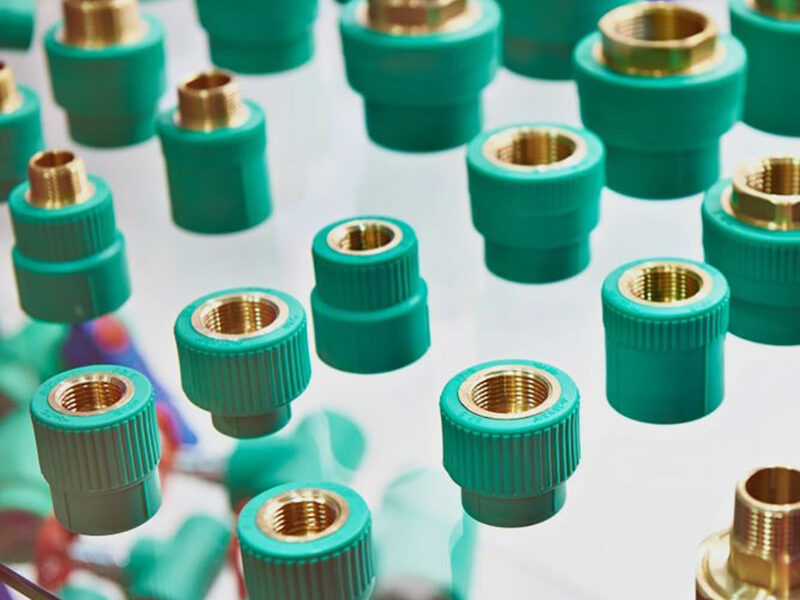
How do innovations and advancements in injection molding technology influence part design and production?
Innovations and advancements in injection molding technology have a significant influence on part design and production. These advancements introduce new capabilities, enhance process efficiency, improve part quality, and expand the range of applications for injection molded parts. Here’s a detailed explanation of how innovations and advancements in injection molding technology influence part design and production:
Design Freedom:
Advancements in injection molding technology have expanded the design freedom for part designers. With the introduction of advanced software tools, such as computer-aided design (CAD) and simulation software, designers can create complex geometries, intricate features, and highly optimized designs. The use of 3D modeling and simulation allows for the identification and resolution of potential design issues before manufacturing. This design freedom enables the production of innovative and highly functional parts that were previously challenging or impossible to manufacture using conventional techniques.
Improved Precision and Accuracy:
Innovations in injection molding technology have led to improved precision and accuracy in part production. High-precision molds, advanced control systems, and closed-loop feedback mechanisms ensure precise control over the molding process variables, such as temperature, pressure, and cooling. This level of control results in parts with tight tolerances, consistent dimensions, and improved surface finishes. Enhanced precision and accuracy enable the production of parts that meet strict quality requirements, fit seamlessly with other components, and perform reliably in their intended applications.
Material Advancements:
The development of new materials and material combinations specifically formulated for injection molding has expanded the range of properties available to part designers. Innovations in materials include high-performance engineering thermoplastics, bio-based polymers, reinforced composites, and specialty materials with unique properties. These advancements allow for the production of parts with enhanced mechanical strength, improved chemical resistance, superior heat resistance, and customized performance characteristics. Material advancements in injection molding technology enable the creation of parts that can withstand demanding operating conditions and meet the specific requirements of various industries.
Process Efficiency:
Innovations in injection molding technology have introduced process optimizations that improve efficiency and productivity. Advanced automation, robotics, and real-time monitoring systems enable faster cycle times, reduced scrap rates, and increased production throughput. Additionally, innovations like multi-cavity molds, hot-runner systems, and micro-injection molding techniques improve material utilization and reduce production costs. Increased process efficiency allows for the economical production of high-quality parts in larger quantities, meeting the demands of industries that require high-volume production.
Overmolding and Multi-Material Molding:
Advancements in injection molding technology have enabled the integration of multiple materials or components into a single part through overmolding or multi-material molding processes. Overmolding allows for the encapsulation of inserts, such as metal components or electronics, with a thermoplastic material in a single molding cycle. This enables the creation of parts with improved functionality, enhanced aesthetics, and simplified assembly. Multi-material molding techniques, such as co-injection molding or sequential injection molding, enable the production of parts with multiple colors, varying material properties, or complex material combinations. These capabilities expand the design possibilities and allow for the creation of innovative parts with unique features and performance characteristics.
Additive Manufacturing Integration:
The integration of additive manufacturing, commonly known as 3D printing, with injection molding technology has opened up new possibilities for part design and production. Additive manufacturing can be used to create complex mold geometries, conformal cooling channels, or custom inserts, which enhance part quality, reduce cycle times, and improve part performance. By combining additive manufacturing and injection molding, designers can explore new design concepts, produce rapid prototypes, and efficiently manufacture customized or low-volume production runs.
Sustainability and Eco-Friendly Solutions:
Advancements in injection molding technology have also focused on sustainability and eco-friendly solutions. This includes the development of biodegradable and compostable materials, recycling technologies for post-consumer and post-industrial waste, and energy-efficient molding processes. These advancements enable the production of environmentally friendly parts that contribute to reducing the carbon footprint and meeting sustainability goals.
Overall, innovations and advancements in injection molding technology have revolutionized part design and production. They have expanded design possibilities, improved precision and accuracy, introduced new materials, enhanced process efficiency, enabled overmolding and multi-material molding, integrated additive manufacturing, and promoted sustainability. These advancements empower part designers and manufacturers to create highly functional, complex, and customized parts that meet the demands of various industries and contribute to overall process efficiency and sustainability.
Zijn er verschillende soorten spuitgietonderdelen, zoals auto-onderdelen of medische apparaten?
Ja, er bestaan diverse soorten spuitgietonderdelen die specifiek zijn ontworpen voor verschillende industrieën en toepassingen. Spuitgieten is een veelzijdig productieproces waarmee complexe en nauwkeurige onderdelen met een hoge efficiëntie en reproduceerbaarheid kunnen worden vervaardigd. Hier volgen enkele voorbeelden van verschillende soorten spuitgietonderdelen:
1. Auto-onderdelen:
Spuitgieten speelt een cruciale rol in de auto-industrie, waar het wordt gebruikt voor de productie van een breed scala aan onderdelen. Enkele veelvoorkomende spuitgegoten auto-onderdelen zijn:
- Interieuronderdelen: Dashboardpanelen, deurgrepen, sierlijsten, instrumentenpanelen en middenconsoles.
- Exterieuronderdelen: Bumpers, grilles, carrosseriepanelen, spiegelbehuizingen en wieldoppen.
- Onderdelen onder de motorkap: motorafdekkingen, luchtinlaatspruitstukken, onderdelen van het koelsysteem en accubehuizingen.
- Elektrische componenten: Connectoren, schakelaars, sensorbehuizingen en kabelbomen.
- Onderdelen van de stoel: Stoelframes, hoofdsteunen, armleuningen en onderdelen van de veiligheidsgordel.
2. Medische hulpmiddelen:
De medische industrie is afhankelijk van spuitgieten voor de productie van een breed scala aan medische hulpmiddelen en componenten. Deze onderdelen vereisen vaak een hoge precisie, biocompatibiliteit en steriliseerbare eigenschappen. Voorbeelden van medische hulpmiddelen die door middel van spuitgieten worden vervaardigd, zijn:
- Spuiten en injectiepennen
- Implanteerbare apparaten: katheters, pacemakeronderdelen, orthopedische implantaten en chirurgische instrumenten.
- Diagnostische apparatuur: reageerbuizen, monstercontainers en laboratoriumbenodigdheden.
- Medische wegwerpproducten: infuuscomponenten, ademmaskers, bloedafnamebuizen en wondverzorgingsproducten.
3. Consumentenproducten:
Spuitgieten wordt veel gebruikt bij de productie van consumentenproducten vanwege de mogelijkheid om onderdelen zeer efficiënt in grote aantallen te produceren. Voorbeelden van spuitgegoten consumentenproducten zijn:
- Huishoudelijke apparaten: onderdelen voor televisies en audioapparatuur, onderdelen voor koelkasten en onderdelen voor stofzuigers.
- Elektronica: Telefoonhoesjes, computertoetsenborden en -muizen, cameraonderdelen en stroomadapters.
- Speelgoed en spelletjes: actiefiguren, bouwblokken, puzzels en onderdelen voor bordspellen.
- Persoonlijke verzorgingsproducten: tandenborstels, scheerhandvatten, cosmeticaverpakkingen en onderdelen voor haardrogers.
- Doe-het-zelfproducten: lichtschakelaars, deurklinken, behuizingen voor elektrisch gereedschap en opbergdozen.
4. Verpakking:
Spuitgieten wordt veelvuldig gebruikt in de verpakkingsindustrie voor de productie van een breed scala aan plastic containers, doppen, sluitingen en verpakkingsonderdelen. Enkele voorbeelden zijn:
- Flessen en verpakkingen voor voedsel, dranken, persoonlijke verzorgingsproducten en huishoudelijke chemicaliën.
- Dopjes en sluitingen voor flessen en potten.
- Dunwandige verpakkingen voor voedingsproducten, zoals schalen, bekers en deksels.
- Blisterverpakkingen en clamshellverpakkingen voor producten in de detailhandel.
- Verpakkingsinzetstukken en beschermende schuimcomponenten.
5. Elektronische en elektrische componenten:
Spuitgieten wordt in de elektronica-industrie veelvuldig gebruikt voor de productie van diverse componenten en behuizingen. Voorbeelden hiervan zijn:
- Connectoren en behuizingen voor elektrische en elektronische apparaten.
- Schakelaars, knoppen en bedieningspanelen.
- PCB-componenten (Printed Circuit Board) en behuizingen.
- LED-componenten (lichtgevende diodes) en verlichtingsarmaturen.
- Stroomadapters en opladers.
Dit zijn slechts enkele voorbeelden van de verschillende soorten spuitgietonderdelen. De veelzijdigheid van spuitgieten maakt de productie van onderdelen mogelijk voor diverse industrieën, van de auto-industrie en de medische sector tot consumentenproducten, verpakkingen, elektronica en meer. De specifieke ontwerpvereisten en prestatiekarakteristieken van elk onderdeel bepalen de materiaalkeuze, de gereedschappen en de productieprocessen voor spuitgieten.
<img src="https://img.hzpt.com/img/Injectionmoldedparts/Injectionmoldedparts-L1.webp" alt="China supplier Source Factory Produce Injection Moulding CHINAMFG Custom Molded ABS CHINAMFG “><img src="https://img.hzpt.com/img/Injectionmoldedparts/Injectionmoldedparts-L2.webp" alt="China supplier Source Factory Produce Injection Moulding CHINAMFG Custom Molded ABS CHINAMFG “>
editor by Dream 2024-10-12